• 3D Printing Prosthetic Nests to Help Endangered Birds Stretch Their Wings

    On the grounds of Blenheim Palace, a UNESCO World Heritage Site near Oxford, England surrounded by roughly 12,000 acres of forest and gardens, researchers from Australia and the UK are using 3D printed prosthetics to help save endangered birds. But, rather than prosthetics beaks or limbs, they’ve engineered 3D printed prosthetic nests out of biodegradable plastic and mushrooms.

    The experiment, led by designer Dan Parker, a researcher with University of Oxford and the Deep Design Lab at University of Melbourne, is meant to help improve typical bird boxes. These are used worldwide as nesting shelters but don’t often attract large species of endangered birds, and can even end up killing chicks due to poor conditions inside.

    Innovative artificial hollows made from mycelium (top-left), 3D printed wood (top-middle), and hempcrete (bottom/right) at test sites in south Australia. Image: Deep Design Lab.

    People make bird houses all the time, building them with kits and sometimes even 3D printing them. I’m pretty sure there’s even a Girl Scout badge you can earn for building a bird house. However, these are often more decorative than useful. Bird boxes are more functional, designed specifically for cavity-nesting birds to raise their young, but even these avian shelters can have issues. Research has shown that the temperatures in these boxes can fluctuate much more than in natural hollows. If it was built poorly out of cheap materials, cold air and rain can blow in the bird box, and kill the young birds inside before they even have a chance to stretch their wings.

    Since the 1970s, the population of rare marsh tits in England has dropped by half, and other common songbirds, like nuthatches and sparrows, have also been in population decline. This is widely due to the fact that agricultural intensification has caused their natural habitat of ancient, hollowed trees to nearly vanish. Conservationists have tried to help by building nesting shelters, but they haven’t been attracting many birds.

    Prosthetic Nests for the Powerful Owl: Excerpt from video showing installation of prototype in System Garden at the University of Melbourne in Melbourne, Australia. Video by Dan Parker and Dr Stanislav Roudavski, Deep Design Lab.

    A few years ago, Parker and his team used 3D scanners to map the hollowed-out old trees in which endangered powerful owls often reside. They used tools like generative algorithms and VR goggles to build nesting boxes for the owls that better fit their needs. They’re trying something similar at Blenheim Palace now with the 3D printed nests, which Parker referred to as prosthetic hollows.

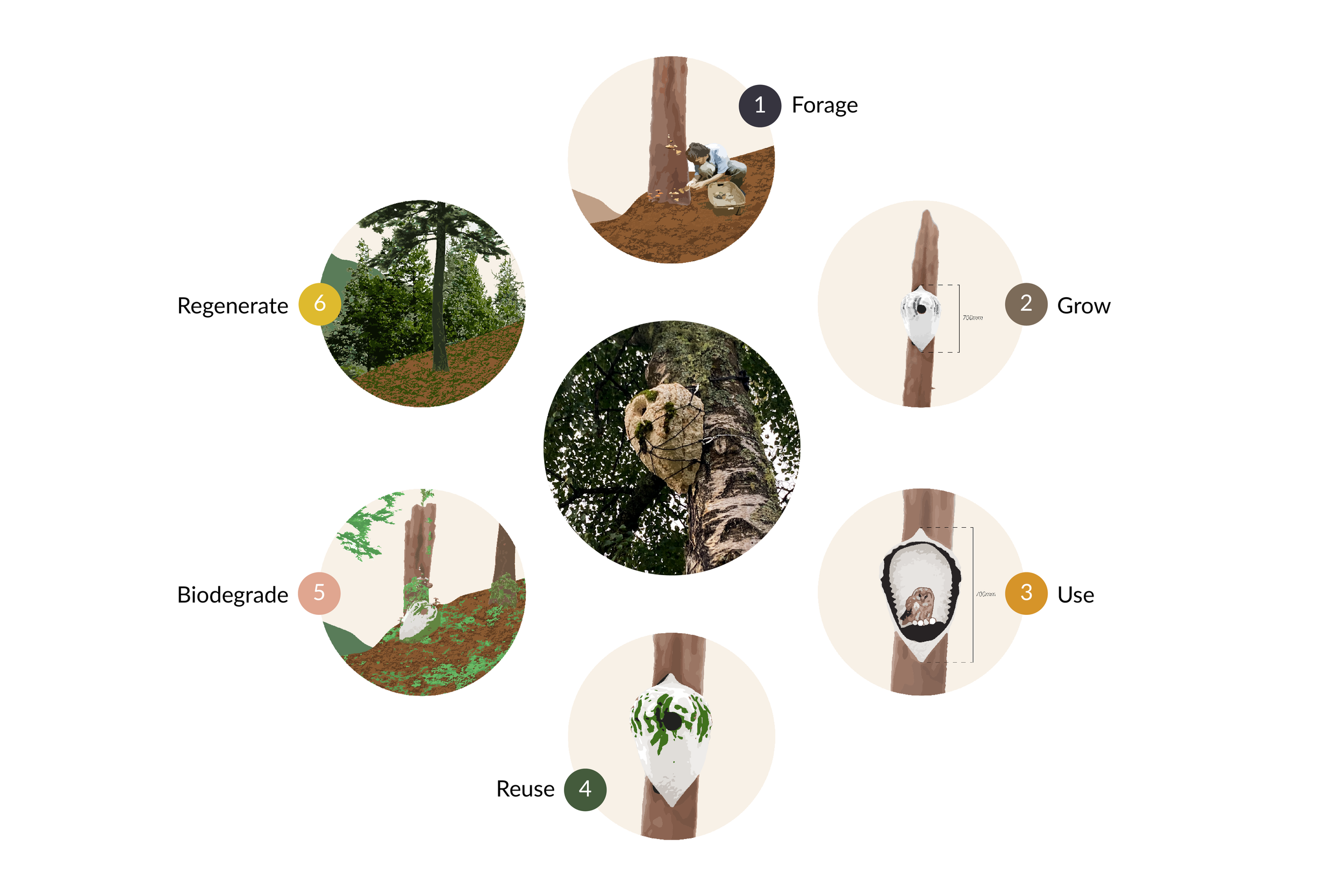
    Reishi is a type of mushroom that grows in this particular region of England. Parker 3D printed the basic bird box shape out of sawdust and plant-based biodegradable plastic. Then, he cultivated the rootlike structure of fungi, called mycelium, to slowly grow over the sides of the boxes, giving them a ripple effect. This material is carbon-neutral, lightweight yet insulating, biodegradable, and easy to shape so that it mimics natural tree hollows, like the ones in which marsh tits prefer to nest.

    Design for a complete lifecycle of a mycelium hollow in Italy. Image by Deep Design Lab in Conservation Science in Practice.

    The experiment, which is being funded by the Birds on the Brink charity, will compare 10 mycelium 3D printed prosthetic nests against 10 conventional bird boxes; the control is a popular box certified by the Royal Society for the Protection of Birds (RSPB) charity. All 20 boxes have been hung in trees around Blenheim Palace, and over the 2026 breeding season, researchers will track which design birds like better, which species are visiting them, and how many chicks grow and fledge (grow their feathers for flight).

    Other researchers working on this experiment with Park include Dr Stanislav Roudavski, University of Melbourne and Deep Design Lab; and Dr Joanna Bagniewska, Dr Thomas Hesselberg, Filipe Salbany, and Dr Ada Grabowska-Zhang, University of Oxford.

    Prosthetic Nests for the Powerful Owl: Prototype installed at System Garden, Melbourne, Australia. Image by Dan Parker and Dr Stanislav Roudavski, Deep Design Lab.

  • 3D Printing News Briefs, April 4, 2026: 3D Printed Food, Cocoa Press, & More

    We’re starting off with 3D printed food in this weekend’s 3D Printing News Briefs, followed by some business news about Cocoa Press. Then we’ll move onto a metal additive manufacturing business partnership, and conclude with a 3D printing service by Formlabs. Read on for all the details!

    FSA Says Emerging Technologies, Like 3D Printing, Could Transform Food in Britain

    UMAMI Bioworks and Steakholder Foods’ 3D printed fish. Image courtesy of UMAMI Bioworks.

    According to a recent report from the British food safety watchdog Food Standards Agency (FSA), several emerging technologies could transform the country’s food system in the very near future. It should come as no surprise that one of those technologies is 3D printing; others include precision fermentation and molecular farming. 3D printing is especially helpful in creating personalized foods with custom textures, shapes, and nutritional profiles, and there are already pilot programs around the world investigating foods made specifically for patients with dysphagia, or difficulty swallowing. While the technology is still at an early stage, interest is growing within the NHS and care catering sectors in the UK, and the FSA watchlist classifies 3D printing as a “tier-three” technology. This means it’s not expected to be sold commercially until after 2035, though lab-cultivated meat and fish should be available much sooner. A lot of the success of 3D printed food could come down to the willingness of people who are willing to try it and get past their neophobia (fear of the new).

    “Emerging technologies are reshaping how our food is produced and sourced. This report gives industry and government clear sight of what is coming, and what is required to ensure these products meet the UK’s high standards,” said Dr Thomas Vincent, Deputy Director of Innovation, FSA. “The FSA and FSS’s remit is central to delivering these ambitions and by working early with innovators, we can support safe, responsible growth and build consumer confidence in the foods of the future.”

    New CEO of Cocoa Press is Former Prusa & Printed Solid Executive

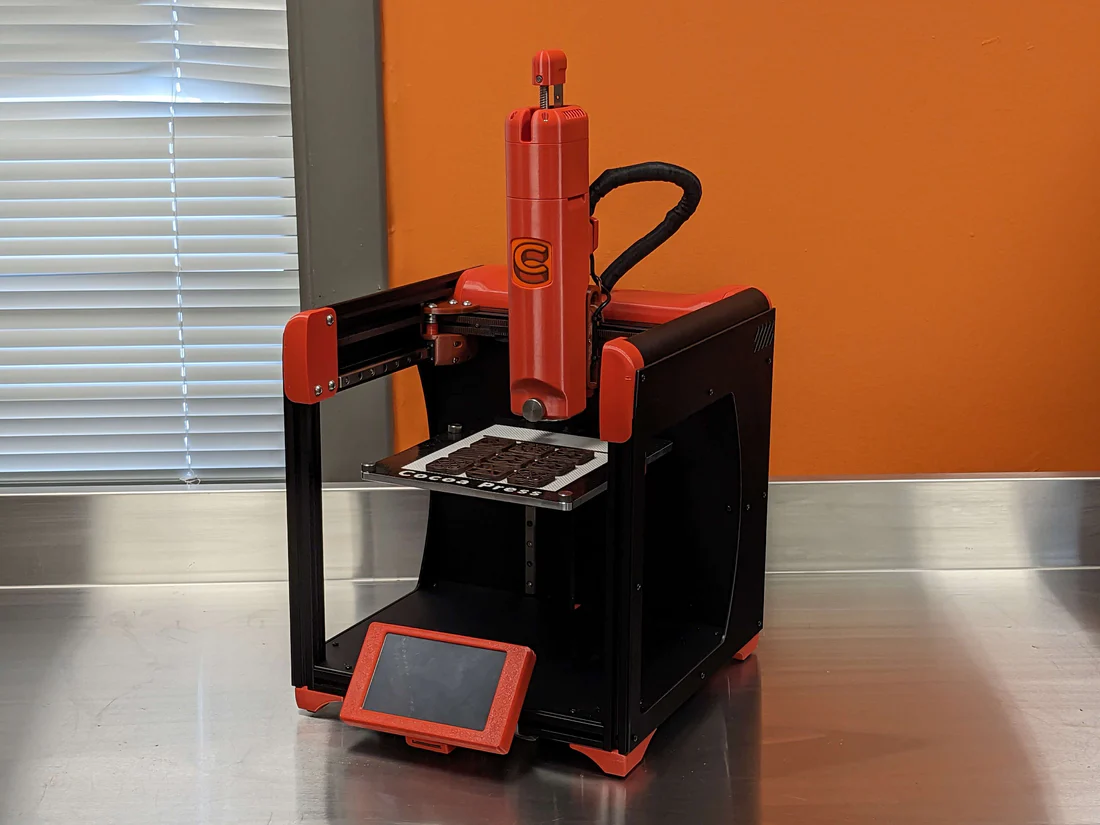
    One type of 3D printed food that’s already enjoyed early success is chocolate, and who knows better about that than Cocoa Press, the startup behind the first consumer 3D printer for chocolate? It’s not all fun and games, either—Cocoa Press has been working to build out its leadership team, like bringing on Caleb Kraft, the former editor of Make Magazine, as Box Manager of the Print Kits subscription service. Its most recent appointment is naming David Randolph, former head of the Prusa Research U.S. manufacturing arm Printed Solid, as its new CEO. Randolph has nearly a decade of leadership experience in scaling 3D print manufacturing operations, including transforming Printed Solid from a filament supplier to a major U.S. manufacturing operation. He will now oversee both Cocoa Press and subscription-based DIY 3D printing service Print Kits, which Cocoa Press acquired from Alien3D two years ago. This signals a major shift for the startup, as its works to position itself towards mainstream adoption and a more established consumer 3D printing market category.

    “David has an uncanny ability to take an idea to market that expresses a personal experience for not only the consumers but for the DIY and maker communities at large,” said Cocoa Press Founder Ellie Rose, who will remain Chief Technology Officer for both Cocoa Press and Print Kits. “As we scale Cocoa Press and expand our ecosystem, David’s experience in domestic manufacturing and customer-first leadership is exactly what we need to bring 3D chocolate printing to kitchens, education, and makerspaces everywhere.”

    EPlus3D & infoTRON Partner to Grow Industrial Metal AM in Türkiye

    Chinese metal powder bed fusion (PBF) solutions provider Eplus3D has been working to strengthen its global partner network, and recently announced that it is collaborating with Türkiye-based engineering technology provider infoTRON to expand its industrial technology in that country. Headquartered in Istanbul, with a European presence in Eindhoven, infoTRON provides industrial customers with digital manufacturing solutions and engineering technologies. Through this new partnership, it will support the application and promotion of Eplus3D’s metal AM systems in the Turkish market and surrounding Middle Eastern regions, helping to bring industrial PBF solutions closer to the users. Local manufacturers, particularly in the aerospace, tooling, automotive, and energy sectors, are now able to take advantage of experienced regional technology partners, like infoTRON, to evaluate and adopt the advanced, large-format, high-efficiency metal PBF systems that Eplus3D offers.

    “We are delighted to partner with infoTRON as we continue expanding Eplus3D’s global presence. infoTRON’s deep connection with local industries and its experience in digital engineering technologies make it an ideal partner to support the growing demand for metal additive manufacturing in Türkiye,” said Raymond Zhang, Sales Director APAC at Eplus3D. “Together, we aim to help manufacturers explore new possibilities in advanced production through reliable and scalable metal AM solutions.”

    Formlabs Officially Launches Form Now 3D Printing Service

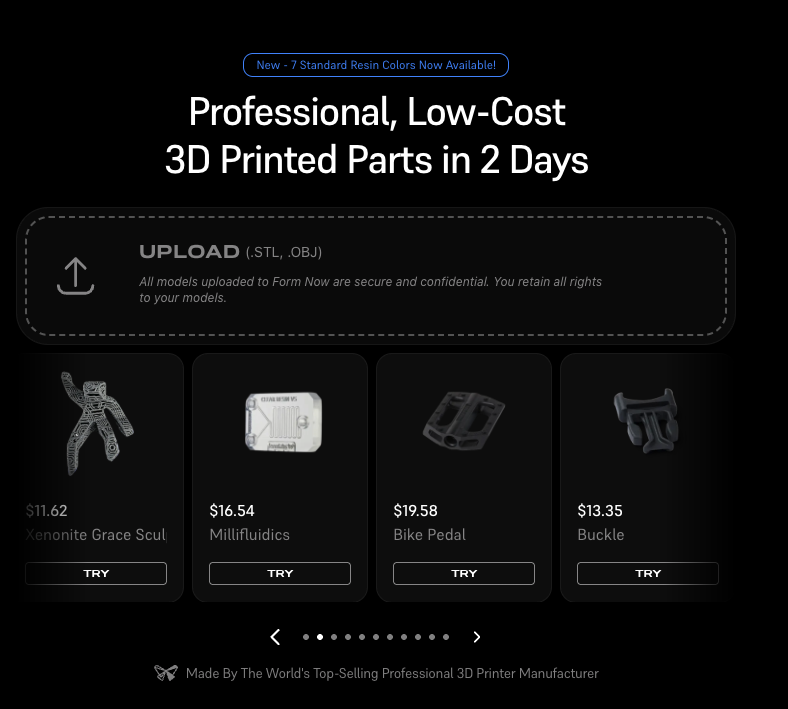
    Finally, Formlabs has entered the service bureau market with the launch of its Form Now on-demand 3D printing service. The platform is meant to give users access to professional SLS and SLA 3D printing without having to purchase their own systems, and is said to offer two-day delivery of industrial parts across the U.S. It sounds like a fairly standard operation: using a streamlined online ordering process, users upload STL or OBJ files (.form and .3MF to come), select their desired quantities and materials, and get a quote. Maximum part dimensions are 35.3 x 19.6 x 35 cm. The parts are then printed at Formlabs in Massachusetts, and shipped out to the customer. Bulk file uploads are supported, which allows users to submit files for multiple components in one order. 15 materials are available in the Form Now service, including standard resins in V5 formulations and Elastic 50A for SLA, and Nylon 11, Nylon 12 GF, and TPU 90A for SLS. The company says that 90% of orders are delivered within five days, and pricing starts at about $20 per part. This will make its technology much more accessible for prototyping and small-batch production.

    “We know that sometimes you need the part, not the printer. Form Now gives you instant access to our fleet of industrial SLA and SLS machines for unblocking a prototype, testing a new material, or scaling up production,” Form Now stated in a LinkedIn post.

  • Divergent & GA-ASI: How Connecting at AMUG Led to an Important Industry Partnership

    As I mentioned in my AMUG 2026 overview, I had a lot of delays traveling to Reno, Nevada to attend the conference. So unfortunately, I missed “From Hypercars to Defense Drones: How Two Major Industry Innovators Started their Partnership Journey at AMUG,” the Tuesday morning keynote by Steve Fournier, Senior Manager – Additive Manufacturing at General Atomics Aeronautical Systems (GA-ASI), and Scott Sawyer, Director of Programs – Aerospace and Defense, at Divergent.

    Luckily, later that day, I had the chance to speak with both Fournier and Sawyer, and asked them to fill me in on what I’d missed during their joint presentation. It’s a story that proves just how important it is to make industry connections with people in different fields and disciplines than your own, and share your experiences with each other.
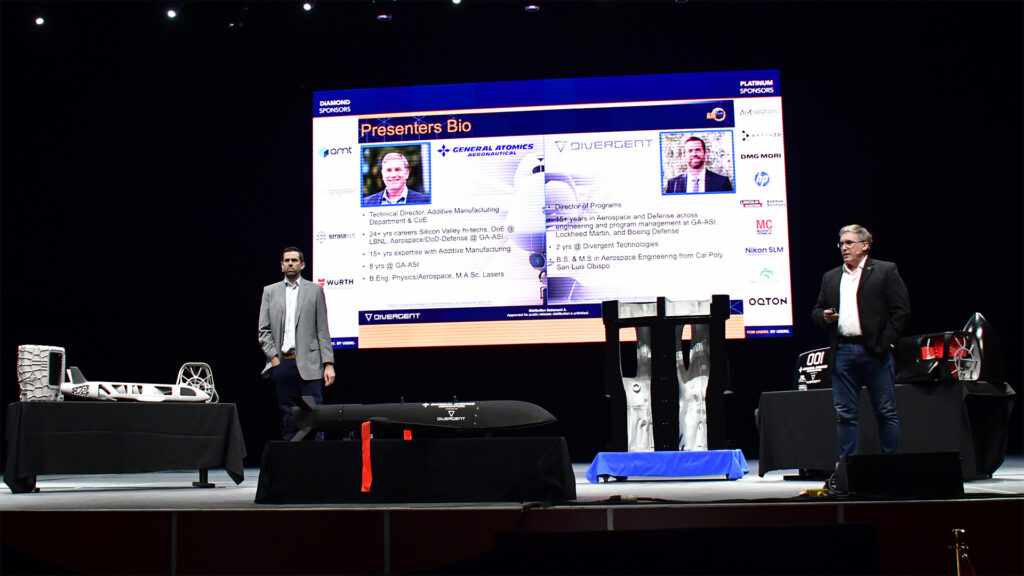
    Steve Fournier, General Atomics Aeronautical Systems (GA-ASI), and Scott Sawyer, Divergent, onstage at AMUG 2026.

    At AMUG 2022, Kevin Czinger, the founder and Executive Chairman of Divergent, presented a keynote. One of the people in the audience that day was Fournier. Divergent was primarily focused on automotive applications at the time, and GA-ASI works in aerospace and defense. But after the presentation, the two companies met up for a conversation.

    “We met and basically we asked a simple question, which is, how can your technology stack be applied to a different industry, such as aerospace and defense, unmanned systems specifically?” Fournier told me. “And that started a journey of four years, which impacted us as a drone manufacturer in the way we make drones. It also impacted Divergent in the way they look at different markets besides automotive.”

    Sawyer concurred with Fournier’s assessment of that initial conversation with Czinger.

    Scott Sawyer, Divergent

    “After Steve and Kevin connected, Divergent got set out on the path, via efforts with GA-ASI at the time, of seeing how that technology can transition into aerospace and defense, specifically with unmanned aircraft systems working with GA-ASI, and understanding what carryover is there for the technology, what tech development needs to occur, and even what is the process day-to-day of engineering teams working together, sharing data, doing collaborative design and analysis.”

    Interestingly, Sawyer actually used to work with GA-ASI before moving to Divergent, where he’s been employed for a little less than two years. He spent 15 years focused on aerospace and defense applications, but went to Divergent after he saw “the technology from the end user standpoint of working at GA-ASI and saw its applications.”

    “Back in 2022, Divergent was very much commercially automotive, both from design and delivery of products to automotive OEMs, but then of course as well, designing and manufacturing Czinger vehicles,” Sawyer said.

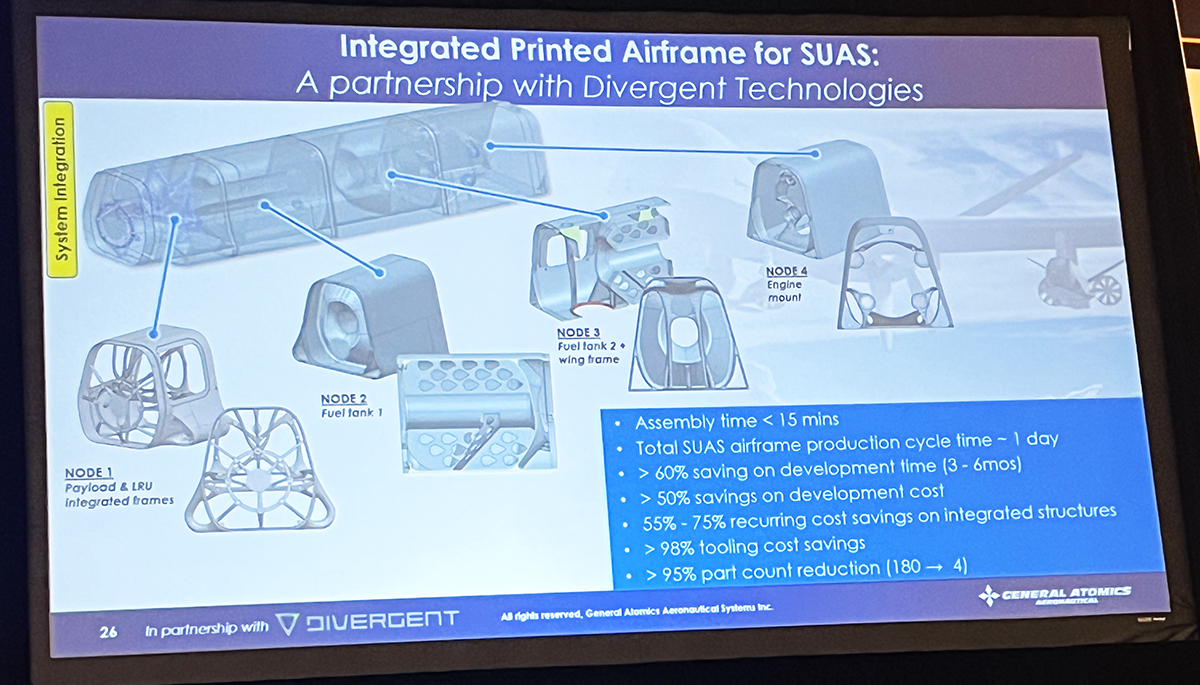
    Since that initial connection at AMUG, Divergent has significantly expanded its portfolio beyond automotive applications and into “the air domain,” as Sawyer said. The company now also works to produce unmanned aircraft systems (UAS), like the 3D printed drone it worked with GA-ASI to create; at AMUG 2023, Fournier actually took the stage with Divergent’s CTO to share about the design, 3D printing, and robotic assembly of the drone.
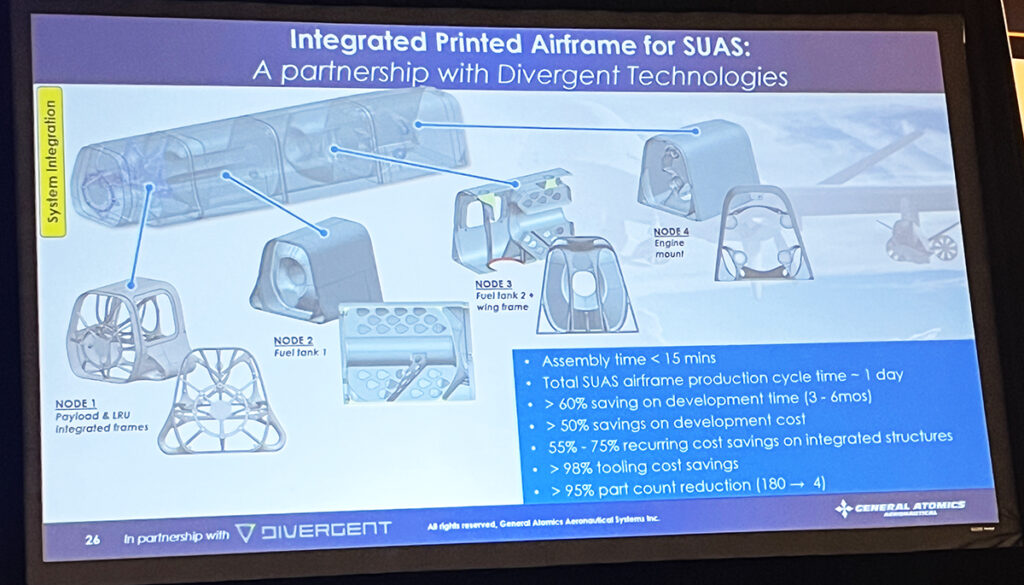
    AMUG 2023 presentation by Divergent and GA-ASI. Image courtesy of 3DPrint.com

    Sawyer also said that Divergent is continuing to grow its horizons and work on “subsurface applications,” like unmanned underwater vehicles, and is even working on space applications.

    Bringing the conversation back to their joint presentation at AMUG 2026, Sawyer explained that what they shared with the audience was how “the initial efforts that Steve and Kevin spearheaded between the companies” helped define what entry into the AM space looks like.

    “What are the hurdles that we’re gonna have to overcome, all the way down to the material qualification, environmental qualification, customer engagement. Where does this technology make sense? Where does it not make sense?”

    In Sawyer’s words, Divergent used that initial collaboration with GA-ASI as “kind of a stepping stone” to expand more broadly into aerospace and defense markets as well.

    Fournier said, “When I reflect back on how the GA-ASI and Divergent partnership emerged, I think one of the key messages that we tried to send out is that we live in bubbles of egocentric areas of interest, and events like AMUG are representative of this. The additive community is a bubble in itself. Sometimes, when we step back and peek at other such bubbles or industries, we realize that sometimes we have more things in common than we think, or that we can learn new things from others. This is the big lesson here. Even within the ‘additive bubble of AMUG,’ which has grown tremendously over its history, there are multiple ‘sub-bubbles.’”

    Indeed, he also noted that there are multiple “sub-bubbles” in the AM industry, like oil and gas, medical, defense, aerospace, and space, and that we naturally converse within our own small bubbles, because that’s where we’re comfortable.

    “We don’t necessarily spend enough time to value some other fields that may have a piece of information that could be applied and transfer to what your application space is.”

    This is why AMUG is so different from other conferences, and so very important. I had heard about the event’s tradition of having people draw table numbers out of a bowl, and that’s where you had to sit for lunch, and I was honestly dreading it; as I told a colleague, I normally find a quiet corner table at industry events and just work while I eat alone. But I ended up really enjoying the opportunity to enjoy a full meal and conversations with people from different countries and parts of the industry, and hearing what they had to say.
    AMUG 2026. Image courtesy of 3DPrint.com

    As Fournier explained, even if there are two types of vehicles that are not at all the same on the outside, if you break them down to the subsystems, they could have more in common than we may think.

    “You can make a correlation between product types,” he said. “And if you start doing that, you start finding much more commonalities that can be transferred. That’s conceptual.”

    He noted that it is human nature to not want to change up how we do things, and said that breaking those barriers in the Divergent and GA-ASI collaboration “was kind of what we wanted to bring to the audience” at AMUG.

    “How do we get through that, and what’s the success on the other side?” Fournier said. “It’s not like it’s been ten years, it’s four years, and look at all the things that happened since then.”

    In terms of what Fournier said about the additive bubble, I referenced our recent AMS 2026 event, where Josef Prusa, CEO and Founder of Prusa Research, told attendees that the AM industry is “living in a huge bubble and we very rarely go outside that bubble and speak to the people and make them excited about 3D printing.” Many still think that 3D printing is only good for toys and prototyping. Fournier said that their presentation made it very obvious “that additive is here to stay, and it can be beneficial commercially.”

    “When Apple comes up with a million Apple watch cases, that is commercial application at scale,” he said. “That is a topic we talked about. With the volume that we bring in terms of number of aircraft a year…it’s not a transitional technology anymore. It’s a production technology.”

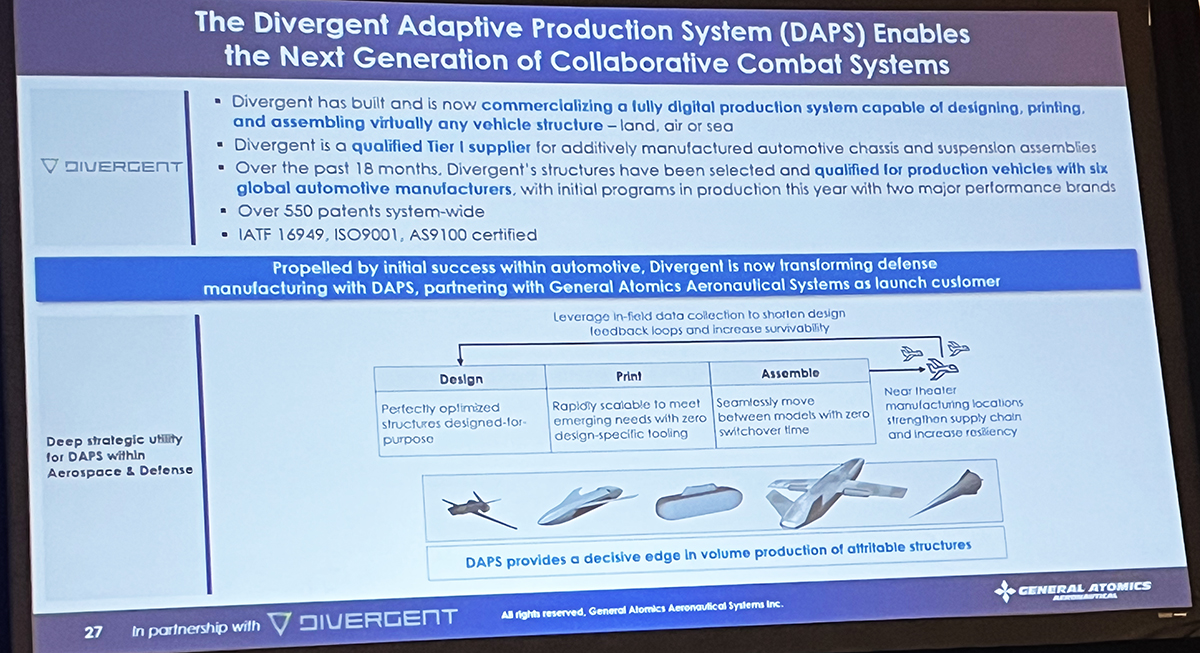
    He brought up DAPS technology—short for Divergent Adaptive Production System—and said this is where it “really shines, because you design for DAPS and then you produce with DAPS.”
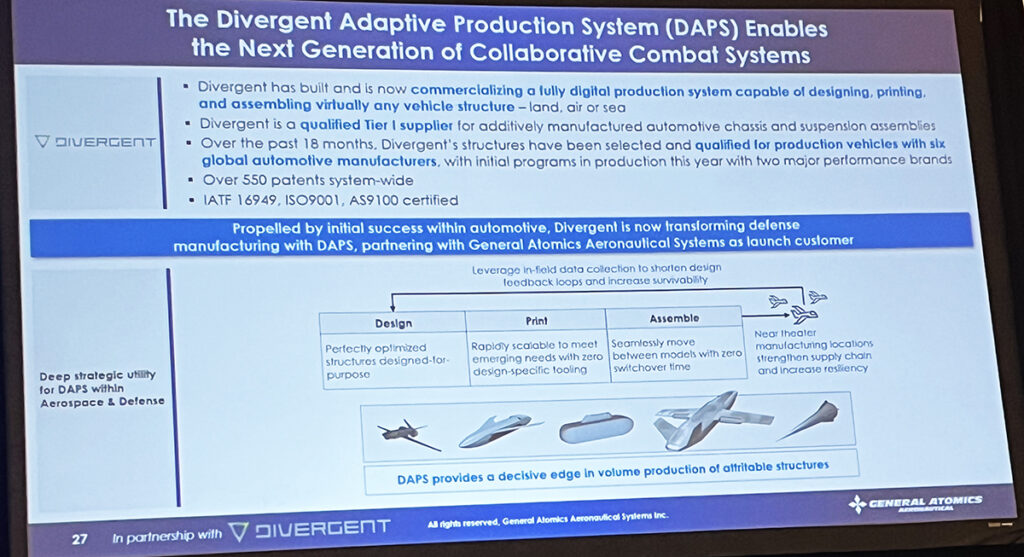
    AMUG 2023 presentation by Divergent and GA-ASI. Image courtesy of 3DPrint.com

    Sawyer jumped in here, explaining that while DAPS “is additive manufacturing-based, it’s also the design and robotic assembly of complex structural solutions.”

    “So to Steve’s point, especially as we’ve grown in aerospace and defense…delivering a capability and prototype demonstration environment is great. It’s required for aerospace applications. But the end vision, you still need to be able to go manufacture at rate. Working with our customers and primes and government, it’s critical that we don’t lose sight of that.

    “Let’s prototype, let’s learn, let’s iterate. But at the end of the day, let’s make sure that we can scale and deliver capabilities at rate today.”

    We also talked a little bit about AMUG itself, as Sawyer and I were both first-timers.

    “I go to a lot of conferences, but they’re all very commercially focused, right? Business strategy and business growth, details of the commercial application. And this has been cool,” Sawyer said. “The talk was cool because it’s more engineering-centric. What have you demonstrated, what capabilities? Seeing the openness of companies, at the engineering level and technical level, to share ideas and see how we can grow, it’s very different than other conferences.”

    Fournier said that’s exactly why he thought their presentation would work well at AMUG.

    Steve Fournier, GA-ASI

    “It is specifically a user base,” he said. “At trade shows, you’ve got OEMs of materials, machine, software. They’re trying to map out the market and each other. They have showcases and they have talks, but the talks are supplemental. Then you have the other extreme, where you have a lot of scientific, academia, research type stuff, which is great. Then users are kind of in the middle. The machines, the material, the academia, the theory, the software, we’re applying that on a daily basis for applications.”

    There’s a greater willingness to share with each other at AMUG, from your opinions on various OEMs to qualification challenges you’re having.

    “All that together makes this event specifically interesting and especially relevant for this type of discussion,” Fournier said. “The point of our discussion was not to sell anything, but to really entice people to do similar types of endeavors, whether or not it’s with Divergent, or with another technology provider, or another user that wants to share and partner. There’s that process of looking over the fence, having a visionary moment, and having a strategy to go execute that vision towards onboarding it into your own operation. That’s really what we’ve done and I think that’s what Divergent is good at doing.”

    Sawyer wholeheartedly agreed, noting that their intent was to offer their connection and resulting partnership as “an example to encourage others to hopefully find similar collaborations.”

    “I think across the board, the more adoption you can get, no matter who that is pushed by, is extremely important.”

    In closing, Fournier said that he believes additive will grow when the applications grow.

    “Divergent wasn’t here to sell materials or machines, but applications, and specifically my application, which brings a benefit to my customers,” he said. “By making that application work, using additive, is the best demonstration that additive works. You can write papers, you can have a dissertation, a PowerPoint presentation on how you qualify and statistically prove that additive is working and is worth it. You can build a cost model, you can present at AMUG. But if you can show up with hardware that is in full production, there’s no better demonstration that additive works.”

    Images courtesy of AMUG unless otherwise noted.

  • Canada Backs Aspect Biosystems With $280M to Scale Bioprinted Tissue Therapies

    The Government of Canada is supporting bioprinting company Aspect Biosystems with a new $280 million project to help develop and manufacture its bioengineered cellular medicines. The project will run over multiple years and is intended to move the company’s therapies closer to clinical use while expanding its production capabilities in Canada. The partnership was announced at Aspect Biosystems’ headquarters in Vancouver, British Columbia, with the Minister of Industry and Minister responsible for Canada Economic Development for Quebec, Mélanie Joly, present.

    The announcement builds on an existing relationship between Aspect and the Canadian government. As part of the project, the Government of Canada is committing $79 million, with additional support from the Province of British Columbia and other partners contributing to the broader $280 million effort. The funding will be provided over time as the project progresses and is designed to accelerate the company’s work in regenerative medicine while strengthening the country’s position in biomanufacturing.

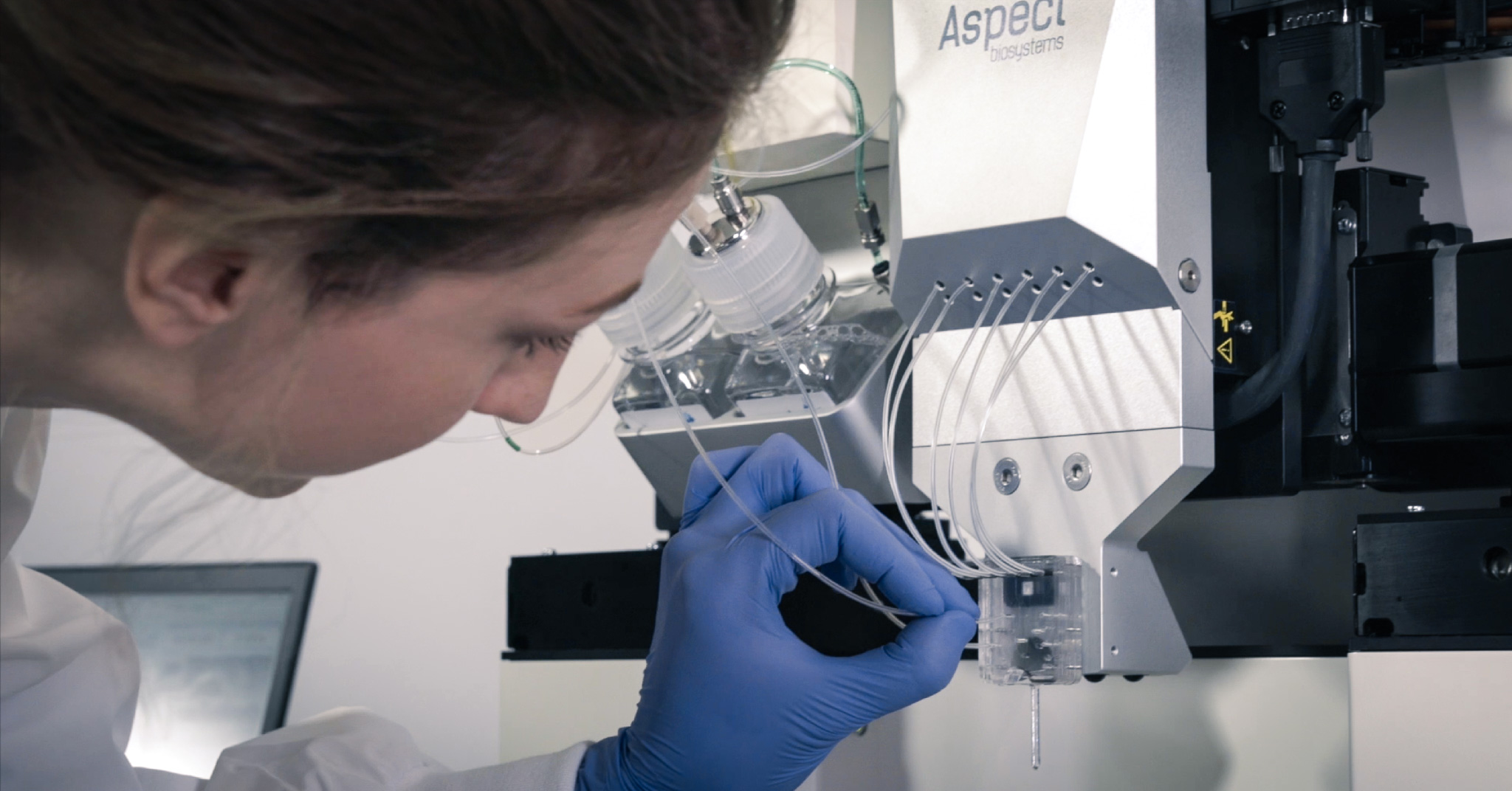
    Bioprinter close up. Image courtesy of Aspect Biosystems.

    The investment is part of a broader push by the federal government to expand life sciences and biomanufacturing capacity in British Columbia (B.C.). Ottawa has earmarked more than $125 million for projects in the region to support biotech companies, create jobs, and build domestic manufacturing capabilities. Canada is effectively building a life sciences hub in B.C., with companies like Aspect positioned as key players within that effort.

    The event also brought together a broader group from Canada’s life sciences ecosystem, including investors, researchers, and commercialization groups. Representatives from InBC Investment Corp, a government-backed fund that has invested in Aspect Biosystems, were present alongside academic leaders from the University of British Columbia and organizations such as Praxis Spinal Cord Institute. The mix of government, research, and investment groups highlights how projects like this are being supported across multiple levels.

    P3D Scaffolds produced using Ossiform’s technology to 3D print bioceramics made of beta-tricalcium phosphate. Image courtesy of Aspect Biosystems.

    Aspect is developing a new type of therapy that uses living cells to restore or replace biological functions in the body. These treatments are being designed for serious conditions such as diabetes and other metabolic and endocrine diseases. Today, these conditions are typically managed with drugs, such as insulin, or in some cases, organ or cell transplants. Instead, the goal is to create therapies that can directly perform the function of damaged or missing tissue.

    Over the last few years, the company has focused on building small, functional tissue structures using its bioprinting technology. These include early-stage programs aimed at creating insulin-producing tissue for diabetes and other cell-based therapies designed to replace or support damaged tissue. The work is still in development, but it reflects a shift from printing simple structures to building tissues that can perform specific functions in the body.

    The company is considered one of the more established ones in bioprinting, a field where many startups have struggled to scale or have shut down. The company has focused on developing complete tissue-based therapies rather than just printing hardware, and has built partnerships with larger healthcare players, including a collaboration with Novo Nordisk on diabetes treatments. This combination of platform development, partnerships, and a focus on clinical applications has helped it continue advancing while others in the space have faced challenges.

    “This investment from the Government of Canada is a powerful vote of confidence and adds to the significant momentum at Aspect as we advance our bioengineered cellular medicines towards patient impact,” said Tamer Mohamed, Chief Executive Officer, Aspect Biosystems.

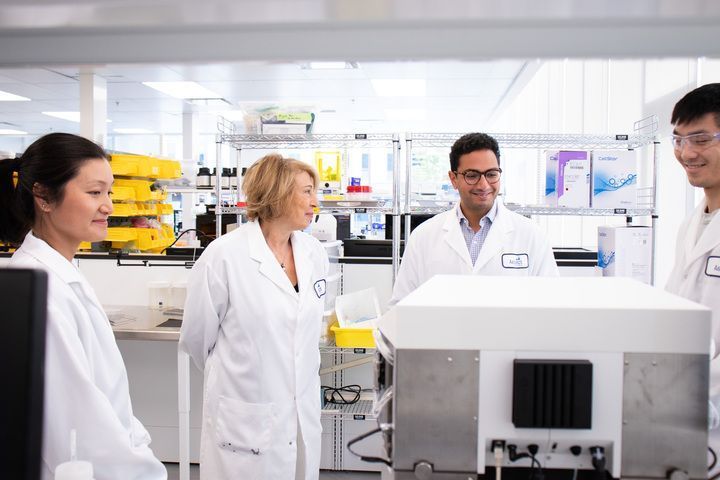
    Tamer Mohamed with Dr. Mona Nemer, Canada’s Chief Science Advisor, at Aspect Biosystems headquarters in B.C. Image courtesy of Aspect Biosystems.

    The new $280 million project focuses on two main areas: advancing these therapies toward the clinic and building the infrastructure needed to produce them at scale. That includes expanding clinical development capabilities and strengthening manufacturing systems that can support larger volumes of these complex treatments.

    This is an important step for companies working in this field. Developing therapies in the lab is one challenge, but producing them consistently and in larger volumes is another. Governments are increasingly investing in this stage, where research moves from the lab into production.

    “By investing in the development and commercialization of cutting-edge cellular medicines, our government is helping to create high-quality jobs, drive economic growth, and position Canada as a leader in biotechnology. This partnership will accelerate life-changing therapies for patients, strengthen our economy, and ensure Canadian talent continues to thrive in the innovation sector,” said Joly.

    In fact, the project is also expected to create hundreds of jobs and expand training opportunities in the Vancouver region, adding to Canada’s growing life sciences workforce.

    These therapies are still in development and have not yet been used in patients. Further testing and clinical trials will be required before they can reach the market.

  • Loughborough University Using Freemelt’s EBM Technology to Drive AM Research

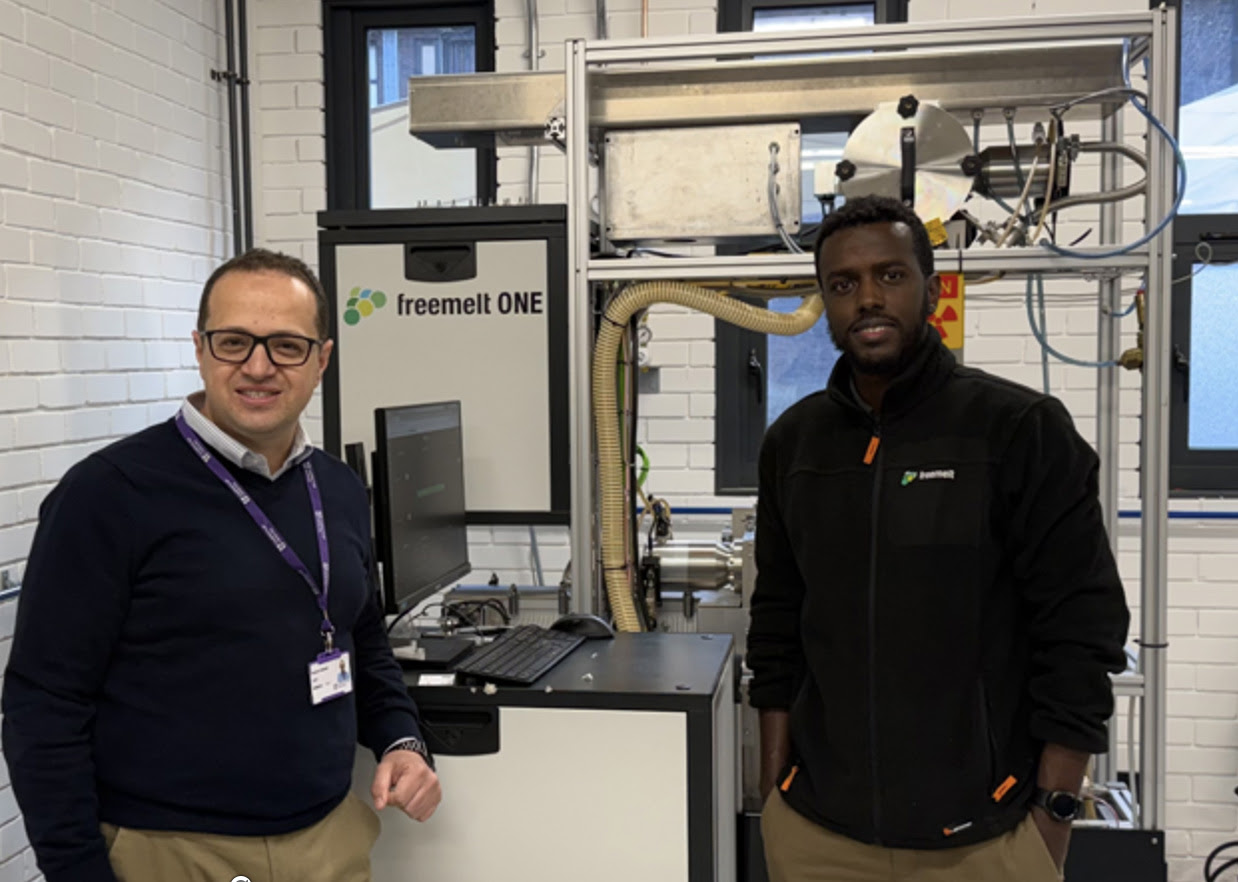
    To help drive additive manufacturing (AM) research, Loughborough University in England is using Electron Beam Melting (EBM) technology from Swedish metal AM company Freemelt. This work is being led by Moataz Attallah, Professor of Advanced Materials Processing (Metallics) and the Dean of the School of Aeronautical, Automotive, Chemical, and Materials Engineering. Loughborough is only the latest in an ever-growing list of research institutions and companies around the world, from the U.S. and Italy to Sweden, Hungary, and the U.K., to adopt Freemelt’s solutions.

    Professor Attallah has been working with laser-based AM for over 15 years, and knows well the strengths, as well as the restrictions, of laser technologies, especially when it comes to printing challenging metals like copper, molybdenum, niobium, tungsten, and tantalum. One of the main reasons Professor Attallah and Loughborough chose Freemelt is due to its open architecture design.

    “Electron beam technology succeeds where other additive techniques have struggled. The Freemelt system stands out by being open, flexible, and accessible for researchers. It allows us to experiment with parameters, explore new alloys, and develop processes that are impossible on closed commercial platforms,” Professor Attallah explained.
    L-R: Professor Moataz Attallah, Loughborough University, and Mohamed Said, Service Technician at Freemelt. Image: Loughborough University.

    Open systems offer users more control over printing process parameters, and make it possible to experiment with proprietary and commercial alloys. All of these factors are very useful in a research setting. With open architecture designs like Freemelt’s, researchers can enjoy much more flexibility, but without the typical barriers that come with industrial machines and jam up the process.

    “The uniqueness of Freemelt lies in its open-source approach, affordability, and capability to push boundaries in materials science. It empowers universities and research labs to do the real science that drives the field forward,” Professor Attallah continued.

    Freemelt has been steadily making a name for itself in the industry. The company prides itself on being a “productivity partner,” as its website states, offering customers strong technical support right from the start, all the way to full-scale production. The company also currently offers free sample parts, so potential customers can carry out initial testing and determine technical feasibility before acquiring a Freemelt system.

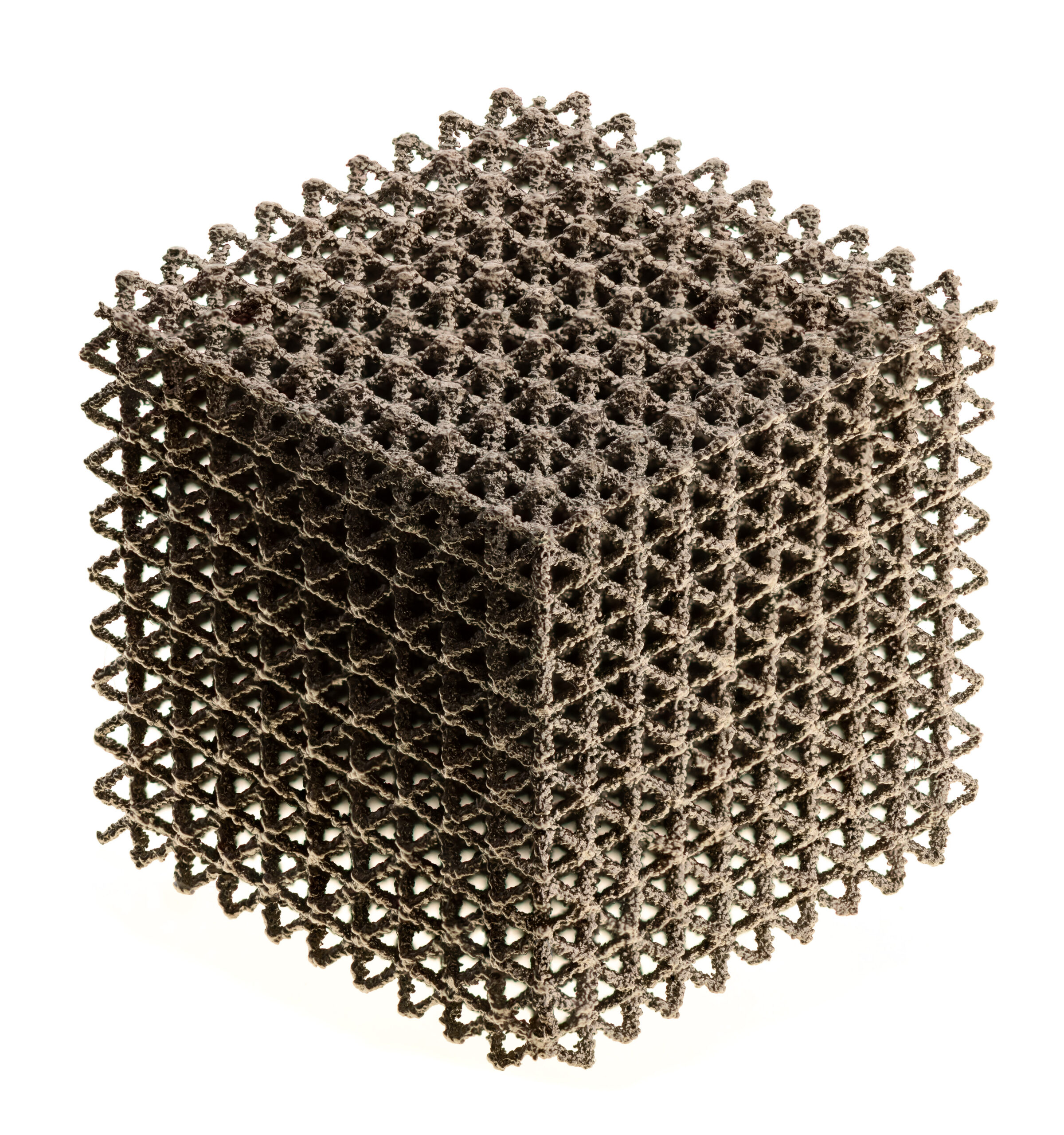
    Cube lattice in Ti64. Image courtesy of Freemelt.

    The Freemelt ONE, developed specifically for materials research, has already been fully integrated into the materials lab at Loughborough University. As opposed to other laser-based systems, EBM technology operates in a vacuum environment, which makes it a good choice for highly reflective and oxygen-sensitive materials for aerospace, defense, and energy applications. It features a 6 kW electron gun for fast processing, >1200 °C powder bed temperatures, and a small, 70L vacuum chamber. It also has exchangeable panels for easy cleaning access, which makes it a particularly good fit for a research setting.

    The university says its Freemelt ONE is already being used for several high-impact research projects, including the exploration of niobium-based alloys for spacecraft propulsion systems, investigating 3D printing of refractory alloys and the role of oxygen uptake in a collaborative project led by the University of Birmingham, and developing advanced tungsten structures with Tokamak Energy and Metamorphic.

    “If we want to build nuclear fusion reactors or next-generation spacecraft, we need sustainable manufacturing methods for critical materials,” Professor Attallah said. “EBM not only enables this but also offers the scalability and efficiency to make it viable.”

    By combining Freemelt’s open architecture with process optimization driven by artificial intelligence/machine learning and alloy development, the Loughborough University researchers can speed up print parameter discovery, make builds more robust, and grow their qualified materials window.

    Featured image courtesy of Freemelt

  • Leading Chemical Manufacturer Kureha Makes Strategic Investment in Z-Polymers’ Advanced 3D Printing Materials

    Aside from rising gasoline prices, the US still hasn’t seen much direct economic impact from disruption to Strait of Hormuz maritime traffic. However, it’s only a matter of time before that situation changes, and other countries—especially in Asia—have already begun enacting emergency measures to help alleviate the pain of price shocks for businesses and consumers.

    This isn’t a vague, hard-to-pin-down prospect. There’s one material that’s in virtually everything, for instance, which should be expected to lead to sustained inflation for some time, as the effects of the conflict in Iran filter into the broader economy: plastics. About 15 percent of the planet’s polyethylene (PE), for instance, which is the most common plastic on the market, comes from the Middle East.

    From one perspective, this is just as negative for the additive manufacturing (AM) industry as it is for all other businesses, but there’s also reason to believe that it will catalyze greater interest in AM, if only as a way to reduce material waste. With that in mind, we should expect to see more deals like the one just announced by leading global chemical supplier Kureha Corporation, based in Japan, and Massachusetts-based manufacturer of advanced 3D printing materials, Z-Polymers.

    The deal is twofold: in addition to Kureha making a seed investment in Z-Polymers for an undisclosed amount, the two companies have also formed a joint development agreement (JDA) that aims to accelerate the commercialization of Z-Polymers’ proprietary Tullomer material. Tullomer is a liquid crystal polymer (LCP), optimal for applications that require high strength, corrosion-resistance, and low dielectric loss.

    Founded in 2021, Z-Polymers’ origins as a spin-out from the University of Massachusetts Lowell Innovation Hub make the company a good fit for working with Kureha, which excels at specialty materials and prioritizes staying ahead of the curve with a robust R&D program. The compatibility of Tullomer with low-cost FDM printers gives the company an inherent edge in an R&D setting.

    In a press release about Kureha’s investment in and partnership with Z-Polymers, Naomitsu Nishihata, SVP of Kureha Corporation, said, “We believe Z-Polymers’ technology platform represents an exciting advancement in high-performance polymer materials. Through collaboration with innovative companies like Z-Polymers, we aim to expand advanced materials solutions for global markets.”

    Dr. Michael Zimmerman, founder and CEO of Z-Polymers, said, “Kureha’s investment represents strong validation of the technical foundation and commercial potential of the Tullomer platform. By combining a new class of liquid crystal polymer materials with scalable manufacturing methods, we believe this platform can enable high-performance polymer fibers with capabilities beyond many existing melt-processable materials.”

    Z-Polymers’ trajectory from a university spin-out to a partner of a leading chemicals supplier reminds me of a topic I wrote about multiple times last year, and which I think will only continue to gain in relevance: the importance of ensuring that manufacturing innovation has the opportunity to thrive at research universities. Any nation that wants to help itself revitalize its manufacturing landscape needs to include secondary education as a key component in the overall industrial strategy.

    With that in mind, the relationship between Kureha and Z-Polymers suggests the opportunity to accelerate efforts to do the same on an international level. Japan and South Korea are among the countries that have already cut polymer production output in response to Hormuz-related supply chain disruptions.

    At the same time, nations like Japan and South Korea possess national innovation ecosystems that the US and other Western nations could greatly benefit from emulating. Trading US fossil fuel feedstock for emerging technology collaboration would seem to be an ideal solution.

    That may run contrary to the US’s current stance of alienating all its traditional allies, but such an approach is proving to be unsustainable from just about every angle. The US may have succeeded at taking hostage of the world’s energy supplies in the near term, but eventually, America’s partners will want something in return, or they’ll find their own way. Combining forces in order to give the next generation options to be hopeful about would be a step back in the right direction.

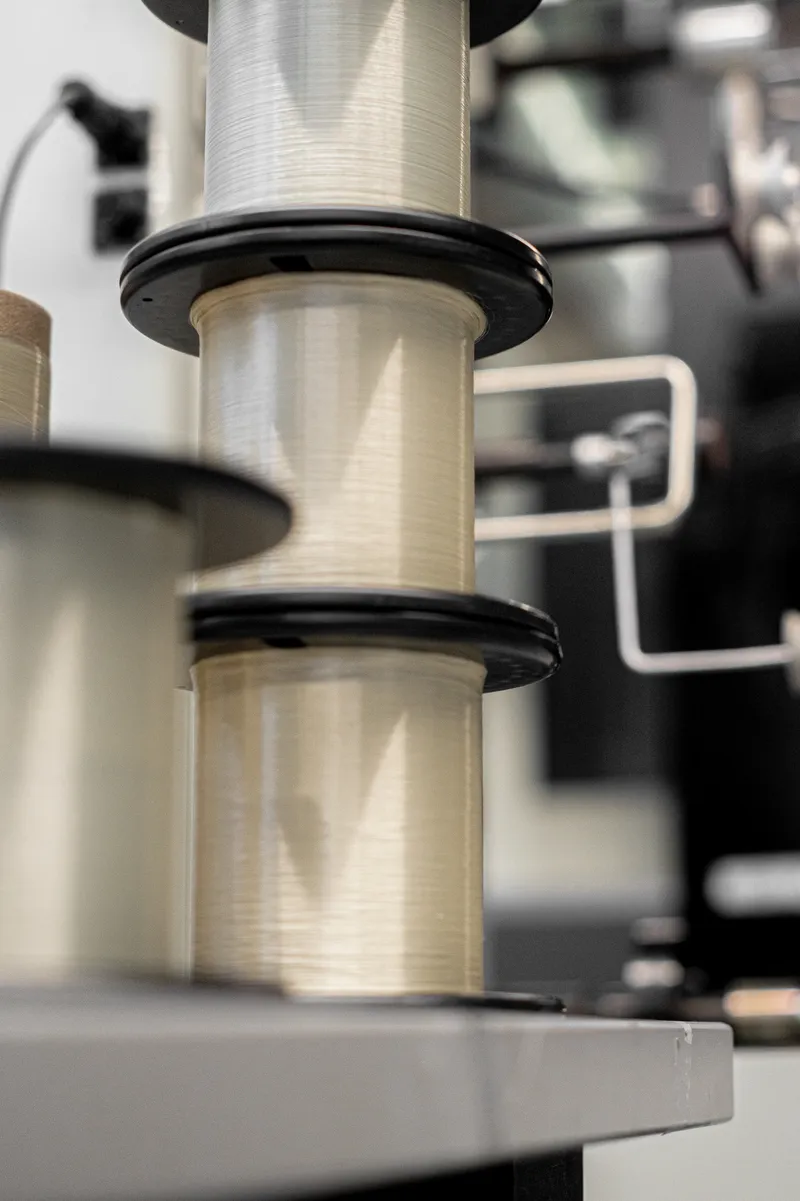
    Images courtesy of Z-Polymers

  • 3D Printed Bone Grafts From Georgetown Researchers Could Replace Traditional Implants

    Researchers at Georgetown University are developing a new type of 3D printed bone graft designed to work more like real human bone. Instead of relying on metal implants or donor bone, the team is using natural materials to create structures that support healing and help the body regenerate bone.

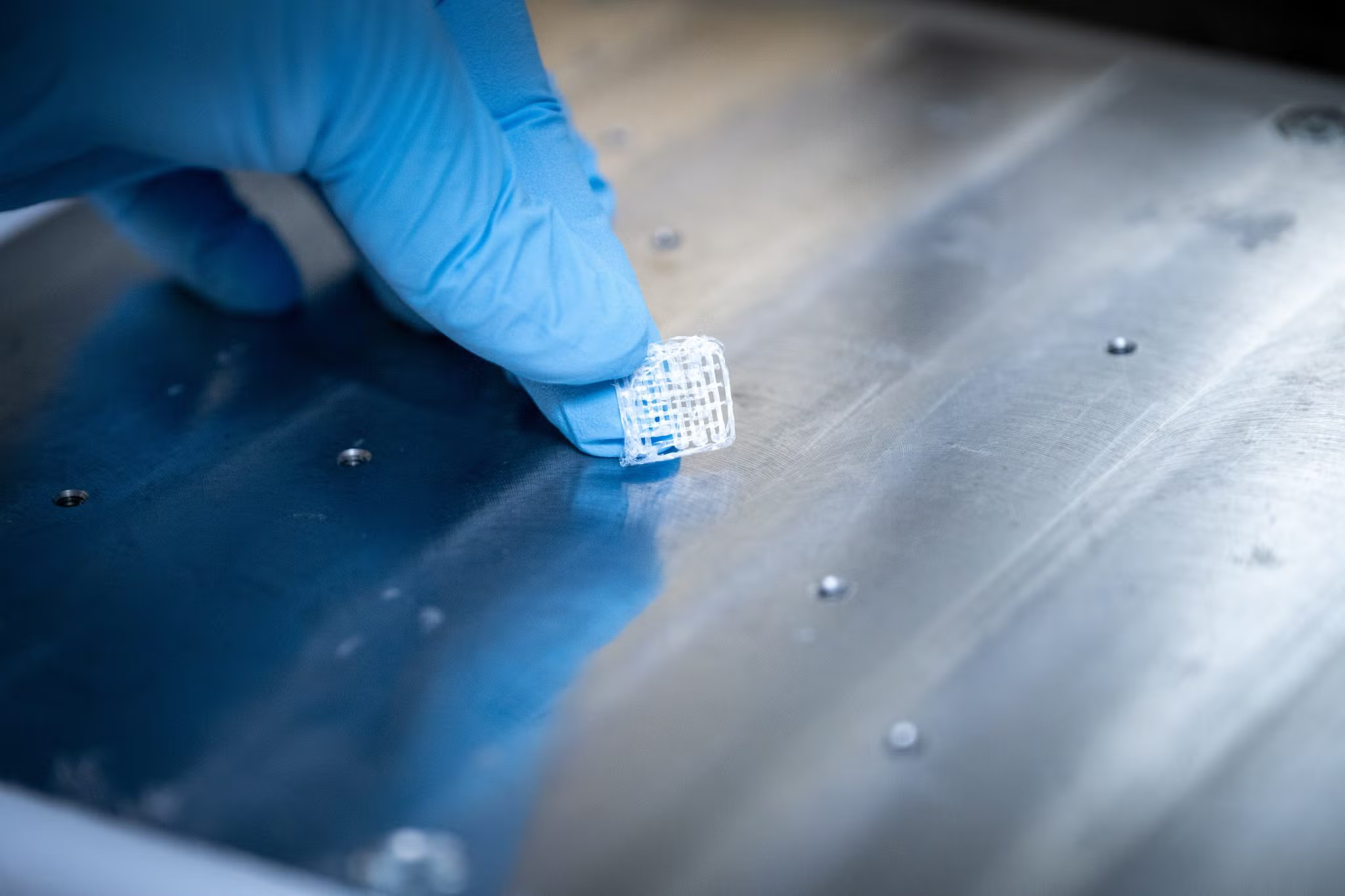
    Alimperti’s pectin-based bone grafts.

    Bone grafts are commonly used in surgeries to repair or replace damaged bone. This can include procedures related to trauma, cancer, or dental implants. Today, doctors generally rely on three main options: taking bone from the patient’s own body, using donor bone, or implanting synthetic materials such as metal. Each approach has its limitations. For example, removing bone from a patient can cause more pain and complications, while donor bone carries risks of rejection or disease transmission, and metal implants do not behave like natural bone. They are often harder than natural bone, so they do not flex the same way under pressure. This can change how stress moves through the area, slowing healing. They also do not support new bone growth in the same way as living tissue.

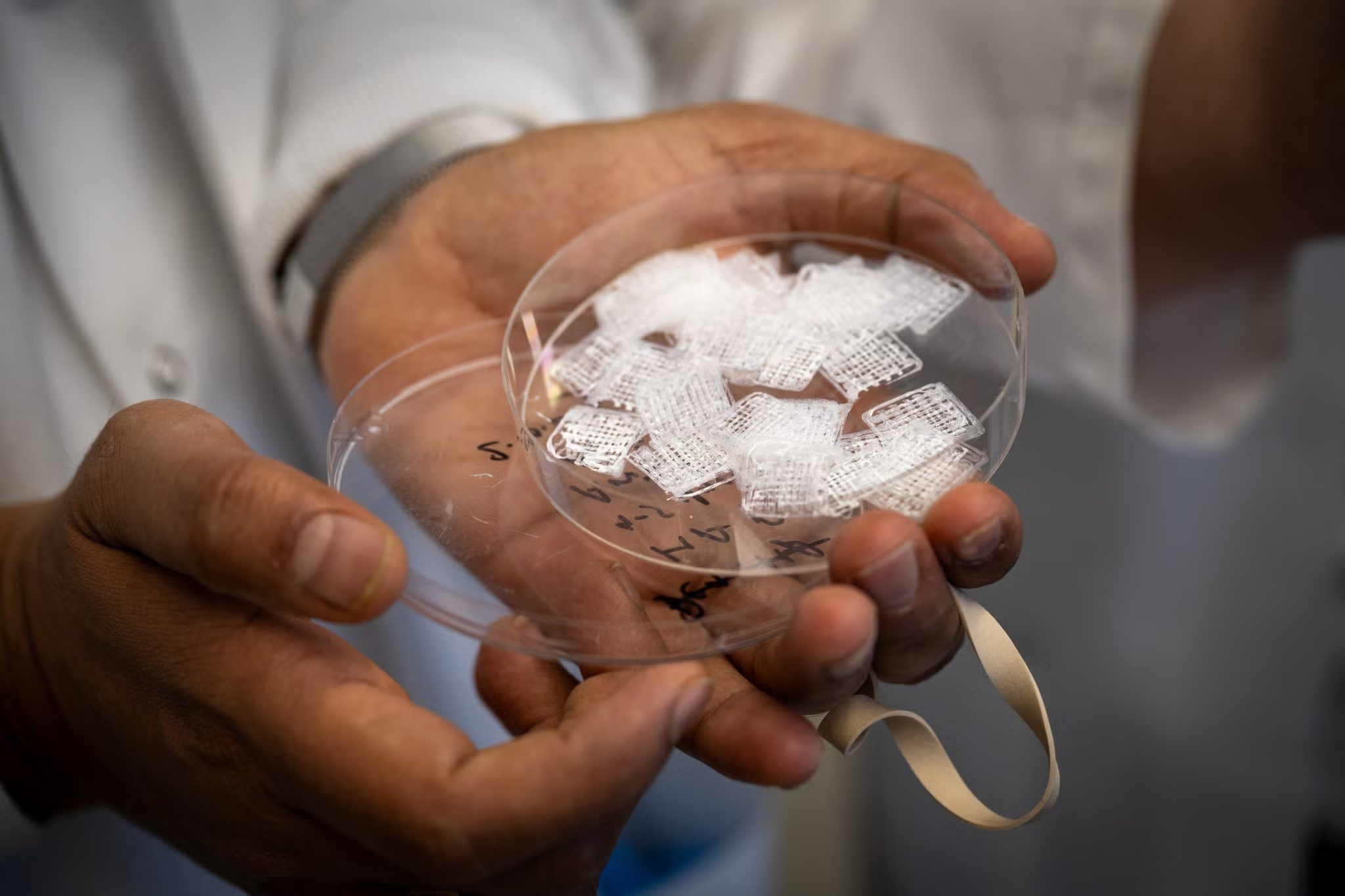
    The Georgetown team is trying to solve these problems by creating grafts that are closer to real bone. Their approach uses pectin, a natural substance found in fruits, combined with minerals similar to those in bone. Using 3D printing, they shape this material into structures with small pores that look like the inside of real bone.

    In this design, the pectin is placed between two layers of a bone-like material called hydroxyapatite, which is naturally found in human bone and is made mostly of calcium and phosphorus. This outer material adds strength and density, helping the graft behave more like natural bone. The team also includes living cells in the structure to support healing and allow nutrients to move through the structure. The work is mainly focused on facial bones and long bones, such as those in the arms and legs, which need both strength and the ability to heal properly.

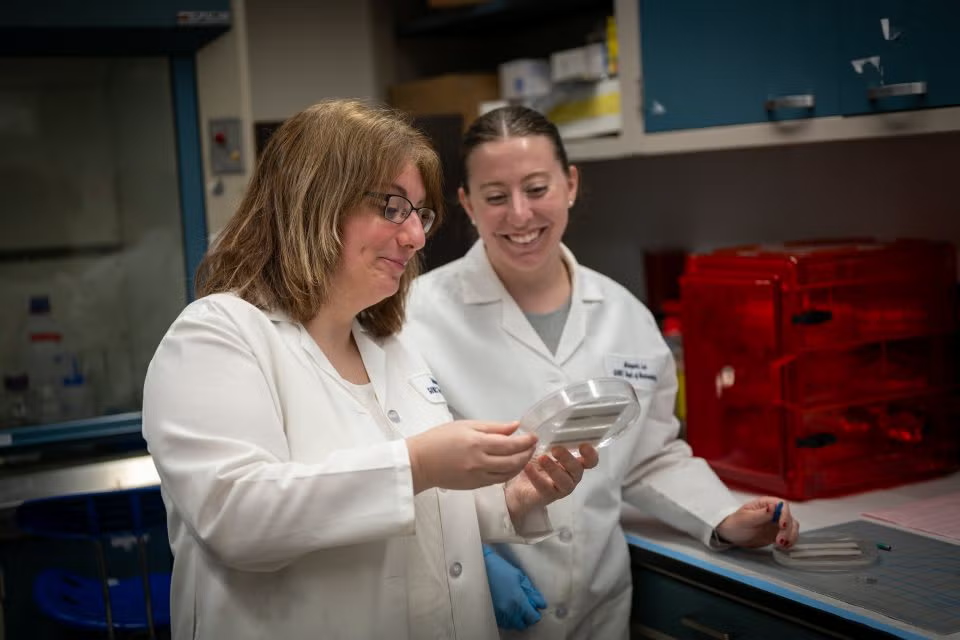
    Styliani Alimperti, in her lab, is working with a team to create a bone graft using more natural materials that can make procedures safer and more successful.

    “The process of making the body regenerate its own tissue is very challenging because of aging, injury, and other factors,” explained Stella Alimperti, an associate professor of biochemistry and molecular and cellular biology in the School of Medicine, where she leads a research lab focused on tissue engineering. “Engineering tissue parts or whole organs that are closer to the native ones with the proper structures and cells will help the regeneration and restoration of the tissue.”

    With our technology, we want to make new grafts. We don’t want to take anything from the patient. We can create new bone tissue without having all these complicated surgeries and using metal and other parts.”

    Alimperti is working with Georgetown’s Office of Technology Commercialization and has a patent pending, with the goal of eventually making the technology available to patients.

    Right now, her team is focused on improving the durability and longevity of the pectin-based grafts so they can last longer in the body. Future work will also look at how to better tailor the grafts to different patients, including variations in age and sex that affect bone density and strength.

    Alimperti’s pectin-based bone grafts.

    This structure is important because real bone is not solid. It contains small pores and channels that allow blood flow and help cells grow. Traditional implants, especially metal ones, do not match this structure. With 3D printing, researchers can design these features more precisely, creating spaces where cells can attach, grow, and form new tissue.

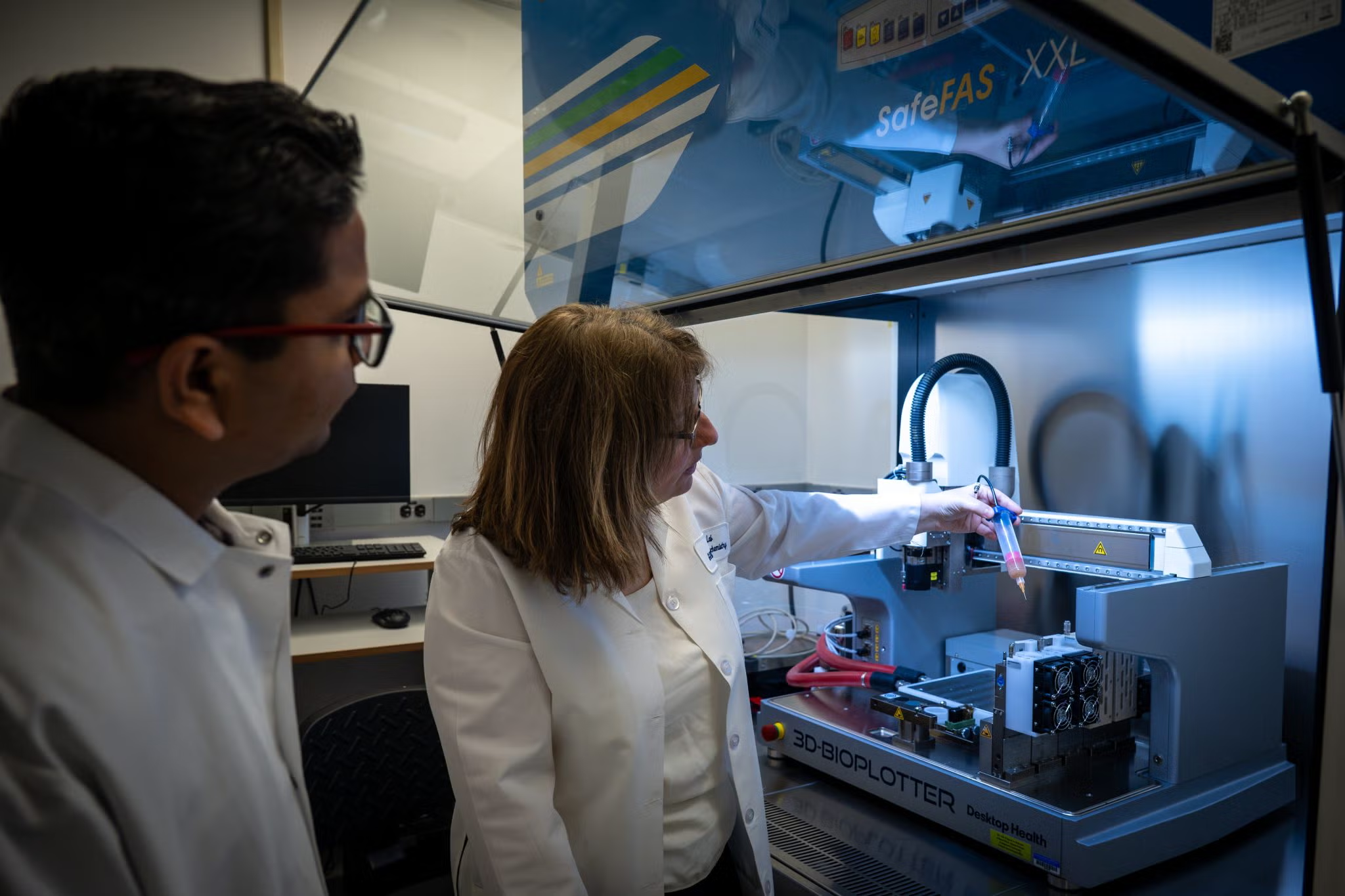
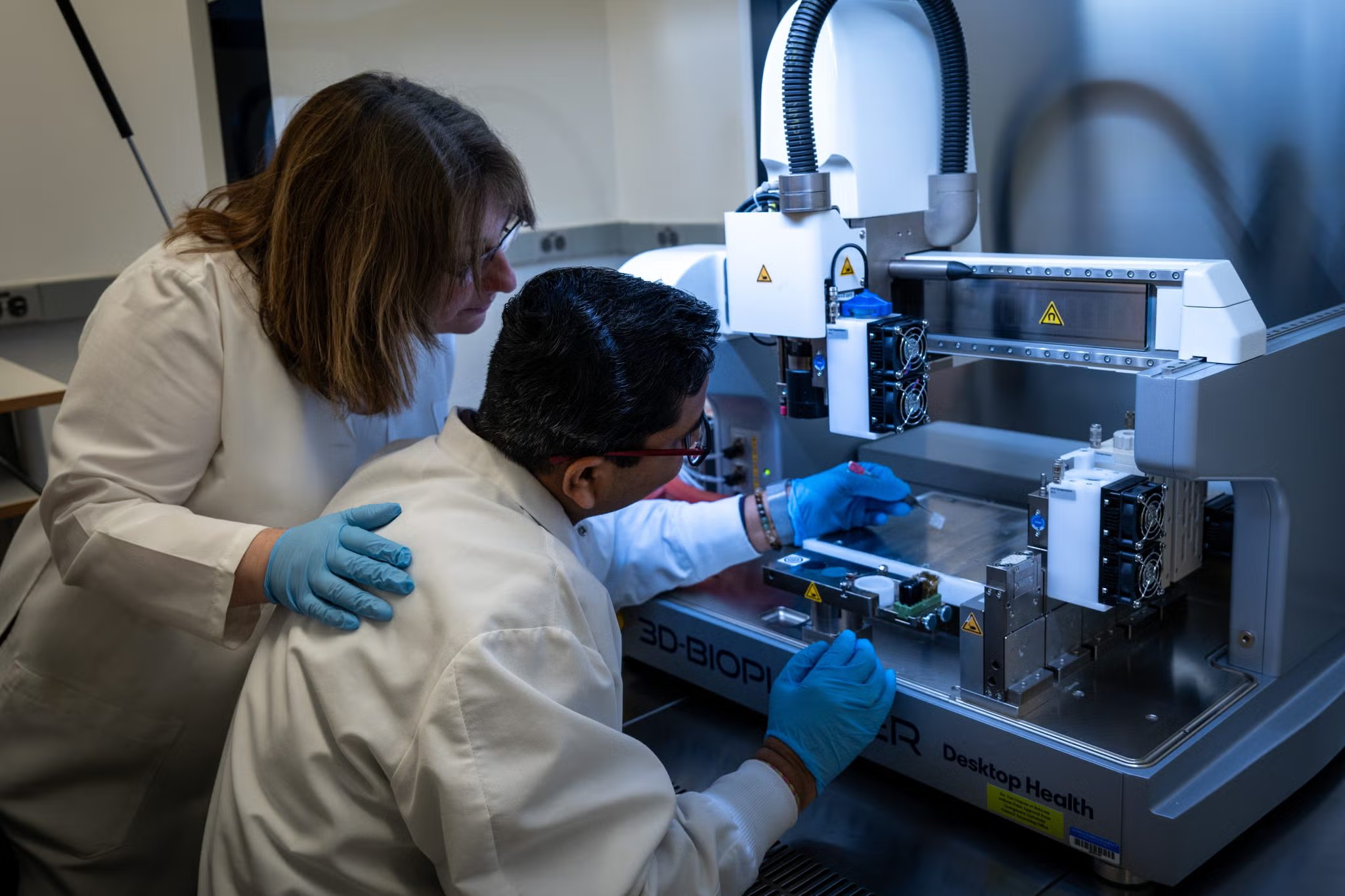
    To do this, the team uses a 3D-Bioplotter, a well-known bioprinting system designed to print soft materials, gels, and cell-based structures. The technology was originally developed in Germany by EnvisionTEC and later acquired by Desktop Metal in 2021, where it has been commercialized under the Desktop Health brand until Desktop Metal’s bankruptcy in 2025. The system uses extrusion-based printing to deposit biomaterials layer by layer, making it widely used in tissue engineering and bone regeneration research.

    Alimperti uses a 3D-Bioplotter to create her pectin-based bone grafts.

    Another part of the work focuses on how the material behaves in the body. Because it is made from natural components, it is less likely to cause a negative reaction. In some cases, the grafts can also include living cells, which can help with healing. Instead of just filling a gap, the idea is to support the body as it rebuilds bone over time.

    This kind of work reflects how 3D printing is being used in healthcare today. Instead of only making fixed implants, researchers are creating structures that work with the body. In this case, the graft acts more like a scaffold, helping guide new bone growth rather than replacing it with a permanent artificial part.

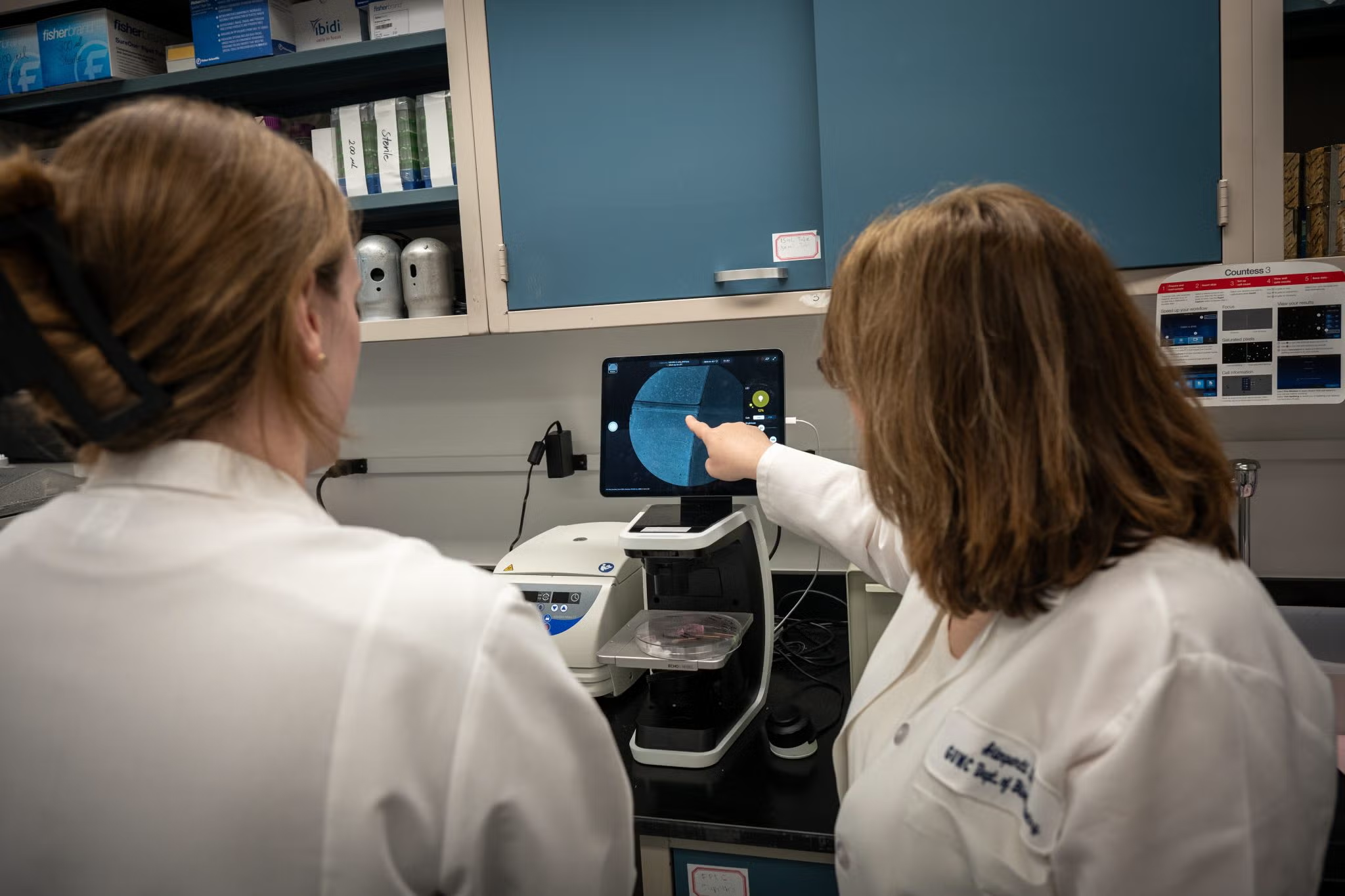
    Alimperti pointing out a cell sample in her lab. Live cells are inserted into bone grafts to promote healing and nutrient flow.

    This work is still at the research stage and has not yet been used in patients. Before it can be used in patients, the team still needs to do more lab testing, followed by studies to check safety and performance. If those go well, the next step would be clinical trials in people and regulatory review. This process can take several years. However, early results suggest that it could offer a safer and more effective alternative to existing options.

    Some 3D printed implants are already used in patients today, especially to replace parts of the skull, jaw, or other bones damaged by injury, cancer, or surgery. But these implants are usually made from materials like titanium and are shaped to match each patient. However, newer approaches that use natural materials and aim to help the body regrow bone are still mostly in early testing.

    Alimperti uses a 3D-Bioplotter to create her pectin-based bone grafts.

    If successful, this type of 3D printed graft could reduce the need for invasive procedures, lower the risk of complications, and improve recovery outcomes for patients. Regenerative approaches are not new, but 3D printing and bioprinting have given researchers more control over how these structures are designed and how they support healing. While the technology is still under development, it focuses on designing structures that support bone growth rather than simply replacing it.

    Images courtesy of Georgetown University

  • From Machines to Mindsets: Why Additive Manufacturing Education Must Start With Teaching, Not Tools

    Additive manufacturing (AM) has reached a turning point in education. The question is no longer whether students should be exposed to 3D printing, but whether that exposure actually prepares students for the realities of modern engineering and manufacturing.

    AM programs are often built around equipment rather than outcomes. Schools invest in advanced printers, dedicate space in labs or makerspaces, and assume that access alone will translate into innovation. And while today’s manufacturers need problem solvers who understand design intent, material behavior, process tradeoffs, and how additive fits within a broader production ecosystem, they often find trainees who approach AM as standalone tool rather than an integrated discipline.

    Without a structured instructional framework, students learn how to operate a machine but not how to apply AM as an engineering solution. Closing that gap creates as many opportunities as it solves problems.

    This shift has been building for years. As AM matured from experimental technology to production-ready capability, expectations changed across industry. Employers began asking for credentials. Students started seeking proof that their skills were transferable beyond the classroom. Educators, meanwhile, were being asked to teach increasingly complex manufacturing concepts, often without the training or resources to do so confidently. That was the inflection point where AM education stopped being about exposure and started being about literacy.

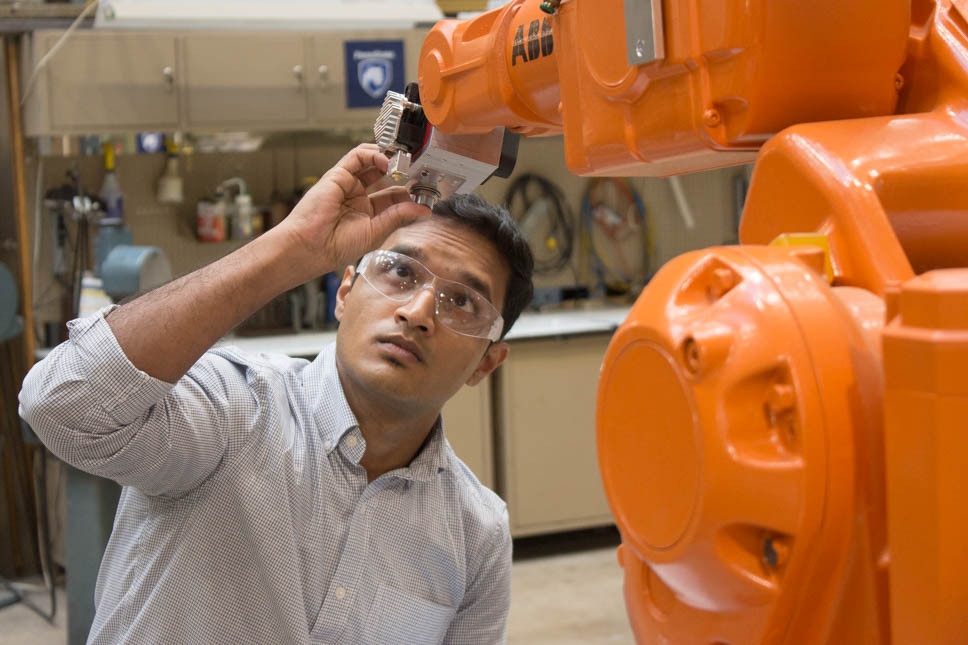
    Rakshith Badarinath works in the Factory for Advanced Manufacturing Education (FAME) Lab, at Penn State. Image courtesy of Erin Cassidy Hendrick/Penn State.

    The critical realization was this: meaningful AM education starts with educators.

    Without guidance, instructors may limit its use to a single course, a single application, or a single material — despite the fact that AM touches design, healthcare, chemistry, aerospace, tooling, and advanced manufacturing workflows. To unlock that range, educators need context, confidence, and curriculum to go along with the hardware.

    That understanding has shaped how education and workforce development are being approached across the additive manufacturing industry. Instead of focusing exclusively on student-facing training, there is increasing emphasis on educator enablement. Certification programs are designed to help instructors make informed decisions: when AM adds value, when traditional methods are better suited, which materials align with specific performance requirements, and how different technologies support different outcomes. When educators gain that fluency, AM stops being an isolated activity and becomes a deliberate part of instruction.

    The impact is measurable. Programs built around structured training and certification tend to use their equipment more effectively, integrate additive across multiple disciplines, and graduate students with a clearer understanding of real-world applications. Perhaps just as importantly, those programs reduce friction as educators become more confident, students become more engaged, and the technology is used with purpose rather than experimentation.

    This education-driven approach has begun to influence industry itself. Manufacturers across automotive, aerospace, and industrial sectors are increasingly adapting academic AM content for internal workforce development. In some cases, companies are less interested in formal credentials than in ensuring their teams understand where AM fits within product development and production. The overlap underscores a core tenet of today’s AM education approach: teaching judgment, not just technique.

    That distinction becomes clear when students encounter industrial-grade materials and workflows. Exposure limited to entry-level polymers can create the impression that all 3D printing behaves the same way. Once students work with advanced materials, tolerances, and qualification requirements, their perspective changes. They begin to understand why material selection matters, how process parameters affect performance, and where AM delivers its greatest value. Those lessons follow them into industry, and shape how they approach engineering problems long after graduation.

    The same principle applies beyond traditional manufacturing programs. In healthcare and life sciences, AM is enabling new approaches to education by making complex anatomy and pathology tangible. In technical and community colleges, students are gaining hands-on experience producing functional components for industry partners. These programs succeed not because they have printers, but because they align AM with real-world objectives.

    At the same time, persistent misconceptions about manufacturing continue to limit participation. Manufacturing is still too often portrayed as low-skill or outdated, despite being one of the most technology-driven fields today. Modern manufacturing demands creativity, automation, software fluency, and systems thinking. Programs that integrate design, AM, and programming better prepare students for the roles they will fill.

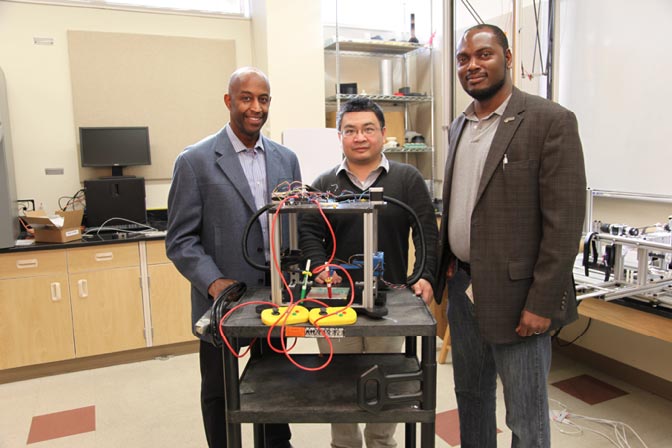
    Professors Carl Moore, Hui Wang and Tarik Dickens are introducing new ideas and strategies to alter the way we manufacture composites via additive manufacturing. Image courtesy of FAMU-FSU College of Engineering.

    Education cannot afford to lag industry. New materials, new processes, and new applications emerge every year. As AM evolves, curricula must be refreshed, instructors supported, and partnerships strengthened to ensure students are learning what employers truly need.

    For schools that still treat AM as optional or extracurricular, the risk is clear. Students are increasingly selective about where they invest their time and tuition. They want skills that translate into opportunity. Programs that fail to embed AM into core learning will struggle to keep pace.

    Ultimately, AM education is as much about mindset as it is machines. When students are taught how to evaluate problems, choose the right tools, and apply AM with intention, they gain confidence, adaptability, and the ability to turn ideas into impact. That is how we prepare the next generation of engineers — and why education must come first.

    Jesse Roitenberg. Image courtesy of Stratasys.

    About the Author:

    Jesse Roitenberg is a former math and science teacher with more than 17 years of experience in the additive manufacturing industry. He holds a BA from the University of Minnesota and has worked across marketing, channel sales, and education, with a focus on workforce development and aligning additive manufacturing training with real-world industry needs. He is currently Director of Americas Education at Stratasys, where he has led education programs for more than a decade and works on the development of new materials, products, and training initiatives.

  • 3D Printing News Briefs, April 2, 2026: Reseller, Submarine Parts, & More

    We’re starting off today’s 3D Printing News Briefs with business from Materialise and RapidFit, and Axtra3D and MULTISTATION. Then we’ll move on to a contract for submarine components, and end with Meshy’s Multi-Color Printing and integration into MakerWorld. Read on for all the details!

    Materialise Transferring RapidFit Business to Management Team

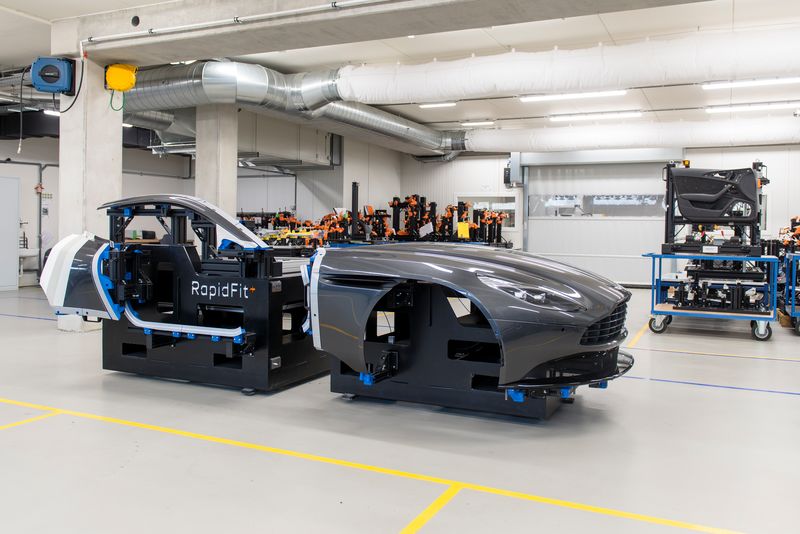
    3D printed parts and a fully modular approach empower automotive brands to accelerate engineering and development processes. Image courtesy of RapidFit.

    Additive manufacturing pioneer Materialise announced that it will be transferring its RapidFit business to its management team. RapidFit is a specialized subsidiary of Materialise, and delivers tooling solutions, mainly 3D printed jigs, fixtures, and quality control solutions for automotive and manufacturing applications. Its custom components help companies in these sectors reduce lead times, improve production efficiency, and support strong quality assurance processes. Materialise’s decision to transfer the business falls right in line with the company’s growth strategy of refocusing investments and resources on its business lines with the strongest potential. The transaction is expected to close on April 30, 2026, and is not expected to impact any existing customer orders or projects. RapidFit will continue to operate as an independent company under its same leadership, and this setup will in turn support its next phase of growth.

    “For RapidFit, operating as an independent company provides greater focus and flexibility,” said Jurgen Laudus, the Vice President of Materialise Manufacturing. “A standalone setup allows the business to make decisions closer to its customers and markets, build on its core strengths, and pursue partnerships and investments that best support global growth.”

    Newest Axtra3D Reseller Multistation to Expand Lumia.X1 to French Market

    Today, Axtra3D announced that French resale provider MULTISTATION has joined its network as a professional reseller, helping to expand the reach of the company’s Hybrid PhotoSynthesis (HPS) technology and Lumia.X1 3D printer into the French market. MULTISTATION has years of experience in both AM and industrial machining, offering machines sales and consulting services in sectors including aerospace, automotive, energy, jewelry, R&D, medical, and dentistry. In fact, MULTISTATION’s CEO Yannick Loisance says the company plans to use Axtra3D’s Lumia.X1 to expand its dental applications. This new reseller partnership will bring Axtra3D’s high-performance AM solutions to French businesses for the first time, and is a testament to its commitment to build a strong reseller network around the world for its Hi-Speed SLA technology.

    “We are more than pleased to welcome Multistation to the Axtra3D reseller family. As our technology proves itself in real world use cases in both industrial and dental markets, we’re excited to be expanding our reseller network further to meet increasing interest,” said Rajeev Kulkarni, Chief Strategy Officer at Axtra3D. “Partnering with Multistation to reach the French market is another step towards the goal of increasing Axtra3D’s footprint in the global AM space.”

    AML3D Gets AU$2.6 Million US Navy Order for Submarine Parts

    AML3D has received a 10-month, AU$2.6 million (US$1.84 million) contract to produce five large-scale 3D printed US Navy submarine parts. After the US Navy successfully completed hydrostatic testing of AML3D’s metal 3D printed parts, the order was signed with US nonprofit BlueForge Alliance, a neutral integrator that supports the sustainment of the US Navy’s Submarine Industrial Base. AML3D will use its proprietary WAM-driven ARCEMY system to print these high-demand, non-safety critical replacement components for in-service trials on US Navy submarines, as the parts are no longer made by the original manufacturer. The contract is set to commence in the fourth quarter of 2026, and the components will be printed using a US Navy-qualified Nickel-Aluminum-Bronze (NAB) alloy. This is just the latest in AML3D’s US scale-up strategy, which has already delivered over AU$30million in US defense-related contracts.

    “Signing this order is a significant milestone for AML3D. It shows our advanced manufacturing technology is key to solving a wide range of critical supply chain challenges for the US Navy’s submarine program. This latest contract pertains to complex components that are no longer supported by the original manufacturer and could not be sourced in a time and cost- effective manner from the Navy’s traditional supplier base,” said AML3D’s CEO Sean Ebert.

    “AML3D’s advanced industrial 3D metal printing technology is increasingly being embedded in the US Navy’s Maritime Industrial Base. This contract allows us to continue to build and deepen our long-term, strategic partnership with the US Navy and supports our investment to double capacity at our US Technology Center in Ohio. Our US Scale-up strategy continues to deliver significant growth and value to AML3D and its shareholders. While the latter strategy is being successfully delivered, we at the same time continue to progress our plans to enter into the UK market and other globally significant markets across Europe.”

    Meshy & Its Multi-Color 3D Printing Live on MakerWorld

    Generative AI company Meshy specializes in 3D model creation, and recently announced that it’s been fully integrated into MakerWorld’s MakerLab, the Bambu Lab ecosystem’s AI tool hub. That means users can access Meshy’s Image-to-3D tool, powered by the advanced Meshy-6 generation engine, directly in MakerLab, and quickly generate high-quality, 3D printable models from a single image. This is great news for 3D printer owners who don’t have the necessary skills to design and create their own models. But that’s not all: Meshy has also updated its Multi-Color Printing feature, which removes the need for manual coloring in slicing software. You can now export a .3MF file from Meshy and drag it into Bambu Studio, where complex textures will be automatically mapped into precise color zones that work with Bambu’s AMS. Together, these changes deliver a very seamless AI-to-print workflow for makers.

    The Meshy-MakerWorld integration and Multi-Color Printing are separate but complementary capabilities. For “Image to print” in MakerWorld, you don’t need any software downloads; just open MakerLab’s Image-to-3D at makerworld.com. Then, upload an image or photo, and Meshy-6 will generate a print-ready 3D mesh within seconds. Finally, export it as either a .3MF or .STL, and send it to Bambu Studio for slicing and printing. For “Image to multi-color print” on the Meshy site, use Image-to-3D or Text-to-3D to generate a model. Then, enable Multi-Color Printing to automatically map textures to filament color zones, and export as a .3MF. You won’t need to do any manual painting in Bambu Studio, as all color-to-filament assignments are pre-configured. Finally, drag the .3MF into Bambu Studio and print; the AMS will take care of everything else.

  • Asia AM Watch: China’s 5 Million-Printer Export Year Signals Desktop AM at Scale

    For years, a lot of the discussion around China and additive manufacturing has focused on industrial competition. Can Chinese companies move into higher-end markets? Can they challenge Western machine makers in the metals industry? Can they become bigger players in high-end manufacturing?

    While those questions might still be relevant, right now, China’s biggest impact in 3D printing is at the desktop level.

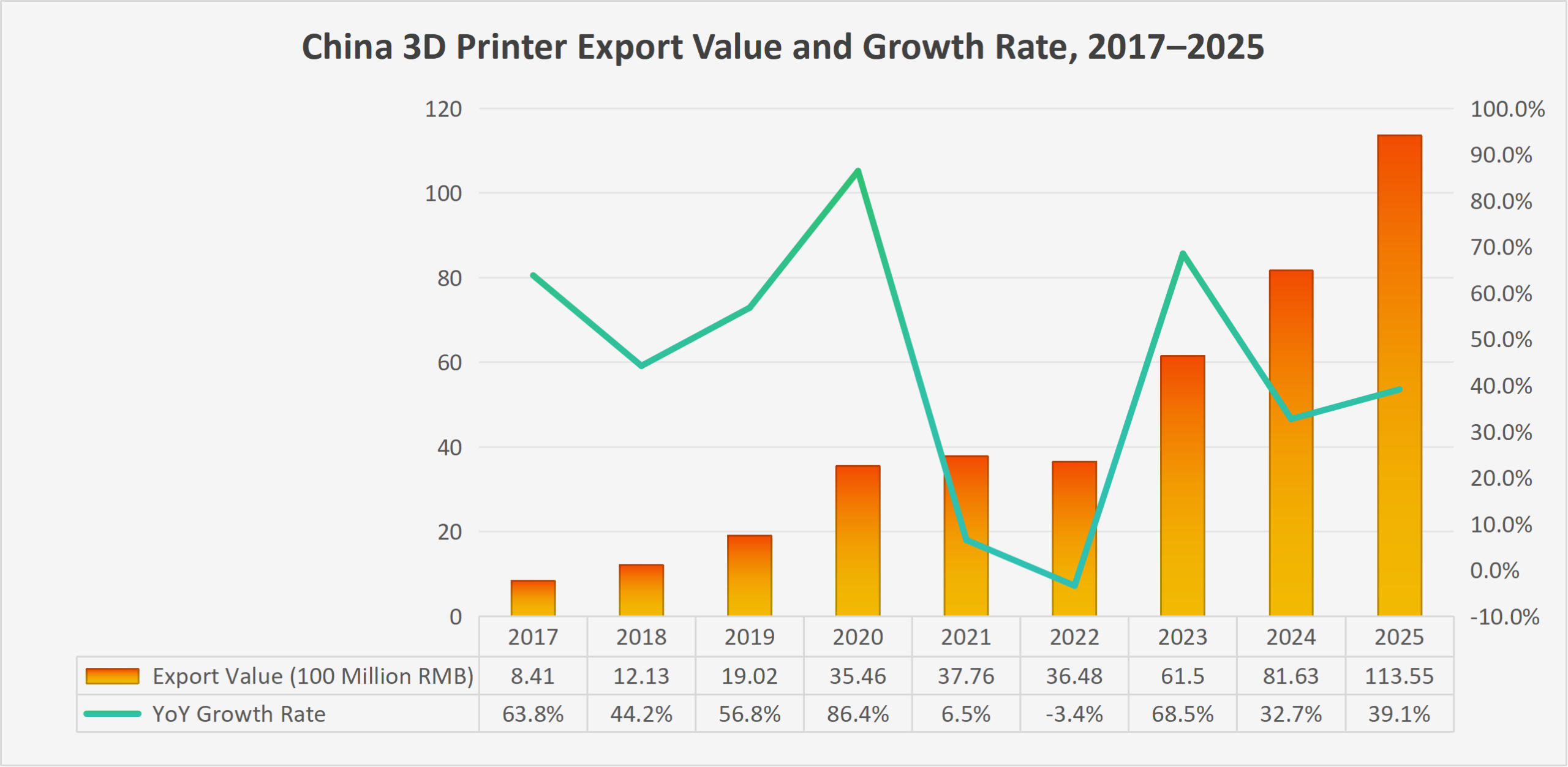
    According to data shared by CBD Technology, China exported more than 5 million 3D printers in 2025. The total reached 5.03 million units, up 33% year over year, while export value rose to 11.36 billion RMB ($1.6 billion), up 39.1%. These figures are based on official data from the General Administration of Customs of China, with analysis from Nanjixiong (南极熊), one of the country’s leading 3D printing media outlets.

    China’s 3D printer export volume. Image courtesy of CBD Technology/General Administration of Customs of China/Nanjixiong.

    The broader dataset behind these numbers shows this is not a one-year jump, but part of a much longer climb. Based on the customs data, China’s 3D printer exports have grown from roughly 535,000 units in 2017 to about 5 million in 2025. Exports surged in 2020 and 2021, fell back in 2022, then rebounded sharply in 2023 and kept rising through 2025. Of course, the market has had ups and downs, but the broader direction over the last eight years is clearly upward.

    CBD Technology said the vast majority of these exports are desktop and consumer 3D printers, especially plastic-based systems, with industrial machines accounting for only a small share of total volume.

    What this really shows is that China is not just making machines; it is increasingly building the global installed base of desktop 3D printers.

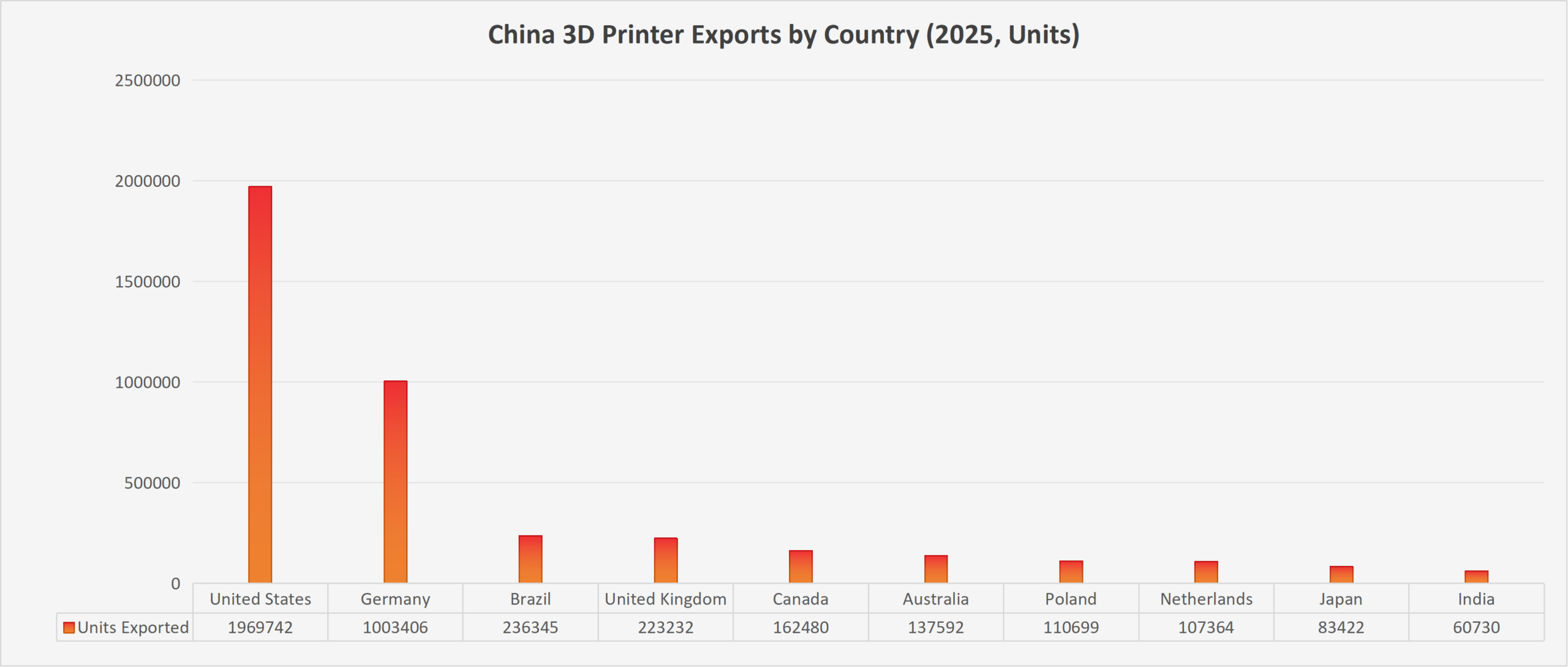
    What’s more, the export data shows how large that footprint has become. The United States was the top destination in 2025, taking close to 2 million units. Germany followed at roughly 1 million. Brazil, the United Kingdom, Canada, Australia, Poland, the Netherlands, Japan, and India also ranked among the leading markets, as shown in the graph below.

    China 3D printer exports by country 2025 (Units). Image courtesy of CBD Technology/General Administration of Customs of China/Nanjixiong.

    What CBD Technology told 3DPrint.com is that the growth is driven by a mix of rising global demand, improving technology, and cost advantages. According to the company, demand is growing across home use, education, and maker communities, particularly in the U.S., Germany, and Brazil. In 2025, the United States remained the largest destination by a wide margin at about 1.95 million units, followed by Germany at just under 1 million. After that came a much wider mix of markets, including the United Kingdom, Brazil, Canada, Australia, the Netherlands, Poland, Japan, and India. This is quite important because it suggests China’s desktop 3D printer boom is not tied to just one region or one type of buyer. It is spreading across multiple mature and emerging markets at the same time.

    The exporter-location data also shows how concentrated this trade is inside China. Guangdong accounts for the vast majority of exports, at roughly 85% of 2025 volume, with Zhejiang far behind at around 9%. In total, Guangdong exported about 4.08 million units in 2025, compared to roughly 416,000 from Zhejiang. Other provinces contribute much smaller volumes, including Jiangsu (about 70,000 units), Shandong (about 60,000), Hubei (about 57,000), and Shanghai (about 39,000).

    Visualization courtesy of 3DPrint.com.

    This data, in particular, is quite interesting because it’s not random; it truly reflects where much of the industry is based. Guangdong, particularly Shenzhen, is home to many of China’s leading desktop 3D printer manufacturers, including companies like Creality and Bambu Lab, along with a massive network of suppliers, assembly, and electronics production. It’s a true hardware manufacturing cluster. The region also benefits from a highly integrated hardware ecosystem that supports design, manufacturing, and export at scale.

    Zhejiang plays a smaller but still important role. Companies like Flashforge operate production facilities there, producing roughly 140,000 printers per year, and contributing to a secondary manufacturing base focused on export-oriented hardware and mid-scale production.

    This kind of manufacturing base also helps explain how quickly the products themselves are improving. Desktop printers are getting faster, more reliable, and easier to use, driving wider adoption.

    Consumer and prosumer 3D printers today are easier to use, more stable, and work right out of the box in a way they didn’t before. Features like multi-color printing and simpler software have made them more accessible to a much wider group of users.

    And we’re starting to see that show up in real use. Just this week, we reported how Bambu Lab printers were used on the set of Superman (2025) to produce parts that went straight onto the screen. What started as a test quickly became part of the core workflow, with some printed parts used as final components, not just prototypes.

    This is not just happening in film. H+R Drone Racing, for example, used Creality desktop 3D printers to design and produce parts for a fully functional drone, creating components that didn’t exist before and bringing them into real use.

    This is all a big part of what’s driving this growth. China’s export rise is not just about low-cost printers. It’s about better printers now used to make real parts, not just to test them.

    China’s 3D printer export value and growth rate. Image courtesy of CBD Technology/General Administration of Customs of China/Nanjixiong.

    CBD Technology also pointed to what it sees as the next major trends in consumer 3D printing: multi-color printing, AI tools, and desktop SLS. According to the company, multi-color printing is becoming more common, AI tools are making design easier for new users, and desktop SLS could bring more advanced capabilities into the desktop segment.

    The company said these features are helping make printers easier to use and expand what they can do, particularly for new users and small-scale production. They are also shaping what the next generation of desktop 3D printing looks like.

    CBD Technology also said companies like Creality, Anycubic, and Bambu Lab account for the majority of China’s 3D printer exports. These are clearly the largest and most representative exporters.

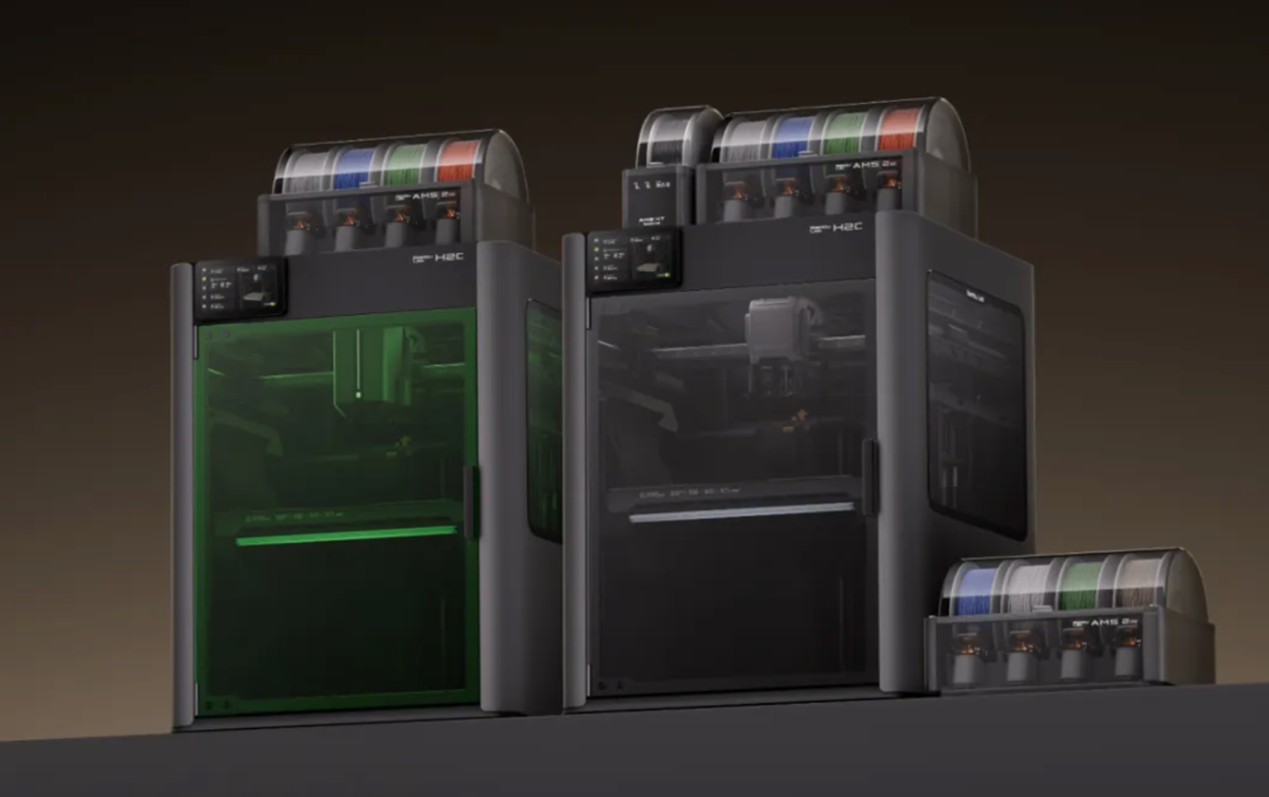
    Bambu Lab H2C. Image courtesy of Bambu Lab.

    This kind of scale changes the market as well. Millions of desktop 3D printers entering homes, schools, workshops, and small businesses expand the user base, increase demand for materials and software, and make the technology more familiar and accessible.

    It also shifts where growth is happening. Instead of being driven only by large industrial systems, adoption is increasingly happening at the desktop level, across a much broader group of users. That may be the most important takeaway from the data. China is not just exporting more 3D printers. It is putting them into use at scale.