• 3D Printing News Briefs, February 21, 2026: Vapor Smoothing, Brain Models, & More

    In this weekend’s 3D Printing News Briefs, we’re starting with material and post-processing news from Quickparts, and some more post-processing news from AM Solutions. We’ll end with researchers at the University of Missouri, who are 3D printing realistic brain models.

    Quickparts Introduces Two New Materials & Vapor Smoothing
    DuraKor parts

    Global advanced manufacturing solutions company Quickparts recently introduced new offerings to its portfolio to help take high-performance plastic parts from prototype to production. First, the company launched plastic materials DuraKor and ThermaKor, and it also added vapor smoothing as a core surface finishing capability. All three will help Quickparts support customers over multiple stages of product development by reducing risk, speeding up the path from design validation to production, refining surface quality, and maintaining continuity. DuraKor, mechanically similar to polypropylene, is a naturally watertight engineering plastic that’s great for applications requiring chemical resistance, environmental durability, and toughness. It can be used to validate designs that might transition to molded resins later on, and also for direct digital production. ThermaKor is a high-temperature nanocomposite for applications that need stiffness, dimensional stability, and thermal resistance, like wind tunnel models, mold inserts, and heat-resistant tooling for silicone and urethane. Finally, Quickparts has added vapor smoothing as a standard finishing option for cast and 3D printed plastic parts. The process reduces surface porosity, and offers a consistent, production-quality appearance.

    “The biggest challenge in manufacturing isn’t making a part—it’s moving from validation to production without losing performance, quality, or time. With these launches, we’re giving engineers more continuity across that journey, using materials and finishing options designed to perform in real-world production environments,” said Quickparts CEO Avi Reichental.

    “Our customers don’t have the luxury of prototyping with one partner, piloting with another, and finding a high-volume supplier fast. They need continuity. Solutions like DuraKor and ThermaKor enhance the Quickparts innovation engine OEMs rely on for the first part and the industrial engine for the millionth.”

    AM Solutions Launches Compact M1 for Automated Surface Finishing
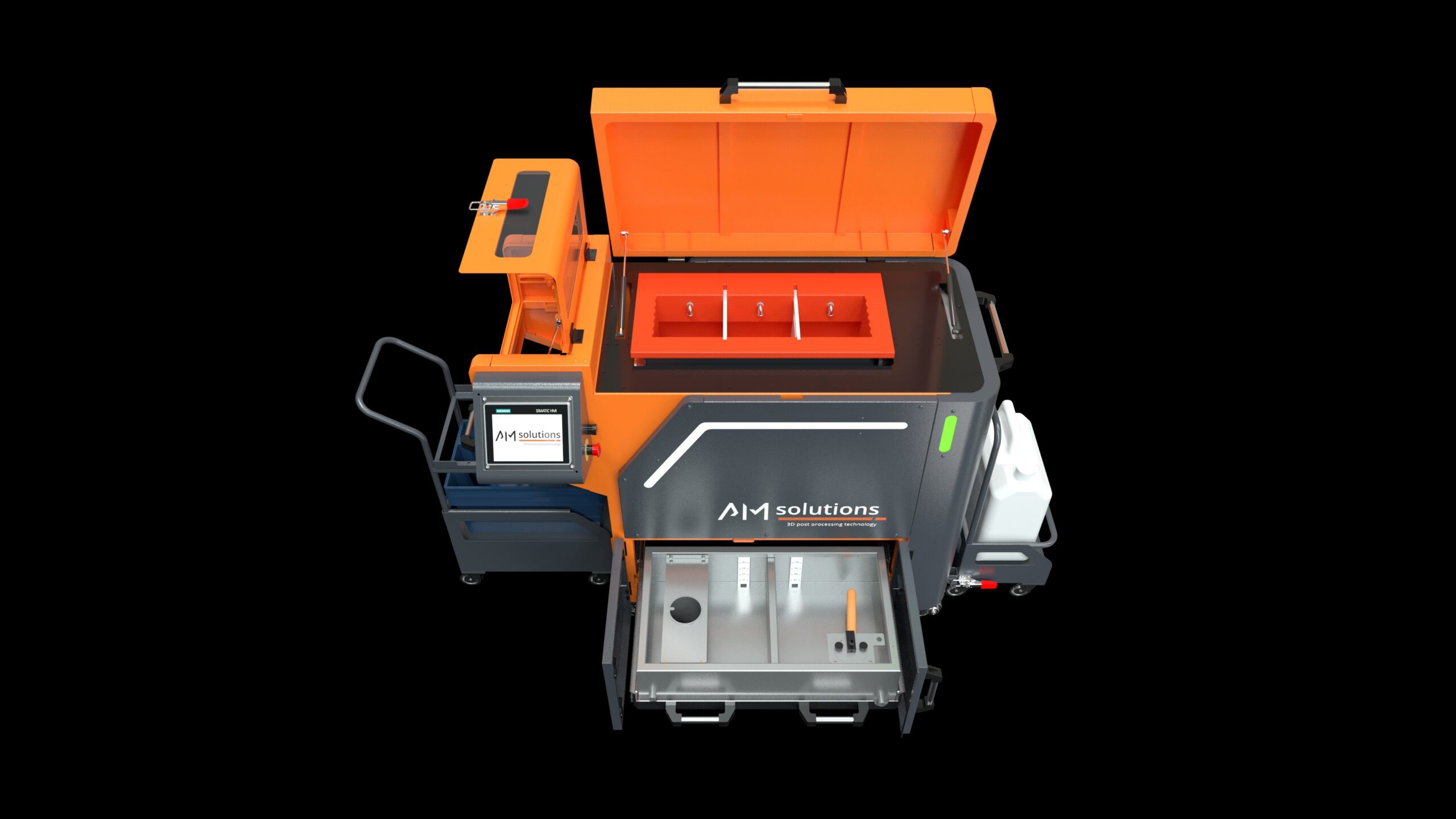
    The compact M1 system, setting a new benchmark for automated surface finishing of 3D printed parts in metal and polymer.

    Speaking of post-processing solutions, AM Solutions – 3D post processing technology, a brand of the Rösler Group, recently announced the launch of its compact M1 system for automated surface finishing of polymer and metal parts. Replacing the previous M1 Basic, the new M1 system is set up as a “versatile allrounder” for AM finishing, combining smoothing, grinding, polishing, and deburring processes into one vibratory platform. It has several major upgrades, such as a redesigned processing trough with end-side profiling and extra partitions, an extra fresh-water connection for processing with the company’s Keramo-Finish, and, for a smoother workflow, it shifted media/part separation onto a dedicated material cart. Customers interested in production-grade surfaces from a flexible system can process 3D printed parts up to 550 x 150 x 130 mm, either in small batches or as individual components, and choose to run in fresh-water operation or process-water recirculation. The M1 also features low noise levels, an integrated settling tank, and modern HMI with intuitive menu navigation.

    “The first M1 Basic proved how powerful vibratory finishing can be for additive. But our customers asked for more flexibility, better ergonomics, and even higher process stability. The new M1 is our answer. It turns what used to be an entry-level solution into an advanced production tool,” said Colin Spellacy, Head of UK Sales at AM Solutions.

    “For many AM users, the real bottleneck isn’t printing, it’s finishing. With the relaunched M1, we’re giving them a robust, repeatable and economically attractive way to turn rough builds into market-ready products, without jumping straight to a large, fully automated line. It closes the gap between R&D and industrial production.”

    Mizzou Researchers 3D Printing Synthetic Human Brain Models

    Researchers have already printed a small-scale model, about 15% of the brain’s actual size (far right), and are working toward creating a full-sized version. Photo by Abbie Lankitus.

    Scientists have long been investigating how our brains respond to electromagnetic waves and mechanical forces. Soft tissue models are useful, but the conventional methods for creating them fall short, as the models don’t realistically replicate the variations in texture and stiffness of real organs. A team of researchers from Mizzou’s College of Engineering are working to develop realistic, synthetic models of artificial human brains, which can better simulate the complexity of real brain tissue, using a technique called embedded 3D printing. Rather than building 3D layers in open air, this method uses a jelly-like support bath to hold the soft materials in place. The team developed a custom liquid ink that allows them to more closely mimic the dielectric, mechanical, and thermal behavior of brain tissue in their 3D printed models. They can print models that actually behave like gray or white matter in the brain, are scientifically accurate, and realistic to the touch, which could be very useful for medical research and training purposes. The Mizzou team has already printed a small-scale model, and hopes to achieve a full-sized version within a year.

    “Human tissues are incredibly heterogeneous, made of different materials with different properties. Our 3D printing approach lets us capture that complexity in a way that wasn’t possible before,” explained Christopher O’Bryan, an assistant professor of mechanical and aerospace engineering and co-author of the team’s study.

  • The Barnes Global Advisors is at AMS

    The Barnes Global Advisors (TBGA), the additive manufacturing (AM) consultancy based in Pittsburgh, is a pillar of the AM industry. TBGA’s expertise is sought by AM OEMs across the globe, leading adopters of AM technologies, economic development groups, key private-public consortiums, and even the Pentagon.

    TBGA has been an Additive Manufacturing Strategies (AMS) sponsor for years now, and AMS 2026 (February 24-26) is no exception. Register here, and you can see TBGA Director of Government Solutions Andy Davis moderate the panel “Advancing AM for Defense,” on February 24 at 9:50 AM. You can also see John Barnes, TBGA founder, as well as the CEO of Metal Powder Works, on February 25 at 9:30 AM, in a talk entitled, “20(/)30 Vision: Adoption.”

    Given that TBGA is comprised of so many different minds, it was only right that we get some insight from an assortment of the consultancy’s ever-growing team.

    Matt Kremenetsky: TBGA goes to a LOT of trade shows. What keeps you coming back to AMS?

    John Barnes: AMS is a connection event for me. I can have good conversations in a more intimate setting and I feel like people attending are there. They’re present. They’re engaged. The panel format encompasses more views and more opinions.

    MK: What are some advantages of networking in person that you think will never be outdone by networking virtually?

    Cynthia Rogers: Networking in person allows you to have impromptu conversations you couldn’t have in a virtual environment. Those random meet ups can start casually and then lead to connections and discoveries you wouldn’t find within a structured online setting. Many times we’ve seen casual conversations turn into opportunities and alliances that ultimately help to grow the AM ecosystem.

    MK: TBGA recently formed an exciting partnership with EWI. How do these types of partnerships help the AM world?

    Christina Kurth: Strategic partnerships are at the core of how TBGA operates. Our collaboration with EWI reflects how complementary strengths can advance the additive manufacturing community. EWI brings deep technical expertise and infrastructure, while TBGA contributes business strategy, cross-sector experience, and implementation support to help bridge innovation to real-world adoption. Through partnerships like this, our ADDvisor team acts as an extension of our partners, aligning technical merit with market insight to accelerate adoption and advance the industry.

    MK: What’s one lesson that the rest of the US manufacturing base can learn from what TBGA, Neighborhood 91, and the Resilient Manufacturing Ecosystem have done in Pittsburgh?

    Andy Davis: The whole is greater than the sum of its parts.  Neighborhood 91 is the world’s first additive manufacturing production campus.  It is made up of commercial companies which are co-located on the Pittsburgh International Airport property to form the full AM value chain.  Each company specializes in something different (i.e., powder production, cold spray, materials characterization) which allows each to focus on being really good at that thing versus having to be good at everything.  The high level of reliance and coopetition among the residents have driven innovation where otherwise there would be competition or no relationship at all.  This includes equipment utilization, material-process combination development efforts, and sharing of staff across multiple businesses.  TBGA has brought federal funding through the Department of War’s Resilient Manufacturing Ecosystem (RME) program, which has further applied the campus to solve Army, Air Force, and Navy problems.  The RME program is a great example of leveraging a commercial manufacturing capability for defense applications – the very definition of a dual use advanced manufacturing hub.

    MK: We’re starting to see a lot more interest in skilled trades, including manufacturing, from younger demographics, as well as from people who are simply switching careers. Does AM have a special role to play in that context?

    Christina: Yes, additive manufacturing has a special role to play for both younger generations and individuals transitioning into skilled trades, such as manufacturing. It bridges the digital and physical sides of making, resonating with students who grew up around video games, CAD, and coding, as well as with adults who have discovered 3D printing as a hobby.

    At TBGA, we support education at every level, from volunteering in high schools to guest lecturing at universities, to help introduce additive as a viable career path. One of our employees recently met someone at a trade show who said they were inspired by one of our Principal ADDvisors to pursue additive manufacturing as a graduate student, which shows the lasting impact of mentorship and visibility in the field.

    For adults looking to transition a hobby into a career or take on a new challenge, TBGA offers training through Purdue and TEES to help build foundational skills and strengthen their resumes before entering the workforce. Adults with experience in traditional manufacturing or even from entirely different industries bring a valuable perspective. They understand process flow, quality systems, and production realities that help ground additive programs and make them more scalable. Those outside the industry often bring creativity and problem-solving approaches that push the technology in new directions.

    This focus is timely, as workforce development consistently emerges as the critical path for growth and production in our customer business case studies. Supporting individuals who wish to enter or advance in manufacturing is crucial to establishing a robust and sustainable industrial foundation.

    MK: Aside from aerospace and defense, what are the verticals TBGA is most excited about?

    Christina: Outside aerospace and defense, TBGA is most excited about verticals in health, oil and gas, and consumer markets, with consumer innovation driving productivity across the industrial base. We are also initiating and supporting industry consortia that connect these sectors, advancing new additive approaches, and creating shared value.

    Don’t forget to register for AMS so you can see Andy, John, Cynthia, Christina, and possibly more from TBGA’s constantly expanding cohort of ADDVisors!

    This piece was originally seen in AMS: The Preprint

  • Targeted Applications, Expanded Platform: XJet’s Strategic Vision for AM’s Next Chapter

    The additive manufacturing sector has undergone a period of “creative destruction” over the past months, moving beyond a “growth at all costs” mentality into an era of consolidation and strategic focus.

    In this refined landscape, XJet has charted a distinctly different course. By focusing on a narrow yet essential segment — small, complex, high-value parts — the company has navigated 2025’s industry turbulence with notable stability, strengthening its leadership in technical ceramic AM and accelerating its global partnership network. More importantly, XJet is now executing a deliberate strategy to expand its addressable market without diluting its core strengths.

    Vertical Focus Four High-Value Markets

    Rather than competing across the entire $37 billion additive manufacturing landscape, XJet has concentrated on four high-value verticals where its NanoParticle Jetting™ (NPJ) technology delivers differentiated value: aerospace and defense, technical ceramics, precious metals, and luxury manufacturing.
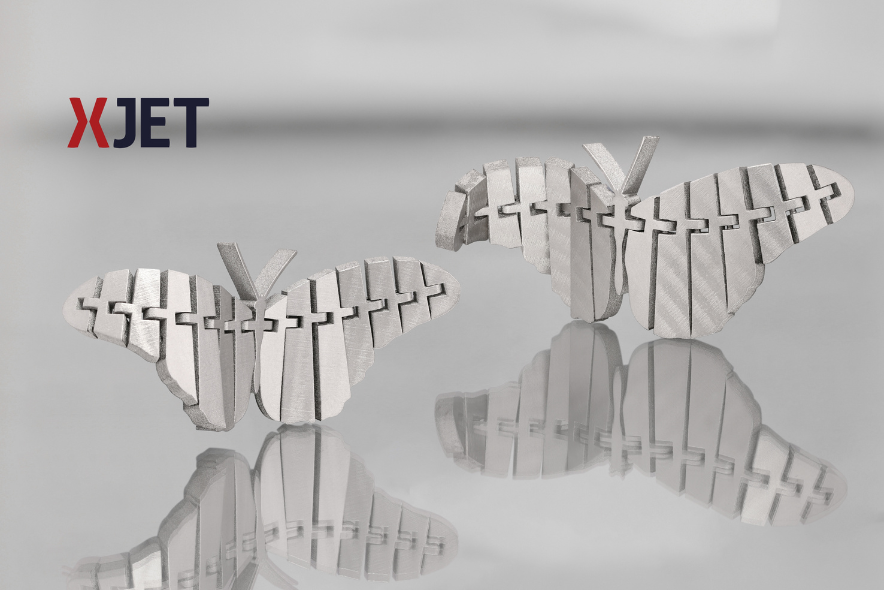
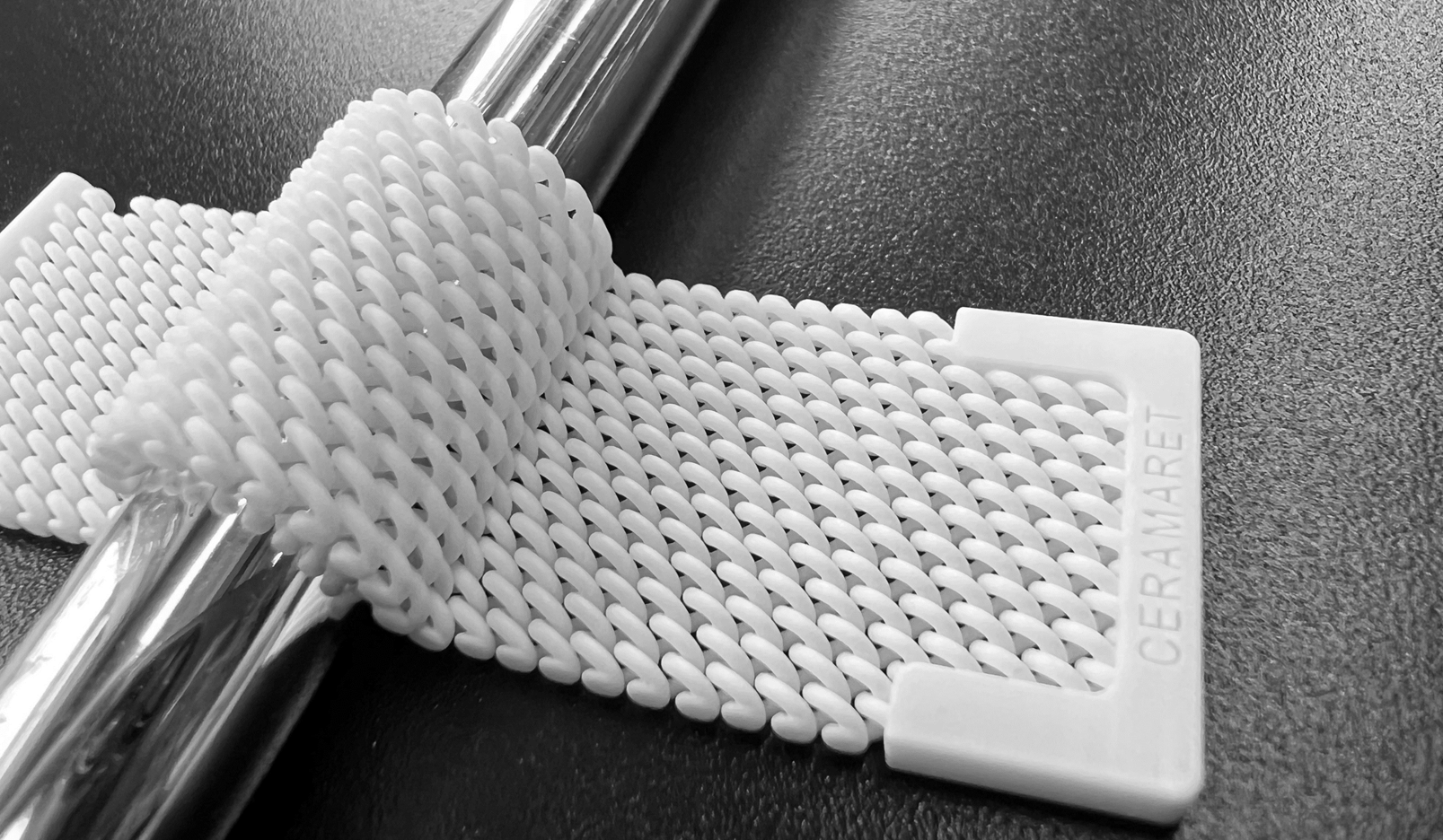
    In technical ceramics, XJet’s position exemplifies this vertical strategy’s strength. Despite macroeconomic uncertainty, the ceramic business expanded steadily throughout 2025, driven by accumulated expertise and a growing install base among industry leaders in aerospace, medical, and manufacturing services, particularly in Europe and the United States, with XJet systems in production.

    The company’s expanded material portfolio in advanced ceramics and metals strengthens value propositions to existing customers while opening new application possibilities. A global reseller network efficiently extends XJet’s reach, enabling geographic expansion without the capital intensity of direct operations worldwide, a disciplined approach aligned with profitable growth.

    Printed as an assembled butterfly decoration piece in stainless steel 316L. Image courtesy of XJet.

    Strategic Democratization: The Carmel Pro Revolution

    While XJet built its reputation serving industrial production environments, significant opportunities remained out of reach. Research institutions, academic labs, and boutique contract manufacturers faced prohibitive barriers to entry.

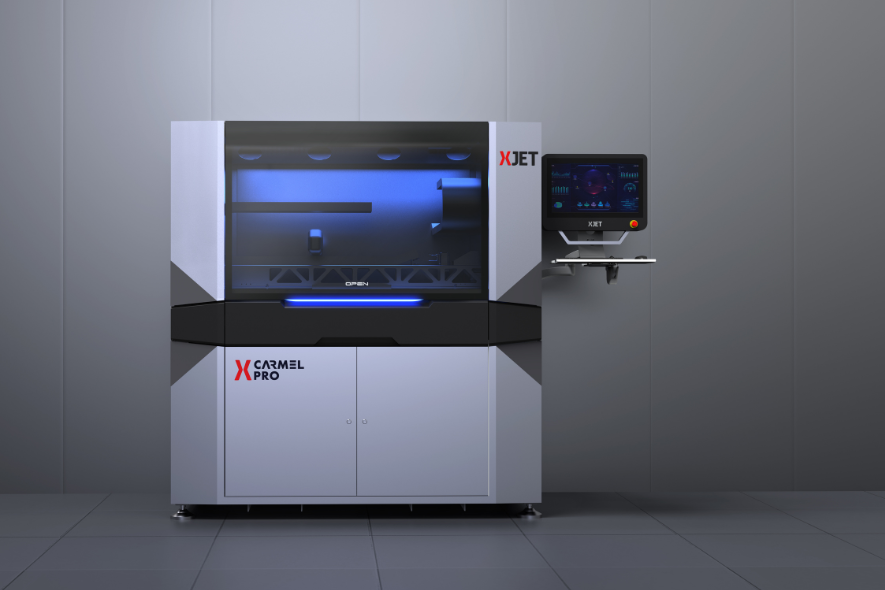
    In November 2025, XJet introduced the Carmel Pro — not merely a product launch but a calculated move to broaden the customer base while maintaining capital discipline. The system delivers up to 30% lower investment costs than previous platforms, making NPJ technology viable for SMEs and research centers that were previously priced out.

    But accessibility alone doesn’t guarantee success. XJet designed the Carmel Pro with a clear eye toward tomorrow’s manufacturing requirements. The four-channel printhead configuration is a strategic architectural decision that positions customers — and XJet — for additive manufacturing’s next evolution: direct multi-material production.

    This robust infrastructure elevates XJet’s previous build-plus-support capability to a new level. Coming capabilities include ceramic and metal multi-material printing with options for color gradients and density variations on demand, all directly printed in a single part. The Carmel Pro becomes not just an entry point but a platform capable of growing with customer needs.

    Jet Carmel Pro Compact System with a four-channel printhead. Image courtesy of XJet.

    Premium Jewelry: Technology Meets Artistry

    The Carmel Pro’s multi-material printhead has paved the way for XJet’s focused entry into premium jewelry manufacturing, where design freedom, complexity, and surface quality are paramount. Debuted at Formnext 2025, XJet’s integrated solution — comprising the Carmel Pro and precious metals materials, especially sterling silver — addresses a market where traditional manufacturing constrains creative expression and economically viable production of complex designs.

    Ceramic bracelets are already assembled. Image courtesy of Ceramarat.

    This vertical demonstrates XJet’s disciplined expansion approach. NPJ technology delivers the fine surface finish luxury applications demand, enables geometric forms impossible with traditional casting, eliminates material waste inherent in subtractive processes, and transforms production economics for small-batch and custom pieces. This is the best example of how XJet enters the game, where its differentiated capabilities create compelling customer value.

    Jewelry pendant at hollow cavities and comple surface patterns. Image courtesy of XJet.

    Focused, Sustainable Expansion

    As the industry enters 2026, XJet’s leadership sees the market moving from experimentation to implementation, from hype to tangible ROI requirements. Companies are standardizing additive manufacturing within production workflows only when the technology delivers measurable business value.

    XJet’s outlook centers on maturation within its chosen verticals, positioned to benefit from two parallel trends: consolidation favoring specialized players with defensible technology and deep vertical expertise, and democratization enabling broader adoption within targeted markets.

    The democratization strategy isn’t about racing to the bottom on price, it’s about strategic market expansion, creating customer value while building a more resilient business. By making industrial-grade capabilities accessible to a broader market while maintaining vertical focus and technological differentiation, XJet is building a business model aligned with the industry’s evolution from speculative growth to profitable sustainability.

    As additive manufacturing transitions from emerging technology to essential manufacturing tool, this approach — deep vertical expertise combined with strategic accessibility — may well define which companies lead the next decade.

    XJet is a Bronze Sponsor of Additive Manufacturing Strategies (AMS) 2026, a three-day industry event taking place February 24–26 in New York City. The conference brings together industry leaders, policymakers, and innovators from across the global additive manufacturing ecosystem. As a sponsor, XJet will support conversations centered on scaling AM technologies, advancing industrial adoption, and exploring the next generation of production solutions. Registration is open through the AMS website.

  • Materialise To Manufacture PEEK CMF Implants

    Materialise will implement PEEK (polyetheretherketone), cranio-maxillofacial (CMF) implants. Materialise has been doing CMF implants for decades. SLA and titanium implants, as well as the workflow software to do them, and the software to design them, have been a core part of the Belgian firm’s offering for many years.

    The company has also made custom titanium CMF implants, but will now let you order PEEK implants from them through Mimics Enlight CMF. You can also use them with the Mimics Flow case management tool and in Materialise Standard+ Solutions.

    Maarten Zandbergen, Market Manager at Materialise, noted,

    “Personalization isn’t just about material choices but about the precision of the planning process and the reliability of execution. Our clinical engineers work hand in hand with surgeons to design each implant, and that collaborative approach remains constant whether the case calls for titanium or PEEK. What changes is the surgeon’s freedom to choose; what stays the same is the peace of mind that comes from a proven, end-to-end process.”

    The company expects this to be especially useful in “cranial reconstruction, as well as facial contour restoration and onlay applications,” with specific advantages being “artifact-free postoperative imaging to lightweight anatomical restoration.”

    Rather surprisingly, the implants are not manufactured in Leuven or other Materialise sites. These PEEK components will be made by Ad Mirabiles, a Swiss-based firm that specializes in manufacturing custom PEEK and titanium implants. The company has EN ISO 13485 and can manufacture within 72 hours.

    This is a great step forward for Materialise. PEEK implants are functional and in demand worldwide. For custom work, they have shown efficacy and are often liked by surgeons. PEEK and other PAEK materials are radiolucent, making it easy for surgical teams to review images after the fact. Designed correctly, they have less stress shearing due to the modulus being close to that of bone, while being very strong and biocompatible.

    Previously, Materialise would have wanted to do the printing itself. With Victrex keeping the medical PEEK powders to itself and the recyclability of PEEK still atrociously low, the economics of PEEK LPBF are terrible. Ad Mirables seems to be using Material Extrusion. They may have developed a novel capability in making implants in a certain way. Materialise also has extensive experience in material extrusion across regulated industries. It could have opted for a 3D Systems EXT 220 MED instead.

    Printing with PEEK. Image courtesy of Materialise.

    So what is Materialise as a platform? Is it the previous three-pillar firm where medical, software, and services strengthen each other? Or is it a workflow platform that offers solutions to people who need parts and other services? Or is the firm the connective tissue around innovation and design of novel products? Or is it a little bit of all of these things?

    PEEK and PAEK materials are definite opportunities for Materialise. Beyond being a trusted end-to-end platform that takes work away from doctors and gives them and their patients the parts they need, it presents a significant opportunity. But selling software and providing parts can be very different businesses. It will be interesting to see which way Materialise will lean over the coming years. Will the firm become more of a platform or stay true to its roots?

  • Next-Gen CAD/CAM Tool Accelerates Development of Innovative AM Electronics Applications

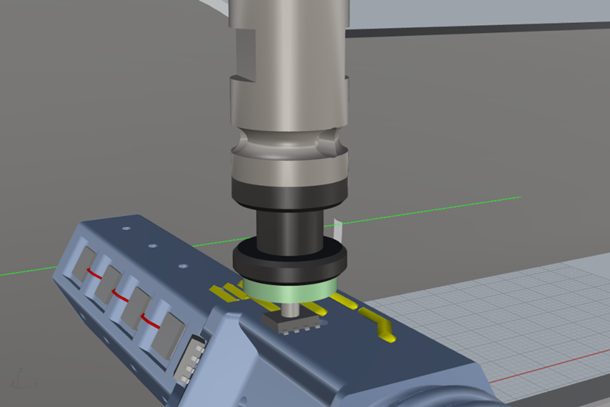
    3D-printed electronics is an emerging field that combines additive manufacturing techniques with the integration of electronic components to produce previously unachievable results. It enables the creation of complex, customized electronic devices with unique form factors and functionalities. Traditional manufacturing methods often struggle to accommodate the design freedom and complexity offered by 3D printed electronics. A key challenge is the lack of CAD/CAM tools specifically designed for the unique requirements of additive manufactured electronics. While multi-axis printing adds design freedom, its complexity increases dramatically. These gaps in CAD/CAM software capabilities have limited the adoption of additive manufactured electronics in many industries.

    Advanced Printed Electronic Solutions (APES) believes many of these challenges have been solved with the introduction of Aion-5X CAD/CAM software from our company partner KRONOS Mechatronics. Aion-5X is a full CAD/CAM development platform for additive manufactured electronic applications that integrates seamlessly into existing workflows. APES has been working with an early-release version of this new, cutting-edge solution to develop the programs required to drive the Kronos Helios, Hyperion, and APES Matrix6D platforms.

    Aion-5X

    The Aion-5X CAD/CAM solution was developed by KRONOS Mechatronics, a leading company in special-purpose machine building for industrial multi-axis 3D printing systems. Aion-5X is built to meet the needs of additive manufacturing applications, with a focus on printed electronics. It offers a comprehensive set of tools for designing, simulating, and generating five-axis toolpaths for complex printing processes.

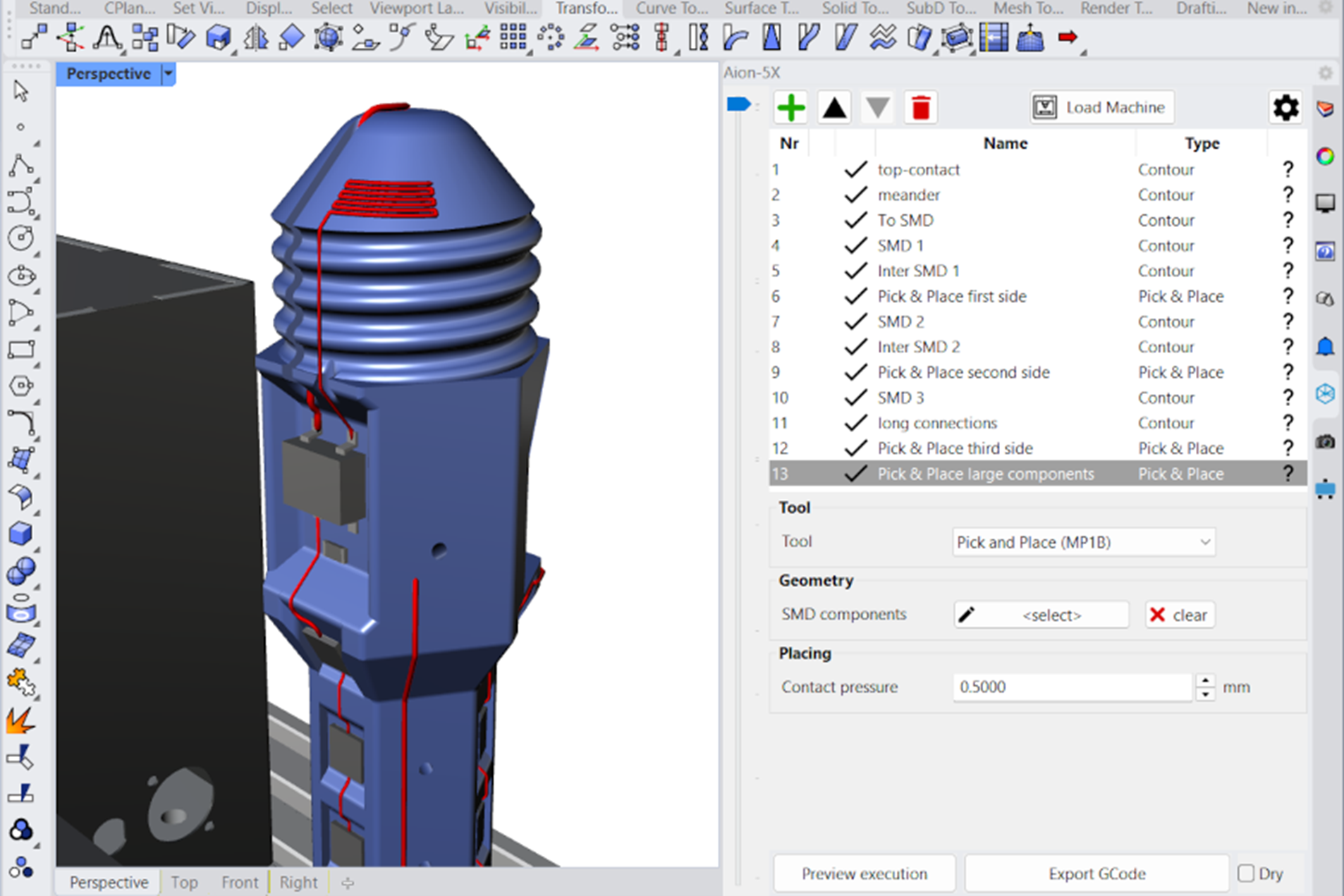
    The Aion-5X user interface with the preview and the process list. Image courtesy of Advanced Printed Electronic Solutions.

    The software is designed to work seamlessly with KRONOS’s advanced multi-axis manufacturing platforms and is offered by KRONOS as a proprietary CAD/CAM tool that can be configured for various multi-axis additive manufacturing applications beyond KRONOS systems. APES has adopted Aion-5X to design and develop 3D-printed electronic applications for its KRONOS Mechatronic platforms and plans to use Aion-5X with its own platforms, including the recently announced multi-scale manufacturing solution Matrix6D.

    The requirements of multi-axis printing were considered throughout Aion-5X’s development, resulting in a powerful, versatile software platform tailored to additive manufacturing. The software supports the complete workflow from concept to print-ready part, including design, simulation, and toolpath generation. By incorporating the full kinematic model of the target machine, Aion-5X enables precise visualization and planning of complex multi-axis printing processes.

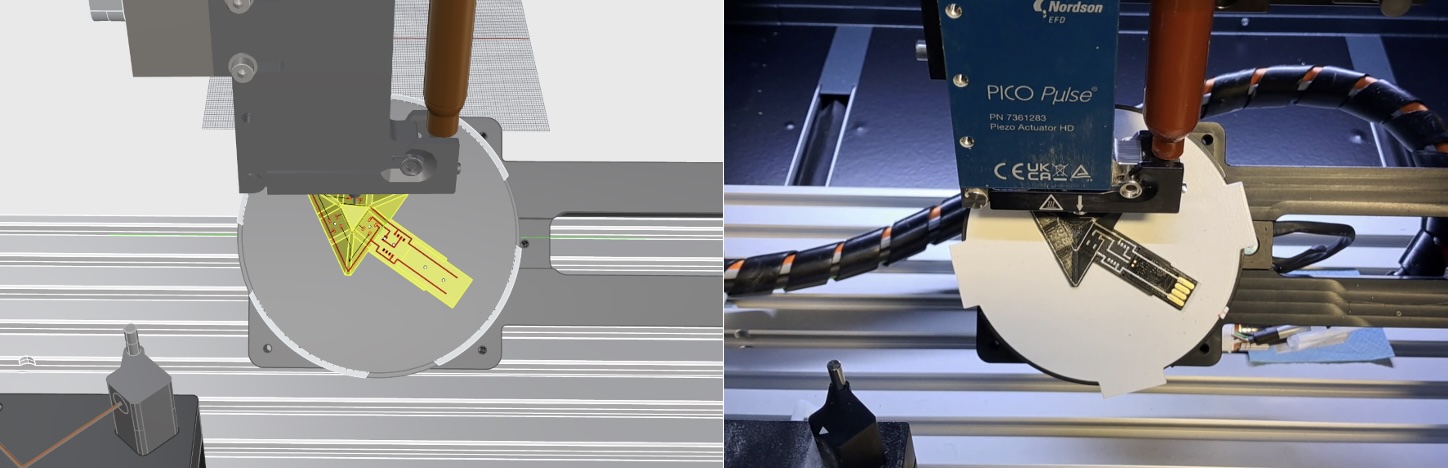
    The simulation and the printing process side by side. Image courtesy of Advanced Printed Electronic Solutions.

    Users can integrate their own systems and tools through defined, controlled interfaces, enabling them to leverage Aion-5X capabilities, including core software architecture, algorithms, and process logic. At its core, Aion-5X provides advanced multi-axis path planning capabilities that support simultaneous 5-axis printing and generate optimized toolpaths for complex additive manufacturing applications. This enables smooth and accurate printing on challenging geometries and supports high process reliability across a wide range of use cases. A key feature of Aion-5X is its modular architecture, which allows controlled extension via defined APIs, enabling the integration of additional CAM strategies or external tools where appropriate, while preserving the integrity of the KRONOS core platform. Aion-5X currently supports multiple process strategies. The contour-following strategy enables printing along complex three-dimensional surfaces, while the surface-filling strategy allows larger areas to be filled efficiently with material.

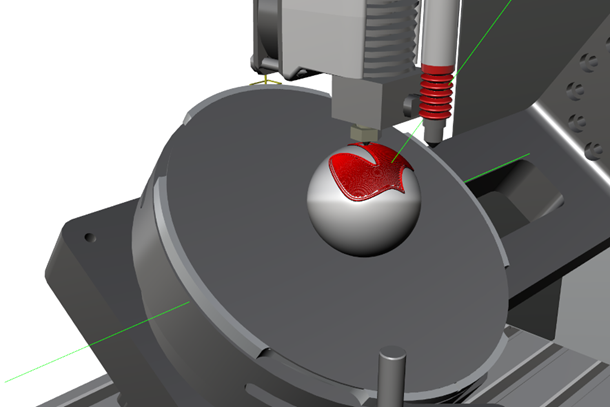
    Simulation of the surface filling strategy on a round surface. Image courtesy of Advanced Printed Electronic Solutions.

    Additional point-dispersion strategies are available for applications such as adhesive dispensing. Camera-based component alignment and fiducial recognition support the precise positioning of prefabricated parts within the printing system. Electronic component management and automated pick&place planning are integrated into the software, enabling the production of fully functional electronic devices within a single machine environment.

    A pick and place operation on the side of the object. Image courtesy of Advanced Printed Electronic Solutions.

    Summary and Future Outlook

    APES continues to see significant advantages in partnering with KRONOS Mechatronics as they continue to evolve the Aion-5X platform with additional capabilities and enhancements, focusing on expanded process support, improved usability, and increased automation in line with future multi-axis additive manufacturing requirements. Crucially, this evolution reinforces the platform’s ability to unify the entire workflow—from design and simulation to final fabrication across multiple machine platforms.

    We see no other solution on the horizon that rivals this level of capability and integration. Aion-5X uniquely supports the complete lifecycle of 3D-printed electronic applications, streamlining the process from initial design through to final fabrication. We look forward to our continued partnership with KRONOS Mechatronics to promote this technology and accelerate the adoption of additive manufactured electronics throughout the industry.

    About the Author:

    Rich Neill is CEO of APES, where he leads strategic development and implementation of advanced additive manufacturing technologies for electronic applications. With deep expertise in multi-axis 3D printing and printed electronics workflows, Rich drives innovation that bridges design, simulation, and production across complex manufacturing environments. He is a frequent speaker at industry events and an advocate for expanding the adoption of additive manufactured electronics in both industrial and research sectors.

    APES will participate in Additive Manufacturing Strategies (AMS) 2026, a three-day industry event taking place February 24–26 in New York City. On February 26, APES CEO Rich Neill will speak during Session 2: Electronics as part of the panel discussion, “Additively Manufactured Electronics at Scale.” The session will explore the technology landscape, commercialization opportunities, and the future of scaling additively manufactured electronics within the industrial base. AMS brings together industry leaders, policymakers, and innovators from across the global additive manufacturing ecosystem. Registration is open via the AMS website.

  • Scaling AM Suppressor Production: Oerlikon AM & ATLIX Rise to the Challenge

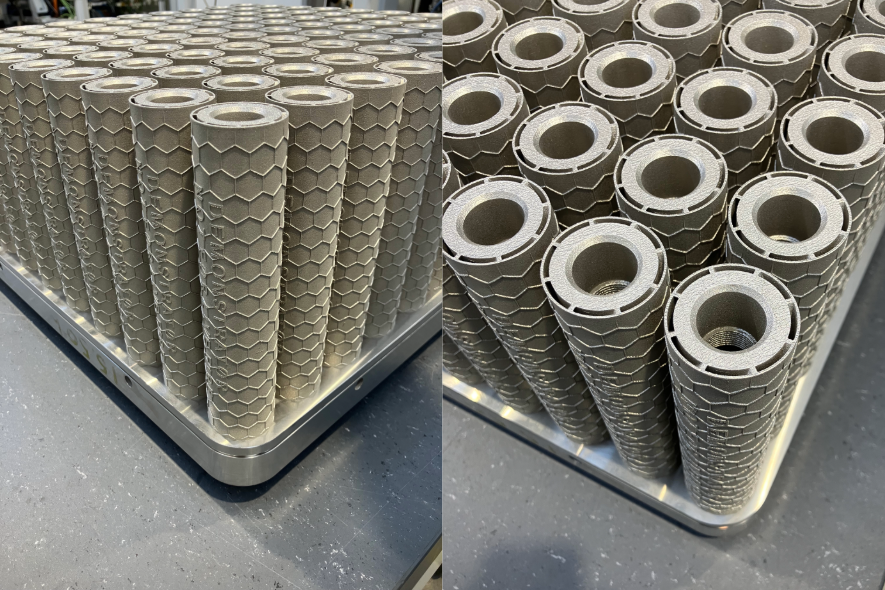
    End-of-barrel suppressors, oftentimes referred to as silencers, function by capturing and redirecting high-pressure propellant gases through carefully engineered internal structures and channels. By disrupting the gas flow before it exits the muzzle, these devices significantly reduce acoustic signature and muzzle flash generated when the firearm is discharged.

    Once considered a niche accessory, firearm suppressors have entered a period of rapid expansion, particularly in the United States market. According to the National Shooting Sports Foundation (NSSF), approximately 2.2 million suppressors were sold and licensed between May 2021 and July 2024. To put that figure into perspective, prior to May 2021 an estimated 2.6 million suppressors had been registered in U.S. since the enactment of the National Firearms Act of 1934. In just three years, suppressor ownership in the U.S. nearly doubled.

    What is driving the surge? Advances in suppressor innovation, enabled by metal additive manufacturing (AM) technology and materials, have unlocked new designs that significantly improve performance. The ability to produce complex, internal channels with AM reduces blowback pressure and recoil, lowering the risk of head injury and hearing loss. These new technological advancements, combined with recent federal deregulations, has led to a substantial increase in adoption across military, law enforcement, and especially civilian enthusiast and hunting markets.

    To meet this growing demand, major firearm manufacturers are turning to advanced manufacturing equipment and experienced production partners to keep innovating at scale. That’s where Oerlikon AM and leading laser powder bed fusion (LPBF) technology provider ATLIX deliver.

    Precision & Production

    Oerlikon AM operates a 125,000 square foot, state-of-the-art advanced manufacturing center in Charlotte, NC. Equipped with a fleet of metal 3D printing systems and supported by world-class engineering expertise, Oerlikon AM continues to address the most demanding applications across aerospace, defense, and semiconductor manufacturing.

    In June 2025, Oerlikon AM announced a major production milestone: the manufacture of more than 25,000 additively manufactured suppressors using a proprietary MetcoAdd® nickel powder on the ATLIX TruPrint platform series. This achievement aligns with a recent  Additive Manufacturing Research report projecting that AM penetration for suppressor manufacturing will 30% by 2032. Just months later, Oerlikon doubled its fleet of TruPrint metal 3D printers, becoming the largest contract manufacturing partner in North America.

    “Scaling suppressor production takes far more than simply printing parts — it requires precision, repeatability, and industrial-grade reliability at volume,” says Dan Haller, Oerlikon AM Head of Commercial. “With ATLIX TruPrint technology, we produce highly complex suppressor designs in a single build that previously required multipart assemblies. This boosts performance and durability while cutting production time and complexity. As demand – particularly in the fast-growing defense sector – continues to rise, ATLIX delivers the robust LPBF platform we rely on to scale confidently while maintaining the quality our customers expect.”

    Through end-to-end engineering support and vertically integrated manufacturing capabilities, Oerlikon AM is helping shape the future of product development and production across key markets. Its expanding partnership with ATLIX is a major contributor to both current success and anticipated growth in 2026 and beyond.

    Partnership & Innovation

    ATLIX, formerly TRUMPF Additive Manufacturing, is positioned to build on its strong industrial legacy while advancing the next generation of additive manufacturing innovation. Although the ATLIX brand is relatively new, its technology foundation and history of trusted partnerships are both deep and well established.

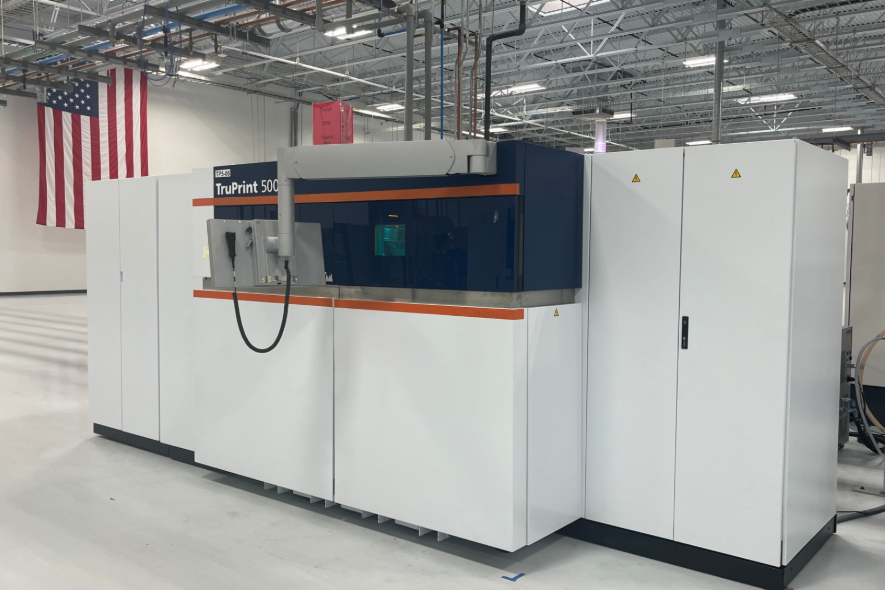
    The longstanding partnership between Oerlikon AM and TRUMPF (now ATLIX) dates back to 2002 and is poised to accelerate further with the installation of the next generation TruPrint 5000 platform in Charlotte, North Carolina.

    The TruPrint 5000 platform, described as ATLIX’s most industrial and innovative system to date, is expected to significantly expand Oerlikon AM’s suppressor manufacturing capacity. Engineered to set new benchmarks in reliability and performance, the TruPrint 5000 represents a pivotal advancement in additive manufacturing and serves as a foundation for future innovation.

    Together, ATLIX, Oerlikon AM will continue supporting the firearms industry with advanced end-of-barrel innovation and production capabilities. To learn more, visit www.atlix.com or connect with the ATLIX team at the Additive Manufacturing Strategies event in New York City, February 24-25.

    At Additive Manufacturing Strategies (AMS) 2026, ATLIX CEO Matthias Himmelsbach will participate in a panel called “From Mainstream to Ubiquity: 3D Printing for Dentistry” on February 25th. This session is part of the broader AMS 2026 conference, which brings together industry leaders, policymakers, and innovators from across the global AM ecosystem. Learn more and register here.

  • 3D Printing News Briefs: February 19, 2026: Market Data, Africa, Metal Parts for Defense, & More

    We’re starting with some business news for you in today’s 3D Printing News Briefs! The Wohlers Report 2026 is now available, Carbon announced its new Chief Technology Officer, and Farsoon is partnering with Addimax to expand its industrial 3D printing across Sub-Saharan Africa. Finally, we’ll end with some defense news, as Meltio and Snowbird Technologies announced a containerized hybrid manufacturing system.

    Wohers Report 2026 Values AM Market at $24 Billion

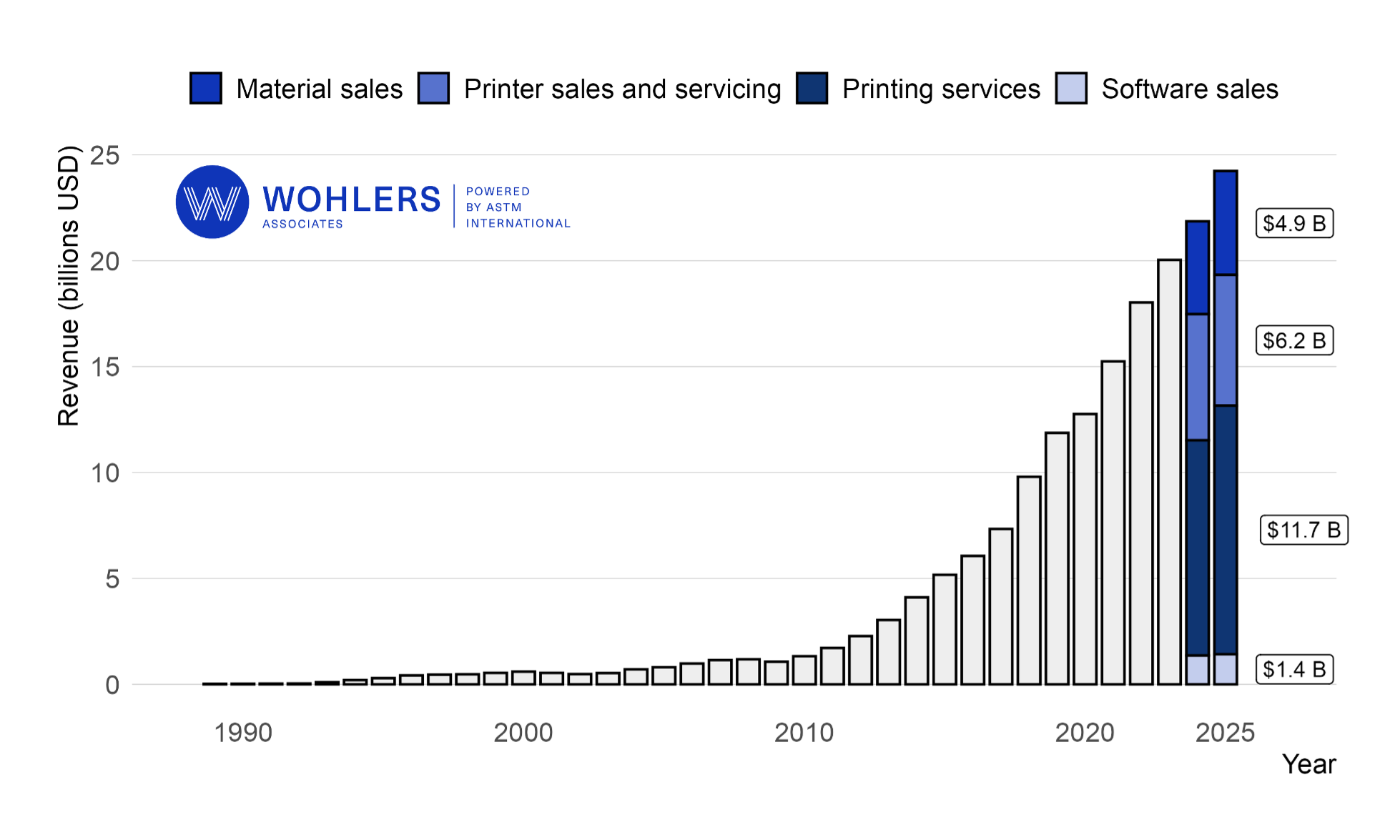
    Recently, Wohlers Associates, powered by ASTM International, released the Wohlers Report 2026 through ASTM’s new digital platform. The report is in its 31st year, and the 2026 edition is reflective of an AM market characterized by regional divergence, increased utilization of install capacity, and policy-driven dynamics. Offering a data-driven assessment of shifting utilization, investment, and growth patterns across the industry, the report says that global AM revenues in 2025 reached $24.2 billion, which represents 10.9% year-over-year-growth but is still far lower than the 20%+ growth rates before 2020 and the COVID-19 pandemic. Wohlers Report 2026 also highlights very strong growth in AM services, with printing services accounting for the market’s largest share at 48%, which was followed by system sales and servicing (26%), materials (20%), and software (6%). In addition to releasing this year’s report, ASTM and Wohlers are working to grow their digital platform, which will continue to deliver insights but increasingly complement the report with timelier data, frequent updates, and more.

    “Additive manufacturing is no longer advancing on a single, uniform growth curve. What we see in Wohlers Report 2026 is an industry adjusting to tighter capital conditions, more selective investment, and higher expectations for utilization and return,” explained Dr. Mahdi Jamshid, Director of Market Intelligence, Wohlers Associates. “Growth continues, but it is more uneven, more regional, and more closely tied to real production outcomes.”

    Longtime Carbon Employee Appointed as Company’s Chief Technology Officer

    Jason Rolland, Carbon’s new Chief Technical Officer

    Top product development and 3D printing company Carbon just announced that Jason Rolland, PhD, has been promoted to the role of Chief Technology Officer (CTO). A polymer scientist by training, Rolland has been with Carbon for over 12 years, and was actually one of its earliest hires. He earned his PhD in 2005, and is a recognized AM expert and “prolific” inventor, holding over 60 issued U.S. patents; 45 additional patents are still pending. He was a co-founder of Liquidia, Inc. in 2004, before moving to Director of Research and then Senior Director of Research at Diagnostics For All. He started at Carbon in 2014 as the Vice President of Materials, moved up to SVP of Materials in 2019, and is now the CTO. During his years at Carbon, Rolland built the materials team, and is a co-inventor of the company’s patented dual-cure resin platform. He’s helped launch many groundbreaking resin products during his tenure, and is “humbled and excited to take on this challenge.”

    “I couldn’t be more excited about having Jason in this role. He has been a prolific innovator and leader since he joined Carbon in the early days and is responsible for many of the company’s largest revenue products,” said Phil DeSimone, Co-Founder and CEO of Carbon. “I am excited to have him lead Carbon’s broader product development and R&D organization as we continue to lead the way in additive manufacturing technology and solutions.”

    Farsoon Announces Sub-Saharan Africa Distribution Partnership with Addimax

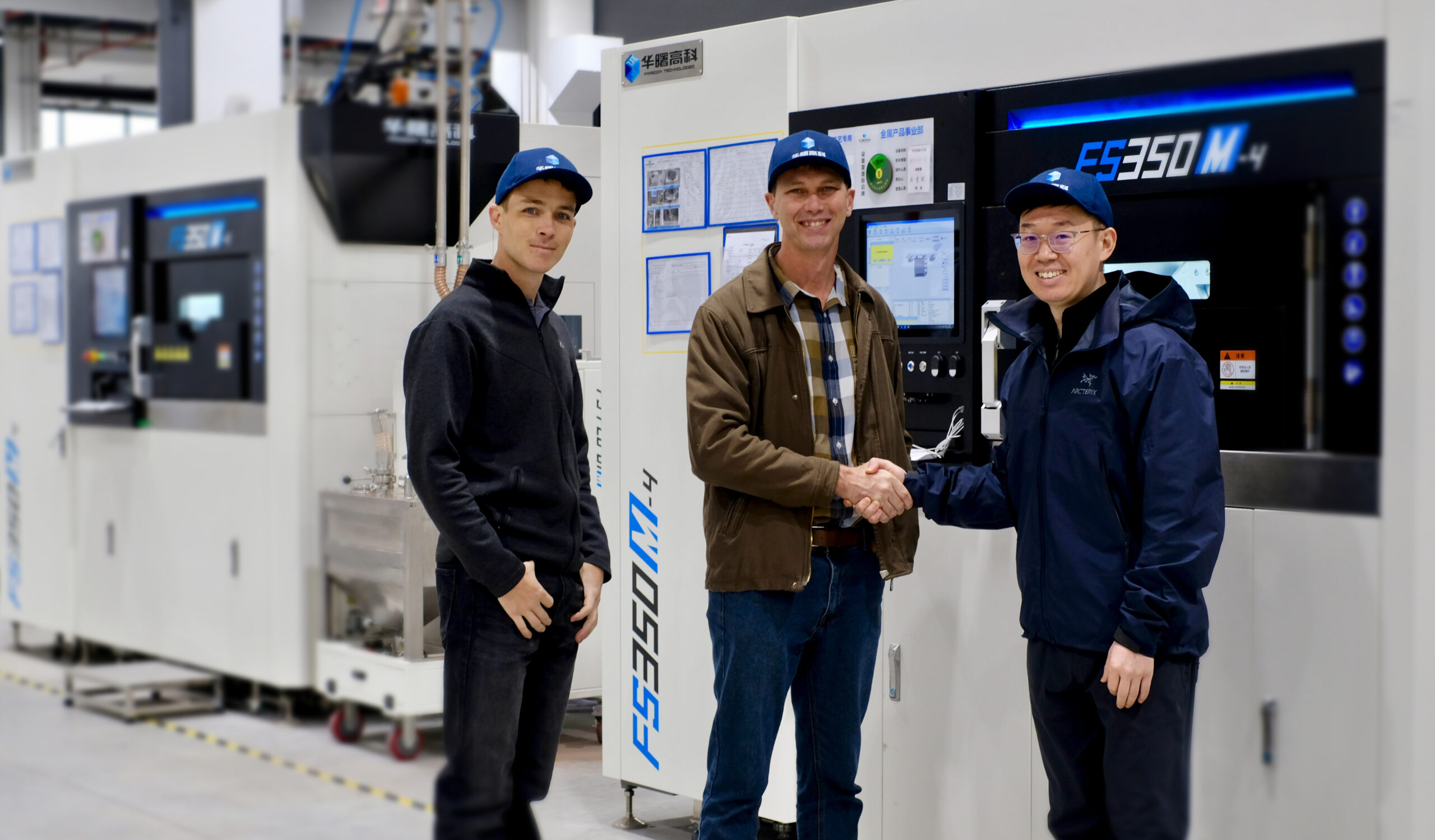
    Industrial additive manufacturing Farsoon Technologies, headquartered in China, recently announced a strategic distribution partnership with Addimax to drive industrial 3D printing innovation across Sub-Saharan Africa. Addimax is a South African 3D printing solutions provider for a wide range of industries, and has 20 years worth of technical expertise in both metal and polymer powder bed fusion (PBF) technologies. Both Addimax and Farsoon are committed to providing cost-efficient, open, and high-quality industrial AM solutions, and their partnership will expand access to Farsoon’s industrial-grade AM portfolio of machines, materials, and part production services for customers in the Sub-Saharan African region. A cornerstone of their collaboration is Addimax’s new Additive Manufacturing Demo Center in Pretoria, launched last month and featuring Farsoon’s high-speed Flight 403P-2 series dual-laser Fiber-light SLS system, in addition to metal and polymer AM services. The demonstration hub provides firsthand experience, such as live machine demonstrations, benchmarking, and full-scale production runs, all supported by technical services and training.

    “We are excited to enter this partnership with Addimax to bring world-class industrial 3D printing solutions to South Africa’s thriving market. We highly value Addimax for its deep local market insights and proven technical service capabilities. They are perfectly positioned to extend Farsoon’s reach, delivering serial production solutions and tailored support to sectors like aerospace, mining, and automotive—key growth drivers of South Africa’s additive manufacturing landscape,” said Vince Zhao, Farsoon Direction of Business Development – AMEA. “This collaboration unites Farsoon’s 25+ years of technological excellence with Addimax’s on-the-ground agility, enabling local businesses to unlock efficiency, customization, and supply chain resilience. Together, we’re not just expanding access to innovation; we’re fueling South Africa’s industrial advancement through collaborative success.”

    Meltio Engine Blue Integrated into SAMM Tech Platform for Defense Applications

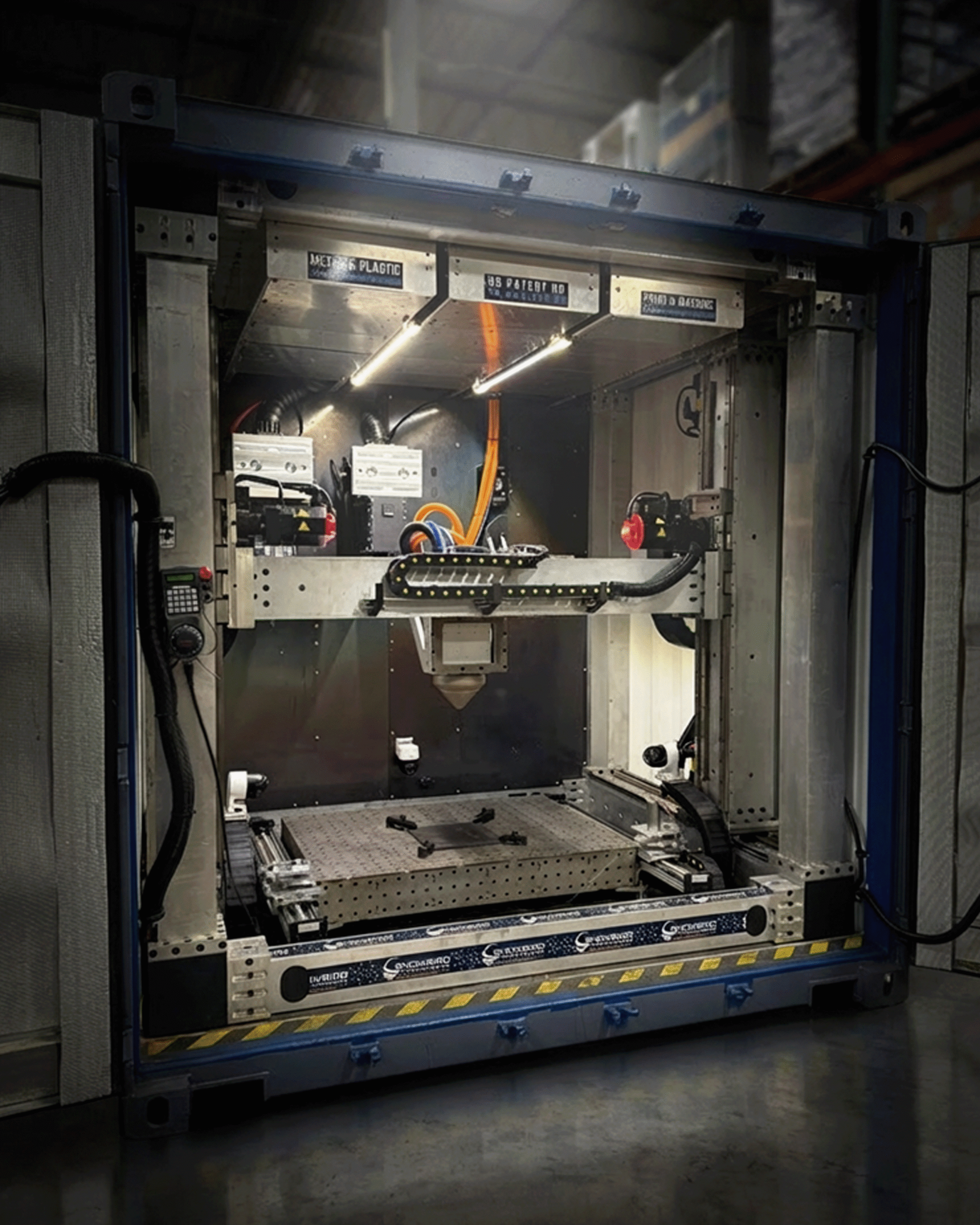
    Meltio and Snowbird Technologies, an expeditionary advanced manufacturing solutions provider, announced a containerized hybrid manufacturing solution for defense applications, which they presented at the recent Military Additive Manufacturing Summit & Technology Showcase (MILAM). Snowbird’s new SAMM Tech platform is a forward-deployable hybrid manufacturing system, integrated with and powered by the Meltio Engine Blue and housed in a ruggedized container. Capable of manufacturing and repairing critical components at the point-of-need, the system combines additive and subtractive capabilities and features a patented gantry-mounted hybrid manufacturing cell. Meltio says this collaboration validates the use of laser-wire DED technology in demanding defense and expeditionary manufacturing environments. The modular system supports many industrial metals, and was designed for global mobility and rapid deployment, able to operate in extreme maritime and land conditions, so defense forces can repair, manufacture, and sustain mission-critical components much closer to the battlefield. This increases mission readiness and reduces dependency on centralized supply chains.

    “Defense organizations require manufacturing solutions that are reliable, flexible, and deployable. Integrating the Meltio Engine Blue into Snowbird’s containerized system demonstrates how our technology can support expeditionary operations, helping defense users strengthen supply chain resilience and maintain operational readiness in the most challenging environments,” said Gabriel Ortiz, America’s Channel Manager at Meltio.

  • From “Magic” to Metal: How Intrepid Automation Wants to Make 3D Printing Matter at Scale

    Ben Wynne still talks about 3D printing the way people do when they’ve felt that “wow” moment up close. Back in the early 2000s, he was working at HP’s advanced R&D group, and there was a 3D printer in the lab. It didn’t just look like a tool to him; it felt like a shift in what manufacturing could be. But over the next two decades, as the technology matured, Wynne also saw where the limits remained: “while 3D printing has scaled in some areas, taking it into consistent, high-volume production is still hard, and often expensive.”

    Today, as CTO of Intrepid Automation, he told 3DPrint.com about how his team is trying to close that gap. Not by pitching a brand-new “do-everything” machine, but by using fast polymer printing to accelerate a manufacturing process the world already trusts: casting metal parts. And for aerospace and defense, where time, supply chain risk, and qualification rules all matter, he thinks that approach could be a big deal.

    A familiar story: great tech, hard reality

    Wynne’s path into additive manufacturing (AM) is a tour through some of the most important corners of the industry. He spent around 15 years at HP, working across 2D printing, scanning systems, and advanced product concepts. He also worked on 3D printing and 3D scanning platforms that never made it to market, something that happens a lot inside big corporations.

    Ben Wynne.

    “I spent most of my career at HP. My job has always been to look at technology and find ways of applying it to create new products.”

    Eventually, he left to join a startup called Wiivv (now FitMyFoot), where he tried to build real consumer products using the best additive manufacturing tools available at the time, including selective laser sintering (SLS). He invested heavily in production-grade equipment and pushed hard to see how far the technology could go.

    That experience became a turning point. What he ran into “wasn’t a lack of promise, but a set of practical limits, speed, cost, and the amount of manual work required, that made high-volume production difficult.”

    Wynne told me he wasn’t questioning the value of AM itself. Instead, the experience helped clarify a specific gap: moving from impressive parts to consistent, repeatable, cost-effective manufacturing at scale.

    “The bottleneck really has been that additive doesn’t scale,” Wynne said. “Either from a capital investment standpoint, speed, consistency, quality, all of those things have been a barrier. But to me, that frustration became fuel.”

    The Intrepid origin: leaving to solve the hard parts

    Wynne later returned to HP. Then a major shift happened when Vyomesh Joshi, an HP veteran, became CEO of 3D Systems. Wynne was recruited to join. He helped launch 3D Systems’ San Diego site in 2016 and worked on developing the Figure 4 platform. But after about 14 months, he and others left.

    In September 2017, five co-founders, many of them with long shared history at HP, started Intrepid because they felt the industry wasn’t fixing the “real problems.”

    “We didn’t feel like any of those fundamental challenges around part consistency, automation, scalability, and cost were being actively solved. So we went on our own to try to solve that. Eight years later, Intrepid’s goal is still the same: ‘additive at scale for real mass manufacturing.’”

    But the way they’re doing it is not what most people expect. The company uses fast polymer 3D printing to produce the patterns and tooling needed for casting, so its clients can produce qualified metal parts faster, using existing foundry infrastructure.

    People have used printed patterns for investment casting for decades. The concept isn’t new. The problem has been speed, cost, and throughput.

    “What Intrepid’s done is we’ve focused on speed,” Wynne said. “We make our own resins, and we can now use digital patterns with existing foundry infrastructure to enable parts to be produced in days and not months. More importantly, that last part matters in aerospace and defense because it avoids a common nightmare: re-qualifying an entirely new manufacturing process.”

    Wynne explained it with an example: if a military drawing calls for a specific alloy casting, Intrepid’s approach still delivers that same casting, same alloy, same foundry options, same supply chain logic, just with a digital front end, he noted.

    “The beauty of digitizing existing manufacturing processes is that, from a regulatory perspective, it is the same. Same alloys, even the same supplier, but just created using a digital technology as the front end. In other words: don’t ask the system to change everything. Help it move faster without breaking the rules.”

    How they print so fast: stitched projectors, not a single beam

    So, how does Intrepid get the speed Wynne keeps coming back to?

    His answer is the architecture: instead of moving a laser point across a layer, Intrepid projects whole layers at once. And instead of a single projector, they “stitch” multiple projectors together into one seamless image.

    “We own patents that broadly cover our technology set,” added the expert. “We can put an arbitrary number of projectors together and create one massive image. So, instead of moving a laser around like old-school SLA, we have six 4K projectors projecting an entire layer at once.”

    The kinds of parts his team cares about most are larger industrial geometries. The other piece is materials. Intrepid makes its own resins, which Wynne says helps them lower costs and open more real manufacturing opportunities.

    “We want to be able to provide price elasticity,” he said, because there are cases where “the technical may have made sense, but the unit economics didn’t.”

    Casting isn’t the only target: sand casting and match plates

    Investment casting is one big target. Sand casting is another. Wynne described an old problem that still hits the defense world: many legacy parts don’t have clean digital design data. Sometimes there’s no CAD. Sometimes there aren’t even proper drawings, and there’s a real need to digitize that front end, too.

    So Intrepid is using 3D printing to create digital equivalents of match plates (the tooling used in sand casting). Wynne said the company can print extensive tooling quickly, and the build area he referenced was roughly 30 inches by 26 inches.

    He reiterated that they need to add capability to existing manufacturing, instead of trying to replace it overnight.

    “We want to be a catalyst for the legacy ways of making things,” he said. “Automation is a big part of that, especially because the labor issue is real. It’s not just a technical problem. How do we remove the bottlenecks? The answer is automation—systems that can print and post-process continuously, lights-out, with the option to have robots service the machines. That’s how you move forward, not by simply adding more people.”

    Intrepid’s production systems have names. The automated cell is called Epic. The larger, aerospace-focused system is called Range (formerly Valkyrie). And Wynne indicated that if the market needs bigger, the platform can scale by adding more projectors.

    Intrepid Automation’s machines.

    Wynne said Intrepid has raised “just close to $30 million” over the years and is “aggressively scaling” its commercial side now that the core technology has been proven. The executive also discussed an ongoing legal dispute with 3D Systems that began in 2021, noting that key claims were dismissed in March 2025 and that the remaining matters are still ongoing.

    With most of that part of the company’s history behind it, Wynne now looks ahead: “The industry is increasingly focused on real-world deployment. In aerospace and defense, that requires complete, integrated solutions. Long term, the goal is to build a scalable, modern manufacturing infrastructure. It’s about upgrading what already works.”

    Images courtesy of Intrepid Automation

  • LPBF Woven Nitinol Opens New Possibilities for Stents and Actuators

    Nitinol is a very exciting material in and of itself. The alloy is almost a metal elastomer and is known for its strength, super elasticity, and shape memory properties. Originally discovered in Roswell, New Mexico, it may have originated from the Naval Ordinance Laboratory and Batelle, while some adhere to a much more colorful theory that it is a material found on alien spacecraft. Primarily used in stents, high-end actuation, orthodontic wires, and some eyeglasses, nitinol is an exotic alloy with distinctive properties.

    Woven, braided, and tubed nitinol wire is already used in catheter tubing and heart valves. In additive, Nitinol parts have been made using LPBF, Ebeam, and several DED processes. In LPBF, researchers have shown that shape memory effects, tensile, and other properties can vary widely depending on the processing parameters. Variation in process parameters and scanning strategies can lead to very different outcomes in superplasticity and shape memory. The variable outcomes and inputs of 3D printing, therefore, can lead to programmable, tunable properties in parts.

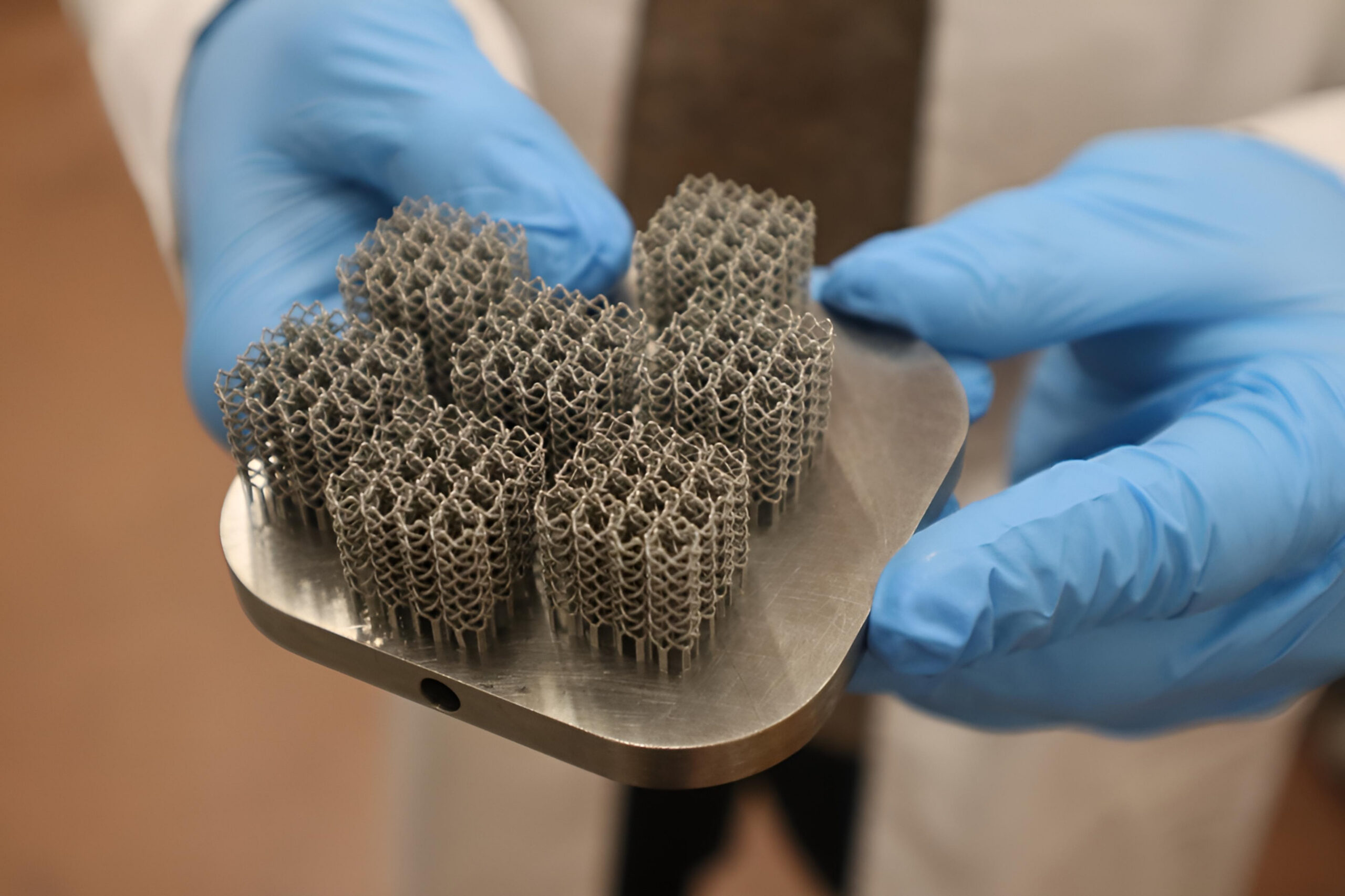
    Now, a team from IMDEA Materials and the Technical University of Madrid (UPM) has gone further in this area. They think that they’ve created new pathways to make medical devices and complex things, such as actuators, out of 3D printed woven nitinol structures.

    Woven nickel-titanium structures. Image courtesy of Carlos Aguilar Vega.

    Published in Virtual and Physical Prototyping, the paper titled “Superelastic 3D printed nitinol lattices and wovens lead to dramatic variations of mechanical properties by design” has, I think, an excellent title. I read a lot of 3D printing papers, but this one has an intrinsic drama in the title that really makes me want to grab some popcorn and dive in. How? How dramatic exactly? Whose design? Well done. 

    Researcher, Carlos Aguilar Vega, said that,

    “While LPBF remains the gold standard of nitinol additive manufacturing, the shape-memory and superelastic properties of these additively manufactured NiTi parts do not yet match those achieved with more conventional industrial processes,Effectively, this means that we have so far been unable to harness the enhanced control of mechanical performance by design, or the geometrical complexity offered by 3D printing techniques in the additive manufacturing of nitinol structures.This work represents the first demonstration of design-based optimisation of additively manufactured superelastic nitinol, showing that mechanical drawbacks inherent to current additive manufacturing processes can be effectively mitigated through architecture.”

    Better elasticity and shape memory properties than previously possible are a great step forward. The researchers report that previously additive-manufactured parts were half as expensive as conventionally manufactured parts. The team turned to designing specific structures to improve part performance. They made woven cylinder and tubular lattice metamaterials designed to optimize superplastic nitinol parts, which “by design alone, the stiffness, load-bearing capacity, energy absorption and toughness of these structures can be modulated across several orders of magnitude.”

     Professor Andrés Díaz Lantada stated that,

    “These were some of the most complex-shaped woven nitinol structures ever created. Promisingly, they represent a breakthrough in the additive manufacturing of superelastic alloys and demonstrate the possibility of achieving self-supported NiTi wovens via LPBF techniques”

    This is useful work. Woven nitinol structures made with additive could be used to make advanced stents, valves or other medical devices. More complex medical actuators, valves, filters, and catheters could be possible as well. This comes at a time when medical device production with 3D printing is expanding across many systems. At the same time, populations with many diseases are exploding and living much longer than before. The need and market for new treatments and devices are therefore present and expanding. Especially in heart and vascular devices, these kinds of structures could readily find an application.

    We have seen a lot of similar papers emerge where researchers are looking at process parameters and design to make materials more tunable or increase part performance. Given the huge number of variables in 3D printing, there could be a lot of work to do here. There could also be some very solid IP where certain structures or designs and processes could lead to the best heart valve, for example. This means that design lead work on building better devices is something that we will see more of over the next few years.

  • Unlocking Big Part Manufacturing for the Energy Sector: How EPRI’s Convergent Approach Proves the Potential of Large-Area DED 3D Printing

    The U.S. hydropower fleet, more than 2,200 plants averaging 65 years of age, relies on large, bespoke components that are increasingly difficult to source. Long lead times, disappearing suppliers, and aging infrastructure create mounting risks for operators trying to maintain reliability. Within this context, EPRI has emerged as a leader in applying convergent manufacturing—the combination of conventional metal stock and advanced 3D printed features—to demonstrate practical, near term solutions for manufacturing “big parts for energy.”

    In a first of its kind research, development, and demonstration (RD&D) project, EPRI partnered with Salt River Project (SRP) and Lincoln Electric Additive Solutions (LEAS) to design, manufacture, inspect, and install a convergently manufactured hydropower wicket gate, showcasing how wire arc directed energy deposition (DED) can dramatically shorten schedules, meet stringent utility requirements, and build a path for widespread adoption of large-area additive manufacturing.

    The Big Parts Challenge: Supply Chains Strained by Scale

    Hydropower components such as wicket gates, runners, and housings are often enormous, weighing hundreds to thousands of pounds. While small and midsized components have benefited from powder bed fusion additive manufacturing for years, the scale of hydropower applications makes powder bed processes impractical. Wire arc DED, however, can produce large components at industrially relevant sizes and deposition rates.

    Yet utilities have been slow to adopt AM citing lack of internal experience and engineering, limited supplier familiarity, and uncertainties around codes, standards, and qualification. Through its Advanced Manufacturing Methods and Materials (AM3) program, EPRI is driving thought leadership by addressing these barriers head-on with targeted demonstrations that de-risk new technologies for the energy sector.

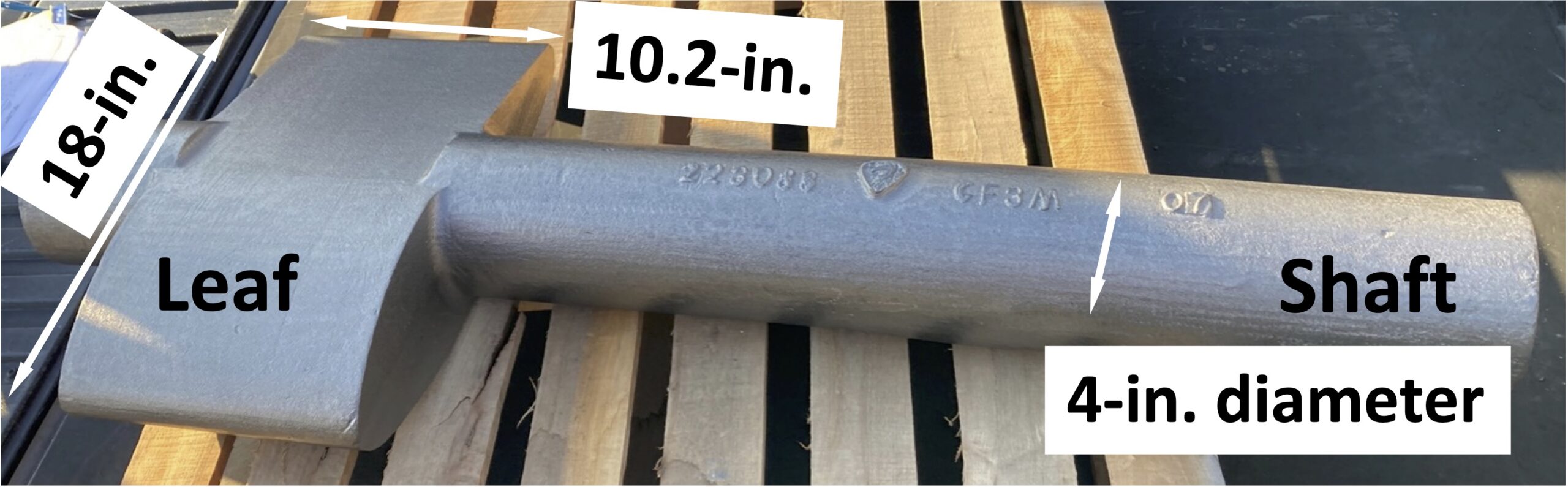
    Figure 1. Wicket gate casting (~550 lbs. before machining)

    SRP’s Real World Need: Casting Bottlenecks and 30-Month Lead Times

    SRP’s century-old hydropower facility needed a new set of CF3M stainless steel wicket gates. The casting procurement took 30 months, driven by supply chain constraints and the need to reverse engineer legacy components with no existing drawings. This challenge created the perfect test case to evaluate whether additive manufacturing could deliver a high-quality alternative with fewer bottlenecks.

    EPRI’s Demonstration: Proving Technical and Economic Viability

    EPRI’s collaborative RD&D effort evaluated material readiness, build strategies, and extensive testing requirements. CF3M’s close similarity to 316L, a well-established wire DED alloy, made it an ideal candidate.  The project leveraged a supplier with an ASME Section IX AM process qualification to ensure minimum 316L properties across the build envelope.

    Two build strategies were considered:

    1. Full-build DED of the entire part (feasible but costly).
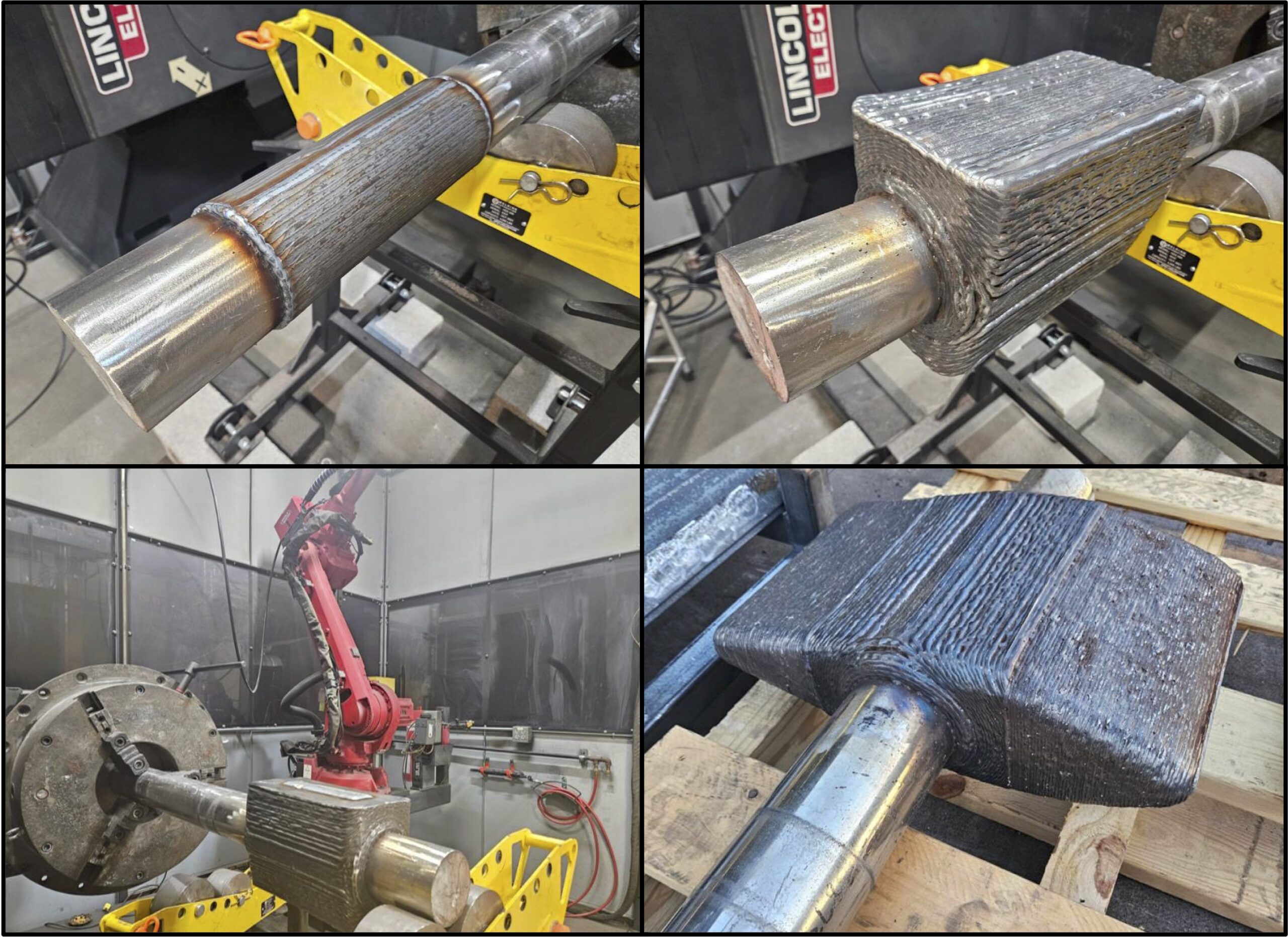
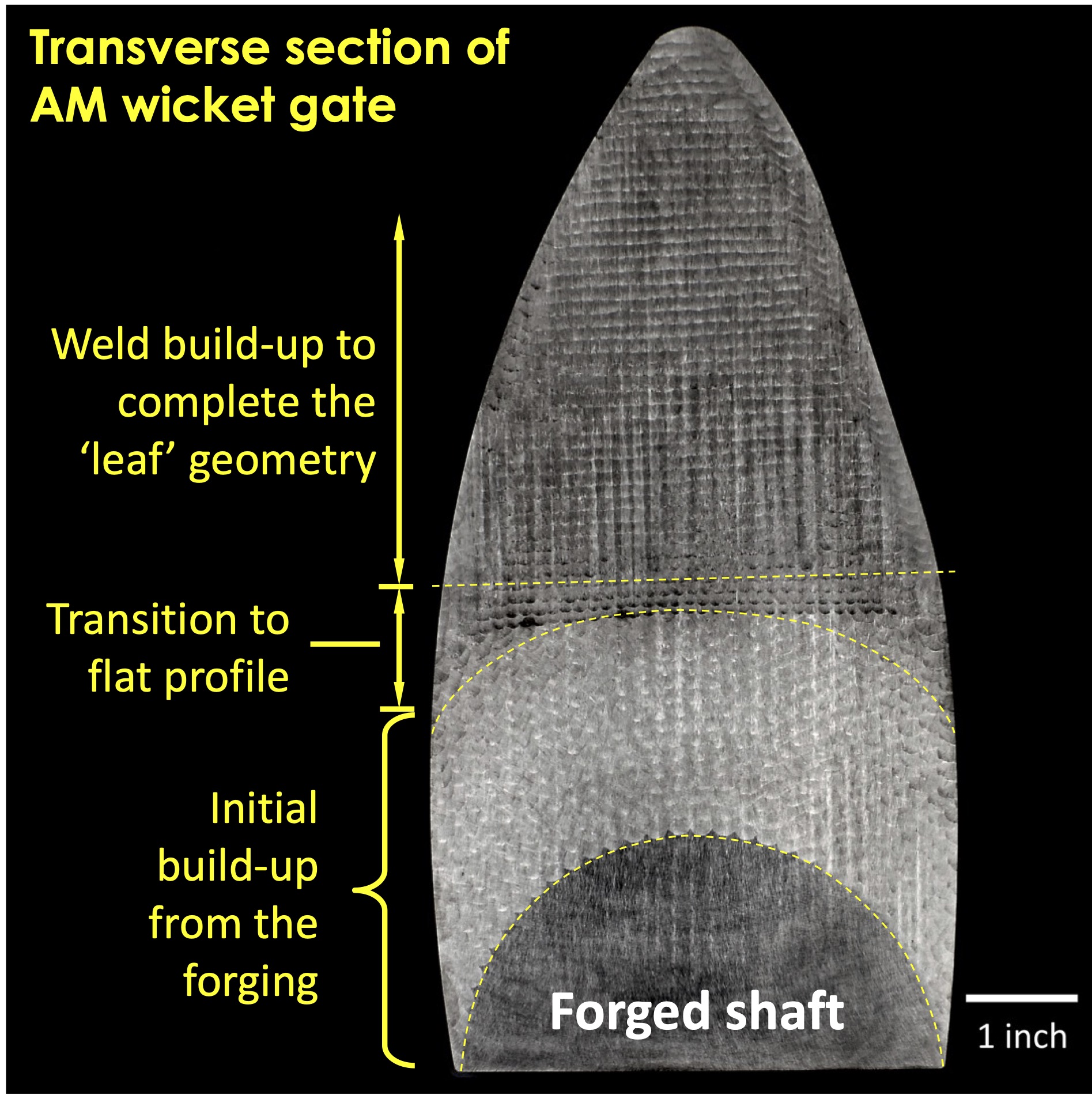
    2. Convergent manufacturing: printing a ‘leaf’ onto a 316L forged bar. EPRI chose the convergent approach, cutting wire use by ~50% and simplifying handling.

    For this first-application SRP required rigorous acceptance criteria: liquid penetrant inspection, dimensional scanning, full volumetric radiography, and both destructive and nondestructive evaluations of a sacrificial part (Phased array ultrasonic examination, tensile tests in multiple orientations and locations, impact testing, and metallography).

    Figure 2. Convergent manufacturing of the wicket gate leaf onto a 316L bar stock at Lincoln Electric Additive Solutions (LEAS)

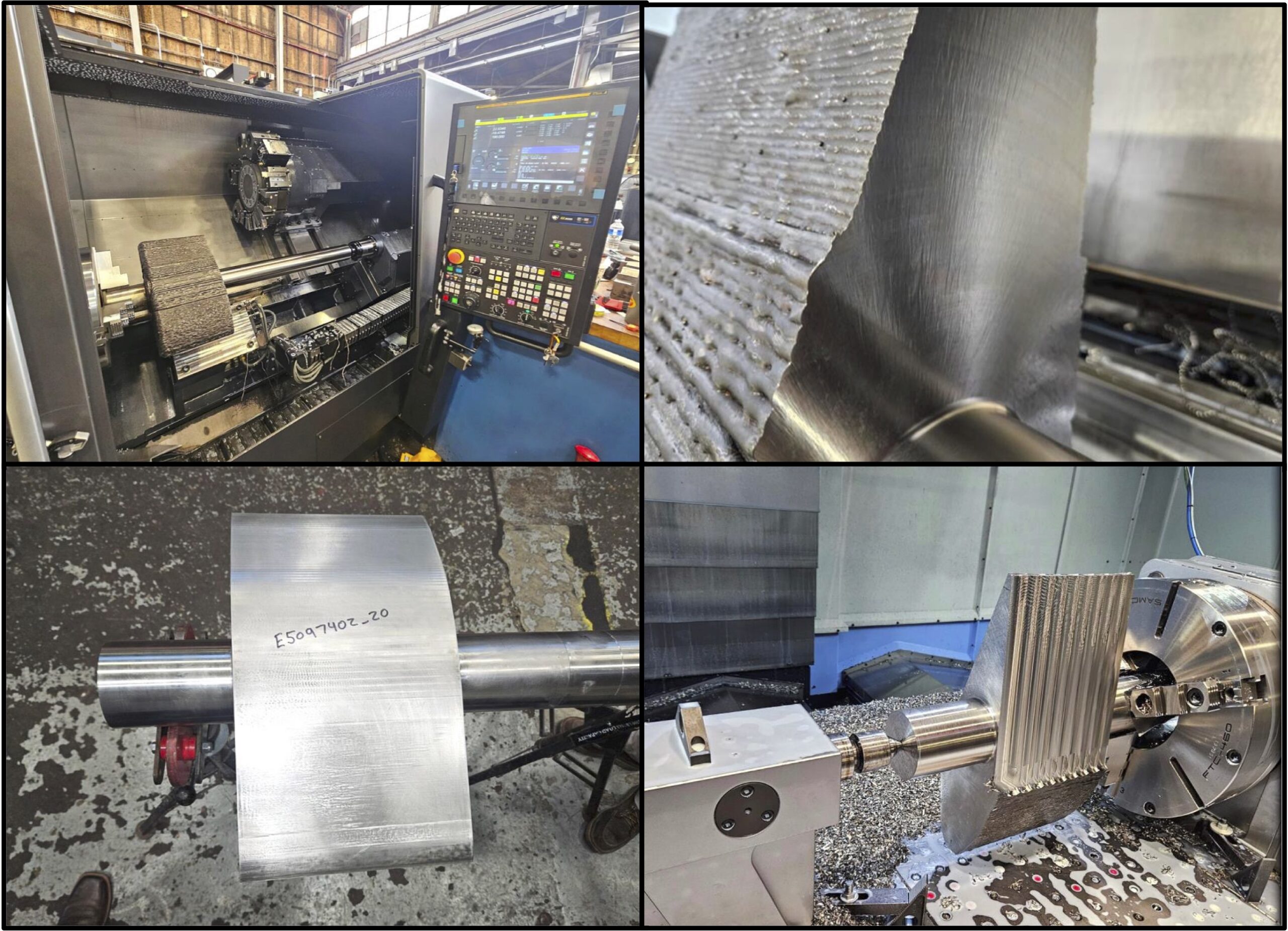
    Figure 3. Final machining and surface inspection of the AM wicket gate at SRP

    The successful manufacturing trial at LEAS produced two convergently manufactured wicket gates, each using ~250 lbs. of wire over two and a half days of print time. SRP performed the final machining and quality evaluations. Indications in the AM part were minimal with far smaller and fewer defects than the accepted in cast parts. EPRI conducted full destructive evaluation of one of the components.   Tensile testing in all critical locations and orientations exceeded ASTM CF3M minimums and metallographic inspections showed no cracking or major discontinuities.

    Based on these findings, one AM wicket gate was installed during SRP’s 2025 outage and will continue to be monitored in service as one of the first utility-installed large-area DED components in hydropower.

    Why Convergent Manufacturing Is the Key

    The results offer a compelling case for convergent approaches:

    • Cost: A single convergent DED wicket gate cost was equivalent to the per-part casting cost, despite the overhead of a first article demonstration. In contrast, fully printed versions would have exceeded 140%. Optimized convergent manufacturing based on the learnings from this demonstration, reducing overbuild to reduce machining time, batching heat-treatments, and right-sizing inspection requirements, are estimated to bring costs down to 75% of casting prices in future production.
    • Schedule: The convergent manufacturing project took six months, with a clear path to three-month delivery for planned replacement compared to 30 months for castings.
    • Performance: AM parts demonstrated better or comparable material properties and fewer internal defects than cast equivalents.

    The Bigger Picture: Demonstrations as Catalysts for Industry Adoption

    This project exemplifies EPRI’s role as a trusted, neutral convener that helps utilities explore emerging technologies with confidence. Demonstrations like this accelerate adoption not by theorizing but by proving, under real manufacturing, inspection, and installation conditions, that advanced manufacturing can meet the expectations of the energy sector.

    Convergent manufacturing stands out as a transformative approach with the potential to reduce cost, mitigates supply chain risk, and unlocks the full potential of large-area DED 3D printing. For an industry managing aging assets, scarce suppliers, and increasing demand for reliability, this method may define the next era of large-component manufacturing.

    John Shingledecker is a Principal Technical Executive in the Electric Power Research Institute (EPRI). As a recognized industry thought leader and technical expert, he is responsible for Innovation and Government Strategy across EPRI’s Energy Supply research (thermal and renewable generation, conventional and advanced nuclear technology, low-carbon resources, long-duration energy storage…). He leads integration of EPRI activities in advanced manufacturing methods and materials for current and future power generation technologies with a focus on supply chain resilience. He is responsible for building and leading internal and external collaborative teams to address pressing industry challenges and enable technology maturation in the energy industry.

    Prior to his current role, Dr. Shingledecker held various positions including leading EPRI’s Cross-Sector Technologies Group and EPRI’s Materials & Repair Program. He has extensive experience in global collaboration with utilities and their supply chain conducting workshops, conferences, and training. Prior to EPRI, he was a research staff member at Oak Ridge National Laboratory. He has published more than 240 papers, proceedings, and reports on the metallurgy and behavior of engineering alloys, has won numerous awards for transferring technology to industry, served on industry and scientific advisory boards, and is an adjunct faculty in Materials Science at Michigan Technological University.

    At Additive Manufacturing Strategies (AMS) 2026, Dr. Shingledecker will participate in a panel about “Really Big Parts for Energy” on February 25th. This session is part of the broader AMS 2026 conference, which brings together industry leaders, policymakers, and innovators from across the global AM ecosystem. Learn more and register here.