• Hardware is Dead. Here’s What Actually Wins in Additive Manufacturing.

    Hardware is rapidly commoditizing across additive manufacturing. Specifications have converged. Price competition has intensified. Margins have compressed. For companies attempting to scale additive manufacturing beyond prototyping, this shift has profound consequences.

    Yet within this competitive landscape, some companies are building durable advantages that grow stronger each year. The differentiating factor is no longer the machine itself. It is the software layer that transforms commoditized hardware into intelligent manufacturing systems.

    The Bambu Lab Proof Point

    No example illustrates this shift more clearly than Bambu Lab. In roughly 3 years, the Shenzhen-based startup captured a significant share of the global FDM market. The conventional narrative credits aggressive Chinese pricing. This interpretation misses the point entirely.

    Bambu Lab did not win by inventing novel hardware. Stepper motors, linear rails, and heated beds are widely available to anyone and easily replicable. What they built was a superior software experience based on automatic calibration, AI failure detection, and seamless cloud integration. Setup that once took hours now takes minutes, and the software makes 3D printing effortless.

    The consequences for established Western OEMs have been severe. Companies that had dominated for decades saw their positions collapse. Better kinematics and superior thermal management provided no defense against a competitor whose software simply worked better. Hardware differentiation alone proved increasingly insufficient.

    Software Compounds. Hardware Depreciates.

    Hardware businesses face a structural challenge: every machine shipped begins depreciating immediately. Competition drives prices down, components commoditize, and this cycle repeats.

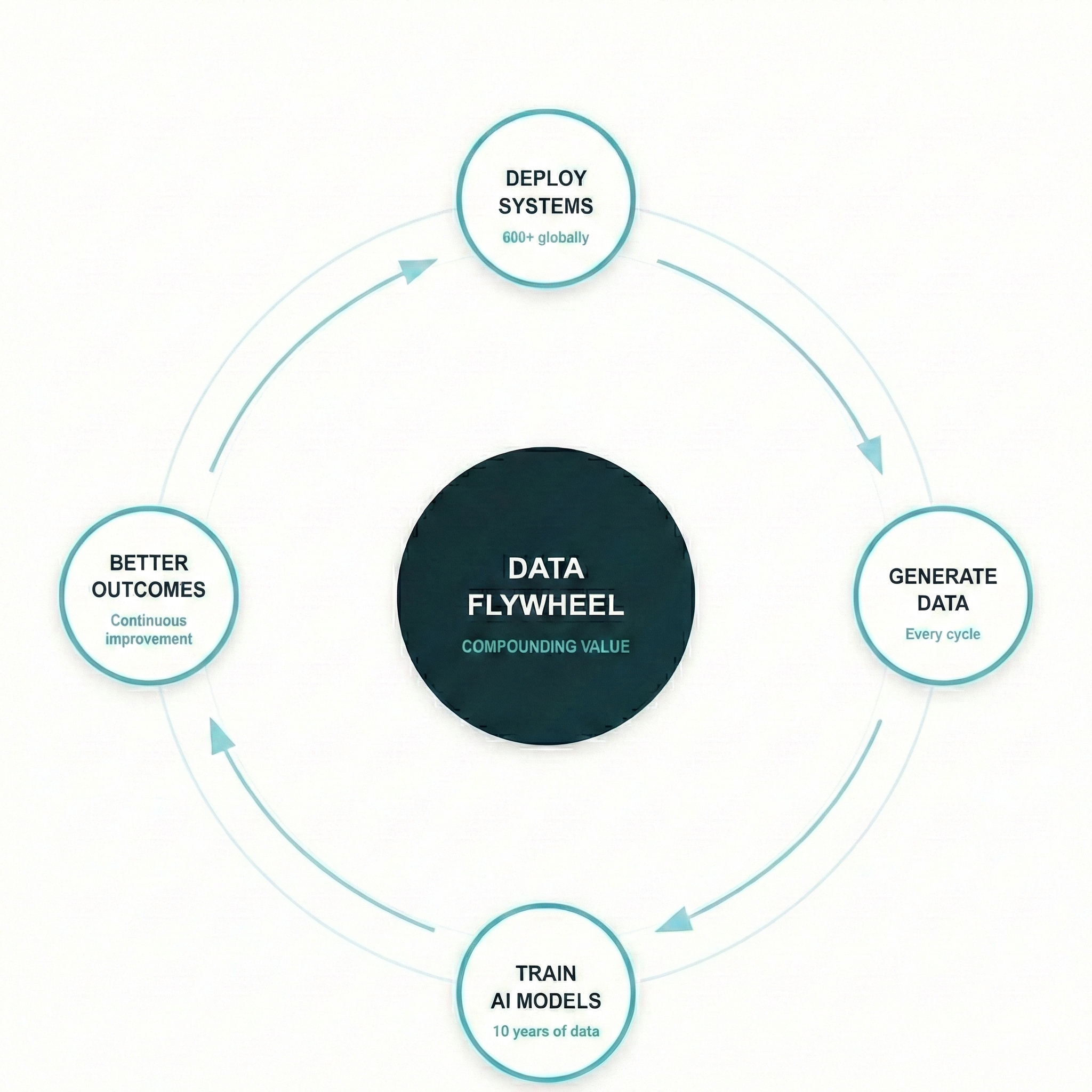
    Software operates under fundamentally different economics. Each deployment generates data. The data improves models and processes. Improved performance attracts more customers, which in turn generates more data. The flywheel accelerates.

    A competitor can reverse-engineer hardware in 18 months. They cannot reverse-engineer ten years of compounding process data.

    At AMT, our 650+ systems across 40 countries continuously generate proprietary process intelligence. Thermal profiles, chemical concentrations, cycle parameters, and failure modes are captured across different production environments. Every edge case our systems encounter makes the entire platform smarter. The machines matter, but they increasingly serve as a means of data collection and intelligence deployment rather than the primary source of value.
    From Selling Machines to Selling Outcomes

    The software layer also transforms commercial models. Traditional hardware sales force customers to bear all risk: CapEx purchase, maintenance contracts, downtime costs. The vendor’s incentive ends at the point of sale.

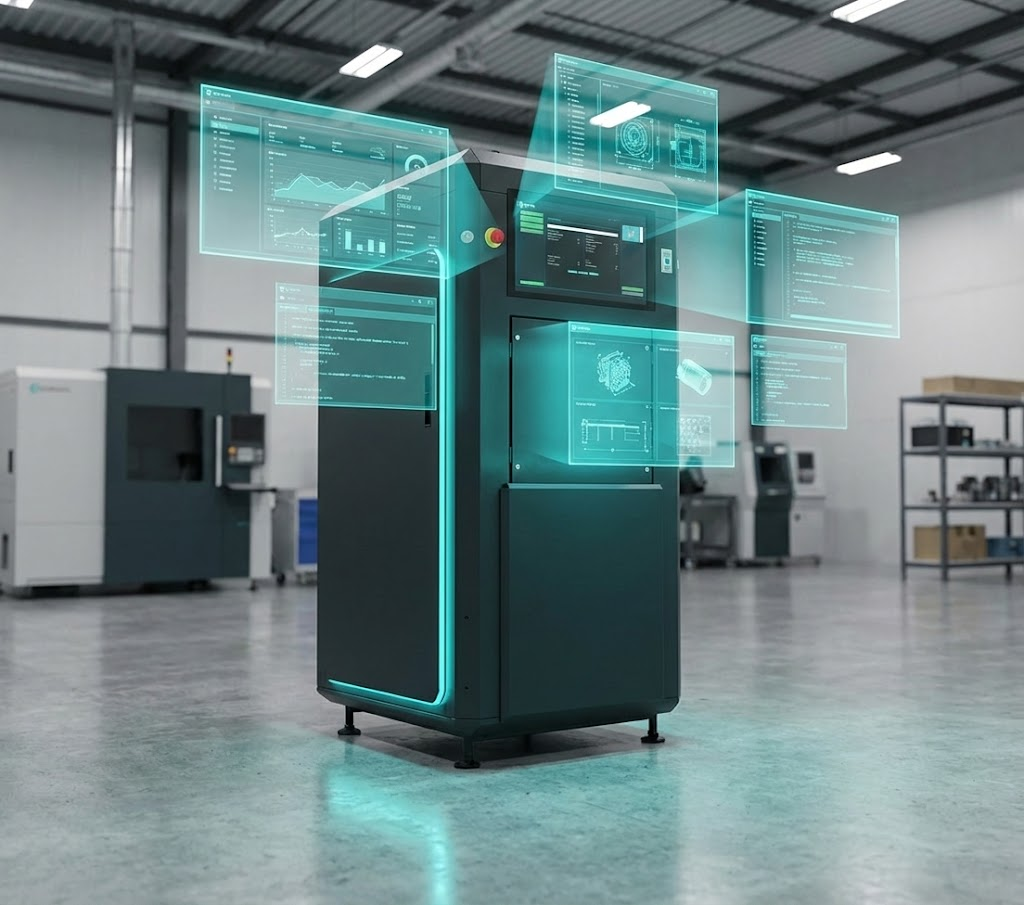
    AI-enabled, data-driven systems change this equation. Real-time monitoring and predictive analytics allow vendors to offer outcome-based models such as pay-per-part pricing, guaranteed uptime SLAs, pricing that flexes with actual usage and performance. The vendor can confidently underwrite these models because AI predicts failures before they occur and optimizes processes continuously.

    This shifts the total cost of ownership dramatically in the customer’s favor while creating recurring revenue for vendors. Hardware-only companies cannot offer this because they lack the data infrastructure to understand how their machines perform in the field. The software layer enables commercial models that hardware alone never could.

    Our Mission: Finish Manual Finishing

    At AMT, we have made this transition. We think of ourselves now as an AI company with a hardware delivery model. Our mission is to deliver intelligent surface finishing for autonomous manufacturing. Our vision is simple: to finish manual finishing.

    And we practice what we preach. Internally, AMT runs on custom AI systems, from customer service to HR to operations. We’re not just selling AI-enabled products. We’re an AI-enabled company. Top to bottom.

    This perspective influences everything we build. The same intelligence that optimizes customer processes informs how we operate internally, reinforcing a feedback loop between deployment, learning, and improvement.
    Three Questions That Reveal Real Value

    When evaluating any manufacturing company, as investor, customer, or competitor, hardware specifications now provide diminishing insight. We should ask ourselves instead:

    1. Where does the intelligence live? In hardware that can be copied, or in software and data that compound over time?

    2. What data compounds over time? Every hour of operation should make the system smarter.

    3. Could Shenzhen replicate this in 24 months? If yes, there is no durable advantage.

    The Path Forward

    Manufacturing has always been about outcomes: parts that meet spec, delivered on time, at a cost that works. For decades, better hardware was the path to better outcomes. That era is ending.

    The companies that will dominate the next decade are those building software platforms that guarantee outcomes, not just technically, but commercially. The machine becomes a node in an intelligent network. The data becomes the moat. The software becomes the product.

    The question for every company in additive manufacturing: will you recognize this shift early enough to adapt, or will you be the next cautionary tale?

    ****

    This article builds on ideas explored by Pawel Slusarczyk in Hardware alone is not enough (RECODE.AM #31). His analysis of software-defined manufacturing crystallized a thesis I’ve been developing since watching Bambu Lab reshape our industry. I recommend reading his original piece.

    ****

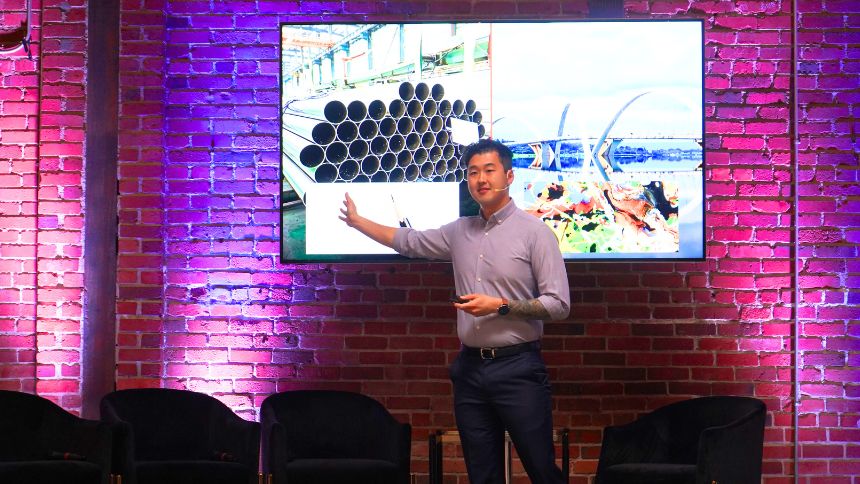
    Joseph Crabtree is the founder and CEO of Additive Manufacturing Technologies (AMT), which he established in 2017 to enable additive manufacturing at scale through AI-driven automation and robotics in post-processing. With a background in Materials Science and Engineering and more than 20 years’ experience in aerospace, defense, and manufacturing, Joseph has led AMT’s growth into a profitable global hardtech company. Its patented PostPro technologies are now deployed in over 50 countries, helping manufacturers transition additive manufacturing from prototyping to true industrial production.

    At Additive Manufacturing Strategies (AMS) 2026, Joseph will participate in a panel on “Advances and Trends in Software and Automation for AM” on February 24th, and give a talk about “The Commoditization of Hardware and the Rise of AI in AM” on February 25th. These sessions are part of the broader AMS 2026 conference, which brings together industry leaders, policymakers, and innovators from across the global AM ecosystem. Learn more and register here.

  • Uptool Emerges from Stealth

    Uptool has come out of stealth mode. The company has raised $6 million from prominent investors and hopes to become an indispensable tool for manufacturing. For now uptool is providing quoting software for small to medium manufacturing services.

    By creating faster workflow software that automates calculations that have to be done by people, the company hopes to make small businesses more efficient. Small businesses are often bogged down by a lack of people, a few key people being nodes where a lot of processes come together, and lots of stupid work like responding to RFQ´s again and again. The small and versatile small business often struggles to cope with being overloaded or repetitive, tedious workflows. If those workflows also have to be carried out by your key finance person, Tom, or your CEO, Jane, and only they, critical people can be kept from sales, improving the business, and interacting with customers. Instead, they are bogged down by invoicing, filling out forms, or other rote work. This is painful for them and the business. Not only is it annoying, but it is also making a flexible firm less flexible and less able to improve itself.

    Based in San Mateo and founded in 2024, Uptool has raised $6 million from notable VC’s Eclipse, Kleiner Perkins, Bessemer, and Khosla Ventures. The founder of Uptool is Velo3D founder Benny Buller, who said,

    “We are building an AI platform to boost their business and bring their entire operations into the modern era. It’s been incredibly rewarding to see our initial customers rapidly grow their sales and free them from their desks so they can spend more time with their customers or on the shop floor manufacturing parts.”

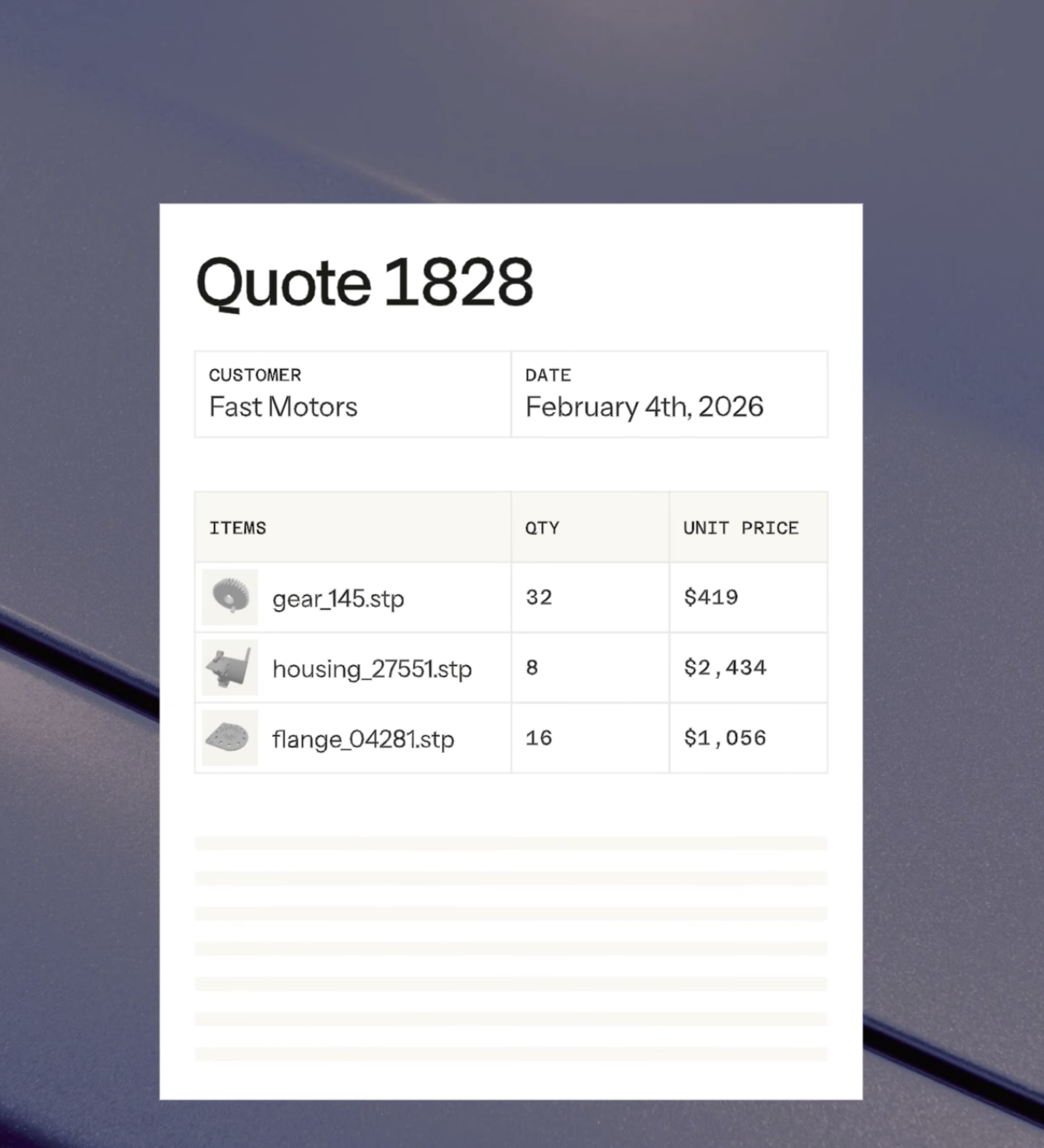
    The company gives people a tool that they can sign up for and reportedly set up in an hour. Quoting, revisions, and communications are available through dashboards with AI tools organizing CAD and other files, BOMs, and other key bits of data. At the same time, calculation tools are supposed to make quoting easier.

    Velocity CNC CEO Nathan Dillon noted,

    “I would spend hours a day quoting — time we don’t charge for, Uptool has enabled me to cut my quoting time 10x in 2025, contributing to my biggest sales year to date – more than double the previous year.”

    The other founder is Alex Huckstepp, previously of Machina Labs, Arris, Digital Alloys, and Carbon.

    Eclipse partner Charly Mwangi explained,

    “Nearly 98% of U.S. manufacturing firms are SMBs — representing over 40% of the industrial workforce — but their capacity is fragmented and largely invisible, Uptool digitizes this long tail of manufacturers, injecting speed and transparency into the supply chain. That’s the only way reindustrialization actually scales.”

    An AI-powered Salesforce, but for manufacturing, sounds like a tempting play. There is real pain, waste, and annoyance at small firms around quoting and communication management. Often, many RFPs/RFQs receive fewer responses than they should, and firms are often unable to quote on or respond to all opportunities. By making CEOs themselves more efficient and lightening their workload, the firm places itself closer to money and the decision maker. Paul will decide if he wants to pay this fee. If Paul’s workload decreases, he decides to purchase the tool and picks up the phone when someone calls. This means that Uptool’s uptake could be quick. The tool could also be highly cost-effective since it is meant to be a bridgehead to more complex value-added products that will connect the client to more tools.

    The company can afford to be a great tool at low cost as long as it becomes the connective tissue for machine shops and manufacturers. Once it is, it can become very sticky and difficult to dislodge. Then it can slowly offer more sophisticated tools at higher rates and make a mint. It’s beautiful, a great play. I really hope that this tool goes on to make it easier for small manufacturers to become more efficient and win.

  • Lockheed Martin Ventures Make Strategic Investment in Perseus Materials’ Large-Format Composite 3D Printing Vision

    The VC shift towards increased funding in geopolitical bottlenecks looks less and less like a fleeting fad and more like a tectonic shift in where global investment dollars are placing their bets for the long haul. SWISSto12’s €73 million haul at the end of January is an excellent example: as Joris Peels noted, the satellite component disruptor is attracting the sort of investor who looks at the global manufacturing order and asks themselves, “…what if you could use 3D printing as a lever to change the world? What if you can own an application and, in so doing, help nations determine their own fate?”

    Another good example was Caracol’s $40 million Series B round last year, which reinforced the momentum that’s carrying a wave of large-format, robotic-arm systems to a position of higher stature within the additive manufacturing (AM) industry. We’re seeing this wave continue in 2026, and the latest proof is that Lockheed Martin Ventures has made a strategic investment in large-format robotic arm composite AM company Perseus Materials, a Knoxville-based startup that has been backed since its early stages by Roadrunner Venture Studios.

    Roadrunner Venture Studios in fact epitomizes this environment in which VC is moving from “virtual,” software-driven plays to “physical,” hardware-centric investments. The studio’s co-founder, America’s Frontier Fund (AFF), ambitiously states that its mission is nothing less than “…to build the capacity needed for America to endure as the world’s best place for innovators to reach for new frontiers.”

    Perseus Materials certainly fits that description, with the company’s co-founder and CEO, Daniel Lee, telling 3DPrint.com’s Vanesa Listek in a recent interview, “We’re not trying to make 3D printing a little better. We were asking why some of its core limitations exist in the first place.” Specifically, as Listek describes, Perseus leverages a principle known as ‘frontal polymerization’ to accelerate the resin’s drying process without a need for costly peripheral infrastructure like curing ovens.

    Perseus Materials plans to use the Lockheed investment to begin expanding both its physical footprint and its personnel, as the startup begins to fulfill its first orders. In addition to Perseus’ focus on wind turbines, the company has also been exploring the viability of its tech for naval applications.

    In a press release about Lockheed Martin Ventures’ strategic investment in Perseus Materials for an undisclosed amount, Lockheed Martin Ventures’ VP and general manager, Chris Moran, said, “Our work at Lockheed Martin Ventures supports promising companies that expand the U.S. industrial base and advance innovative technologies for the future of national defense. Perseus’ innovative composite production process can help accelerate design and prototype manufacturing while reducing costs and eliminating tooling, helping Lockheed Martin accelerate its ability to meet the needs of the Department of War and our nation’s warfighters.”

    Adam Hammer, CEO and co-founder of Roadrunner Venture Studios, said, “Perseus is exactly the kind of company Roadrunner exists to build — a breakthrough technology born from deep science with clear implications for security and competitiveness. Dan and his team are solving a foundational manufacturing bottleneck that has held back entire industries. This is the kind of innovation that can reshape how America builds at scale.”

    The most intriguing angle to Lockheed’s investment here is that there’s no need to view it as a sign that Perseus will be pivoting from wind to defense. First off, Lockheed has extensive experience in providing clean energy solutions, including offshore wind energy, which would combine both of Perseus’ key areas of interest, maritime and cleantech.

    Secondly, via Lockheed’s GridStar Flow technology, the defense prime has already demonstrated an exemplar of the fact that there is increasingly no distinction between defense and energy resilience. At the end of 2024, for instance, Lockheed completed installation of a GridStar Flow system at Colorado’s Fort Carson. This aligns with the argument I made in a recent post about how AM should be utilized as an enabler of sustainability-as-security.

    Thus, by focusing on grid resilience, Perseus is already leaning into the contemporary national security imperative in its truest form. If that technology can also at some point be used for structural components of U.S. naval vessels, that will be icing on the cake.

    There are many companies trying to do similar things to what Perseus is doing in terms of its core tech, but there aren’t nearly as many as you’d think who are applying it to the precise areas of the economy that Perseus is targeting — and that’s what counts. If you factor in the proximity of Perseus’ headquarters to both Oak Ridge National Laboratory (ORNL) and the Institute for Advanced Composites Manufacturing Innovation (IACMI), the company is perfectly positioned to capitalize on the emerging public-private consensus surrounding the need for enhanced grid stability.

    Images courtesy of Perseus Materials

  • The Real ROI of Personalized 3D Printed Medtech in Oncology

    Discover how patient-customized 3D printed devices like Stentra™ significantly reduce high toxicity-related treatment costs and improve workflow efficiencies to handle more cases more effectively overtime.

    Introduction: The Economic Paradox in Oncology

    For years, the Additive Manufacturing (AM) industry has battled a persistent myth: that customization is an expensive luxury. While this may hold true in consumer markets, the opposite is often the case for healthcare. In oncology, where precision, consistency, and efficiency directly affect outcomes, a one-size-fits-all approach can quietly cost health systems billions.

    For radiation oncology, generic solutions frequently generate failure demand: the downstream clinical and operational burden of managing avoidable complications. The return on investment (ROI) of personalized 3D printing is therefore not limited to improved clinical accuracy; it represents a financial strategy that converts inefficiency, rework, and toxicity into measurable savings. By shifting from generic tools to patient-specific solutions, hospitals can improve patient experience, support clinicians, and strengthen their bottom line.

    The Hidden Cost of “One-Size-Fits-All”

    As an example, in Head and Neck Cancer (HNC) radiation therapy, the standard of care often involves rudimentary tools like cork and standard bite blocks. While inexpensive to purchase, these devices are costly in practice. Inconsistent immobilization and inadequate tissue displacement introduce variability between fractions, increasing unnecessary radiation exposure to healthy tissue.

    The downstream consequence is financial toxicity. Patients exposed to unintended radiation frequently develop severe oral mucositis (SOM)—a painful, debilitating complication that extends far beyond discomfort. Studies show that mucositis and pharyngitis in HNC and lung cancer patients are associated with approximately $17,000 in mean additional cost per patient, driven by unplanned hospitalizations, feeding tube placement, and intensive supportive care (Elting LS et al.).

    For patients, this means avoidable suffering during an already difficult journey. For clinicians and administrators, it translates into resource strain, unpredictable workflows, and escalating costs.

    The Value of Custom-built AM Solutions

    How can scalable customization reduce hospital costs? By preventing the complications that drive high-acuity spending.

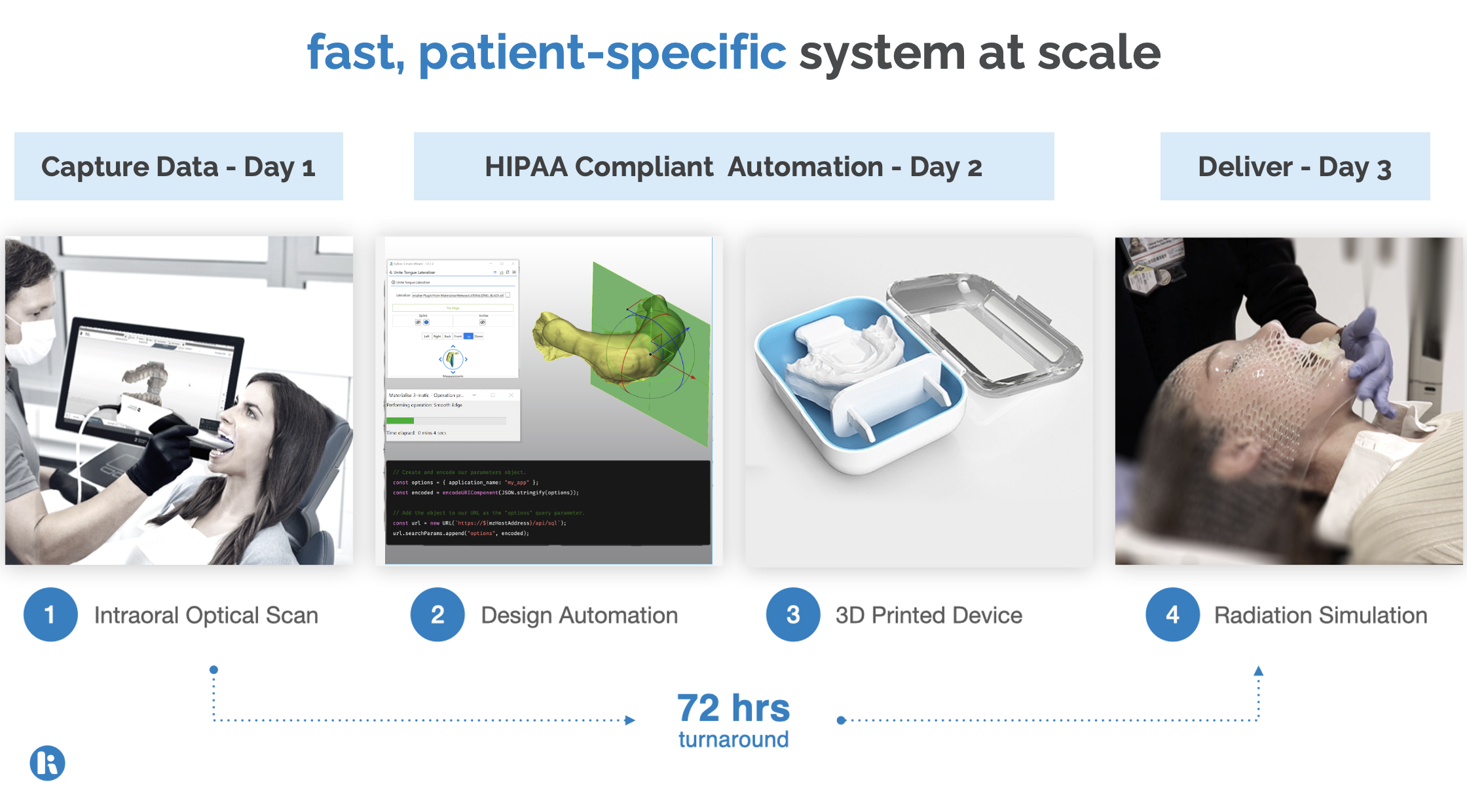
    Kallisio’s Stentra™ platform illustrates how patient-specific AM solutions can be integrated seamlessly into real-world clinical workflows. Using a fast, standard intraoral optical scan, patient anatomy is captured with minimal burden on staff. Design is automated, manufacturing validated, and a customized device can be delivered in as little as 72 hours.

    Because each device is engineered to match a patient’s unique anatomy and treatment plan, Stentra consistently immobilizes and displaces tissue across therapy sessions. Published clinical data indicates this approach can reduce the incidence of severe oral mucositis by 77.6% (Journal of Oral and Maxillofacial Surgery). Preventing these severe cases helps hospitals avoid the cascading $17,000 per-patient cost associated with toxicity management—demonstrating that modest upfront investment yields substantial downstream savings.

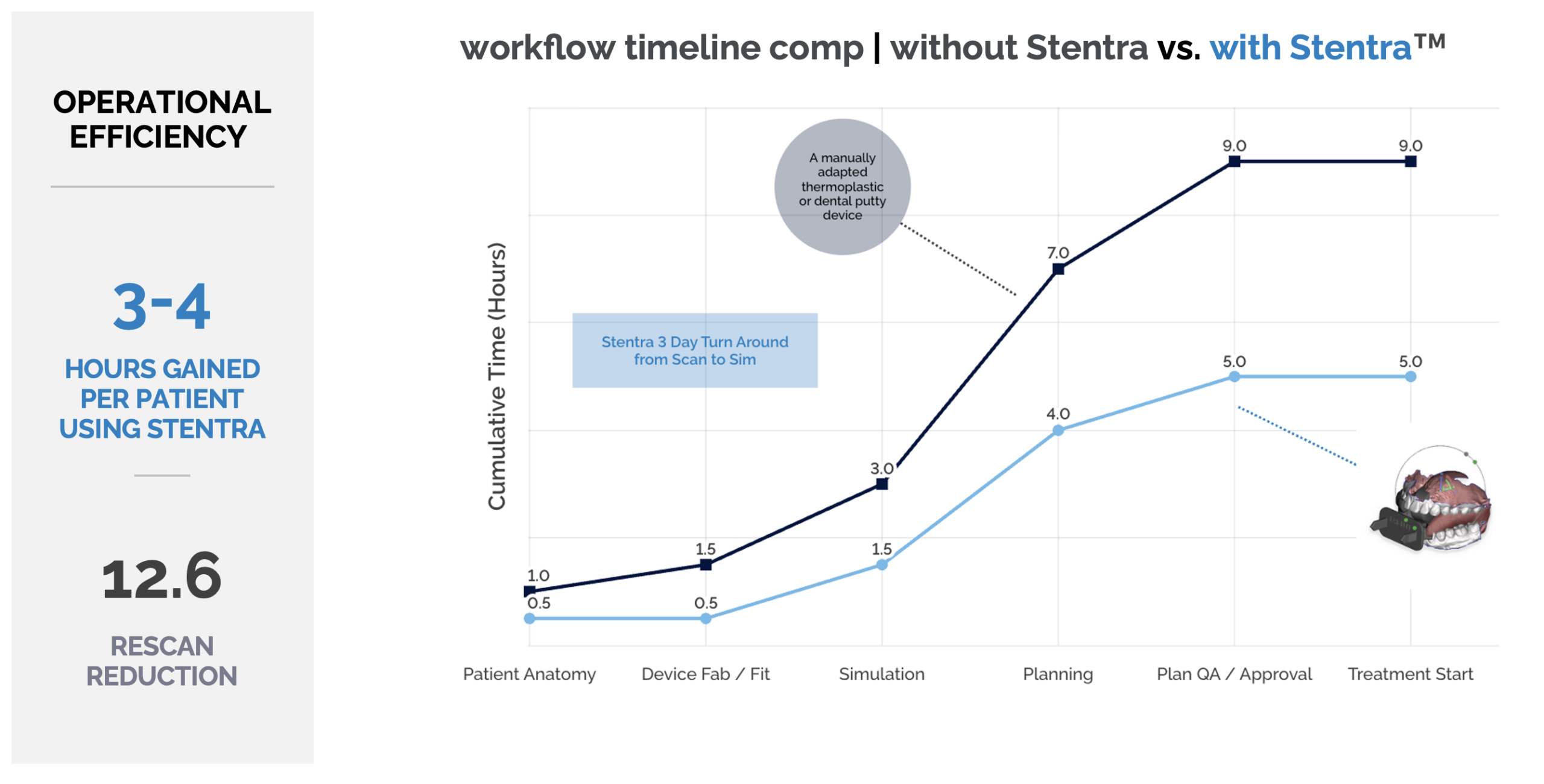
    How can personalized devices improve operational velocity?  By saving an estimated 3–4 hours of expensive machine time per patient course.

    Linear accelerators (LINAC) are among the most capital-intensive assets in oncology. Every minute of delay or rework erodes throughput. Generic immobilization devices often require repeated setup adjustments and repositioning, introducing unpredictability into tightly scheduled treatment slots.

    Patient-specific solutions such as Stentra fit reliably and reproducibly, reducing setup time and variability. Data shows that 3–7 minutes per fraction are saved by using Stentra [Kallisio Value Analysis]. Over a standard 30-fraction course for head and neck cancer therapy, this accumulates to 3–4 hours of LINAC time saved per patient. The resulting efficiency releases capacity to treat more patients without adding shifts or staff.

    Similarly, poor fit with standard devices contributes to simulation re-scan rates approaching 10%. Custom 3D-printed solutions reduce this to <1% [Kallisio Value Analysis], minimizing delays, patient inconvenience, and unnecessary imaging costs.

    Conclusion: The Business Case for Personalized 3D Printing in Oncology is Clear

    1. Clinical Effectiveness
      • By improving patient compliance and treatment accuracy, hospitals mitigate the risk of expensive complications like mucositis.

    2. Operational Efficiency
      • Minimizing errors, interruptions, replanning and expensive treatment time allows centers to increase patient volume on existing infrastructure.

    As value-based care models continue to penalize complications and reward efficiency, AM technologies like Stentra demonstrate that personalized medicine is no longer a luxury, it is the most fiscally responsible path forward.

    Kallisio is a Gold Sponsor for Additive Manufacturing Strategies (AMS), a three-day industry event taking place February 24–26 in New York City. The conference brings together industry leaders, policymakers, and innovators from across the global AM ecosystem. Kallisio’s CEO Rajan Patel will also participate in a panel on “3D Printing for Oncology.” Registration is open via the AMS website.

  • “A More Complete End-to-End Solution”: Stratasys Launches Post-Processing Partnership Program

    I think it’s safe to say that post-processing is no longer considered the “dirty little secret” of 3D printing that it once was, with users realizing that finishing is just as important to the workflow as the materials, software, machines, etc. But, that’s not to say it’s without its issues. Often, this portion of the workflow is still treated with less importance: systems not purpose-built for specific AM technologies, companies having to piece together post-processing solutions.

    Rich Garrity, Chief Industrial Business Officer at Stratasys, told me that their customers care less about the printer itself, and more about the finished part, and total cost of ownership (TCO), as they move from prototyping to final production. That’s why Stratasys just launched a Post Processing Partnership Program to make AM workflows simpler, and improve the customer experience with regards to post-processing.

    “We’ve been investing heavily in software and materials, and material partnerships and software partnerships as well,” Garrity told me in an interview. “Post-process is an area that for us, up until now, has not had that same level of attention. And in more recent times, our customers have become louder and louder about the cost of post-process as it relates to the total cost of ownership and the variability and manually post-processing parts. And they wanted to see from Stratasys a more complete end-to-end solution.”

    Rich Garrity. Image courtesy of Stratasys via LinkedIn.

    Garrity explained that customer feedback is what really drove the decision to create this. Under the program, Stratasys has put together an extensive validation process for third-party post-processing solutions. To really ensure that the solutions its program offers are up to snuff, the company even validates them itself.

    “We looked at different vendors’ solutions and really validated them, not only with customers, but also with our own Stratasys Direct Manufacturing. We’ve been using, for example, PostProcess Technologies products in our own SDM for the past year. So we were able to see firsthand results and prove out that impact on total cost of ownership. So that’s important,” Garrity said. “And then we do everything else in terms of supplier quality, to make sure that what we’re representing, the partner will be there and can stand behind it the right way that they need to.”

    The program is designed to make it easier for customers to access post-processing solutions that have been validated for Stratasys technology. As such, PostProcess Technologies is the first partner in the new program. Several of its solutions are guaranteed to work with Stratasys printers, making it a great first partner. It will expand Stratasys customer access to intelligent, automated, and validated post-print solutions across the FDM, SLA, PolyJet, and P3 platforms.

    “Our solutions are widely used across prototyping and production environments where operator safety, consistency, and throughput are critical. As part complexity and volumes continue to grow, traditional tools and manual finishing methods do not scale. This agreement deepens our alignment with the clear industry leader, extending our commercial reach and making it easier for customers to deploy proven post-processing solutions as part of a unified additive manufacturing workflow,” Jeff Mize, PostProcess Technologies CEO, said in a Stratasys press release.

    Stratasys Neo800+ 3D printer and PostProcess Technologies DEMI 4100 resin removal system

    Garrity said that PostProcess was the “natural” choice to kick off this new partnership program, because the two companies have worked so well together already.

    “We’ve really liked the products they have in terms of the predictability and reliability and how they’re going about that. And our aerospace customers, automotive customers, industrial customers have also been adopting those products, and at the same time have been saying, ‘Hey, we’d rather work with less vendors than having to work with several. And so, if Stratasys can be the integrator, so to speak, to the workflow, we’d prefer to work with you, Stratasys, and have more of that one-stop shop and ensure that you’re doing the validation and everything that we need to have the confidence to adopt it.’ So that’s what drove it, and that’s what drove PostProcess Technologies being the first partner.”

    The key with PostProcess, as Garrity explained, is its industrial approach to post-printing technologies like resin and support removal and other finishing methods. All of these can be complicated, and add a lot of lead time, especially when customers are having to research multiple vendors, possibly make separate purchases, and cross their fingers that it all works well together. PostProcess offers a “software-driven workflow,” which equals validated recipes that help cut out the complexity.

    “We see potential to link the software chain together from our GrabCAD to the PostProcess software in a way that further iterates that loop and helps customers upfront in the process. So those are the benefits that we saw,” Garrity said. “We felt that ultimately, a unified workflow is going to result in the customer cost of ownership going down.”

    I asked him how ecosystems like this one can change adoption economics of additive. He explained that as customers move more into production use cases, many of them are still having the post-processing steps done manually, which opens the workflow up to unpredictability.

    “So to have repeatability in performance, part after part after part after part after part, it’s very hard to do that manually, and also very hard to scale economically that way,” Garrity said.

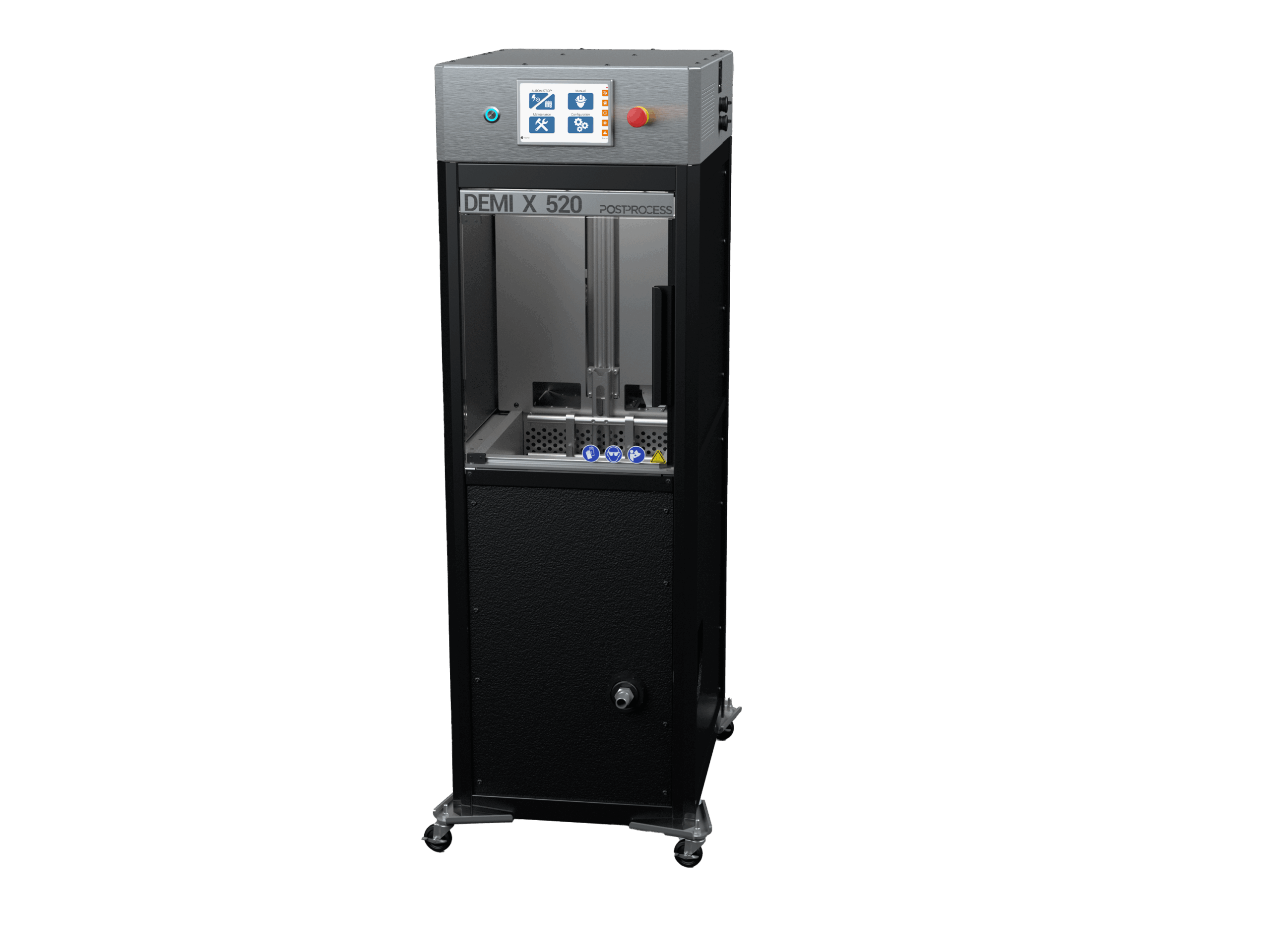
    PostProcess Technologies DEMI X 520

    Customers wanted automated post-processing solutions, and PostProcess Technologies is a leader in this. Removing manual labor through automation can significantly reduce the time it takes to complete post-processing, which can majorly impact the total cost of ownership.

    “We saw it firsthand at Stratasys Direct Manufacturing, and that’s the reason we invested and put systems on site at different locations. And we’ve seen the ROI on that firsthand.”

    Garrity said that, depending on the additive technology and the site, SDM has seen a 30-50% reduction in ROI, thanks to PostProcess and its automated solutions.

    “This new program and PostProcess Technologies for us made sense given their purpose-built approach and overlap and synergy with the type of customers that we’re focused on. So for the customer, having a unified workflow over time is going to reduce the amount of time and labor in the process, which helps their TCO,” Garrity concluded. “Also, for our own partner reseller network, they’ll now be able to quote all of this in one place so the customer gets one quote, one invoice: again, a one-stop shop versus having to go navigate multiple vendors.”

    Through its commercial agreement with PostProcess as part of this new partnership program, Stratasys will offer validated PostProcess solutions via its global sales channels. This way, customers can purchase printers and post-processing equipment under one Stratasys purchase order. PostProcess Technologies will provide installation, service, and ongoing support to ensure that its systems remain optimized for use with Stratasys platforms. All told, this program should reduce deployment time, procurement friction, and integration risk, making everything much more efficient.

  • Why SiC-Dedicated Additive Manufacturing Is Gaining Industrial Relevance

    Silicon carbide is not a material problem—it’s a manufacturing one.

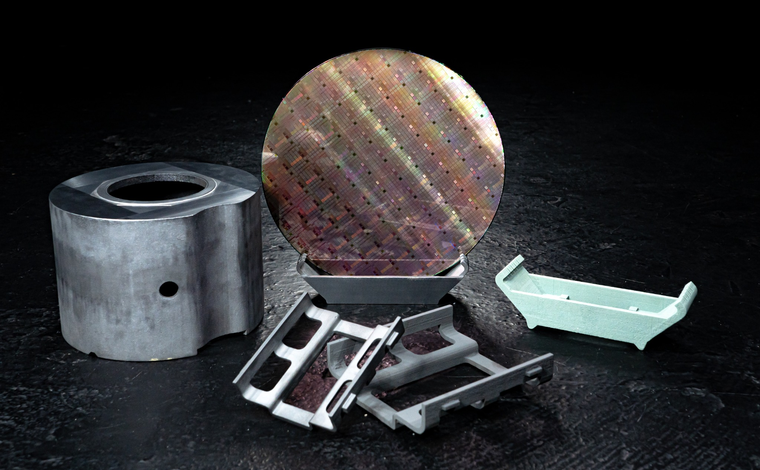
    Silicon carbide (SiC) has become a critical material across semiconductors, aerospace, energy, and defense. Its exceptional thermal stability, chemical resistance, and mechanical strength make it indispensable for extreme operating environments.

    Yet despite its advantages, the industrial adoption of SiC has lagged behind expectations. The reason is not the material itself, but the lack of manufacturing systems capable of producing SiC components efficiently, reliably, and at scale.

    Why SiC Has Always Been Difficult to Manufacture

    From a manufacturing perspective, SiC presents fundamental challenges. SiC powders are typically non-spherical, with low flowability that makes uniform powder spreading difficult. Forming consistent, defect-free layers is far more complex than with conventional ceramic powders.

    In addition, SiC’s extremely high hardness accelerates equipment wear and significantly increases the difficulty of post-processing. These characteristics narrow the process window and amplify sensitivity to even small variations in operating conditions.

    As a result, SiC components have traditionally relied on slip casting, CIP(Cold Isostatic Pressing), and machining-intensive processes—methods that provide stability, but at the cost of long lead times, high tooling requirements, and limited design flexibility.

    Why Generic Ceramic 3D Printers Struggle with SiC

    Additive manufacturing has long been viewed as a potential solution, but adoption for SiC has been slow. Most ceramic 3D printers are designed as general-purpose systems optimized for oxide ceramics such as alumina or zirconia.

    Oxide ceramics typically use more spherical powders with stable flow behavior and wider processing windows. SiC, by contrast, demands precise control over powder deposition, binder penetration, green strength, and IR curing conditions.

    In generic ceramic AM systems, this mismatch often leads to uneven powder layers, insufficient green strength, distortion or cracking during curing and post-processing, and poor process repeatability.

    What Changed with MADDE’s SiC-Dedicated Printing

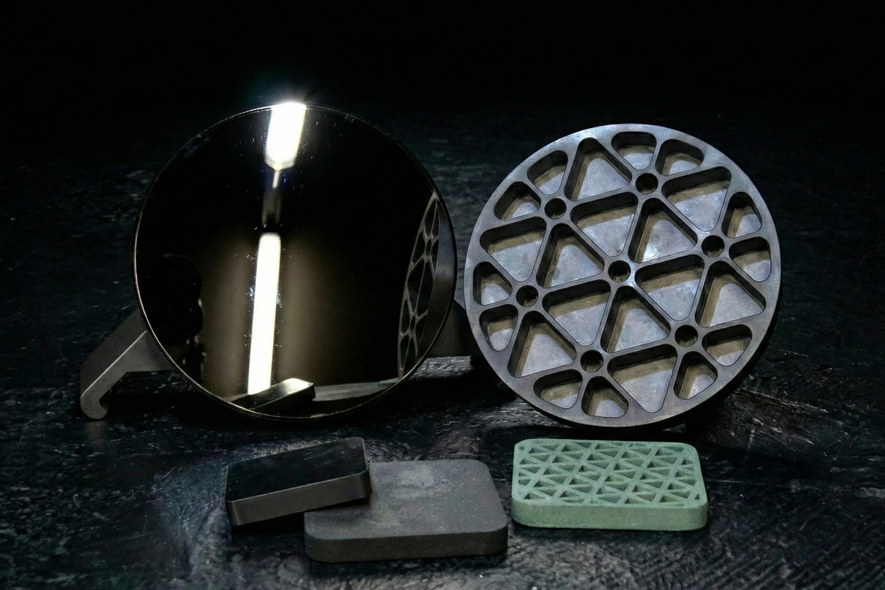
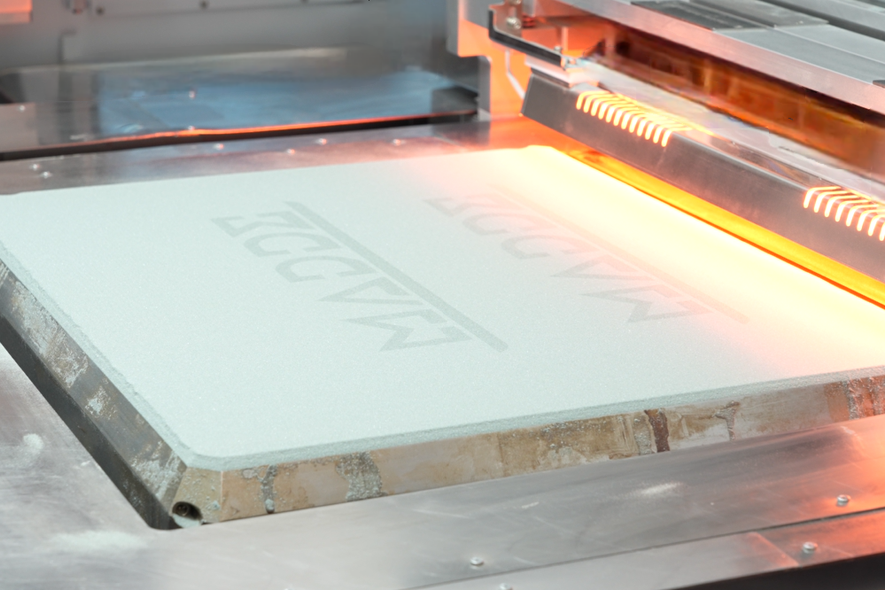
    To address these constraints, MADDE pursued a different approach: developing a binder jetting platform engineered specifically for SiC, rather than adapting existing ceramic printers. Printer architecture, powder handling, binder delivery, and IR curing parameters were all designed around the realities of non-spherical, high-hardness SiC powders.

    This material-focused approach has delivered tangible industrial results. Lead times that once stretched over several months have been reduced to a matter of weeks, while manufacturing costs have been significantly lowered by eliminating tooling and reducing machining requirements.

    For industries such as semiconductor equipment and extreme-environment applications—where low-volume, highly customized parts are common—these improvements are not incremental. They fundamentally change how SiC components can be sourced, designed, and deployed.

    Today, SiC additive manufacturing is moving beyond experimental trials and becoming a viable production option, offering predictable quality, repeatability, and economic benefits. With dedicated systems and optimized processes, the traditional advantages of additive manufacturing—design freedom, rapid iteration, and flexible production—are finally being realized for SiC.

    From Capability to Scale

    Building on its SiC-dedicated additive manufacturing capability, MADDE has been rapidly expanding its customer base across industries such as semiconductor equipment and space applications. This capability has moved beyond technical validation and is now translating into repeatable industrial production and stable supply.

    On this foundation, MADDE is preparing to scale its manufacturing operations, with plans to expand production capacity toward 2027 in response to growing industrial demand.

    MADDE is a Platinum Sponsor for Additive Manufacturing Strategies (AMS), a three-day industry event taking place February 24–26 in New York City. The conference brings together industry leaders, policymakers, and innovators from across the global AM ecosystem. MADDE’s CEO Shinhu Cho will also present a talk on “Silicone Carbide Binder Jetting for Extreme-Environment Applications.” Registration is open via the AMS website.