• Product Market Fit: Nikon Advanced Manufacturing CEO Hamid Zarringhalam on How Defense Demand is Pushing Metal AM to Scale

    After years in which the additive manufacturing (AM) industry gained a reputation for its hype outpacing its performance, an interesting development has emerged recently. In certain market segments, at least, the reality has started to reflect the forecasts. While there’s much we can learn, for instance, from how AM adoption has proceeded in the defense sector throughout this decade, it is nonetheless the way that the product has finally begun to fit the market which is perhaps the most instructive takeaway.

    Of course, it’s unfortunate that this lesson’s demonstration comes alongside multiple active military conflicts, but this is entirely in-line with how industry has transformed throughout the long, combined histories of technology and war. A nation’s defense industrial base rarely embarks upon massive changes unless it is forced to do so by external events.

    Moreover, regarding the US, the defense industrial base started to adjust its posture to some significant extent in advance of a major crisis emerging. Now, with the Iran War occurring against a backdrop of multiple other related conflicts, US manufacturers are in a far more workable position than they would have been in lieu of the gradual buildup of AM capabilities that has taken place over the last several years.

    There are many examples that I could point to, including drones, rocket motors, and critical minerals supply chains. One can also view this through the lens of individual companies, which is why I thought it was a good time to talk again to Hamid Zarringhalam, the CEO of Nikon Advanced Manufacturing.
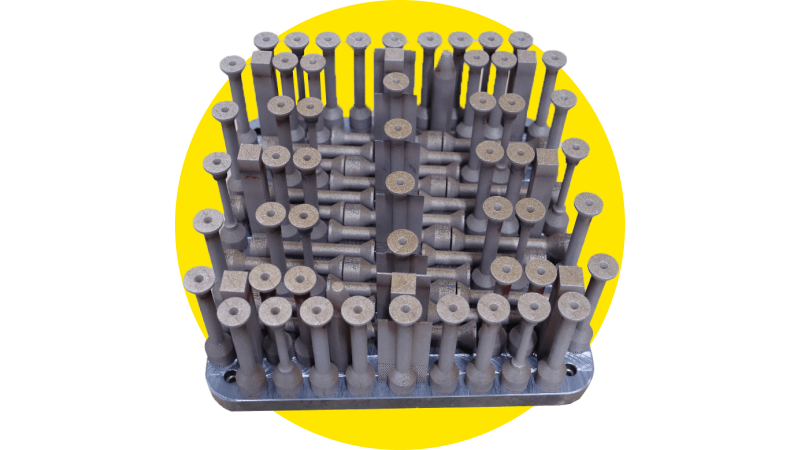
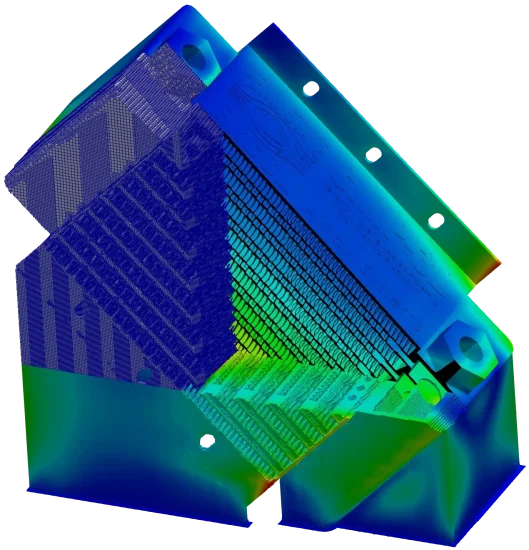
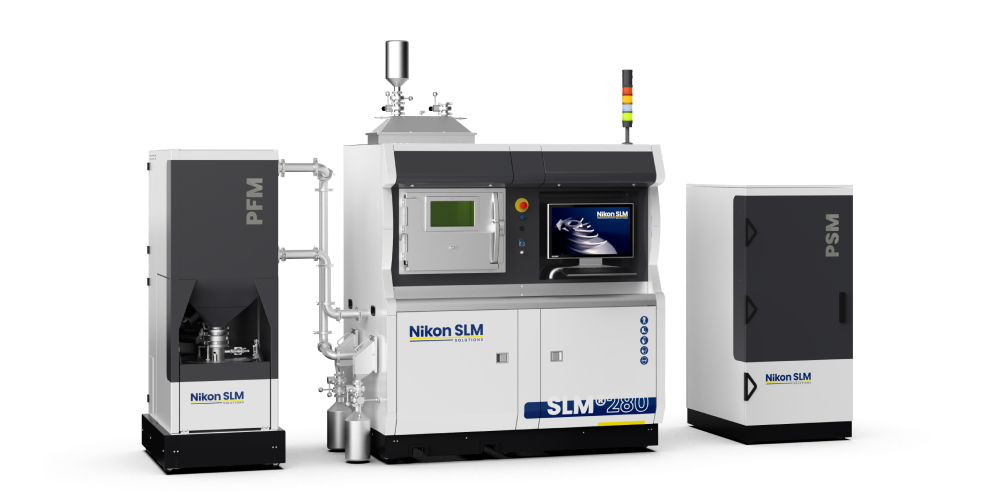
    GRCop-42 components printed on the SLM®280 2.0 Twin 700W (pictured below), in parameter development for space applications.

    For one thing, Nikon Advanced Manufacturing is among a handful of companies making the specialized, ultra-large-format metal 3D printers compliant with the US defense industrial base’s requirements. For another, I’ve also interviewed Zarringhalam at various stages in the company’s defense-oriented scale-up strategy, in 2024 and 2025. The 2024 interview was where Zarringhalam shared the blueprint of the vision, and in the 2025 interview, he confirmed how the blueprint’s foundation was being implemented. In our latest conversation, Zarringhalam explained how in 2026, the market is catching up to what Nikon Advanced Manufacturing is offering:

    “Our strategy for defense started before any of these recent conflicts arose,” Zarringhalam began. “We knew there were severe challenges in the defense industrial bases in nations including the US, and we approached that with a roadmap  centered around large-format, high-productivity machines, coupled with an ultra-secure engineering and services facility in Long Beach catered to defense applications.

    “These needs already existed, but when existing conflicts intensified and new conflicts broke out, the need to scale the capabilities we offer became elevated.”
    Since the Iran War began, sources like the Center for Strategic and International Studies (CSIS) have documented how inventories of US munitions stocks, most notably a variety of missile classes, including so-called ‘exquisite weapons‘ like Tomahawks and Patriots, will now require years of manufacturing activity to be replenished:

    “From information we’ve seen, Tomahawk production capacity in 2025 was enough to build around 100 missiles, while CSIS says the US had already used over 1000 in Iran by the end of May. The request in the 2027 budget is for almost 800 Tomahawks, and you just can’t scale to that level with precision casting alone. You need large-format metal AM to be able to do that,” Zarringhalam explained.

    “Meanwhile, both Iran and Ukraine have shown that, long-term, it’s unsustainable to keep relying exclusively on multi-million-dollar interceptors to shoot down $35,000 drones. The demand signals tell us that the US military and its allies need to prioritize low-cost cruise missiles for suitable operations, as well, which is another challenge that metal AM can help address.”

    Despite the challenges, Zarringhalam pointed out that, in addition to the preparatory work that contractors have been doing in terms of adoption and qualification, the government has made meaningful steps towards acquisition reform that should ease the path for further adoption in the future. The Pentagon has also been steadily increasing its funding of AM activity, a trend which is likely to continue in years ahead.

    Relatedly, US allies, including the EU and Japan, have also pledged to ramp up their defense budgets, and the potential for tech transfer from the US to its partners in Europe and Asia could realistically accelerate AM adoption in those regions, too.

    “In the first half of 2025, the EU adopted a new defense doctrine that recognized that European nations need to re-prioritize investment in military readiness, beyond relying exclusively on NATO,” Zarringhalam told me. “The amount of money earmarked for defense in EU countries is rather astonishing in historical terms. They’re planning to grow their defense budgets from around two percent of GDP to around three-point-five percent, and at the 2025 NATO Summit in The Hague, Allies committed to investing five percent of GDP annually on defense by 2035.

    “The same kind of thing is happening in Japan: while they’re starting from a lower percentage of their overall GDP, they’re planning on similar levels of growth, about twofold. Now, the AM adoption curve in these regions might currently be slower than it is in the US. However, the advantage of AM is that there is the potential for American allies to benefit from the progress the US has already made. If the US can start to co-produce weapons systems with international partners, that could speed up the process.”
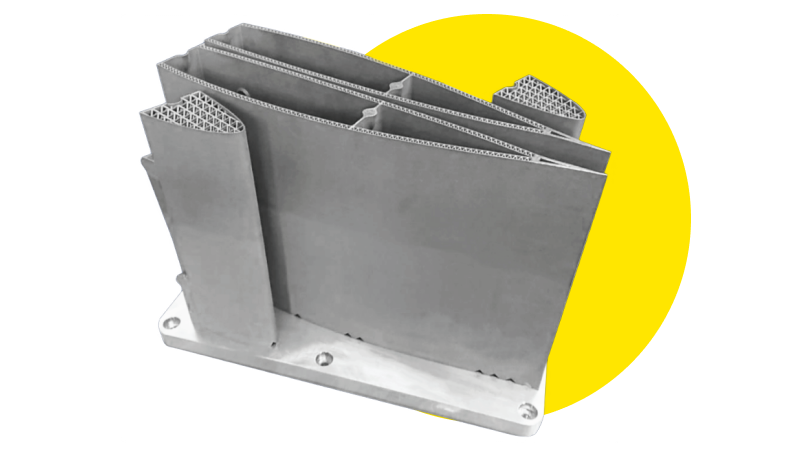
    Lightweighted wing segment printed in collaboration with RWTH Aachen’s Institute of Structural Mechanics and Lightweight Design.

    In that context, the US’s recent announcement that it will license Ukraine to produce Patriot missiles provides a potential real-world catalyst for how a joint effort might accelerate progress for everyone involved. Analysts have noted that even if the licenses are granted, it could take years for the results to come to fruition. But Ukraine’s progress in building up its own defense manufacturing capacity since 2022 suggests that, in cooperation with the EU and even Japan, the US and Ukraine could very well exceed expectations.

    And, the flexibility and responsiveness enabled by AM means there’s always the possibility that collaborative efforts on an international scale could lead to technological breakthroughs in the form of novel weapons systems, created with AM from the beginning:

    “I think when a component is designed with AM from its inception, you’re not going to go backwards, at some point, and start producing that component with casting and molding,” said Zarringhalam. “Let’s say you design an engine for a new drone system that you’re planning on using for years, and the engine is 3D printed. You’re not going to change that engine design every year.

    “When we start to see more and more of those kinds of parts, which were only ever produced with AM, I think that’s what will be the big breakthrough for the industry.”
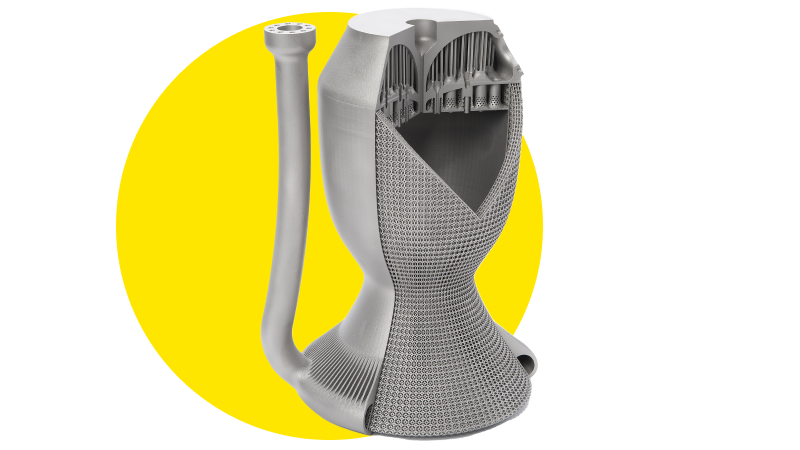
    Rocket engine printed in Inconel 718

    Notably, that’s not a breakthrough that we should expect to be limited exclusively to defense:

    “Right now we have this unfortunate situation with numerous international conflicts, which means there are all of these weapons systems that need to be replaced, as well as new systems that need to be created. Let’s say AM helps get us caught up, though, and the conflicts end, yet we still have these AM production systems in place.

    “At that point, the demand catalysts for AM will start to move more towards other sectors, like energy, semiconductor equipment, and even automotive. There’s likely to be skepticism about that, but keep in mind that even just three years ago, there was substantial skepticism about using AM for defense. Today, we’ve demonstrated what’s possible in that market and demonstrated that the technology can succeed at scale. In the face of that skepticism, Nikon Advanced Manufacturing built up our ability to provide customers in defense, space, and aviation with the right parts that could be produced in the right markets for the US and its allies.

    “Now, we’ve proven we have the right strategy, from a business perspective but also from a national security perspective. If we look forward a few years from now, I think the same thing can happen with other verticals.”

    Images courtesy of Nikon SLM Solutions and Nikon Advanced Manufacturing
  • IMDEA Materials & Lawrence Berkeley National Laboratory Work on Making 3D Printers Print in Unison

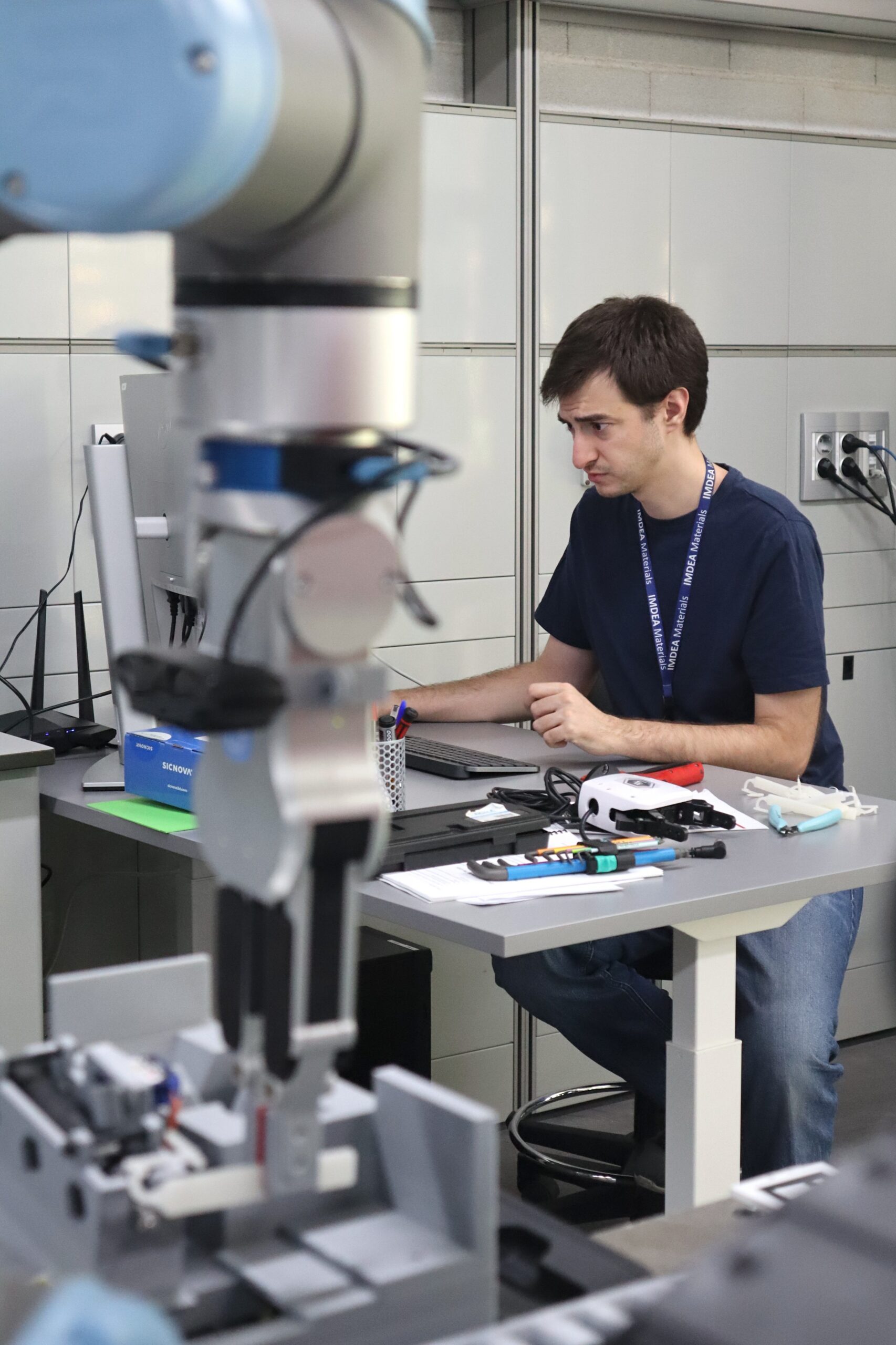
    Spain’s IMDEA Materials Institute has worked with Lawrence Berkeley National Laboratory to detect and identify differences in different 3D printers. This could be important in eliminating run-to-run differences in prints and printers. It could make it easier to print the same part with the same performance in Wellington and Medellin.That could make 3D printing for MRO more successful. Also, serialized 3D printing production would be easier as well. And it may be possible to identify printers from prints or to uniquely identify parts.

    The resulting paper was published in Advanced Engineering Informatics, “Noise-aware optimization in nominally identical manufacturing and measuring systems for high-throughput parallel workflows.” Christina Schenk , Miguel Hernández-del-Valle, Luis Calero-Lumbreras, and Maciej Haranczyk of IMDEA collaborated with Marcus Noack of  Lawrence Berkeley National Laboratory’s Applied Mathematics & Computational Research Division.

    The algorithm they created categorizes machines and finds individual optimizations to improve results. Specifically well-suited for applications such as print farms, this reduces the differences between machines and makes results more uniform. Statistical differences between machines are determined, which either optimizes similar machines together or will choose to optimize an individual machine if it’s sufficiently different. The study then found that the single optimization path worked better.

    “The results demonstrated significantly faster convergence and a substantial reduction in errors in the weight of printed parts compared with treating all machines equally and thus failing to correct appropriately for individual biases. Even mass-produced machines may have their own operational ‘personality.’ Our system learns these differences and uses them to our advantage, determining whether it is more efficient to treat them as a team or as individuals. This not only improves accuracy, but also saves resources by avoiding failed experiments, a key step towards the fully automated laboratories and factories of the future.”

    The work was funded by the City of Madrid under the Two-Dimensional Disruptive Materials MAD2D-CM project, which is part of the European Union’s  NextGenerationEU funding stream. Further funding was provided by the Spanish Ministry of Science and Innovation through a Ramón Cajal grant, the Center for Advanced Mathematics for Energy Research Applications (CAMERA), and the U.S. Department of Energy’s Office of Science through its Advanced Scientific Computing Research (ASCR) and Basic Energy Sciences (BES) programs.

    The work looked at machines with close serial numbers, of the same model, from the same brand. The result “demonstrates reduced redundancy, lower resource usage, and improved reliability, along with improved convergence stability and solution quality through the selection of the appropriate optimization strategy based on the degree of inter-device noise heterogeneity. Overall, this framework establishes a general approach for precision- and resource-aware optimization in scalable, automated experimental platforms, demonstrated here on a representative multi-device 3D printing case study.”

    The team’s work in this “noise-aware decision-making algorithm” could prove very relevant for services, manufacturers, and print farms. One of the things holding back MRO with 3D printing is lack of faith in reproducibility and repeatability. One key element causing these issues is differences in machines. 3D printers are finnicky things to make, Assembly is manual and QA is more complex than many other devices. Slight differences in where certain sensors are placed, for example, can have big effects on readings. If a printer thinks that it is printing at 204, but in reality it’s doing this at 214, everything goes out the window. The user can adjust settings according to advice or skill, but in reality they’re flying blind. Actually, it’s worse: they think they know what is going on but are really changing other parameters to overcome a misunderstanding around key facts.

    An automated approach could really give us much better performance in printers. In service bureaus, high-end industrial machines often have different output as well. These vendors and their clients will be greatly aided by this approach. In print farms, low-cost machines could also benefit from such an algorithm. This seems like interesting work, which could lead to software that could let us make more things using less money.

  • Why Kyle Bass Is Betting on Divergent, and What It Says About the Future of Manufacturing

    Kyle Bass has spent much of his career looking at big economic trends before everyone else does. The founder of Hayman Capital Management became famous for betting against the U.S. housing market before the 2008 financial crisis, a move that put him among a small group of investors who saw the crisis coming before most of Wall Street. Since then, he has built a reputation as one of the investment world’s most candid voices on manufacturing, supply chains, and the risks of relying too heavily on China for critical manufacturing. In several interviews, he has argued that the United States needs to rebuild its industrial base to reduce those dependencies.

    Kyle Bass and US Secretary of the Treasury Scott Bessent during the 2026 G7 summit. Image courtesy of Kyle Bass via X.

    So when Bass starts talking about a manufacturing company, people listen. One of those companies is Divergent. The California-based company recently raised a $290 million Series E round and is gaining attention among investors and industry leaders focused on manufacturing. The round was led by Rochefort Asset Management, whose co-CEO Bass described Divergent as “exactly what America needs” for a “stronger, faster and more adaptable industrial base.” In a later interview with Washington Post Intelligence, Bass went even further, saying Divergent was “in the race to lead the digital manufacturing revolution.” For Bass, Divergent isn’t simply another advanced manufacturing company. He sees it as a business that could help reshape how products are made.

    So why Divergent? The answer goes beyond one company. It also says something about where manufacturing is headed.

    Looking Beyond Traditional Manufacturing Investments

    Over the years, Bass’s focus has expanded well beyond financial markets. He has become a regular commentator on industrial policy, supply chains, energy, and manufacturing capacity. Many of his public comments center around the idea that countries that can design and build critical products domestically may have an advantage in an increasingly uncertain world.

    “It is phenomenal that the US is back in manufacturing,” he told Fox News’s Maria Bartiromo.  “Our manufacturing base went from a quarter of the world’s output to about 6% of the world’s output, and what I’m telling you is that is going to change dramatically.”

    That probably helps explain why Bass’s investment in Divergent stands out. He isn’t just backing another technology company. He is investing in a business that fits his view of where U.S. manufacturing needs to go next.

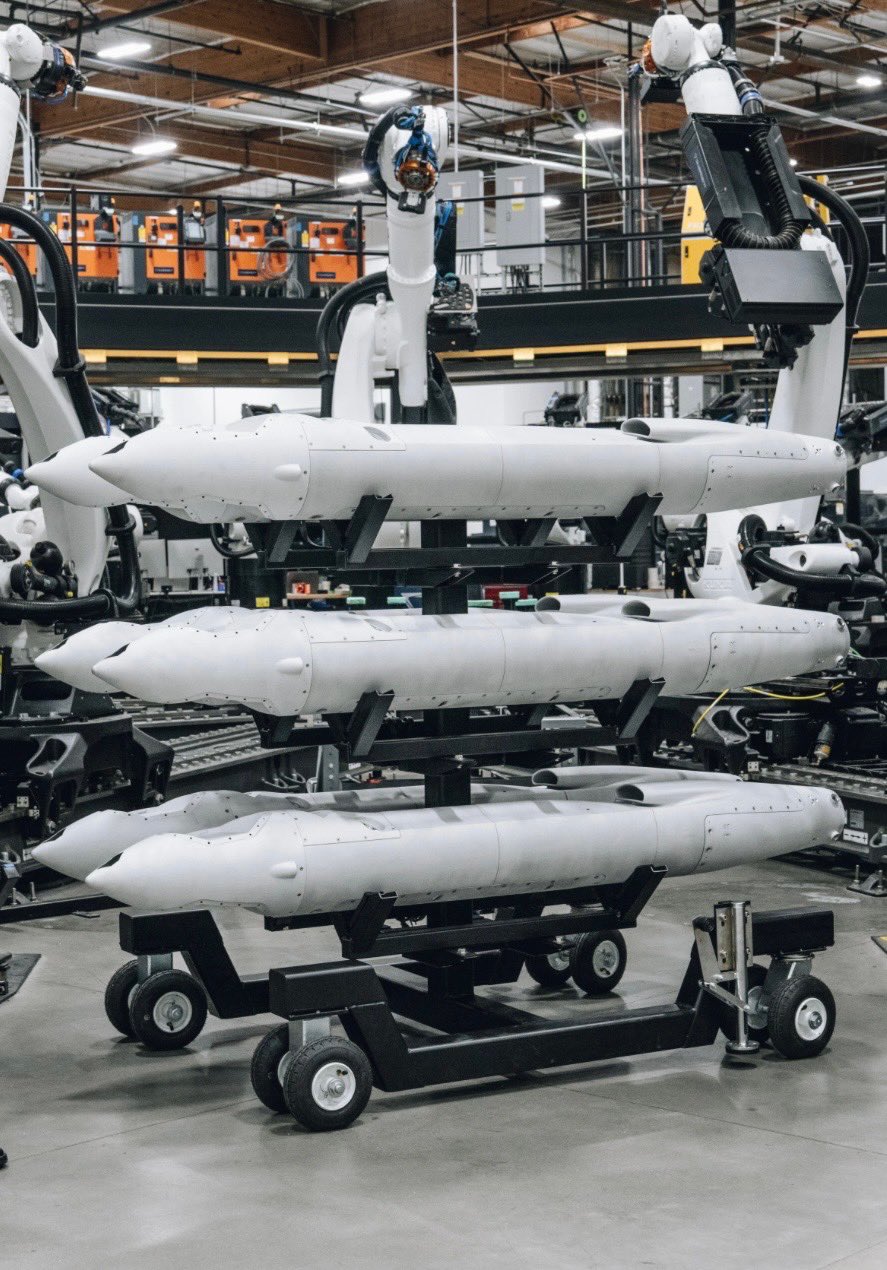
    Bass has made that point very clear. In the same Fox interview, he discussed what he called a “second industrial revolution in digital manufacturing” while showing a 3D printed cruise missile by Divergent. A few months later, Divergent announced at the Reindustrialize Summit that it is under contract with Raytheon and the US Navy on the Tomahawk missile midbody structure, and is opening a new Long Beach factory. So for Bass, this isn’t a distant idea anymore. It is already tied to real defense production.

    Bass believes the real advantage goes beyond producing a single part. As he explained in the interview with the Washington Post, “They can 3D print a Tomahawk cruise missile, and then they can print a part for a C-130 and then a Ferrari brake assembly…” For him, that flexibility is what makes digital manufacturing so different from traditional production.

    Tomahawk missile structures produced using Divergent’s digital manufacturing platform. Image courtesy of Divergent.

    That also helps explain why Divergent was at the center of this year’s Reindustrialize Summit. The event brought together investors, manufacturers, startup founders, defense companies, and government leaders around one idea: rebuilding American manufacturing. It also featured a recorded message from President Donald Trump, highlighting how much attention the topic has attracted beyond the manufacturing industry.


    For Divergent, the summit was a chance to show that its technology is moving into large-scale manufacturing. Because while it is best known in 3D printing circles, it is being talked about a lot for its use of digital manufacturing to help build products faster and strengthen U.S. production.

    Why Divergent Fits the Thesis

    At its core, Divergent is still a company built on additive manufacturing. Its Divergent Adaptive Production System (DAPS) combines software, 3D printing, and automated assembly into a single production platform. The company has spent years developing the technology for automotive, aerospace, and defense customers. But what seems to be attracting investors like Bass isn’t just the use of 3D printing; it’s the bigger idea of building products with fewer tools, shorter development times, and more flexible factories.

    That may also tell us something about where additive manufacturing is headed. The industry has largely been judged on whether it could replace traditional manufacturing. Bass isn’t asking whether additive manufacturing can replace existing factories. He’s betting that companies like Divergent can help build a different kind of factory.

  • PanOptimization Gets Attaboy from AFRL for PanX Software

    Published in the International Journal of Advanced Manufacturing Technology, a paper titled “Part scale prediction of residual stress through thermomechanical modeling of additively manufactured Ti-6Al-4V” seems to point to the benefits of using PanOptimization. So named for founder Pan Michaleris, and not for the goat-legged god of shepherds, or indeed the cooking utensil, PanOptimization is an FEA optimization tool that can be used to predict errors and simulate parts. Their software PanX comes in an LPBF and DED flavor, and can be used to optimize tool paths, check for distortion, and more.

    The paper was written by Emmanuel De Leon of the Air Force Life Cycle Management Center, Tinker Air Force Base; Rodolfo Villa of the Oklahoma City Air Logistics Center at Tinker Air Force Base; Alex Riensche, Benjamin D. Bevans, and Christopher Billings of the Sooner Advanced Manufacturing Laboratory, University of Oklahoma; Jay Waterman of the Air Force Research Laboratory (AFRL); and Zahed Siddique and Yingtao Liu of the Sooner Advanced Manufacturing Laboratory, University of Oklahoma. That’s a lot of candle power for one paper.
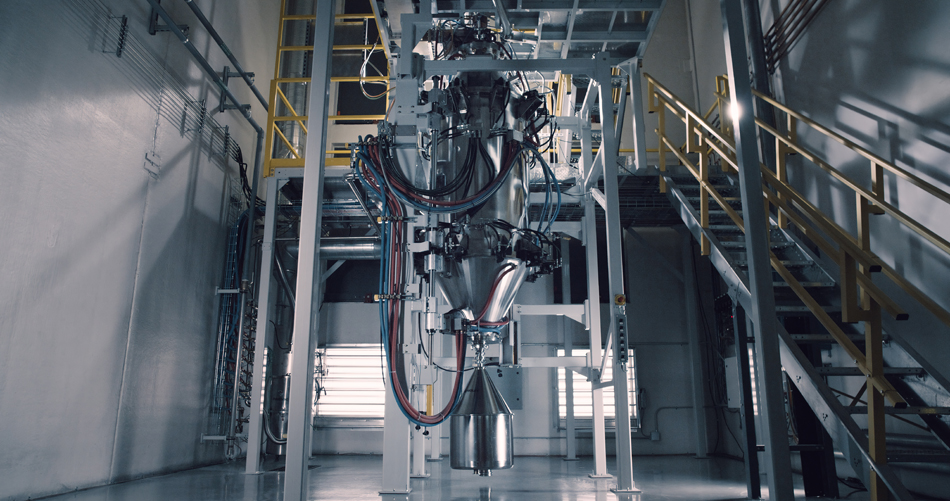
    In the paper, this very experienced team looks at using PanX to predict outcomes in LPBF builds. The research was supported by $8.7 million AFRL grant FA8650-23-C-5701, related to additive manufacturing and sustainment. The company said that the significant thing going on here was moving “beyond trial-and-error builds and toward physics-based models that support qualification, certification, and production reliability.”

    PanOptimization Chief Engineer Erik Denlinger said,

    “There is growing recognition across industry, government, and regulatory bodies that AM cannot reach full industrial maturity without physics-based models that can be trusted. If simulation can predict the outcome of a build quickly and accurately, it becomes a way to identify and mitigate risk before material, machine time, and production schedules are put at risk. That is exactly where PanX is focused.”

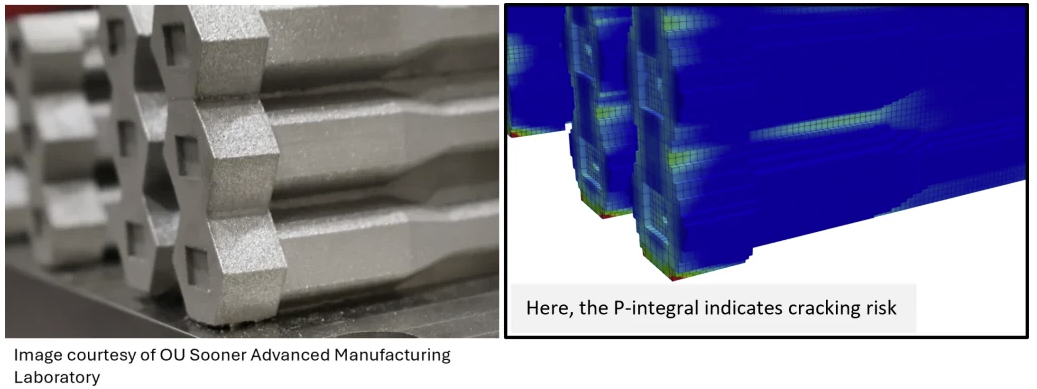
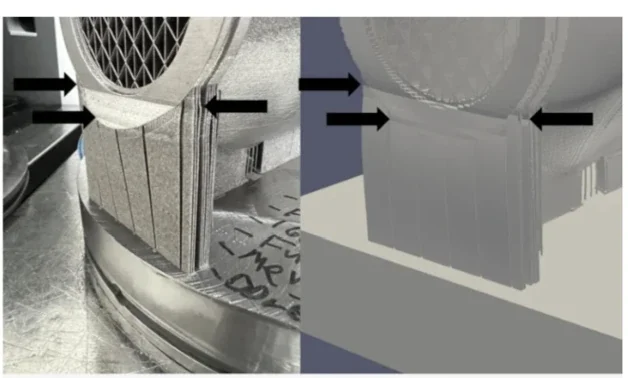
    The research looked at full build volumes of parts, measured how the parts fared in real builds, and compared the results to what PanX predicted. If you look at the stress on one part you may learn some things. But, parts can heat and warp one another, so the distance between them, powder packing, and flow really matter.

    The paper demonstrated that the interlayer temperature was measured well, potential crack sites were found, and that the software worked with different parts and types of builds.

    Denlinger stated,

    “The accuracy of simulation needs to be validated for it be applied and trusted. The In situ interlayer temperature measurements for full build volumes used in this study are the gold-standard for thermal validation. The work should be extended to include actual energy input and machine timing, which PanX can already integrate with, and which our internal validation efforts have shown this to be critical to further accuracy improvement. PanX’s ability to accurately compute these temperatures is a competitive advantage for us and it enables the optimization of process timing, compensating distortion for tight-tolerances, and many other applications.”

    This is a hell of a proof point for PanOptimization. The work took three years, and the contract included a GE M2 Series 5L, a particle characterizer, a boatload of stuff from Mitutoyo, microscopes and more from Keyence, a materials testing system, and CMM. Basically, the research must have been so tedious that they gave the University of Oklahoma a 3D print lab in return for it.

    Testing PanX so rigorously is invaluable for the firm. I’m not thinking now that the Air Force is looking at this as something they may use casually. PanX isn’t something they’re kind of interested in. It seems like it may play an important role in the Air Force’s future. And even if they never again use it, this kind of real world validation is priceless. On top of that, the data is a goldmine for the PanOptimization team and will help them improve their solution. This is excellent news for PanOptimization, and will help people to measure twice and print once, saving us all a lot of time and money.

  • Largest Funding Round to Date for AI-Powered 3D Image Generation: Meshy Closes Series B Worth Nearly $400M

    Overall, the additive manufacturing (AM) industry has stayed impressively restrained in terms of trying to leverage any potential coattail hype from the AI boom. Perhaps the leading enterprises left standing after the collapse of previous hype cycles are those most likely to proceed with caution under such circumstances.

    It’s not as if there are no audacious claims to be touted regarding the opportunity to combine AI and 3D printing, either. Maybe the clearest example is the growing number of startups built to deliver AI-powered text-to-3D model generation. One such company, Meshy, based in the heart of Silicon Valley (Sunnyvale), just landed the largest funding round to date amongst this emerging group: a Series B worth nearly $400 million.

    What’s more, the company publicly announced its valuation for the first time. At $1.5 billion, it would count as one of the most valuable firms in the world in the 3D printing space. Meshy of course isn’t a pure-play 3D printing company, but the company does refer to the printability of its models as its “core differentiator”.

    As Joris Peels wrote about a couple of months ago, Chinese 3D printing OEM Flashforge recently struck up a partnership with Meshy to integrate the text-to-image function into Flashforge software. Meshy notes in the press release about its Series B that “five of the world’s ten largest technology companies by market capitalization or valuation” are already working with the company. In addition to Flashforge, it names four other 3D printing companies that it’s working with, including Bambu Labs and Creality.

    Interestingly, Meshy doesn’t name the participants in the Series B round, simply that all existing investors participated. This is the kind of situation where I’m inclined to believe that the silence means there’s some heavy hitters on that cap table. I find it at least somewhat notable that the company is headquartered in the same town as the Apple Wolfe campus, not to mention operations sites for a whole bunch of other tech megacaps, as well as the CHIPS for America Design and Collaboration Facility.

    Meshy says it will use the funds from the Series B to support its expansion globally, as well as its R&D objectives. According to the company, as of this month it has over 12 million registered users, and its revenue has grown 12x year over year.

    If you want to hear more about Meshylisten to the latest edition of Printing Money.

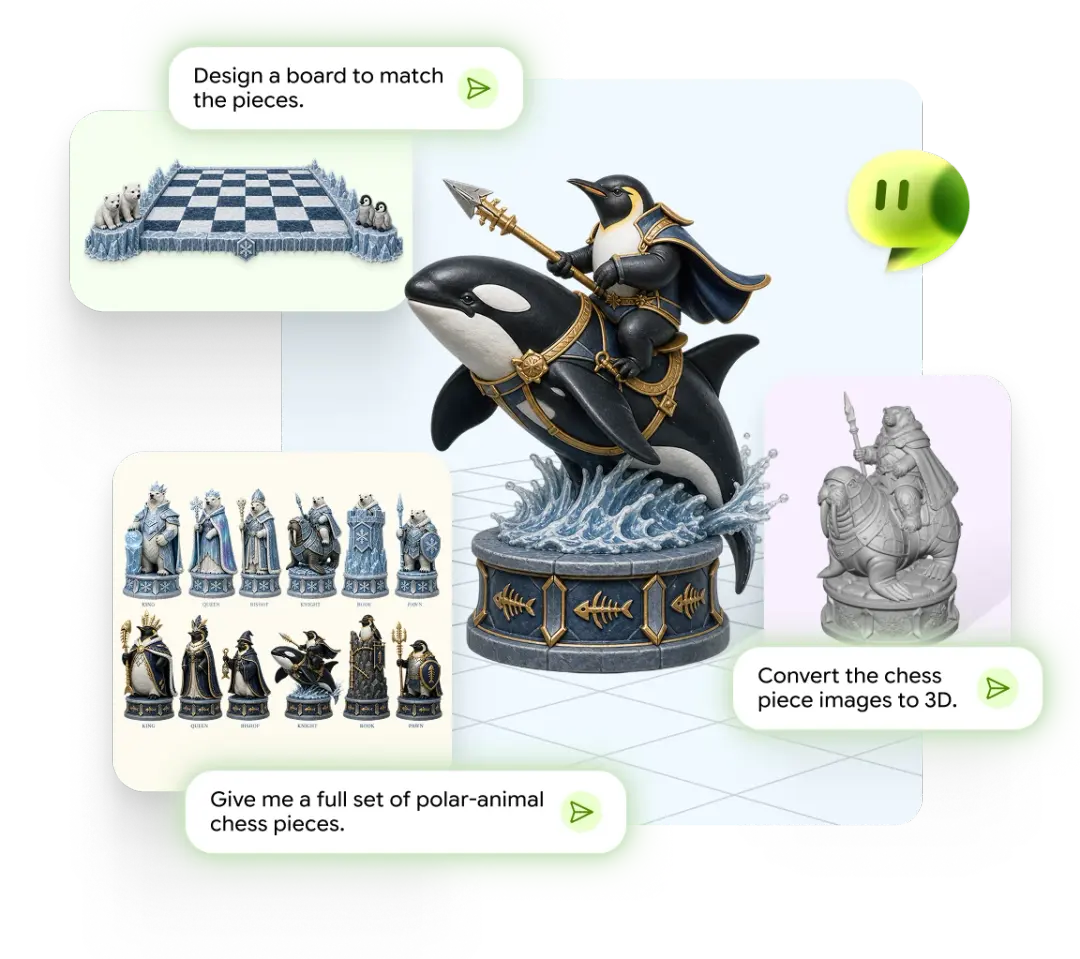
    Meanwhile, Meshy is also rolling out a host of new features, including upcoming 8K texture capabilities, and the unique ‘Meshy 3D Agent,’ already available, which turns a chat into a printable model. That should be a pretty attractive feature as the general AI chat user base grows.

    It’s also unique that the company is already operating on a B2B and a DTC model, which is a hard line to straddle for the AM industry. But this feels like a product that’s fit to strike that balance. In that vein, Meshy’s offerings are a very obvious pipeline for working both consumers and businesses towards mainstream mass customization, which could be the ultimate endgame for the company’s business model.

    Returning to the topic of the relatively conservative approach that has started to take hold in the AM industry, we seem to have lost track of the fact that, to the broader public, arguably the only really interesting thing about the underlying technology is the potential to manufacture an image into an object. It makes perfect sense why AM enterprises would lose sight of this, as, in an industrial setting, that’s not at all how things work.

    But, maybe things could someday work kind of like that? That’s the dream that Meshy and other companies in its market segment are selling. If they can realize that dream even a little bit, that would not only represent the opportunity for quantifiable gains like revenue growth, but also, arguably more importantly, the opportunity for the sort of intangible wins that make people actually care about a technology.

    Images courtesy of Meshy

  • The State of the Desktop Filament Market 2026, Part 2: AI is a Fitful Day Drinking Intern

    In this series, we’re using cutting-edge AI research tools, including an unreleased deep research tool to look at the desktop 3D printing filament market. We’re then comparing it with our known data to see where AI research tools make sense, and where (and how) they make mistakes. The idea is to at the same time let your learn about the current state of the desktop 3D printing filament market, while also honing your AI skill and knowing if you should be using LLMs for research at all.

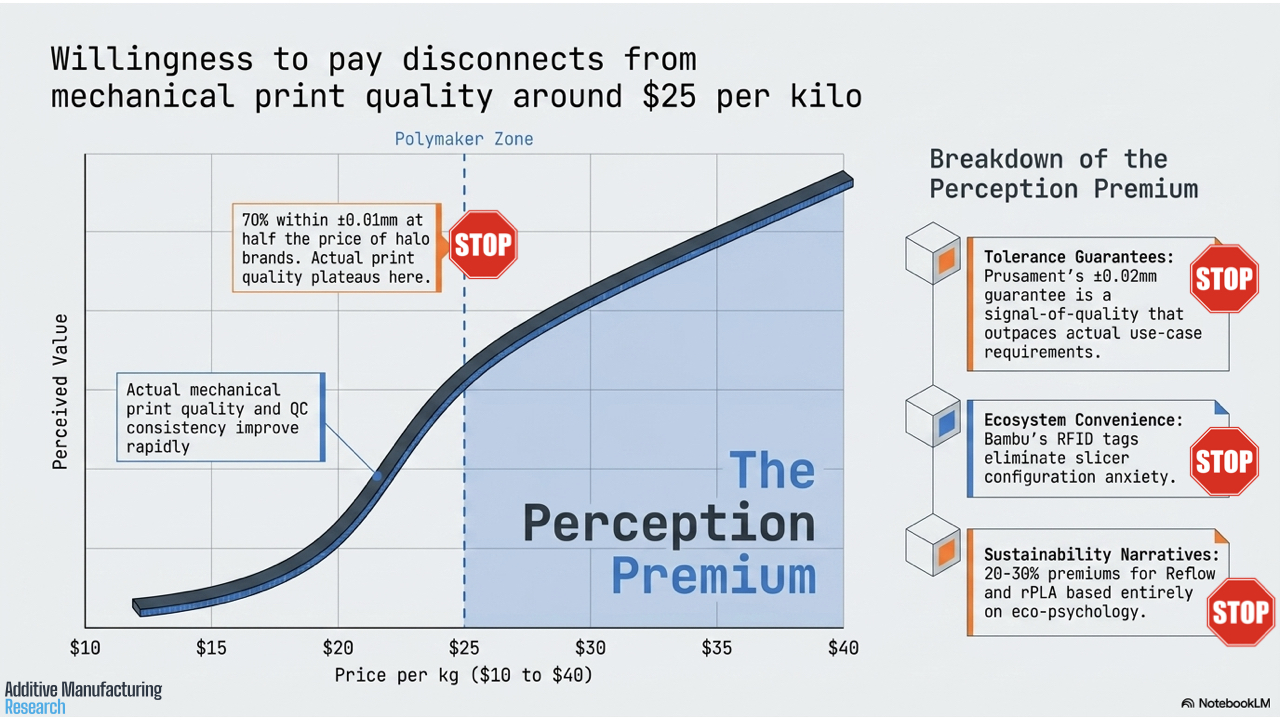
    Here, (as we can see from the image above) the LLM was a bit feckless with the data. If we look at more sources, especially European ones, then Recreus has a strong position in high-quality flexible materials. But the scraping tool missed the European vendor entirely. Also, TPU is widely sold; it’s just that no one excels in it. Online mentions, forum mentions, and things like this skewed the overall perception towards Ninja as well. I’m not saying it’s bad; it’s good stuff, but for many things, Recreus is much better, especially for footwear. Of late, Recreus has also been much more innovative. But, there are more novices talking about getting TPU to work in the US than there are talking in-depth about footwear TPU publicly. The scraping tool also did not at all find ColorFabb’s Varioshore TPU. This is probably the single biggest innovation in TPU. In orthotics and beyond, it’s Varioshore that is doing incredibly well because you can program it. Perhaps because people call it Varioshore it hadn’t seen it as TPU? Because the scraping tool missed ColorFabb TPU and Recreus, it spotted this huge market gap in TPU. I left this in there to illustrate a point. Check, check, check again. Because it’s so easy to screw this up. Imagine a company new to filament looking at this and concluding that the TPU market is wide open because the tool essentially missed two of the major competitors.

    I completely don’t agree that PEEK and TPU are similar. TPU, for many people, would be much more price-sensitive. If I’m doing something with PEEK, it’s because I need to use PEEK, which means that this expensive application or part is critical somehow, and I may be able to and want to pay for quality. For TPU, this is less of an issue, and things that need to work, such as shoes or braces, are high-volume items, so I’d want much better pricing and be sensitive to it. So again, the slide looks great initially but is super misleading. And indeed, if this were a cornerstone to planning your market entry, you would make the wrong decision.

    PEEK is complex, and the tolerances, equipment, and material cost are high. Also, for some reason, Notebook kept throwing in BASF in the Engineering tier because of Ultrafuse. This could also be confusing.

    Churn & Premium Buying (And Blatant AI Errors)

    Now, the above chart is very pretty; it’s also very wrong. Off-gassing is not what ruins prints; it’s outgassing. Moisture absorption itself causes hygroscopic filaments to print badly, making breakage more likely, adhesion poor, and the material brittle as well. It’s the water itself that is being heated, escaping in steam, that causes bubbles, poor interlayer adhesion, and voids. The term the model wants to use here is outgassing (or steam expansion or hydrolysis), which refers to water escaping due to heat from the nozzle. Chemical off-gassing occurs when trapped VOCs and other chemicals are released at room temperature. Off-gassing is a risk to users, perhaps, or a risk when the finished part could release material over time, which could be important in a spacecraft, for example. Notebook conflated two data points and enmeshed them here. Again I’m not trying to be nitpicky here, but if you read the sentence literally from the slide, then you’ll get it wrong completely.

    The ASA warping thing also looks plausible but is incorrect. PC ABS was already well known via Stratasys for many years. ABS was the very first filament used with desktop 3D printers and has always had warp issues. Better heated chambers and process control have reduced warp issues however for most users- For much of the market ASA is a newer, much rarer choice, and is growing. In particular, people are using ASA because it is excellent for outdoor use, and people have been making lots more outdoor things of late. So this point is completely incorrect. ASA warping specifically will not cause churn to other ASAs or other vendors; it will just cause people who use open printers to go back to PETG or PLA. Cheap closed printers will increasingly print the material well. I have no issues with ASA on the five different systems that I have at my home. And ABS warping, and warping in general in large parts, is a much bigger issue for people than ASA warping. I’m still pitching ASA to so many people as a material, and it’s not used as widely as it should be, and having it be summarized here as a major reason for people to switch between vendors is silly. Meanwhile, if we look at people who do want tougher or stronger materials, they’re looking towards polycarbonate. But new polycarbonate blends such as Prusament´s PC are not mixed with ABS, but with other additives and materials. So the point here is super misleading, especially since it is presented here as one of the major causes of churn.

    The carbon fiber nozzle wear thing was relevant in the Ultimaker 2 days. Amazing point in 2011, less so now. This was a huge issue previously, but now, with stainless steel nozzles (and a strong aftermarket), it is no longer an issue. Yet, any online LLM today still sees this as a problem. I keep trying to delete this from the dataset. Of course there is a preference for steel nozzles now, (just look at the recent INDX kerfuffle) but apart from extremely abrasive materials this is a solved issue for the vast majority of users. Again, on the other hand, it says that, “no scale equivalent ” exists for Ninjatek, which is completely incorrect. ColorFabb and Recreus exist and are more innovative. The dangerous thing here is not that the AI makes mistakes, but that it masks them so well and makes them so plausible.

    The Magic Slide

    Now, when using AI as a research tool, we have these completely serendipitous moments that make it seem like you’ve gone and replicated an office full of McKinseyites all by your lonesome. Here is something I think would be interesting to discuss at a meeting. But it is false clarity. First off, the most important thing is that ovality really matters in filament. I could have a very tight tolerance for the filament dimensions, but if it is not the right ovality, I’ll still have big issues with it fitting well through the Bowden tube. Furthermore, when and where you measure really matters too. If I measure my filament once and the tolerance is good, it could still be all over the place for the rest of the filament. This will mean that more or less material is in the heat zone at more or less pressure throughout your build, wreaking havoc on everything. So the tolerance matters, but it should ideally be measured all along the entire filament, or at least many times. So this slide, which seems to give a lot of clarity, actually obfuscates the real issue. If you want to buy or make quality filament with tight tolerances all along the filament, continual ovality measurements matter. It’s not about a filament being a particular diameter, but about consistent extrusion.

    I like that sustainability narratives come to the fore here, but Reflow is actually bankrupt. And I’ve never heard anyone say that they were anxious about slicer configurations; it was just annoying at the worst of times. If anything, new users tended to stick to the filament they knew previously because it was difficult for them to dial in new filaments. Now, people are freer to experiment. What the research tool completely missed was that many brands are now better at loading settings for various filaments. Printing on the whole is more stable now, and filament has improved, which makes printing easier. I do agree with the convenience factor, but there is a lot more going on than just the RFID tags.

    Buying Journey

    I like this summation of many buying journeys, abandoned baskets, and more. We can see in 3D printing that community members on forums have been driving traffic and choice in filament brands for many years now. One thing underrepresented here is YouTube. YouTubers, through sponsorships, use in projects, and reviews, are driving a lot of buying now. Some of this is paired with kickbacks in the form of affiliate fees. Indeed, some YouTubers are making over $250,000 a year, mainly from 3D printer OEMs. So for the first time, a lot of the previously free, informed opinion is paid for. I know several of these people, and they generally seem upstanding and have real joy in their work. But the decision funnel will radically change over the coming years due to YouTube and affiliate. Before, if you canvassed opinion, it was from people who had no skin in the game. Everyone was giving their best advice based on their own experiences; now, with opinions flooded by commerce, we need to find new paths. We also don’t really have many filament testing and evaluation initiatives. There will be real scope and need for this. If we look at advertising and paid search, we can only assume that a lot of money is migrating directly to social as well, so this need will become more pressing.

    I really don’t like the AI´s use of “impenetrable filter” here. First off, an impenetrable filter is not a filter. And this is yet another sign of the AI trying to be snazzy but hiding meaning, rather than bringing it to the fore. There are a series of filters that all inform opinion, but many people just buy the cheapest stuff available to them or try out a lot of things as well. So the wording here makes it seem like publishers own this space, and this is not the case. We saw this very clearly with the rise of the Amazon filaments that were initially not pushed at all by social media or users, but simply came up during Amazon searches by people who bought printers or dogfood there. Amazon completely replaced this channel. Many scarcely believed how big Hatchbox got because no one was mentioning it anywhere, but it was doing tens of thousands of spools. So again, the wording is seriously misleading here. If you read the slide alone, you’ll conclude that social media is the way to go. But, there are other distribution paths and paths to credence.

    Conclusion

    So how to conclude this part of the series? AI tools can be very powerful, but we must not forget that a lot of these tools have been made to be rather sycophantic. Here we’ve used some very powerful tools, and the results at first glance look amazing. Now, some of them are. I’m very pleased with the pricing information. I was very pleased to be able to index all the relevant forum discussions, comments, product pages, OEM pages, and pricing information. I was very pleased with the pricing trends and materials trends. But, there were a lot of inaccuracies. The most powerful finding (no one makes TPU!) was completely incorrect. Bankrupt companies were included. Old worries from years ago were touted as current problems. Snazzy summations gave people completely wrong ideas about the data. And some of the synthesized data was handled incorrectly. A nice slide would hold a lie. A summation of the major churn drivers was riddled with errors. The segmentation was good, the pricing data was good, and the low-volume amortization insight was good. But if you did not know the industry, the strategic choices that you’d take from this data would be incorrect. And I’m sure that if I had left these slides up without STOP signs all over, they would have ended up all over, giving the wrong impression.

    So AI crawlers, indexing tools, LLMs, and research tools are powerful but misleading. Imagine having a bright erudite intern who drinks heavily during the day and occasionally does coke. That, to me, is the state of AI-aided research today. Fast and seemingly convincing, the words tumble out and seem to make sense until you stop and think. So be careful out there, folks. I think that AI-aided research is powerful stuff, but then again, so is coke. Eventually, this is going to be useful, but not before it ends a lot of careers.

  • After the Hype: Conflux’s Dan Woodford on What It Takes to Scale Aerospace AM

    A decade ago, Conflux Technology was founded around a simple idea: heat exchangers might be one of the best applications for metal additive manufacturing (AM).

    At the time, much of the industry was focused on what 3D printing would someday achieve. Conflux took a different approach, spending years developing a technology it believed could eventually meet the demanding requirements of aerospace, defense, and motorsport. Today, according to CEO Dan Woodford, that long-term bet is beginning to pay off.

    “The momentum that people talked about five or ten years ago is now actually there,” Woodford told 3DPrint.com. “The intention is converting into action.”

    Dan Woodford, Conflux Technologies CEO.

    The Australian company specializes in additively manufactured metal heat exchangers, where better performance can justify higher costs. After nearly a decade of developing the technology and working with customers, Conflux now finds itself operating in a market shifting from experimentation to real deployment.

    “The fact that additive is becoming a serious part of the design and creation of next-generation aircraft is now just a fact. It’s moved from being something people thought might be useful to something that is deliberately being included in development programs. The momentum that people talked about five or ten years ago is now actually there. Does that mean we’re suddenly going to see huge numbers of parts flying tomorrow? No. But the intention is converting into action.”

    That change is visible across aerospace programs where AM is being considered from the beginning, rather than added later as an experiment.

    The idea came from founder Michael Fuller, who spent years working in Formula One before launching Conflux in 2015. He saw heat exchangers as one of the applications where metal 3D printing could offer a clear advantage over traditional manufacturing. The complex internal channels, large surface areas, and demanding cooling requirements involved in thermal management made them a great fit. Rather than trying to apply AM everywhere, the company focused on a single challenge.

    “We gave ourselves a head start and chose a really difficult subject matter,” said Woodford. “When we started, the technology was still maturing, but now we’re in a really good position. A lot of companies are using additive in interesting ways, often alongside traditional manufacturing. What we’re seeing now is that entire heat exchangers are increasingly being built through additive manufacturing, and that’s becoming much more common.”

    AMSL Aero’s Vertiia aims to be the world’s most efficient long-range, zero-emissions, electric VTOL aircraft. Image courtesy of Conflux.

    Today, aerospace and defense have become one of the company’s major growth areas. In fact, Conflux has worked with aerospace customers since 2018 and has participated in programs involving organizations such as Airbus, Honeywell, and General Atomics. Among its public projects are contributions to hydrogen-powered aircraft development, including Airbus’ zero-emission initiatives and the European Union-funded THEMEA4HERA program, which focuses on thermal management systems for future hydrogen regional aircraft.

    For Woodford, however, the bigger story is not any single project. It is the industry’s growing focus on certification.

    “The second thing that’s changed is that companies are now taking certification seriously and translating it into concrete action. For us, that’s both a challenge and an opportunity. The conversation has shifted from whether additive can do the job to how we qualify it, how we certify it, and how we put it into service.”

    But getting AM into aerospace isn’t simply a matter of buying bigger printers or faster machines. According to Woodford, the challenge is much broader than that: “People sometimes think scaling means buying more machines, but that’s only one piece of the puzzle. It’s an entire production system. You need the right designs, the ability to manufacture consistently, depowdering, post-processing, inspection, and quality systems. It’s an end-to-end production process. That’s what scaling actually looks like.”

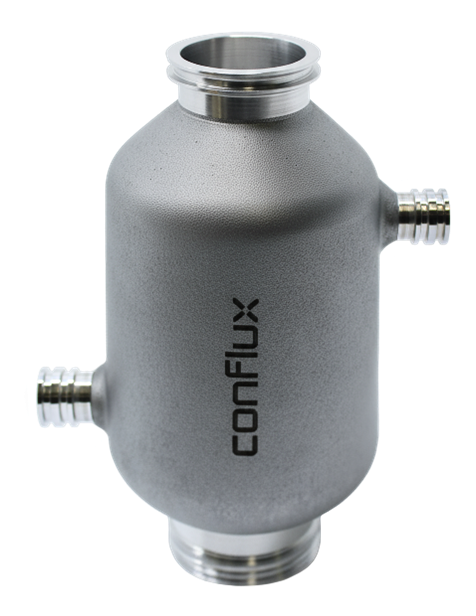
    Advanced liquid-liquid heat exchanger. Image courtesy of Conflux.

    Conflux is already producing hundreds of heat exchangers annually for customers outside aerospace, primarily in automotive applications. The company’s long-term goal is to reach production volumes in the thousands while creating manufacturing systems that can be replicated beyond its own facilities.

    Size is another challenge. Many of the heat exchangers being developed for aircraft are larger than what today’s metal 3D printers can produce in a single build. To get around that limitation, Conflux has developed designs that allow multiple printed sections to be joined into a single component.

    “A lot of the aerospace parts we’re creating today are actually larger than the machines can print in one piece,” Woodford explained. “We’ve developed ways to create modular parts made up of two, three, or more sections that are joined together into a single component. We’ve already deployed those into aviation test programs, and we’re progressing that approach. Longer term, large-format machines will become important because that’s where you really unlock the maximum performance.”

    While commercial aerospace remains a long-term opportunity, defense programs and newer aircraft projects are moving faster. Conflux is already working with advanced air mobility companies and sees drones and other uncrewed aircraft as a way to get parts into service sooner. In many cases, the approval process is less demanding than it is for large passenger aircraft.

    “We are already crossing into production,” he noted. “The reality is that commercial aviation moves deliberately. Putting a part onto an aircraft that carries thousands of passengers will always take time. There are hurdles we need to clear, and we’re working through them with our partners. Some things simply can’t be accelerated.”

    One thing Woodford would like more people to understand is that AM is no longer a technology of the future.

    “I’d like more engineers to realize that additive is ready to be included in product development roadmaps and taken seriously. There are still hurdles, especially in aerospace certification, but those hurdles are being addressed. That’s the exciting part. The technology isn’t waiting for a future opportunity anymore. The opportunity is already here,” concluded Woodford.

  • 3DPOD 308: Engineering Design with Matthew Shomper, Not a Robot and F13LD

    Matthew Shomper has worked on 3D printed medical devices for many years. There, he specialized in new geometries, cutting-edge designs, designing implants, FEA optimization, approval processes, 510(k) submissions, textures, and more. He worked with surgeons and implant companies and went through the entire process from design to implant for spinal cages, plates, and more. Now he is consulting on implant design and has an implicit lattice engine design tool called F13ld. I’m obsessed with F13ld and urge you to try it out.

    This episode of the 3DPOD is brought to you by Assembrix, leaders in distributed additive manufacturing with secure print. Assembrix enables organizations to protect IP and scale production across distributed networks through encrypted workflows, real-time monitoring, and full control over digital manufacturing. 


  • Bambu Lab and Insta360 Invite Makers to Build Custom Camera Gear

    Bambu Lab is expanding the role of MakerWorld, its community platform for 3D printable models. The company has partnered with camera maker Insta360 to launch the Luna Ultra Design Challenge, making Insta360 the first camera brand to establish an official presence on the platform.

    Running through August 9, the collaboration gives makers access to official 3MF and STEP files for the Luna Ultra, Insta360’s new flagship dual-lens handheld gimbal camera co-engineered with Leica. By releasing the camera’s CAD files, Insta360 is making it easier for users to design and 3D print accessories that fit the device precisely, without having to measure or model it themselves.

    Insta360 Luna Ultra Model. Image courtesy of Insta360.

    Makers can use the files to create everything from camera mounts, grips, and filming rigs to protective cases, decorative covers, and other custom accessories, then share their designs with the MakerWorld community.

    At the heart of the partnership is the release of official 3MF and STEP files for the Luna Ultra. With access to those files, makers can design and 3D print custom accessories that fit the camera, from filming rigs and mounts to decorative shells and themed covers.

    The move points to MakerWorld’s growing role as more than a model-sharing website. By bringing an established consumer electronics brand onto the platform, Bambu Lab is testing a model in which manufacturers actively collaborate with the maker community instead of leaving third-party accessory development fully to independent designers.

    It also reflects how much the desktop 3D printing market has changed in recent years. As consumer printers have become faster, easier to use, and more reliable, companies like Bambu Lab have attracted a much broader audience beyond traditional makers. That larger user base is making the desktop 3D printing community a more attractive partner for consumer brands looking to engage users long after they purchase a product.

    “We see a shift where creativity doesn’t stop at capturing images—it extends into building and shaping the tools themselves,” said Max Richter, co-founder and vice president of marketing at Insta360. “This collaboration between Insta360 and Bambu Lab brings together imaging and the maker community for the first time in this way, bringing creators the freedom to push the boundaries of what’s possible.”

    The contest has two categories. One is for makers who design and upload 3D printable accessories using the hashtag #PrintForLuna. The other is a social media competition, where users can share photos, videos, sketches, or ideas for custom Luna Ultra accessories.

    Bambu Lab and Insta360 are offering 40 prizes worth a combined $11,160, including Luna Ultra cameras and Bambu Lab’s latest desktop 3D printers. Winners will be announced on August 20.

    MakerWorld × Insta360, Luna Ultra Design Challenge. Image courtesy of Bambu Lab.

    Perhaps more significant than the prizes is the possibility that community creations could move beyond the contest itself. According to the companies, selected designs from either competition track may be developed further and potentially become official products, with creators receiving additional collaboration opportunities.

    The partnership also shows that more consumer brands are looking to work with the maker community. By releasing official CAD files instead of leaving users to model products themselves, companies can make it easier for makers to design accessories that fit their devices. For Bambu Lab, the collaboration is another step in expanding MakerWorld beyond a site for sharing printable models. In addition to community designs, the platform now hosts official brand partnerships and design challenges that connect manufacturers directly with makers.

    The partnership adds to a growing number of collaborations between consumer brands and desktop 3D printing companies. Whether through co-branded products or community design projects, companies are finding new ways to connect with makers and tap into their creativity.

  • 3D Printing News Briefs, July 25, 2026: Distribution, Board Game, & More

    We’re starting with material distribution news in this weekend’s 3D Printing News Briefs, and then on to outer space. We’ll end with a story about an ancient board game. Read on for all the details!

    6K Additive Names AMPERE Alloys as New European Distributor

    6K Additive’s UniMelt® enables the sustainable manufacture of high-performance metal powders, now more readily available to European manufacturers through AMPERE Alloys.

    U.S. company 6K Additive produces high-performance, sustainable metal powders for additive manufacturing (AM), including refractory metals, titanium, and nickel-based superalloys. It recently announced that it’s appointed AMPERE Alloys as an official distributor of its powders for the European market. AMPERE is a premier European specialist in metals and ferro-alloys for industrial applications, and by partnering with 6K Additive, it will expand its product offering. European manufacturers will enjoy direct, streamlined access to 6K Additive’s suite of metal AM powders, which are made using the company’s proprietary UniMelt microwave plasma production system. AMPERE brings to the table its regional expertise, extensive distribution logistics, and strong commercial network, and its commitment to quality system management makes the specialist a great fit for 6K Additive’s technology. Per the agreement, AMPERE Alloys will handle powder sales, localized distribution, and first-line technical support from its 12 European warehouses.

    “Expanding our footprint into Europe requires a partner that shares our uncompromising dedication to quality, regulatory compliance, and customer satisfaction. AMPERE Alloys is the ideal partner to champion our sustainable metal powders in Europe. Their established logistical network and technical expertise will ensure that aerospace, defense, medical, and energy customers across the continent can rapidly integrate our premium materials into their production workflows,” said 6K Additive CEO Frank Roberts.

    ESA’s Metal 3D Printer Technology Demonstrator Produces 5th Sample

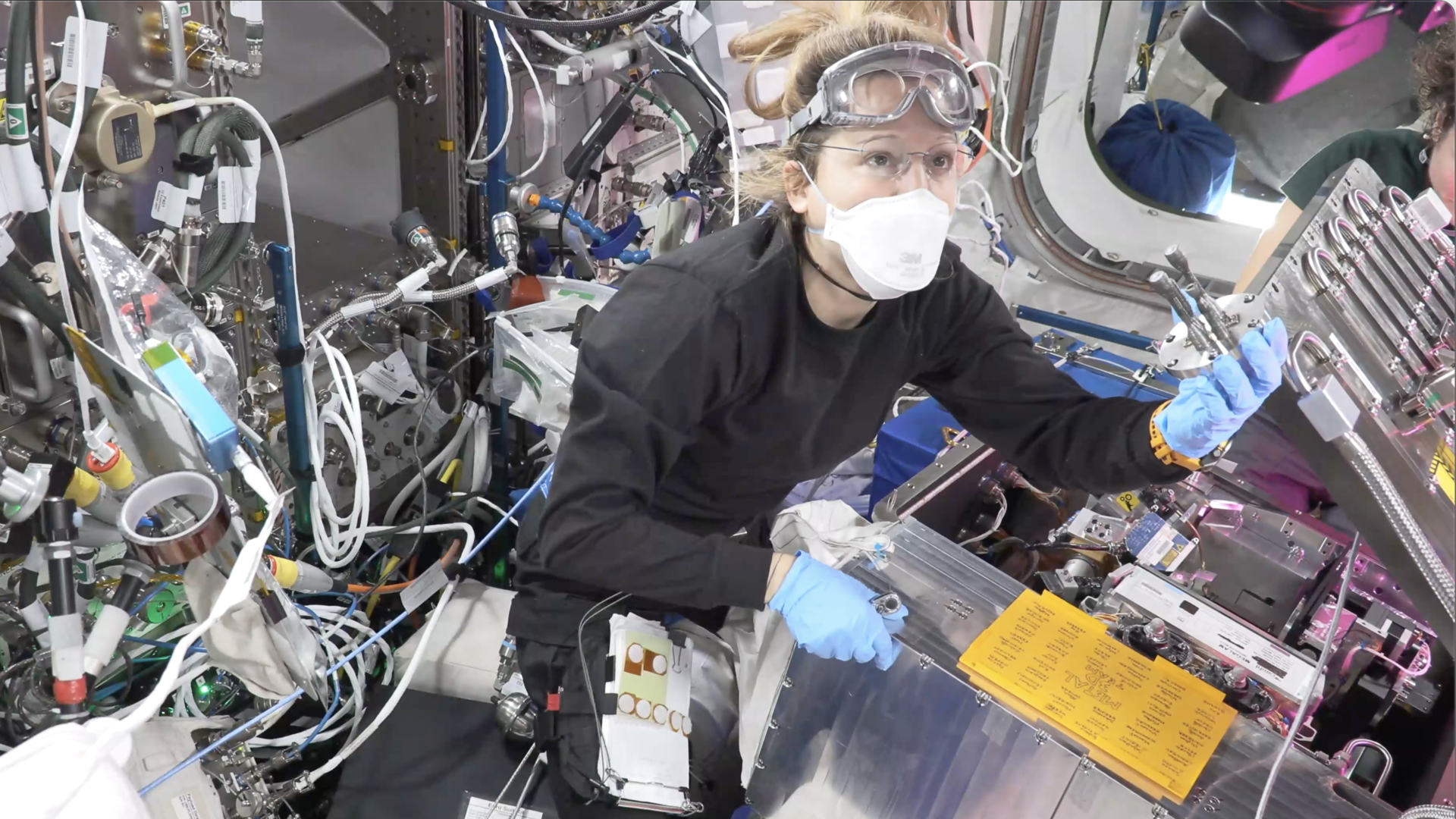
    ESA astronaut Sophie Adenot showing the fifth printed sample to the ground teams during the activity. ESA/NASA

    In 2024, the first metal 3D printer in orbit, ESA’s Metal 3D Printer Technology Demonstrator, was launched to the International Space Station. Now, the fifth sample has been produced on that printer, and retrieved during the Epsilon mission by ESA astronaut Sophie Adenot. On long missions, it’s impractical to carry large amounts of spare parts, and resupply is not always possible, so that’s why onboard 3D printing could be useful here. By working with the Demonstrator, astronauts gain important experience, and better understand the potential of metal 3D printing in space. Each print that’s completed on the ISS focuses on a different aspect of the technology’s performance and capability, and three metal 3D printed samples have already been sent back to Earth to be analyzed at ESTEC and the Technical University of Denmark. Those results will be published soon. As for the fifth sample, it was sent back to Earth on board the CRS SpX-34 spacecraft and will also be tested.

    “3D printers are far from being simple gadgets and I’m delighted to have worked on this European technology demonstration for the future of human spaceflight,” said Adenot. “Congratulations to everyone involved and thank you to the CADMOS User Support Centre teams who guided me throughout the process!”

    Ancient Board Game Brought Back to Life with 3D Scanning and Printing

    The 3D printed board based on scans of the original game board discovered at Vindolanda. Image: Newcastle University

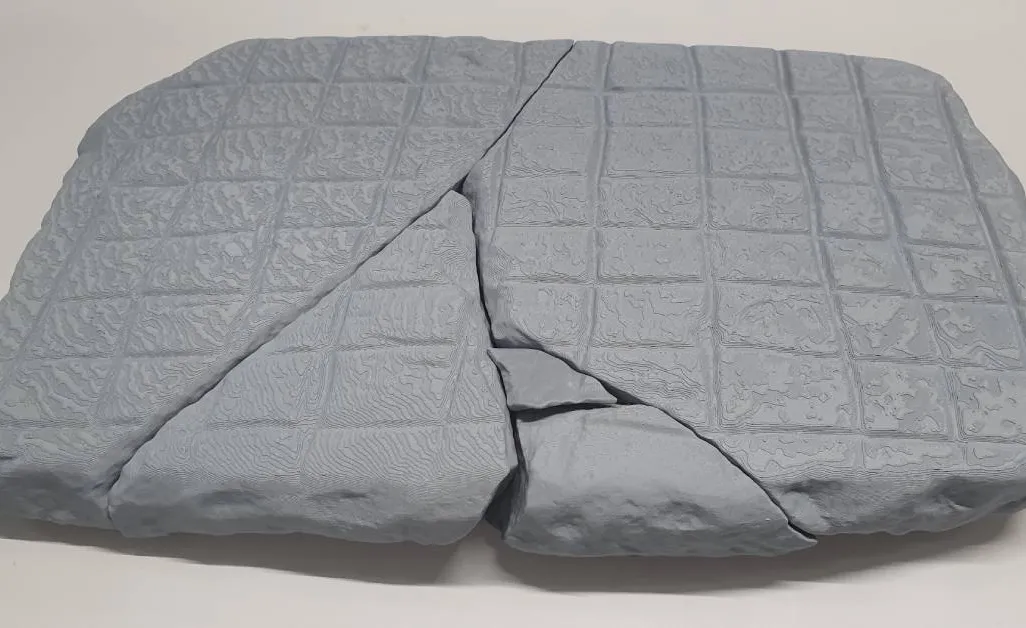
    In 2019, a stone board was excavated at an archaeological site in England called Vindolanda, a Roman frontier fort and town that was occupied between about 85 C.E. and 200 C.E. It was split into five pieces, and while it was later used as a flagstone, the artifact was originally a popular board game called Ludus Latrunculorum. It was found outside the fort, which suggests that women and children played it too, and not just the soldiers. If you’re interested in playing the strategy game, you just need to visit the Roman Army Museum! Researchers at Newcastle University used a handheld Artec 3D Spider to scan each piece and create a virtual 3D model, before 3D printing a playable replica of the game out of PLA.

    “It was amazing to be involved in the actual scanning process and to see something so complex and historical be realistically recreated. It will be very beneficial for the Vindolanda Trust to have a replica Roman game board and 3D interactive model, both whilst the original Roman board is on loan and to create a more engaging, tactile experience for the visitor,” said Sophie Westlake, the activity and diversity officer of the Vindolanda Trust.

    There’s not an existing set of rules for Ludus Latrunculorum, but historical descriptions make researchers believe that it’s similar to checkers, with two players attempting to capture their opponents’ pieces by trapping them in between their own pieces.