• Sandvik Leaves 3D Printing: Analysis

    Global materials company Sandvik has left the 3D printing market. Sandvik started engaging with the 3D printing market in the mid-2010´s. It bet big on a partnership with Italian service bureau BeamIt. The company qualified materials with the service, created joint ventures around it, worked to make parts in aerospace and ultimately the partnership soured. Sandvik bought a lot of BeamIT in 2019. The duo then acquired finishing solution Proxera and others. The company also worked with Renishaw and made mining parts, partnered with companies ot make bike parts, partnered with Immensa, made nuclear parts and more. In 2023, I loved Sandvik´s approach to the market and strategy. Later, there were differences over valuation, and the course to follow, which led to drift and a break with Beamit. Changes in the executive team also dispersed 3D printing knowledge, caused a move away from its initial approach, and led to hesitation. When it sold its Beamit stake in 2024 we wrote that initially the firm, believed that the,

    ¨logic appeared to be that the company would acquire businesses that could leverage its core expertise in metals and hard-wearing materials to produce higher-value finished items. An ore firm was going to make defense parts using additive manufacturing and, in doing so, generate more profit through a vertically integrated business model.¨
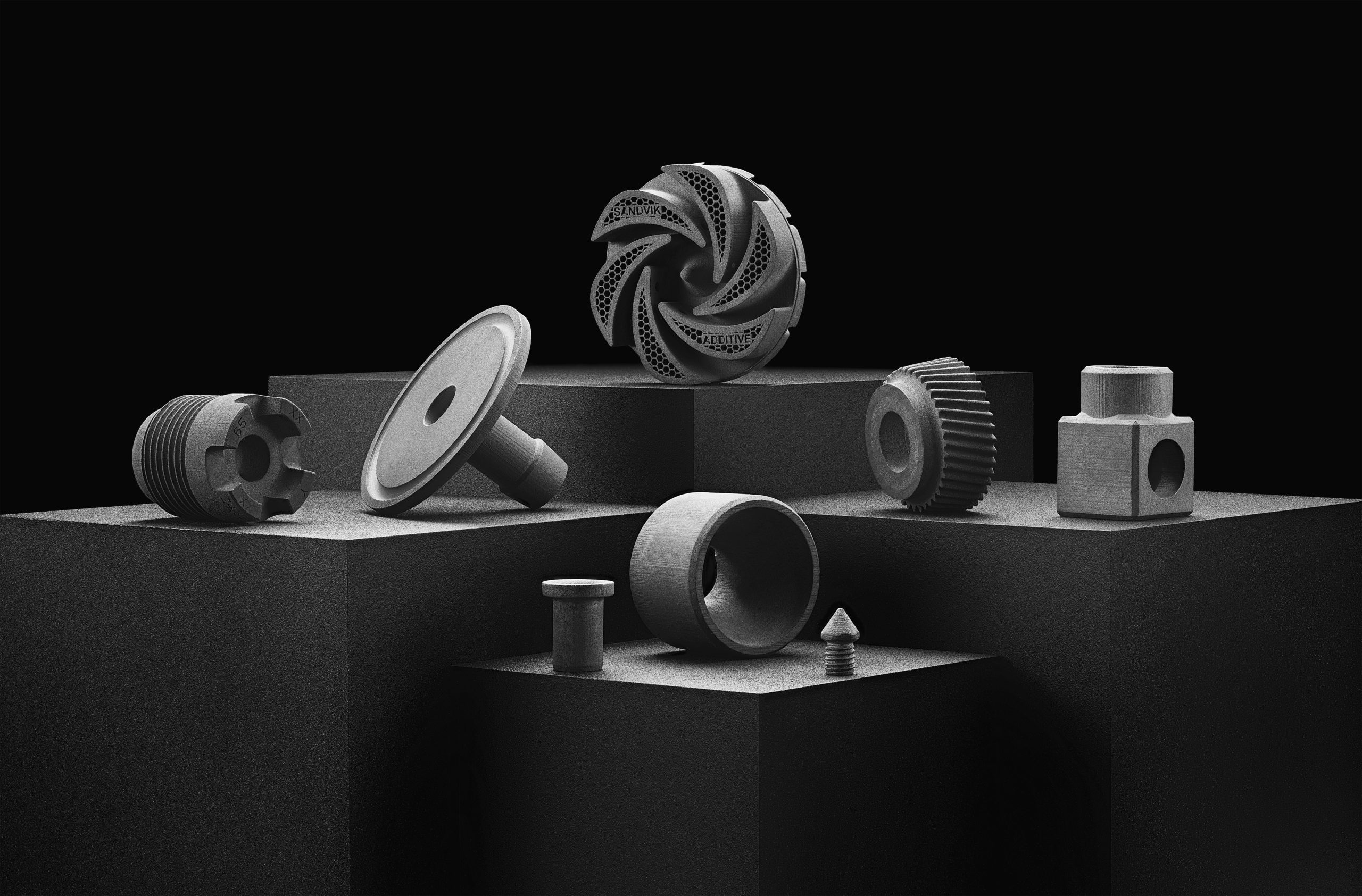
    The tiff with Beamit led us to speculate that they would focus on partners and partnerships with Amexci or other services. Another alternative would be to specialize in hard-wearing materials or specifically things like mining. The firm didn´t do that, however. Instead, it kind of threw in the towel. The firm has now sold its stake to Mimir, a Swedish investment firm. That firm specializes in carve-outs.

    Sandvik CEO Stefan Widing said,

    “This divestment is intended to better position the Additive Manufacturing business for its next growth phase, and we believe the new owner will provide the platform and dedicated focus needed to further develop the business towards its full potential,”

    Mimir on the other hand speaks of acquiring ¨Osprey, Sandvik’s metal powder business, through a carve-out¨ The company likes the ¨2,000 alloy variants and more than 400 distinct alloys¨ in 3D printing, cold spray, MIM.
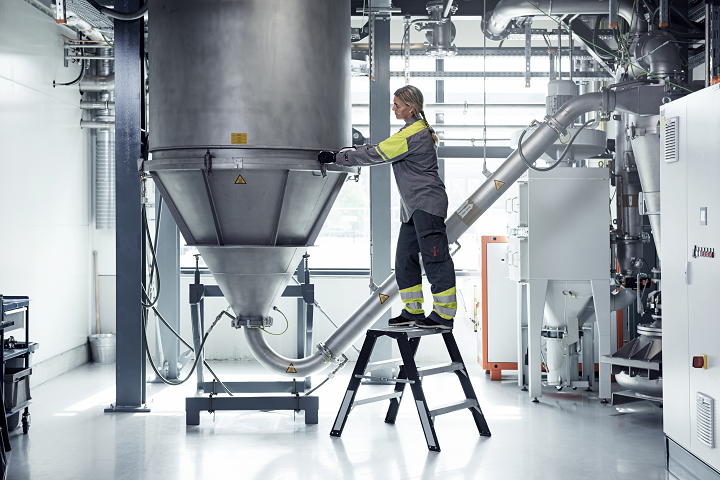
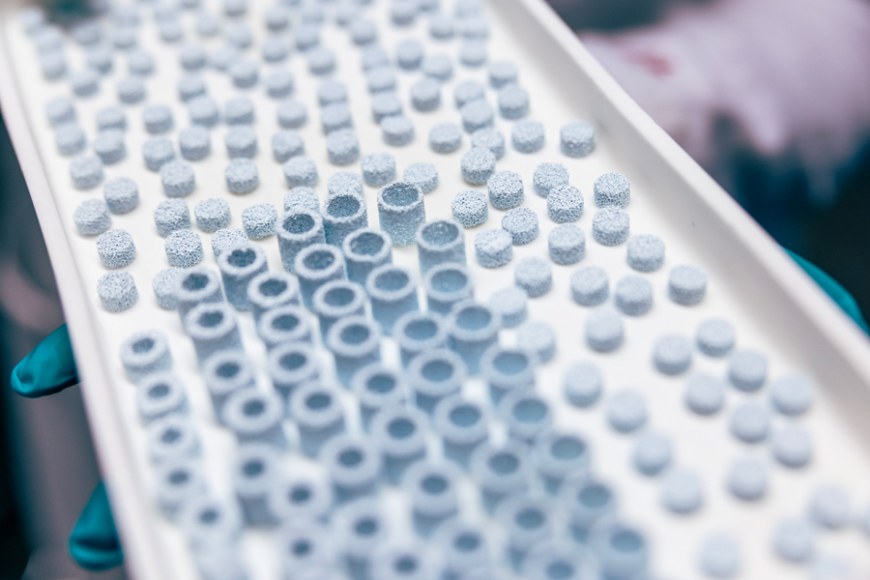
    Sandvik metal powder plant. Image courtesy of Sandvik.

    Mimir Managing Partner Joakim Notö said,

    ”Osprey is precisely the kind of company we look for. It combines deep materials science, a world-class alloy library and decades-long customer relationships in markets with strong underlying growth. That combination creates barriers to entry that are very hard to build and even harder to copy — and that is where we see the potential to accelerate value creation,”

    MonteCap founder Mats Gunnarsson, will be the new chairman of the board. He said that,

    ”Osprey has an unusually strong foundation to build on. As an independent company, the business can direct its full focus towards customers, technology development and the segments where growth is strongest. I look forward to working with management and Mimir to step up the company’s next phase,”

    The company says that,

    ¨Osprey intends to intensify its investment in product development, new alloys and international market expansion — with particular focus on additive manufacturing and other advanced manufacturing processes where demand is growing fastest.¨

    Always a good idea to grow where demand is growing the fastest. It would be interesting to know if this was offered to Tekna or Hoganas at all. There could be a real move by someone to grab some powder companies and loose assets in order to do a roll-up of powder. This could be especially good for defense and medical. Mimir is a long-term hold PE player. The company, with its carve-out focus, seems to be a very logical partner.

    Is this a good thing for Sandvik?
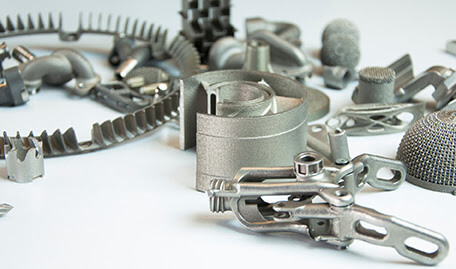
    (Image courtesy of Sandvik)

    It’s a good thing to always be diligent and to commit. Its also a good thing to realize that something no longer fits your future. For Sandvik Additive looked nice. But, I think much like many other firms it expected more revenue sooner. I maintain that a company that has an end-to-end ability to mine, make equipment, make powder, 3D print, and finish parts could be a very valuable play indeed. With the use of cutting-edge alloys, they could really dominate applications such as implants and defense components. I think that the initial strategy was good and would have paid off for a more patient company. A Sandvik to Liebherr kind of play would have really been interesting. But if this is simply too small to move the needle for Sandvik, it makes sense for them to walk away. I´m sure many of you expected this. After Beamit was left to flounder and 3T was sold to SBO the signs already pointed to an exit.

    Is this good for Mimir?

    Mimir certainly looks like smart money with specialized high-value firms in things like payment systems, recycling systems, military opto electronics, high-end pipes, high-end technical insulation, and more. The company seems to do very logical things. Take a specialized unwanted stepsister that is a potential world leader in a market that believes in quality and can pay for it, lavish them with more attention, and wait for specific long-term defensible growth. There’s nothing fanciful or crazy there, and the firms´ choices so far look very future-proof and sensible. It’s as if someone is trying to create a PE-owned construction kit for a new Nordic civilization where excess heat turns into design furniture and daycare.

    Mimir could find itself outflanked by the Cambridge process in terms of energy efficiency. Also, recycling solutions from 6K, Continuum, Metal Powder Works and others could be a cheaper path to powder. It will be weird for the Swedes to be on the back foot in energy use and recycling versus the Americans. Lower-energy paths to powders could pose a threat. There are also a lot of Chinese firms trying to get into Additive its only a matter of time before one of them gets it right. Beijing-based Avimetal should be able to get simply stupid amounts of money to become a leader in powder, EIGAS, and overall processing. We know that advanced alloys and Additive are key to China´s next five-year plan, and Avimetal could be well placed to soak up cash.

    Is this good for the market?

    It definitely doesn´t feel great. I remember walking through Formnext a few years ago and thinking ¨everyone is here¨ while looking at GE; Trumpf, BASF, Henkel, Evonik, DSM, Bosch, and more. We´re no longer the darlings. It sucks that Sandvik didn´t stick it out and make more per kilo than they did. And it sucks that they didn´t expand on cladding and Additive for mining gear and beyond. It kind of feels like being the last guy in the club to be still wearing bell-bottoms sometimes. But our industry is growing. We´re becoming an essential technology in implants, rocket engines, missiles, and drones while becoming common in prosthetics, jewelry, and dental. With new application-focused companies, we´re set to capture much more of the value of what we´re doing as well. I like a beach with hardy surfers a lot more than one strewn with tourists anyway. I´ll miss the snacks, but let’s get down to brass tacks.

    What Should Osprey do?

    To me the powder is not the product. It’s a trust. So if Mimr shores this up and shores up belief in Osprey, they will do well. But, a lot of services and end users have been burned by erratic behavior by Carpenter and others of late. So they will need to see commitment.  It also needs to be best in class with powder availability, packaging, tracking, powder management, and portfolio. There are opportunities here and there to take the battle to all the major competitors. Osprey will need to very quickly decide whether to enter the US market in force by manufacturing there. Does the company want to win in the Additive powder market? Then it will need to set up production there as well. If it doesn´t do it there, then it will miss out on the US defense market. At the same time Osprey could still make itself a partner for European defense and medical firms. Beyond this the firm has to decide if it wants to compete in lower cost powder and outside the main industrialized firms.

    There is no trusted low-cost powder provider; this is an opportunity. There is also an opoprtuntiy in acquiring firms such as Tanobis and becoming a leader in emerging specialty and high value powders. The bigger opportunity is to be so much more than powder. As outlined in the Goldilocks Flywheel articke, powder, computational advances, AI, making alloys on the 3D printer and new powder processes have made it much cheaper to make specific alloys for specific purposes. If Osprey focuses on working with the likes of Thermo Calc and develops a faster alloy discovery engine, then it could develop the materials families of the future. Having your own alloy systems dominate rocket engines, turbomechinery, or trabecular bone implants will be enough to cement a reign in high-margin, growing, valuable markets. That’s where I´d be flying to if I were an Osprey.
  • Creality Marks 12 Years with KliTek and AI-Powered Ecosystem Expansion

    For 12 years, Creality has advanced accessible 3D printing technologies, enabling global users to turn ideas into tangible creations. What began as a desktop 3D printer manufacturer has evolved into a global consumer 3D creation ecosystem spanning printers, scanners, laser devices, materials, software platforms, and creator communities across approximately 140 countries and regions.

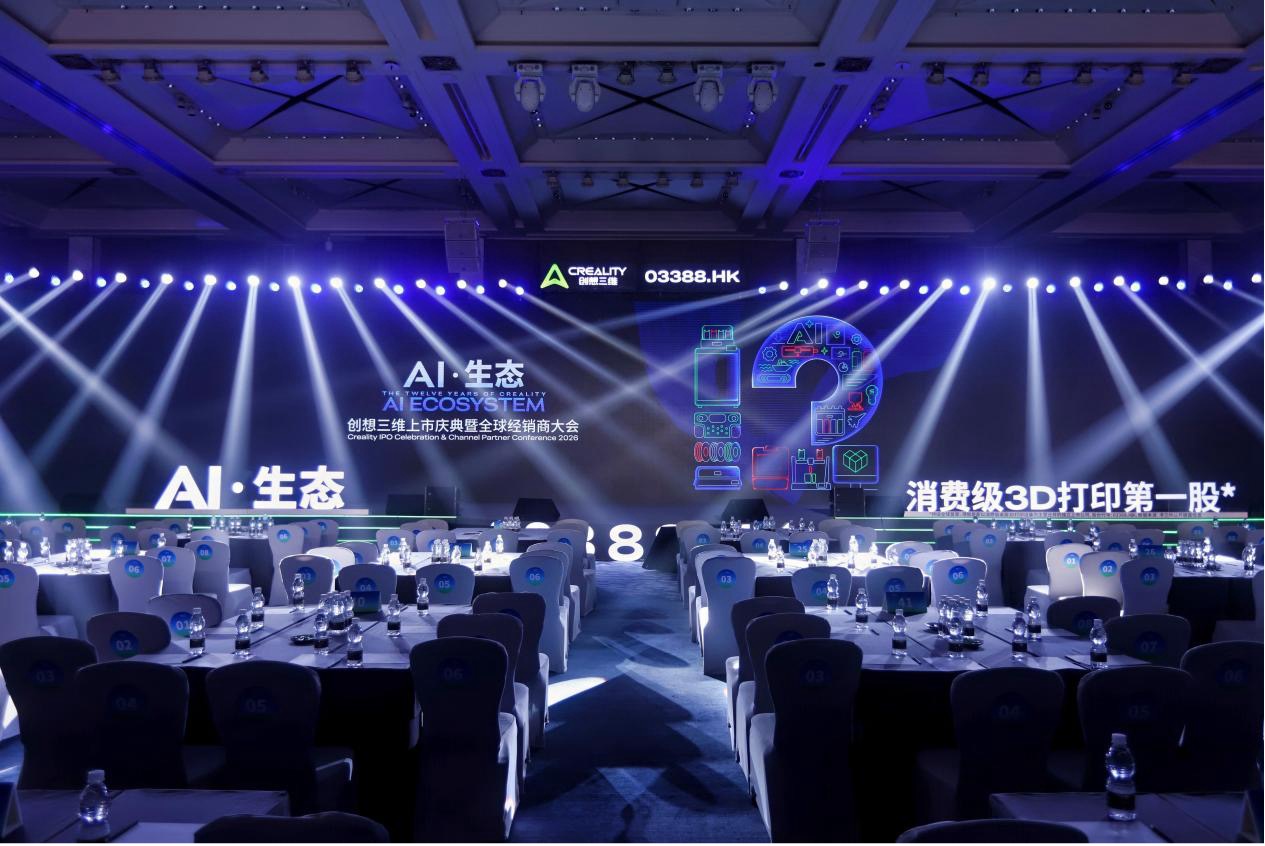
    As the company celebrates its 12th anniversary under the theme “The Twelve Years of Creality: AI Ecosystem,” it continues its growth strategy focused on ecosystem expansion, AI integration, and investment in next-generation digital manufacturing technologies. The anniversary comes shortly after Creality’s listing in Hong Kong, which the company views as a new stage in its global expansion.

    A 12-Year Evolution from Hardware to Ecosystem

    Over the past decade, Creality has expanded from a single-product manufacturer into a multi-category platform company in the consumer 3D space.

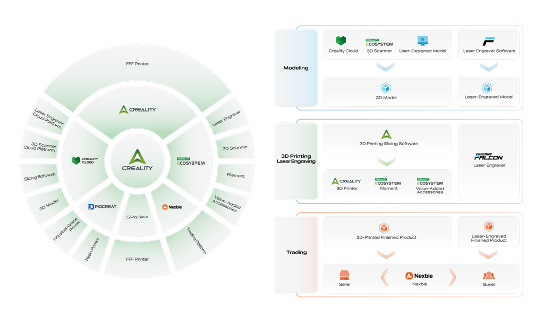
    Today, its ecosystem spans hardware, software, cloud platforms, materials, and creator communities across design, production, and sharing workflows. This structure is anchored by Creality Cloud, the company’s global creator platform, and supported by a growing network of makers, educators, and design communities.

    AI is also becoming an increasingly important part of the user experience across modeling, printing, and production workflows, helping improve accessibility, automation, and creative efficiency for mainstream users.

    Product Innovation: KliTek™ Expands Multi-Material and Flexible Manufacturing Capabilities
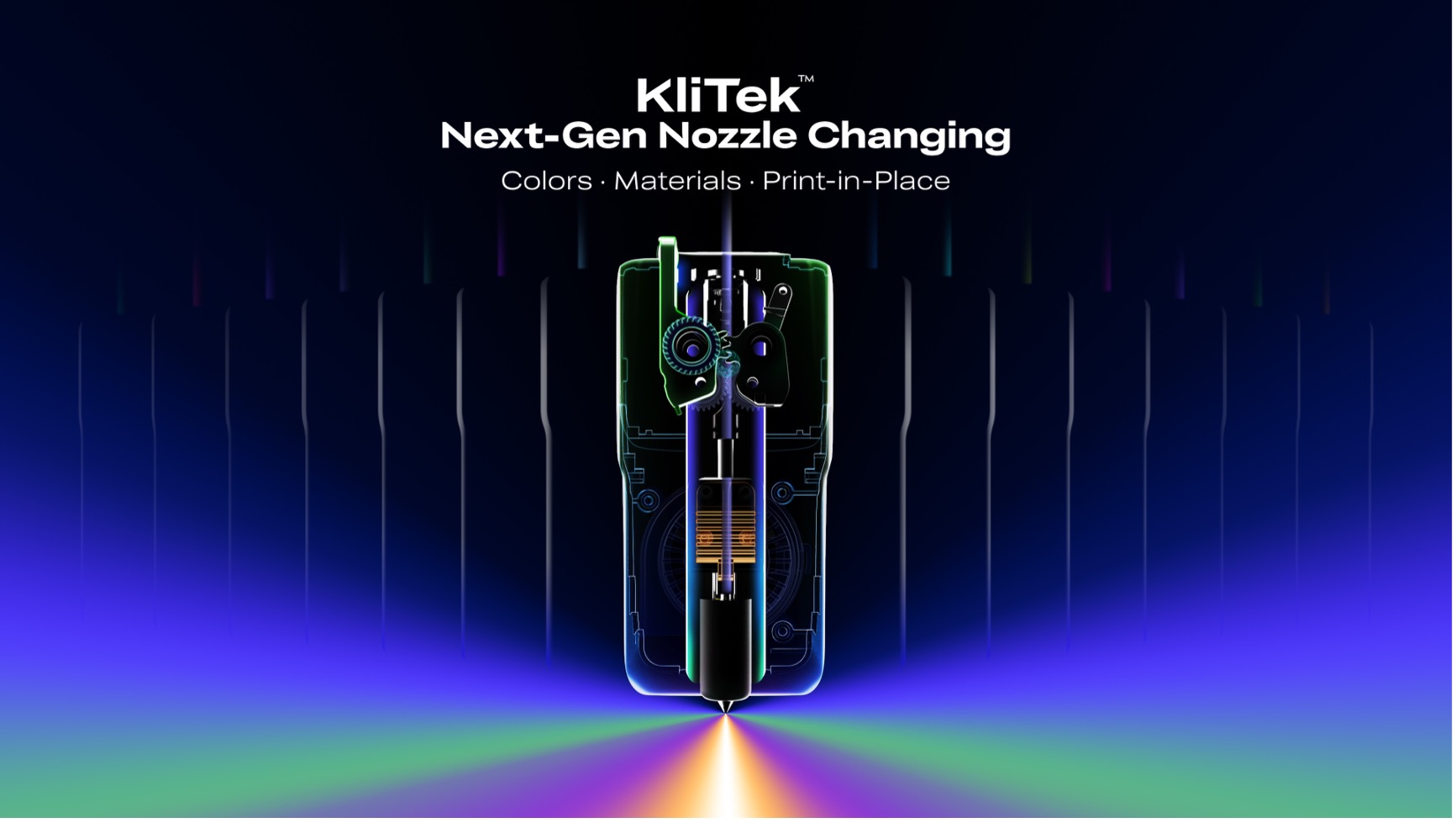
    Creality introduces KliTek™ technology, a next-generation nozzle-changing solution designed to overcome key limitations in traditional multi-material 3D printing, including slow filament switching, material waste, color bleeding, and complex maintenance requirements. By combining a lightweight nozzle-changing architecture with independent material pathways, KliTek™ enables faster and more efficient multi-color and multi-material printing while simplifying system maintenance.

    The platform also expands the possibilities of flexible material manufacturing. Supported by technologies including RFID filament recognition and the S-Drive™ dual-power feeding system, KliTek™ unlocks advanced TPU printing capabilities, supporting multi-color and multi-hardness TPU applications within a single print process while expanding the range of consumer-grade flexible manufacturing applications.

    Creality also announced major releases and upgrades, including:

    • Creality Cloud AI Ecosystem Upgrade: A major platform upgrade introducing AI-assisted modeling, intelligent slicing optimization, automated parameter recommendations, and print-risk detection features designed to simplify the workflow from creation to production.
    • Falcon T1: An advanced multi-function laser platform designed to support creative production across engraving, cutting, and precision fabrication workflows.
    • Pika AI Scanner and Sermoon P1 Scanner: Next-generation scanning solutions combining portable design, intelligent imaging, and high-precision digital capture capabilities for creators and professional users.
    • M1 and R1 Filament Recycling System: A material recycling and regeneration platform that enables users to recycle waste materials and produce customized filament, supporting a more sustainable manufacturing workflow.

    From Products to a Full AI-driven Ecosystem

    Creality also continues to expand its software and AI ecosystem through Creality Cloud, its integrated creation platform.

    New AI capabilities streamline the end-to-end workflow from model generation to print execution, including AI-assisted modeling, intelligent slicing optimization, automated parameter suggestions, and print-risk detection. These capabilities are designed to reduce technical barriers and enable more users to participate in 3D creation without advanced engineering expertise. Beyond printing, the ecosystem now spans scanning, laser engraving, materials, and workflow tools, supporting a broader creation experience for users and creators.

    Entering a New Growth Phase Following Public Listing

    Following its successful listing in Hong Kong, Creality enters a new phase of global expansion and ecosystem development. Rather than an endpoint, the listing represents a new starting point in Creality’s global growth strategy, supporting deeper engagement with creators worldwide and continued expansion across the global consumer 3D creation market.

    Images courtesy of Creality

  • 3D Printing News Briefs, May 30, 2026: RIMPAC 2026, Acquisition, Ceramic Implants, & More

    We’re kicking things off with materials news in this weekend’s 3D Printing News Briefs. Then it’s on to a hybrid manufacturing system for a maritime exercise, an expansion of industrial metal 3D printing, and an interesting acquisition in Dubai. We’ll end with 3D printed ceramic implants that mimic bone.

    Neuenhauser Maschinenfabrik is an Official Processor of LUVOCOM 3F 

    Machine parts printed with LUVOCOM 3F

    Neuenhauser Maschinenfabrik delivers solutions in mechanical and plant engineering, and specifically uses additive manufacturing (AM) to expand and optimize industrial production processes. The company is now expanding its AM activities by becoming an official processor of the LEHVOSS Group’s LUVOCOM® 3F focus materials for industrial FFF 3D printing. Neuenhauser Maschinenfabrik has operated a dedicated 3D printing infrastructure for several years, and the LUCOVOM 3F focus materials have now been qualified in its modernized print farm. There are three focus materials for technical applications in series production, designed for process stability and reproducible quality: a high-strength, carbon fiber-reinforced PET with temperature resistance and low moisture uptake; an unreinforced polyamide with excellent surface quality, high toughness, and warp-free printing; and a carbon fiber-reinforced PPS meant for metal replacement, with chemical and flammability resistance and high stiffness and strength. This collaboration allows the company to offer in-house applications and services for customers based on these qualified, high-performance materials.

    “Our goal is to establish additive manufacturing as a reliable production tool in mechanical engineering,” said Mathis Kleinert, Head of Additive Manufacturing at Neuenhauser Maschinenbau GmbH. “The LUVOCOM® 3F focus materials offer a very good combination of industrially relevant properties and stable, reproducible printability.”

    Snowbird Technologies Participating in RIMPAC with Meltio’s Technology

    Snowbird Technologies will be one of the participants at the 30th iteration of the Rim of the Pacific Exercise 2026 (RIMPAC), a biennial maritime exercise that will be held in and around the Hawaiian Islands from June 24-July 31. Forces from 31 different nations will participate, and the exercise will include roughly 140 aircraft, 40 surface ships, five submarines, and over 25,000 personnel. Snowbird Technologies will be part of the distributed advanced manufacturing experiment by Naval Postgraduate School Consortium for Advanced Manufacturing Research and Education (CAMRE) at RIMPAC 2026, thanks to NPS CAMRE’s Partnership Intermediary Agreement with FLEETWERX. Just like at RIMPAC 2024, Snowbird Technologies will showcase its modular SAMM Tech, or Snowbird Additive Mobile Manufacturing Technology, a hybrid system that integrates plastic AM, CNC subtractive capabilities, and metal AM from Meltio into one compact, containerized unit. At the last RIMPAC, SAMM Tech produced and machined a replacement bushing for a ship’s reverse osmosis generator in less than 48 hours.

    “SAMM Tech’s containerized, all-in-one design enables seamless transition from maritime to onshore operations. We’re proud to support the 30th iteration of RIMPAC and look forward to validating our capabilities in new environments to better serve the warfighter at the tactical edge,” said Karl Wojtkun, Vice President of Business Development at Snowbird Technologies.

    RIMPAC 2026 is hosted by the Commander of the U.S. Pacific Fleet and led by the Commander of the U.S. 3rd Fleet.

    Unionfab Expands Industrial Metal AM Services in U.S., Canada, & Germany

    Unionfab reduces low-volume metal parts production from 30 days to as fast as 5 days with six-laser metal printing systems.

    Digital manufacturing platform Unionfab, which is affiliated with 3D printing equipment manufacturer UnionTech, provides end-to-end manufacturing services to hardware developers, integrating CNC machining, injection molding, sheet metal, rapid casting, and 3D printing in its facility. Now, as demand grows for a technology that can offer complex geometries, lightweight structures, and faster iteration, the platform is further expanding its industrial metal AM services for customers in the U.S., Canada, and Germany. Unionfab has deployed over 100 industrial metal 3D printing systems, including both 4- and 6-laser SLMS machines now in scaled production. The company says multi-laser platforms can increase print efficiency by up to 40%, and decrease manufacturing costs by about 30%. With these systems, and an AI-driven manufacturing platform, Unionfab says it’s able to reduce the time for selected low-volume parts production from over 30 days to just five.

    “Over the past few years, China’s metal 3D printing industry has undergone rapid technological iteration and industrial maturation,” said Unionfab CEO Allen Yang. “Continuous innovation among equipment manufacturers, material supply chains and manufacturing service providers is driving rapid improvements in printing efficiency, process stability and overall manufacturing costs. We believe now is an important time for global manufacturers to reassess how they develop and produce complex metal parts.”

    Mint Group Announces Acquisition of 3D Printing Service Bureau Generation 3D

    Image courtesy of Mint Group

    Fabrication and fit-out company Mint Group announced that it has acquired fellow Dubai-based company Generation 3D, a 3D printing service bureau. Mint Group, officially Mint Creative Production, specializes in architectural theming and 3D printing, with a portfolio that includes projects in the cultural, entertainment, and retail sectors of the Middle East. By acquiring Generation 3D, Mint Group plans to start building out an integrated production platform for the Middle East’s theming industry, which is an intentional step in its strategy to consolidate production capabilities. It’s also reflective of a wider change in what customers expect from regional production partners, and reminds us that the value of AM in project-based sectors, like entertainment, and even more specifically, theme parks, is continuing to be evaluated for use in end-to-end production.

    “This is not just about 3D printing. It’s about how we rethink production. Historically, fabrication, fit-out, and advanced production have operated in parallel. What we are building now is a model where these components are fully integrated, from design intent through to final delivery,” said Amin Rashmani, the CEO of Mint Group.

    “The expectation today is not just quality. It is consistency, speed, and control at scale. By integrating Generation 3D into Mint’s ecosystem, alongside scenic production and fit-out through Code A, we are moving toward a more structured, coordinated, and predictable delivery model. The shift is clear: from fragmented execution to a unified platform. That is where the real value lies.”

    Researchers 3D Printing Ceramic Implants that Mimic Real Bone

    3D-printed scaffolds that mimic the chemical composition and architecture of natural bone tissue. Photo: Jonne Renvall, Tampere University

    According to researchers at Tampere University, bone grafting is the second most common tissue transplantation procedure in the world. Typically, these treatments use bone taken from a donor or the patient themself, but this often involves extra surgeries, long recovery times, and a high risk of complication. The Tampere team wanted a safer, more effective alternative, and developed 3D printed ceramic implant material that mimics actual human bone. Using 3D printing and hydroxyapatite—the same compound that forms the mineral structure of real bone—the team created bone-like scaffolds, which support the human body’s capacity for tissue regeneration. 3D printing enabled precise control of the scaffolds’ internal architecture, and the researchers determined that implants with internal pores of about 400 micrometers and 45% porosity were an “optimal bone-like structure.” This novel technology is the end result of the AffordBoneS project funded by the Horizon Europe Marie Skłodowska‑Curie Postdoctoral Fellowship program, while the ongoing GlassBoneS project hopes to further this work.

    “By using the same material that nature uses and shaping it through ceramic 3D printing, the implants can be precisely tailored to match a patient’s individual bone defect, without relying on drugs or growth factors that may cause side effects,” explained Antonia Ressler, Postdoctoral Research Fellow at the Tampere Institute for Advanced Study, who led the research.

  • The Hidden Cost of Lost Engineering Intent

    Recent reporting on the UPS MD-11 engine separation on Flight 2976 has understandably focused on the immediate question: what happened?

    The investigation will determine that, as it should. Serious engineering incidents deserve facts, not speculation. But stories like this tend to provoke a broader reflection inside engineering organisations. Because experienced engineers know something the headlines rarely capture: failures rarely begin where the failure becomes visible. The public sees a moment. Engineering sees a timeline.

    What eventually becomes a visible problem is often the accumulated result of hundreds of smaller decisions, assumptions, compromises, operational realities, and signals – each individually understandable, sometimes reasonable, but collectively significant. A maintenance observation that felt manageable at the time. A trade-off accepted under pressure. A known limitation that quietly became normal.

    Engineering people understand this instinctively. The story is rarely that one thing failed – the story is usually that many things happened.

    This raises a question that Andre Wegner, CEO of Authentise, and Thomas Rees, Innovation Lead at ToffeeX, believe engineering organisations are not paying enough attention to: How much engineering reasoning actually survives inside engineering systems?

    For all the investment made in digital engineering, modern organisations remain extraordinarily good at preserving outputs and surprisingly inconsistent at preserving intent. Requirements are documented, CAD models are version-controlled, Simulations are stored, compliance frameworks exist, and change requests, maintenance records, and validation reports all provide evidence that work happened.

    But the reasoning behind decisions often lives elsewhere.

    Why was one design path rejected? Why did an experienced engineer decide the technically elegant solution was not worth the manufacturing risk? Why did a programme choose the option that looked worse on paper but carried lower certification uncertainty?

    Those decisions frequently live in design reviews, supplier conversations, Teams chats, whiteboards, meeting discussions, and institutional memory. Then institutional memory retires.

    “We built systems to record engineering outputs,” says Wegner. “What we didn’t really build were systems that preserve engineering thinking – the rationale, assumptions, and trade-offs that explain why something happened in the first place.”

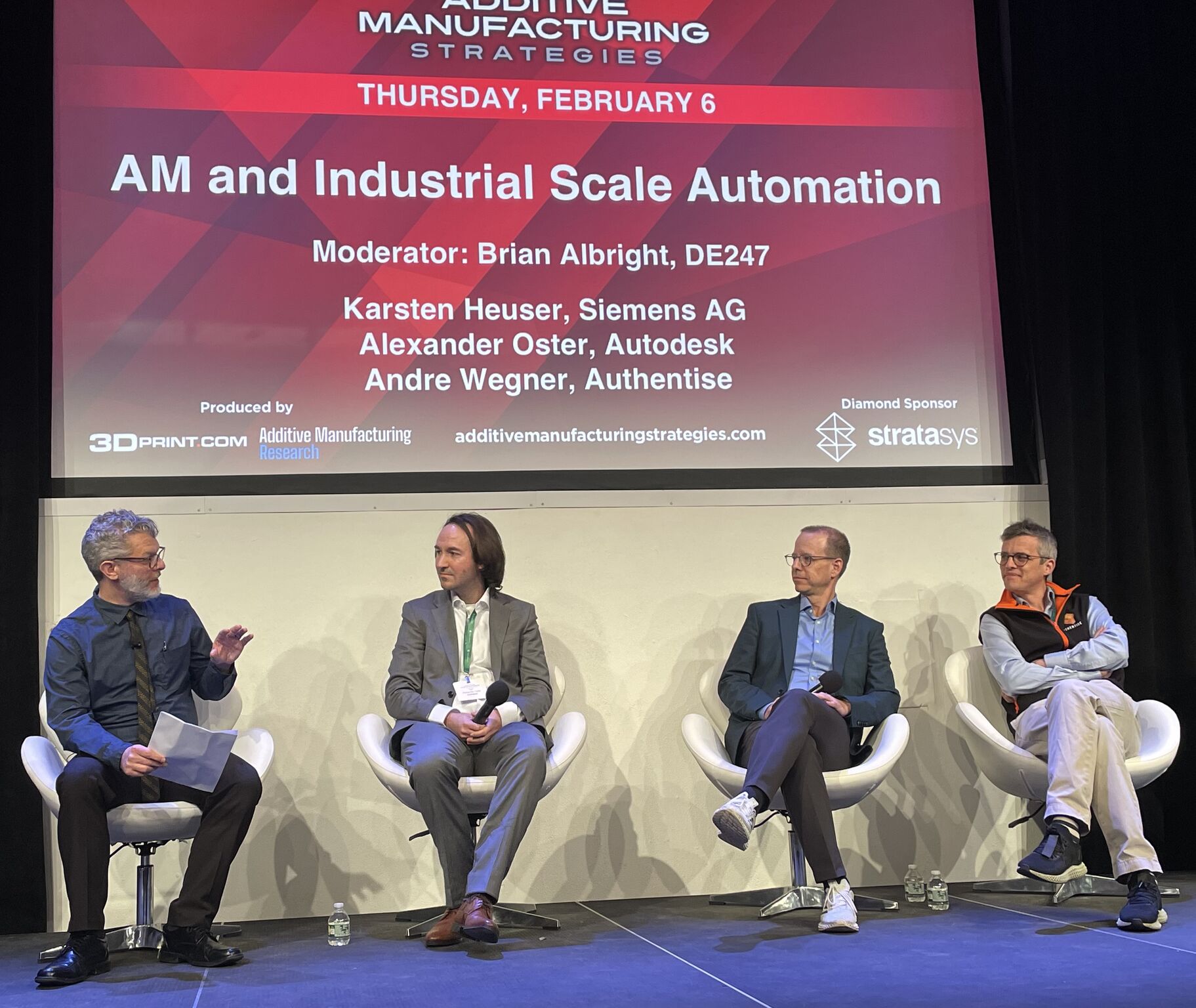
    AMS 2025 Panel moderated by Brian Albright, with Karsten Heuser, Alexander Oster, and Andre Wegner. Image courtesy of 3DPrint.com

    At RAPID this year, Wegner and Rees explored what they believe is becoming an increasingly overlooked bottleneck in digital engineering: lost engineering intent.

    As discussed during the session, “several of the most important design decisions in an engineering project are never written down.” For a long time, engineering organizations more or less got away with this. Teams sat together, senior engineers carried institutional memory, and expertise was transferred informally. If a decision had been made five years earlier, there was usually somebody nearby who still remembered why. It was messy, occasionally chaotic, but surprisingly effective.

    The problem is that engineering has changed: Products have become more complex, and supply chains often stretch across companies and continents. Certification requirements have multiplied, and teams have become distributed. Specialist expertise has deepened to the point where no individual could realistically hold the full picture anymore.

    At the same time, many organisations began losing decades of tacit experience through retirement and workforce mobility. The old system of “smart people remembering things” stopped scaling, and now another shift is underway.

    From recording to building

    Historically, missing context mostly slowed organisations down. Teams repeated mistakes, revisited old decisions, and occasionally rediscovered lessons they had already learned. It was expensive and frustrating, especially as new manufacturing capabilities could not be adopted due to a lack of knowledge or historical context.

    AI changes the stakes because optimisation systems, generative engineering tools and autonomous agents increasingly depend on the context they are given. But engineering intent rarely arrives in neat, structured form.

    Rees sees this problem clearly in optimisation workflows: “The solver only sees what it is given,” he says. “It sees constraints, objectives, and parameters. But engineers are usually thinking about much messier realities – manufacturability, operational trade-offs, certification risk, supplier capability, lessons learned.”

    At RAPID, Rees described the challenge succinctly: “The gap between what the solver receives and what the engineer intends is where design intent gets lost.”

    This matters because engineering has never really been an optimisation problem alone: It is a judgment problem. A trade-off problem. The technically optimal answer is often not the organisationally optimal answer. Or the certifiable answer. Or the manufacturable answer. Or the answer that avoids repeating an expensive lesson from three programmes ago.

    “People talk about AI optimising engineering,” says Wegner. “But optimise for what? If context disappears, you risk becoming very efficient at solving the wrong problem.”

    That, both argue, is why engineering intent matters more now than it did ten years ago. The challenge is not simply documenting more; if anything, most engineering organisations are already drowning in documentation. The real shift may be in rethinking when engineering knowledge gets captured.

    Historically, organisations documented periodically. Something happened, teams discussed it, and eventually someone updated the formal system – usually after information had already been compressed, simplified, or quietly forgotten.

    Wegner and Rees argue that the future looks closer to continuous intent capture: preserving rationale while decisions happen, across reviews, conversations, simulations, and workflows rather than trying to reconstruct them later. As discussed during RAPID, the shift may be from something periodic, manual, and inherently lossy toward something continuous and structured.

    Neither sees this as replacing engineers. Quite the opposite, in fact. The goal, says Wegner, is simple: “Engineering expertise isn’t disappearing. But the reasoning behind good engineering disappears faster than most organisations realise.”

    Wegner and Rees explored these ideas together at RAPID and will continue the conversation next week in a webinar titled “The Hidden Cost of Lost Engineering Intent: How engineering decisions disappear — and what AI can do about it.”

    The Hidden Cost of Lost Engineering Intent

    Join Us on June 4 at 4 PM BST / 11 AM EST

    Click Here to Register

  • Creality 3D Successfully Listed in Hong Kong: Debuts as the First 3D Printing Company on HKEX

    Creality 3D (HKEX: 3388) was officially listed today on the Main Board of The Stock Exchange of Hong Kong Limited, becoming the first consumer 3D printing company to debut on the Hong Kong market.

    Creality issued 73,427,550 H-shares, raising net proceeds of approximately HK$1.272 billion. The offering was 3,829 times oversubscribed, with shares opening at HK$33.88 on the first day of trading, up approximately 80% from its IPO price.

    The IPO attracted strong interest from top-tier investors across financial institutions, SOE-backed capital, private equity, hedge funds, and industrial capital. In financial and insurance capital, Taikang Life Insurance Co., Ltd. participated. Central state-owned enterprise (SOE)-backed capital was represented by CITIC Xingye International, a subsidiary of CITIC Group. Top-tier private equity funds include CPE (Yuanfeng Capital), Martis Fund (Tianyi Capital) and the Guangdong–Hong Kong–Macao Greater Bay Area Fund. World-leading hedge fund Jump Trading and veteran Hong Kong hedge fund Polymer also strongly joined the round. In addition, Creality brought in industrial capital, including Colloway (Jiuyang Venture Capital). The convergence of such diverse capital fully underscores strong market recognition of Creality’s core strengths, growth prospects, and long-term value.

    “As an evangelist for the 3D printing industry, we have built a network of more than 2,400 distributors that brings our products to over 140 countries and regions, enabling millions of creators to turn imagination into reality through our platform,” said ChenChun, Chairman of Creality. Today’s Hong Kong listing marks a new starting point for Creality. We will continue to invest in innovation, drive deep integration of AI and 3D printing, deepen our global presence, and serve our users with even better products.”

    A leader across the full 3D creative scenario

    Founded in 2014 in Shenzhen, Creality is a global leader in consumer 3D printing, with a complete portfolio across five core product lines: 3D printers, 3D printing consumables, 3D scanners, laser engravers, and accessories.

    By gross merchandise value (GMV) in 2025, Creality ranked second in the global consumer 3D printer market with an 11.2% market share, first in the global consumer 3D scanner market with a 45.3% share, and fourth in the global consumer laser engraver market with a 4.8% share, making it one of the few companies worldwide holding leading positions across all three adjacent consumer 3D technology categories.

    Beyond hardware, Creality has built a multilayered creative ecosystem that combines proprietary software, AI-powered creative tools, and an active creator community. Its content platform, Creality Cloud, has surpassed 6.2 million registered users and 2.7 million 3D models. According to China Insights Industry Consultancy Limited (“CIC”), it is the first company in the industry to fully incorporate proprietary AI technologies across the modeling, printing, and laser engraving stages of the 3D creative process. As of May 2026, the company held 957 patents in China and overseas, with a focus on optics, motion control, artificial intelligence, and sensor integration.

    Industry-Leading Global Footprint

    Creality’s products are sold in approximately 140 countries and regions, with overseas markets accounting for around 74% of total revenue in 2025 and a balanced geographic mix across North America, Europe and Greater China. Group revenue reached RMB 3.13 billion in 2025, with adjusted net profit of RMB 92.4 million; profitability has been sustained on an adjusted basis since 2023.

    Leveraging this listing as a new starting point, Creality intends to further strengthen R&D capabilities, expand global brand and channel reach, and deepen its AI-powered creative ecosystem. Continued investment across hardware, consumables, Creality Cloud AI services and the Nexbie e-commerce platform will support its evolution from a hardware-led business into a global consumer 3D creative platform.

    With Hong Kong as a new capital platform, Creality is well-positioned to capitalize on the growing global demand for consumer 3D creation worldwide, accelerate technological and product innovation, and reinforce its leadership as the industry enters a new phase of high-growth development.

    About Creality

    Shenzhen Creality 3D Technology Co., Ltd. (3388.HK), founded in 2014, is a global consumer 3D printing product and service provider listed on the Main Board of The Stock Exchange of Hong Kong Limited. According to CIC, by GMV in 2025, Creality ranked second in the global consumer 3D printer market, first in consumer 3D scanners, and fourth in consumer laser engravers. Creality is committed to making 3D creation accessible to households, classrooms, and creators worldwide through a multilayered creative ecosystem that combines hardware, software, content, and AI-powered tools, with products available in approximately 140 countries and regions.

    For more information, please visit www.creality.com.

  • Wells Fargo Backs ICON in Landmark Milestone for 3D Printed Housing

    Qualification is an indispensable step on the path to legitimization for any new technology, but it’s still just one step: markets tend to remain unswayed without a co-sign from an established corporate giant. TSMC spent years qualifying its semiconductor manufacturing process in order to land its deal with Apple, which would, ultimately, permanently change the industry. But the industry only really changed once the partnership between the iPhone maker and the chip foundry was publicly confirmed.

    In the additive manufacturing (AM) industry, Apple has played a similar role, if only on a much smaller scale thus far, in its confirmations over the last few years that the company is increasingly incorporating AM into its workflows. The additive construction (AC) market segment may have just had its own “Apple moment”: banking giant Wells Fargo has forged a deal with the world’s most innovative AC company, ICON, to write mortgages for homes built by the construction automator.

    What’s more, Wells Fargo will provide a 50-basis-point credit to ICON homebuyers who use Wells Fargo for their mortgages. With mortgage rates at their highest level in nine months — a number that could realistically increase if persistent inflation leads to fewer Fed rate cuts, or even a rate spike, in the near future — a credit of .5 percent, significant in its own right, could be a deciding factor for new buyers.

    According to CNBC, ICON’s success in its partnership to build 100 homes with Lennar Group, first announced in 2021 and completed last year, may have provided Wells Fargo with enough proof-of-concept, not only that ICON’s technology works, but, just as importantly, that the demand in the market for 3D printed housing is sufficient to sustain long-term interest (and appreciation value). It’s also perhaps worth noting here that, last month, ICON announced the establishment of a dedicated government contracting division, ICON Prime, headed by former CIA officer and Republican congressman from Texas, Will Hurd.

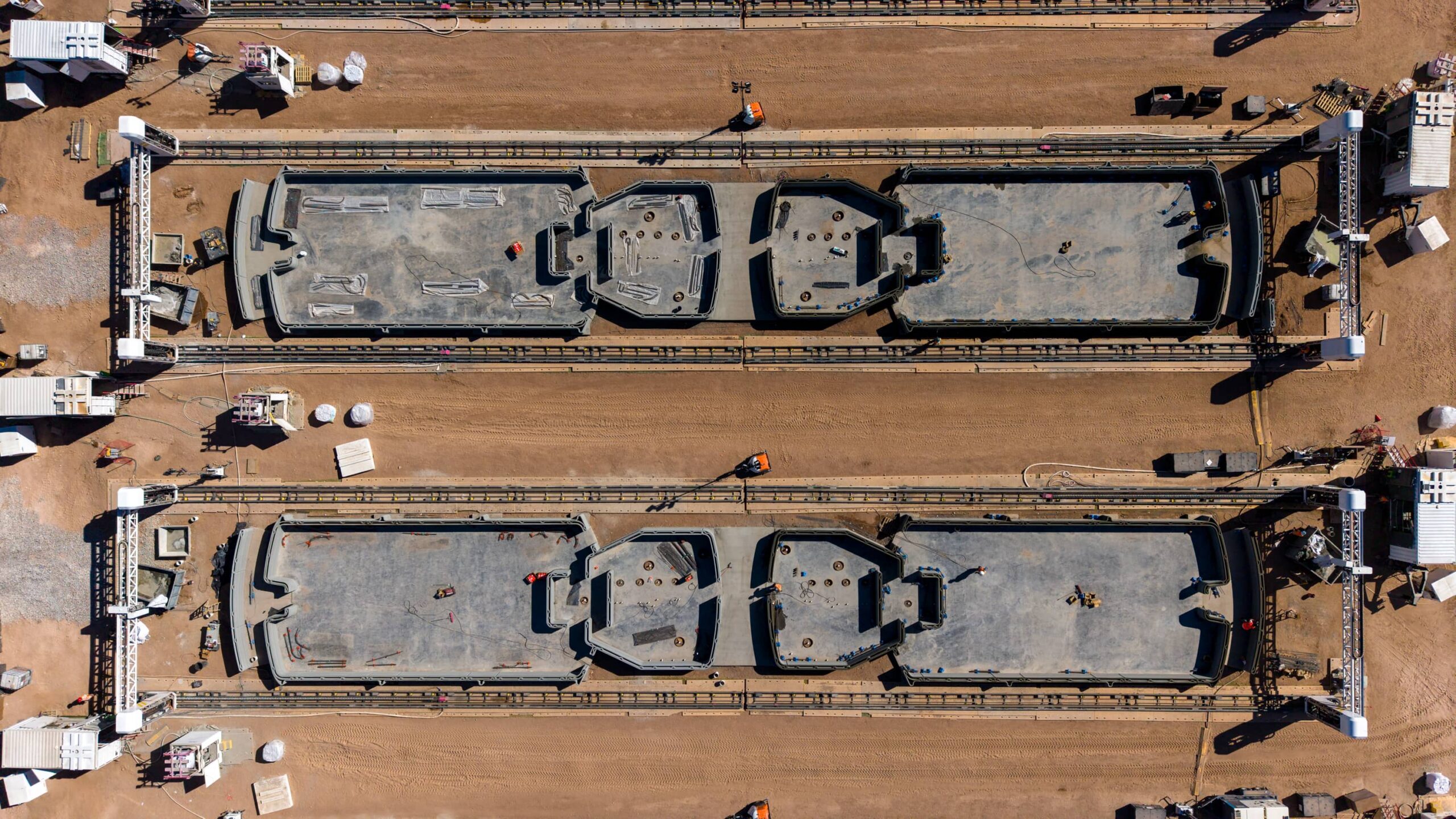
    Aerial view of several 3D printed building foundations, showing the scale and layout of ICON’s construction system. Image courtesy of ICON.

    The CEO of home lending at Wells Fargo, Serhat Oztop, told CNBC, “We think the technology that Icon has built has the potential to lower construction costs and to speed up homebuilding at a time when we are seeing broader challenges in housing affordability and access to homeownership. Through this partnership Wells Fargo is bridging the gap between this new technology and access to homeownership.”

    Jason Ballard, the founder and CEO of ICON, added, “Even though our testing and our results are all in the books, having one of the big banking players make such a strong and pointed announcement that, ‘We like these houses, we’re excited about these houses, in fact, we’re going to give preferential treatment to these houses,’ helps people believe and understand that this technology, and the houses it produces are ready for primetime.”

    Wells Fargo will also provide financing for users of ICON’s printers, which could help the AC market reach economies of scale — in turn making 3D printed homes even more affordable and further stimulating demand.

    In a vacuum, that possibility may sound logical, but it’s still purely theoretical. Precisely what’s so important about a co-sign from an institution like Wells Fargo is that the scale it operates on carries with it genuinely transformative power to move the needle.

    The move echoes what Alquist has done, in the context of commercial real estate, via its partnership with Walmart. This could be far more consequential, however: while Walmart is a leading customer for construction projects, Wells Fargo is a leading supplier of mortgages. It has a direct incentive to grow the 3D printed housing market as quickly as it makes financial sense.

    Beyond the actual terms of the deal, the most legitimizing thing Wells Fargo may have done for ICON specifically, and AC generally, is the statement that the financial giant is making about the state of the technology: “We don’t have any reason to believe that the long-term value for these homes will be any different from homes that are built based on traditional construction technologies,” Oztop told CNBC. In other words, the market consensus appears to be settling on the sentiment that, 3D printed or otherwise, a house is a house.

    Images courtesy of ICON

  • AM Asia Watch: China’s HeyGears Lands $44M to Expand Beyond Dental 3D Printing

    Chinese 3D printing company HeyGears raised more than 300 million Yuan (roughly $44 million) in a new Series C funding round as it looks to expand beyond its industrial and dental roots into the consumer market.

    The funding was led by Legend Capital and Fortune Ventures, with participation from Gopher Asset Management, CAS Investment Management, and Guoke Investment. The company said the new capital will support product development, materials research, and broader expansion of its 3D printing ecosystem. This latest financing follows earlier fundraising rounds, including a $60 million Series B round in 2019 and a 325 million Yuan ($48 million) Series A round in 2018.

    How HeyGears Got Here

    HeyGears first gained attention in digital dentistry, where its resin 3D printers are used for aligners, crowns, dentures, and surgical guides. Founded in Guangzhou in 2015 by a group of Chinese entrepreneurs from the University of Illinois Urbana-Champaign, including co-founder Heyuan Huang and CEO Peiyan Gui, the company has spent the last several years trying to turn itself into a much broader 3D printing ecosystem company.

    So HeyGears is not just trying to stay inside the dental world anymore. The company has been moving into industrial manufacturing, creator markets, and prosumer markets with its Reflex printer series, while also investing heavily in AI software, materials, and automated workflows. According to HeyGears, it now holds more than 400 patents tied to different parts of its 3D printing business.

    Earlier on, HeyGears also worked in the hearables and wireless earbud space, which helped the company develop some of its early high-precision printing technology. During the COVID-19 pandemic, members of the HeyGears team were also involved in the University of Illinois-linked RapidVent ventilator project.

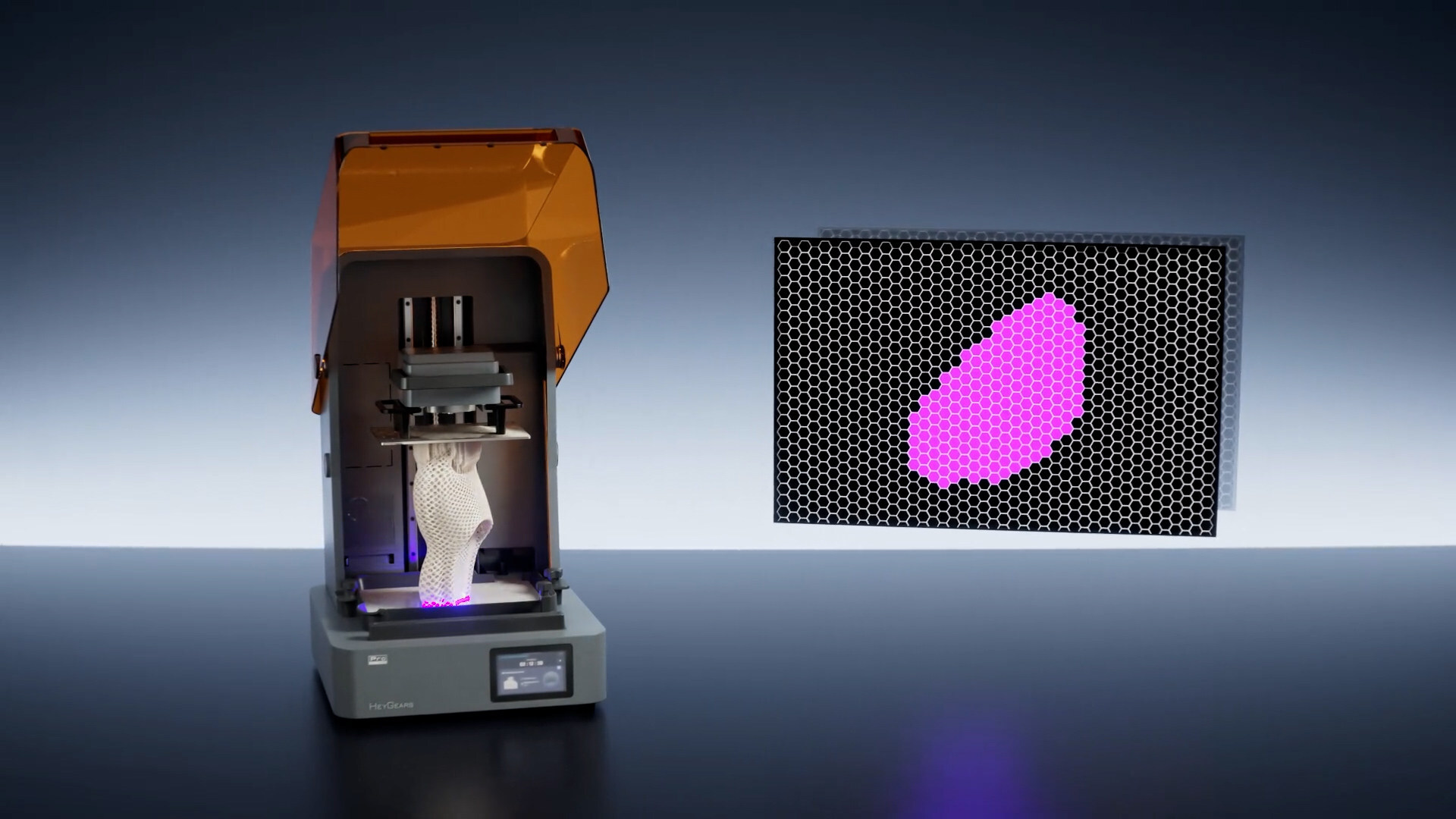
    HeyGears Reflex 2 Series at work.

    Shifting Gears at HeyGears

    The funding also comes at a time when competition in 3D printing is getting much more intense, especially among Chinese companies. Selling printers alone seems to no longer be enough. More companies are now trying to build full ecosystems around their machines, including materials, software, AI tools, and services.

    That matters because hardware margins across the industry are getting smaller. Chinese outlets 36Kr and Dealroom reported that around 70% of HeyGears’ revenue now comes from materials instead of printer sales. This means the company is making much of its money from the products customers keep buying after they purchase the machine.

    But this isn’t new at all. In fact, that model is very common across much of the 3D printing industry. Companies often make more long-term money from materials, software, and service contracts than from the printers themselves. Major players like Stratasys, 3D Systems, Formlabs, Carbon, and HP have all built parts of their business around recurring sales of materials, software, maintenance, and other ongoing services.

    It’s basically the old “razor-and-blades” model that companies like Gillette helped popularize more than a century ago. Sell the machine first, then make steady money from the products customers keep buying afterward. The same approach has long been used in everything from inkjet printers and coffee machines to medical devices and industrial manufacturing equipment.

    And in many ways, it fits incredibly well in additive manufacturing, where materials, workflows, software, and technical support often become just as important as the actual hardware.

    Resin’s Next Big Push?

    The company also said it has invested more than 1 billion Yuan (roughly $148 million) into R&D since its founding. Part of that investment now appears tied to HeyGears’ growing consumer ambitions.

    In 2025, the company launched the Reflex 2 and Reflex 2 Pro resin printers, targeting smaller businesses, creators, studios, and professional users looking for higher-quality resin printing with simpler workflows. The goal seems to be making resin printing easier and more mainstream at a time when filament-based FDM systems still dominate the consumer market. That has been one of the biggest problems with resin printing for years. Resin printers can produce cleaner and more detailed parts, but they are also messier, harder to use, and usually require more cleanup than traditional filament printers. But HeyGears sees that gap as an opportunity.

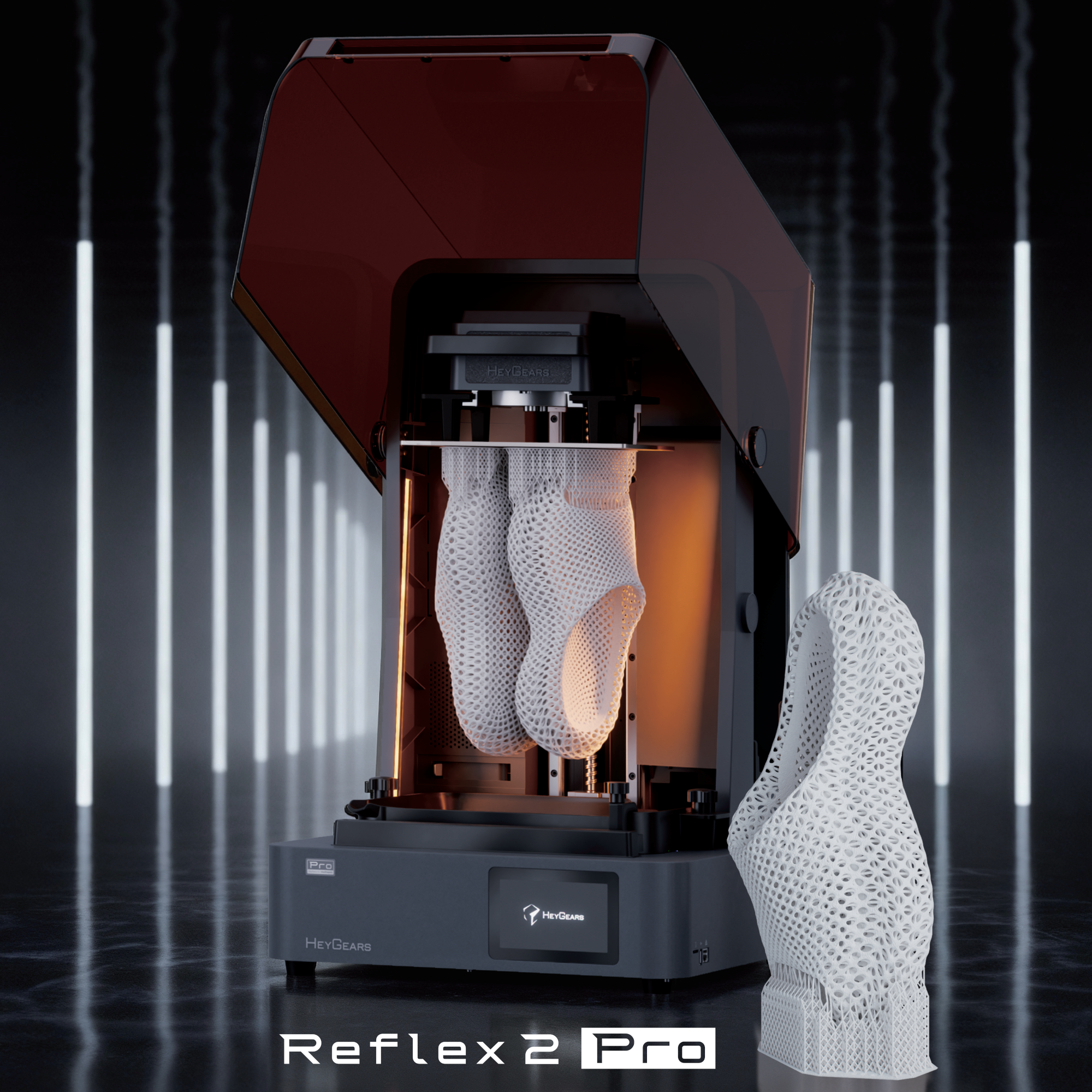
    HeyGears Reflex 2 Pro.

    One of the biggest announcements tied to the funding news was the company’s plan to launch what it describes as a “true full-color, true 3D capabilities” consumer resin printing system in the third quarter of 2026. Few details have been released so far, but the move suggests HeyGears wants to compete much more directly in the fast-growing desktop and prosumer 3D printing market.

    If successful, the move could put HeyGears into more direct competition with some of the fastest-growing companies in desktop 3D printing, including several Chinese brands that have expanded quickly around the world over the last few years. Clearly, the company may have started in dental 3D printing, but its ambitions now look much bigger than that.

    Images courtesy of HeyGears

  • The University of Utrecht: “3D Printing Could Change Who Gets to Become a Manufacturing Power”

    For decades, manufacturing has mostly been controlled by countries with huge factories, lower labor costs, and industrial systems that took years, sometimes decades, to build. But Utrecht University human geographers Nicola Cortinovis and Joric Donnet believe 3D printing could start to change some of that.

    In a new study, they found that countries adopting 3D printing technologies are becoming more competitive with traditional manufacturing economies, especially in exports. Their main argument is that additive manufacturing (AM) lowers some of the barriers that have historically made it difficult for developing economies to build strong manufacturing industries of their own.

    The findings come from a paper titled 3D Printing and the Geography of Production, published in the journal Technological Forecasting and Social Change. The researchers describe 3D printing as a technology that could gradually reshape the “geography of production,” meaning where products are made and which countries are able to compete in manufacturing.

    For a long time, manufacturing has favored countries that could afford giant factories, expensive machinery, and large-scale production systems. Traditional manufacturing usually requires a major investment before production can even begin. 3D printing changes part of that equation because companies can produce parts directly from digital files, often with much smaller manufacturing setups and lower upfront costs. And that could be important for countries trying to grow their industrial base.

    According to the researchers, developing economies may not need to follow the exact same path that older manufacturing powers took over the last century. Instead of spending decades building massive factory ecosystems, some countries could move more quickly into advanced manufacturing by adopting digital production technologies such as AM.

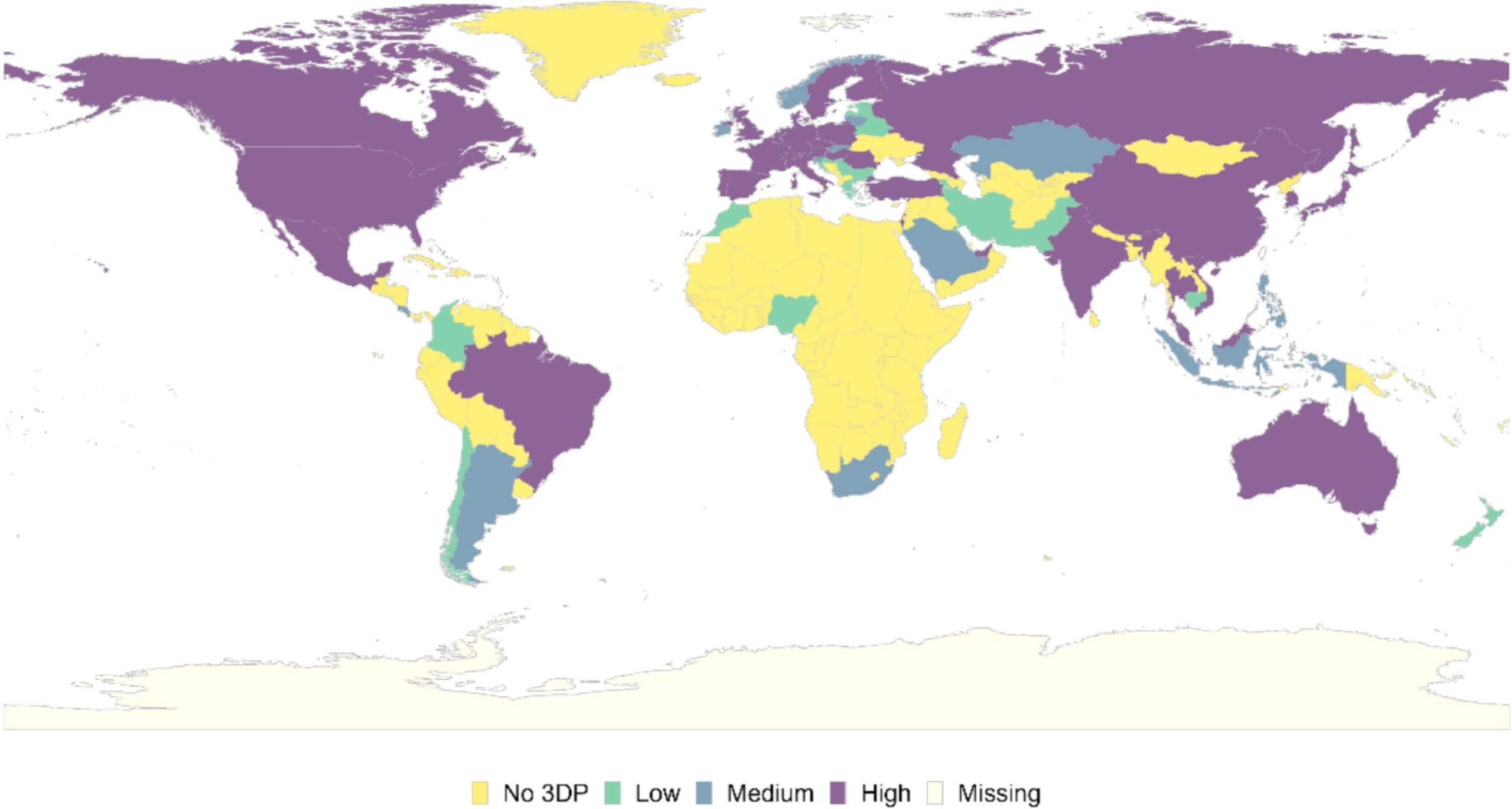
    The map reports the spatial distribution of different levels of 3D printing adoption (low = 1 million USD, medium = 5 million USD, high = 10 million USD) across countries. Image courtesy of Utrecht University.

    The researchers point to industries like aerospace, healthcare, automotive, and industrial manufacturing as areas where 3D printing could help countries move into higher-value production. In aerospace, companies like General Electric already use 3D printing to make lighter engine components. Ford has also used AM to print tools on demand across multiple facilities.

    In healthcare, 3D printing is now widely used for products like hearing aids, dental aligners, implants, and surgical models. Because many of these products are produced in smaller volumes and rely more on digital design than giant factory lines, countries do not always need the same massive industrial infrastructure that traditional manufacturing required.

    The hearing aid industry is one example. Today, nearly all hearing aids are made using 3D printing, according to earlier research cited alongside the study. As production became more digital and customized, countries like Mexico and Vietnam gained manufacturing market share in the sector.

    Another major point in the study is that 3D printing could help bring manufacturing closer to home. Instead of relying entirely on large overseas factories and long global shipping routes, companies can produce parts closer to where they are actually needed. That can help shorten supply chains, reduce shipping costs, and lower dependence on major manufacturing hubs.

    The idea became especially important during and after the COVID-19 pandemic, when supply chain disruptions exposed how vulnerable centralized manufacturing systems could become. People inside the AM industry have discussed these possibilities for years. But the Utrecht University study tries to connect those ideas directly to economic competitiveness and export performance.

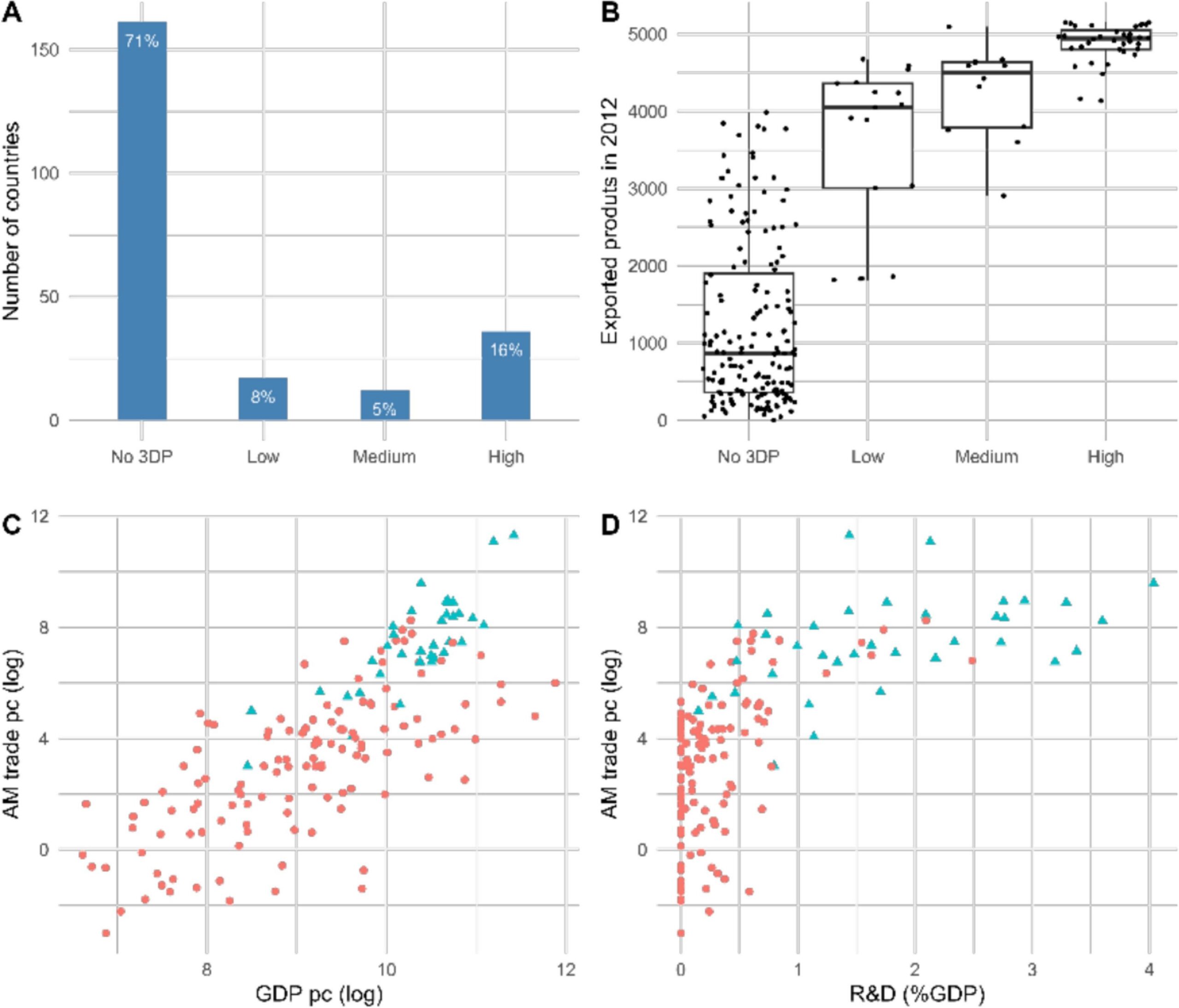
    Distribution and characteristics of countries across levels of 3D printing adoption. Image courtesy of Utrecht University.

    The researchers argue that countries integrating more 3D printing into industrial production are already starting to show export results closer to more established manufacturing economies.

    The timing is also important

    Over the last few years, trade tensions, tariffs, reshoring efforts, and supply chain concerns have pushed many governments to rethink manufacturing strategy. At the same time, AM has continued moving beyond prototyping and into real production environments.

    Today, industries like dental, aerospace, medical devices, and defense are already using 3D printing to make finished parts that people actually use. That does not mean traditional factories are going away. Most manufacturing is still done the conventional way. But for products that need customization, smaller batches, or more complex designs, 3D printing is becoming a more useful option.

    For developing economies, this could open a different path into manufacturing. Instead of trying to compete head-to-head with countries that spent decades building massive factory networks, they may be able to focus on smaller, specialized areas of production built around digital manufacturing and 3D printing.

    The researchers are not suggesting that 3D printing will suddenly replace traditional manufacturing. Traditional manufacturing is still going to dominate large-scale production for a long time. But the researchers believe 3D printing could help smaller and developing economies compete in ways that were much more difficult before.

    Instead, the study points to what the authors describe as a possible shift in the “geography of production,” where manufacturing activity could gradually spread beyond the countries and regions that have traditionally dominated industry. According to the study, the bigger change may not be the printers themselves, but how digital manufacturing could slowly reshape where products are made around the world.

  • 3D Printing News Briefs, May 28, 2026: Continuous Fiber Reinforcement, Bioprinted Trachea, & More

    In today’s 3D Printing News Briefs, America Makes announced the winners of its JAQS-SQ Project Call. Axtra3D is partnering with Keystone Industries to expand its dental material ecosystem, while BigRep and Endless Industries have announced a strategic partnership to advance large-format AM with continuous fiber reinforcement. We’ll end with bioprinting research out of China.

    America Makes Announces JAQS-SQ Group 1 Project Call Winners

    America Makes and the National Center for Defense Manufacturing and Machining (NCDMM) announced the Group 1 winners of the $1.7 million Joint Additive Qualification for Sustainment – Supplier Qualification (JAQS-SQ) Project Call. Initially launched at MMX 2025, JAQS-SQ is funded through the Office of the Under Secretary of War, Manufacturing Technology Office (OSW ManTech). While the U.S. government is indeed very interested in AM adoption, the lack of training and audit programs that meet standards, and the technology’s restrictive qualification process, doesn’t instill much confidence in our elected officials. So this Project Call is meant to speed up integration of non-traditional additive manufacturing suppliers, as well as train and support manufacturers in meeting the required process control documents (PCDs) for qualified AM production in order to scale defense industrial base (DIB) capabilities. JAQS-SQ winners will work to develop training and audit programs for AM contract manufacturers, so the supply chain is better aligned with government acquisition requirements.

    Submissions for JAQS-SQ Groups 2 and 3 are currently being reviewed. The winners of JAQS-SQ Group 1 are:

    Axtra3D Partners with Keystone to Expand Dental Material Ecosystem

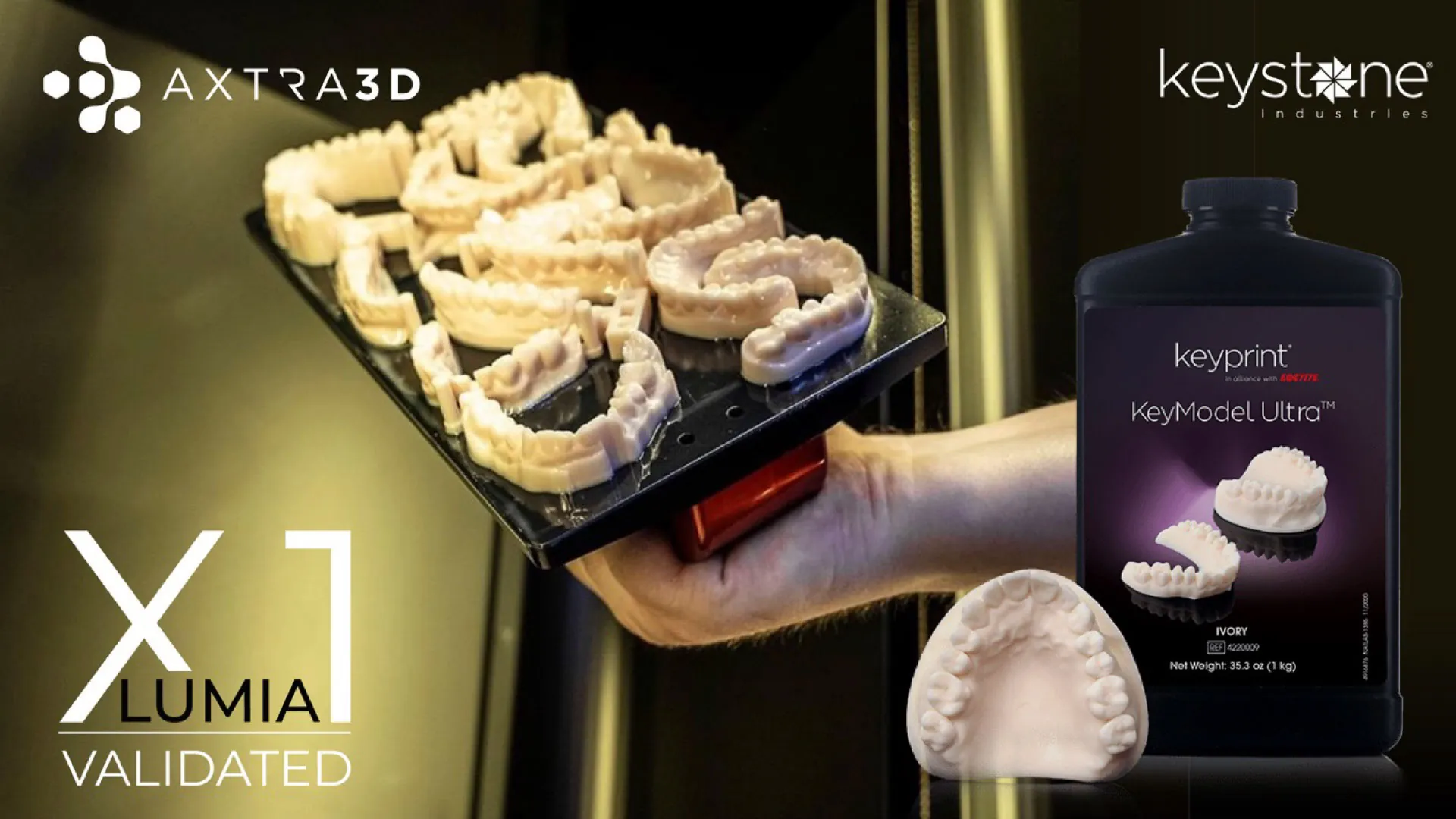
    Hi-Speed SLA systems provider Axtra3D, Inc. announced that it’s expanding its dental materials ecosystem, in partnership with Keystone Industries, in order to strengthen its dental manufacturing leadership. The two are in the process of validating several keyprint materials for Axtra3D’s Lumia X1 platform, including KeyOrtho Model, KeyGuide, KeySplint Hard Clear, KeySplint Soft, and KeySplint Soft Clear. Additionally, the partners recently launched a high-precision material for printing next-generation dental and orthodontic models on the Lumia X1. KeyModel Ultra is an ultra-fast printing resin that’s been integrated with a proprietary thermoforming quick-release agent for easy mold forming. Once it’s cured, Axtra3D said the resin can be carved without chipping, and it also offers sharp detail and a smooth surface finish for reliable 3D printing. While Ivory is the only color that’s been validated on the Lumia X1 so far, KeyModel Ultra is also available in Sand and Light Gray.

    “This material is designed to improve dental lab productivity, reduce cost per part, and minimize rework that drives waste and delays. By removing a key downstream failure point in carving and finishing, it helps increase throughput and operational efficiency,” said Axtra3D’s CSO Rajeev Kulkarni.

    “It also streamlines thermoforming workflows, improving turnaround times for high-volume applications like clear aligners and restorations. The result is more predictable output at scale, with higher consistency and reduced operational variability.”

    BigRep & Endless Industries Announce Long-Term Strategic Partnership

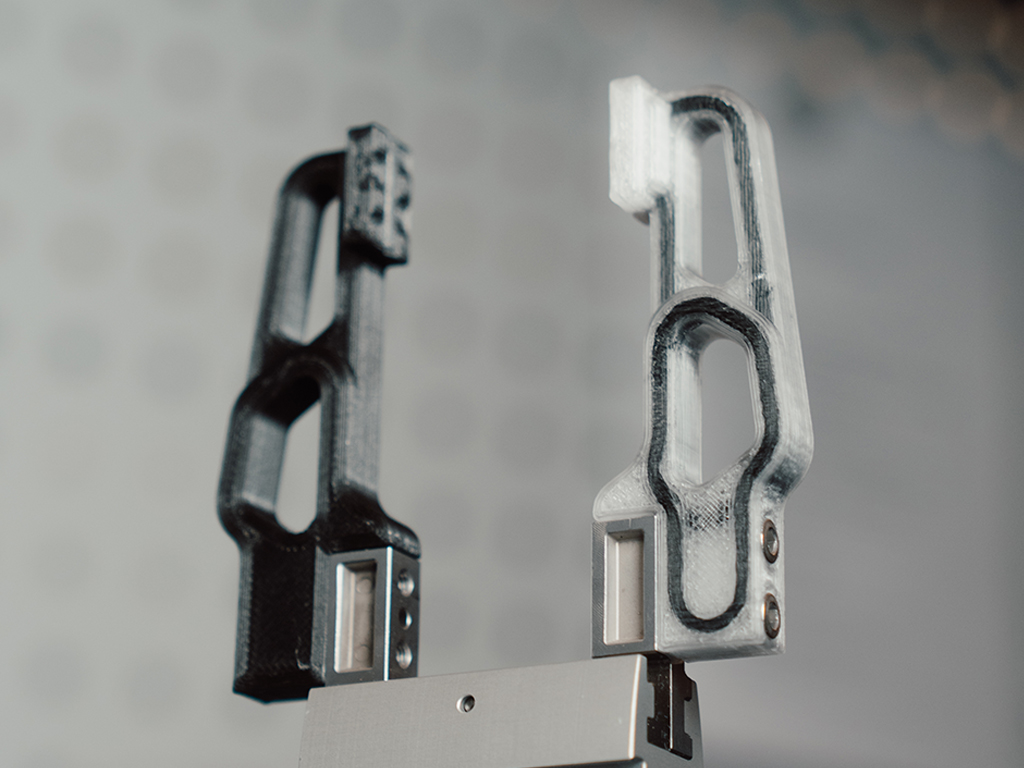
    Large-format 3D printer OEM BigRep and deep-tech company Endless Industries have launched a global strategic technology partnership. The focus is on advancing large-format AM with continuous fiber reinforcement, with a major pillar being full system integration of Endless Industries’ continuous fiber system into the BigRep IPSO 105 3D printer. After two years of joint development between the two companies, this goal has now been achieved, resulting in an industrial, high-temperature solution that can print large, mechanically reinforced parts with continuous carbon fiber. Their integrated solution enables build chamber temperatures up to 100°C, optimized fiber architecture through the Endless Industries Akio software platform, printed components that offer up to 20 times higher strength in comparison to unreinforced thermoplastics, and reduced costs. This summer, the two will launch joint sales activities in Europe, initially focusing on the DACH region (Austria, Germany, and Switzerland), and then moving to an international expansion next summer.

    “Large-format composite manufacturing has traditionally been craft-based or required multi-million-dollar investments. This partnership removes those constraints,” said Stephan Knopf, CEO of Endless Industries. “Customers now gain access to a production-ready system for high-strength parts without the traditional barriers to entry.”

    Chinese Scientists Develop 3D Bioprinted, Biomimetic Artificial Trachea

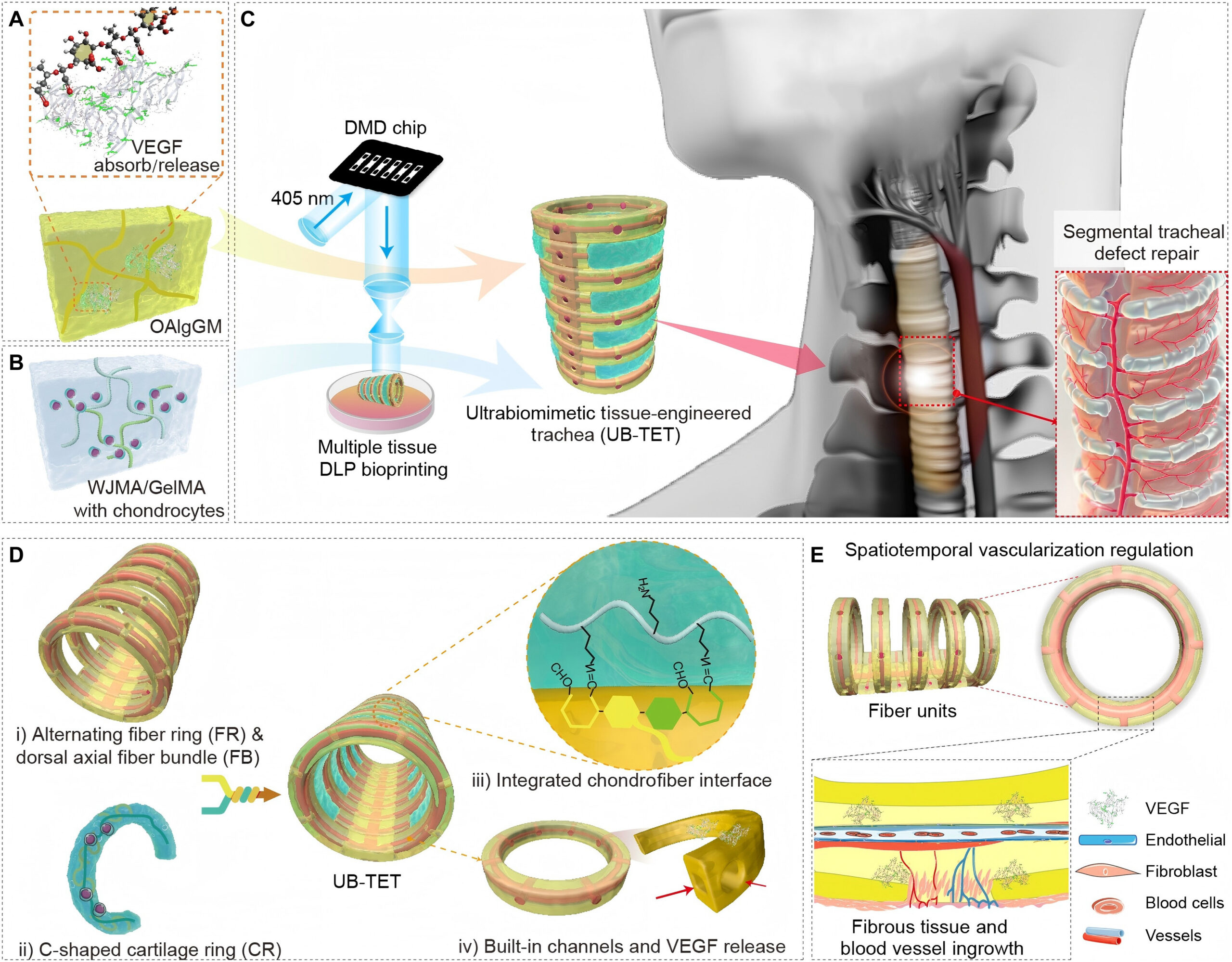
    Fig. 1. Design and construction of the UB-TET. (A) The modified alginate hydrogel was used as bioinks for tracheal fibers, where the oxidized aldehyde groups facilitate sustained adsorption and release of VEGF, as the aldehyde groups dynamically bond to the lysine side chain of VEGF (highlighted in green). (B) WJMA and GelMA, enriched with chondrocytes, were used as the bioinks for tracheal cartilage. (C) Schematic diagram of the integrated UB-TET by DLP bioprinting for repairing segmental tracheal defects. DMD, digital micromirror device. (D) The biomimetic trachea is assembled by alternating fiber segments and C-shaped cartilage rings, and the complete biomimetic trachea is integrated through chemical bonding. (E) Schematic diagram of spatiotemporal vascularization regulation strategy promoting fibrous tissue and blood vessel growth.

    A big challenge in thoracic surgery is repairing damaged sections of the airway in a procedure called segmental tracheal defect reconstruction. A tracheal graft needs to mimic the structure and biochemical functions of the actual trachea. But, most tracheal substitutes, like artificial prostheses and autologous tissue, are limited due to issues like insufficient biocompatibility or bad long-term integration. A team of scientists from China came up with a modular bioprinting strategy for building multitissue-integrated, ultrabiomimetic (UB), tissue-engineered trachea (TET). A native trachea is made up of alternating cartilage rings and fibrous segments—rigid cartilage supports the airway, and fibrous tissue helps achieve flexibility and vascularization. An OAlgGM [oxidized alginate grafted with glycidyl methacrylate (GM)] bioink made up the fibrous segments of the artificial trachea, while the cartilage rings were comprised of a dual-network hydrogel composed of methacrylate Wharton’s Jelly (WJMA) and methacrylate gelatin (GelMA). The scientists used digital light printing (DLP) and an integrated assembly strategy to achieve “ultrabiomimetic construction of TET.” They created a total of 361 layers to make up the UB-TET by slicing every 25 μm per layer, including the bottom one. The team found that their bioprinted trachea had “excellent resilience under cyclic compression.”

    “To promote rapid neovascularization, we develop a stress-relaxing and degradable alginate-based hydrogel capable of dynamic vascular endothelial growth factor loading and sustained release, thereby facilitating endothelial cell migration and angiogenesis,” the researchers wrote in the abstract of their published paper. “Within the fibrous regions, pre-engineered vascular channels are incorporated to guide host vascular ingrowth, resulting in a 2.6-fold increase in neovascular density compared to no-channel scaffolds. This platform integrates spatial control through precise structural design with temporal bioactive signal modulation, enabling synchronized vascularization. When transplanted via end-to-end anastomosis with native tracheae, the vascularized grafts exhibit enhanced survival and functional integration, offering a robust strategy for tracheal tissue engineering and segmental airway reconstruction.”

  • Inside nScrypt’s “Factory in a Tool”: Space, Defense, and the Future of Additive Electronics

    This article is Part 2 of a three-part series based on 3DPrint.com’s visit to nScrypt’s Orlando headquarters and conversations with Ken Church.

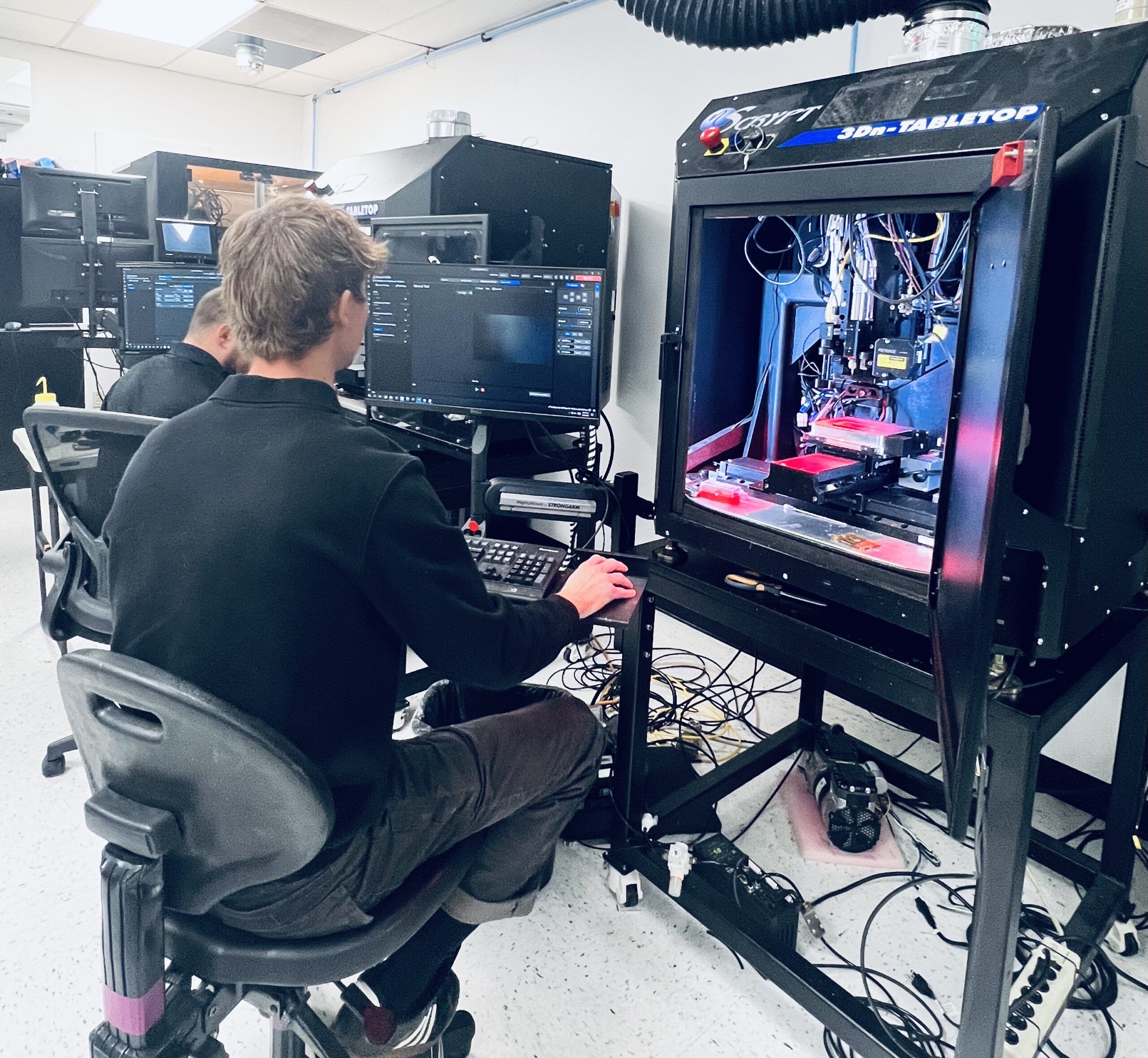
    Walking through nScrypt’s facility in Orlando last summer, what stands out isn’t just the machines — it’s the people running them. Engineers move between screens and systems, adjusting toolpaths, watching material deposit in real time, and fine-tuning processes. It feels less like a typical 3D printing lab and more like a place where electronics are being built, tested, and fixed all at once. 

    The company is based at Central Florida Research Park, a large technology hub next to the University of Central Florida. The area brings together defense contractors, aerospace firms, and research-driven companies, making it truly an innovation hub. You see that mix inside as well; the facility blends research, engineering, and production in a way that makes it clear this isn’t just about printing parts. 

    And while these are, at their core, 3D printers, the way they’re used here goes far beyond typical additive manufacturing. nScrypt’s systems are designed to do far more than deposit material layer by layer. They combine multiple manufacturing processes into a single platform, actually turning what would normally be a production line into a single, integrated system. 

    “That’s why we call it ‘factory in a tool,’” nScrypt CEO Ken Church told me. “A single machine can handle additive deposition, subtractive correction, pick-and-place operations, inspection, and electronics integration. This combination is not just about flexibility; it is about solving one of the most difficult problems in electronics manufacturing: reliability. If you have a defect in electronics, it is not going to work.” 

    Electronics are different. Unlike structural parts, where you can sometimes get away with small imperfections, even a tiny defect, a short, an open, a misplaced line, can mean the whole thing doesn’t work. That’s why, as Church put it, the goal is simply 100% yield. 

    And to approach that goal, the company has built inspection directly into the manufacturing process. Each layer is evaluated as it is created, allowing issues to be identified and addressed immediately rather than after the print is done. If something is wrong, the system can intervene in real time. This is where the hybrid nature of the platform becomes critical. 

    This ability to both build and correct within the same system is a powerful departure from traditional manufacturing workflows. It also generates a large amount of data, which opens the door to more advanced forms of process control. 

    “That’s the beautiful part of machine learning,” Church said. “It likes data. As a matter of fact, it thrives on data. By collecting and analyzing layer-by-layer information, we hope to improve consistency and move closer to fully reliable additive electronics. The process is not complete, but it is progressing. We are knocking on the doorstep. We’re not quite there, but we’re knocking.” 

    nScrypt headquarters. Image courtesy of 3DPrint.com.

    While much of the conversation around additive manufacturing focuses on new production, one of the most immediate and practical applications for nScrypt’s technology is repair. This is particularly relevant in defense and remote environments, where supply chains can be slow and unpredictable. 

    The company’s “nRugged” system, which is designed for deployment in harsh or remote conditions, was actually on site during my visit. Seeing it up close makes the idea much more real; the same platform has already been used in locations around the world. 

    “nRugged is fantastic. It’s been to Djibouti, Norway, Hawaii, and it’s going to Japan. The goal is to enable users to fix electronic systems on-site rather than waiting for replacements. In many cases, that difference can be measured in weeks or months. In well under an hour, you’ll fix that circuit. Which would’ve taken months to get a replacement.” 

    In military operations, that capability can directly impact readiness. Systems that would otherwise be offline for extended periods can be returned to service quickly, reducing downtime and improving resilience. 

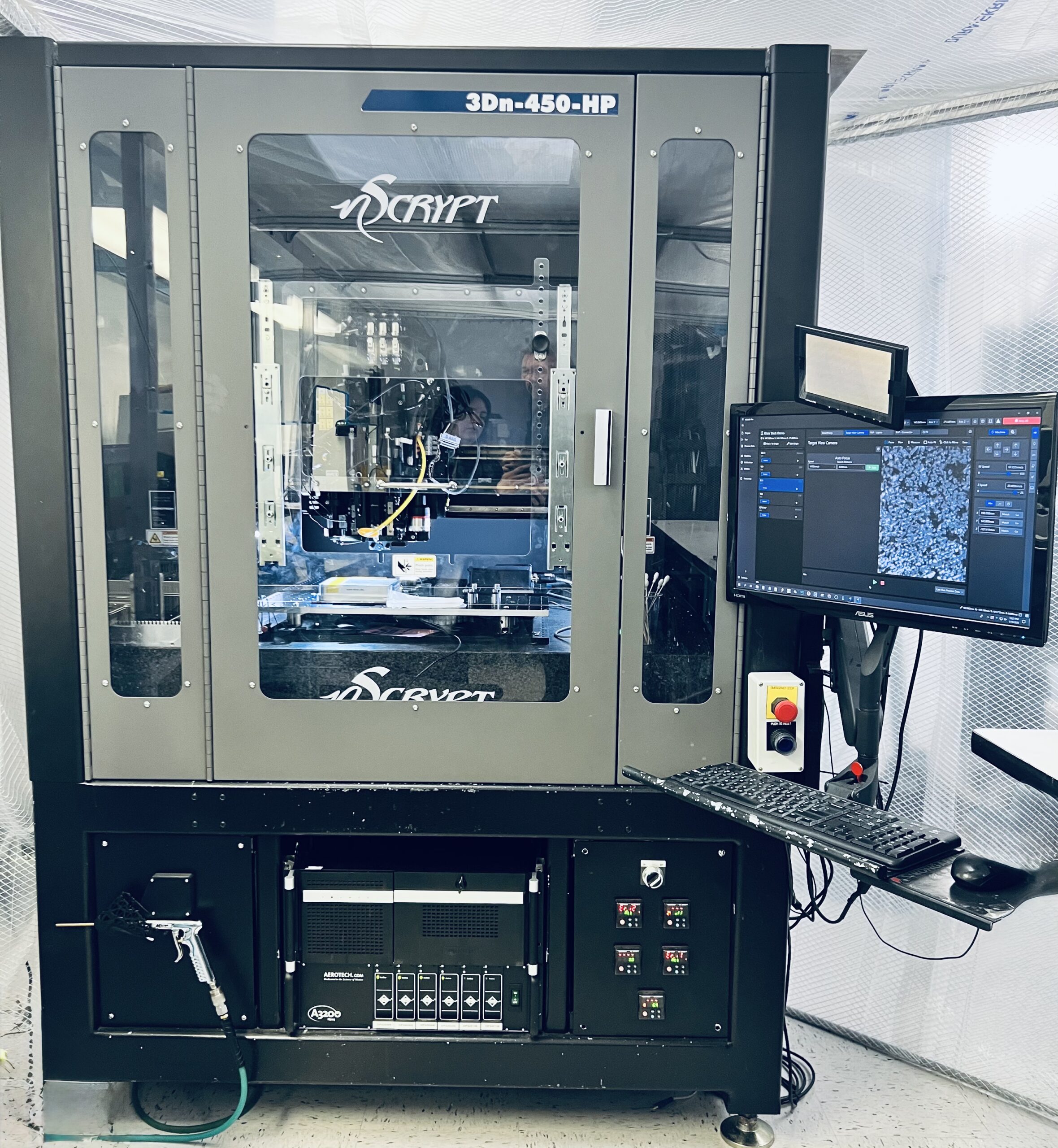
    An nScrypt 3Dn-450-HP system, a “Factory in a Tool” (FiT) 3D manufacturing system designed for multi-material, high-speed, and high-resolution production. Image courtesy of 3DPrint.com.

    Despite how much of the technology is already in use, not all of it is easy to point to. Much of nScrypt’s work takes place in aerospace and defense environments, where details are often kept confidential. 

    Even so, Church is clear that the industry is still in its early stages. After decades of development, the shift from experimentation to real demand is only just beginning. 

    “We’ve been pushing for 20 years,” he said. “And we’re just now on the very front end of this pull.” 

    That shift, from pushing the technology into the market to responding to actual demand, may define what comes next for additive electronics. For companies like nScrypt, it marks a turning point, where years of incremental progress are starting to come together into something more real.