• MORSAN and LEHVOSS Work on 3D Printing for Food and Beverage

    For many years, LEHVOSS has made specialized 3D printing materials such as high-temperature polyamide and high-flow PEEK. Now it has teamed up with MORSAN to develop a 3D printing offering for the food and beverage industry. Specifically adapted to parts with “mechanical loads, aggressive cleaning environments, and permanently high cycle rates in filling and packaging lines,” they’ve now made a spare parts offering. Greek company MORSAN now offers a digital warehouse solution for hundreds of spare parts. The company is not only replacing parts one-on-one but also offering improved parts. It is also redesigning them for specific load cases to improve their performance.

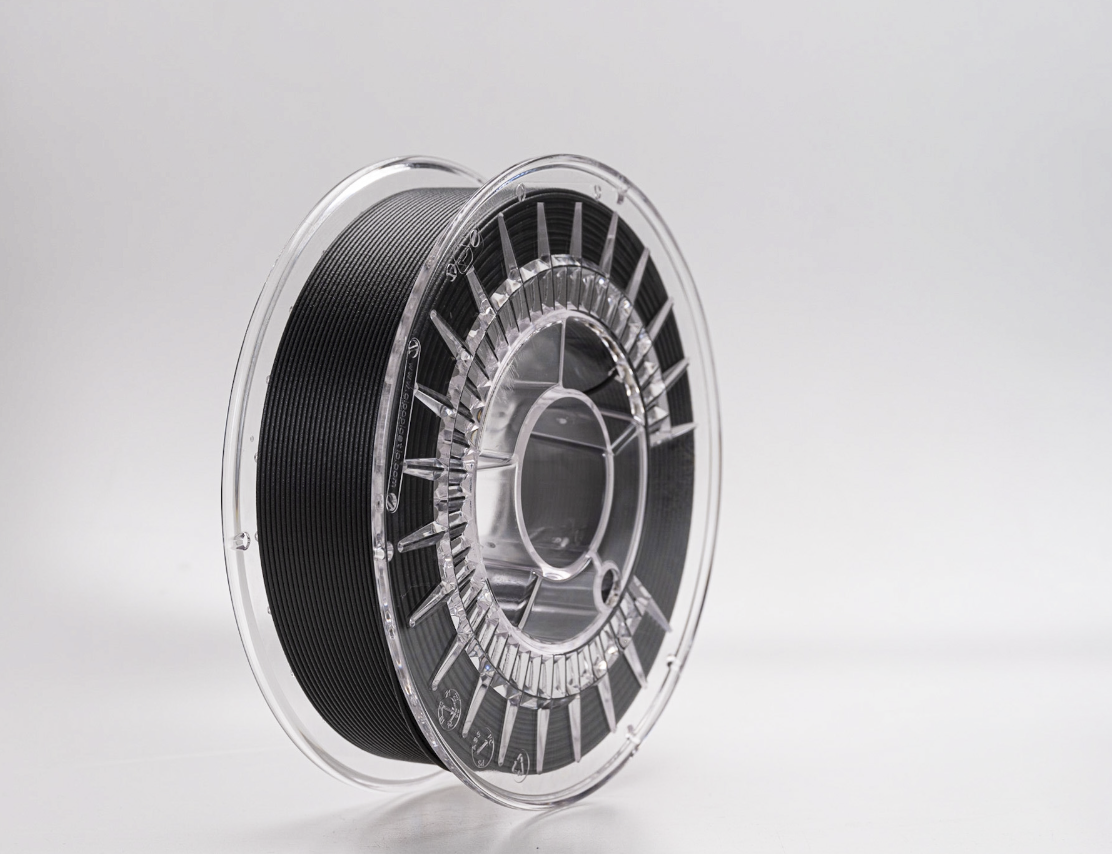
    MORSAN uses LUVOCOM extrusion materials, specifically the LUVOCOM 3F range. The company uses the PPS, PA, and PET materials for that range. The company makes conveyor belt gears, conveyor chain guides, grippers, and beverage can slides. These kinds of parts are being 3D printed all over the world by many industrial companies. They’re rarely talked about. In one illustrative case of an Australian one man beverage company we were able to show you a lot of these applications. In that case, we saw 3D printing used to make a filling machine, he makes spacers for production lines, a machine to apply six-pack rings, a depeletizer, and more. Many companies worldwide need improvised, improved, and spare components on production lines. This is a great market for MORSAN to explore.

    Christos Adam Morsy of MORSAN explains,

    “For us, 3D printing is not an experiment — it is an integral part of modern production and
    maintenance strategies. By combining digital part availability, short production lead times, and high-performance materials, we can help our customers reduce downtime. In the next step, we will enable our customers – via new software solutions — to manufacture spare parts on site, no matter where in the world.”

    Dr. Marcus Rechberger, Product Manager for LUVOSINT materials at LEHVOSS, said,

    “MORSAN’s concept shows where 3D printing is headed. In prototyping you certainly need generalists, but in industrial printing you need a clear focus on markets and processes in order to work out the advantages of 3D printing.”

    I love the idea of industry-specific digital supply chain offerings. Make sure you act according to their needs, understand their needs, understand and follow their standards, make good parts, design well, print well, and do good QA, and you can build an unmissable business. Some customers will do this themselves, but if you don’t overcharge, then you can build a nice market for yourself. CAD and Dfam capacity is limited, and making functional, certified parts is still hard. I love what MORSAN is doing here and think that more people should do the same.

    There are so many similar businesses in the additive industry. So many materials companies and now so many people want to start print farms. I think that a design-centric business that can print parts to spec and standards would be much more valuable. If they trust you and rely on you, they’ll let you have margin as long as you don’t fail them. But if you’re just one of many print farms, it may be difficult for you to stay ahead on pricing. But if you have a path to certification, FEA, or other tools for designing parts well, and you understand the market’s business drivers, and they are relatively affordable, why would they change? The biggest firms may develop an internal capacity, but for many, it will be cheaper and perhaps better to have an external party that is more specialized to do it well for them. More firms should find big markets and serve them well with spare parts services such as MORSAN.

  • Wool 3D Printing Filament from New Zealand (Of Course)

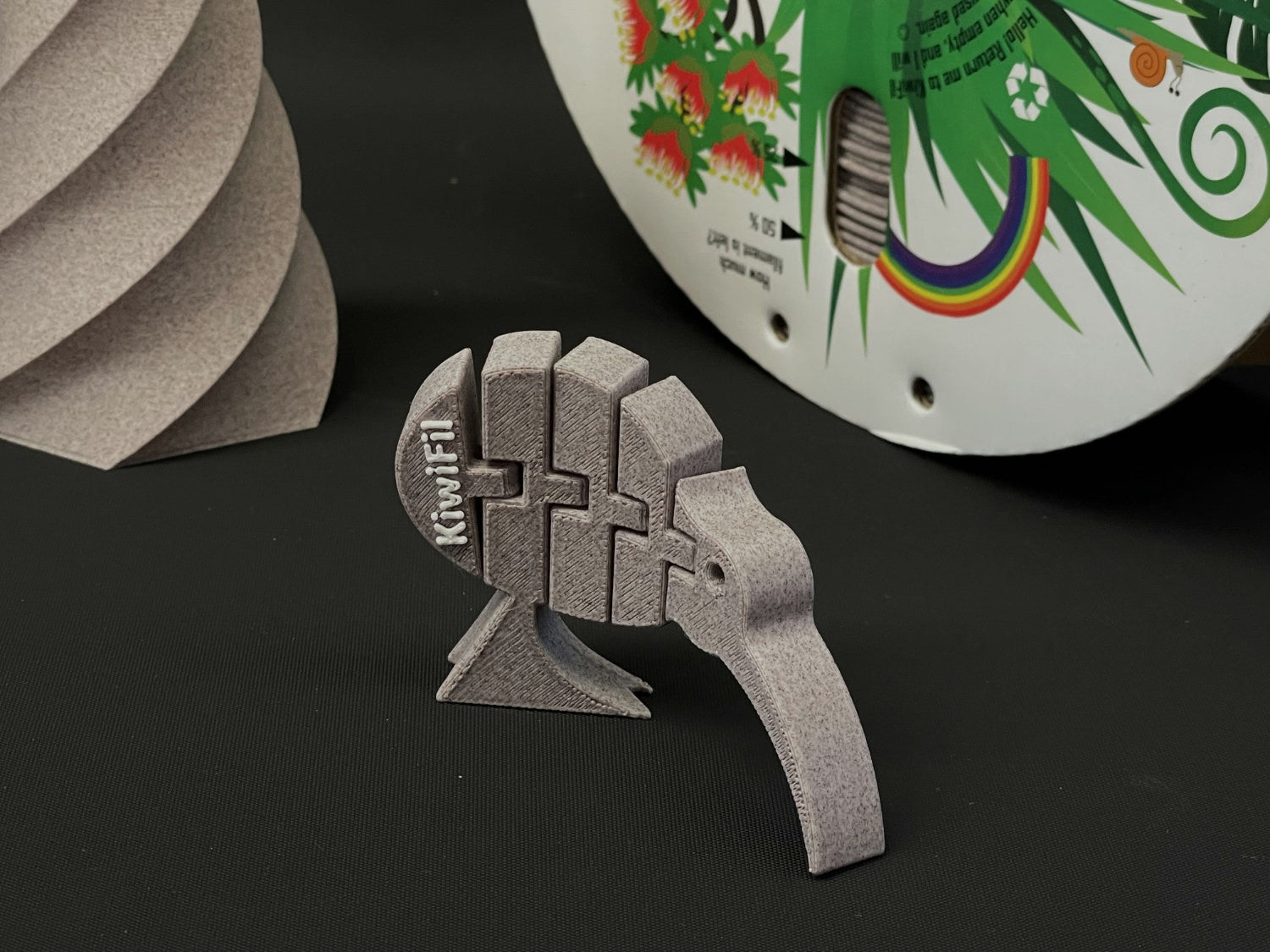
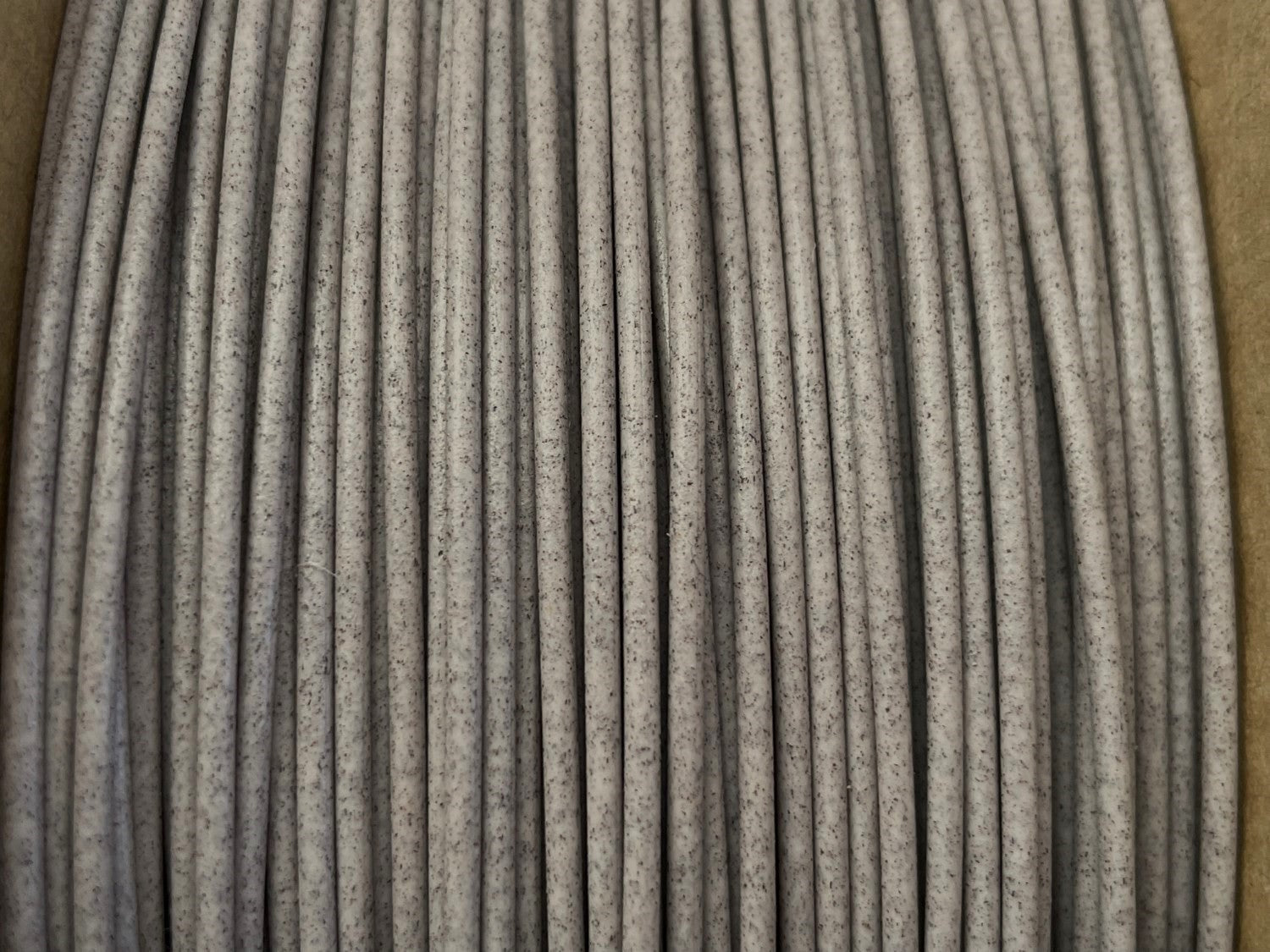
    WoolyFil uses wool-based colorants to color filament. Companies Wool Source, which makes pigments from wool, partnered with filament firm KiwiFil to develop pigments with around 92% to 98% biobased content. In this case, the sustainability angle is important because pigments are often made from inorganic (mineral-based) and organic (carbon-based) compounds, while most modern-day pigments are mostly synthetic and originate from petrochemical or coal-tar processes. These synthetic pigments can pollute millions of liters of wastewater during production and dyeing, they can also contain toxic heavy metals, and are often non-biodegradable. Some can also release Polycyclic Aromatic Hydrocarbons (PAHs), which can damage aquatic ecosystems. Coal tar dyes are also linked to carcinogenic effects. Some of these substances are banned; more should be. Others are used in products such as makeup dyes.

    Tom Hooper, chief executive of Wool Source, said,

    “Wool Source’s patented technology takes strong wool fiber and transforms it into fine, coloured particles that can be mixed into other materials for applications like 3D printing, bioplastics, and screen-printing inks. Unlike other biobased options for textural effect or colour, our four-colour base system gives filament producers maximum colours mixing flexibility. The KiwiFil team was willing to have a play with it and give us some feedback — and we’re deligted they decided to launch a new range with our pigments as the hero.”

    KiwiFil Director Eva Hakansson added,

    “We loved the idea of using New Zealand wool and a biobased pigment in our recycled PLA filament but it needed to work for everyday 3D printing customers, as that’s our market. Our customers are loving the totally unique look and feel and the colours inspired by nature.”

    You can get WoolyFil in Green Marble and Riverstone, and the company hopes to release new colors. The filament is made out of rPLA. The 150µm particle-filled material has a surface texture that could be cool, but they also have a 10µm variant without this effect. Wool Source is also working on PLA, PCL, PBS, and PHA. PHA would be amazing because that combination won’t finally give us a truly sustainable material.

    I think that this is a great development. We should have more awareness not only about VOC’s and other substances coming off of our print jobs, but also what goes into them as well. Pigments are a potentially worrying aspect in 3D printing, especially with low-quality, low-cost filament. Often, materials may be certified for industrial use but not for other uses, or it may be unclear exactly what is in these materials. Sometimes MSDS documents don’t disclose information about pigments or their effects that haven’t been sufficiently tested.

    With Creality’s new inexpensive filament maker, we are about to be inundated by all sorts of coffee, tea, trash, rock, and other experimental filaments. A lot of people will experiment with various variants. Many will probably not perform very well. But generally, putting waste materials, such as coffee grounds, into filament could be a great idea. Home and local experimentation with filaments will also lead to a lot of innovation. We will also have lots of new low-cost filament options.

    I remember my first spool of filament, ordered through a New Zealand company called Diamond Age. Diamond Age (which, in fact, still exists!) came up with PLA filament and was, I think, one of the first companies to sell filament for desktop 3D printers. It’s nice to see New Zealand innovating in filament once again and developing something more sustainable for the market. Let’s hope safer, more sustainable pigments catch on.

  • Where the Money Is Going: The New Infrastructure Landscape

    This is Part 1 of a two-part PRO series examining where infrastructure investment is flowing and how those trends are reshaping manufacturing, energy, logistics, and additive manufacturing. Part 2, by Matt Kremenetsky, will focus on data centers, AI infrastructure, and where additive manufacturing fits into that rapidly expanding ecosystem.

    Over the past few years, infrastructure spending has started moving into very different areas than before. Governments are still funding roads and bridges, of course, but some of the biggest investment activity now is happening around power infrastructure, shipyards, logistics networks, data centers, and semiconductor fabs. 

    A lot of this is being driven by AI. Data centers are expanding rapidly, especially in the U.S., and that expansion is creating pressure everywhere else. More computing power means more electricity demand. More electricity demand means more grid upgrades, power generation projects, and transmission infrastructure. Semiconductor manufacturing is also growing again, partly because companies and governments no longer want to depend so heavily on overseas chip production after the shortages we’ve seen over the last few years.

    Featured image courtesy of 3DPrint.com

  • 3D Printing & Drone Dominance: Speed, Performance, and Derisking the Supply Chain

    A shift is underway in drone manufacturing. Government programs like the U.S. Department of War’s Drone Dominance, a $1.1 billion effort to deliver low-cost, one-way attack (OWA) sUAS at scale, are driving urgent demand for drones that are inexpensive, resilient, and rapidly producible. Or the US Army’s recent “Best Drone Warfighter Competition,” which was recently hosted in Huntsville, AL, that included dozens of teams competing with various platforms and different capabilities. At the same time, advances in additive manufacturing (AM) are changing what’s possible: lighter structures, faster iteration, and local, high-rate production. The result is a new industrial logic for unmanned aerial systems (UAS) that are based on speed, availability, and performance.

    I recommend reading Drew Lawrence’s latest article with DefenseScoop to learn more about the ‘Best Drone Warfighter Competition’ published in February 2026.

    Why Additive Manufacturing (AM) Matters Now

    New operational requirements, such as payload, performance, range, and resilience, are converging with AM breakthroughs. Breakthroughs that yield parts previously impossible with traditional methods. This includes topology-optimized lattices, fiber-reinforced composites, and geometries that consolidate assemblies.

    For programs like Drone Dominance, which have already produced 30,000 units after Gauntlet I and are preparing for Gauntlet II, additive enables both rapid prototyping and scale production while supporting a localized, supply-chain-resilient industrial base.

    Understanding UAV Groupings & Fit-for-purpose AM

    Not every 3D printing technology suits every drone. Categorizing UAS by mission and manufacturer helps match processes to platforms:

    • Group 1: Very small, portable systems (hand-launched, <20 lbs). Typically used for intelligence, surveillance, reconnaissance (ISR) at the squad or platoon level. High-volume, low-cost manufacturing and rapid tooling are critical here because demand and iteration cycles are fast.
    • Group 2: Small tactical UAVs (<55 lbs) with longer endurance than Group 1. Used by special units for persistent ISR or light payload delivery.
    • Group 3: Medium-altitude tactical systems (generally >55 lbs) that carry larger payloads and operate beyond visual line-of-sight (BVLOS). These platforms require stronger load-bearing structures and longer-range propulsion, which is a natural fit for higher-performance composite and hybrid additive approaches.
    • Group 4: Tactical or operational fixed-wing/multi-role systems with greater range and payload (often used for extended reconnaissance or kinetic action). Manufacturing emphasizes durability, repeatable production, and processes that are certification-ready.
    • Group 5: Large, strategic UAVs (military-class, often weaponized or long-endurance systems). These demand more robust manufacturing methods, and additive plays a role in quick tooling rather than in part production.
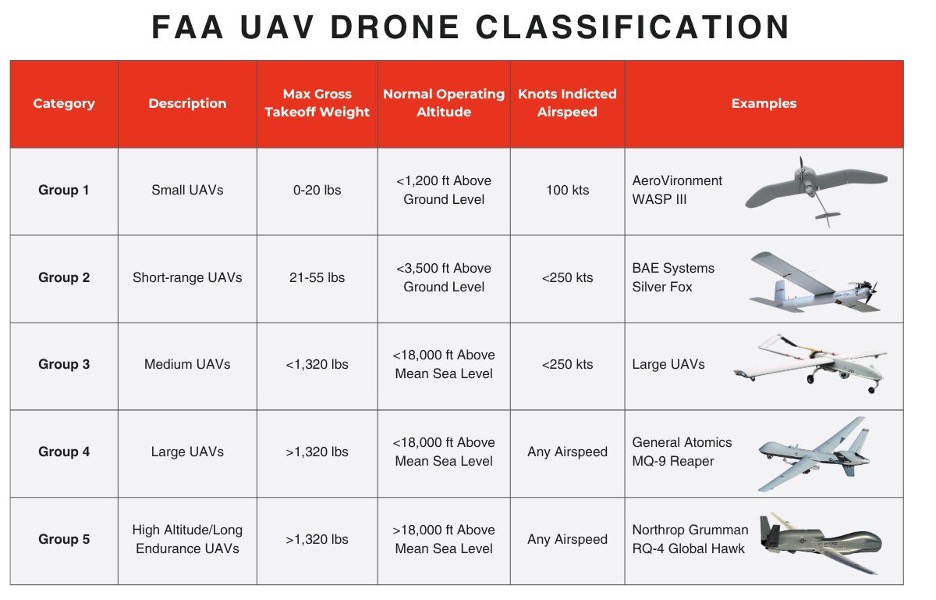
    Image courtesy of Endeavor3D.com

    Key OEMs and the Role They Play

    Several additive manufacturers are already embedded in the drone supply chain, each addressing different mission tiers.

    Stratasys brings a pragmatic, aerospace-rooted approach to polymer additive manufacturing. By combining proven systems, materials, and a wide service footprint to help OEMs and primes move faster from concept to flight-ready parts. Their strengths in quick-turn tooling and direct component production make them especially well-suited to high-iteration, high-volume Group 1 programs, while active partnerships with defense primes help translate field requirements into manufacturable solutions across multiple UAV classes.

    You can learn more about Stratasys and the Defense Supply Chain from a recent blog authored by Eric Quittem, Digital Marketing Manager at Stratasys.

    Impossible Objects’ CBAM platform blends the structural advantages of long, unidirectional carbon fibers with a production mindset, delivering carbon-fiber-reinforced parts at high throughput and dense packing that drive down unit cost. That combination of superior load-bearing performance, fast cycle times, and demonstrated success positions CBAM as a compelling option for Group 3 platforms where endurance and strength-to-weight are decisive.

    HP 3D Printing leverages Multi Jet Fusion (MJF) to push design-for-performance into production, producing ultralight, high-resolution airframe components and optimized lattice structures that improve stiffness-to-weight ratios. By focusing on manufacturability and repeatability, HP helps programs move prototypes into consistent, production-grade parts for Groups 1–3, enabling designers to extract performance through both material and design approaches.

    EOS supplies precision metal and high-performance polymer additive platforms that answer the demands of load-critical, thermally stressed, and complex geometries found in higher-end UAVs. Their metal consolidation capabilities and high-temp polymer solutions reduce assembly time and improve maintainability, making EOS relevant across all UAV groupings where certification, durability, and mission-critical performance drive material and process choices.

    Phillips Federal, a major equipment reseller serving the federal government, has an excellent resource about producing field-ready drones that shows the significance of carbon-fiber infused materials and their impact on lightweighting and production.
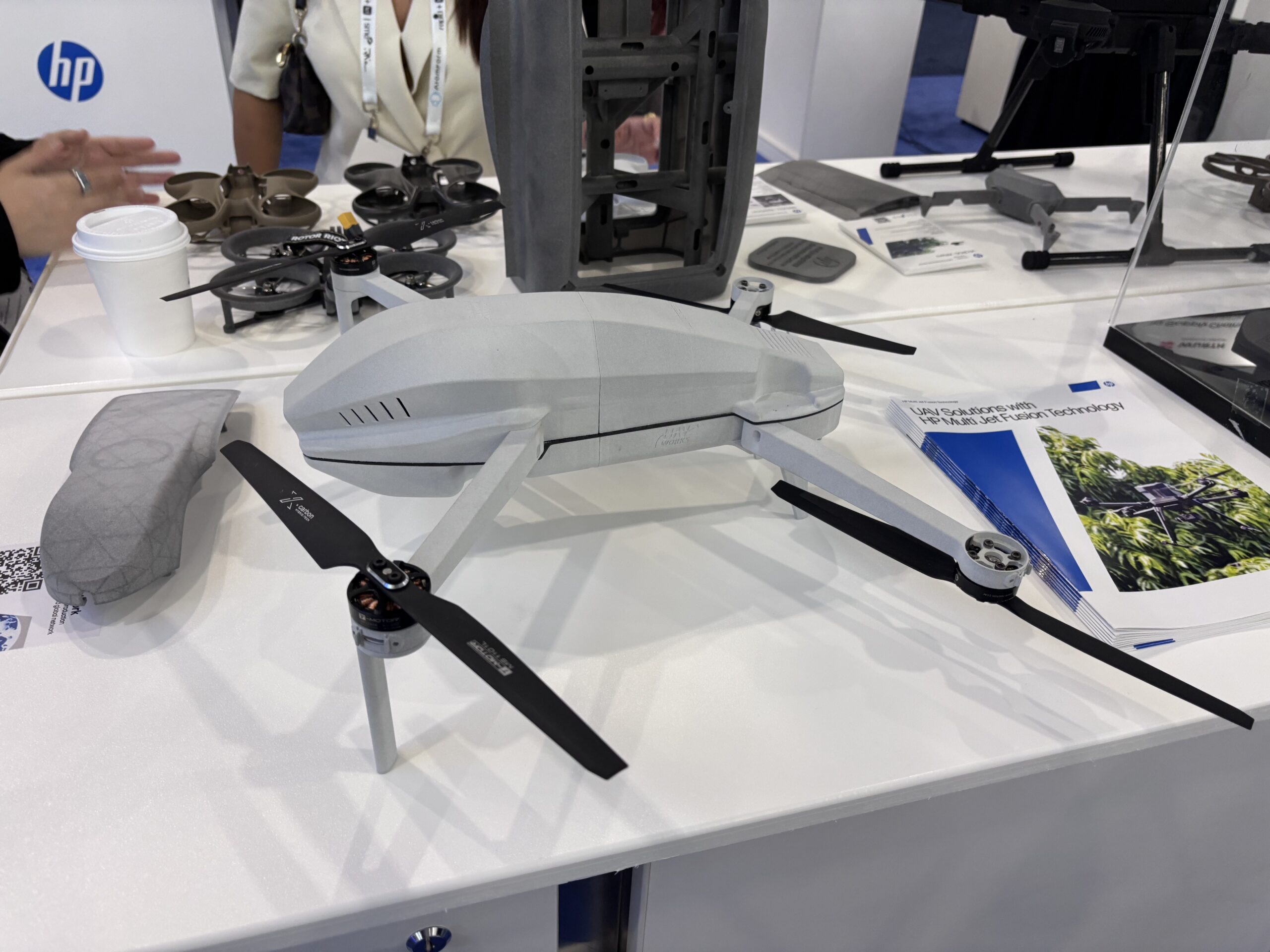
    Drone components produced with HP’s Multi Jet Fusion technology on display at the event.

    Key Applications and Recent Successes

    Additive manufacturing is already transforming lead times for drone programs through rapid tooling and on-demand parts, compressing production schedules from months to weeks. The immediacy of 3D printed components enables teams to iterate on designs faster, validate aerostructures, and accelerate program cadence. This is exactly the practical outcomes Stratasys targets with its aerospace footprint, with proven, comprehensive, scalable, and disruptive technology solutions supporting drone manufacturing at all levels.

    Beyond speed, AM unlocks meaningful weight and performance gains. Topology-optimized lattices, fiber-reinforced composites, and hybrid architectures shave mass while retaining strength and stiffness. This extends endurance and payload capacity on tactical platforms. Those geometric freedoms let designers rethink load paths and thermal management, producing airframes and internal structures that would be impossible or prohibitively expensive with conventional methods.

    Be sure to check out HP’s upcoming presentation at XPONENTIAL, “Building Smarter, Flying Further: The Role of AM in Next-Generation UAVs.

    For Impossible Objects, the priority is affordable mass production and version versatility.” Impossible Objects has an impressive history with the U.S. Air Force and recently shared the real-world traction and validation with Rock Island Arsenal (RIA), which is now expected to produce 10,000 drones per month using CBAM technology and material solutions. Access to this technology creates a feedback loop from the battlefield, allowing integration immediately without the need for tooling or external resources.

    To learn more about the engagement with Rock Island Arsenal, I recommend reading the recent article published on Defense News.

    Finally, distributed production and resilience are already shifting from theory to practice. In-field manufacturing, like the Firestrom Labs expeditionary manufacturing system that uses HP MJF technology, will enable repair and mission sustainment closer to operations. This reduces dependency on long logistics chains and helps meet high-rate defense production needs while also hedging raw-material risks.

    Check out Carolyn Schwarr’s December 2025 article on Forbes.com, focused on Firestorm Labs and continued success with 3D printing.
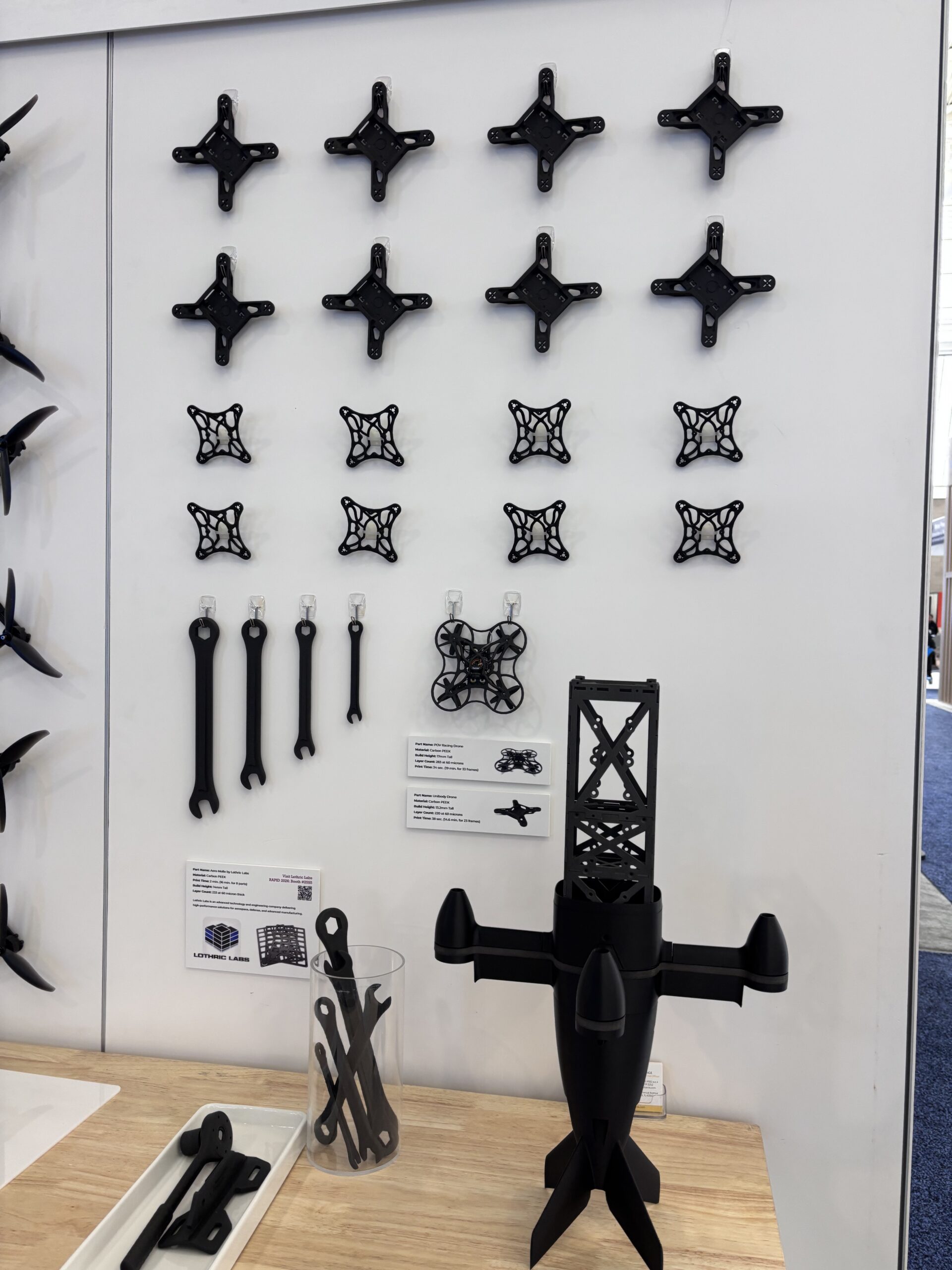
    Impossible Objects and Titan Dynamics showcased large UAV platforms and drone systems at the event.

    What’s Next?

    The next advances aren’t just about printers. They’re about the digital thread that requires secure design files, certified material libraries, workflows, and robust technical data packages (TDPs). It’s about improved functionality through embedded electronics, or smart parts, that provide sensing data for health monitoring and maintenance. It’s about certification and standards that include qualification frameworks, material databases, and on-demand resources.

    For military and regulated commercial programs, validated digital workflows and authorized in-field manufacturing are prerequisites for moving from pilots to practiced production.

    If you build, design, manufacture, or engage in policy and procurement strategy for drone components, then it’s time for you to join the conversation at next week’s AUVSI XPONENTIAL in Detroit, MI (May 11-14).

    AUVSI XPONENTIAL is the place to see these trends in action. Industry leaders and additive OEMs, including HP and Stratasys, will present sessions on production-ready AM, secure manufacturing at scale, and the role of AM in next-gen UAVs.

    Additive manufacturing is no longer just a prototyping tool for drones; it’s an enabler of new production models. From high-volume polymer parts to carbon-fiber structural components and precision metal subsystems, AM technologies are being chosen to meet specific mission needs across UAV groupings.

    As governments and industry scale programs like Drone Dominance, the winners will be those who combine validated digital workflows, the right print technology for the mission, and production-ready supply chains. If you want to influence or adopt that future, start at the show floor in Detroit.

    If you’re interested in how additive manufacturing is reshaping drone production, supply chains, and defense readiness, these topics will also be explored at the Additive Manufacturing Strategies UAS: The Present and Future of Drone Manufacturing event on June 30, 2026.

    About the Author

    Ryan Hayford, founder of Hayford Consulting, is an additive manufacturing consultant who supports OEMs with marketing, sales, and go-to-market strategy and execution. He works with companies across the AM industry on business development, market positioning, and commercialization efforts.
  • First Containerized System from AML3D Now Operational at US Navy AM CoE

    Shipbuilding giant Austal USA recently announced the launch of the Digital SEA (Secure Exchange for Additive) platform, which should play a major role in expanding accessibility to the sorts of capabilities that Austal USA and the US Navy are developing at the Additive Manufacturing Center of Excellence (AM CoE) in Danville, Virginia. Chief among those capabilities is the Wire AM process from AML3D, which, like Austal USA (albeit on a much smaller scale) is an Australian company benefitting from its outsized role in the US defense sector.

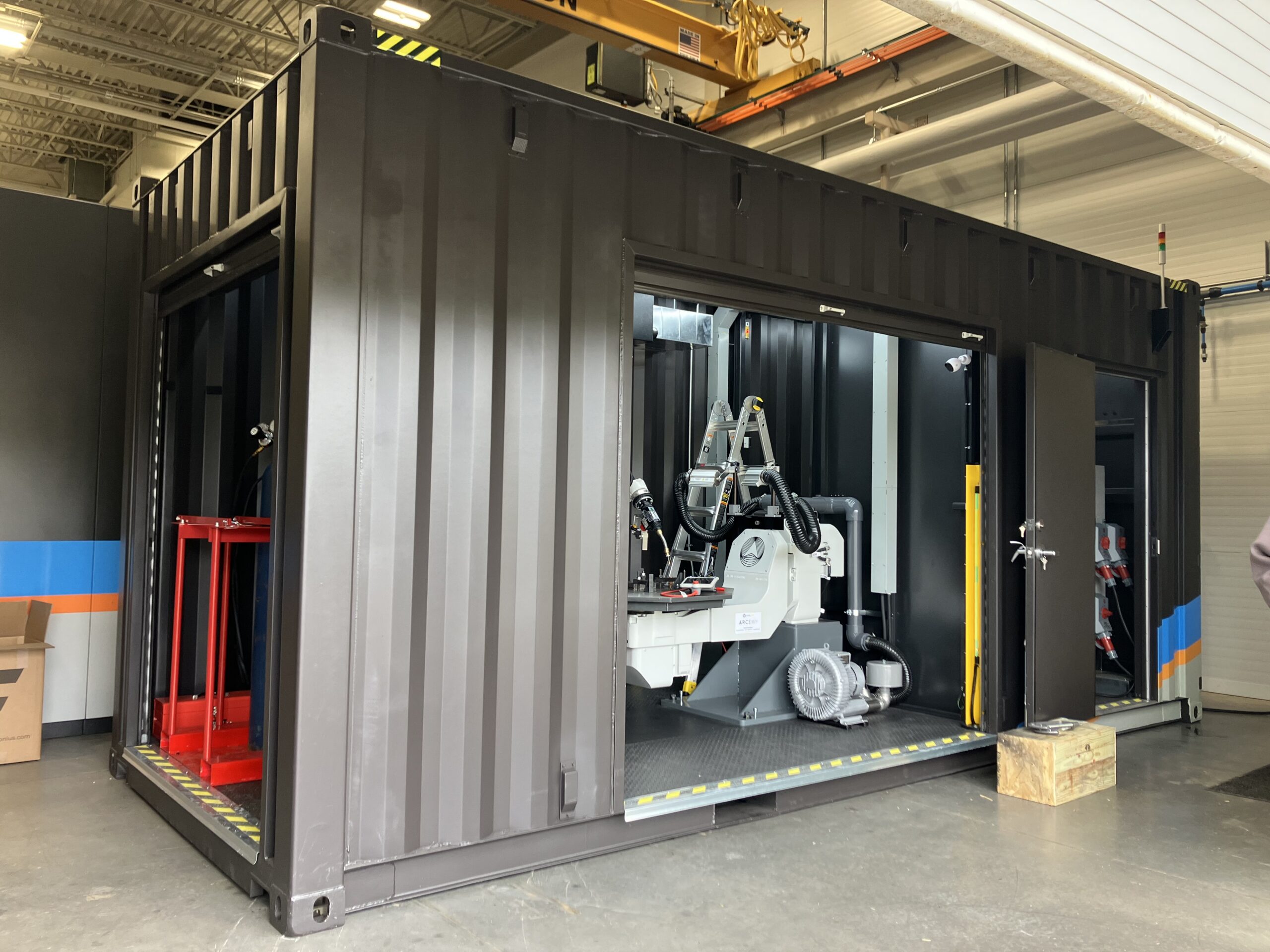
    The Virginia CoE, meanwhile, just expanded its own capabilities with the installation of AML3D’s first portable ARCEMY system, a AU$1.2 million (~$864,000) machine mounted in a 20-foot shipping container. This is now the third AML3D system in service at the AM CoE, with two custom, large-format AML3D systems already installed at the Virginia site.

    Image courtesy of Austal USA

    The advantage of portability means that as the AM CoE continues to expand, Austal USA and the US Navy will have a much easier time reorganizing their production space as the need arises. According to AML3D, the containerized system takes as little as 1-2 days to reinstall, compared to 2-3 weeks for its fixed counterparts.

    Additionally, access to a containerized model will give the US Navy and its partners the opportunity to test the possibility for using AML3D’s technology under expeditionary manufacturing conditions. As the US military demonstrated most recently at the Balikatan joint exercises in the Philippines, manufacturing at the edge is an increasingly vital component of the Pentagon’s long-term advanced manufacturing objectives.

    In a press release about the installation of the first portable AML3D ARCEMY system at the US Navy AM CoE in Danville, VA, Sean Ebert, the CEO of AML3D, said, “It is exciting to continue to build our relationship with Austal USA. The success of this first portable, containerized system demonstrates how AML3D can flex its technology to meet multiple US military and industrial use cases. …[W]e are still only beginning to access the huge opportunity…outlined in the Letter of Intent we received from the US Navy that indicated a need for up to 100 [AM] systems and 3,400 additively manufactured parts by 2030.”

    While Digital SEA and the containerized ARCEMY system are each notable in their own right, there’s also an undeniable synergy between the two releases in terms of how they meet the same fundamental demand: lowering the adoption barrier for large-format metal AM. This has implications far beyond the maritime defense market, although the US Navy will of course be the most immediate beneficiary of the software/hardware combo.

    In fact, if Austal USA and the Navy can indeed bear out the viability of using containerized wire-arc AM (WAAM) under forward operating conditions, there will be no shortage of work for the Navy, itself, in areas outside of maritime. Aside from defense, AML3D also has a growing footprint in the utilities market. In a world where the US military is permitted to reassume some semblance of willingness to cooperate with its allies, I can envision scenarios in which the US Navy and its allies collaborate on a sort of ’emergency grid repair fleet’ to underwrite Western energy security.

    And, even aside from using containerized welding robots in contexts of forward deployment, the agility implied — especially insofar as those portable systems are backed by distributed manufacturing software platforms — makes the tech a far more compelling sell to new users. This isn’t just about the ability to train new users more quickly, but the sheer ability for less cumbersome resale in the secondary market.

    I’ve long been a fan of WAM, but portability was obviously never one of the reasons why. If that’s a promise that Austal USA et al. can truly validate, then AML3D will have transformed into an even more intriguing prospect than was already the case.

    Images courtesy of AML3D unless otherwise noted

  • Tectonic 3D Takes Over Solvay 3D Printing Materials Portfolio

    High-performance 3D printing materials company Tectonic 3D has bought the 3D printing materials portfolio of Solvay. The Syensqo portfolio, including PEEK AM Filament MS NT1, PEEK CF10 LS1, PPSU, NT1 HC, and CF10 HC materials, will now be offered by Tectonic. This marks another exit of a big materials company from additive manufacturing. 

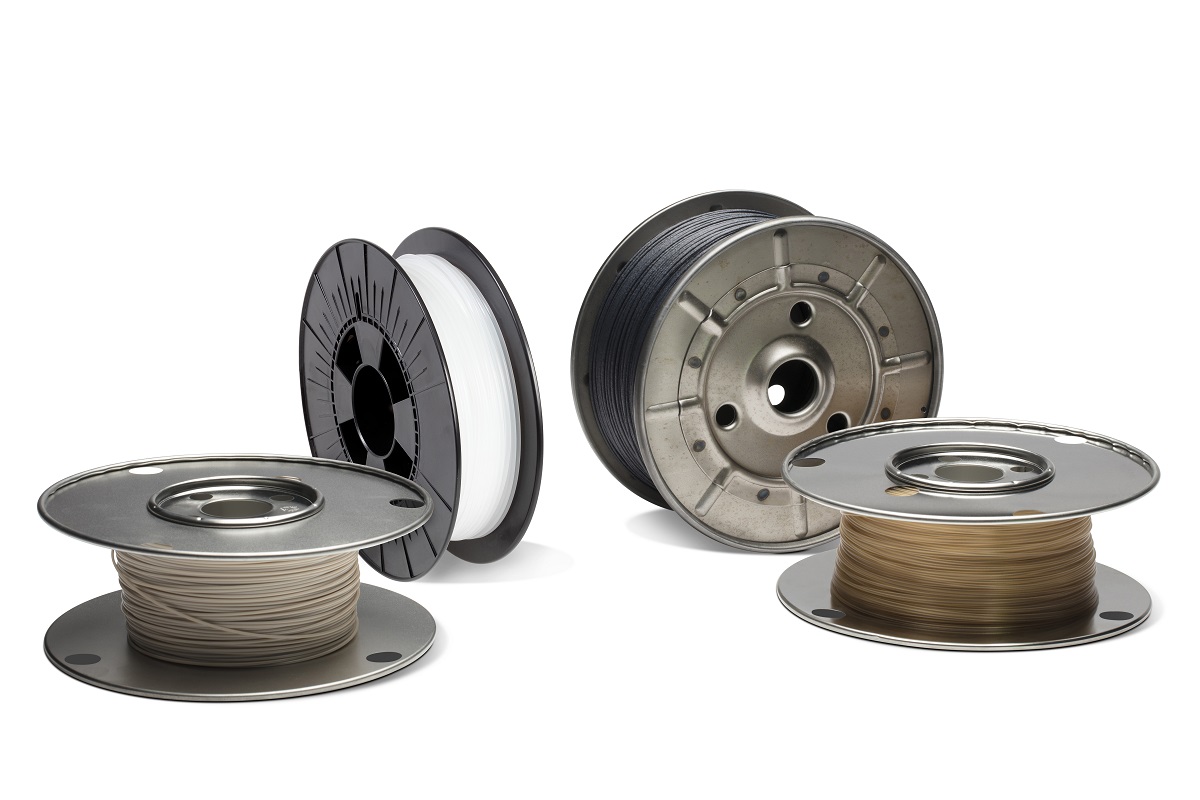
    Solvay AM-ready filament. Image courtesy of Solvay.

    Tectonic 3D CEO Kenneth Kempinski said,

    “We are extremely excited to take this next step, This portfolio represents a benchmark in high – performance additive manufacturing materials. Bringing these products into Tectonic 3D allows us to accelerate innovation, deepen our application expertise, and deliver even greater value to customers operating in the most demanding environments.”

    Meanwhile, Syensqo’s Brian Alexander pointed out that,

    “We are confident that this filament portfolio is in very good hands with Tectonic 3D. Their technical depth, focus on advanced materials, and strong commitment to additive manufacturing make them the ideal partner to continue developing and supporting these products on a global scale.”

    Moreover, the company indicated it will “ensure full continuity in production, supply, and technical support, while investing in further development of these materials to unlock new applications and performance capabilities.” This is good news for Solvay customers and for people who had qualified parts made from these materials. Solvay entered the market when 3D printing fever was at its frothiest. But the company did offer a direct portfolio of materials optimized for production. The company, therefore, had much more market intelligence and knowledge than other players who sold indirectly. Solvay specializes in PEEK and other very high-performance materials, going for the top of the market. The company listened to customers, read the direction the market was heading, and developed a strong portfolio for industrial and aerospace applications. The company also had some medical-specific grades that seem not to have been included in the transfer.

    I guess that at Solvay, just like at Dow, DSM, BASF, Covestro, and others, there was just too much of a bridge between the imagined riches and actual performance of these companies. Yes, 3D writing grew, but it never reached volumes that were truly exciting to these materials firms. Yes, the materials were sold at high margins, but there was never any significant impact on the bottom line of the large, multi-billion-dollar revenue firm that owned the unit. And of course, by keeping materials costs high, these firms did not build or grow the market but rather helped keep it small. Yes, printer toner and ink are expensive, but paper is cheap, so the cost per page is still manageable while being a gold mine for inkjet companies. But in 3D printing, the material is both the ink and the paper, so high costs prevent things from being made. All of these huge materials firms had different plans, strategies, and dreams. In the end, none of them really wanted to lower prices or make functional materials available at low cost to grow the market. That was a mistake.

    Now, Henkel is still involved in making resins and building its market. SABIC still has an Ultem-focused portfolio that is a mainstay for many firms. Naturworks still does well in PLA, although it’s under siege from Chinese producers. Specialists and early participants, Arkema and Evonik, are still involved with strong portfolios in their respective areas. These firms continue to bring innovation and R&D experience that help our entire industry move forward. Generally, we can now see that many Chinese raw materials firms provide feedstock for 3D printing materials. Other global firms still provide materials but are not interested in our market.

    This leaves space and opportunities for companies like Tectonic 3D. Chock full of very experienced 3D printing professionals, Tectonic develops high-performance materials for large-format, high-temperature, and desktop material extrusion. The company offers some of the highest-temperature, continuous-service materials for 3D printing. They also have materials optimized for rail components, lightweight drone assemblies, and more. I liked the application-focused materials when Clariant pioneered them, and loved the deep application expertise that DSM had. Tectonic is combining those two approaches into a hybrid, with a deep focus on defense and high-tech industrial applications. That focus, coupled with making more possible on desktop 3D printers as they move into more manufacturing, is paying off for them. Let’s hope more materials firms are as innovative and nimble as they are.

  • 3D Printing Financials: Stratasys Bets on Defense and Drones as Printer Sales Slow

    Stratasys (Nasdaq: SSYS) started 2026 with lower revenue and a larger loss as customers continued to slow down spending on new 3D printers. Still, the company pointed to stable recurring revenue from materials and customer support, along with continued growth at Stratasys Direct, its parts manufacturing business. During the quarter, Stratasys also focused more on aerospace, defense, dental, and production-focused applications, while keeping its full-year 2026 guidance unchanged.

    First-quarter revenue totaled $132.7 million, down from $136 million a year earlier. Product revenue dropped to $88.8 million from $93.8 million, while system revenue fell to $28.8 million from $31.2 million. Consumables revenue was also lower at $60 million, compared with $62.6 million last year. Service revenue, which includes Stratasys Direct, moved in the opposite direction, rising to $43.9 million from $42.2 million. Customer support revenue was nearly unchanged at $29.7 million, versus $30 million a year ago.

    The company’s margins also came under pressure during the quarter. Gross margin fell to 41.7%, down from 44.3% a year ago, while adjusted gross margin declined to 46.3% from 48.3%. CFO Eitan Zamir told investors during the earnings call that the decline was mainly tied to lower revenue during the quarter and a $2.4 million year-over-year increase in tariff costs. He also said tariffs and foreign exchange rates reduced profitability by roughly $5.3 million during the quarter.

    All of that also affected the company’s bottom-line results. Stratasys reported a net loss of $23.8 million, or 28 cents per share, compared with a net loss of $13.1 million, or 18 cents per share, in the first quarter of 2025. The company also reported an adjusted net loss of $1.3 million, or one cent per share, compared with adjusted net income of $2.9 million, or four cents per share, a year ago. Adjusted EBITDA totaled $2 million during the quarter, down from $8.2 million a year ago.

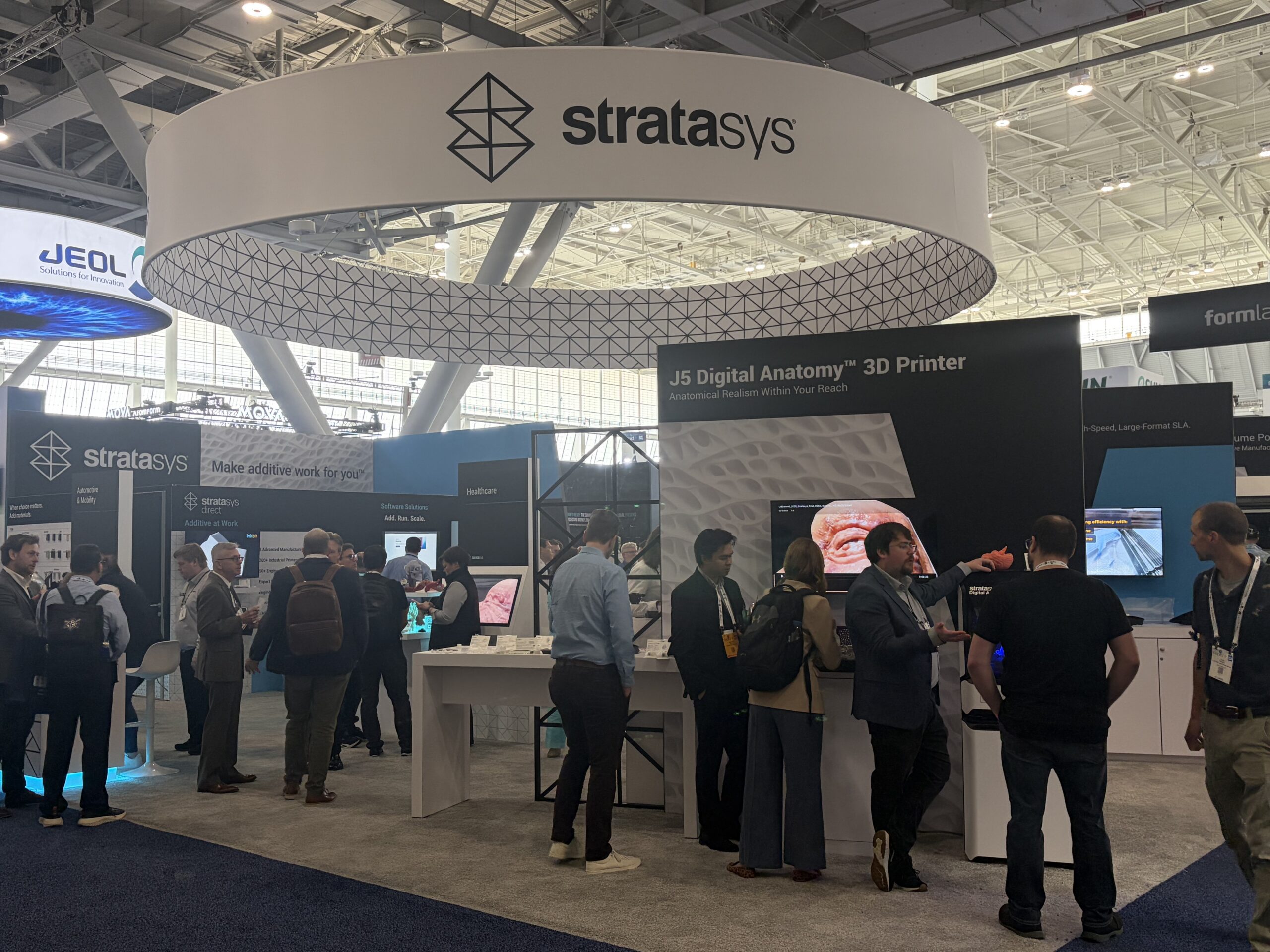
    Stratasys booth at RAPID+TCT 2026. Image courtesy of Sarah Saunders/3DPrint.com.

    Despite the lower earnings, Stratasys generated $2.4 million in operating cash flow and ended the quarter with $237.8 million in cash, cash equivalents, and short-term deposits. The company also said it remains debt-free. 

    One of the clearest growth signal during the quarter came from Stratasys Direct, the company’s parts manufacturing business.

    CEO Yoav Zeif told investors that “Stratasys Direct delivered over 10% sequential growth and 23% organically after divestments when compared to the first quarter of 2025,” adding that “the top three parts customers were again all U.S.-based drone-related companies.” 

    According to Zeif, drones are becoming one of the fastest-growing areas for additive manufacturing (AM) because they require lightweight parts, faster production, and more flexible supply chains. During the call, he said Stratasys is already producing parts for both large and small unmanned aerial vehicles (UAVs), particularly using its industrial FDM systems and ULTEM materials. He also linked the growing drone business to broader increases in military spending around drones, missiles, munitions, and sustainment programs. Zeif argued that AM fits these applications well because it can produce parts quickly, reduce supply chain dependence, and create geometries that are difficult to manufacture traditionally.

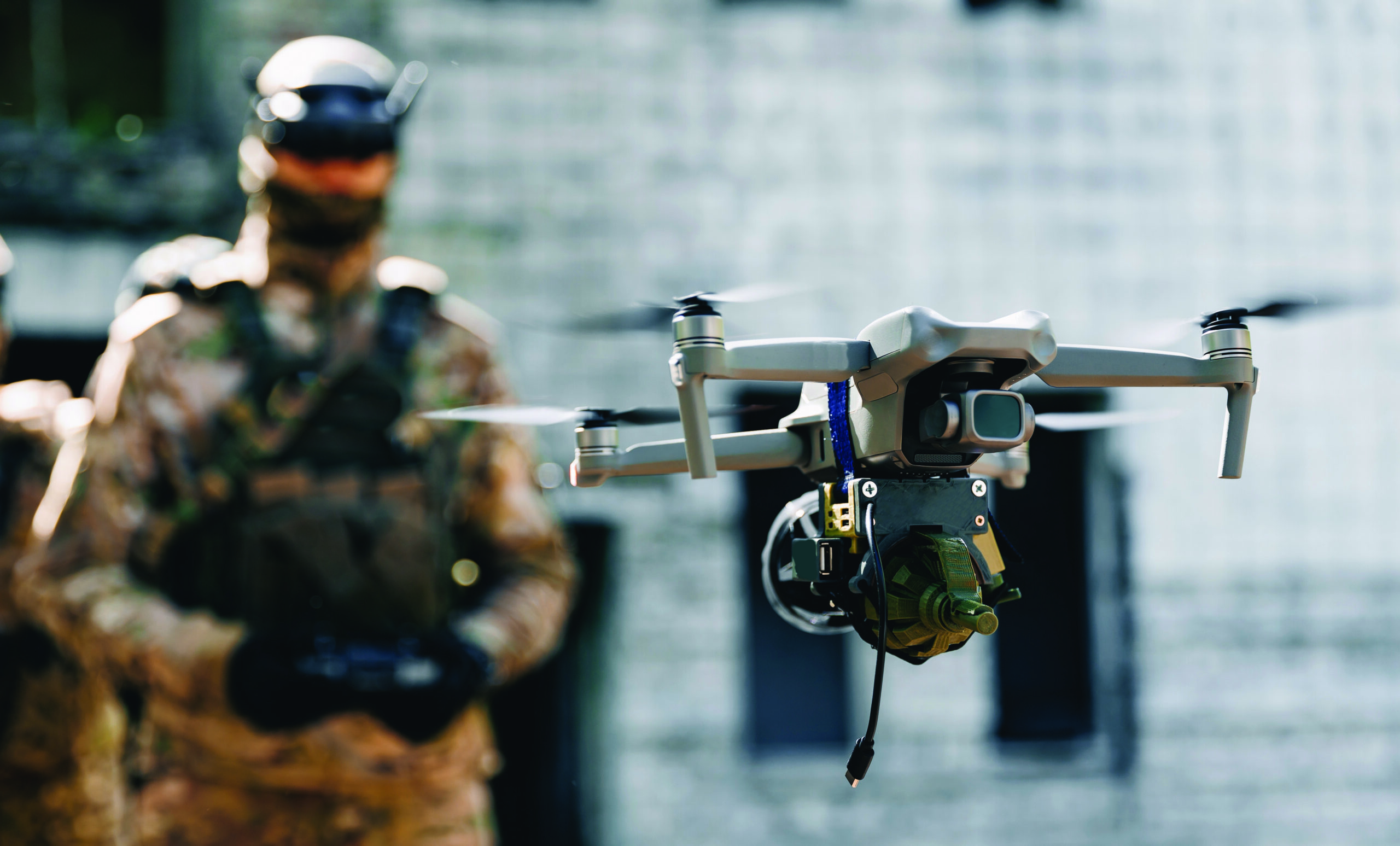
    A soldier UAV operator launches an army drone with a bomb to drop into enemy fortifications and trenches. Concept using military robots in modern warfare. Image courtesy of Stratasys

    Executives described Stratasys Direct as more than just a service business. According to management, many customers first order printed parts from Stratasys Direct before later buying their own printers, making the business an early sign of future hardware demand. Zeif also said much of the defense work is no longer centered on prototyping. Instead, the company is seeing growing demand for production parts tied to drones, missiles, munitions, military sustainment and repair programs, tooling, and shipbuilding applications.

    Defense and aerospace became the central focus of the earnings call. Zeif described aerospace and defense as Stratasys’ “leading vertical today with a very promising pipeline” tied to military and industrial production. He pointed to Stratasys’ ongoing work with organizations such as the U.S. Air Force and NAVAIR, as well as its large installed base across aerospace and defense environments. He also noted that Stratasys Direct ships more than 100,000 parts annually to the defense industry and operates under certifications including AS9100, ISO 9001, CMMC compliance, and ITAR requirements. 

    During the quarter, Stratasys Direct was also selected for the U.S. Department of Defense’s Joint Additive Manufacturing Acceptability IV Pilot Parts program, known as JAMA IV. The company described the initiative as a multi-million-dollar program aimed at accelerating the qualification and deployment of 3D printed parts across military platforms.

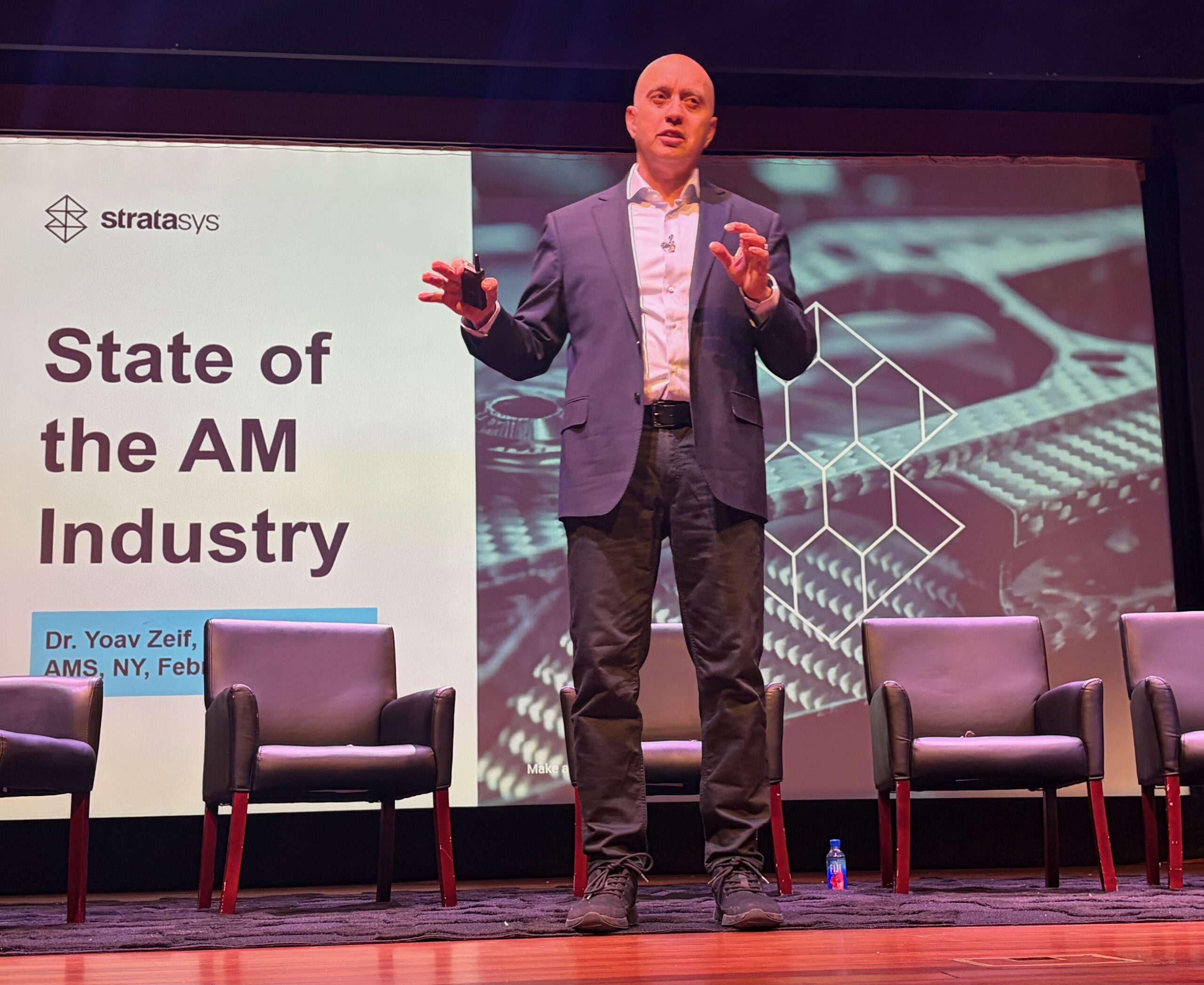
    Stratasys CEO at AMS 2026. Image courtesy of 3DPrint.com.

    Stratasys also pointed to progress in space and aerospace applications. Zeif said, “We are seeing continued momentum in high-reliability aerospace applications with thousands of parts in orbit, leveraging our materials. In fact, on the recent Artemis II moon mission, hundreds of components produced with Stratasys Antero materials on our FDM system were flown, highlighting the maturity and scalability of additive manufacturing in space systems. This is a strong validation of the high-performance applications of our materials and our position in mission-critical environments, reinforcing the growing role of additives in next-generation space and defense platforms.” 

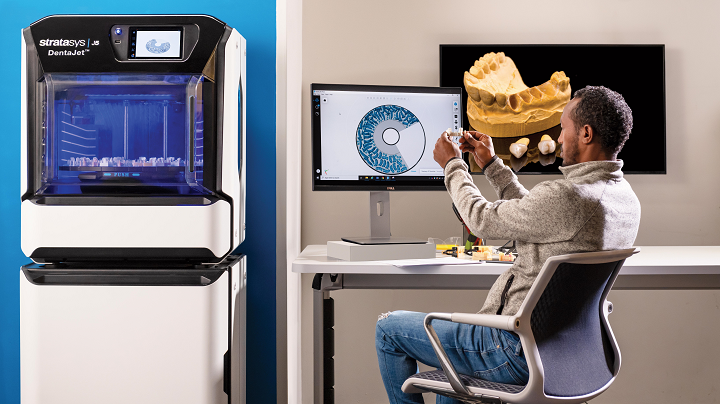
    Stratasys’ latest 3D printer for the dental market maximizes productivity in a small footprint. Image courtesy of Stratasys.

    Dental was another important area. Stratasys said its TrueDent resins received CE Class IIa medical device certification in Europe, expanding the product’s use for long-term intraoral removables, crowns, and bridges. Zeif said this removes an adoption barrier in Europe and gives Stratasys a first-mover position for polychromatic 3D printed dentures in that market. 

    Stratasys also rolled out several updates tied to materials and software. ULTEM 1010 is now available as filament for the company’s F3300 system, opening the platform to more aerospace and high-temperature tooling applications. The company also expanded the availability of its ToughONE material to additional PolyJet systems, including the J3 and J5. On the software side, Stratasys said it is adding measurement-based warp correction features to GrabCAD Print Pro for Origin One P3 users, with the goal of reducing trial-and-error adjustments on complex parts.

    Stratasys did not change its full-year 2026 outlook. The company still expects revenue between $565 million and $575 million and said results will improve as the year goes on. It also maintained its forecast for adjusted gross margins of 46.7% to 47.1%, adjusted EBITDA of $25 million to $30 million, and positive operating cash flow. Executives, however, said tariffs and foreign exchange rates continue to pressure the business.

    Overall, the quarter showed that Stratasys is still dealing with slow printer sales and cautious customer spending. At the same time, the company continued to focus on production applications, especially in defense, aerospace, dental, and industrial manufacturing, where it sees 3D printing becoming part of regular manufacturing operations instead of being used mainly for prototyping.

    The growing connection between drones and additive manufacturing is also expected to be a major topic at the upcoming Additive Manufacturing Strategies UAS: The Present and Future of Drone Manufacturing event on June 30, 2026, which will focus on how 3D printing is being used across UAV production and defense applications.

  • 3D People Case Study Details Development of 3D Printed POV Camera Rig

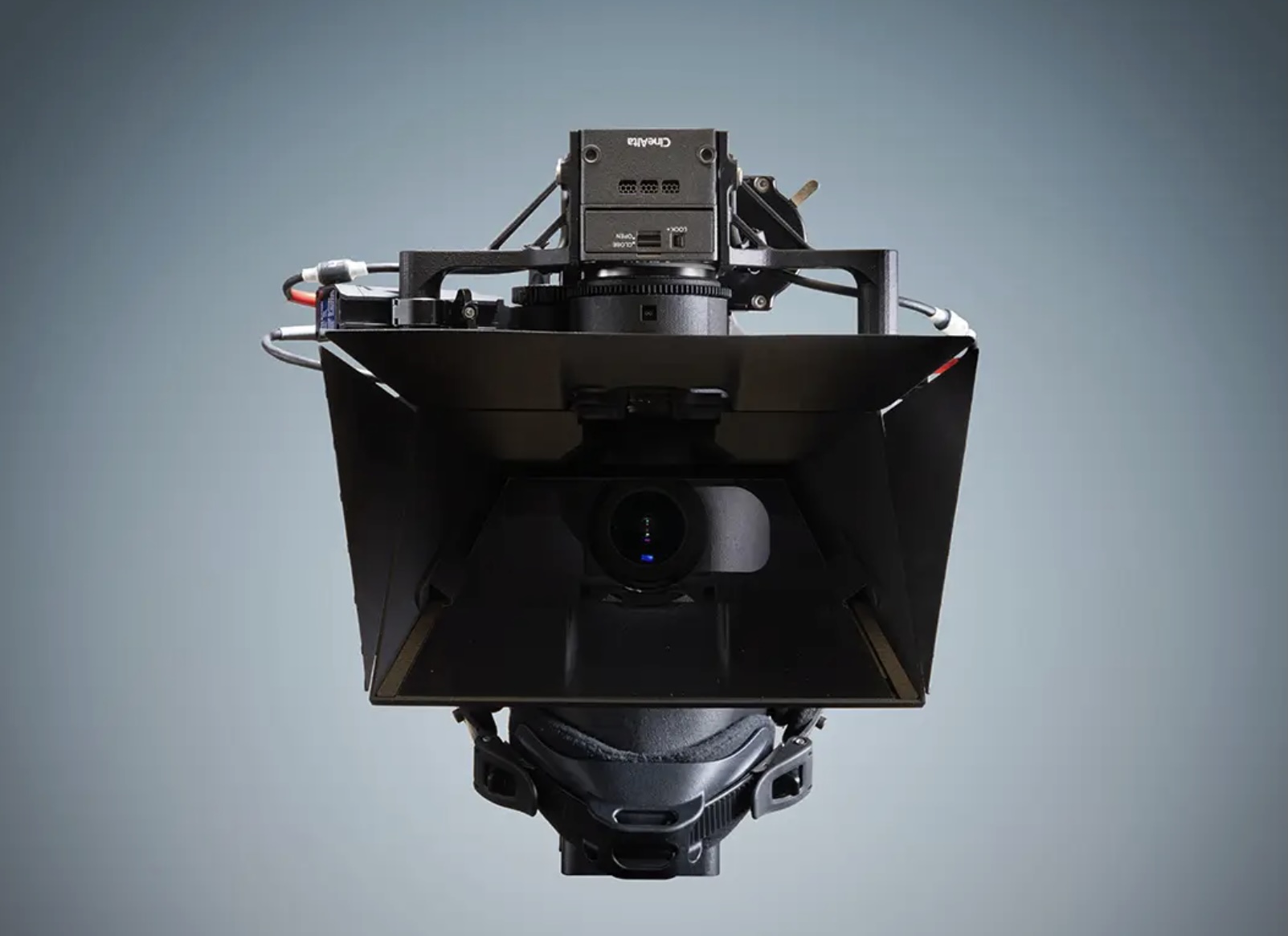
    A POV, or Point of View, camera rig, is a wearable support system that helps filmographers capture first-person footage, making the images more immersive. Some good examples of movies shot with POV cameras include horror films The Blair Witch ProjectParanormal Activity, and Cloverfield. Unfortunately, these rigs aren’t foolproof. The camera setup itself either gets in the way of the shot, or the footage captured isn’t an exact match for what the human eye sees. Cyclops POV, called “the world’s first” professional POV camera system, was designed to fix both of these issues.

    “Having shot many projects in the past that required a point of view solution, I was never satisfied with the on-set experience or the resulting footage,” said James Medcraft, the founder of Cyclops POV.

    This geometrically complex, head-mounted rig was developed by Medcraft, a cinematographer, to capture footage precisely as the operator sees it. And, no surprise, 3D printing was used to make the Cyclops a reality. According to a case study by UK digital inventory platform and additive manufacturing (AM) service 3D People, the technology “became the foundation for how the product was built and produced.”

    Specializing in production-grade parts, 3D People wants to make manufacturing more accessible, while maintaining a high level of quality. All the projects that the company works on are made in its London facility with powder bed fusion technology and high-quality finishing solutions. 3D People is no stranger to very specific requests, and makes parts for clients in a variety of industries, such as automotive, engineering, energy, construction, product design, and film.

    The Cyclops POV rig doesn’t fit into a neat and orderly traditional manufacturing box. It features parts with complex geometries, they’re all fairly low-volume, and the design is still evolving. That’s why AM was so useful for this particular project. You can produce parts directly from CAD without any tooling or minimum order quantities, and, as the case study specifies, “without redesigning around manufacturing limitations.” So instead of devolving into an assembly of simpler parts, Cyclops is an integrated system.

    3D printing technology was also particularly helpful in terms of efficient iteration. If any changes needed to be made to the design of Cyclops during the process, 3D People could make them and test the new design in just days, rather than weeks.

    “The primary challenges were iterative testing at speed, which was where 3D People gave me some great support,” Medcraft said.

    “I worked with 3D People through the prototyping stages of Cyclops and now use them for manufacturing the final parts.”

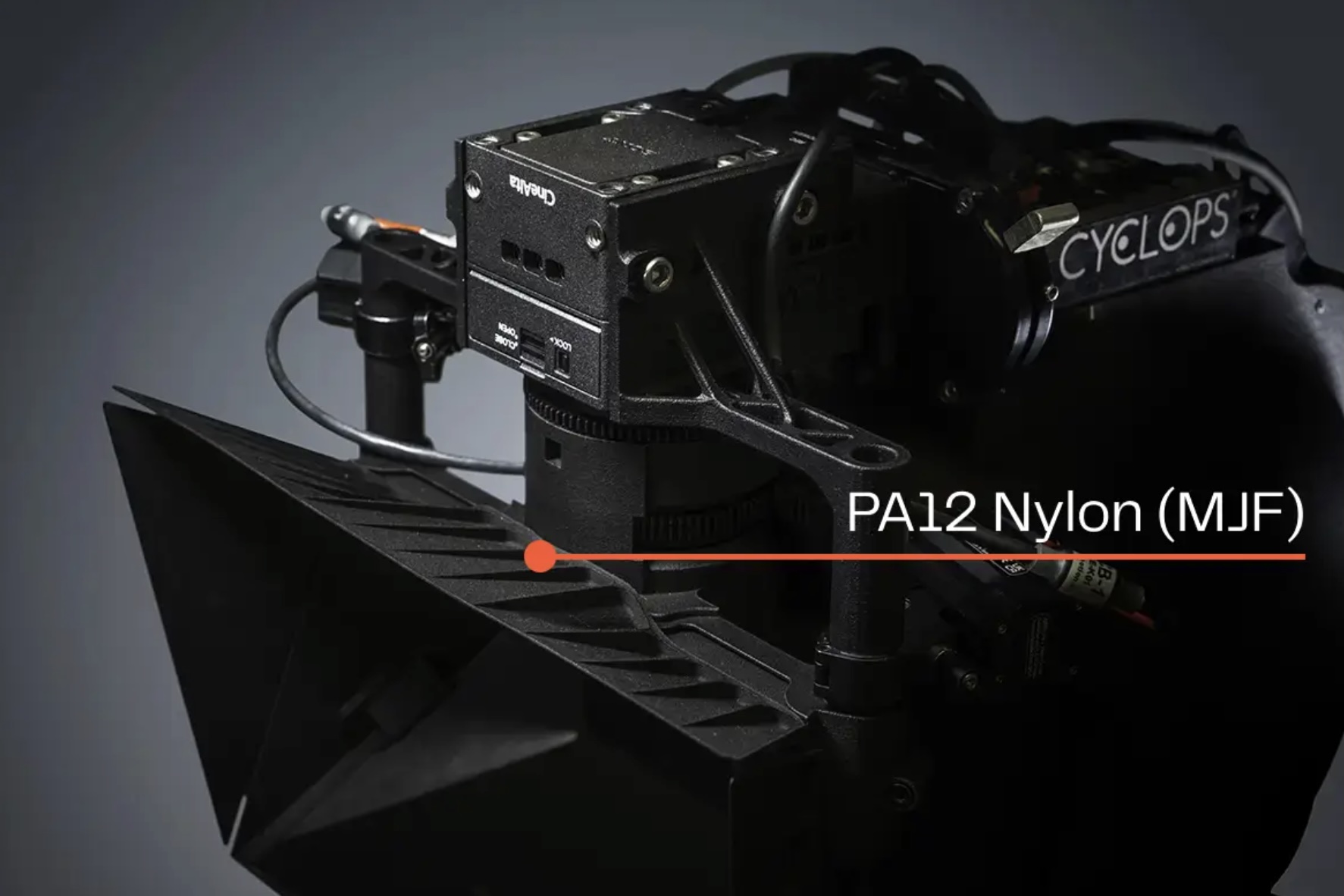
    Medcraft has a background in 3D design, so he definitely knew what he was doing while working with 3D People on the Cyclops. Due to its “inherent isotropic strengths and design freedom,” PA12 was used to 3D print the POV rig parts, seemingly with HP’s Multi Jet Fusion (MJF) technology.

    The rig is built around the Sony E-Mount, and is compatible with the Venice Rialto or FX3 camera extension systems. It uses custom optics to reflect the operator’s view right into the camera. This captures the natural field of view and depth of field, but because it’s head-mounted, the Cyclops leaves the operator’s hands free for more flexibility while interacting with a scene.


    View this post on Instagram


    A post shared by CYCLOPS POV (@cyclopspov)

    Because of how specific the rig is, 3D People had to work around unusual geometries and tight packaging, while also consistently balancing strength, weight, and usability. But they were more than up to the task.

    Medcraft said, “The best 3D printing service provider isn’t just a company with lots of machines but a team that understands their customers’ products.”

    While it may not be a major application like submarine components or medical devices, the 3D printed Cyclops POV rig is a perfect example of using the technology when it can truly add value.

  • 3D Printing News Briefs, May 9, 2026: Financials, Large-Format Printer, Steels, & More

    In 3D Printing News Briefs this weekend, 6K Additive has appointed a new COO and released its Q1 financials. Rolls-Royce opened a new AM Development Cell, and MODIX launched its new large-format 3D printer. Finally, Meltio is collaborating on a project to develop sustainable steels for AM.

    6K Additive Announces Q1 26 Activities Report & New COO

    Brandon Davis, 6K Additive’s Newly Appointed Chief Operating Officer

    U.S. company 6K Additive (ASX: 6KA), a manufacturer and supplier of high-performance metal powder for additive manufacturing (AM), recently released its quarterly activities report for the first quarter of 2026, which ended March 31st. The company ended Q1 with a net cash balance of $26 million, with quarterly net sales of $6.2 million, which is an 88% increase from the same period last year. Revenue for the quarter was $4 million: a 100% increase from Q1 2025. As CEO Frank Roberts said in the earnings call, 6K Additive also had a 46% increase in powder order intake. Speaking of its powder products, the company entered into several strategic relationships in Q1, including with Siemens Energy. A lot of exciting things have happened for 6K Additive recently, like receiving a $1.95 million SBIR Phase II award from the Defense Logistics Agency (DLA), breaking ground on its powder expansion construction in Pennsylvania, and a visit from Congressman Guy Reschenthaler. You can read more about these announcements, and others, in my RAPID interview with 6K Additive.

    Additionally, the company announced the appointment of manufacturing veteran Brandon Davis as its Chief Operating Officer (COO). Davis has over two decades of experience; most recently, he served as Vice President of the Components Division at Dexter Axle Corporation, where he held full P&L responsibility for a $500 million operation and helped increase EBITDA over 20%. Previously, he was President & CEO of EVRAZ Stratcor, and is also a veteran of the United States Army, serving as a Military Police Officer. At 6K Additive, he will oversee global operations, including metal powder production and alloy additions. He will manage all of the company’s facilities, from its Pennsylvania headquarters to sites in West Virginia and California, and his focus, as he said in a press release, “will be on streamlining our manufacturing campuses into high-margin, safety-first organizations while accelerating our automation journey to meet the increasing demands of the aerospace, defense, medical, and energy sectors.”

    Rolls-Royce Opens AM Development Cell in Bristol for Aircraft Engine Parts

    Recently, Rolls-Royce opened a new AM Development Cell at its Defence Assembly and Operations facility in Bristol, UK, thanks to funding from the UK Ministry of Defence. The cell uses metal AM to fabricate complex, critical components for aircraft engines, and is located in a custom-built, carefully controlled 350 m2 space, with optimized air pressure, humidity, and temperature to ensure consistent print quality. To use the cell, engineers must be specially trained, so this will also help create and sustain jobs at the Bristol hub, which is home to the UK’s military combat and transport aerospace power and propulsion sectors. The 3D printed parts will be important in speeding up innovation, knowledge, and skills across the Global Combat Air Programme (GCAP), as well as any future combat power and propulsion needs across Rolls-Roys and Ministry of Defence applications.

    “This new facility in Bristol is a clear sign of UK industry investing in the skills and technology we need to stay ahead. By using the latest manufacturing techniques to build lighter, more efficient components, Rolls-Royce is helping to keep British engineers at the forefront of innovation – all the while creating and sustaining skilled jobs right here in Bristol,” said Luke Pollard MP, Minister for Defence Readiness and Industry, who attended the unveiling.

    Modix Announces Launch of New MAMA-1000 Large-Format 3D Printer

    Modix Modular Technologies, which designs and manufactures large-format 3D printers for both filament and pellet extrusion, has announced the latest in its MAMA series. The new MAMA-1000 3D printer joins the MAMA-1700 and XL3000, but as a more compact addition to the line, though it’s not small by any means. The system features a 1,000 x 1,000 x 1,000 mm build volume, expanding access for industrial users to Modix’s advanced 3D printing. Just like the other printers in the line, the MAMA-1000 has interchangeable filament and pellet print heads for extra flexibility. Pellet printing has a higher throughput and lower material cost per kilogram, while filament is better for tight tolerances and finer details. All told, the new MAMA-1000 should work well for functional prototyping, tooling, end-use parts, molds, and large-format production. It also offers a range of optional add-ons and accessories, like pellet drying and mixing, dual-head configuration, and air filtration.

    “The MAMA-1000 is an important expansion of our MAMA family. Not every customer needs the full size of the MAMA-1700, but many still want the unique flexibility of combining pellet and filament extrusion in one professional system. The MAMA-1000 answers that need by offering a more compact format without compromising on versatility,” said Shachar Gafni, CEO of Modix.

    Meltio Helps with SUMMSEED Project to Develop Sustainable Steels for AM

    Companies in the mining and heavy machinery sectors want a more environmentally sustainable steel that meets industrial quality and cost requirements, and offers properties similar to those of current materials. A European project called SUMMSEED (SUstainable Medium Manganese StEEls for cost-efficient applications in heavy inDustries), funded by the Research Fund for Coal and Steel (RFCS), is focused on developing more sustainable medium-Mn steels (MMns). It’s a collaboration between academic and technological partners with steel sector companies, led by Technical University of Catalonia · BarcelonaTech (UPC). The idea is to create a steel that’s tailored to industrial casting conditions, but can be manufacturing using laser-wire AM, specifically DED. The project’s scientific partners will validate and certify the properties of the new steel, which will be manufactured by SANDVIK with Meltio‘s metal AM technology. Other participants include TU Delft, SIDENOR, CIM UPC, and TU Bergakademie Freiberg.

    “It is expected that this novel material will render an improved service performance than the currently used Hadfield steels enabling a more sustainable production by reducing alloying elements and the reuse of end-of-life parts,” said Pere Barriobero Vila, coordinator of the SUMMSEED project at UPC in Barcelona. “By tailoring alloys for both casting and directed energy deposition (DED) remanufacturing, the project aims to replace traditional Hadfield steels with leaner, more cost-efficient grades that offer high strength, toughness and wear resistance while reducing CO₂ emissions and the use of critical raw material. From casting to DED repair, the project enables a complete circular process that extends component lifespan and minimizes material waste and environmental impact.”

  • 3D Printing Financials: Xometry Surges After Record Quarter and Siemens Deal

    Shares of Xometry (Nasdaq: XMTR) surged on Thursday, May 7, after the company reported record first-quarter 2026 results and announced a major partnership with Siemens. The stock climbed as much as 46% during trading, reaching a high of $81.51, before closing up roughly 39% at $78.50. The focus was still on Xometry on Friday morning’s pre-market trading after the stock posted one of its biggest single-day gains in years following the earnings release.

    The strong market reaction followed better-than-expected Q1 earnings, driven by accelerating marketplace growth, rising profitability, and growing demand for Xometry’s AI-powered manufacturing platform. Revenue climbed 36% year-over-year to $205 million, while marketplace revenue jumped 40%. Earnings per share came in at 12 cents, beating Wall Street expectations, and adjusted EBITDA improved sharply to $10.5 million from just $0.1 million a year earlier.

    While much of the earnings call focused on AI, digital sourcing, and Xometry’s new partnership with Siemens, executives also talked about improvements to the company’s quoting systems, production lead times, and manufacturing capabilities across the platform.

    Although Xometry did not specifically break out additive manufacturing results this quarter, the company remains important to the 3D printing industry because its marketplace includes a range of on-demand manufacturing services, including AM, alongside its more traditional offerings of CNC machining, injection molding, sheet metal fabrication, and urethane casting.

    Xometry’s Gaithersburg, Maryland site. Image courtesy of Xometry.

    The earnings call also gave investors a closer look at Xometry’s upcoming leadership transition, with current CEO Randy Altschuler discussing the results alongside President and incoming CEO Sanjeev Singh Sahni, who will take over in July.

    Altschuler described Xometry several times as an “AI-native marketplace” built around custom manufacturing. During the call, he said the company’s growth reflects “the success of our AI-native marketplace in the massive, complex, and highly fragmented custom manufacturing market.”

    One of the biggest announcements from the quarter was the new strategic partnership with Siemens. The industrial software giant is investing $50 million in Xometry and integrating Xometry’s quoting and sourcing tools directly into Siemens’ design software ecosystem. According to the company, engineers using Siemens software will be able to receive real-time manufacturability feedback, pricing, lead times, and sourcing options without leaving their design workflow.

    That is very important for AM because many engineers already use Siemens tools during product development. Embedding manufacturing quoting directly into CAD and PLM environments could make it easier for users to evaluate whether parts should be CNC machined, injection molded, or 3D printed earlier in the design process.

    Altschuler called the partnership “a continuous digital thread from design decision to delivered part.”

    While Singh Sahni said the goal is to “remove friction from manufacturing procurement and create a simpler user experience for engineers. The engineers, procurement buyers, and supply chain lead roles are now filled with dynamic, digitally native individuals. They expect the same frictionless journey at work that they have in their personal lives.”

    Xometry celebrates IPO at Nasdaq Exchange.

    Xometry celebrates going public at the Nasdaq on June 29, 2021. Image courtesy of Xometry.

    Xometry does not publicly break out revenue by manufacturing technology, so it is not fully clear how much of the company’s quarterly growth came specifically from AM versus services like CNC machining or injection molding. Still, executives discussed continued improvements to Xometry’s instant quoting and manufacturing systems, which are widely used across 3D printing and other custom production workflows. Sahni said the company’s updated lead-time prediction model now relies on a dataset “four times larger than its predecessor” and includes additional materials, certifications, and finishing options.

    Outside the earnings call itself, Xometry’s recent platform updates also suggest that 3D printing continues to play an important role in the company’s broader manufacturing strategy. Over the last several months, many of Xometry’s announced updates have focused specifically on new 3D printing materials and processes. For example, in April, the company expanded its Direct Metal Laser Sintering (DMLS) offerings with new materials, including Inconel 625, Inconel 718, maraging steel, and titanium Ti6Al4V Grade 5, targeting aerospace, industrial, and medical applications. Earlier updates added new materials for Carbon DLS, Metal Binder Jetting (MBJ), SLS, SLA, and MJF systems.

    That type of expansion, along with continued investments in quoting automation and lead-time prediction, points to a push toward faster and more production-ready AM workflows. The company also pointed to growing demand for certified manufacturing work.

    The company also pointed to a growing demand for certified manufacturing work. According to Xometry, jobs requiring certifications increased 35% on its platform in 2025. That trend could have implications for aerospace, defense, and medical manufacturing, where qualified AM suppliers continue to become important.

    Xometry’s Gaithersburg, Maryland site. Image courtesy of Xometry.

    During the analyst Q&A session, executives also pointed to strong momentum across aerospace, defense, and industrial markets. When asked about demand trends, Altschuler said growth was “very broad-based” across industries and customer segments, while noting continued demand for more resilient, flexible supply chains.

    Altschuler also said the company continues to benefit from ongoing supply chain disruptions and demand for more flexible manufacturing networks: “I think it just underscores to buyers the need for resilient supply chains, the need for digital supply chain flexibility, and that’s what Xometry is.”

    Overall, the results marked one of Xometry’s strongest quarters yet. Gross profit rose 39% year-over-year to $78.5 million, while marketplace gross profit dollars increased 53%. Marketplace gross margin improved to 34.7%.

    The company also moved closer to profitability. Xometry reported adjusted net income of $6.9 million for the quarter, compared to an adjusted net loss of $2.5 million a year earlier. Under GAAP, however, the company still posted a net loss of $5.3 million for the quarter.

    Xometry expects strong growth to continue through the rest of 2026. The company raised its full-year forecast and now expects revenue growth of 27% to 28%, up from its earlier guidance of 21%. Executives said the company continues to see strong activity across its marketplace business as more customers adopt digital manufacturing and sourcing tools.