• Aerospace Giant IHI Bets on Freemelt E-Beam 3D Printing for Next-Gen Turbine Alloys

    IHI Europe has purchased a Freemelt electron-beam powder-bed fusion (E-PBF) system. Previously, parent IHI bought two Freemelt systems, bringing the total to three. IHI is a Japanese engineering conglomerate. The company is a major jet engine manufacturer, space component contractor, and industrial machinery builder. The company makes turbochargers for cars, small tractors, oil storage tanks, bridges, and tunnel boring machines. It also makes parts for the GE GEnx engine, Rolls-Royce Trent turbofan aircraft engines, and rocket engines. IHI employs over 28,000 people and has revenues of 1626.8 billion yen, around $10 billion.

    IHI Europe’s Dr. Rachel Jennings, Head of Advanced Technology Development, stated,

    “Freemelt’s open platform enables us to push the boundaries of what is possible in high-temperature materials. It gives us the flexibility to experiment with small batches of novel alloys cost-effectively and at speed—something rarely achievable with conventional additive systems. Freemelt’s philosophy has always been to co-develop with their customers. Their openness and responsiveness have allowed us to adapt the technology to our needs while benefiting from a strong user community. E-PBF enables the fabrication of novel high-temperature, high-performance materials that allow us to push the boundaries of applications.”

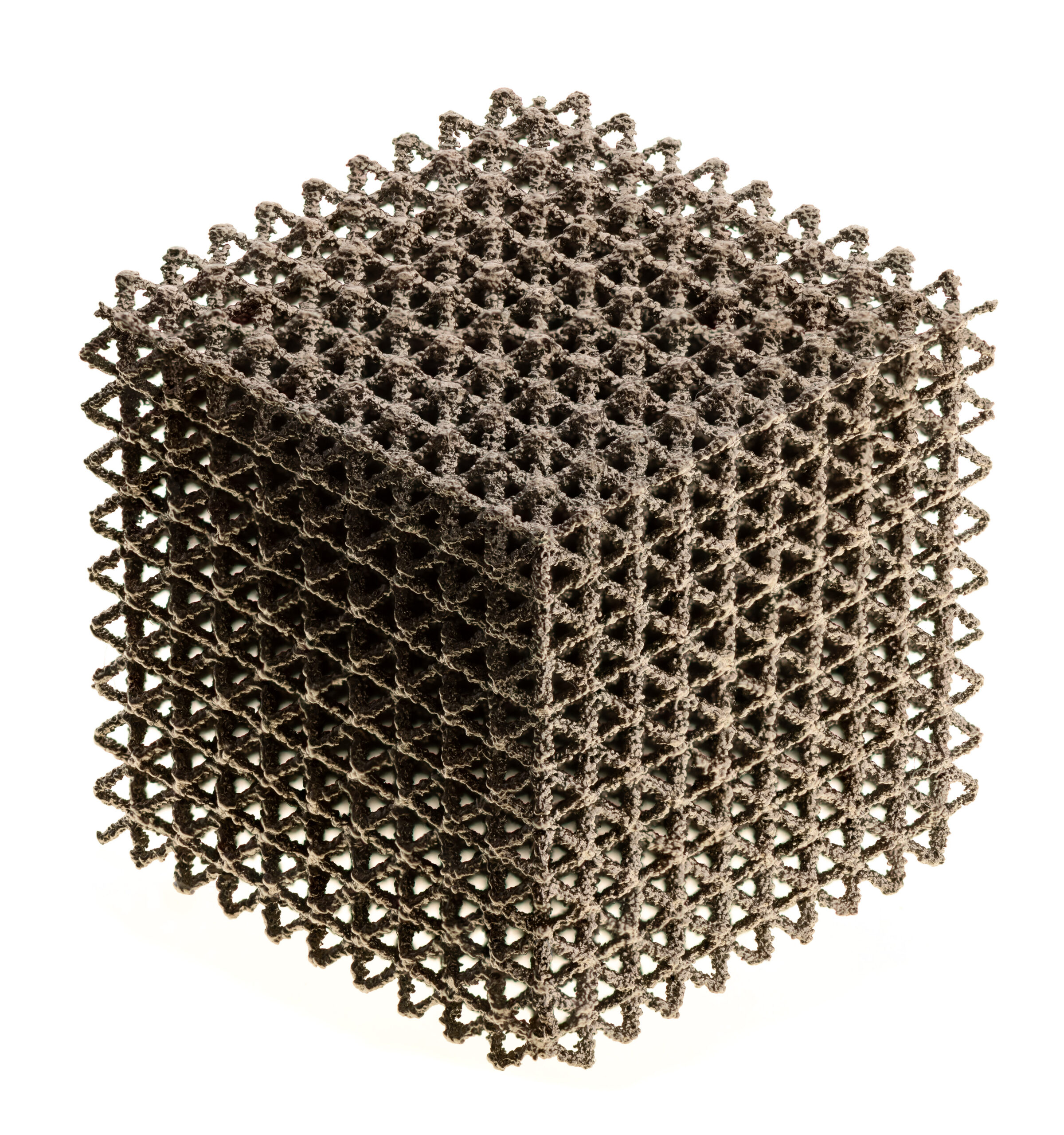
    Cube lattice in Ti64. Image courtesy of Freemelt.

    The company wants to research new Nickel superalloys. The company also wants to go deeper into gamma titanium aluminides, which are lightweight replacements for superalloys on turbo machinery. These low-density, high-creep-resistance materials work well up to 750 °C. These materials are brittle, which makes E-Beam, in particular, and additive manufacturing generally promising technologies. By fine-tuning parameters, grain structure, and build strategies, these materials can be made to work well with E-Beam and may cut the weight of your part by up to half compared to Inconel and the like. There’s a lot to be excited about here.

    In particular, the firm is interested in IHI TiAl 823, an alloy designed from the ground up for turbo machinery, specifically for low-pressure turbine blades. The firm is probably looking to speed up production relative to casting or forging. Additionally, it could construct materials in wholly new ways. Different hatching strategies or the development of laser strategies to mix dissimilar materials could create wholly new alloys on the machine itself. That would indeed be a very exciting thing for IHI to do. More new alloys could give the company an edge in space exploration or aero engines. Specifically created alloys, such as TiAl 823, can be produced more cheaply and quickly using additive manufacturing. This could lead to very specific materials designed to win and outperform in very valuable niches that were previously too small to develop alloys for.

    IHI will be working with Tohoku University and CEIT. “Work on powder modification and atomization techniques has shown promising results in improving conductivity and process stability, paving the way for broader applications across multiple AM processes.” I really like how IHI lauds Freemelt’s open philosophy. By being open and working with clients, the firm helps them master the technology. With Freemelt, the choices, options, and buttons to push can be daunting, but you are not a captive of predefined settings or parameters. Truly innovative applications can therefore be made. The advantages of speed and cost per build will also make a lot of sense, especially for companies using expensive new alloys.

    This seems like a sensible investment for IHI. Electron beam technologies have long been a NASA darling, but are being underutilized given their capabilities. Especially in turbine blades, the process is perhaps the most advantageous and has been proven out now across many years. At the same time, in-house alloying can really push the needle for IHI. RCCAs and other new alloys can become alloy systems that can govern the future of space and aviation. If IHI could make a new Inconel or an Inconel for just certain turbine blade components, then the investment would be well worth their while. Many companies were characterizing Inconel or trying to get copper to work without seeing the bigger picture. By designing a well-working alloy for a specific application, companies can leapfrog the competition and own the future. A small improvement in density or ductility could mean many billions in lost or won engine contracts at the end of the day.

  • BLT Touts 100,000 Copper Parts Made

    With the significant volume of copper used in electronics, semiconductors, aerospace, defense, and beyond, copper additive has had immense promise from the early days of copper 3D printing at Beamit and the first industrialization at GH Induction and Aidimme (both with E-beam!). Years later, green laser LPBF and rejigged LPBF processes brought dedicated copper machines on the market from AMCM, EOS, ATLIX, and others. A lot of the production cases were super secret and very specific, keeping news on copper printing subdued. And if you didn’t know any better, you’d think that copper printing was kind of a shadow of its glimmering glow of promise.

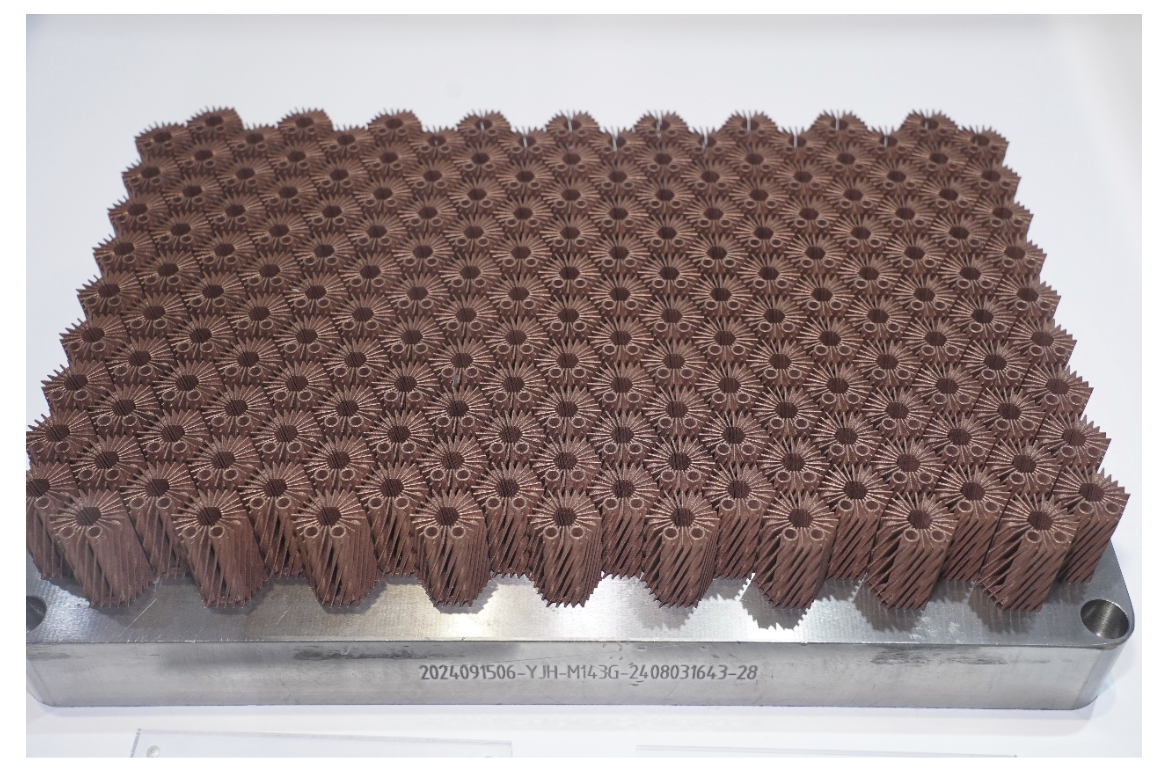
    Copper alloy parts 3D printed by BLT.

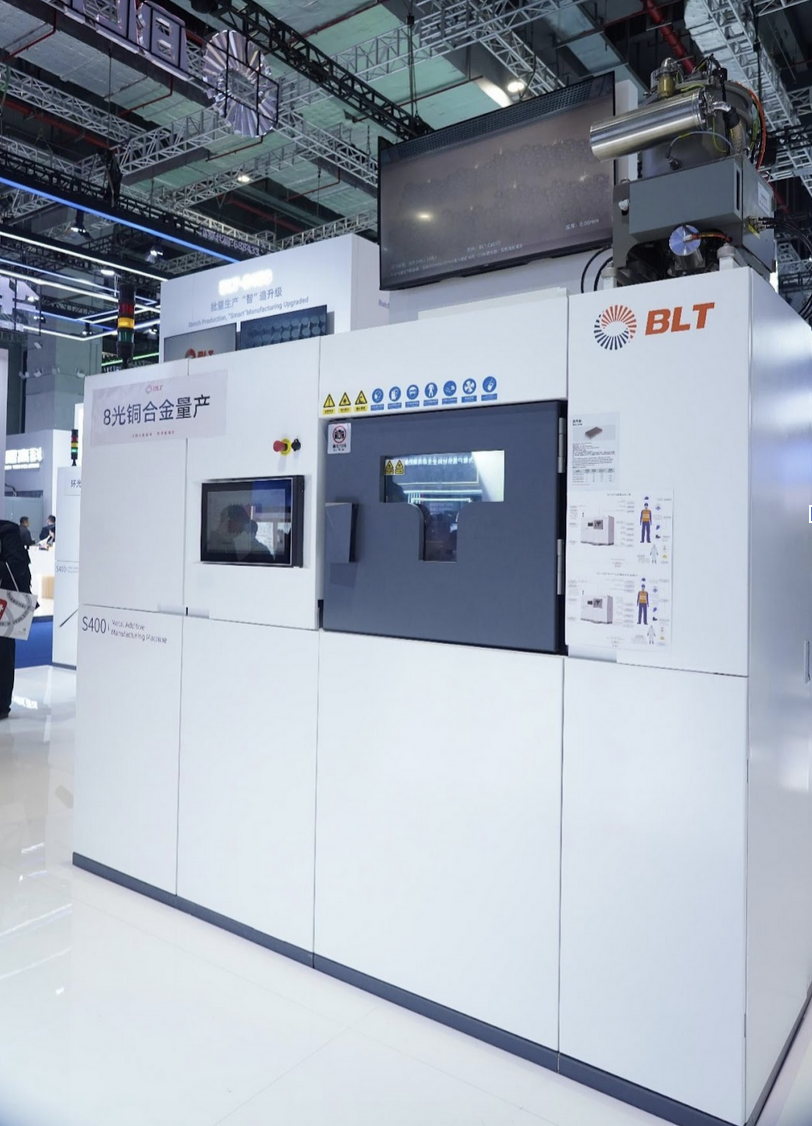
    But copper is an unsung success story in Additive, a victim of what I’ve called the Tip of the Iceberg problem. With no one able to share cases, success seems limited, and the activity becomes self-limiting. Enter BLT to ameliorate that, because even though they are far from the first to do significant production in copper, they are the first to talk about it. BLT has stated that over 100,000 parts have been made on a BLT-S400 8-laser machine.

    The company says that “BLT has implemented a fully validated, end-to-end workflow that covers powder development, parameter tuning, and post-processing.” This was achieved in part through red and green lasers, along with “Extending the build length of the BLT- S400 to 450 millimeters increases part density per build, improving efficiency for small, high-volume components like heat sinks and optical modules.” The company also says that “predictive fault management, continuous operation capability, and robust thermal control work together to ensure consistent output during prolonged, high-load production runs.”

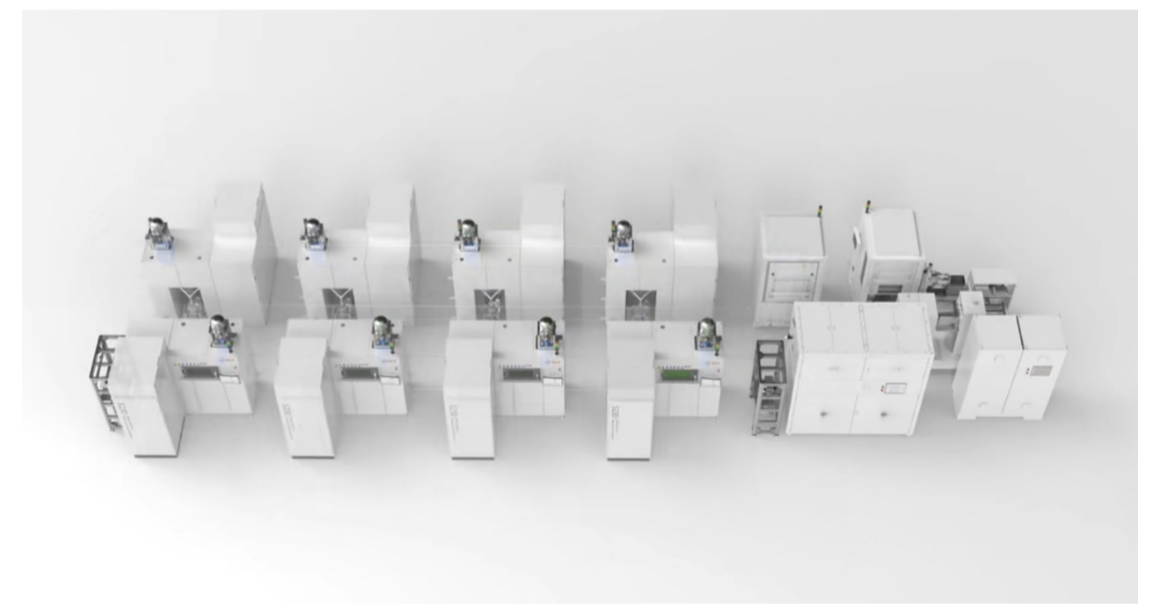
    BLT Automated Production Line.

    Their current solution is offered in an automated production line configuration optimized for individual clients. BLT aims to take customers on a journey towards actual production. It’s notable here that the whole setup is optimized for small parts. Much of the EOS et al efforts in copper have been focused on large New Space parts, such as rocket engine components in GRCop-42. But this setup is focused on small components. The automation and requirements for small, high-volume setups differ considerably from those for crane and Solukon setups used for large defense applications. Simultaneously, BLT is working with Chinese space firms, so we know they’re active there as well. But, there is comparatively little effort in the complete automation of small copper setups across many other firms. This is a strategic risk for competitors and a potential advantage to BLT. If the firm continues to do its own high-volume production and can play in production and machine building for both small and large copper parts, it will eventually win through scope and scale.

    BLT-S400 8-laser PBF-LB/M machine.

    The company believes that “AI, 6G, and next-generation electronics” will drive new use cases, while “cost-effective…accelerated production cycles, material efficiency, and design freedom” are key drivers making this possible. High-value production is where it’s at right now. We’re seeing an acceleration of large-scale production runs. Many niches are simultaneously increasing volume. And several companies could have put out a rather vague, frankly, claim about making over 100,000 parts in copper. But it was BLT who did this first. If you’re losing a fight, it’s easy to blame others and look to factors like Chinese subsidies. But, having more gumption and drive, one can push ahead while others whisper backstage. What’s notable here is that gumption is coupled with automated lines and small parts. Automated lines make sense in specific cases, and more work will be needed to right-size them for the right cases and make them easier to adopt. Other firms should look to BLT’s ability to industrialize both large-part and high-volume small-part production in copper. Copper is set to become a bigger production case in the future. Are you ready?

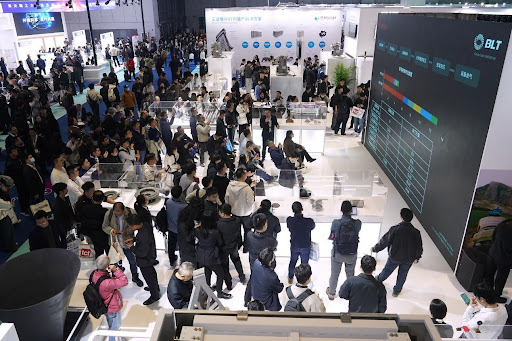
    BLT launching the latest technology at TCT Asia 2026.

    Images courtesy of BLT

  • Superman, One Year Later, and the 3D Printing You Didn’t Notice

    Last year’s Superman film had a lot going for it. A new director, James Gunn, who came over from Marvel after the success of his Guardians of the Galaxy trilogy, brought a new direction to DC Studios. It was a fresh tone for the superhero powerhouse that is DC. New characters, new ideas, and yes, even a superdog.

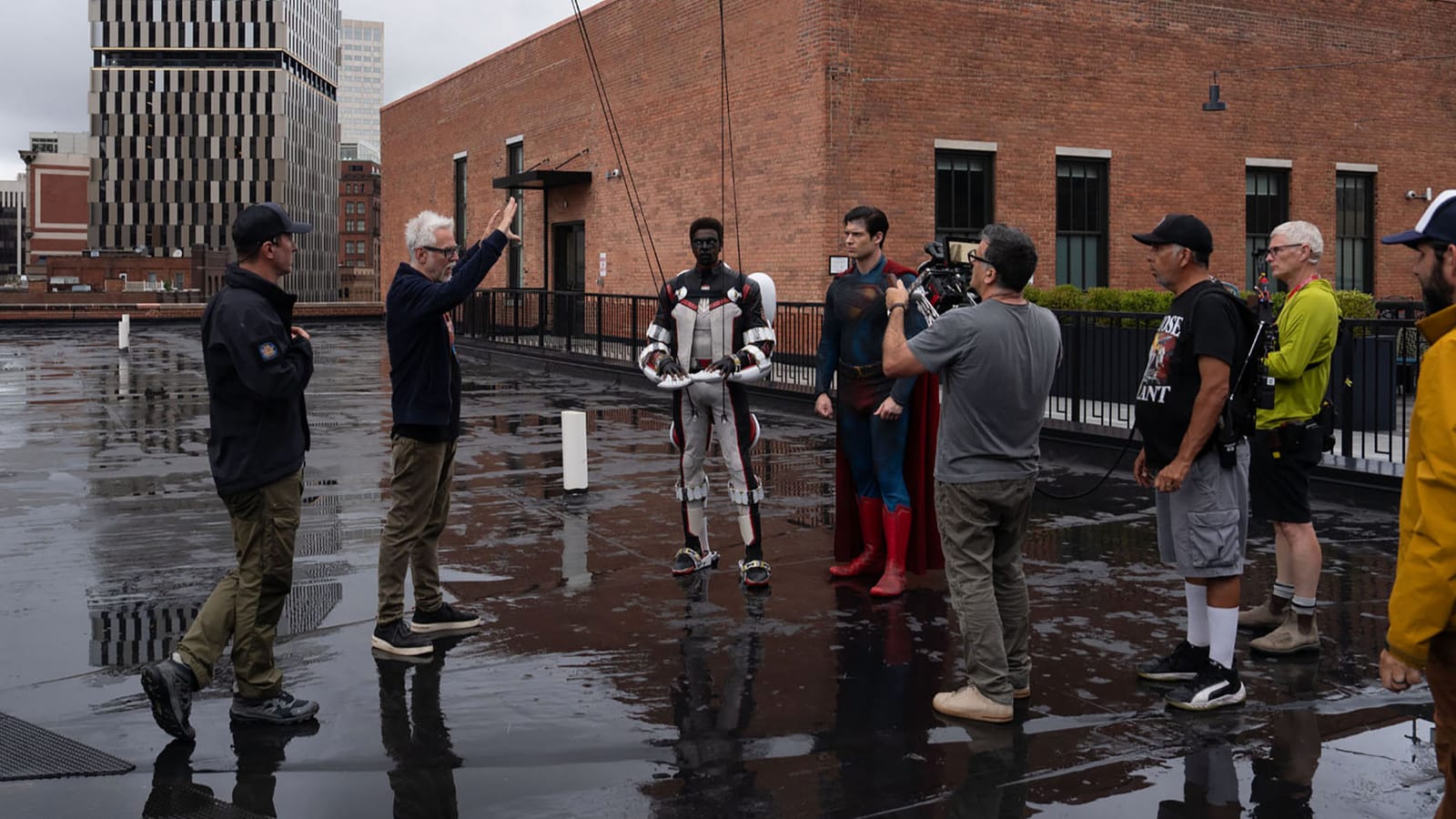
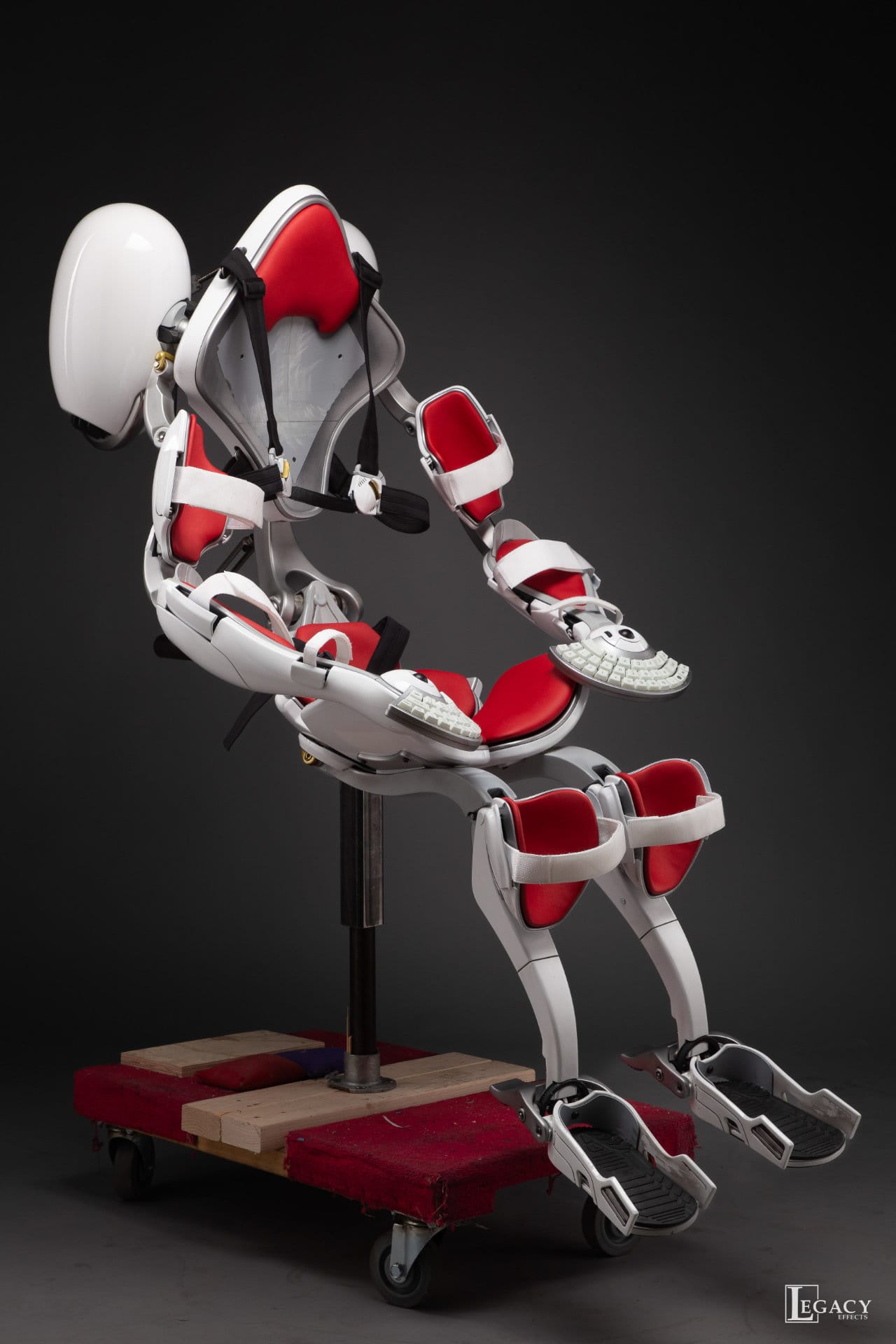
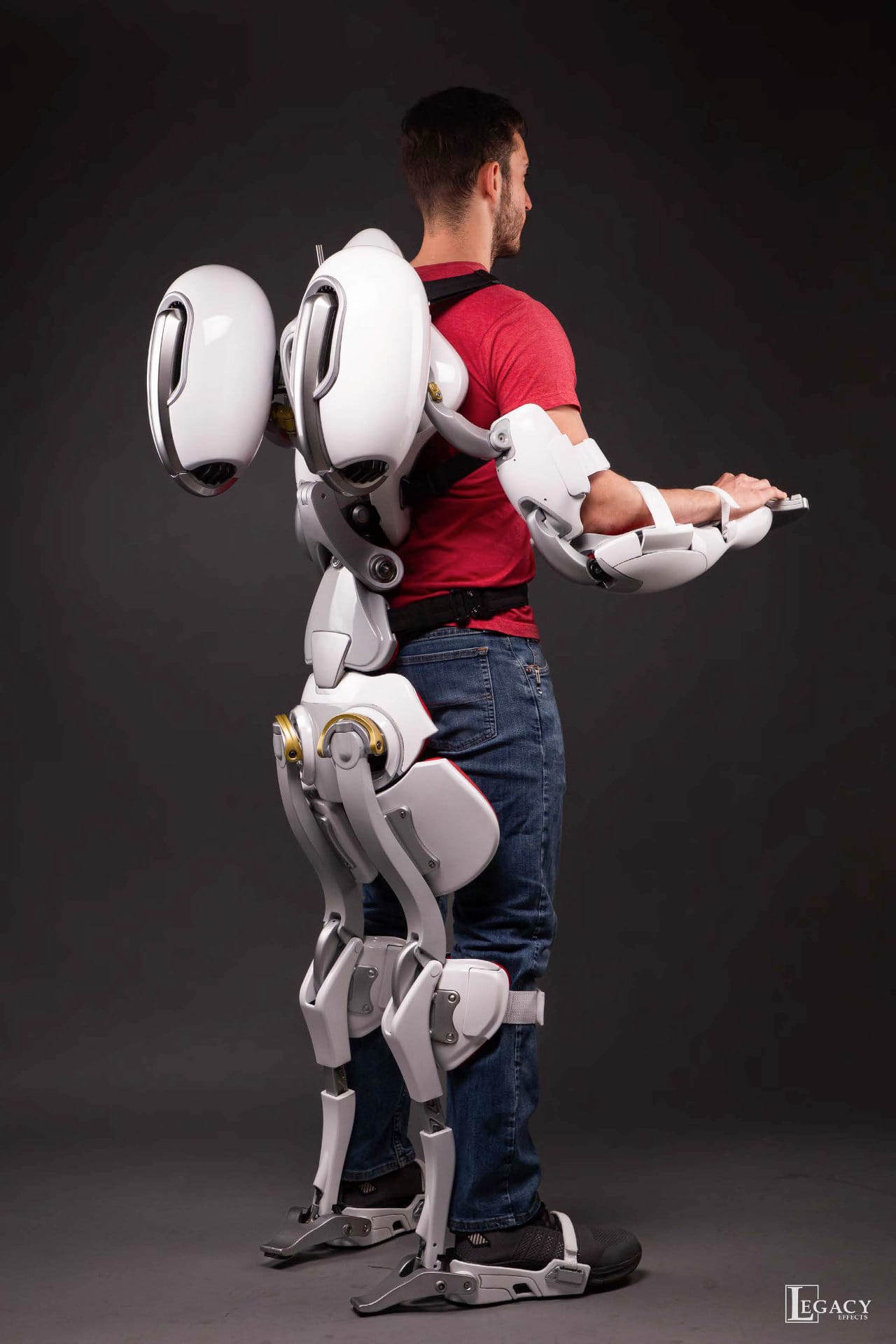
    Director James Gunn on the set of Superman 2025; Mr. Terrific’s flying seat is fully 3D printed.

    Truly, there was plenty to talk about. It also worked at the box office, opening to around $220 million globally and giving DC a much-needed win. But one of the more interesting parts of the film’s story happened behind the scenes. And although it didn’t make the headlines, 3D printing played a key role in how the film came together.

    Most people watching the movie aren’t thinking about who built the suit, the robots, or the creatures, but that’s where a lot of the real work happens. The team behind those physical elements is Legacy Effects, a studio that has spent years building props, suits, and animatronics for major films, like Iron Man, Jurassic World, and Avatar.

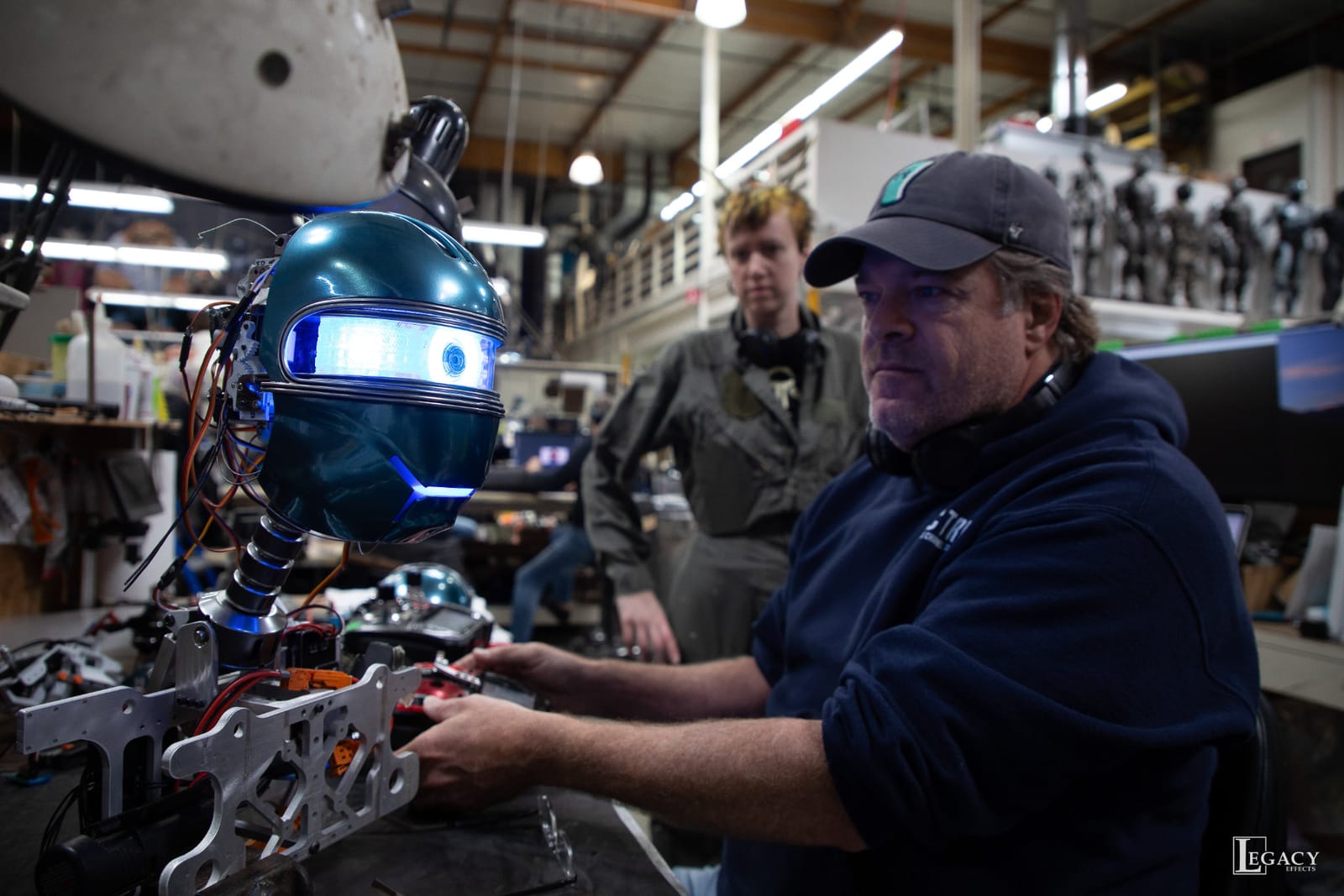
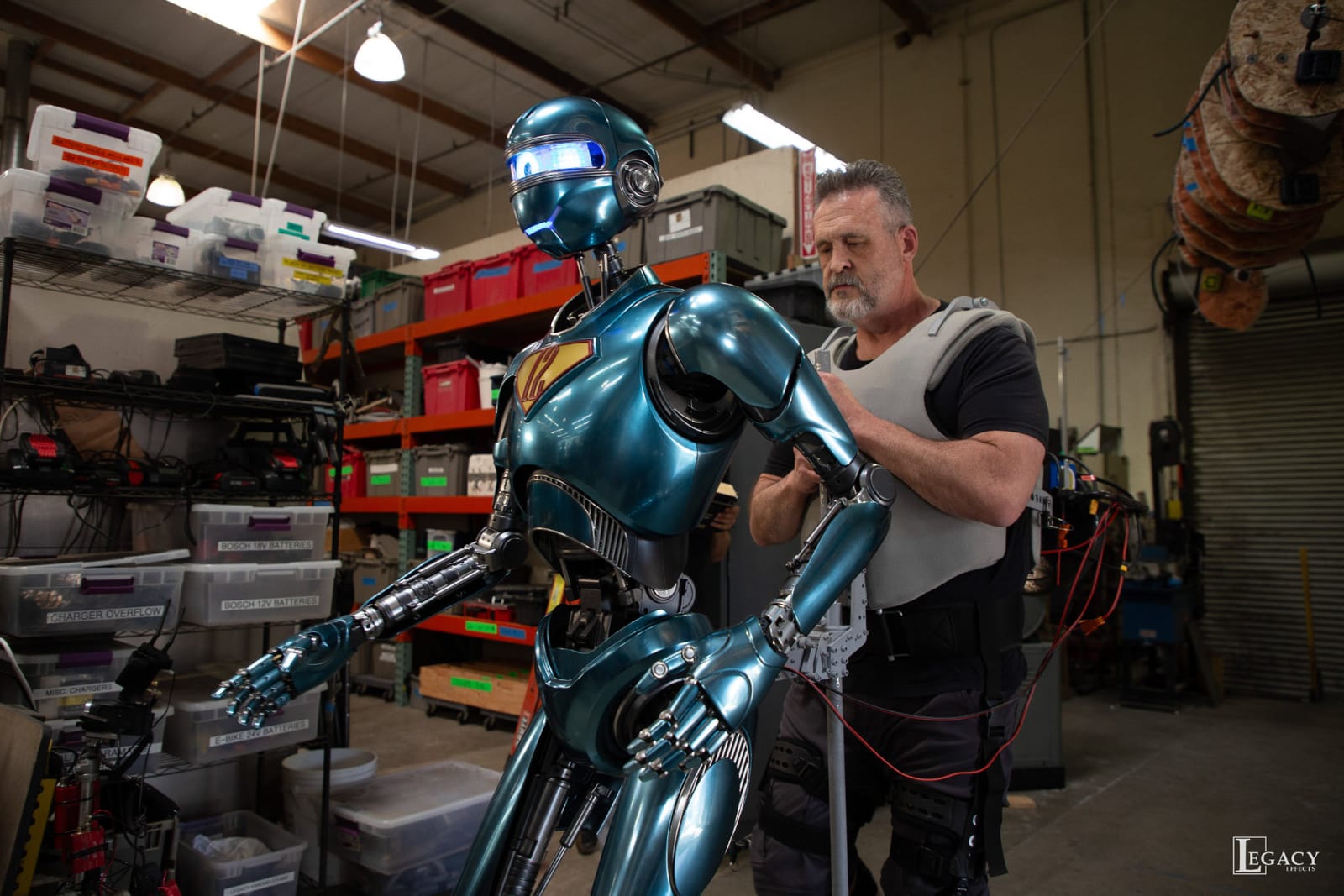
    The engineer is installing the internal structure of the Animatronic Robot.

    During the production of Superman in 2025, the team made a shift in how they worked, bringing in a group of printers from Bambu Lab, at first just to test and maybe speed up a few steps. But that didn’t last long, and what started as a small experiment quickly spread across the full workshop, as more parts were printed, more teams began using them, and the printers moved from being just another tool to something much more central to how the film was made.

    Mr. Terrific’s T-shaped mask in the movie was printed by Bambu Lab’s 3D printer with TPU.

    From prototypes to real parts

    For years, 3D printing in film meant choosing between speed and quality. Fast prints were good for testing, but anything meant for the camera usually had to be made again using slower processes. In many cases, that meant switching to technologies like SLA or MJF just to get the surface finish right. That often meant printing the same part twice, once to test and once to get the finish right.

    What changed here is that this gap started to close. With Bambu Lab’s X1C platform, parts could be printed quickly while still achieving a surface quality that was good enough for many on-set uses. Parts were not only quick to make, but also clean enough to use, and in some cases could go straight to the set without any extra work.

    So, building a superhero’s world, piece by piece, became faster, easier, and much more flexible.

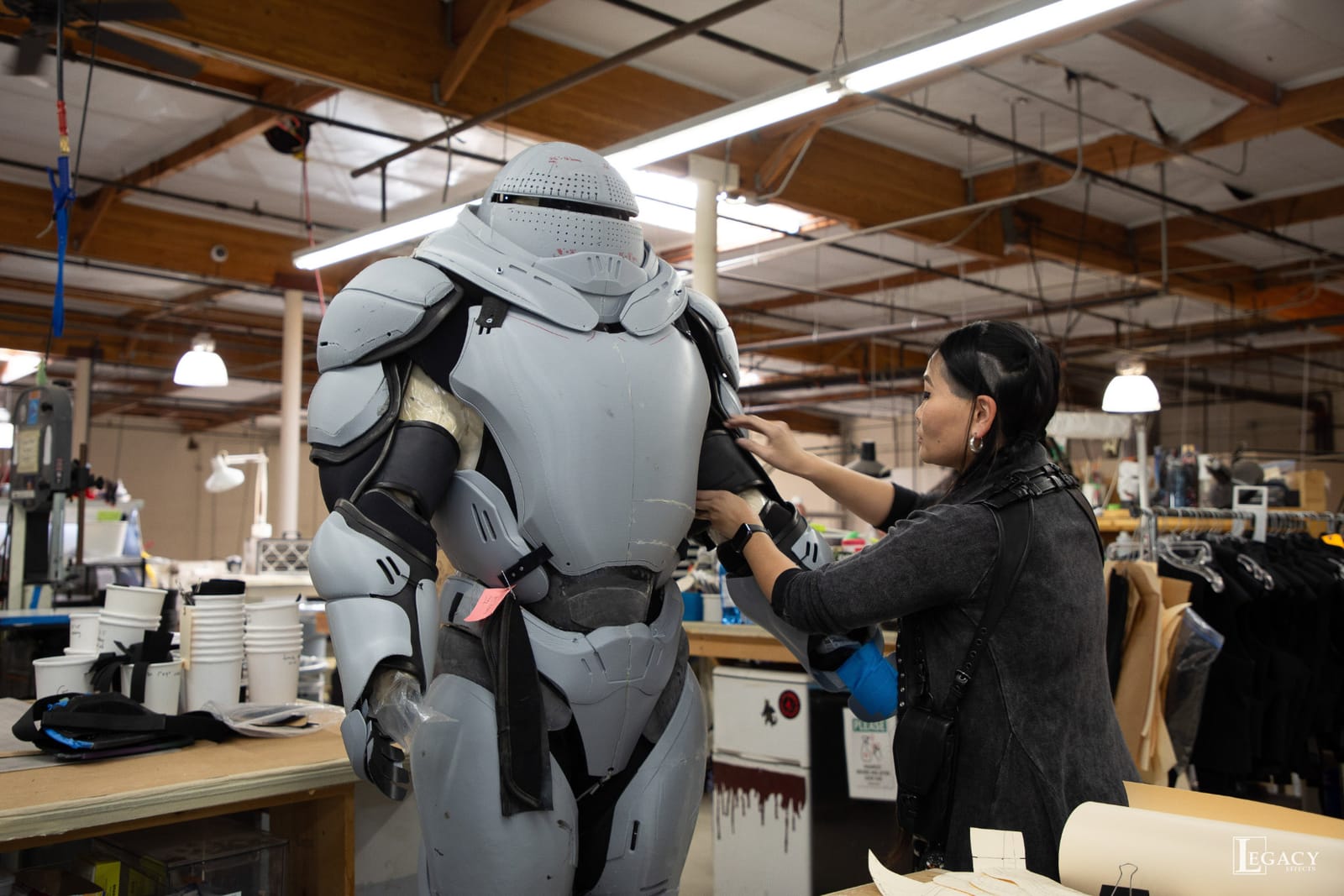
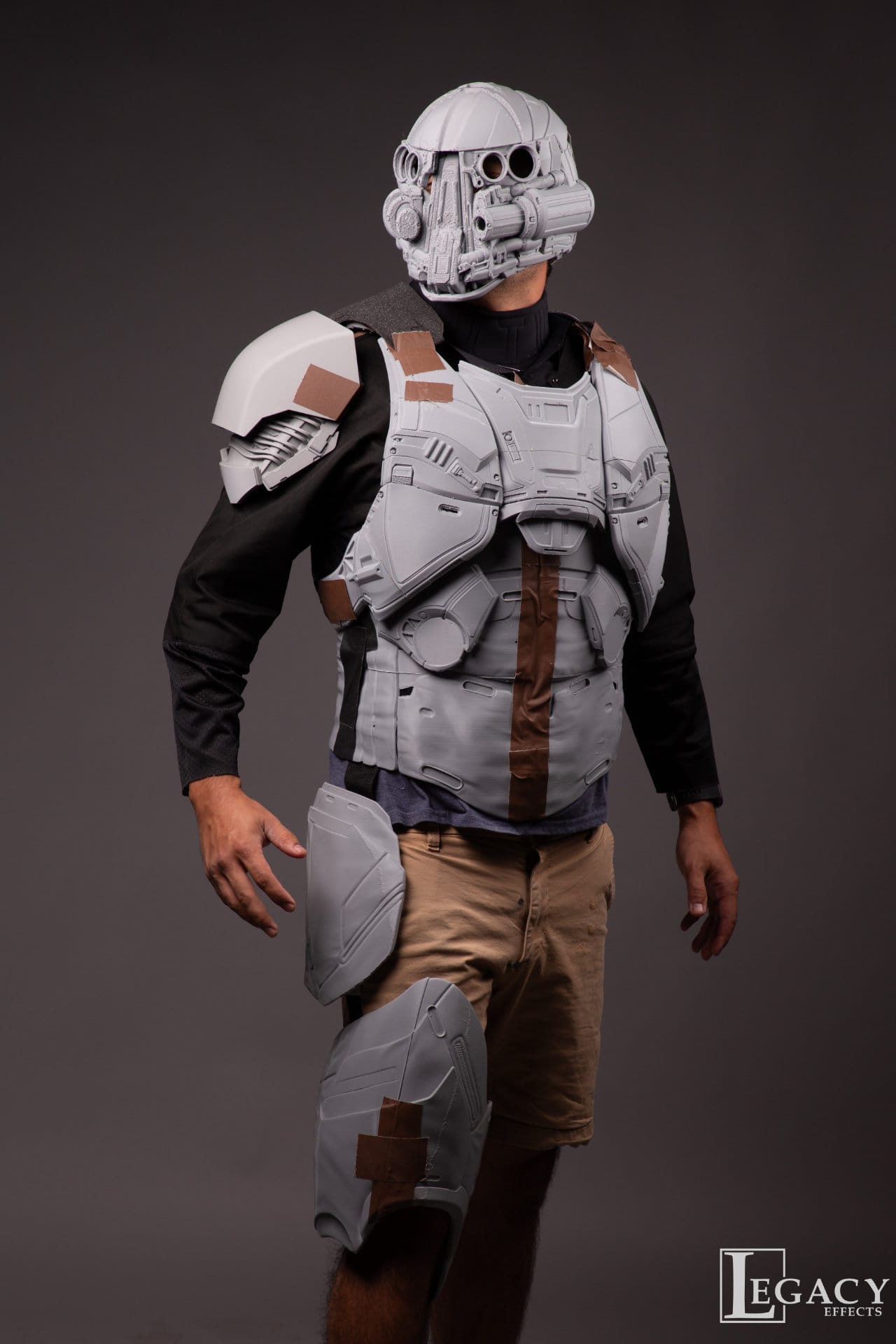
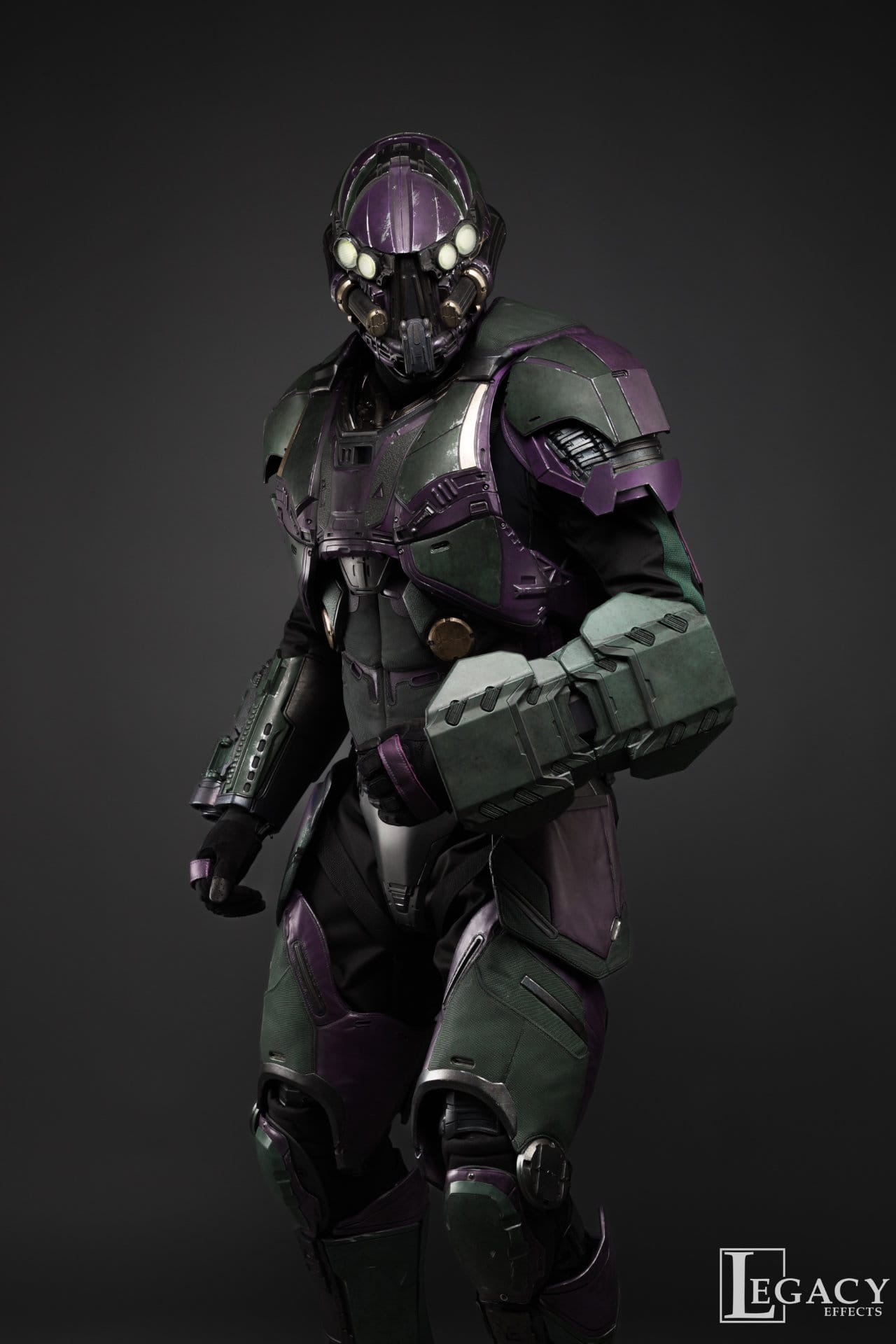
    Hammer of Boravia armor, 3D printed but not yet surface finished.

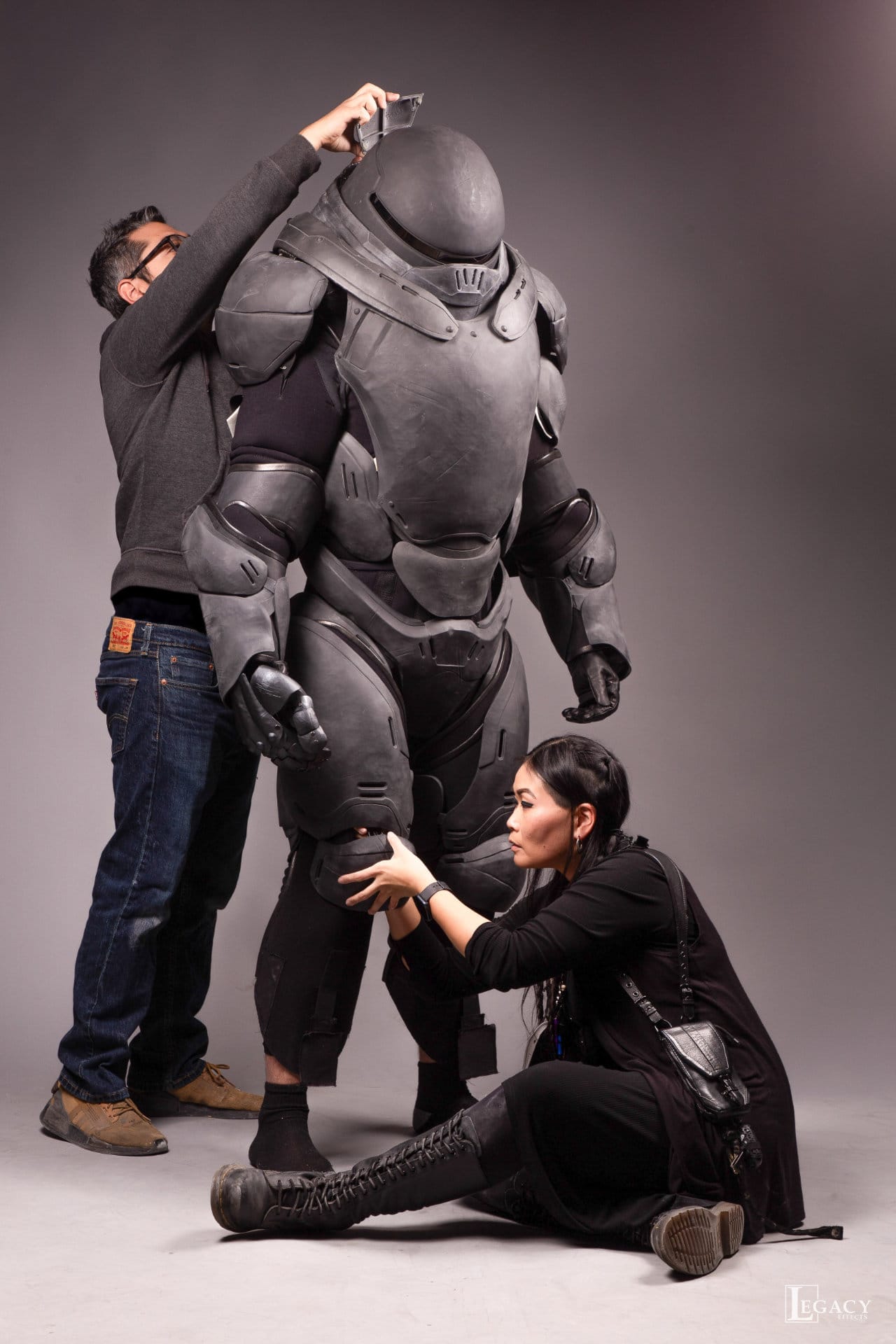
    This move showed up everywhere. Entire suits, like the Hammer of Boravia and the LexCorp Raptors, were printed, fitted to stunt performers, adjusted, and printed again, sometimes all in the same day. Instead of waiting days for a new version, teams could test ideas almost right away. What used to take days of iteration could now happen in hours.

    The same approach carried over to more complex builds, like Mr. Terrific’s flying chair. It had moving parts and needed to work on set, but much of it was made from printed components, combined with other materials. Many of these parts were produced using FFF, then combined with MJF components and metal hardware to create a functional structure. Once finished, it looked polished and solid, ready for the camera, Bambu Lab explained.

    It also changed how animatronics were built. Robots, internal mechanisms, and brackets were printed, tested, and refined quickly, first in PLA and later in stronger materials like PA-CF. This allowed teams to validate fit and movement early, before committing to more durable versions. And when needed, printed parts were used to make molds, allowing the team to create multiple lightweight versions for stunt work from a single print.

    Faster decisions, better results

    The biggest change wasn’t just the parts, it was the pace. Teams could redesign, print, test, and repeat within a single day, sometimes several times, which changed how they worked. Instead of trying to get everything right the first time, they could try more ideas, fix problems earlier, and move faster across teams, with art, engineering, and fabrication starting to come together in a much more direct way. In some cases, teams ran several versions of the same part in a single day, adjusting designs between prints.

    Final debugging of the Animatronic Robot that Superman uses in the movie.

    3D printing has been part of film production for more than a decade, but mostly in the background, used for prototypes or support rather than final pieces. There have been some exceptions, with printed parts occasionally making it on screen, but those cases have been limited. What’s changing now is how widely the technology is used and how often those parts make it into the final product. In this case, it wasn’t just helping the process; it was replacing steps, simplifying the workflow, and allowing teams to move more directly from design to finished part. It also made it easier to move from digital models, whether sculpted or scanned, straight into production, without reworking them on the shop floor.

    In the film, the Hammer of Boravia is fighting Superman.

    Most people watching Superman 2025 won’t notice any of this. They will see the suits, the creatures, the machines, and assume it all came together the usual way. But something did change. 3D printing is no longer just a background tool for testing; it’s becoming part of how things are actually made. And that shift is likely to shape how these movies are made in the years to come.

    Images courtesy of Bambu Lab/Legacy Effects

  • 3D Printing News Briefs, March 28, 2026: TCT Asia, Distribution Agreement, FDA Clearance

    We’re starting 3D Printing News Briefs this weekend with some news out of TCT Asia, and then moving on to a metal AM distribution agreement between MULTISTATION and WAAM3D. We’ll end with medical news, as a 3D printed orthopedic implant by IMPLANET has received FDA clearance.

    Farsoon Presented Several Developments at TCT Asia

    Lattice-structured robotic enclosure with PEBA (Image source: Farsoon Robotic Partners)

    Farsoon Technologies attended the recent TCT Asia 2026, and presented several different solutions and developments at the trade show. For example, the company announced the launch of the FS812M-U, the latest in its 800mm class of metal AM systems. It has a 41% smaller footprint than the FS811M, but still offers a generous build volume of 810 x 810 x 1700 mm; this expanded height makes it possible to print tall, complex components, like grid stabilizer fins, with only minimal supports. Designed for aerospace and high-volume automotive production, the FS812M-U has a standard configuration of either 8 or 10 lasers, with optional beam shaping technology, and also features a closed-loop chamber pressure control function, optimized recoating system, smart scanning strategies and MES connectivity, and more. Farsoon also launched the FS1311M-U metal powder bed fusion printer, which is a large-format system designed for high-end industrial manufacturing sectors, like energy, aerospace, and automotive. It’s powered by a 16-laser configuration and optional beam shaping, with an ultra-large build volume of 1310 x 1310 x 1650 mm, intelligent recoating monitoring, and a permanent filtration system, which ensures minimal downtime for extended print jobs. With these features and more, the FS1311M-U is optimized for safe and efficient serial production.

    Also at TCT Asia, Farsoon had its material solutions on display. First, the company presented its SLS 3D printed PEBA (Polyether Block Amide) flexible material applications, including robotics, footwear, and sports equipment. This high-performance thermoplastic elastomer (TPE) is compared to flexible materials like TPU, and offers high tear resistance, excellent elasticity and rebound, and great fatigue durability and heat resistance. Its base material density is about 1.0 g/cm³, which makes PEBA good for more lightweight components. Farsoon is also creating microcellular foam structures within printed parts by combining PEBA powder SLS 3D printing with physical foaming technology. Finally, Farsoon announced an expanded open materials ecosystem with the addition of high-performance polymer powders from Advanced Laser Materials (ALM). Several of ALM’s industrial PBF polymer materials are now available to use on Farsoon’s open polymer systems, like the 1001P, 601P, 403P, and 252P. These materials include HT-23, a high-temperature polymer for applications that require excellent thermal stability and mechanical performance; durable, bio-based PA 850 Black, offering a balance of flexibility and strength; and FR-106, a flame-retardant performance polymer for safety-critical applications that can pass the FAR 25.853 60 second vertical burn test.

    MULTISTATION Announced Distribution Agreement with WAAM3D

    French MULTISTATION SAS announced the signing of an exclusive distribution agreement with UK-based metal AM solutions provider WAAM3D, a leader in wire arc additive manufacturing (WAAM) technology. The announcement of their strategic agreement coincided with the METAL AMS conference in Senlis, France this past week. WAAM technology is able to produce very large metal parts in terms of both mass and size, with benefits including simplified supply chain, cost and waste reduction, and shorter lead times. WAAM3D’s latest system, the RoboWAAM PLUS, features a patented-protected GMAX multi-wire process for high efficiency and control, and can achieve deposition rates up to 15 kg/h under the right conditions. WAAM3D also offers the standard RoboWAAM model and the compact MiniWAAM system. By representing WAAM3D in France, MULTISTATION will not only extend its DED offering, but also gain a stronger position as an industrial solutions integrator.

    “This partnership with WAAM3D is fully aligned with our development strategy around metal additive manufacturing technologies,” stated Yannick Loisance, the CEO of MULTISTATION. “It enables us to deliver high value-added solutions to address the industrial challenges of tomorrow.”

    IMPLANET Granted FDA Clearance for 3D Printed Anterior Cervical Cage Range

    Medtech company IMPLANET that it has received U.S. Food and Drug Administration (FDA) clearance for its 3D printed Swingo anterior cervical cage range. The French firm, based near Bordeaux with a U.S. subsidiary in Boston, specializes in the distribution of advanced medical equipment, as well as developing orthopedic surgical implants, like the Swingo cage range. A dedicated development group established in 2024 developed this range, which features multiple implant sizes and designs tailored specifically to vertebral anatomy. The 3D printed titanium implants are said to enable better control of interbody fusion, and can be used for a variety of procedures, no matter what surgical approach the surgeon takes. This FDA clearance includes a dedicated next-gen instrumentation range, which is meant to improve patient safety while also reducing surgical time.

    “This new clearance marks an important milestone for IMPLANET. In the short term, combined with JSS (posterior fusion system), it will enable us to offer a comprehensive range of implants dedicated to spinal fusion in the United States, our priority market,” said Ludovic Lastennet, the CEO of IMPLANET. “The potential synergies created by our expanded product portfolio fully support our strategy to strengthen our presence in the U.S. This represents another structural step in our development plan, aimed at reinforcing our offering in the spine surgery segment within a market estimated at $1.35 billion. This clearance will also allow us to commercialize this range, in addition to our existing portfolio, with many our distributors in countries recognizing U.S. FDA regulations, pending CE marking for the European market.”

  • The Magic of AMUG as Reported by a First-Time Attendee

    There’s a special kind of magic about AMUG. I’ve heard about it for years, but never experienced it myself until last week. It’s different than what you see at some of the other industry events. Trade shows like RAPID are for selling stuff, while AMUG is more about problem-solving. Both are focused on making connections, but from the special theme evening and “fishbowl” lunches to Casino Night, the networking opportunities at AMUG were absolutely next-level. I’ve heard the Additive Manufacturing Users Group name and the tagline a million times—for users, by users. I didn’t truly understand until I came to Reno for the 2026 conference.

    The sense of camaraderie is strong with this one, folks. Everyone was so nice and welcoming, and really focused on helping each other solve their AM problems. I went to a roundtable about post-processing for polymer powder bed fusion, and it was fascinating to listen to the people who are actually getting their hands dirty and using the technology every day. In addition to some rather explosive tales of life on the factory floor, they were sharing tips and tricks. For instance, one attendee cautioned the others to never show customers a vapor smoothing machine, because they’ll expect those results every time, even for jobs that don’t require it.

    Another noted that customers looking into AM are often reluctant to switch because they want what they’ve always used, like injection molding.

    “People will say, ‘It’s not possible,’ and that’s not true, it’s just not what you’re used to!” another user said.

    I’ll share some more of what I observed in the keynote presentations, breakout sessions, expo floor chats, and more.
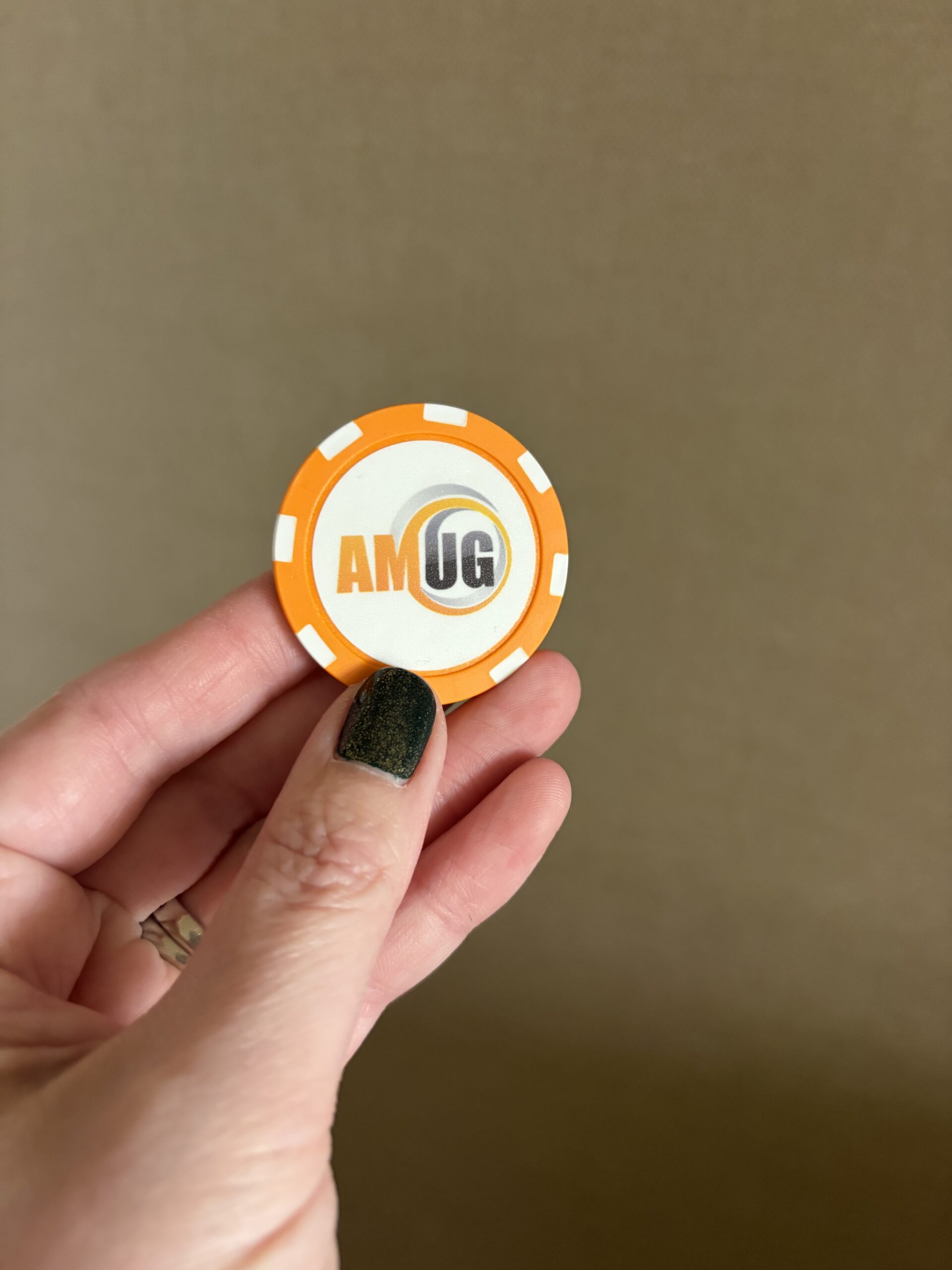
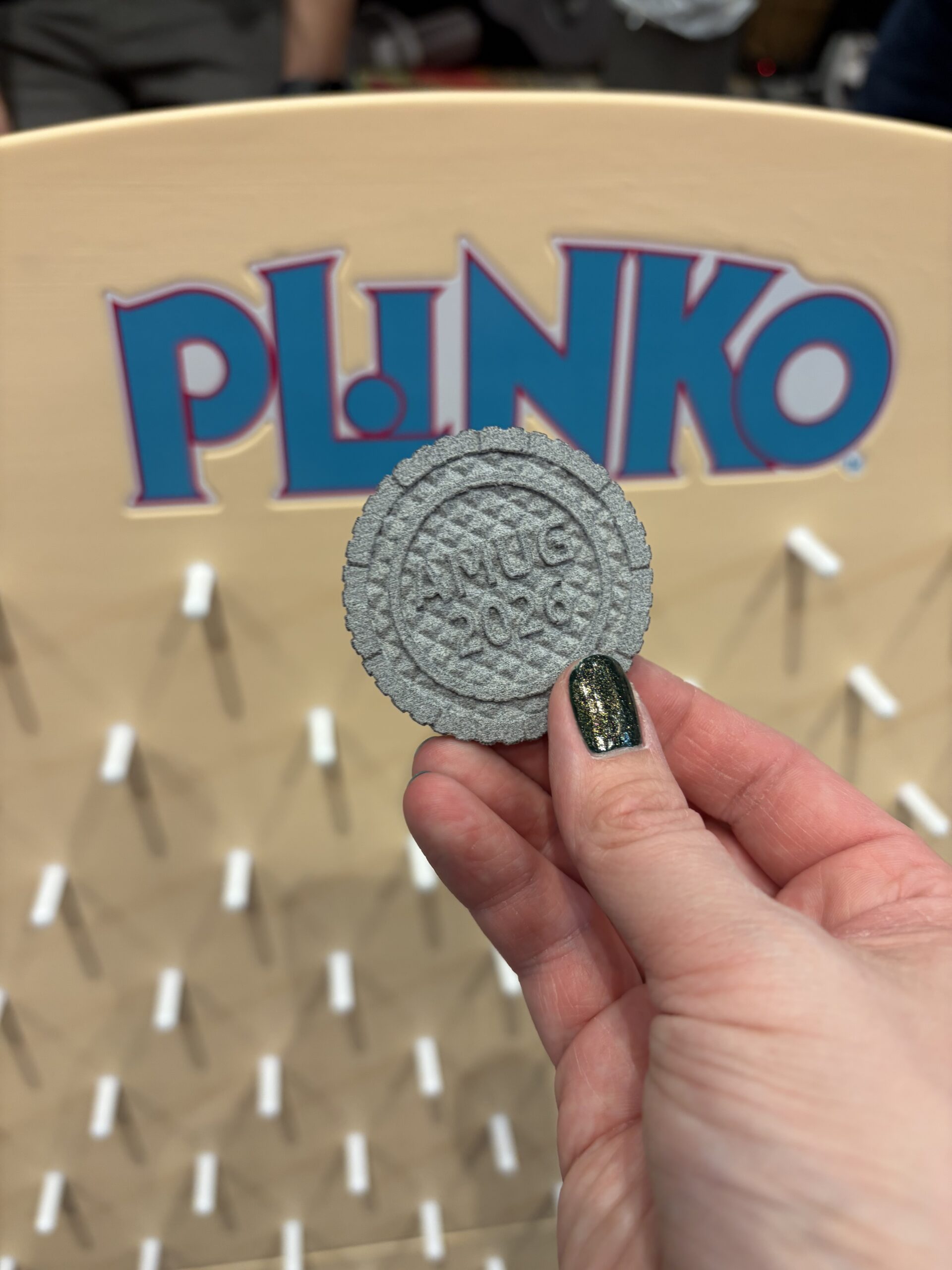
    This special AMUG poker chip was included in our AMUG backpacks

    Keynote Presentations

    Thanks to a blizzard in the Midwest and the partial government shutdown affecting TSA agents across the country, I had some major travel delays while traveling to AMUG. So I unfortunately missed the Tuesday morning keynote by Steve Fournier, Senior Manager – Additive Manufacturing at General Atomics Aeronautical Systems, and Scott Sawyer, Director of Programs – Aerospace and Defense, at Divergent, titled “From Hypercars to Defense Drones: How Two Major Industry Innovators Started their Partnership Journey at AMUG.”

    However, I was able to sit down with the two of them after the fact; shout-out to AMUG President Shannon VanDeren for connecting us so quickly! You can read about our conversation in another article.

    Innovators Showcase & Award

    Every year, AMUG chooses one individual who’s had a significant impact on the AM industry over a long period of time to receive its esteemed Innovators Award. This year, it was Max Lobovsky, Co-Founder and CEO of Formlabs; we were lucky enough to have him onstage at our Additive Manufacturing Strategies (AMS) event last month.

    “The AMUG Board of Directors admires his story,” VanDeren said when the news was announced. “Max was an obvious selection for the Innovators Award, and we were unanimous in our decision.”
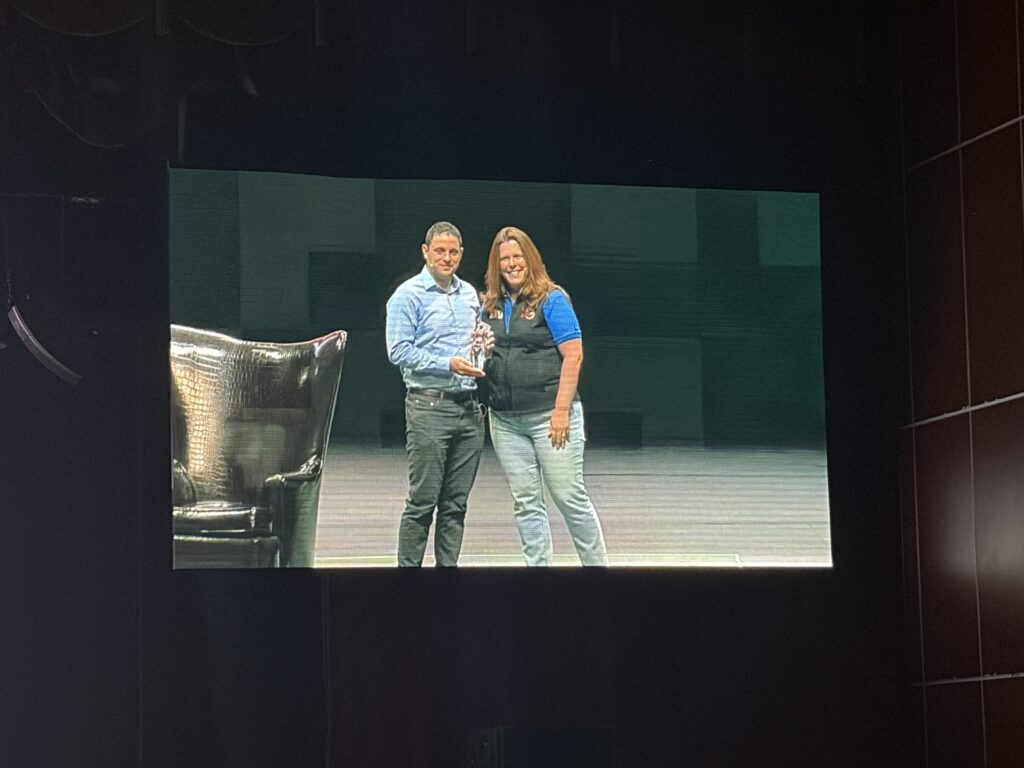
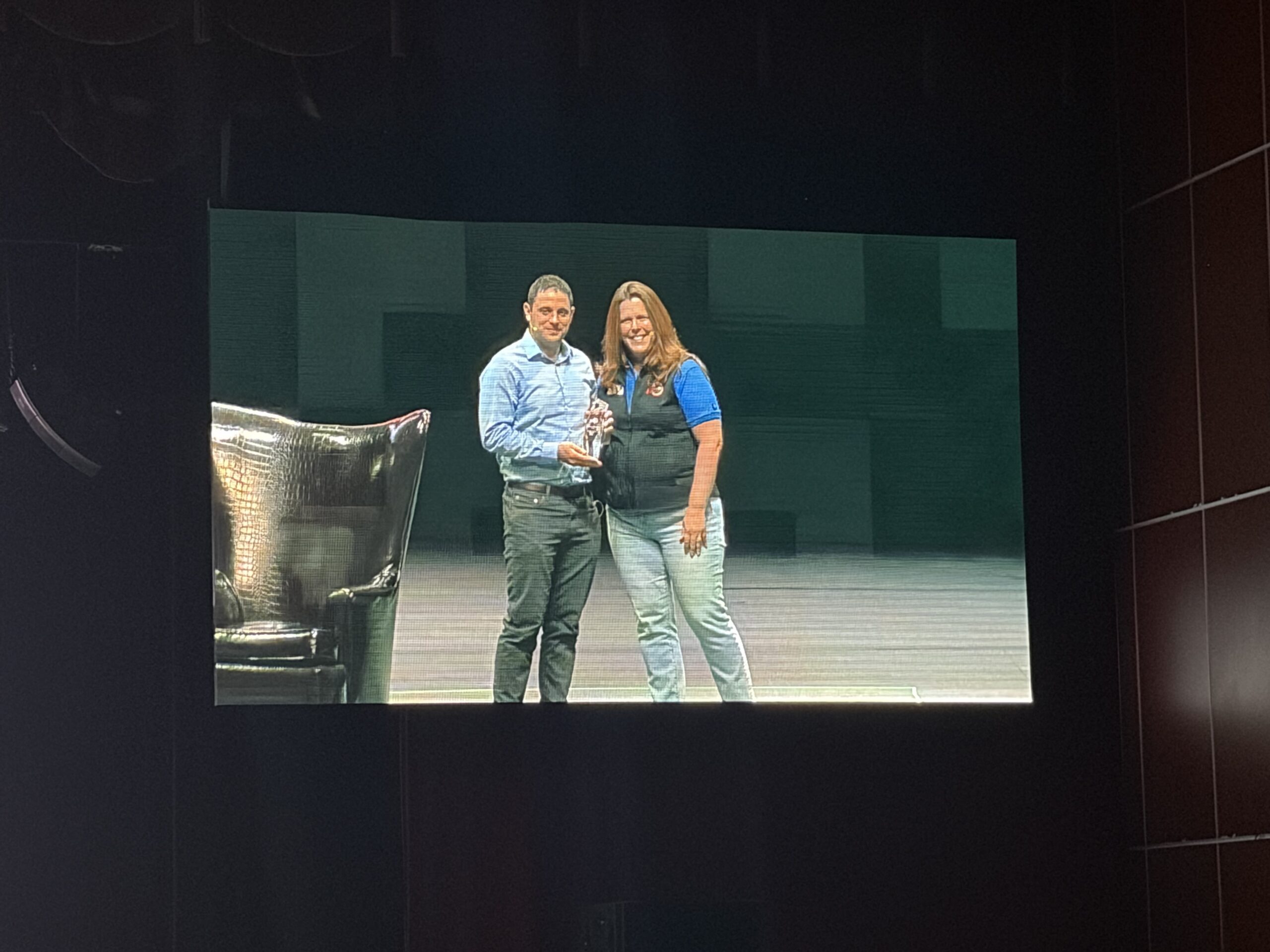
    AMUG President Shannon VanDeren presenting Formlabs CEO Max Lobovsky with the Innovators Award

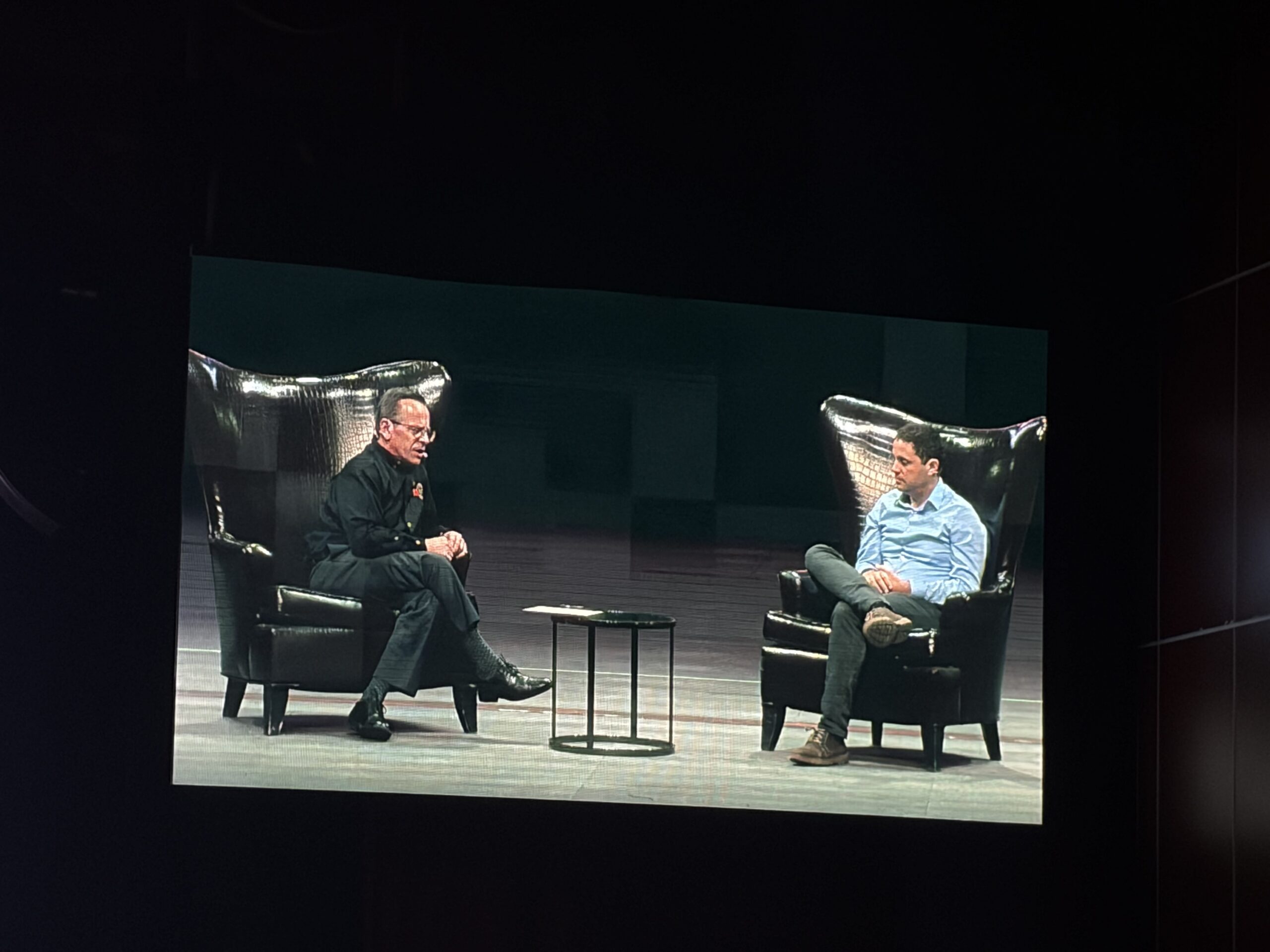
    In addition to the physical award itself, the winner is also the featured guest of the Innovators Showcase at AMUG, and interviewed by AM industry veteran Todd Grimm. One piece of advice Lobovsky shared was to “focus on the problem, not the solution.”

    “I know it sounds strange because people say you should be solution-oriented, but often you can eliminate something unnecessary if you’re focusing entirely on the problem.”
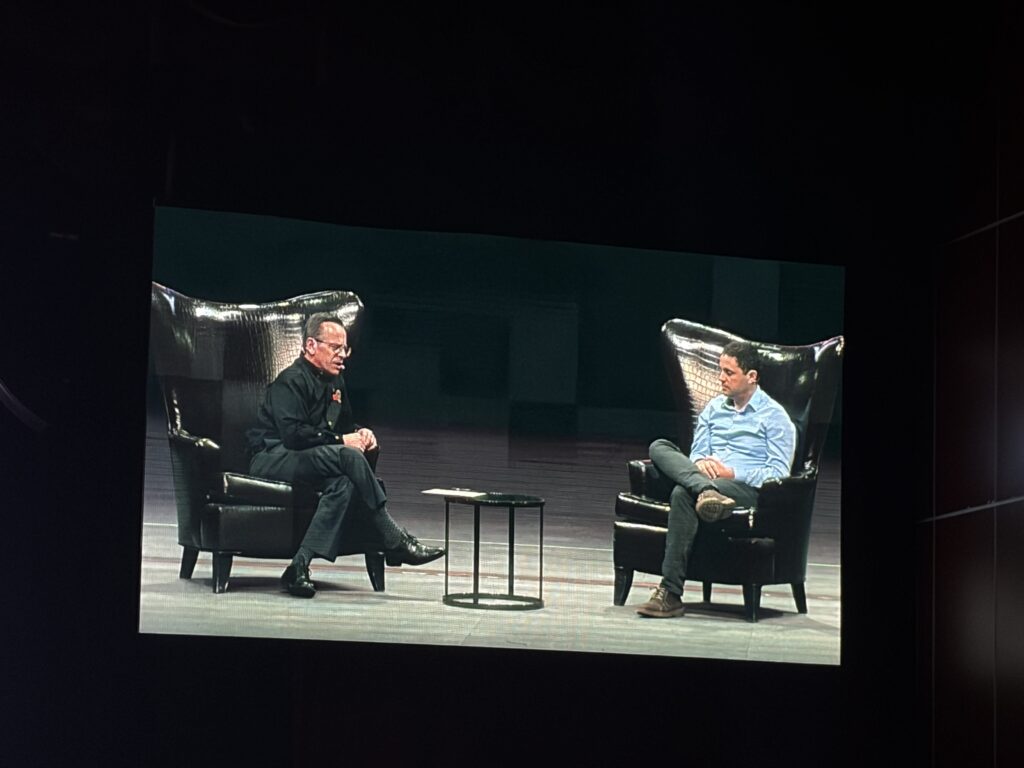
    Todd Grim and Max Lobovsky during the AMUG Innovators Showcase

    Lobovsky also shared about his trip to Ukraine last year, explaining that while both of his parents grew up there, he’d never been. But when the war with Russia ramped up, he wanted to do something to contribute. After he learned that people in the Ukraine were buying a lot of Formlabs printers, and that it was possible to “reasonably and safely travel there,” he decided to go there with his father to visit his hometown, meet and understand Formlabs customers in the country, and work on giving back.

    “It was an amazing, emotional, inspiring experience,” he said. “It’s amazing how much positive energy there is in a place that’s experiencing so much trauma. Much of that energy is currently focused on defending their country, but I’m hopeful that when the war ends, that energy will go towards something else.”

    LEGO Group 3D Printing at Scale

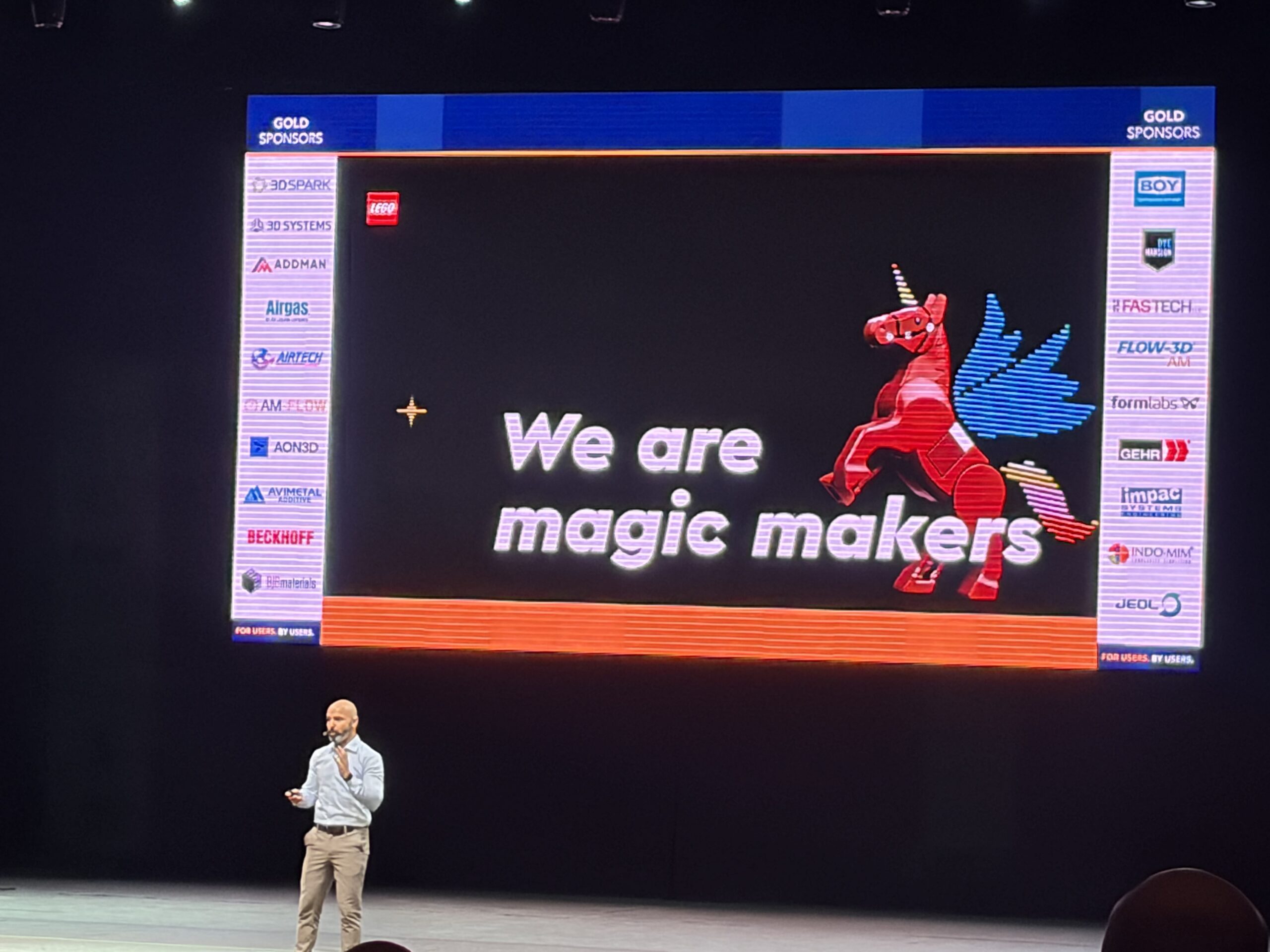
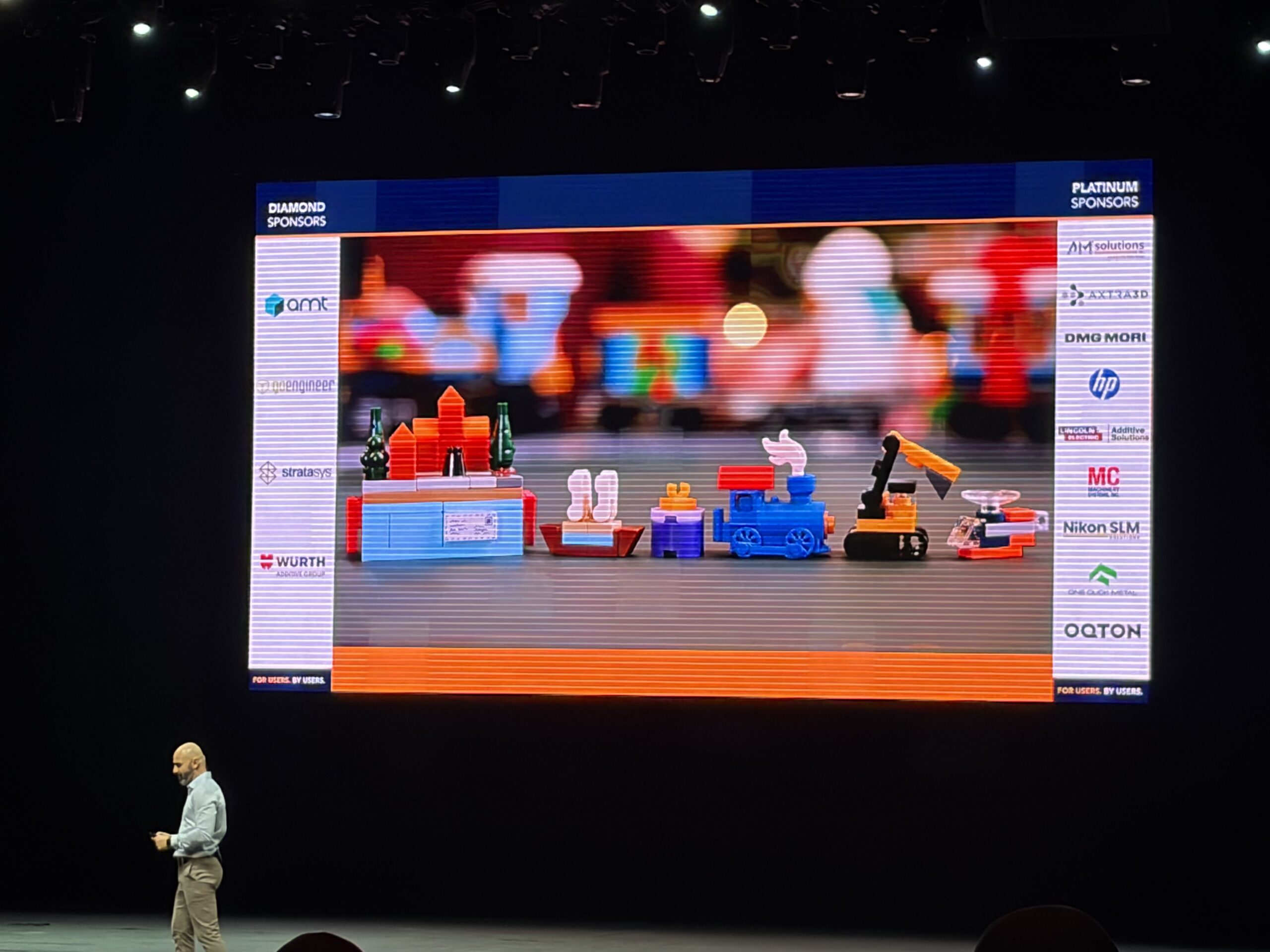
    On the last day of AMUG, Ronen Hadar, Senior Director and Head of Additive Design and Manufacturing at LEGO, presented a keynote titled “AM at Scale in Consumer Goods – The Case of The Lego Group.”
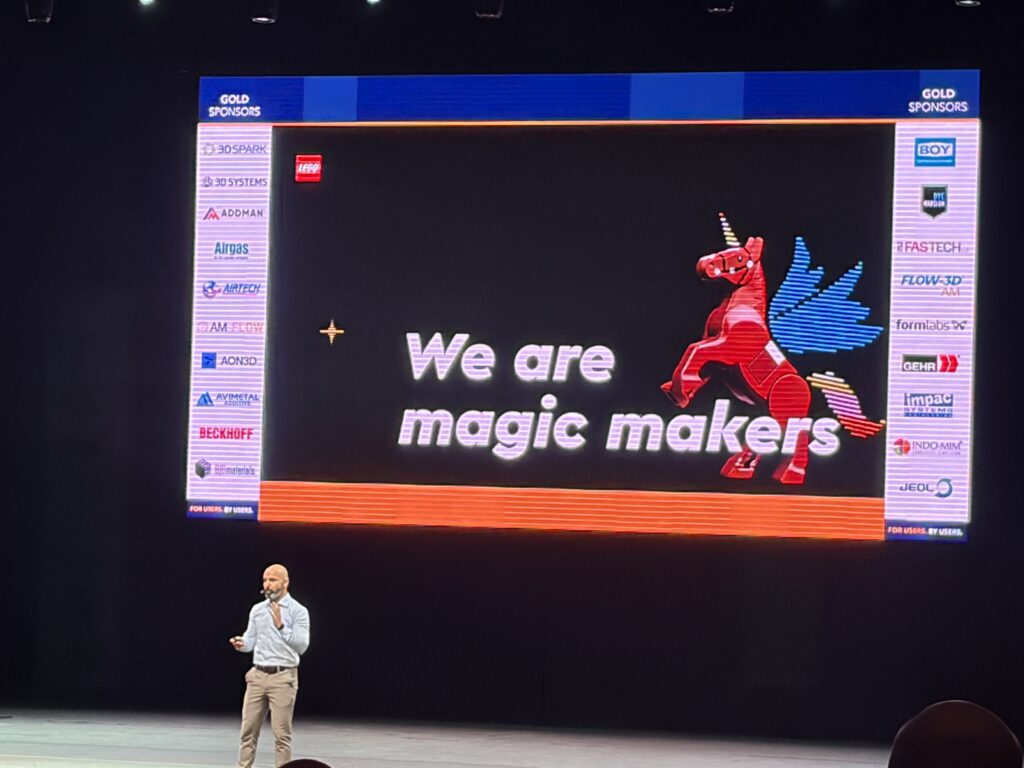
    Ronen Hadar, Senior Director and Head of Additive Design and Manufacturing at LEGO, onstage at AMUG 2026

    He explained that when LEGO is deciding to integrate new technology, it looks at quality, cost, and volume, in that order. The company uses metal AM for products like jigs, fixtures, grippers, and mold components, and polymer AM for consumer goods.

    In terms of 3D printing LEGO bricks, the company was aiming to achieve +/- 20-30 microns. Hadar said this “was hard to do without photoreactive materials, which we will not use to make toys that your children will put in their mouths!”

    “We had a hard time getting dimensional accuracy to this level. But we did it. We are fanatics about those tolerances, and that’s what separates us from some of our competitors.”

    Hadar said that LEGO produces hardly any waste powder in its AM process, because material development, recyclability, and sustainability are also business factors.
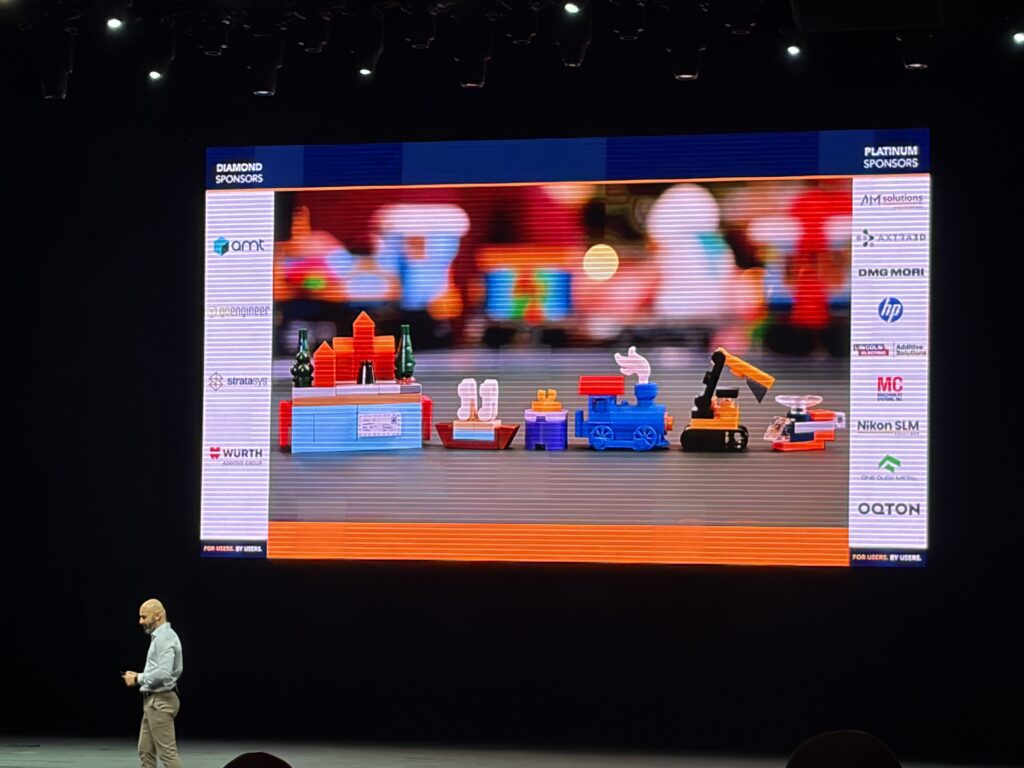
    He concluded by listing three things that must happen for AM to be more adopted in the consumer goods industry, with the first one being unit cost reduction. The ways to achieve this are more automation, process acceleration, machine and materials decoupling, and reducing the total cost of ownership (TCO).

    “OEMs really need to internalize that machines cannot cost $800,000 or a million dollars!” he said emphatically.

    The second is scaling production, which requires stable production platforms, as well as digital workflow and workforce productivity. The last is quality, enabled by a data-driven look and feel to ensure repeatability and accuracy, surface roughness improvements, color development and scaling, and powder quality and reliability.

    Breakout Sessions

    There were almost too many afternoon breakout sessions at AMUG! I had a very hard time choosing. However, I’m always interested in medical AM applications, so a lot of the sessions I attended after lunch each day were focused on this sector. The first was about “In-House Metal 3D Printing in Hospitals: Opportunities and Challenges for Medical Products.”

    Metal AM in Hospitals

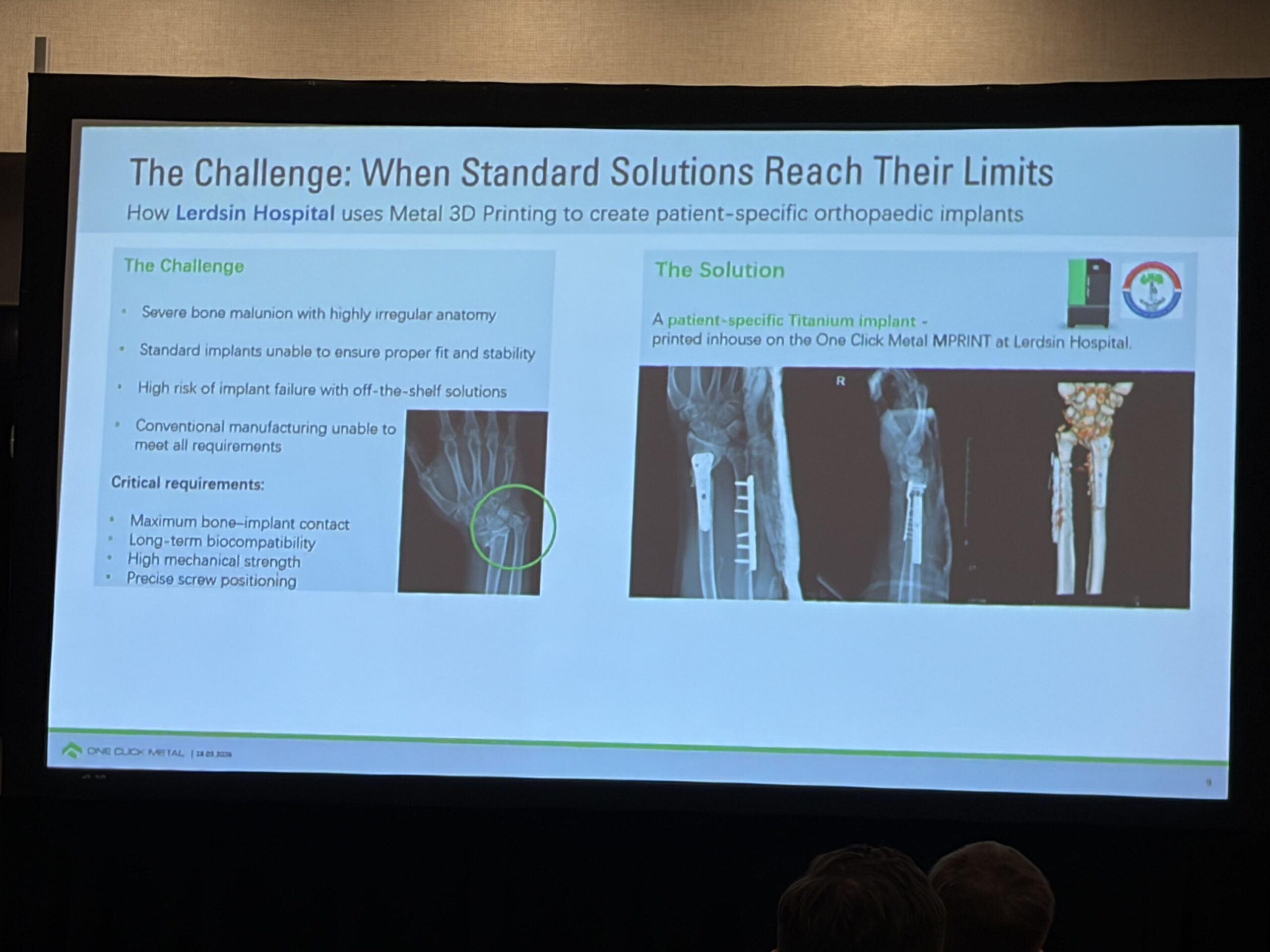
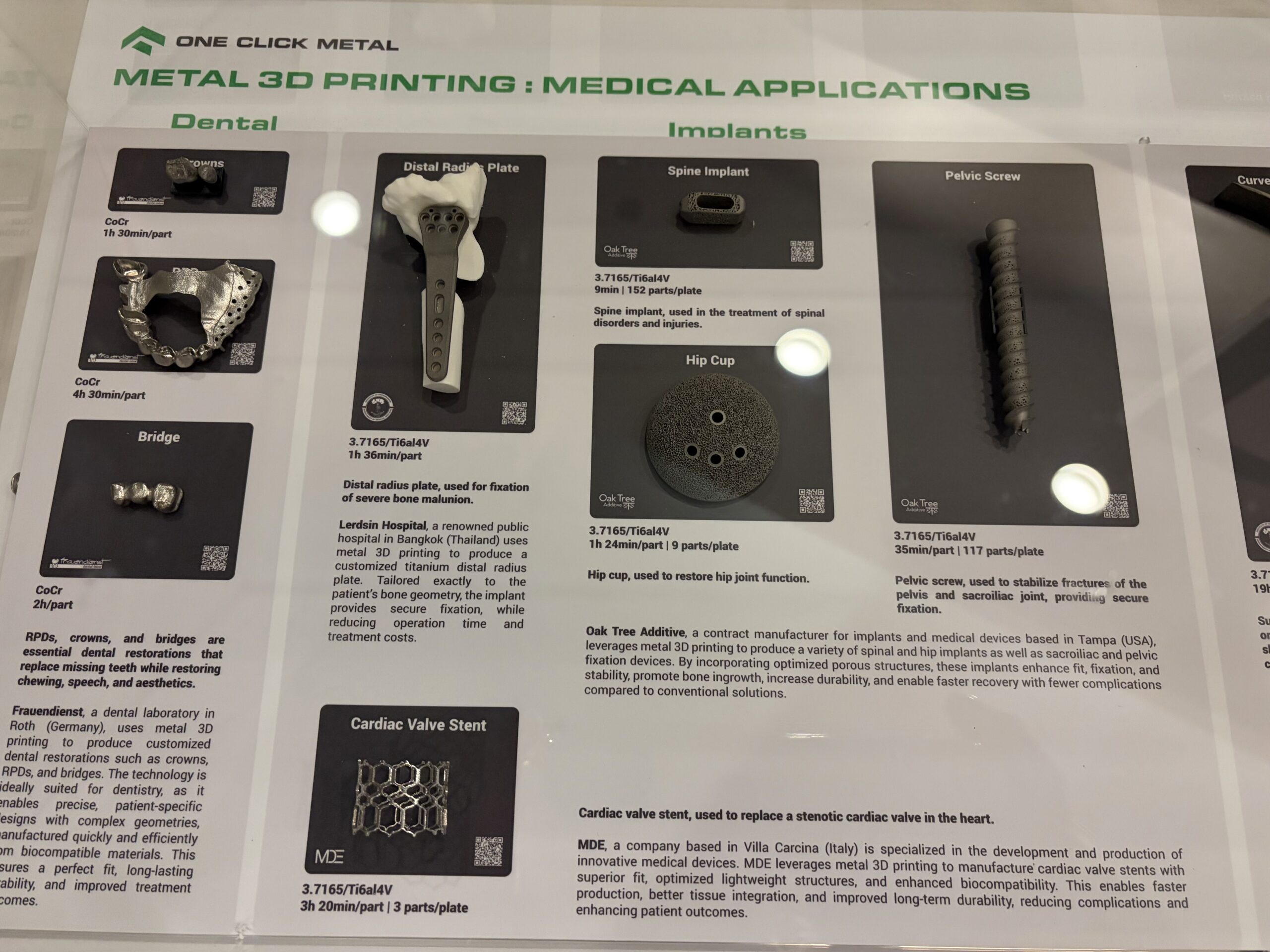
    Using a real use case from Lerdsin Hospital in Bangkok, AppliCAD Application Engineer Napakarn Thussakorn, alongside Michael Staiger, One Click Metal, shared the AM production workflow for patient-specific orthopaedic implants.
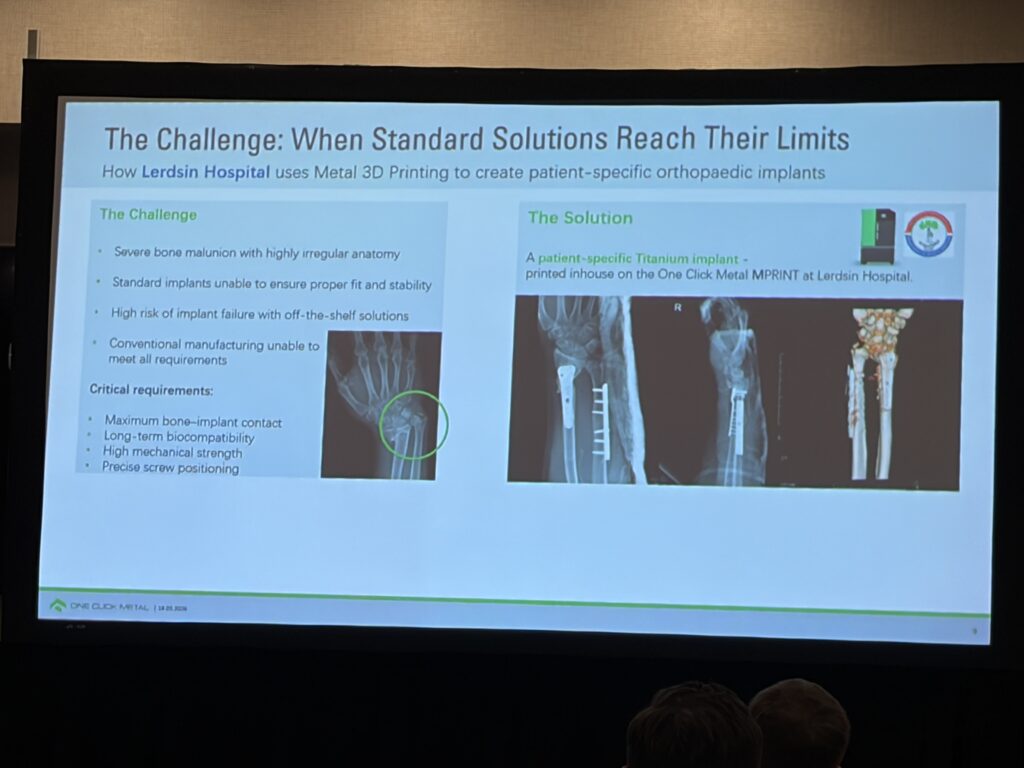
    It starts with a patient consultation to assess the need for a 3D printed implant, and then CT or MRI imaging. Using Materialise Mimics, these images are then converted to a segmented 3D model of the relevant anatomy.

    “We need to go into each slide and each slice,” Thussakorn explained. “We need smooth surfaces and no holes.”

    Once the custom implant is designed, it’s printed out of biocompatible Ti64 using LPBF technology onsite at the hospital, using a One Click Metal MPRINT system. Then comes post-processing, like support removal, sand blasting, and sterilizing for surgical use. The implants are “designed to perfectly match patient anatomy,” which offers more design freedom, improves the fit and alignment accuracy, increases surgical confidence, reduces the need for intraoperative contouring, and lowers surgery time.
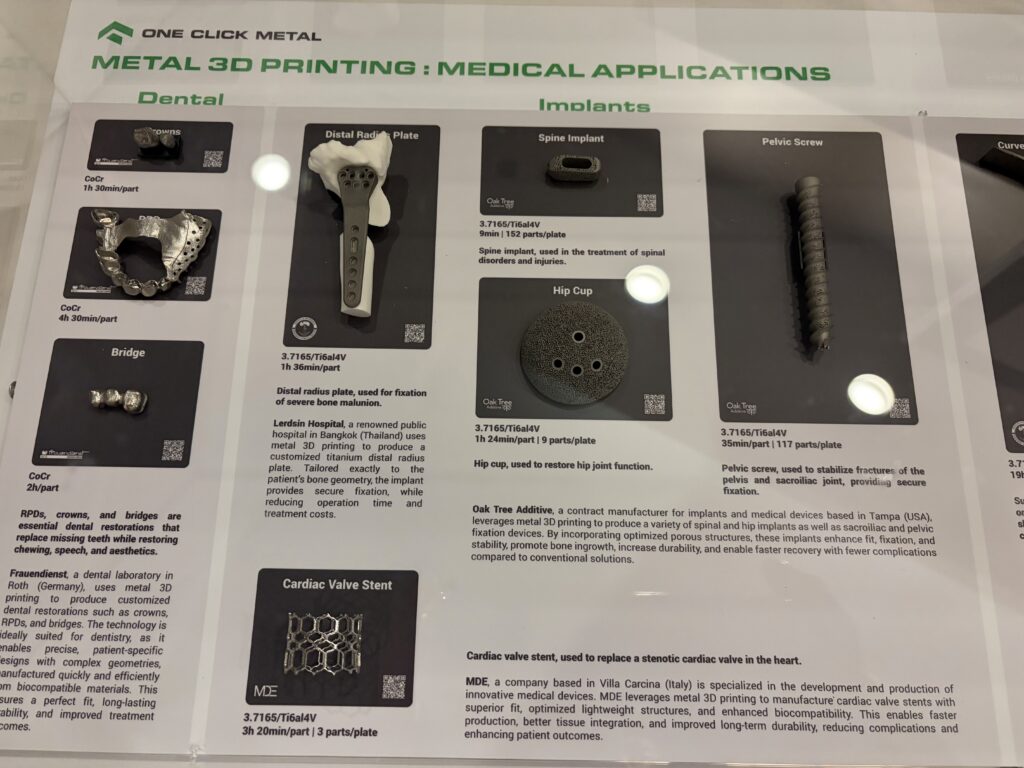
    Several examples were shared, including implants for the wrist, ankle, and forehead, as well as surgical tools like an acetabular chisel. Thussakorn said they all “help improve quality of life.”

    Mayo Clinic Microscale 3D Printing

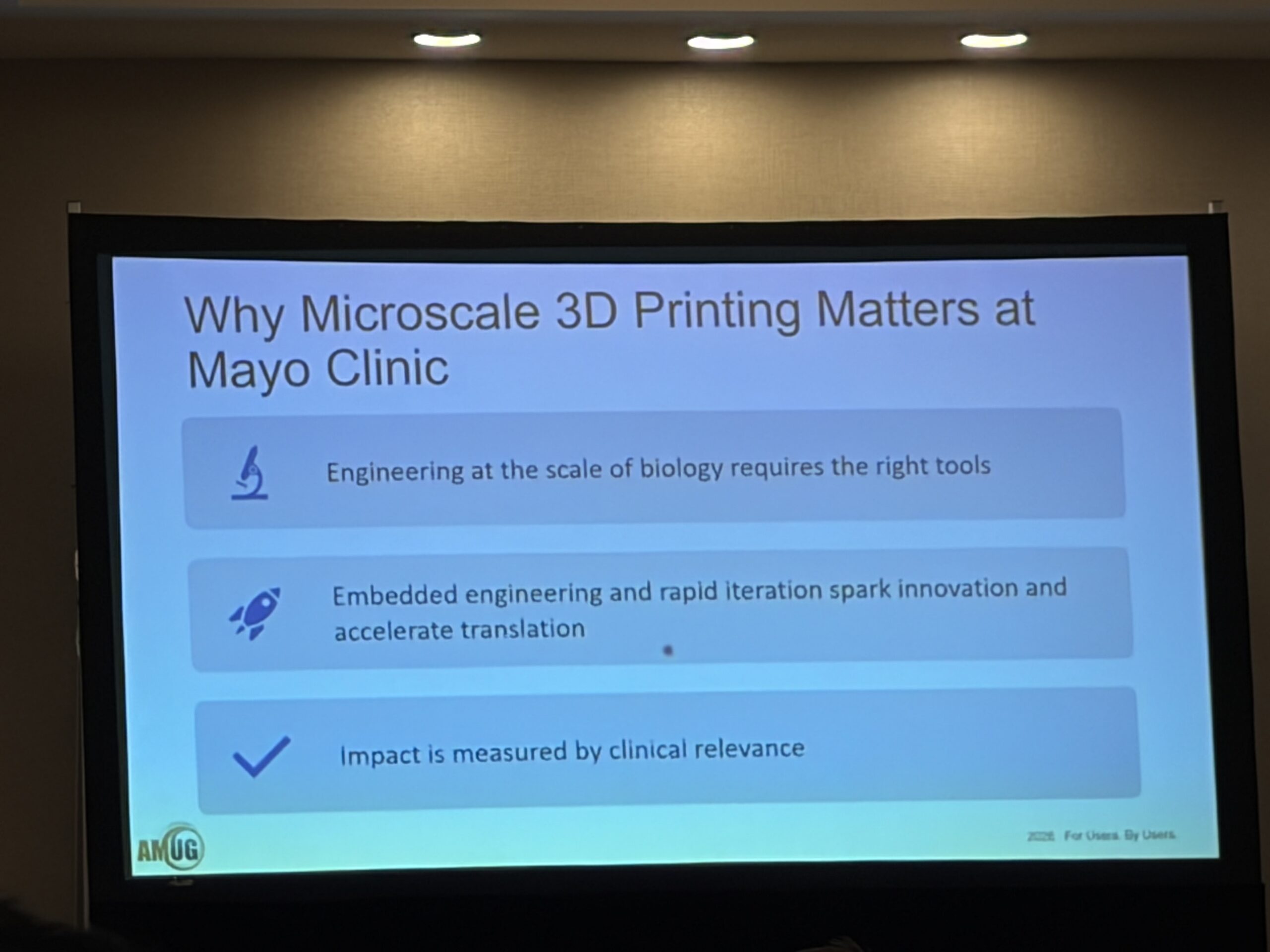
    Seth Hara, PhD, Principal Engineer at the Mayo Clinic, had just about as difficult a time getting to Reno as I did. So his presentation, “Beyond the Visible: Microscale 3D Printing at Mayo Clinic,” got pushed until the last day of the conference. This was lucky for me, as I would have missed the original time due to my own travel delays.

    Hara is the manager of Mayo’s Microfabrication Laboratory within the 70-member Division of Engineering. The entire Mayo Clinic enterprise is about 82,000 employees, and any of them can come to the team for help with engineering consultations, design, and development services.
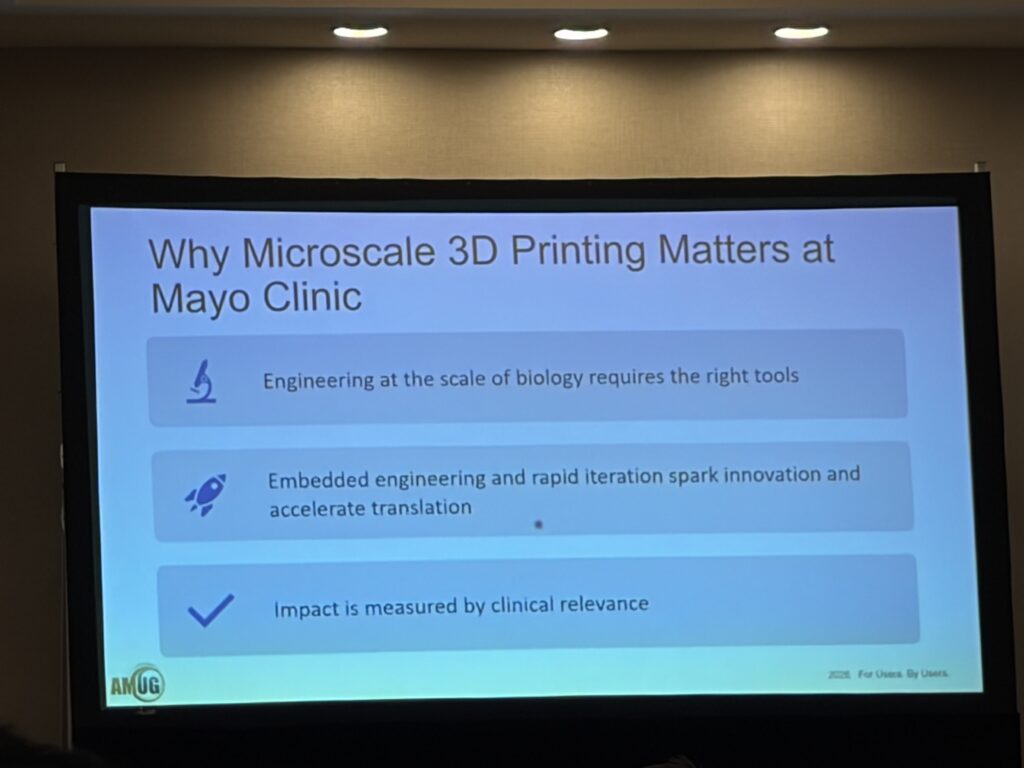
    Hara explained that microscale AM has many implications for healthcare, as “many different medical challenges require a level of complexity that can be hard to achieve with conventional manufacturing.” The technology offers freedom of design, which is helpful for fabricating things like lattice scaffold structures. Microscale AM can also be used to replicate anatomy so clinicians can get a better understanding of different tissues, organs, and cells at the proper in-vivo scale.

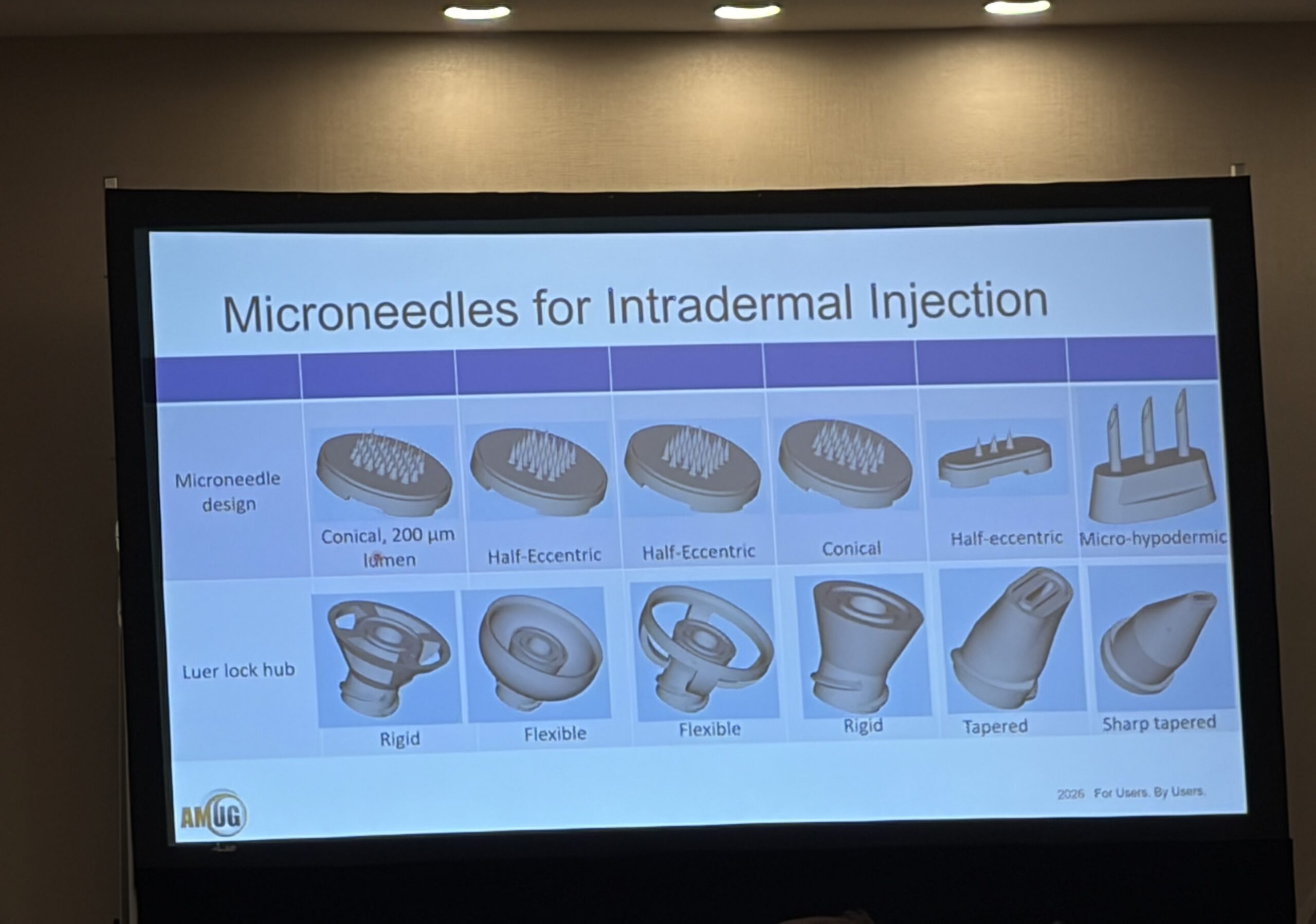
    The major considerations for using AM in medical device applications include biocompatibility, cleaning and sterilization, and post-processing. The specific applications for microscale AM at Mayo Clinic include microfluidics, tissue engineering, ultrasound markers, microneedles and microneedle arrays, and anatomic models. However, these models aren’t for training purposes, but for studying how the environment affects the biology by replicating the microenvironment.
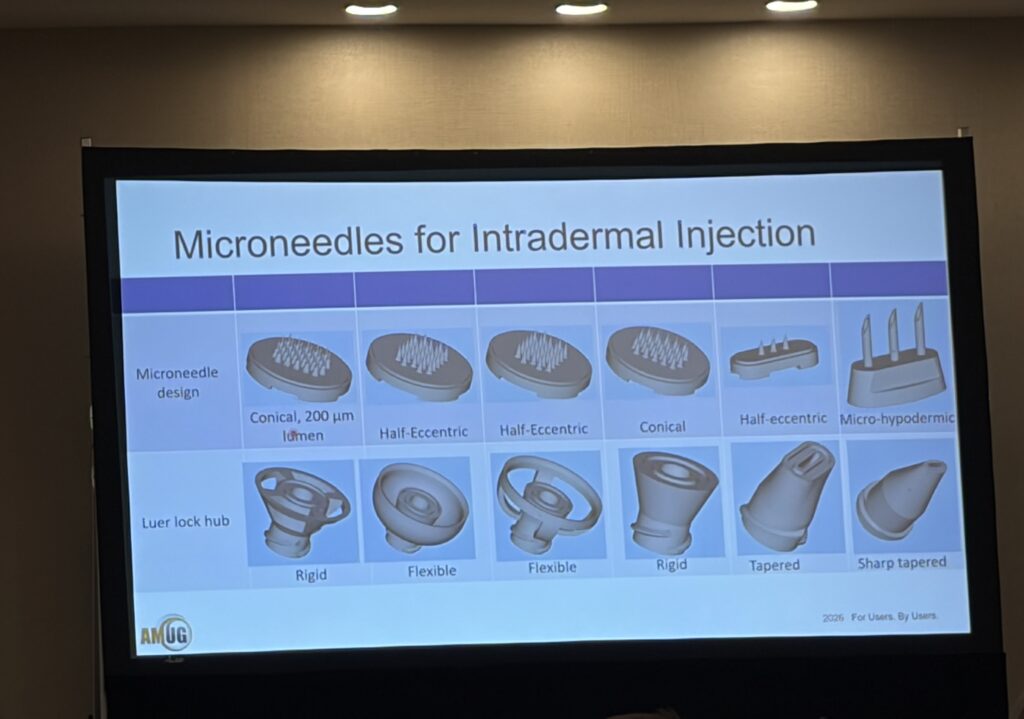
    “This is all about enabling solutions for the clinicians’ problems that can’t be solved any other way,” Hara explained.

    3D Printed Golf Driver

    I didn’t only focus on medical sessions at AMUG. For instance, aerospace R&D company Hyphen Innovations, which is based in my hometown of Dayton, Ohio, shared about their work to develop a metal 3D printed golf driver. Lead Research Engineer Troy Krizak, PhD, presented “Using the i-DAMP Design Software to Develop Next Generation Golf Drivers.”

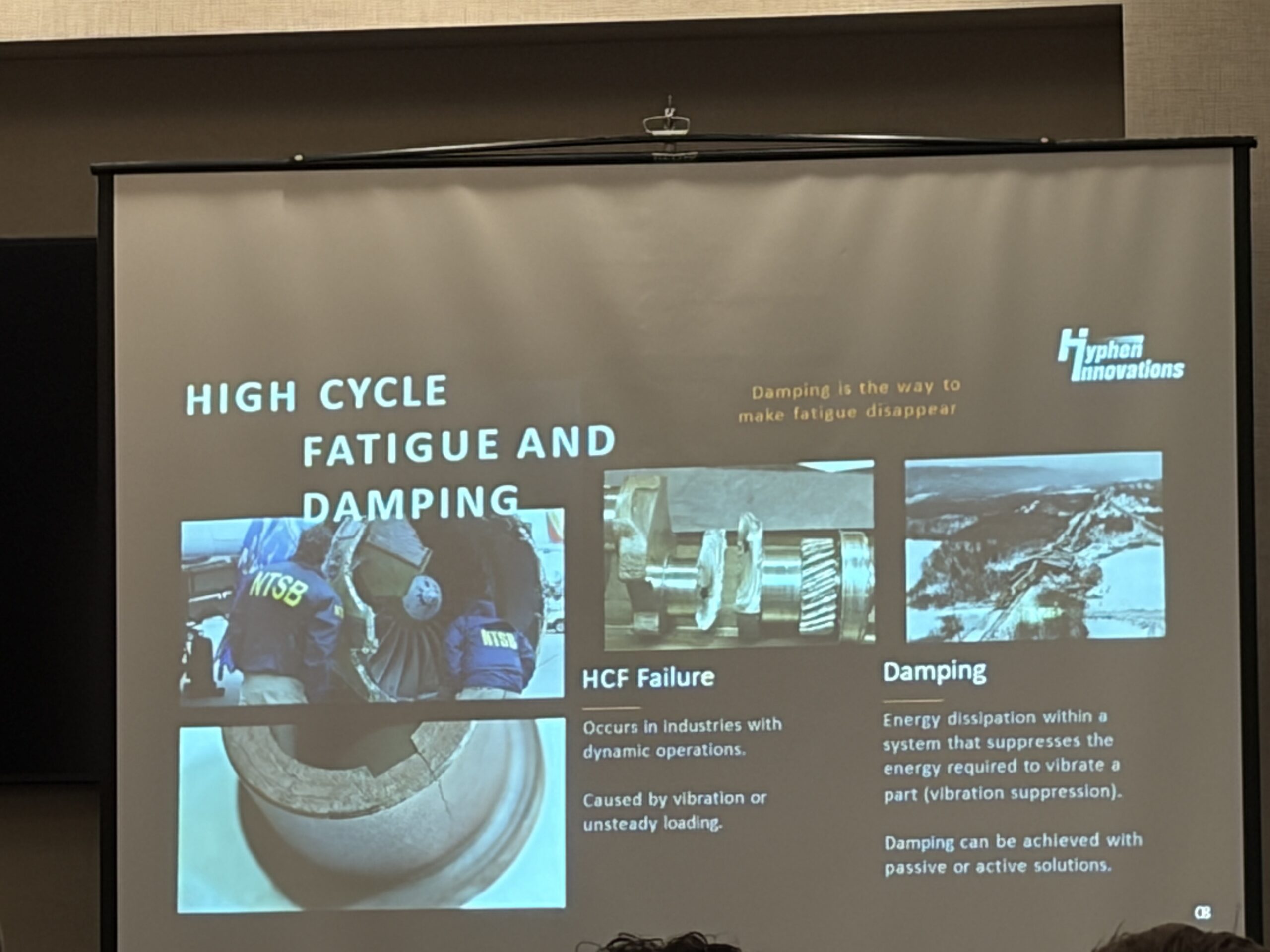
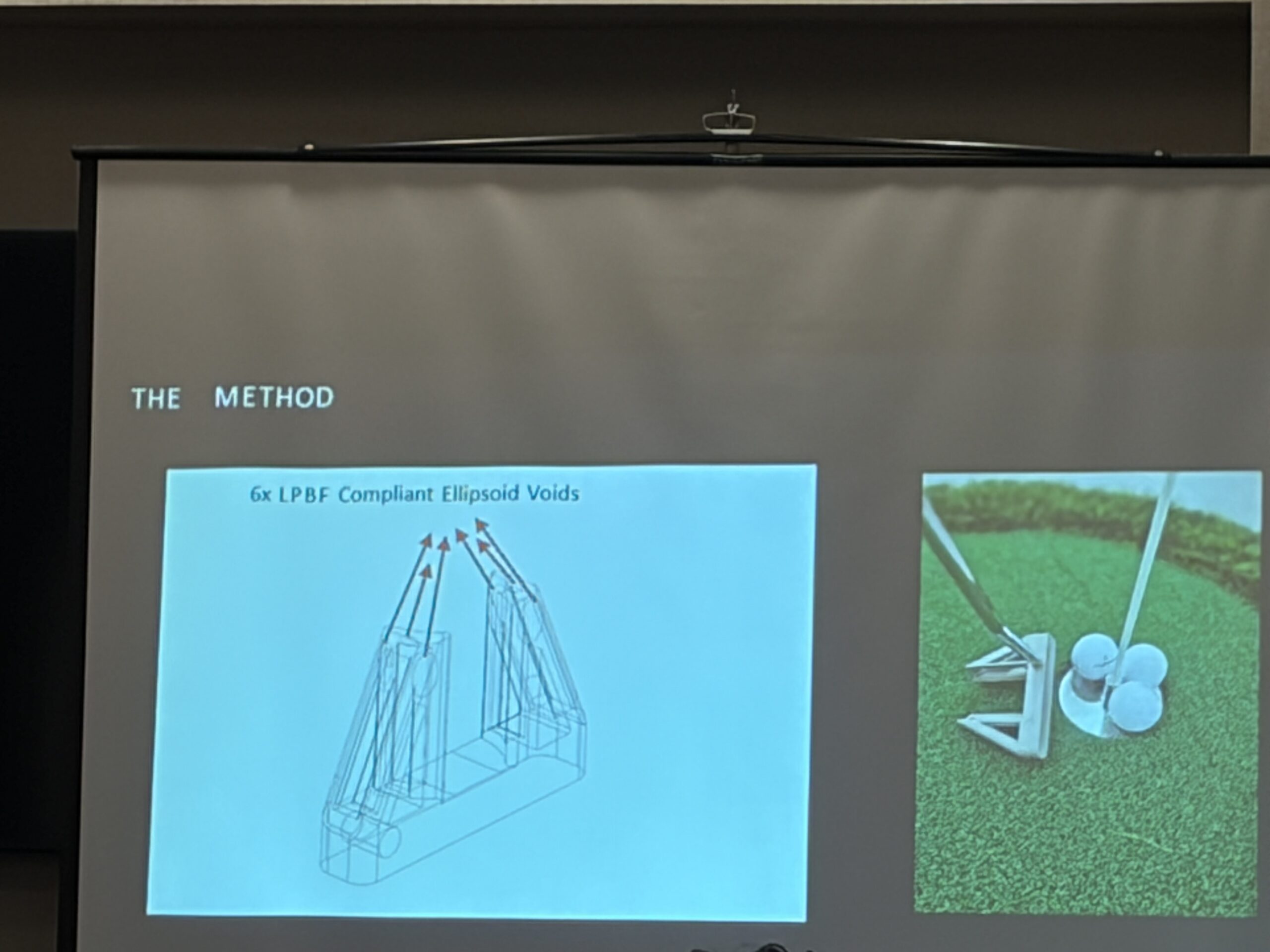
    The company’s i-DAMP solution is a design method for 3D printed parts that are vibration- and damage-resistant. Basically, they design voids inside these parts to act as particle dampers and suppress the energy in a system while it’s vibrating. The software that Hyphen CEO Dr. Onome Scott-Emuakpor developed helps to minimize stress concentrations and fatigue, as well as the amount of unused powder within the structure.
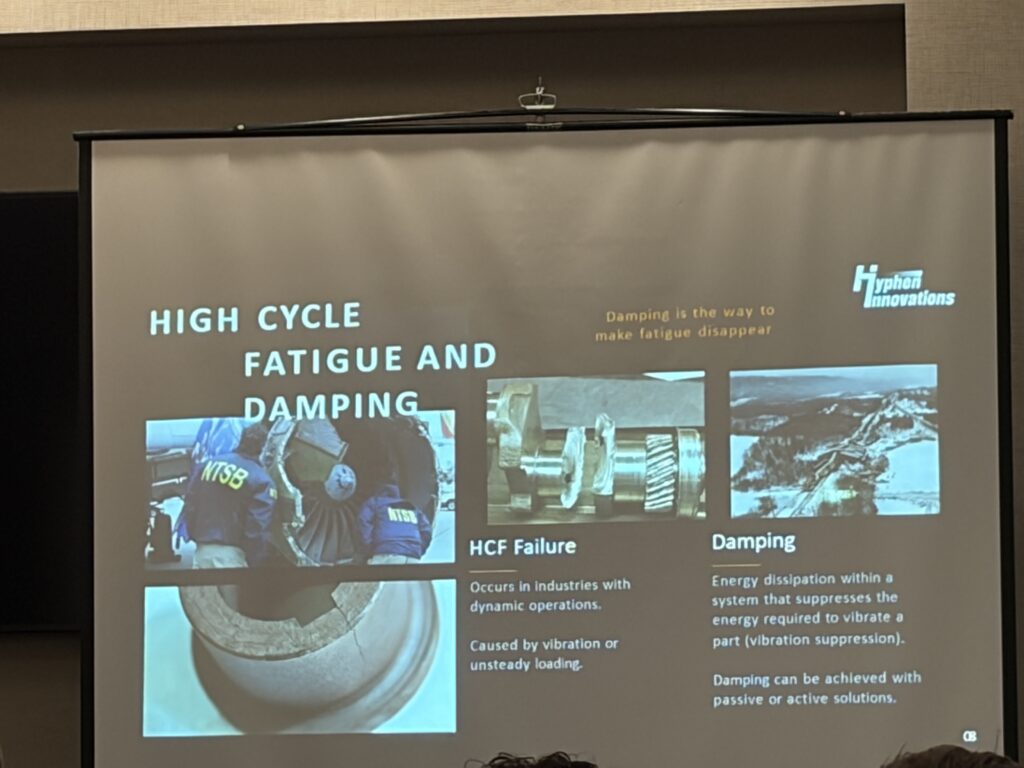
    “What we’re trying to do with i-DAMP is reduce the effect of fatigue, which is influenced by material, porosity, microstructure, surface finish, and residual stress,” explained Krizak.” Not understanding the material or manufacturing process can lead to bad outcomes.”

    The company validated i-DAMP for aerospace applications, and then wondered if the solution could also be used to decrease the high-frequency vibration that caused pinging in a golf ball. Drivers are typically made out of carbon fiber, with a metal face plate glued on. Hyphen’s four main goals for this project were to make the driver more lightweight; more forgiving; more durable; and less expensive.

    “If we can use additive to make the faceplate even a little lighter, there will be efficiency gains,” Krizak said.
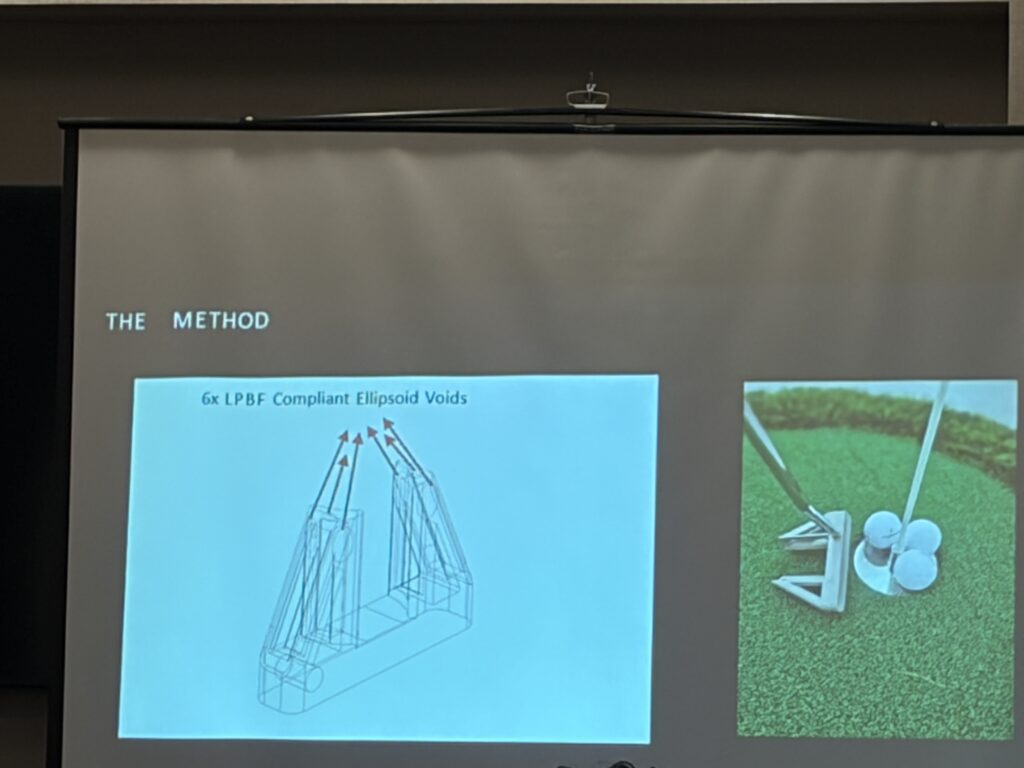
    The team reverse engineered an industry driver, and used their software to find the most optimal place to put the voids in the driver to reduce damping. The initial print was aluminum, which was too light for the industry standard, and they ended up using Nickel 718, which is what was available at the time. Unfortunately, this resulted in the opposite problem: the 3D printed golf club head was far too heavy to actually be effective. But, Krizak said they achieved 4x damping increase, which proves that i-DAMP is effective for damping.

    In the future, Hyphen wants to try a lighter material, like reinforced high strength aluminum, so they can actually attach the 3D printed driver to a golf club. They also want to focus on optimizing the feel, and achieving a wider “sweet spot” for where the driver connects with the ball.

    3D Printed Ski Boot

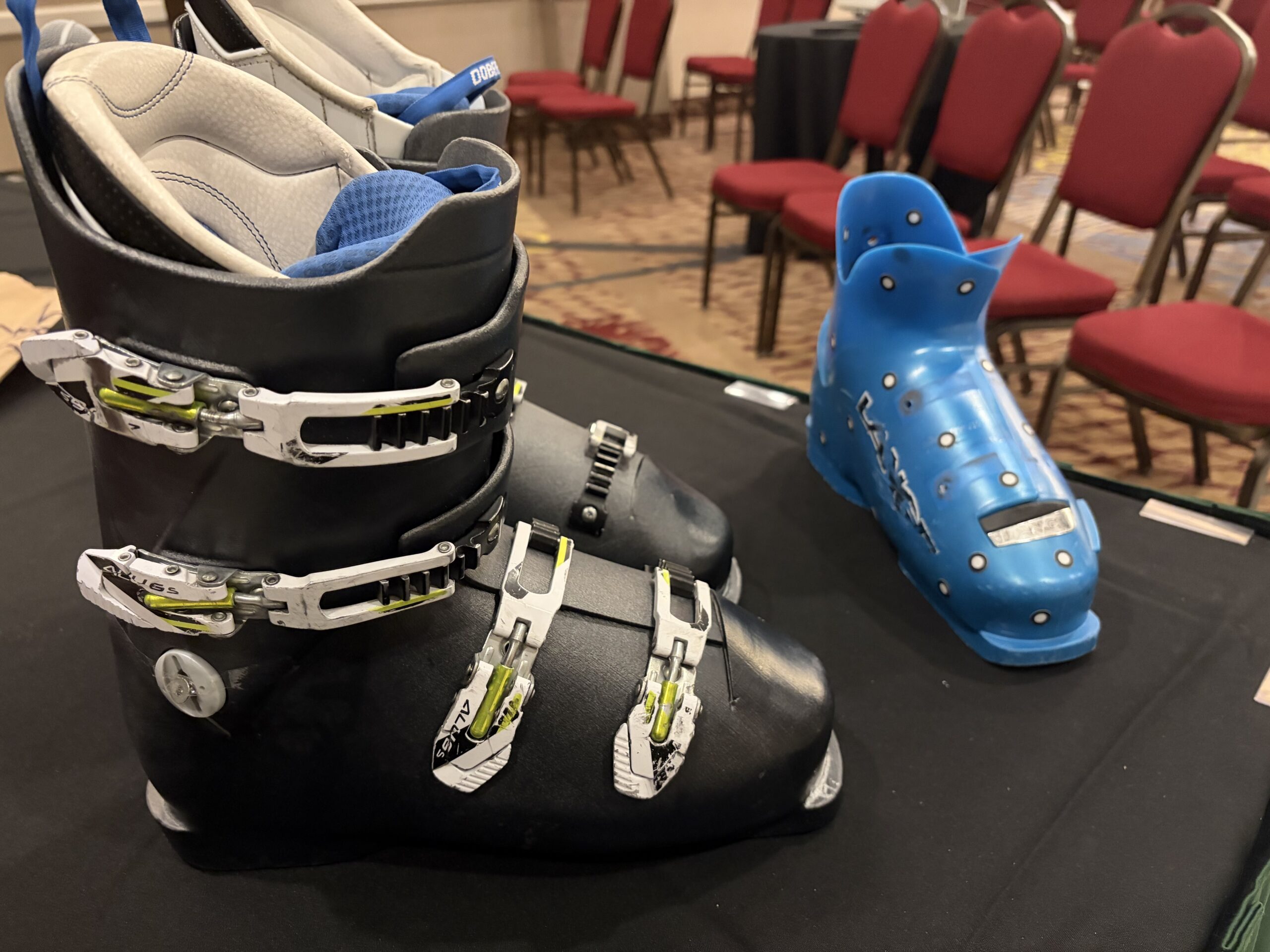
    In another 3D printed sporting goods use case, GoEngineer AM Applications Engineers Peter Moe-Lange and Lukas Brokamp presented “Scan, Model, Shred: Lessons Learned Designing and Printing a Ski Boot.” They scanned an existing boot with a Creaform blue light scanner and reverse engineered it using SOLIDWORKS.

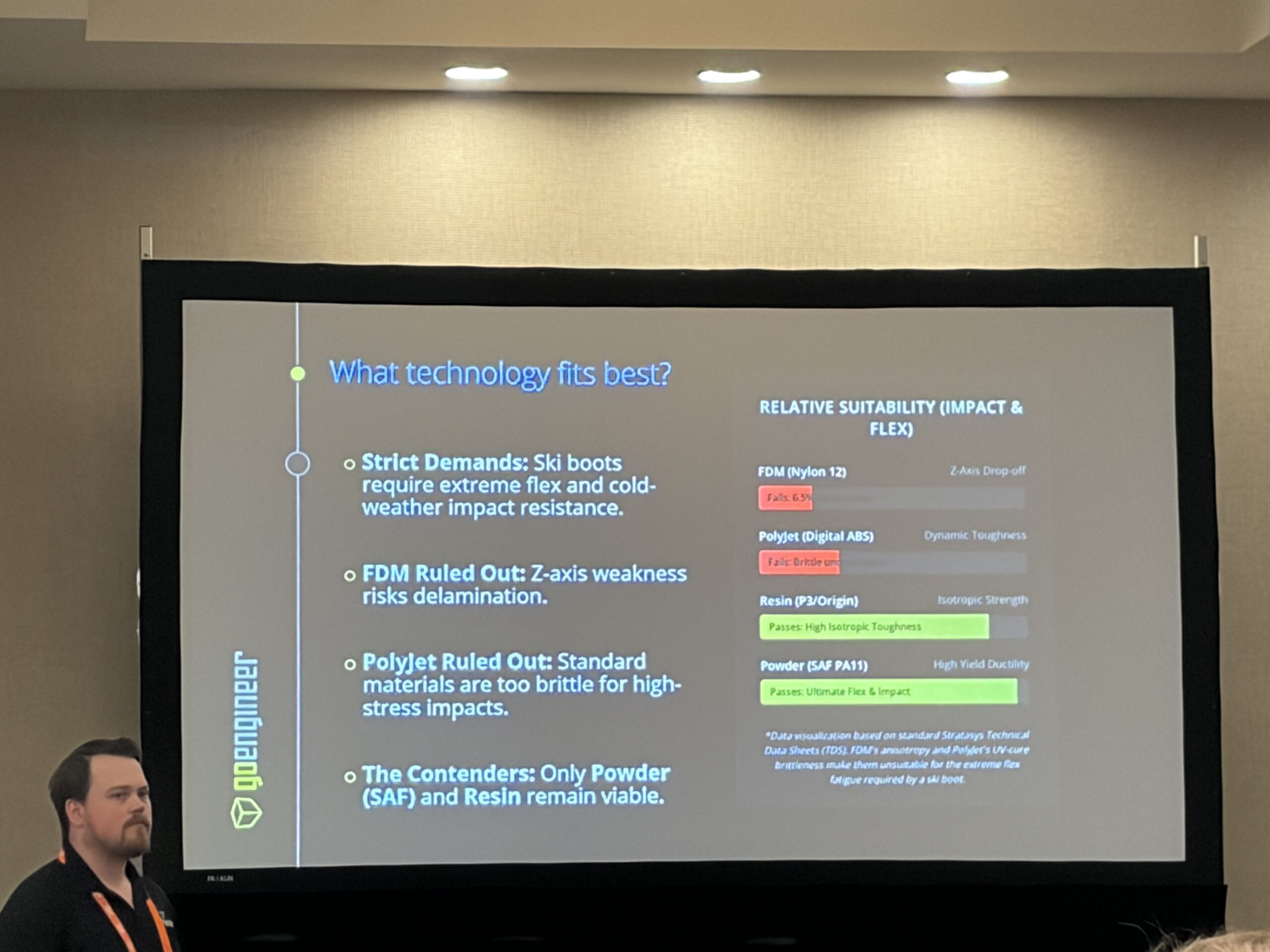
    The company has access to many different 3D printing solutions, so they had plenty to choose from in finding the best one for this particular application. As Moe-Lange explained, ski boots need “extreme flex and cold weather impact resistance.”
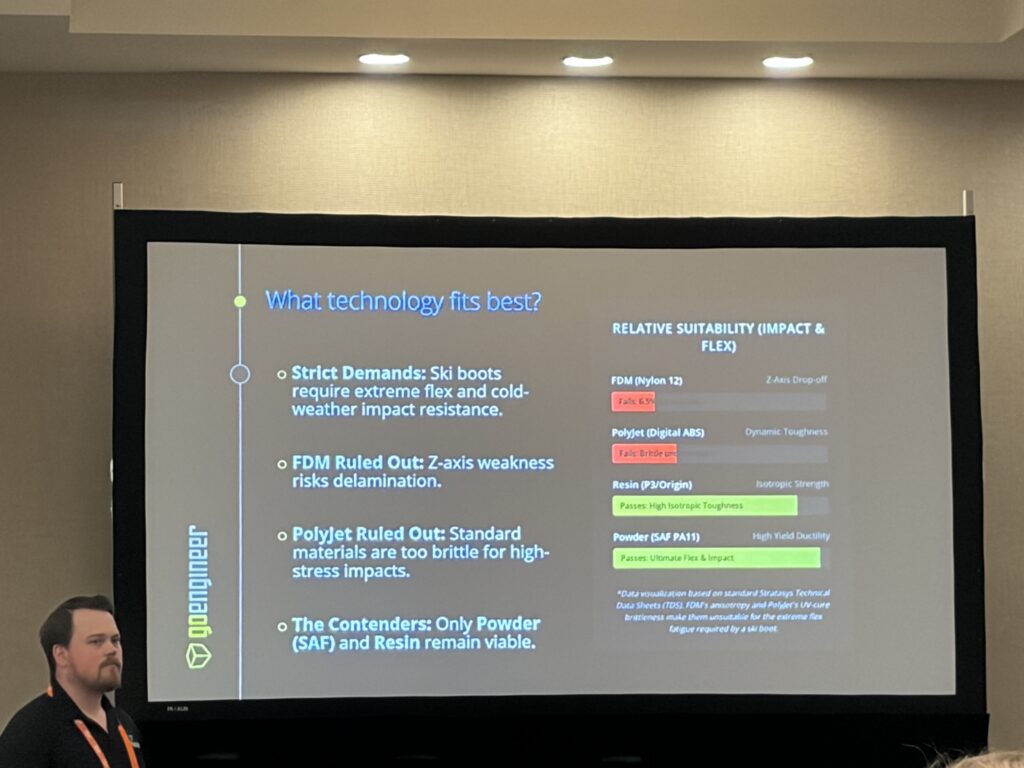
    They ruled out FDM because it’s such an anisotropical process, they were worried they’d end up with shearing. PolyJet standard materials are too brittle for high-stress impact applications, so they were left with resin and powder. GoEngineer went with the latter, specifically Selective Absorption Fusion (SAF) by Stratasys. While not quite as cheap as FDM, powder parts are definitely less expensive than resin, won’t degrade in sunlight, and have thermal resilience and superior toughness.

    Using the SAF-driven H350, they printed four total parts for the ski boots using Nylon PA11, which is the same material GoEngineer used to print its Plinko chips for the AMUGexpo earlier in the week.
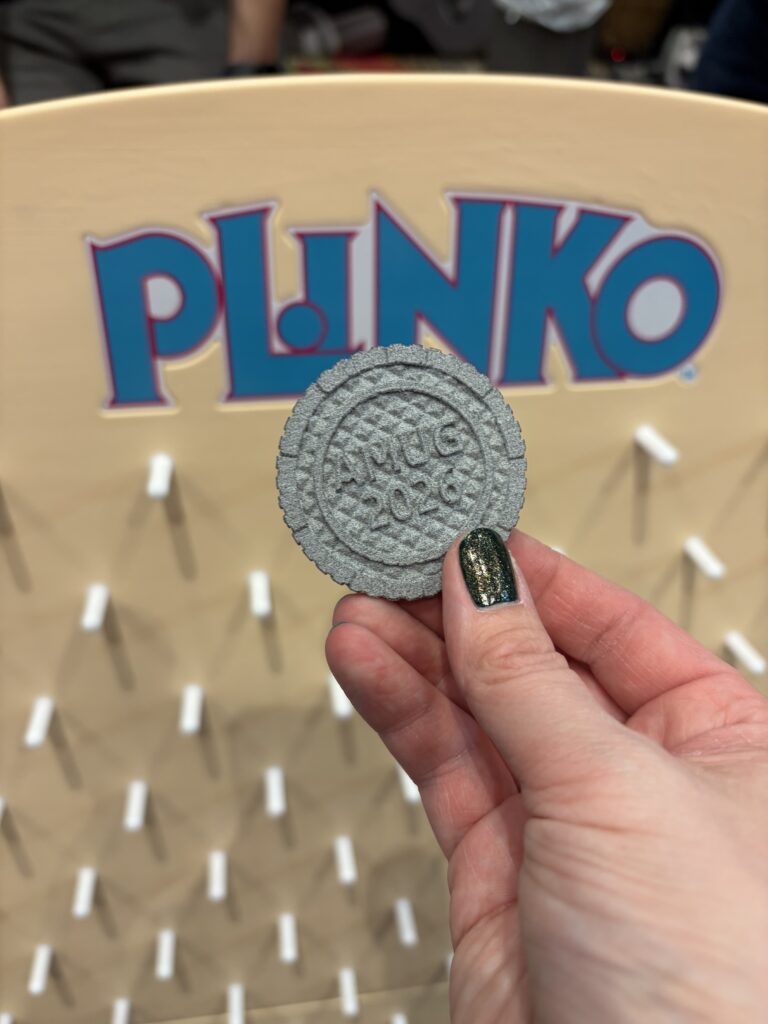
    They embarked on an “archaeological expedition to find the parts” in all the powder, and used a PowerShot system from DyeMansion to blast the rest off. To ensure better safety margins, the boots were also vapor treated. Then, once the necessary hardware was added, it was time for Moe-Lange to field test the boots.

    He explained that typical ski boots use a lot of heavily engineered specialized thermoplastics, like rubber tougheners, impact modifiers, and plasticizers. There just isn’t much publicly available research into how powder materials handle cold temperatures, and as Moe-Lange learned, they don’t handle the cold too well. He said the only issue with the 3D printed boots was that, as the temperature dropped and the plastic got colder, they became “more rigid and difficult to flex.”
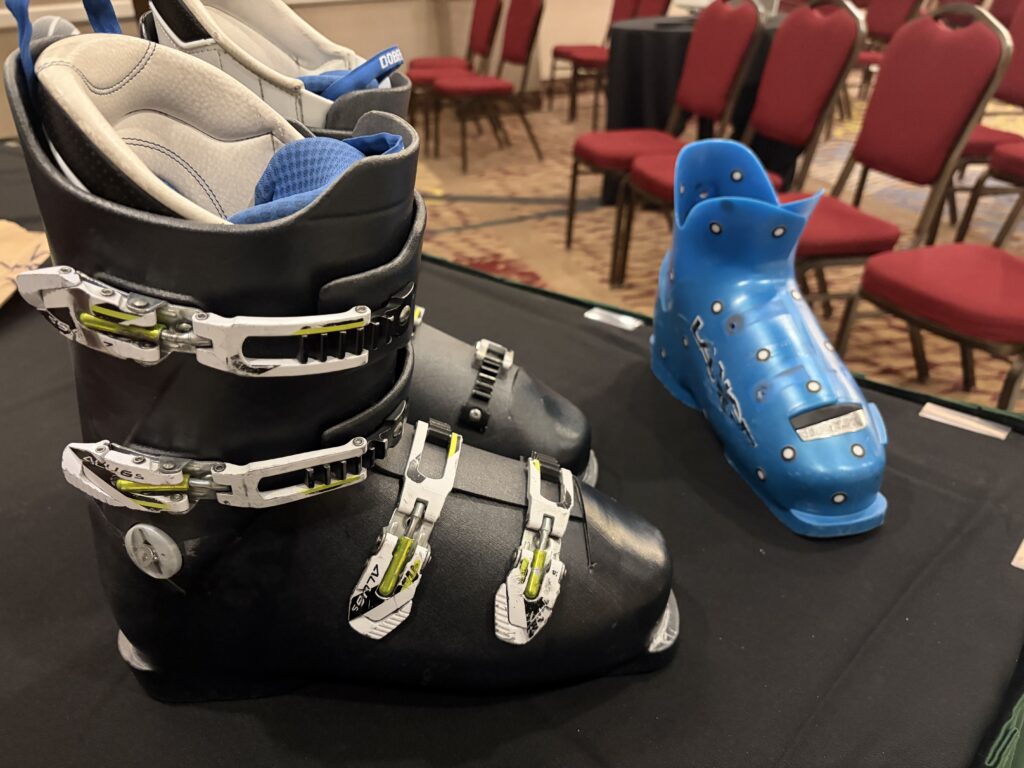
    The 3D printed ski boots are on the left, next to the boot they scanned and reverse engineered.

    While they’re limited by this reduced flexibility in cold temperatures, 3D printed ski boots seem to be a real possibility. Moe-Lange said that the technology “aligns well with the economics of ski boot manufacturing.” However, powder-based technology needs to advance for there to be true viability.

    Expo Floor Chats

    Because of my travel delays, I only had one night on the AMUGexpo floor, so I made the most of it and visited a lot of booths!
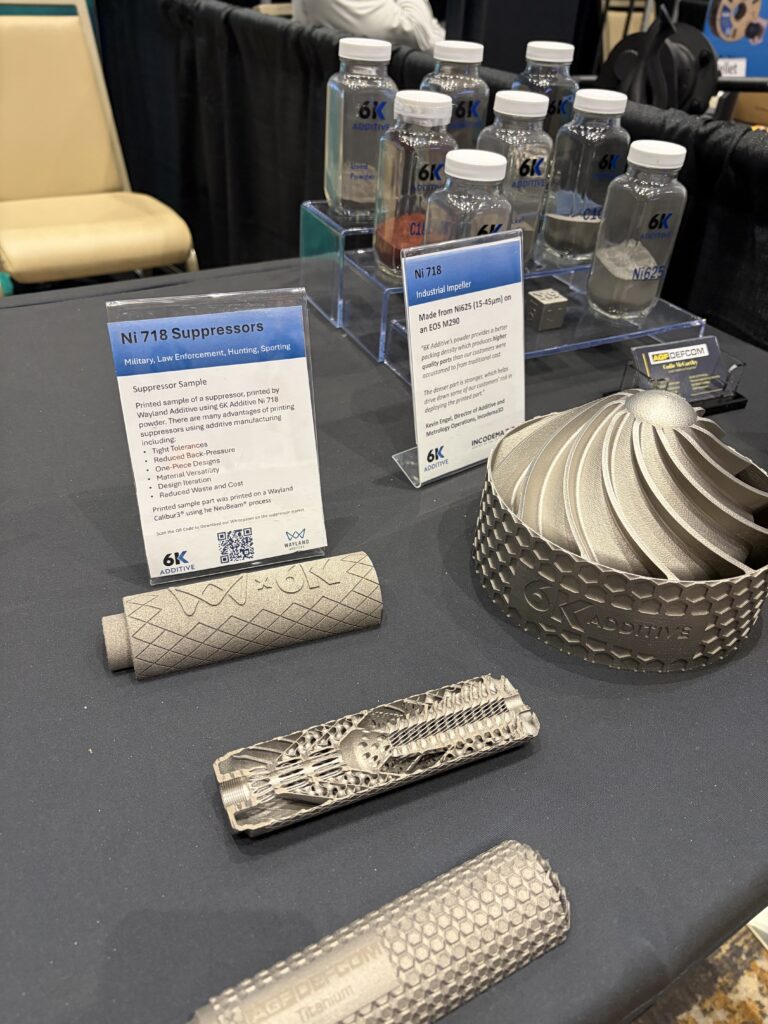
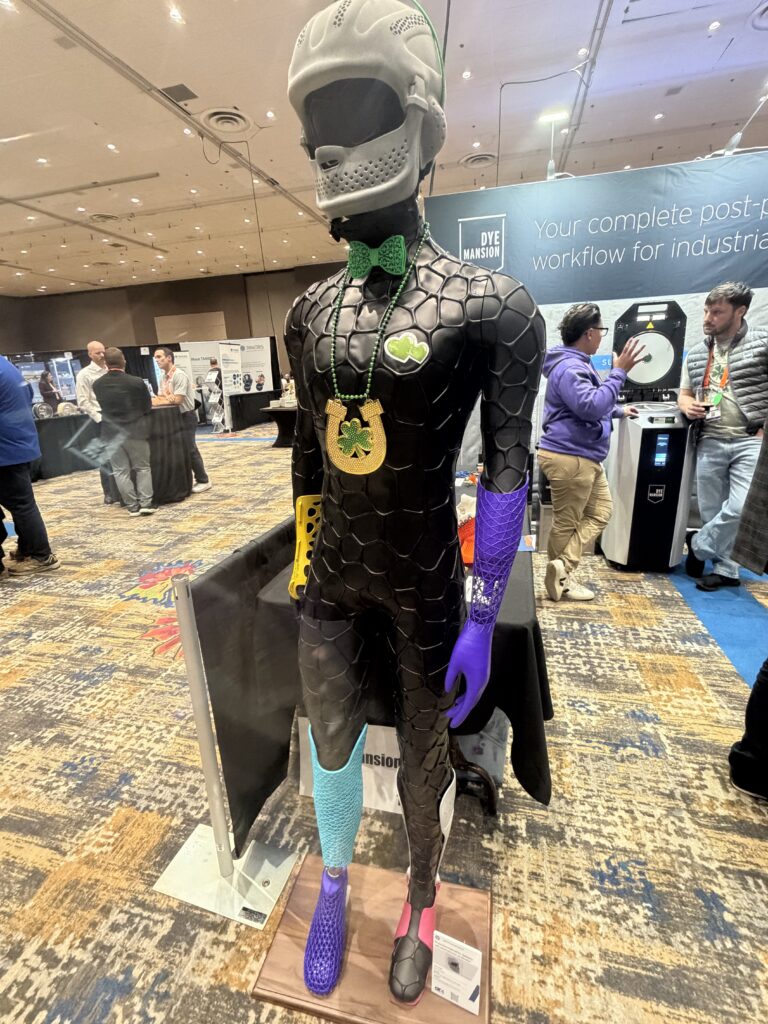
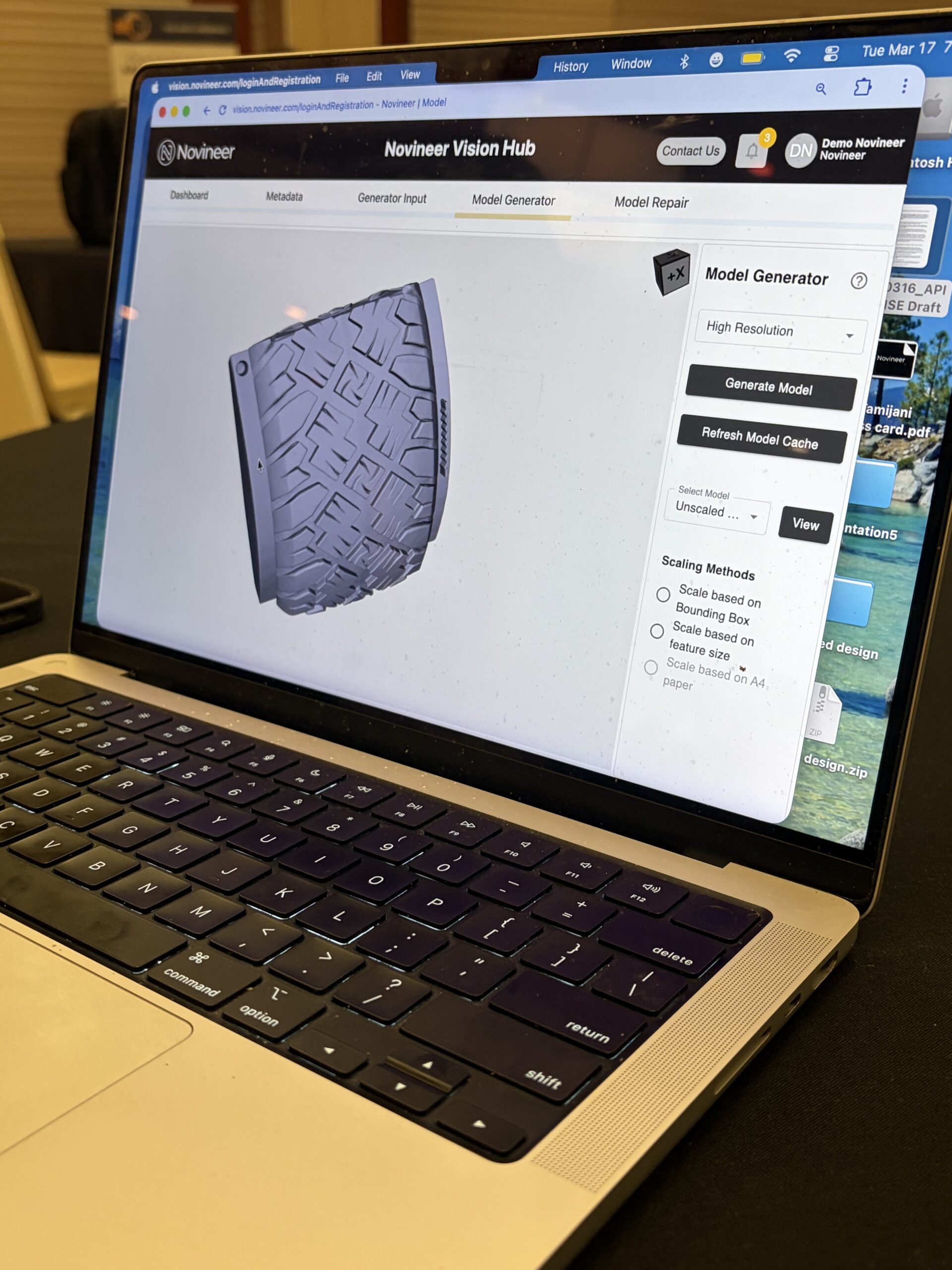
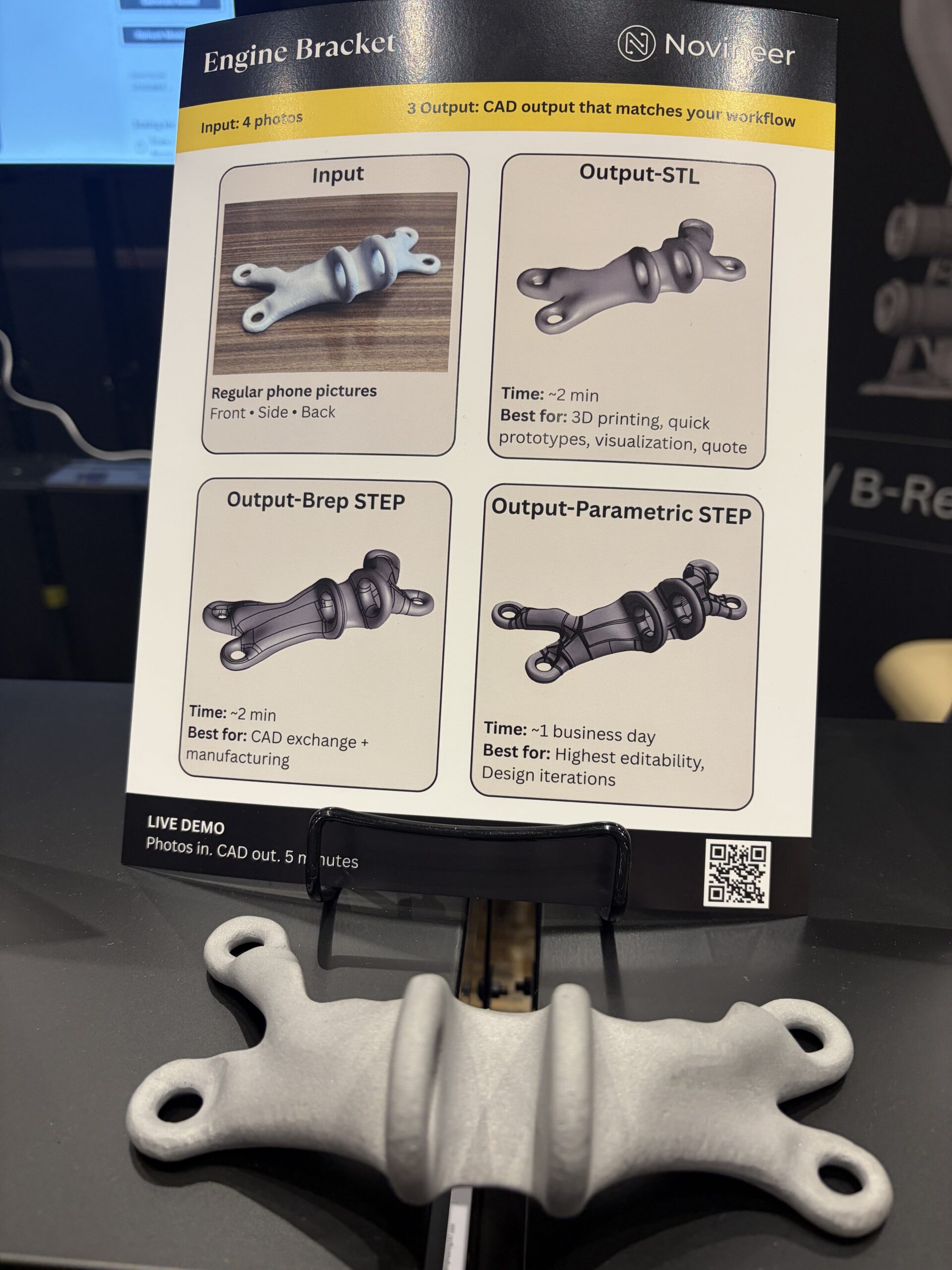
    Earlier in the day, I’d spoken to Ali Tamijani, the CEO and Co-Founder of generative design software firm Novineer. He explained that the company’s NoviPath is about simulation specifically for FFF and FDM 3D printing. But at AMUG, Novineer was presenting NoviVision, which allows you to upload pictures of a part to very quickly create 3D models. So I stopped at the booth to get a closer look.

    Tamijani said it takes two minutes to create the STL, and two minutes to generate the STP, so you get the model in under five minutes.

    “The concept is very simple. You take a couple of pictures of a part, and then it creates the digital model.”
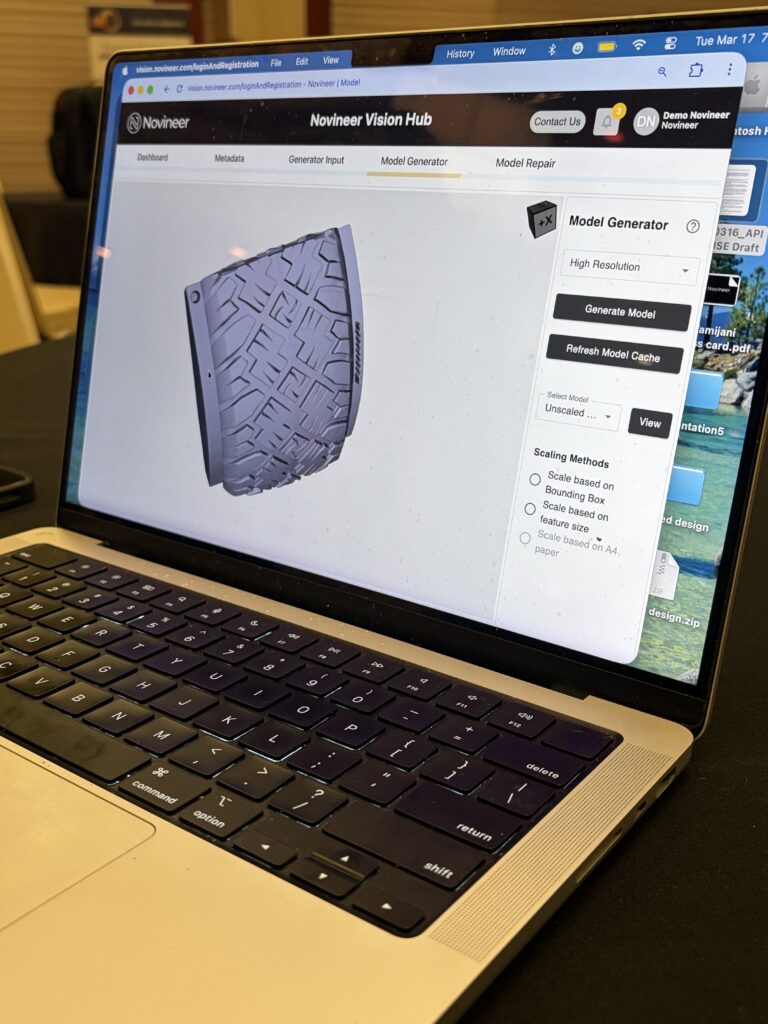
    It can be imported in any CAD software, and can be used for everything from aerospace and defense to railway and automotive. Tamijani said that more than 600 parts have been created with NoviVision. The solution doesn’t use photogrammetry, but is AI-based.

    “We’re not trying to reconstruct the part based on all the images,” he explained. “It’s looking at the images and the data to come up with the part.”
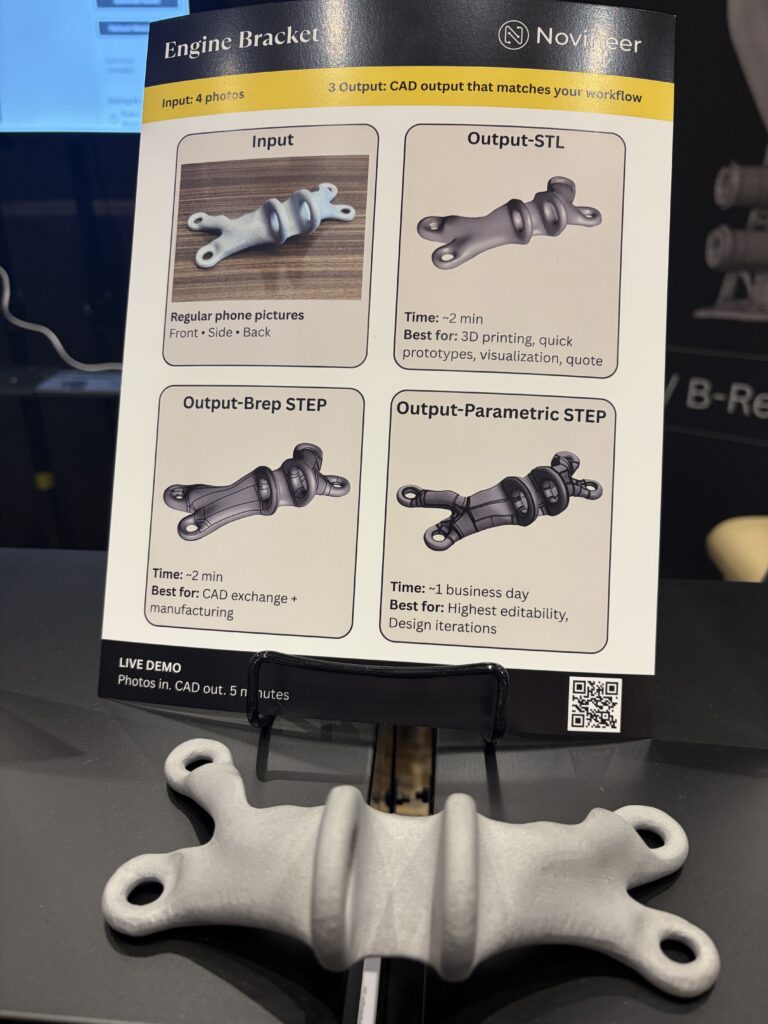
    You apparently don’t even need super high quality images for NoviVision to work. They can’t be blurry, but Tamijani said it works even if there are other things in the background.

    I also met with Skuld at AMUG. This Ohio-based company developed an additive-enabled evaporative casting (AMEC) process.

    “There’s reasons why that’s what we like to work with as opposed to other options, and part of it’s based on affordability,” Skuld Founder and CEO Sarah Jordan told me. “We use desktop printers to make metal parts, so that seriously drives down the cost.”

    The company uses lots of popular desktop material extrusion printers, like Bambu systems.

    “We mainly developed this process for our own purposes, because tooling and lost foam can get really expensive. So the goal is like, well, what if you don’t need tooling?”
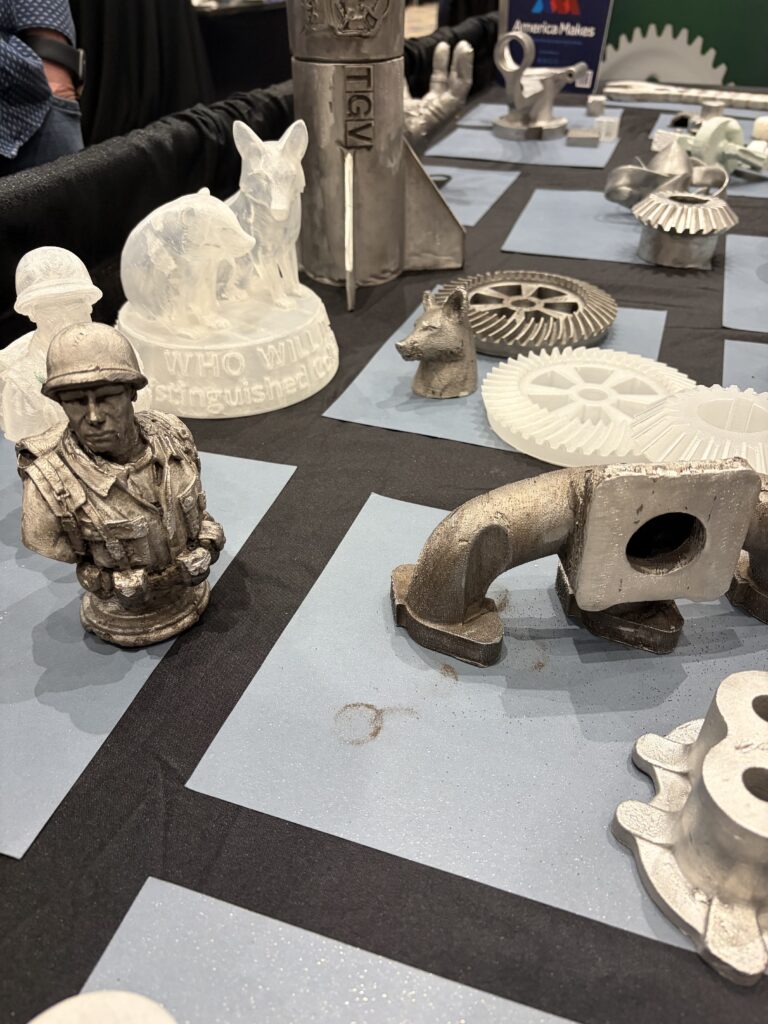
    Skuld booth at AMUG

    They do still make tooling if the volumes are high, and depending on the geometry of a part as well. As Jordan reminded me, legacy castings are pretty blocky, so “not optimal print geometries.” So sometimes Skuld will print something, or they’ll machine it, or they’ll do both.

    The company has something exciting goals it’s working towards in the future. I said it sounded like they were up and running, and Jordan said it was more “up and walking.” They expect the whole production line at their Dayton-area facility to be ready within the next five weeks or so.

    Networking Events

    AMUG is all about building connections, both through learning and having fun! In addition to the daily sit-down lunches, where you break bread with users from all areas of the AM sector, the mid-week Theme Night is a party I won’t soon forget. Our theme this year was “Game On,” which I interpreted through an Oregon Trail game t-shirt. In addition to the AMUGderby, the whole arcade level of the Grand Sierra Resort was opened to us for four hours of VR games, laser tag, old-school and newer arcade games, and my personal favorite, bumper cars.

    The final experience of AMUG was the Family Closing Dinner and Casino Night, which I’ve heard happens every year but I found particularly entertaining because we were already in a casino. But I must say, it’s much more fun to gamble when you’re not playing with real money.
    I hope to see everyone next March in Atlantic City for AMUG 2027!

    Images courtesy of Sarah Saunders for 3DPrint.com
  • Florida’s New Coastal Protection Law Opens Door for 3D Printing

    Florida just gave a boost to a new kind of coastal protection, and 3D printing companies are right in the middle of it.

    On March 19, 2026, Governor Ron DeSantis signed new legislation to support coastal protection, including Senate Bill 302, a measure focused on coastal protection and nature-based solutions. The law makes it easier to approve “living shoreline” projects, sets clearer rules for nature-based solutions, and connects them to funding through programs like the state’s Resilient Florida initiative, which has more than $200 million available for coastal protection projects.

    “My administration has delivered historic investments to protect Florida’s 1,300 miles of coastline,” said DeSantis. “Today, I signed legislation to preserve the Terra Ceia Bay and to build on our work to promote coastal resiliency and water quality statewide. We are committed to protecting Florida’s environment for future generations to enjoy.”

    This comes as Florida’s coastlines are under growing pressure. Rising sea levels, stronger storms, and ongoing erosion are starting to affect homes, infrastructure, and beaches across coastal areas. With millions of people living near the coast, the impact of these changes can lead to more frequent flooding and long-term damage.

    It also opens the door to newer approaches, including 3D printed seawalls and hybrid structures, alongside more traditional methods such as mangroves and reefs. Overall, it seems the state is trying to make it easier and faster to build coastal protection that works with nature.

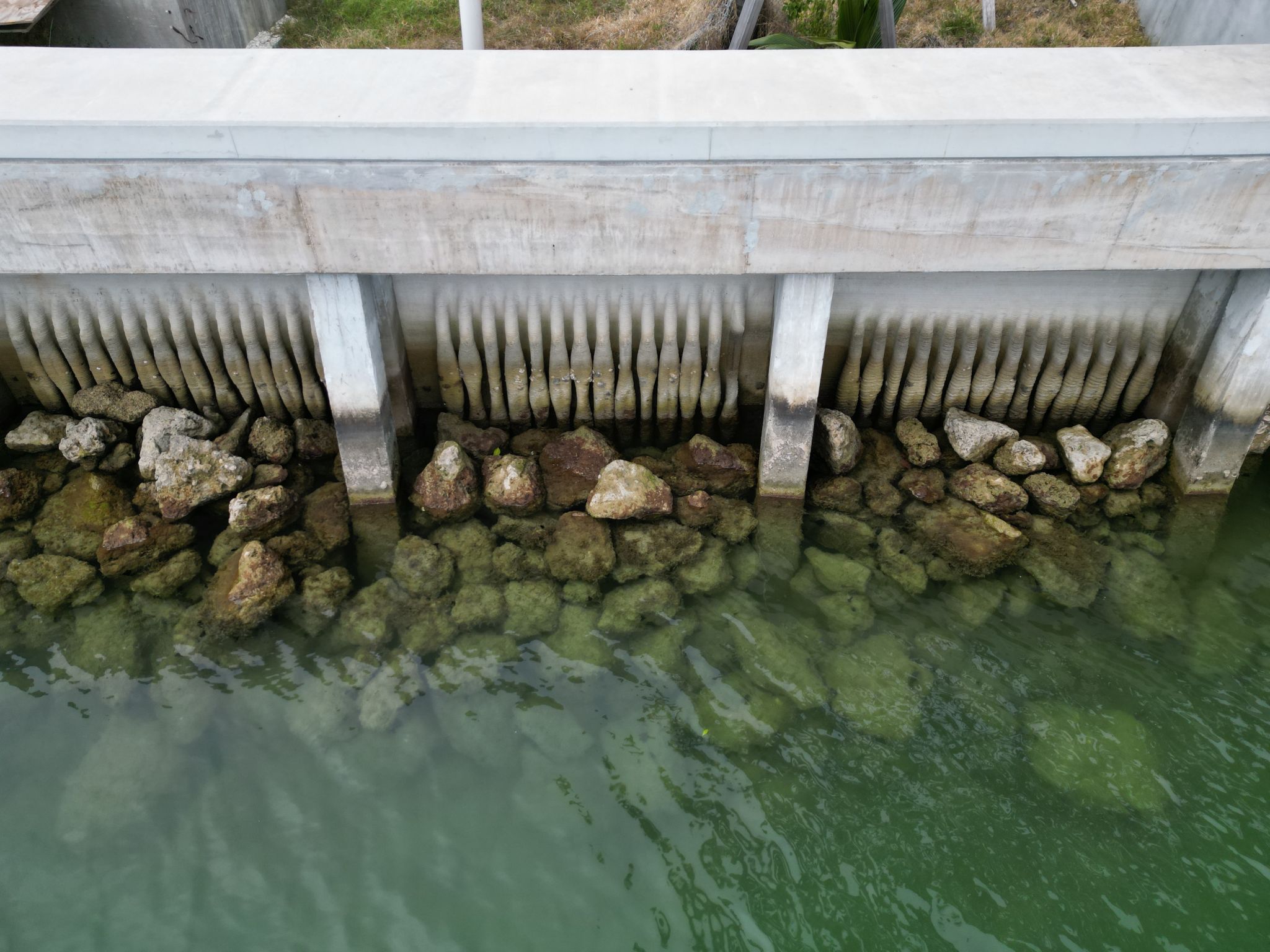
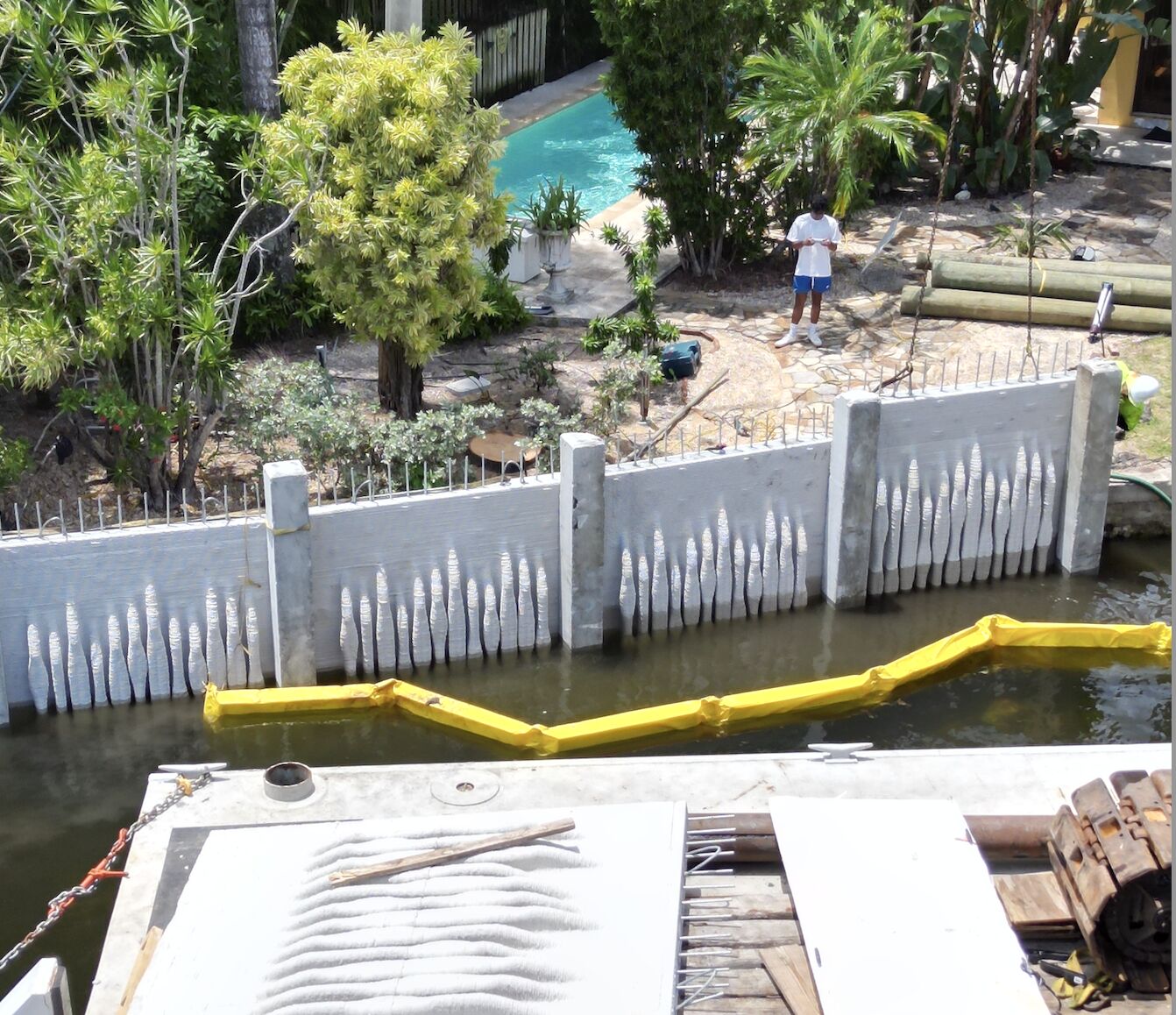
    Kind Designs’ Living Seawalls are now all over Miami Beach and Miami.

    This move is opening the door for a small but growing group of companies using 3D printing to rethink how coastlines are built.

    One of the companies already working in this space is KIND Designs, a Miami-based startup that prints “living seawalls.” These structures are designed not just to stop erosion, but to act like artificial reefs, helping marine life grow while reducing wave energy.

    However, existing rules can still limit how these designs are used. The Miami Herald cited Anya Freeman, founder of KIND Designs, as saying current regulations often limit seawall extensions to around 18 inches, which can make it harder to use more complex, nature-based designs. She added that while the new law is a step forward, its real impact will depend on how it is implemented.

    Their approach is already gaining traction. The company has been working with municipalities and coastal projects, and its systems are designed to be cost-competitive with traditional seawalls while adding environmental benefits.

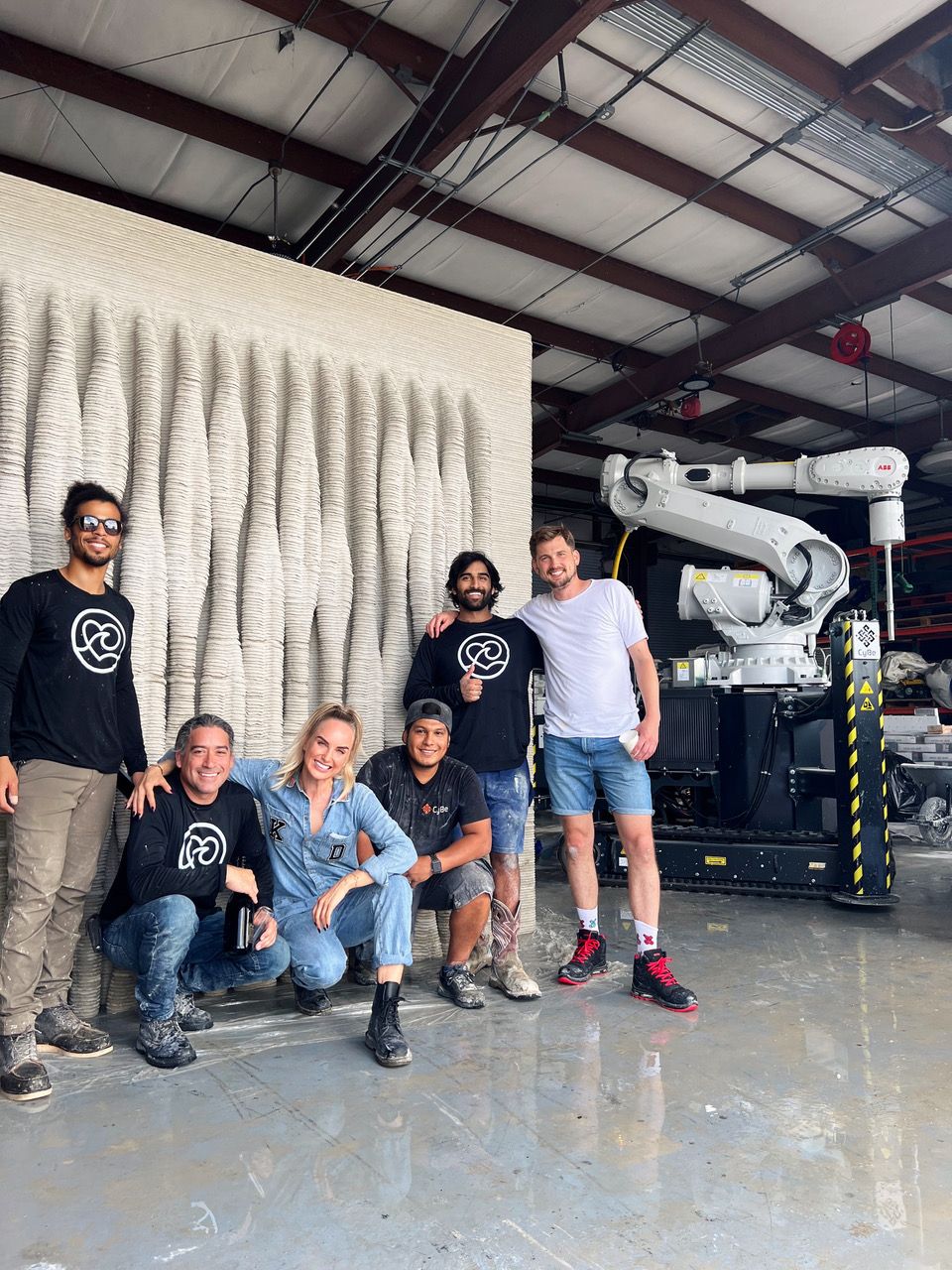
    Anya Freeman and the KIND Designs team.

    But Kind Designs is not alone. Florida is not starting from scratch. Several projects and companies are already working on nature-based coastal protection across the state. In South Florida, Reef Arches is developing engineered reef structures designed to rebuild shorelines and support marine life. In the Florida Keys, a state-backed artificial reef program is testing new ways to protect ecosystems and coastlines, supported by millions in funding. In Miami Beach, the REEFLINE project is building an underwater reef system as part of a larger coastal protection effort.
    At the same time, universities like the University of Miami are developing advanced reef structures designed to absorb wave energy and protect shorelines. While not all of these projects use 3D printing, they show the type of infrastructure Florida is now moving toward, and where companies like KIND Designs could expand.

    Why This Law Matters for 3D Printing

    Governments are starting to fund what’s known as “nature-based infrastructure.” For example, in the U.S., programs from agencies like NOAA and state initiatives now support projects such as reef restoration, wetlands, and living shorelines to reduce flooding and coastal damage, and there is even a White House resource guide that has identified more than 100 funding programs tied to these types of solutions.

    3D printing is one of the few tools that can actually build these kinds of structures. Traditional seawalls are designed to block waves, but they often damage surrounding ecosystems. Newer approaches are different. 3D printed systems can reduce wave energy, create habitats for marine life, and be customized for each location. Kind Designs, for example, prints structures that mimic mangroves and coral reefs, helping protect coastlines while also improving water quality.

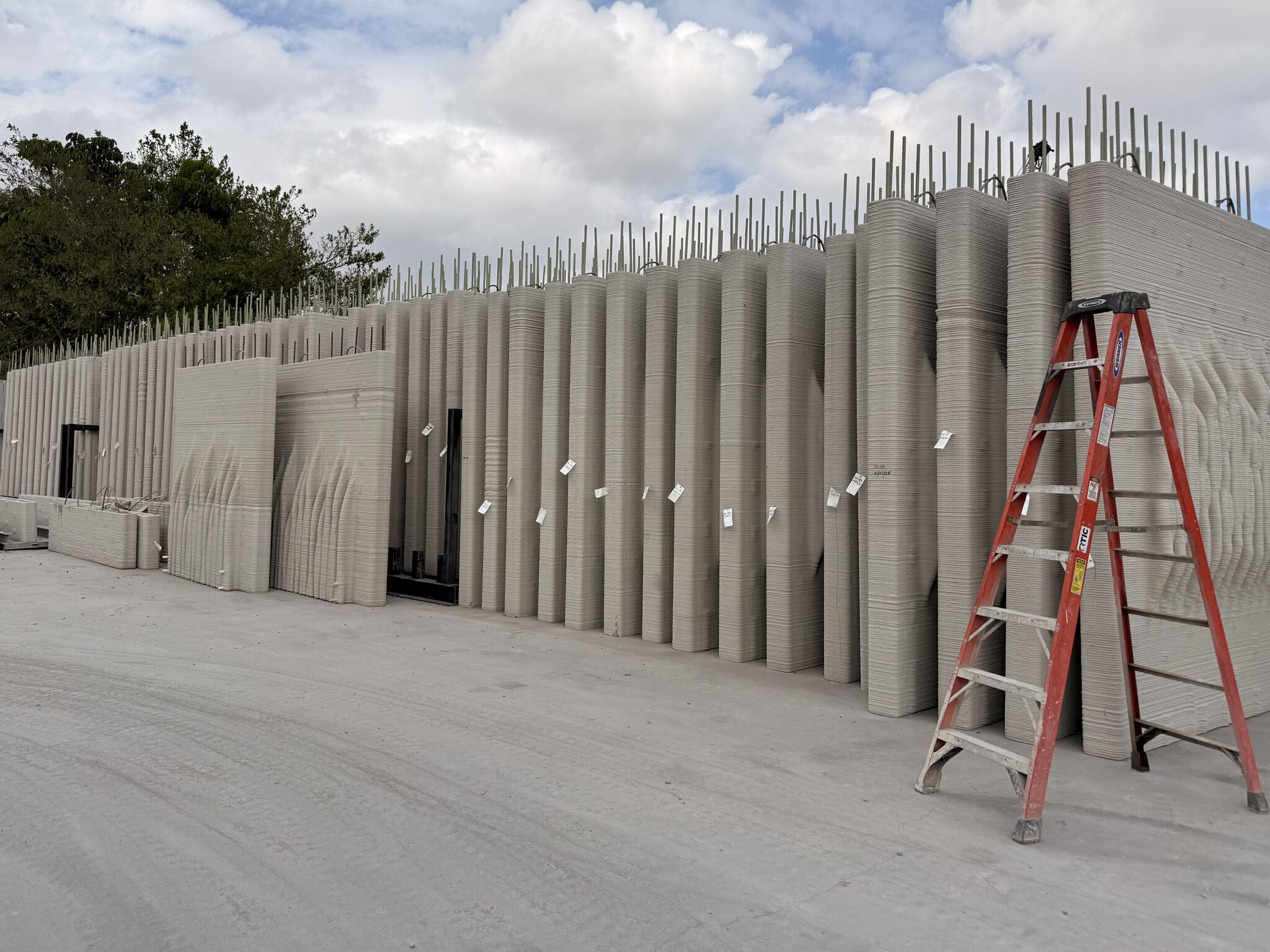
    The seawall factory on the Miami River.

    This is not just about one law in Florida. It points to a broader trend. Climate adaptation is becoming a real market, governments are starting to invest in it, and 3D printing is moving beyond prototypes into real infrastructure.

    For companies like Kind Designs and others building reefs, seawalls, and marine structures, that could mean more projects, more deployments, and a path toward real scale.

    KIND Designs Living Seawalls in Miami.

    What Still Needs to Happen

    Most of these solutions are still early. Even with strong concepts and pilot projects, large-scale deployment is limited, long-term performance is still being tested, and funding cycles can be slow. But with policy now backing these approaches, that could start to change.

    Florida’s new law is doing something important. It’s turning 3D printed coastal protection from an idea into a potential industry. And companies that can combine engineering and ecology with manufacturing may be the ones that benefit most.

    Images courtesy of KIND Designs

  • The AM Workforce Is Entering a New Phase — and the Industry Is Starting to Feel It

    Across the additive manufacturing industry, a shift is underway. One that is becoming increasingly visible in both strategic discussions and day-to-day hiring realities.

    At this year’s Additive Manufacturing Strategies (AMS 2026) conference in New York, much of the conversation focused on how companies can transition from technology-driven growth to application-led, commercially viable business models. A similar theme emerged at AM Forum Berlin, where workforce data (from Alexander Daniels Global) highlighted a market moving into a new phase of maturity — defined by slower job creation, rising talent competition, and a shift in demand toward production and customer-facing roles. In parallel, ahead of TCT 3Sixty in the UK — with their newly added Workforce and AM Skills track — attention is turning toward workforce structure: how companies build, retain, and deploy talent in an industry that is no longer scaling through rapid hiring, but through more targeted, operationally focused growth.

    These are not separate conversations. They are different perspectives on the same underlying change.

    After more than a decade defined by rapid innovation and expansion, additive manufacturing is entering a more mature phase, one shaped by operational discipline, production scalability, and increasing competition around real-world applications. As a result, the workforce dynamics that once defined the industry are beginning to shift.

    Recent data suggests that the challenge is no longer simply a shortage of skilled talent. Instead, the market is becoming more balanced — and in some areas, more competitive — as the growth of the workforce outpaces the creation of new roles. For companies, this is changing how hiring decisions are made. For professionals, it is reshaping how career moves are evaluated.

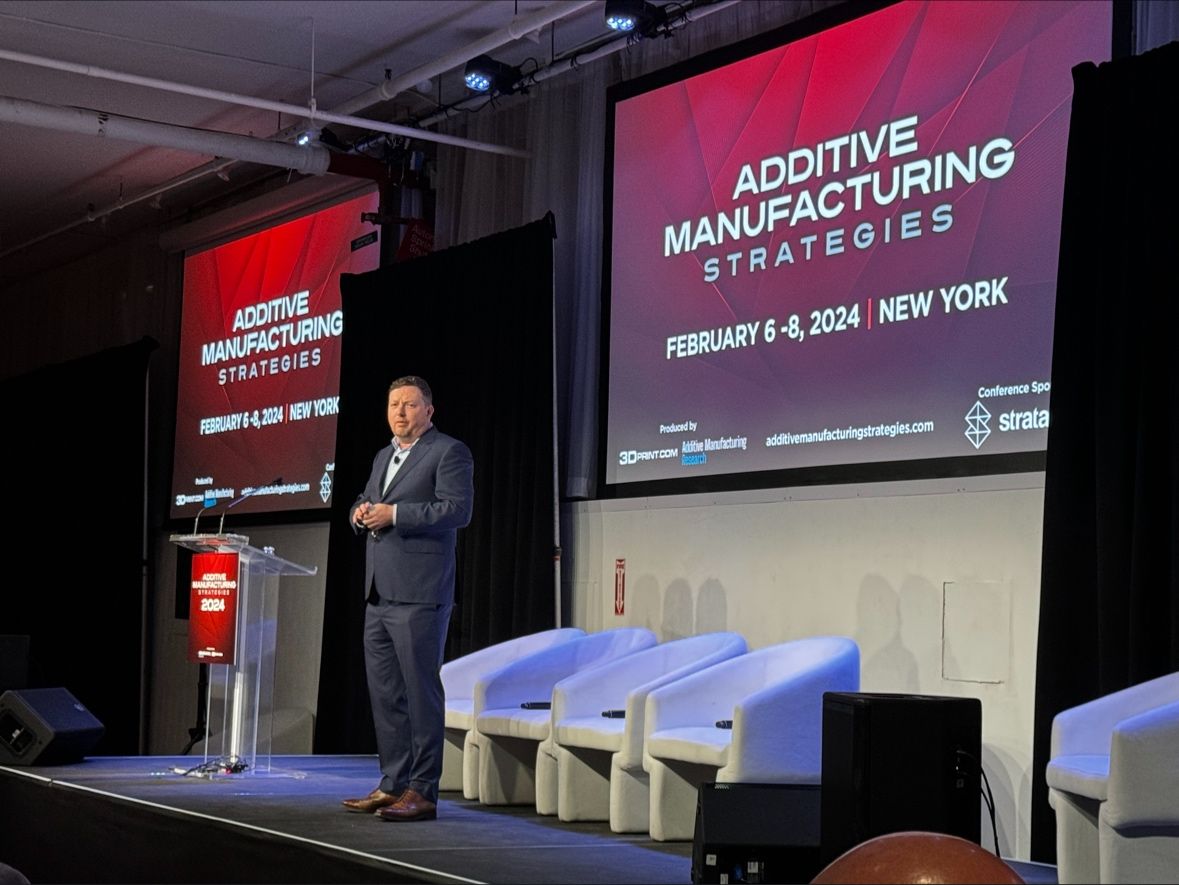
    Joris Peels kicks off Additive Manufacturing Strategies (AMS) 2024. Image courtesy of 3DPrint.com.

    The Talent Market Has Flipped

    For much of the past decade, one of the most persistent narratives in additive manufacturing was the shortage of skilled talent. Companies struggled to find experienced engineers, applications specialists, and commercial leaders capable of translating complex technologies into real-world outcomes.

    That constraint has not disappeared, but it has evolved.

    Globally, the number of professionals working in additive manufacturing continues to grow, while the number of available roles is increasing more slowly. The result is a structural imbalance: there are now significantly more candidates in the market relative to open positions, with data indicating that there are over 150 professionals for every AM job globally.

    This shift is being felt across regions. North America continues to expand its workforce, Europe has stabilized following a period of consolidation, and APAC is returning to growth. But in each case, hiring demand is no longer keeping pace with the size of the talent pool.

    At the same time, workforce behavior is changing. Professionals are becoming more cautious about moving roles, with fewer describing themselves as “extremely likely” to change jobs and more prioritizing stability, job security, and long-term career development.

    Taken together, these trends point to a market no longer defined by scarcity but by selectivity.

    Hiring Is Becoming More Targeted

    As the market matures, hiring strategies are shifting accordingly.

    Rather than large-scale recruitment drives, most companies are now planning smaller, more focused hiring efforts. The majority expect to hire only a handful of professionals over the next 12 months, reflecting a move toward precision hiring — bringing in specific skills to address defined operational needs rather than expanding teams broadly.

    This change is closely tied to wider business priorities. Many organizations have spent the past two years optimizing cost structures, integrating acquisitions, and refining their go-to-market strategies. As a result, hiring is now increasingly driven by:

    • replacement rather than expansion
    • capability gaps rather than headcount growth
    • internal upskilling alongside external recruitment

    In practical terms, this means companies are placing greater emphasis on the quality and relevance of hires, rather than the speed or scale of hiring.

    The Shift Toward Production and Applications

    One of the clearest signals of this new phase is the changing nature of demand across job functions.

    Production has emerged as the most in-demand discipline, with a significant majority of companies planning to hire in this area.

    This marks a notable shift from previous years, when hiring was more heavily concentrated in sales, R&D, or early-stage commercial roles. Today, the priority is execution.

    As additive manufacturing moves further into serial production, companies require:

    • machine operators and technicians
    • process and manufacturing engineers
    • quality and inspection specialists

    These roles are essential for delivering consistent, repeatable output, something that is increasingly expected as AM competes with traditional manufacturing methods.

    At the same time, the industry is seeing sustained growth in applications and customer-facing roles. A growing proportion of the workforce now sits in sales, applications, and consulting functions, reflecting the importance of helping customers adopt and scale AM effectively.

    This combination — production capability and application expertise — highlights a broader transition. Additive manufacturing is no longer just about developing technology; it is about deploying it successfully in real-world environments.

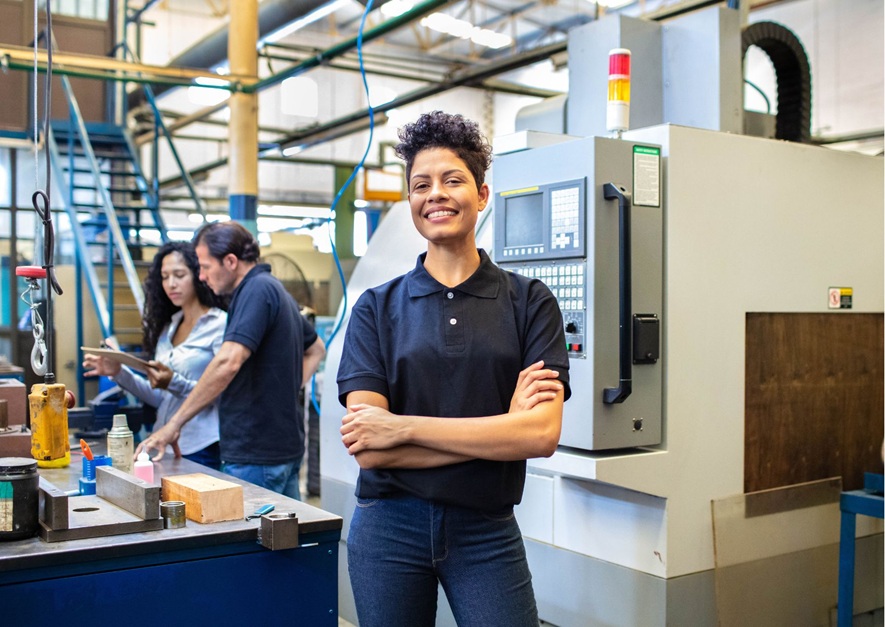
    AM engineer. Image courtesy of Alexander Daniels Global.

    From Platforms to Applications

    This shift has also been reflected in the strategic conversations shaping the industry.

    At Additive Manufacturing Strategies, Arno Held (Managing Partner, AM Ventures) captured this change succinctly:

    “AM is not a platform game. It’s an application monopoly game. You have to own a niche application.”

    The implication is significant. Competitive advantage in additive manufacturing is no longer defined primarily by machines, materials, or even software platforms. Instead, it is increasingly determined by the ability to:

    • solve specific industrial problems
    • deliver reliable and repeatable results
    • build deep expertise within defined application areas

    Workforce strategy sits at the center of this transition.

    Owning an application requires more than technical capability. It requires teams that can combine engineering knowledge, production experience, and customer understanding, often within the same role or function.

    A More Mature Industry, A More Complex Workforce

    The emerging picture is one of an industry that is becoming more structured, more disciplined, and more competitive.

    Growth has not disappeared, but it has become more measured. Hiring has not stopped, but it has become more selective. And talent has not become less important. If anything, it has become more critical, but in a different way.

    The challenge is no longer simply finding people with additive manufacturing experience. It is about building teams that can:

    • scale production reliably
    • integrate technologies into existing workflows
    • translate technical capability into commercial outcomes

    In that sense, the evolution of the workforce mirrors the evolution of the industry itself.

    Additive manufacturing is moving beyond its formative years. As it does, the demands placed on both companies and professionals are changing, shifting from experimentation and growth toward execution, specialization, and long-term sustainability.

    Looking Ahead

    As discussions continue at events like Rapid in April or TCT 3Sixty in June and beyond, workforce strategy is likely to remain central to how companies think about growth.

    The next phase of additive manufacturing will not be defined solely by technological breakthroughs, but by the ability to industrialize those technologies – reliably, repeatably, and within clearly defined applications.

    Understanding how the workforce is evolving will be key to navigating that transition.

    These trends – and the data behind them – are explored in more detail in the 2026 Additive Manufacturing Salary Survey, which draws on insights from professionals and employers across North America, EMEA, and APAC.

  • When Castings Take 18 Months: How 3D Printing Helped Fix the Soo Locks

    This article is Part II of a two-part series on Lincoln Electric’s large-format metal additive manufacturing operations.

    In Part I, we looked at how Lincoln Electric built one of the largest wire-arc additive manufacturing (WAAM) operations in the U.S., capable of producing metal parts measured in feet rather than inches. Speaking with Sean Schaefer, marketing manager at Baker Industries, part of Lincoln Electric’s additive manufacturing operations, it quickly became clear that the real test for this type of technology comes when industries face a familiar problem: waiting months, or even years, for large cast components.

    One of the clearest examples comes from the Soo Locks in northern Michigan.

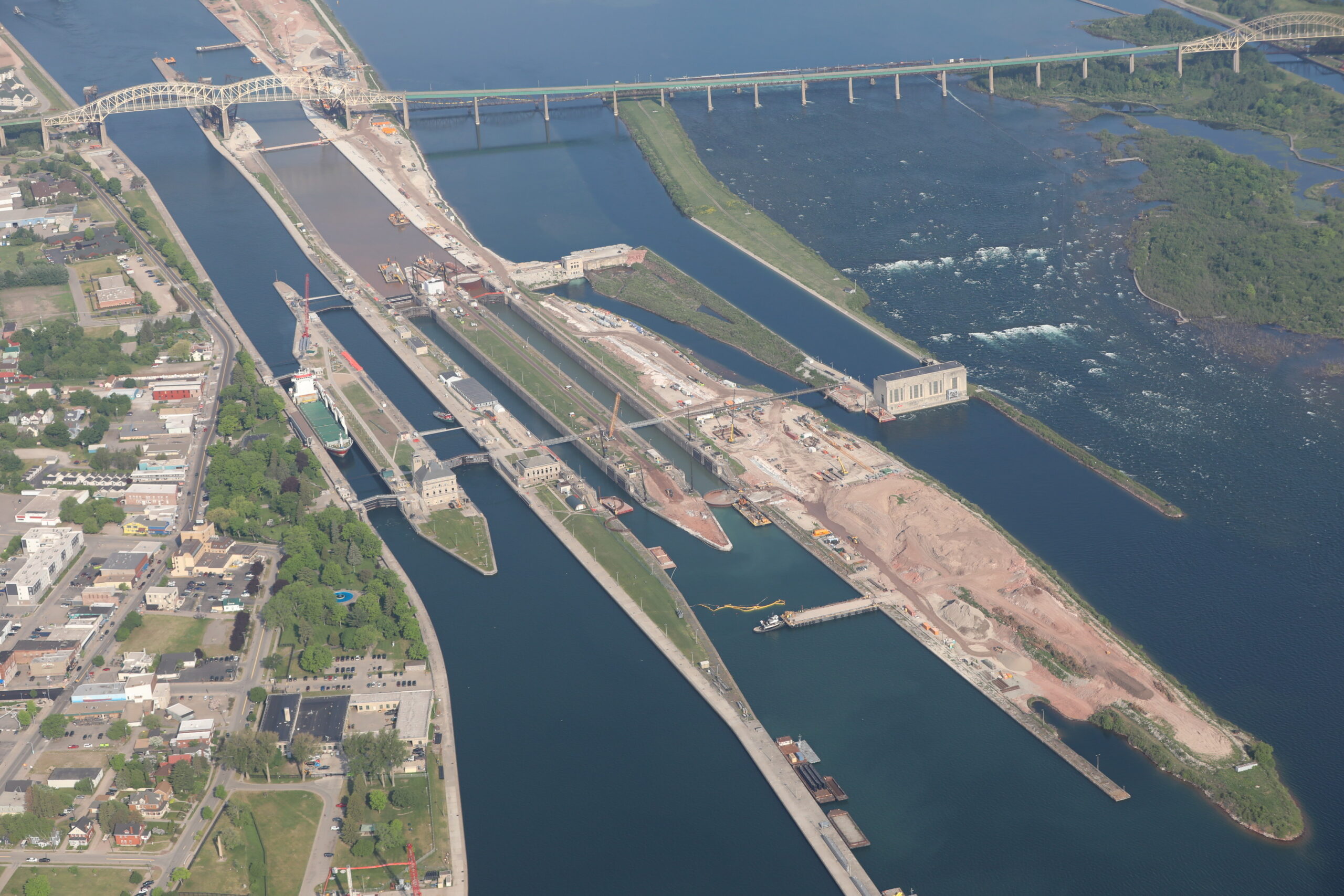
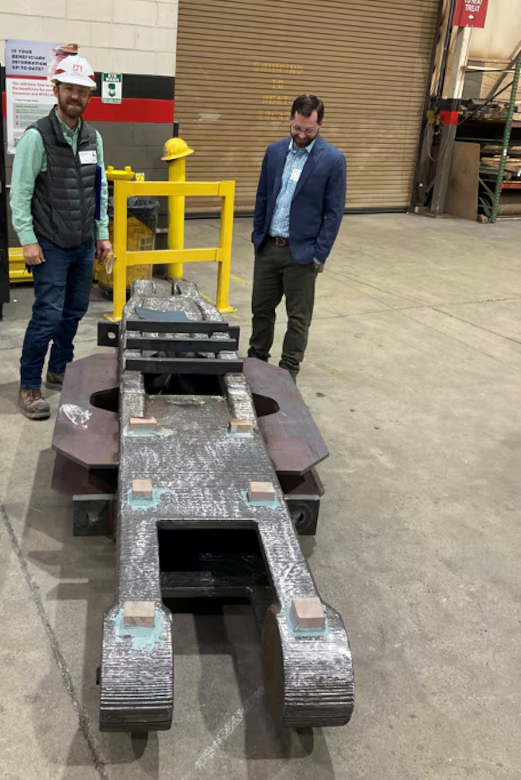
    An aerial view of the Soo Locks in Sault Ste. Marie, Michigan, which connects Lake Superior to the lower Great Lakes shipping system.

    The signature case study is the U.S. Army Corps of Engineers repair at the Soo Locks in northern Michigan, a vital shipping passage connecting Lake Superior to the rest of the Great Lakes that has operated since 1855, where replacing a “cracked, 12-foot steel lever arm threatened the winter maintenance window,” Schaefer recalled.

    “The Soo Locks project was exactly the kind of challenge Lincoln Electric’s additive team is built for: large, time-critical, and nearly impossible to source through traditional casting,” noted Schaefer. “When the U.S. Army Corps of Engineers first sought to have the broken part recast, the quoted lead time was 18 months. Instead, we were able to cut that down: print it, machine it, and install it in about three months.”

    Lincoln Electric printed the part in two seven-foot sections, welded and machined the joint, and delivered on schedule.

    “Their projected estimate for having those locks closed down for just six months was about a billion dollars in lost GDP,” Schaefer exclaimed. “Finishing within the maintenance window meant USACE eliminated the risk of a shutdown if the original in-service part failed unexpectedly.”

    U.S. Army Corps of Engineers Detroit District Structural Engineer Clint Dougherty (left) and Engineer and Research and Development Center Research Mechanical Engineer Dr. Zackery McClelland (right) stand behind the Poe Lock ship arrestor lever arm.

    That gap — between 18-month castings and a three-month print-to-install — is where WAAM is paying off elsewhere, too.

    “We’ve seen up to about an 80% lead time reduction in some of the best cases over casting,” Schaefer said. “Most importantly, industries that can’t sit idle have noticed. We’ve manufactured replacement parts for the oil and gas and power generation industries. If they have a hydro facility or a refinery down, the ability to print a part instead of having to wait for castings cuts that lead time resulting in significant cost avoidance.”

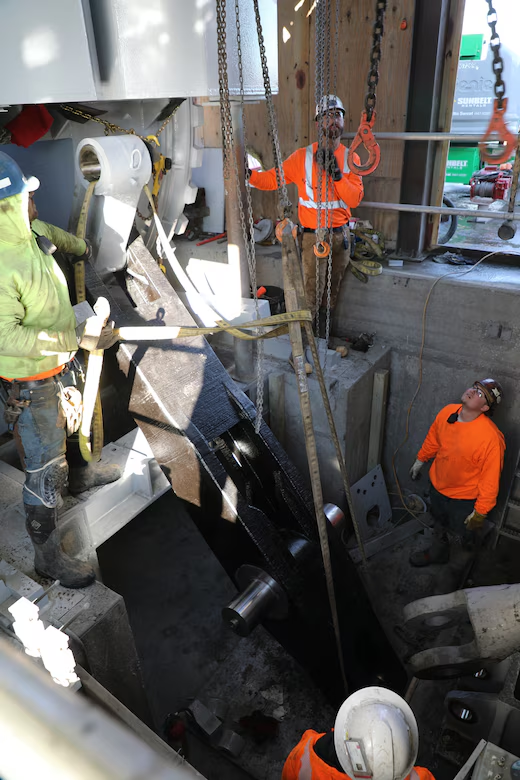
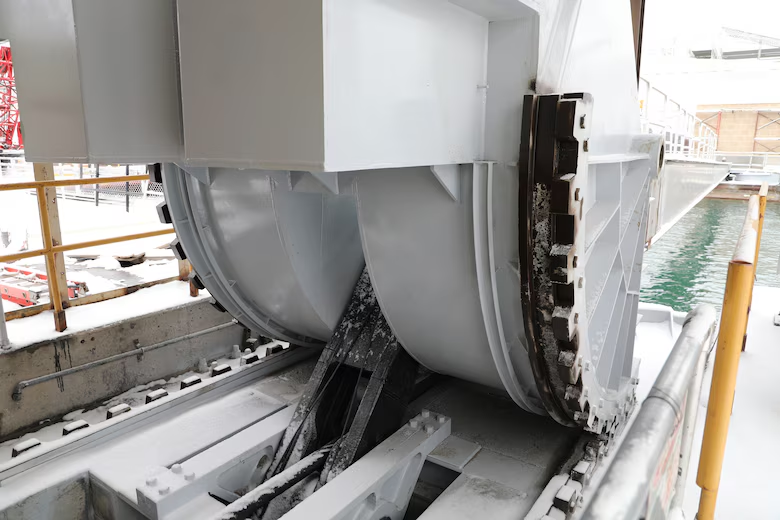
    Poe Lock ship arrestor contractor OCCI installs the largest U.S. civil works component produced by a 3D printer at the Soo Locks in Sault Ste. Marie on March 1, 2024.

    What Gets Printed (and Why)

    WAAM is ideal for large, robust geometry, he tells me.

    “We typically say anything larger than a basketball. Parts measured in feet and meters, weighing hundreds of pounds to several tons. And similar to other AM processes, WAAM opens up design options.

    “It’s a very collaborative process with customers. A lot of these parts are designed for traditional manufacturing methods, and customers are discovering they have more design freedom with WAAM. We work hand in hand with customers in providing guidance, and there’s a growing number who are getting the hang of designing for this process,” Schaefer indicated.

    So far, the early adoption has come from tooling and replacement parts. Schaefer said Lincoln Electric’s systems are often used for aerospace molds and fixtures, where printing can replace time-consuming manual work. With replacement parts, the principal advantage afforded by WAAM is significantly reduced delivery times compared to traditional methods such as castings. By harnessing its advanced software to print near-net shapes, Lincoln can cut down on both material waste and delivery time compared to traditional methods.

    Poe Lock ship arrestor contractor OCCI installs the largest U.S. civil works component produced by a 3D printer at the Soo Locks in Sault Ste. Marie, Michigan, on March 1, 2024.

    “On the government side, the Navy has been the most significant early adopter and by far the fastest DoW branch to adopt it,” Schaefer noted. “Much of that work centers on ship and submarine components, where we’re able to deliver parts much faster than castings.”

    In 2024, Lincoln Electric announced a strategic partnership with Bechtel Plant Machinery, Inc. for development to support the U.S. Navy in printing components up to 20,000 pounds. It also announced in 2025 an investment by the U.S. Navy’s Maritime Industrial Base (MIB) Program and General Dynamics Electric Boat to install four of Lincoln Electric’s SculptPrint™ systems.

    Lincoln is currently supporting aerospace with tooling, ground support equipment, and prototypes.

    When to Call the Printer Instead of the Foundry

    Schaefer said the decision rule is simple here: “If you need a part fast, that’s where we come in. The larger and more complex the component, typically the stronger the business case. WAAM isn’t meant to replace fine-detail powder-bed printing or cover every alloy, but for big structural parts that keep critical equipment running, it changes the equation.”

    In other words, Lincoln Electric’s $4-billion parent might be synonymous with welding, but this corner of the company is definitely acting like a startup, well, one that prints parts as big as a room and installs them on a deadline. And when the alternative is waiting more than a year for a casting, printing the part instead can change the timeline entirely.

    Images courtesy of U.S. Army Corps of Engineers

  • 3D Printing News Briefs, March 26, 2026: AMUK, IP Dispute, Asbestos, & More

    We’re kicking off today’s 3D Printing News Briefs with an America Makes Project Call, and then moving on to additive manufacturing in the UK. Then we’ve got some legal news regarding an IP case between Bambu Lab and Pop Mart. We’ll end with some interesting research involving asbestos and PLA.

    Submission Deadline for AIM-4AM Project Call Extended

    In January of this year, America Makes and the National Center for Defense Manufacturing and Machining (NCDMM) announced two Project Calls, worth a total of $8 million in funding. Within the last week, both have had their submission deadlines extended. The Powder Alloy Development for Additive Manufacturing (PADAM) 2.0 Project Call, funded by the  Air Force Research Laboratory’s Material and Manufacturing Directorate (AFRL RXN), is meant to advance manufacturability, performance, readiness, and supply chain resilience of of high-temperature refractory alloys for AM applications that are relevant to the Department of War (DoW). The proposal submission deadline for PADAM 2.0 was recently extended to 5 pm ET, April 8th.

    Additionally, the proposal submission deadline for the Artificial Intelligence for Material Allowables in Additive Manufacturing (AIM-4AM) Project Call has been pushed back to 5 pm ET, April 1st. This $2 million project is funded by the Office of the Under Secretary of Defense, Manufacturing Technology Office (OSD ManTech), with two phases and one anticipated award. The overarching goal is to develop an AI-driven framework, using machine learning to model process-structure-property relationships, that is capable of identifying and quantifying risk in the current material allowables approach for 17-4PH stainless steel produced with laser powder bed fusion (LPBF) technology.

    AMUK Annual Action Plan Reveals Future AM Growth Plans 

    It would appear that the UK’s share of the global 3D printing market is shrinking, according to the recently published Annual Action Plan by Additive Manufacturing UK (AMUK). AMUK represents organizations working within the additive technology value chain, and is actively working to establish the UK as a world leader in the development, adoption, and use of AM. AMUK offers member services like sector promotion, academic engagement, strategic partnerships, and more. This is its third Annual Action Plan, offering an in-depth analysis of the UK’s AM sector and including key industry challenges and member-led initiatives; it also lays out a strategic plan for 2026. In 2024, AMUK says the global AM market grew to $21.9 billion, but the value of the UK’s AM market went the other way, and its global share fell by about 4%. AMUK members report hard trading conditions, so the 2025 figures are likely to be the same. But, with signs of recovery showing, AMUK wants to give its members the chance to achieve, according to a press release, “their portion of the UK’s potential of capturing a 7% market share.” Its Annual Action Plan offers a roadmap for developing and growing AM in the UK.

    “Our plan highlights challenges that we must address in order to accelerate the adoption of additive manufacturing technologies,” explained Joshua Dugdale, the Head of AMUK. “Together with our members, we have identified supply chain, skills and standards as the top three challenges, which we will tackle during this year, as these are crucial areas impacting the AM industry.”

    You can download the AMUK’s Annual Action Plan for 2026 here.

    Bambu Lab Reaches Settlement with Pop Mart for 3D Printed Toy Models

    P2S. Image courtesy of Bambu Lab.

    Popular Chinese consumer-grade 3D printer manufacturer Bambu Lab recently reached a settlement with toy company Pop Mart International Group, which is the exclusive provider and distributor of the wildly (and weirdly) popular Labubu toys. The copyright case concerned an intellectual property (IP) dispute over unauthorized 3D printable models of Pop Mart characters, including Labubu and Twinkle Twinkle, hosted on Bambu Lab’s MakerWorld 3D model community. Bambu Lab did not create the models, but they essentially allowed them to go up on MakerWorld. Then, users could then download these files and print similar toy figurines on their printers, and even sell the knockoffs. Additionally, animation studio HMCH Anime also filed a lawsuit against Bambu Lab over alleged infringement regarding animated film The Legend of Hei. While there’s no word yet on the HMCH Anime suit, Bambu Lab, which said in January that its 2025 revenue exceeded CNY10 billion ($1.4 billion), posted a statement on its Weibo account that it had reached a settlement with Pop Mart, and pulled all related content from MakerWorld. In fact, the company accidentally delisted dozens of models that were unrelated to Pop Mart’s IP, which had a lot of people talking on Reddit.

    “After looking into this with the relevant team, we’ve learned that some models were accidentally delisted due to an operational error on MakerWorld. We sincerely apologize for any inconvenience this has caused,” Bambu Lab responded on Reddit.

    “We’d also like to let everyone know that most of the affected models have now been restored. If your model is still missing, please submit a support ticket so our team can help resolve it for you as quickly as possible.

    “Please click here for the guide for creating a ticket on MakerWorld via the MakerWorld website and Bambu Handy.”

    Upcycling Asbestos Cement into Safe Additive for PLA 3D Printing

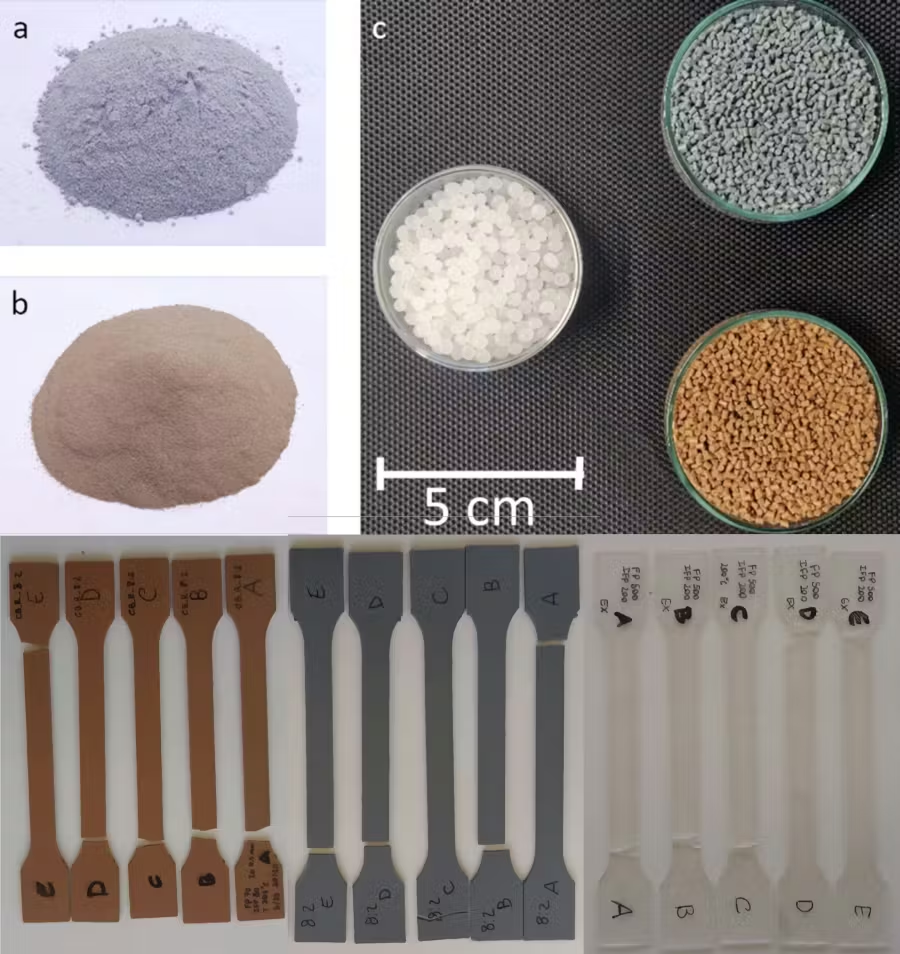
    Detoxified asbestos cement (a, b) can be used as an additive for PLA pellets (c), delivering some interesting properties to 3D printed materials (bottom).

    Once, we all thought asbestos was a miracle, but we’ve since discovered that the mineral sheds tiny fibers when it’s disturbed; these fibers can get into people’s lungs and cause serious long-term health issues. There’s still a lot of asbestos out in the world, which needs to be processed in a “detoxification” process in order to be rendered safe; unfortunately, this process leaves a lot of waste behind. Luckily, researchers from the Università di Milano Bicocca, Université de Lille, and Graftonica S.r.l. figured out a novel way to upcycle asbestos cement waste into a powder that’s used as a safe additive for 3D printing biodegradable PLA. As they explain in their published paper, they produced composite pellets with up to 50% “loading in PLA” using a standard twin screw extruder. While you won’t be able to use them on your typical desktop printer, these pellets are “sufficiently flowable and stable” for fused granular fabrication (FGF) 3D printing. The researchers also found that there’s potential for adding some interesting properties to composite material as well.

    “Depending on the preparation method, the deactivated asbestos can be fully inert or endowed with catalytic properties. A variant produced in a reducing environment has a strongly hydroxylated surface that can induce PLA chain scission and reorganization from 200°C [392°F], significantly less than the 350°C [662°F] spontaneous degradation of the pristine polymer. This behavior facilitates post-consumer biodegradation while preserving material integrity under standard processing conditions,” the researchers wrote.

  • 3D Printing Financials: Velo3D Sees Rising Demand and Defense Growth, but Losses Persist

    Velo3D (Nasdaq: VELO) is moving further into production-focused 3D printing, with growing demand from defense and aerospace customers shaping its strategy. The company is shifting beyond selling machines toward producing parts at scale, backed by new contracts, stronger partnerships, and a clearer long-term plan to expand capacity. At the same time, it is working to stabilize its finances, improve margins, and support growth as more programs move into production.

    In 2025, Velo3D reported full-year revenue of $46 million, up from $41 million in 2024. The company ended the year with a backlog of $31 million, pointing to some strong demand heading into 2026. For the fourth quarter, revenue came in at $9.4 million, down from $12.6 million in the same period the year before.

    “In the fourth quarter, we achieved record bookings and built a backlog of approximately $31 million, which we believe is clear evidence that demand is not only strong but accelerating. This momentum gives us high confidence as we look ahead to 2026 and beyond. We believe that what’s driving this growth is not just adoption, it’s reliance. Our technology has become mission-critical,” Velo3D CEO Arun Jeldi told investors during an earnings call.

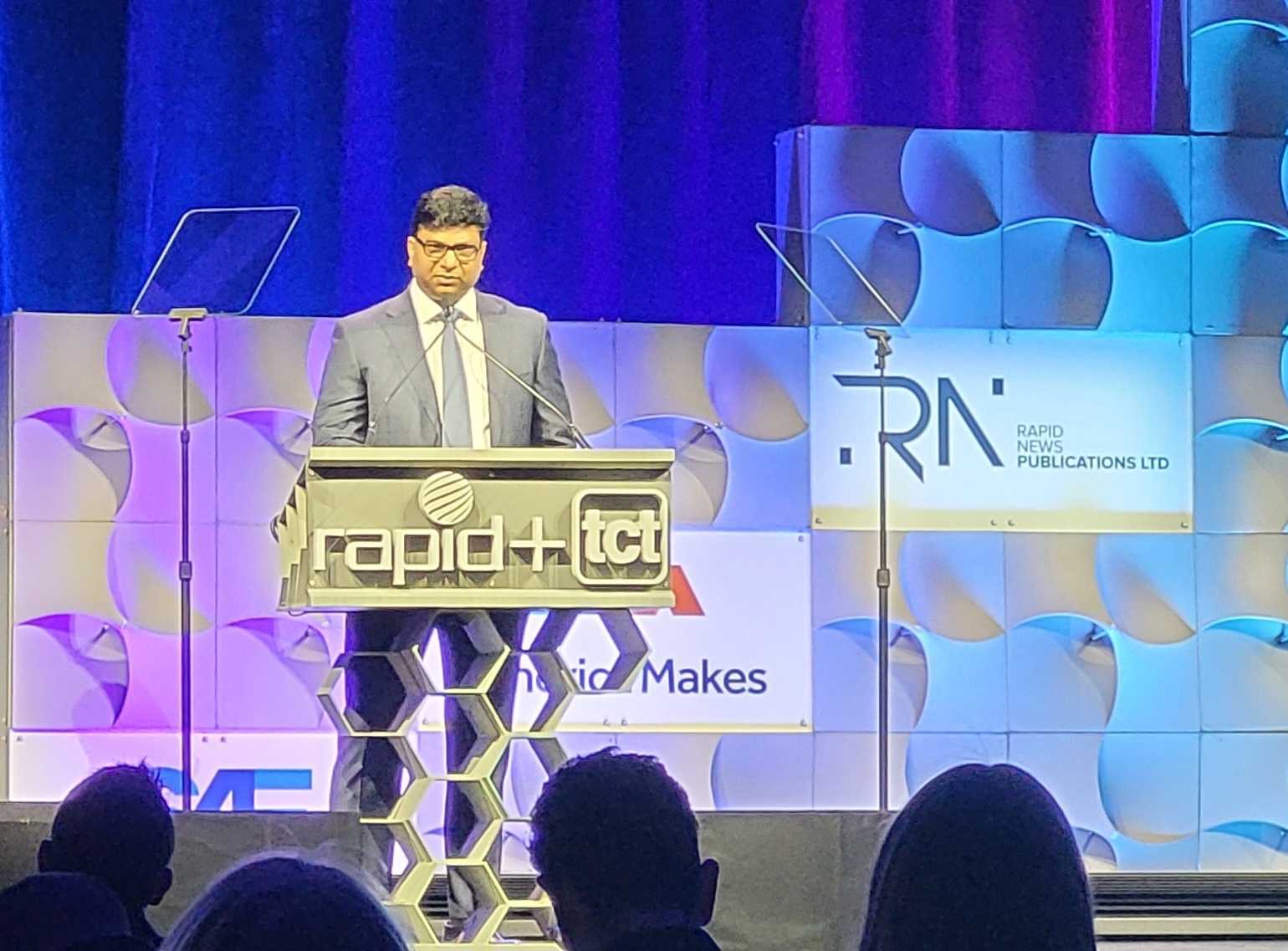
    Velo3D’s Arun Jeldi at Rapid+TCT. Image courtesy of Velo3D.

    But despite growth, profitability remains a challenge. Velo3D posted a full-year net loss of $71.4 million, a bit larger than the $69.9 million loss in 2024. Gross margins were negative for both the quarter and the year, due to a $7 million inventory write-down and production delays during a government shutdown.

    That performance was not well received by the market. The day after the earnings release, Velo3D’s stock dropped more than 20% despite gains in the broader market, as investors reacted to the results and the company’s outlook for 2026. Still, even with the decline, the stock remains higher than a year ago, roughly 330%.

    At the same time, the company is making progress on its cost structure. Operating expenses dropped to $47.5 million in 2025, down from $76.8 million the year before. On an adjusted basis, losses improved, showing that Velo3D is becoming more efficient while still investing in growth.

    At the same time, Velo3D is making changes to its leadership team as it gets ready for the next phase. The company announced the appointment of James Suva as Chief Financial Officer, effective April 6, 2026. He will replace Bernard Chung, who has been serving as acting CFO and will remain with the company as Controller. Suva most recently served as Senior Vice President and Treasurer at Cricut, and will oversee finance, accounting, treasury, and investor relations.

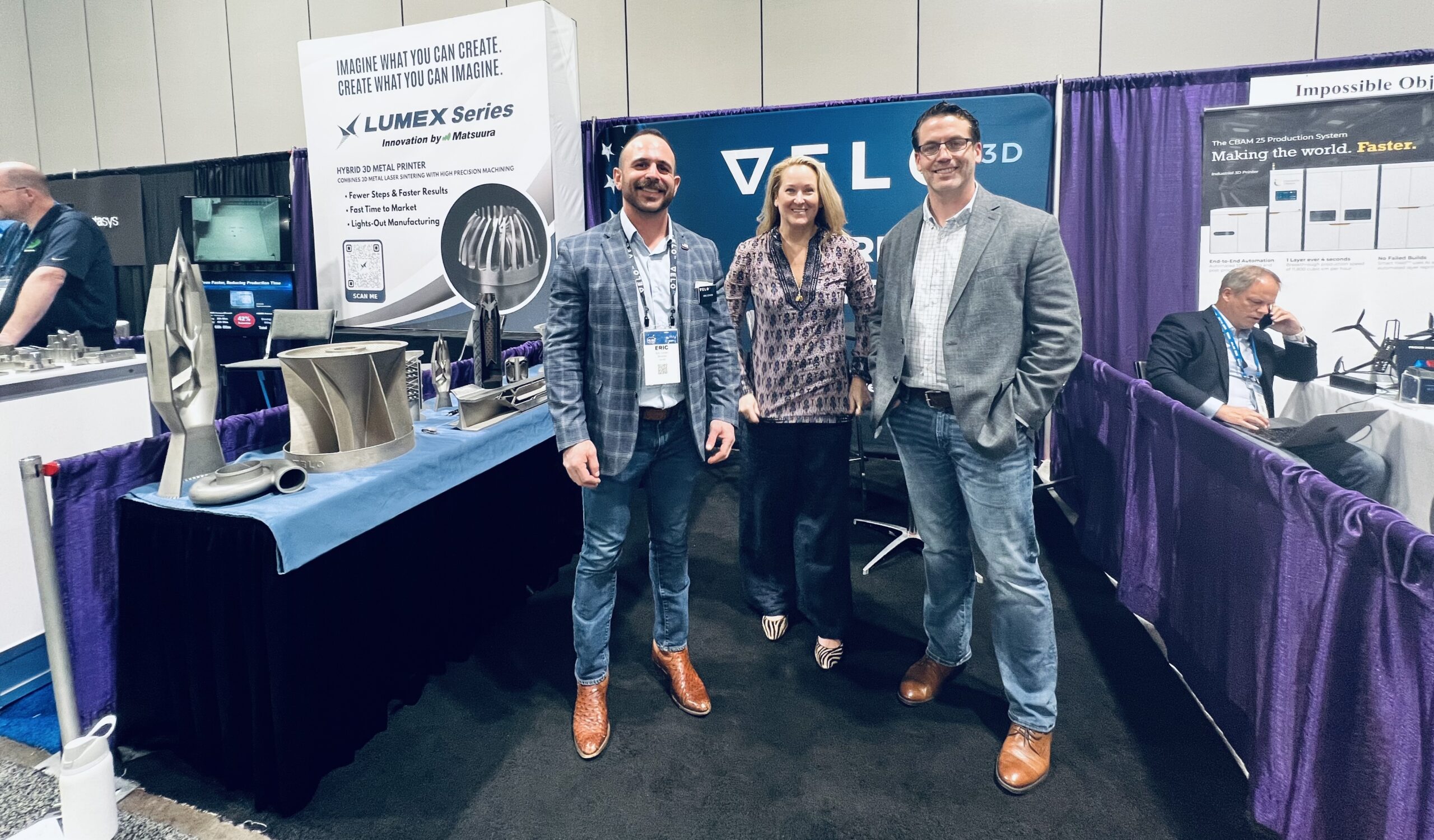
    Velo3D team at MILAM 2026: Eric Cohen (Sales Director), Michelle Sidwell (CRO), Brice Cooper (VP of Defense). Image courtesy of 3DPrint.com.

    One of the biggest changes is in how the company makes money. While machine sales still drive most revenue today, Velo3D is pushing its Rapid Production Solutions (RPS) business, which focuses on producing parts directly for customers. In 2025, RPS accounted for roughly 10% to 15% of revenue, but the company expects that share to grow quickly and eventually become the main part of the business.

    More importantly, that shift is tied to what’s happening in the market. According to Jeldi, customers, especially in defense and aerospace, are no longer just testing additive manufacturing; they are adopting it. They are starting to rely on it. Programs are moving into production, and once they scale, demand can grow fast, sometimes requiring multiple systems within months.

    This is already showing up in new contracts. In 2025, Velo3D secured a $32.6 million agreement tied to Project FORGE and an $11.5 million multi-year production contract with a defense contractor. It also became the first additive manufacturing company qualified under the U.S. Army’s Ground Vehicle Systems Center initiative, a step that could open the door to broader adoption in military programs.

    “Across defense and aerospace, we are seeing a structural shift. Customers are demanding faster, more localized, and more resilient supply chains. Programs are no longer staying in development. They’re scaling into production. They’re doing so rapidly. We believe this creates a compounding demand effect. Programs that begin with a single system are quickly expanding to multiple systems, sometimes within months. As volumes increase and new programs come online, demand just doesn’t grow; it accelerates,” Jeldi told investors.

    At the same time, the company strengthened its balance sheet. Velo3D raised $30 million through a private placement and converted $15 million of debt into equity, reducing its total debt by about 60%. Cash rose to $39 million at the end of the year, up from $1.2 million a year earlier.

    Looking ahead, Velo3D expects revenue of $60 million to $70 million in 2026 and aims to achieve positive EBITDA in the second half of the year. Management also expects margins to improve as production scales, with gross margins projected to exceed 30% later in the year.

    The longer-term plan is more ambitious. Velo3D plans to build up to 400 production systems over the next decade as demand grows. As customers move into production, they need more machines, which in turn drives further growth, the CEO explained.

    Further detailing that “The investments we are making in 2026 in manufacturing infrastructure, supply chain optimization, and workforce represent the critical first phase of that build out. We expect to provide periodic updates on capacity milestones as we execute against this plan.”

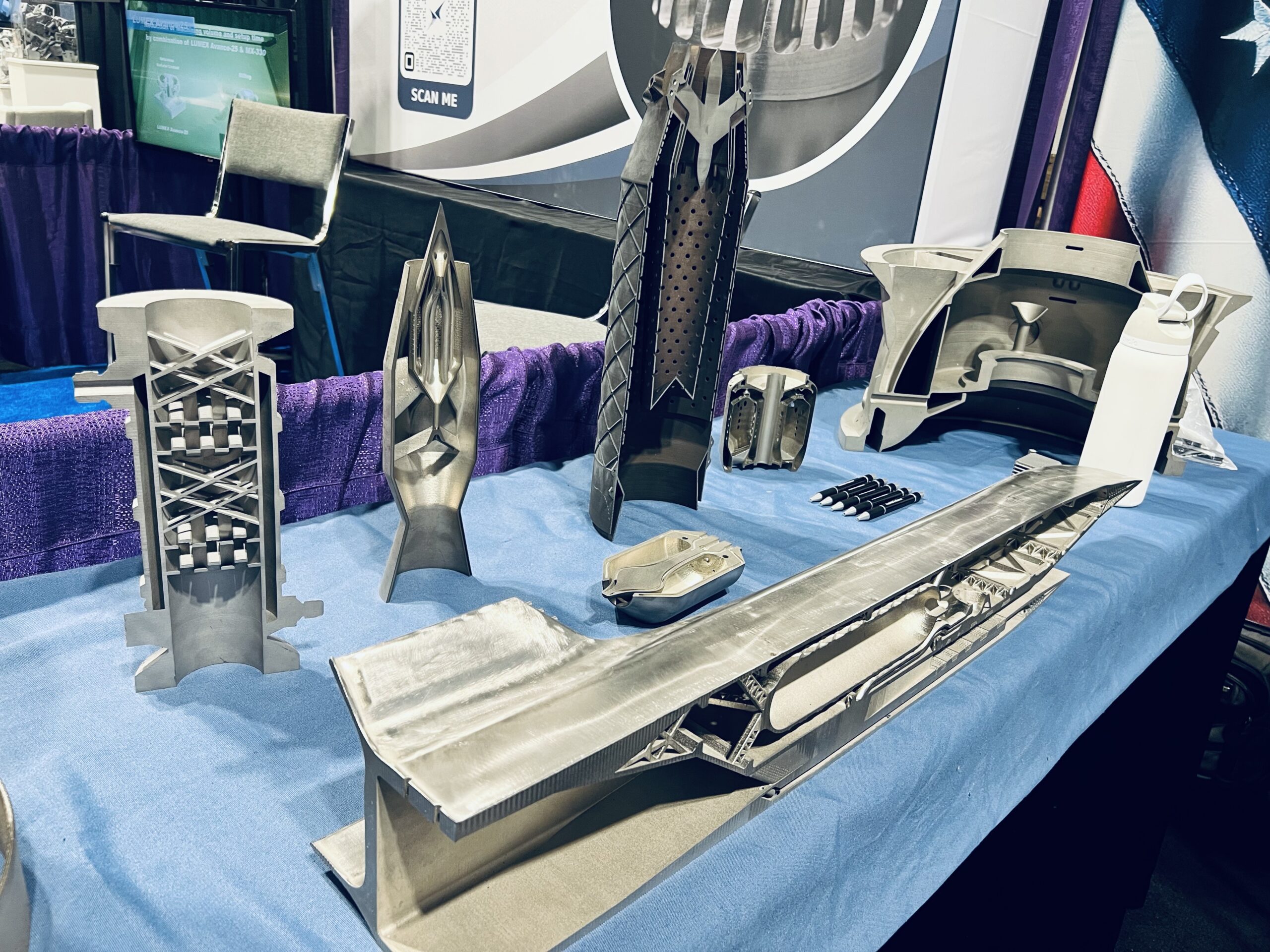
    Velo3D’s booth at MILAM 2026. Image courtesy of 3DPrint.com.

    Beyond hardware and parts, the company is also looking at data as a future business. As more systems are used, Velo3D expects to collect manufacturing data that can help improve designs, optimize production, and support new revenue over time. In fact, Jeldi told investors the company wants to build a data and analytics platform that customers rely on, similar to Amazon’s cloud-based model, Amazon Web Services (AWS).

    “We have a strong focus on the business for the next five years, where Velo will be the AWS of data and analytics company and a product-based company at a defense level, which is what you see as the base of start. What you see in the next seven years is the vision of Velo, where Velo will make sure that we are ready for the next generation manufacturing and digital platforms, which are very siloed at this point and do not have access to all the things I’m talking about,” Jeldi said, outlining the company’s long-term vision.