• At TCT Asia 2026, China’s AM Industry Looked Ready for Scale: Part 1

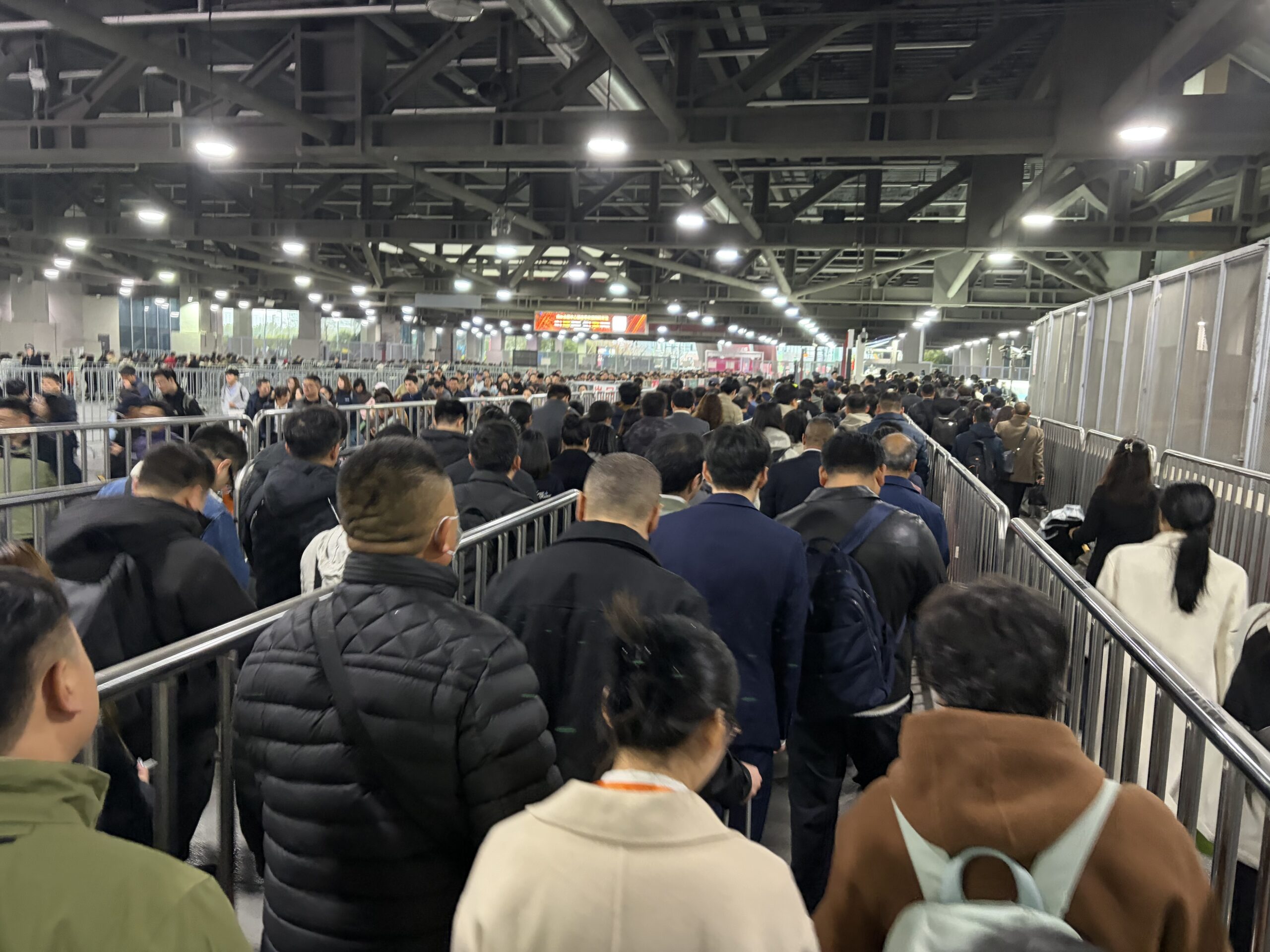
    Walk into TCT Asia 2026, and the first impression is density. More than 55,000 square meters across Halls 7.1 and 8.1 at Shanghai’s National Exhibition and Convention Center, over 550 exhibitors, and more than 35,000 expected visitors. That scale reflects an additive manufacturing market that no longer feels experimental; it feels commercial and in motion. China’s decade-long industrial policy push, from “Made in China 2025” onward, has already reshaped sectors from EVs to AI infrastructure. At TCT Asia 2026, additive manufacturing looked unmistakably like the next chapter of that story.

    What stood out most was not that Chinese firms can now build competitive machines (that is old news). It was the shift from machine-centric competition to application-centric competition. Many exhibitors were no longer selling speed, lasers, or build volume in isolation. They were selling workflow, uptime, integration, cost reduction, throughput, and use cases. The national manufacturing system on display was one that has become better at absorbing, deploying, testing, and commercializing new tools at speed. That is a much more consequential stage of market development.

    One useful way to understand the show is by its split personality. Hall 7.1 concentrated the metal AM value chain. The leading exhibitors were no longer positioning their systems around raw specifications or research capability. Their pre-show messaging centered on scalable production, cost efficiency, sustainability, and automation-readiness. This is not the language of a market stuck at prototyping.

    Meanwhile, Hall 8.1 carried a different but related energy. This was where the crowd density felt especially intense, and where consumer- and prosumer-facing systems made a broader point about market maturity. We’ll take a closer look at this side of the market in Part 2.
    Hall 7.1: When Metal AM Becomes Manufacturing Infrastructure

    The metal side of TCT Asia 2026, concentrated in Hall 7.1, was not about printing impressive one-off parts. It was about proving that metal AM can operate as a reliable, high-throughput production infrastructure, and that the economics now justify the claim. A strategic report published in early March 2026 by Guojin Securities (国金证券), widely cited by industry outlet Nanjixiong (南极熊), framed what is happening as “triple efficiency-driven inflation” (三重效率驱动通胀): three converging cost reductions (collapsing raw material prices, multiplying laser efficiency, and scaling build capacity) inflating addressable demand so aggressively that entirely new application categories are opening up. The exhibitors in Hall 7.1 were the physical evidence.

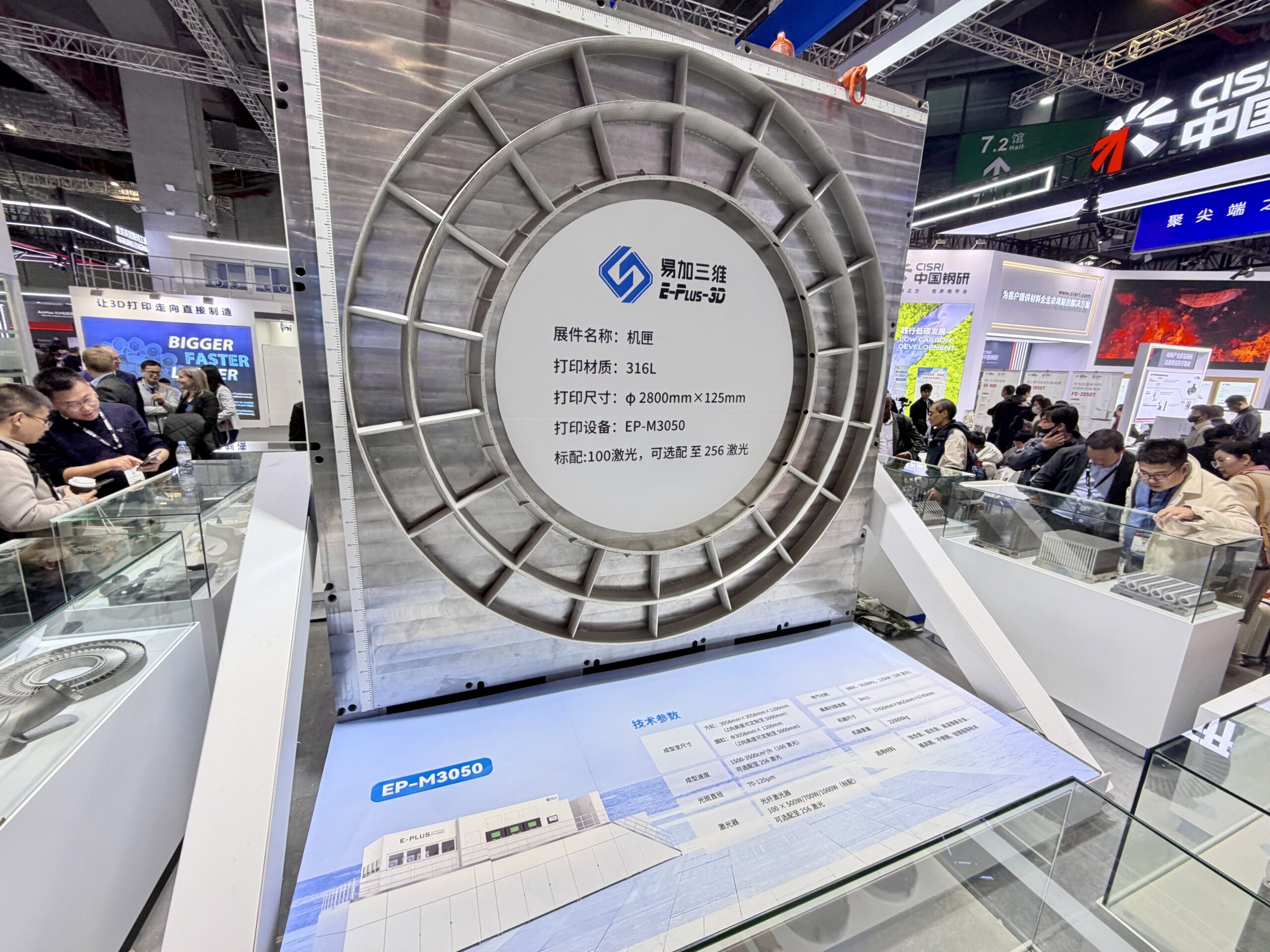
    Eplus3D‘s EP-M2050 was the most dramatic example. With a build volume of 2050 × 2050 × 1100 mm and support for up to 64 lasers, it is a machine designed for a very specific industrial reality: super-meter-class monolithic structures for aerospace, including rocket engine housings, satellite frames, and structural components that once required dozens of separately machined parts welded together. Eplus3D has already delivered over 100 of these large-format systems to the aerospace sector.

    But what made the EP-M2050 story genuinely interesting at TCT Asia was not its aerospace pedigree. It was the crossover. During the company’s presentation, Eplus3D pointed to the production of titanium alloy hinge covers for Honor foldables as evidence that metal AM is entering consumer electronics supply chains. That application case alone tells you how far the economics have shifted. The same technology that prints rocket parts is now being positioned for much higher-volume categories, helped in part by the decline in Ti-6Al-4V titanium alloy powder costs in China from roughly 600 RMB/kg in 2023 to under 300 RMB/kg in 2024, with recycled powder from companies like 3R Sirui pushing toward 200 RMB/kg by 2026. That kind of material cost collapse does not merely improve margins; it eliminates an entire category of objection that kept printed parts out of consumer supply chains.
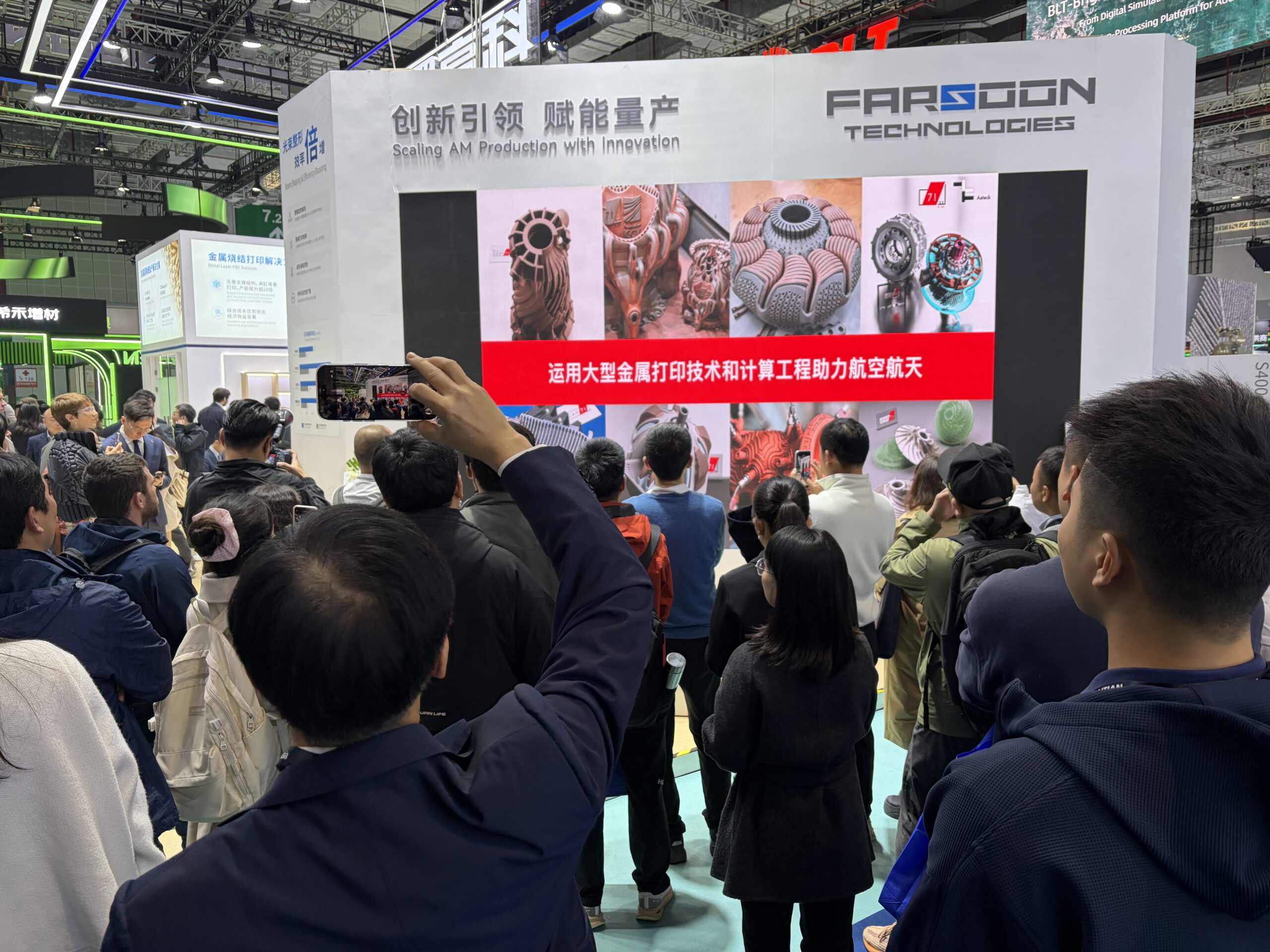
    Farsoon‘s FS350M series made a different but equally important point. The system offers a 425 × 350 × 400 mm build volume with up to six lasers, but its footprint is only six square meters. For manufacturers planning factory layouts, that density (maximum output per unit of floor space) matters more than raw build volume. Farsoon’s bidirectional powder-spreading system minimizes laser idle time, resulting in a machine optimized not for spectacle but for ROI per square meter. That ROI equation is shifting further as beam-shaping technology enables thicker layers and faster scanning without sacrificing part density. Multiple exhibitors at the show demonstrated throughput gains of 3x or more. As laser counts per machine scale from four to dozens, fixed depreciation is spread across exponentially more parts per build cycle.

    HBD‘s P400 and the MT280 optical system brought dynamic beam shaping to the Chinese metal AM market. The concept of switching in real time between a fine Gaussian spot for precise contours and an annular ring beam for rapid infill was pioneered by nLIGHT (US) with its Corona AFX fiber laser family, published as early as 2022, and is now integrated into EOS and AMCM systems in Europe. Fraunhofer ILT and IAPT in Germany have been researching the underlying physics for years. HBD’s Guangchi II (光驰Ⅱ) applies the same principle: real-time, intelligent beam-profile switching based on part geometry, with the MT280 adding dual-wavelength support (1070/1080 nm) for high-reflectivity metals such as copper and aluminum. Together with Farsoon’s own beam-shaping integration, HBD’s system shows how quickly advanced optical approaches are being adopted across the Chinese AM supply chain.

    Shenzhen Addireen Technologies offered another data point in what is becoming a crowded but important segment: green-laser copper 3D printing. The underlying approach, using 515–532 nm green lasers instead of standard 1064 nm infrared to overcome copper’s high reflectivity, is not new. Germany’s Trumpf commercialized it around 2020 with the TruPrint 1000 Green Edition, and within China, BLT announced its own green-laser solution in mid-2024. The physics are well established: copper absorbs green-wavelength energy far more efficiently, enabling stable melt pools without the excessive power, spatter, and optics damage that plague infrared-based copper printing.

    What Addireen represents is different: a Chinese startup founded in 2023 as a spinoff from laser manufacturer Shenzhen Gongda Laser (with nearly 18 years of laser R&D behind it) that has vertically integrated the entire green-laser PBF stack, developing the laser source, optical system, and printer in-house. Their ADDIREEN 400G is a four-green-laser system with a 400 × 400 × 400 mm build volume, significantly larger than Trumpf’s research-scale platform. The reported specs (99.8%+ density, 101% IACS electrical conductivity, 390 W/(m·K) thermal conductivity, and 0.08 mm minimum wall thickness for pure copper parts) are competitive, and the company claims to have also achieved 0.06 mm wall structures in pure tungsten and stainless steel.

    The significance here is not a technological breakthrough but a familiar pattern in China’s AM ecosystem: take a proven concept pioneered elsewhere, localize the entire supply chain, including the laser source, scale the build volume to production-relevant dimensions, and offer it at a price point that makes adoption realistic for domestic EV, data center, and aerospace thermal management applications. Whether Addireen can convert its technical specs into sustained production contracts, competing against both Trumpf’s established credibility and BLT’s scale, remains to be seen. But the fact that multiple Chinese players are now offering green-laser copper solutions tells you something about the maturity and speed of this market.
    Taken together, the developments in Hall 7.1 point to a market that is moving beyond technical capability into production deployment. The machines are scaling, costs are declining, and application cases are expanding into higher-volume categories.

    But this is only one side of the picture. In Hall 8.1, a different set of dynamics was on display, reflecting how the broader ecosystem is evolving alongside this shift. We’ll take a closer look at this in Part 2.

    Images courtesy of Sangmin “Simon” Lee for 3DPrint.com unless otherwise noted.
  • Aconity3D Introduces Multi-Material WireDED as Industrial Demand Picks Up

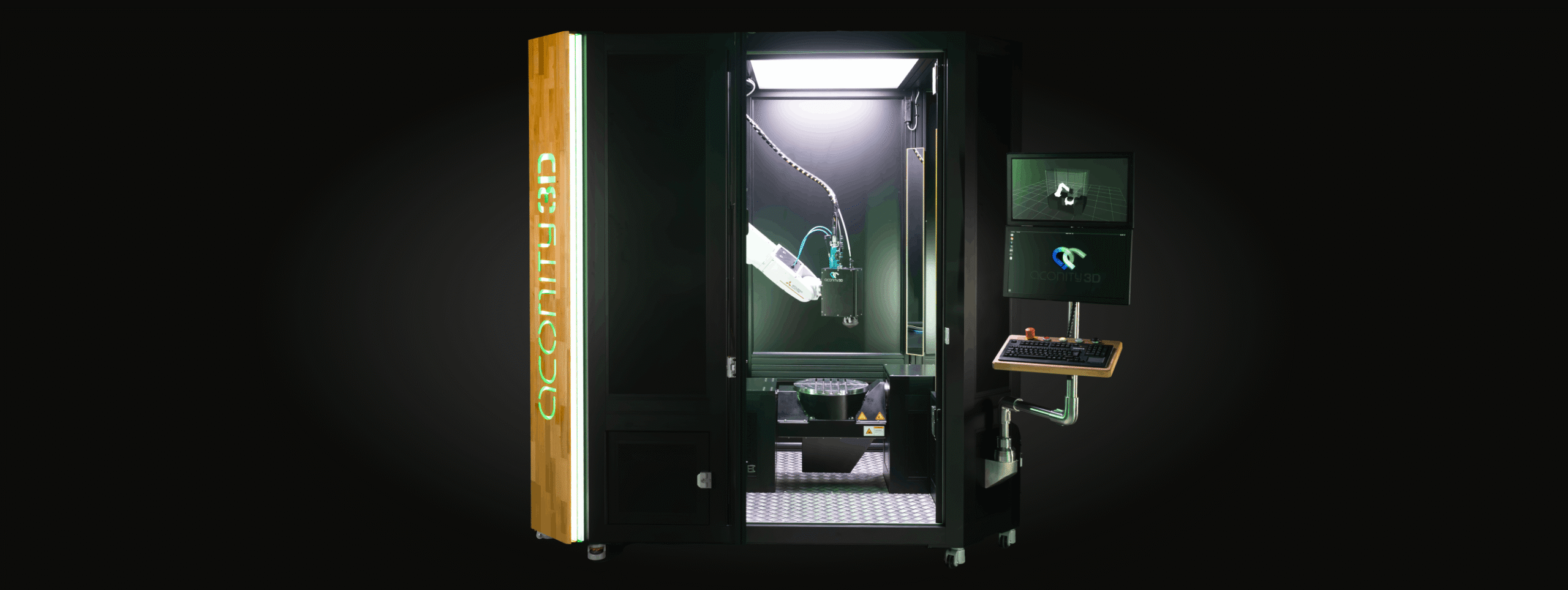
    Aconity3D has a line of open systems in polymer LPBF, metal LPBF, and WireDED. A lot of universities and researchers use Aconity systems to develop new processes, test new exotic materials, do more with parameters, and develop entirely new 3D printing technologies. Its Midi system can heat up to 1000 °C while letting you play with every possible parameter. A microsystem has a 40 µm spot size and layer thicknesses under 10 µm and is meant for small structures and powders. The company has now added a new multi-material head to its DED system.

    AconityWIRE 3D printer.

    The AconityWIRE has a build volume of 400 by 780 mm. The system works with coaxially fed welding wire and has a 6-axis robot and a 2-axis turn-tilt table. The nozzle is shielded, and the system can be heated to 500 °C. Powered by a 1000 W or 1200 W fiber laser. It has been validated on Aluminum, Stainless Steel, Inconel, and Titanium wire. The machine is 3000 x 1500 x 2200 mm and weighs 2 tonnes.

    AconityWIRE Multi-Material Weld Head with Robot.

    The new head can use up to 3 different materials in a single build. The company says that the system does not have to be significantly changed to implement different materials. Aconity also thinks that MRO, augmentation, and repair could be good use cases for the nozzle. The head can be used with the AconityWIRE, but it can also be added to another system. Rosenheim Technical University of Applied Sciences already has one and there it is being used to make multi-material parts.

    WireDED is seeing renewed interest in manufacturing. Energy industries are looking at this process for repair and part production. In mining, oil, gas, and nuclear, we can see people looking to use WireDED for part production. With inexpensive wire, well-understood processes, and a large build volume, WireDED (and also blown-powder DED) provides a cost-effective solution for many larger parts. WireDED is safer to use than many processes as well, since it does not use any powders. That makes it a burgeoning area for expeditionary manufacturing and military use as well. Combined with wire mixing, the abilities of these systems are compounded. One could make armor or hardened surfaces for tools with such a process. Large molds with wear surfaces and conductive ones could be made as well. Perhaps gradient, or gradient-like parts, could be made as well. You could do cool things as well, such as combining very soft materials with hard ones. For automotive, this technology could be made to work for chassis components. We’re already seeing impact in aviation from DED, which is now used to produce commercial aircraft parts.

    Often, significant machining is required to make parts smooth. But if we start thinking a little differently, DED will get much cheaper. As long as mating surfaces and functional areas are machined to spec and we check the part’s dimensional tolerances, there is no need to machine the whole thing. I know this sounds super obvious, but people still tend to make parts smooth as they come from other processes. For some things, this is needed. But for many parts, we do not need to machine the entire part. Raw printed WireDED parts are super cheap. If we can use them, then the economics are super good. With this mindset, much cheaper industrial parts are now possible. Cheap, forward-deployed repair and manufacturing of multi-material raw DED parts could be very impactful for militaries and in industry. Along with Meltio and Hybrid Manufacturing Technologies, there’s now another option for a head that can be integrated into your new machine or new research project. This will also help this segment mature and grow. WireDED has long been an underrepresented area in our industry; this may be about to change.

    Images courtesy of Aconity3D GmbH

  • Bambu Lab 3D Prints Miniature Playground City for Kids in China

    Bambu Lab has partnered with meland to open what they describe as China’s first 3D printing creativity center for children. The new space, officially named “meland x Bambu Lab,” launched on March 12, 2026, inside the MixC World complex in Shenzhen. The idea behind this playground is that instead of just seeing 3D printing as something industrial, children can experience it as part of play. It is also located in one of the city’s largest retail and entertainment complexes, meaning the concept is being introduced in a high-traffic, everyday environment rather than a niche setting.

    During the introductory classes, children, guided by instructors, learn about Bambu Lab 3D printers, understand the basic principles of the technology, and go through the entire process of producing a print.

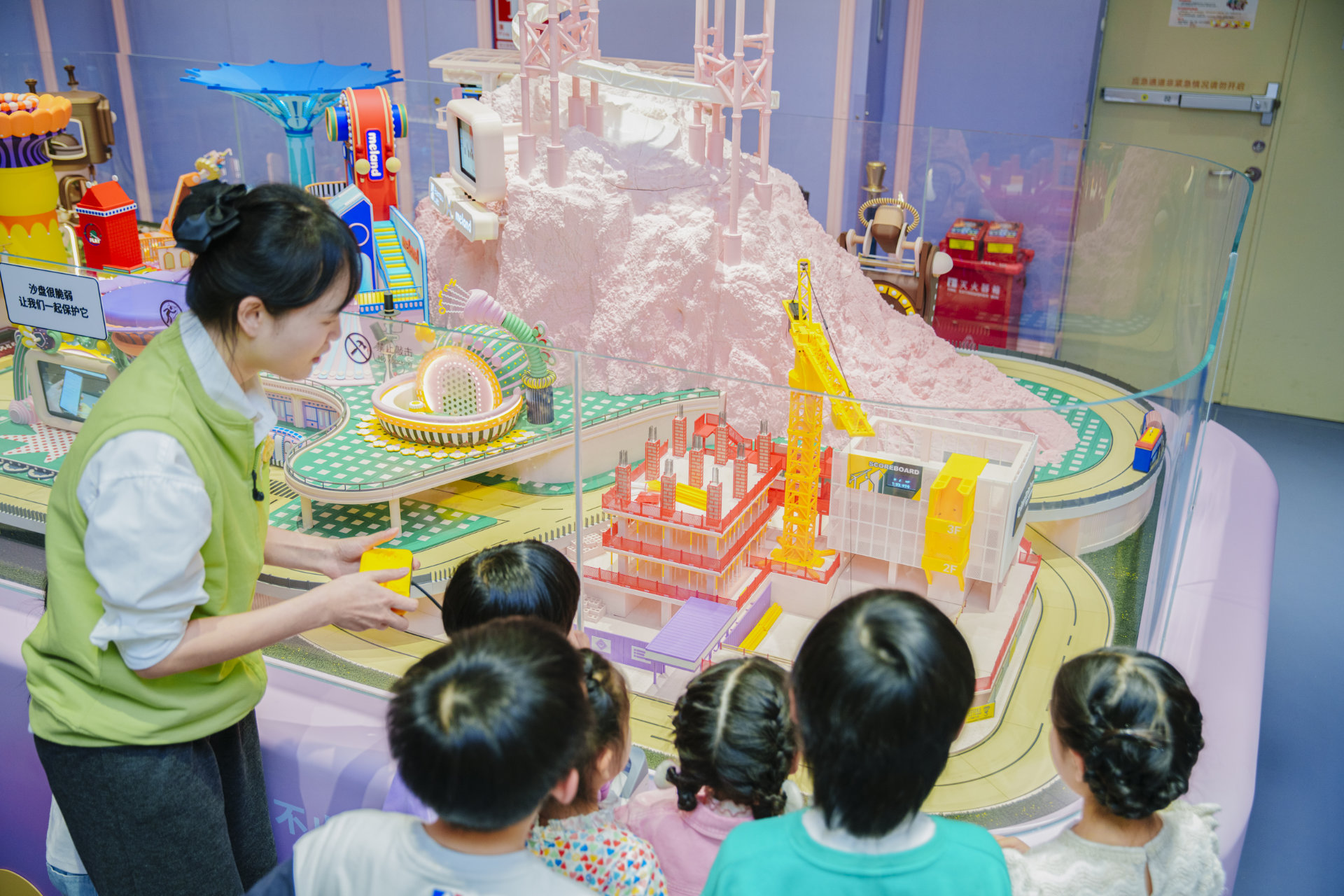
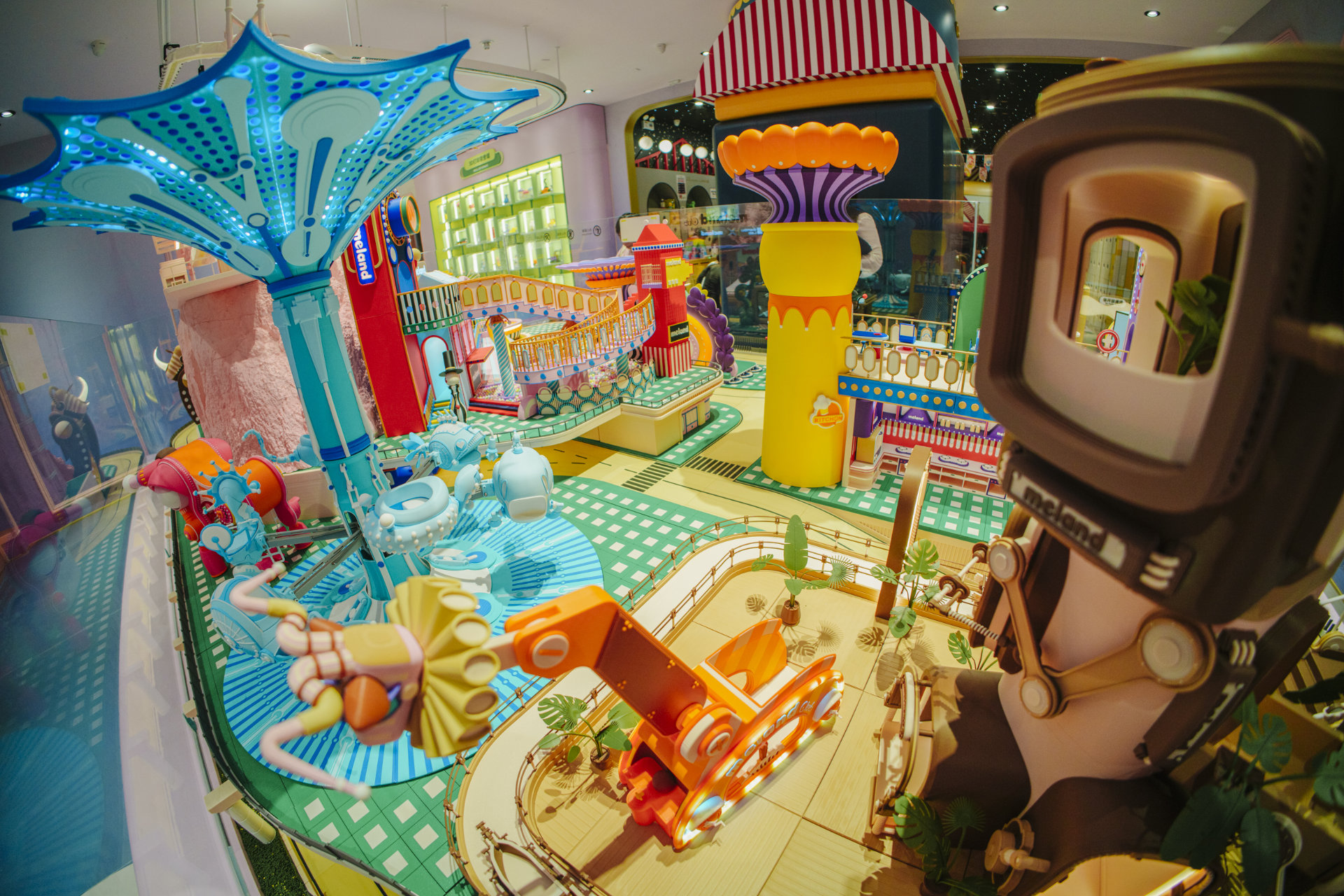
    To bring that idea to life, the space is built around a central feature called a “CyberBrick city,” a miniature world made using 3D printed parts.

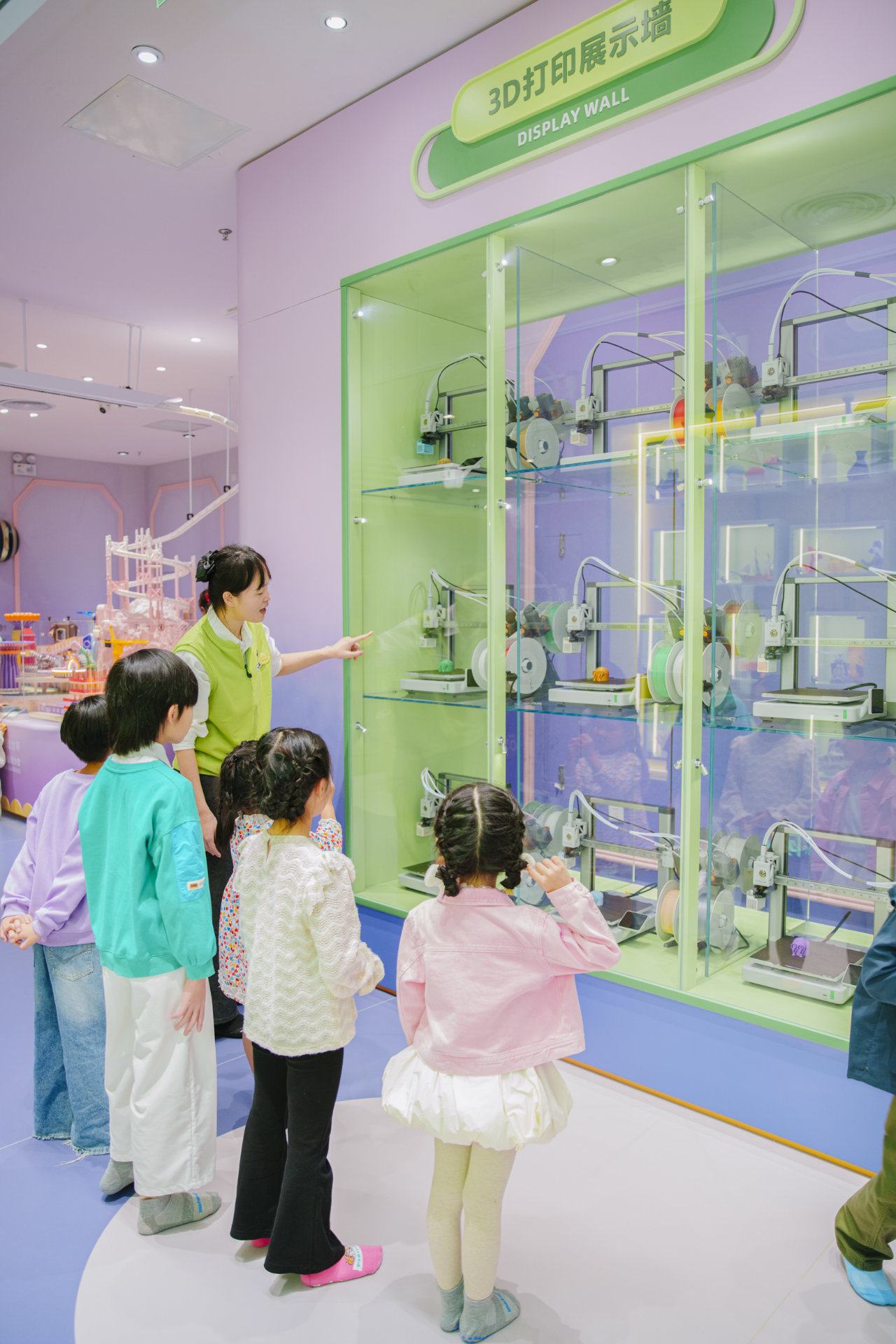
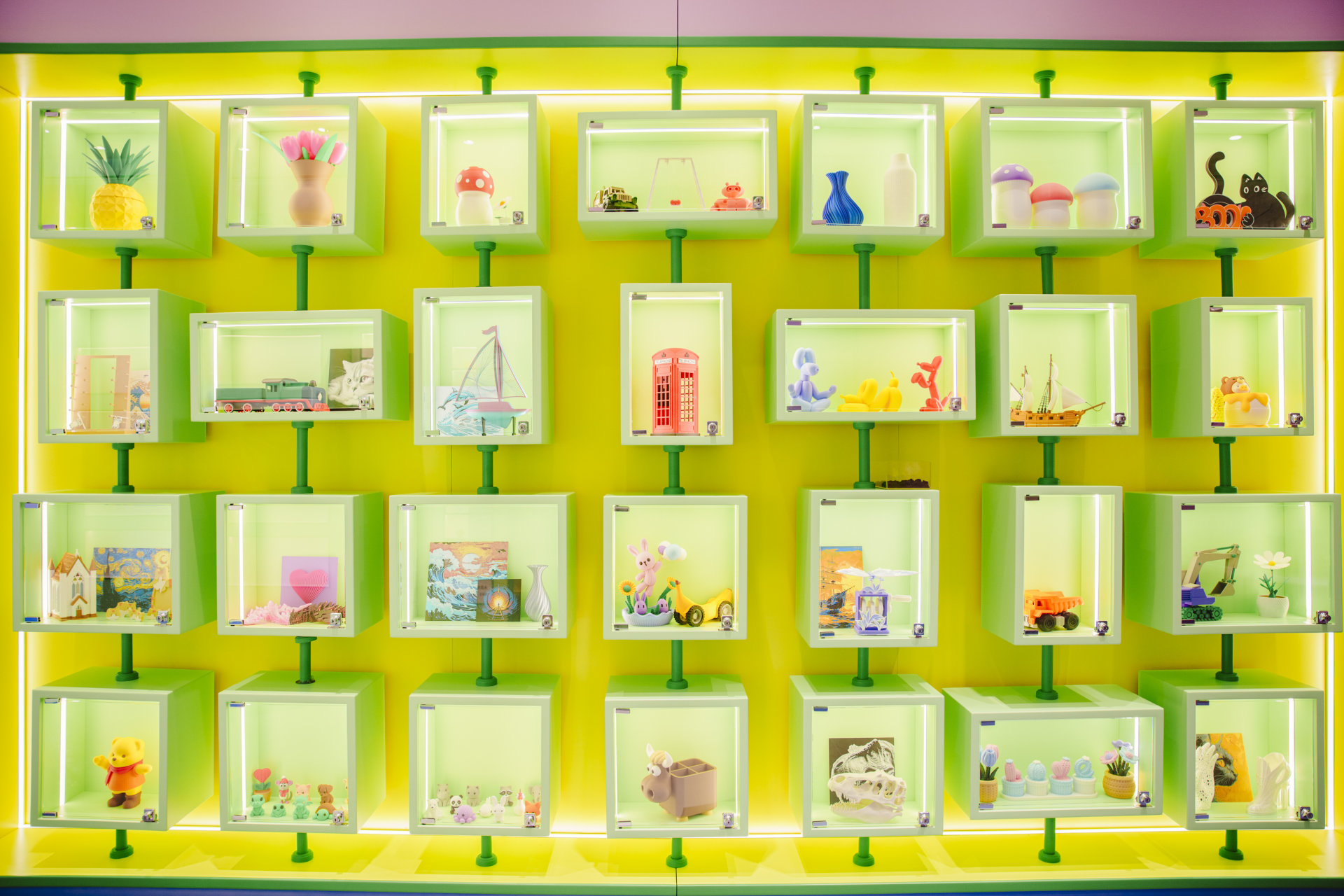
    The installation recreates familiar playground environments, but with a twist. Everything is built using 3D printed components, combined with lighting and interactive elements to make it feel alive. Kids can explore it, interact with it, and start to understand how it was made. There’s also a display wall showing Bambu Lab A1 printers in action, so visitors can watch parts being printed in real time before stepping into the learning area.

    A wall displaying Bambu Lab printers at the creativity center for children in China.

    The project goes beyond just showing the technology. It is designed to let kids actually use it.

    The space is divided into two main parts. There is an experience zone, where children explore 3D printed environments and a classroom area, where they learn how to design and print. Classes are aimed at kids aged 5 to 12 and are split into two levels.

    In beginner sessions, children learn how 3D printers work and follow the full process of making a simple object. In more advanced sessions, they create their own designs and turn them into physical parts they can take home. The goal is to make the process feel natural, where kids think of an idea, design it, print it, and then hold it.

    The CyberBrick city, a miniature world made using 3D printed parts, is at the creativity center for children in China.

    This full loop, from concept to object, is what makes 3D printing different from most other technologies kids use. And for Bambu Lab, this is more than a one-off installation. It’s the company’s first real attempt to “bring 3D printing into offline, everyday environments for families.”

    Meanwhile, for meland, which already operates over 140 indoor playground locations across more than 70 cities in China, it’s a way to expand its “learning through play” model into something more hands-on and technology-driven.

    Meland is not a small operator. Its venues are large, highly designed indoor play environments located in major shopping and lifestyle centers, attracting a steady flow of families every day. With a network of this size, new concepts can be introduced at scale, reaching a big audience across the country rather than staying in just one location.

    Together, the two companies are testing a bigger idea, whether 3D printing can become part of normal childhood experiences rather than something only seen in schools or labs.

    The educational area at the “meland x Bambu Lab” creativity center for children in China.

    More and more, 3D printing is showing up in public and interactive spaces, from 3D printed playground structures and furniture to museum exhibits where visitors can design and print objects, as well as STEM labs and maker spaces in schools and libraries.

    The “meland x Bambu Lab” creativity center for children in China is aimed at children aged 5 to 12.

    But what makes this project different is the level of integration. Instead of adding a printer to an existing space, the entire environment is built around the idea of making. That shift matters because it lets kids experience 3D printing as part of play, not just as a tool they use once in a classroom, turning it into something that becomes part of how they play, learn, and think.

    Image courtesy of Bambu Lab

  • Horizon Microtechnologies Expands Into Microfluidics

    Horizon Microtechnologies uses Boston Micro Fabrication‘s (BMF) Projection Micro Stereolithography (PμSL) technology to make tiny, accurate parts. It then enhances these polymer prints with proprietary coatings and expertise in controlling the dipping process, enabling higher-performance 3D printed parts. By combining micro-scale 3D printing with advanced coatings, Horizon is targeting applications such as electronics packaging, space components, and antennas. Now it is delving deeper into another application: microfluidics.

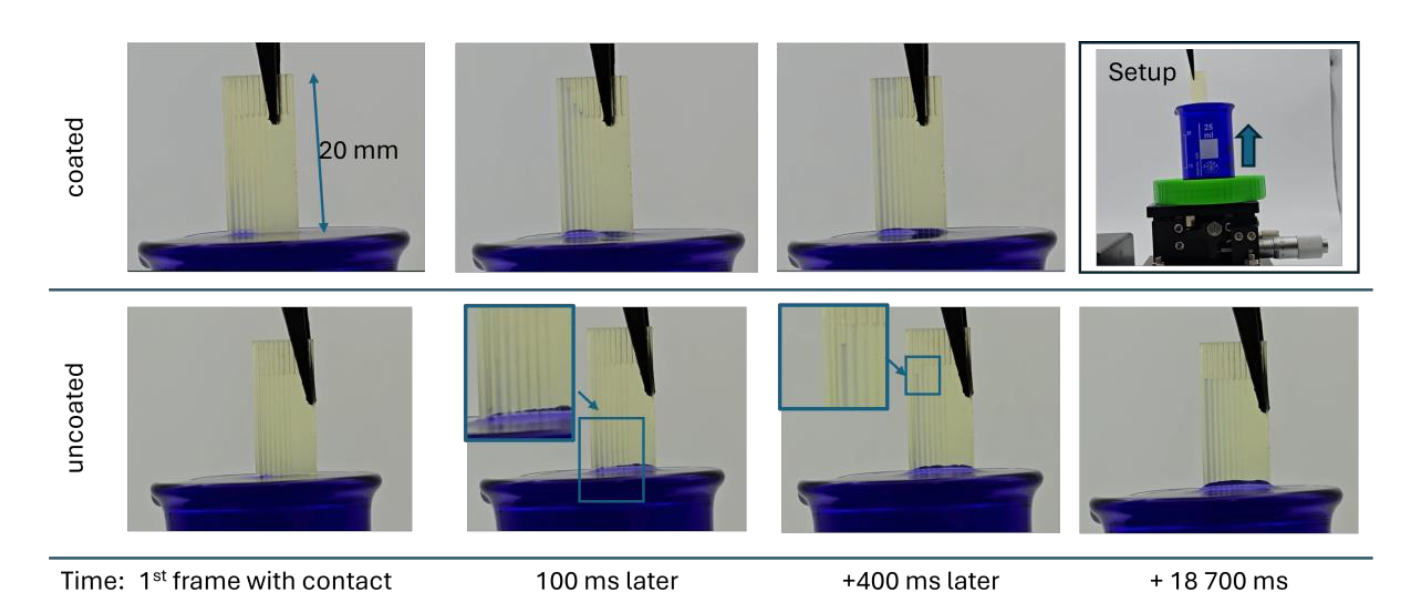
    The firm has come up with coatings that can make “leak-free devices with fully three-dimensional channel networks — without bonded layer interfaces and, in many cases, with much simpler (or no dedicated) capillary priming as well as electrical properties.”

    If this holds up in testing, this means that the company could have found an easy, working, repeatable pathway to making microfluidic devices at scale. A lot of microfluidics combines multiple parts, processes, or manual assembly. Many require a whole series of processes, with discrete processes and lots of assembly. This makes a lot of microfluidic devices cost-prohibitive. The idea of microfluidics is that millions of tests, functional environments, or systems can be performed at low cost. In reality, there’s a lot of fiddling with different glues. So, for a certain class of devices, Horizon may be on to something here.

    The company says its devices are made directly through printing and coating and can make channels, internal geometry, and micro needle structures, too. These micro needles can be “one millimetre high with multiple, differently sized side openings along the needles’ length.” The company aims to “achieve predictable liquid handling in lab-on-a-chip diagnostics, drug microdosing, and high-precision analysis” by optimizing wetting and flow. Furthermore, parts can be biocompatible, optically clear, and electrically conductive. Coatings can make parts hydrophilic and can also be used to protect parts. One channel could be coated with one material, while another channel could be coated with a conductive material; meanwhile, the outside of the part could be uncoated. Resins are tested to ISO 10993-1:2018.

    The flow inside the part could also be better and better optimized for a specific use case. Combining all of these things means that a faster, perhaps cheaper process could make much more of the functionality needed for microfluidics within fewer steps. Combining 3D printing with design also means that more compact, technologically advanced devices could be made.

    Horizon Microtechnologies CEO Andreas Frölich said,

    “When you combine micro-AM with our coating toolbox, you get microfluidic platforms that are much closer to finished products than to simple test structures. We can deliver geometry, surface behaviour, electrical function, and optical access as one integrated solution, which simplifies development, improves reliability, and accelerates the path from concept to functional hardware.”

    The company foresees it making a “microneedle array for microdosing and sampling, a compact diagnostic cartridge, or a microfluidic platform with integrated electrodes and optics, Horizon’s print–develop–coat process offers a practical route from CAD geometry to functionally coated, biocompatible, optically clear hardware ready for testing and scale-up.”

    I’m a huge fan of Horizon. I love how they’re taking a two-step process and using it to create a plethora of devices.

    Relatively low cost, accurate, tiny, and with lots of different properties, these parts could really win in many areas. Through its coatings, the company has made its offering versatile and fit for purpose. More 3D printing companies should look into coatings to extend the functionality and lifespan of 3D printed components. In Horizon’s case, their process could also be deployed at scale in different markets. Whether in antenna or microfluidics, Horizon could see high volume, sufficient margin, and success at scale.

  • 3DPOD 296: 3D Printed Rocket Engines From Industrial to Hobbyist with An Duong, Morethan3D

    An Duong, a former Rolls-Royce innovation manager working on 3D printed aeroengines, made an unexpected shift from aerospace to entrepreneurship. The work was challenging and engaging, and he very much enjoyed his time at the company. But a side project creating desktop material extrusion models for display has now become his full-time job. We talk to An about his journey so far, how he makes his models, how he distributes them, and whether he can make a living from his company, Morethan3D.

    This episode of the 3DPOD is brought to you by Siemens. With AI-enabled technologies, deep-domain expertise, and trusted partnerships, Siemens is converting today’s technological leaps into measurable benefits for customers, partners, and society. AI is no longer a feature; it’s a force that will reshape the next century.


  • TV’s Scarpetta Suggests We Can 3D Print Full Human Organs. Reality Is… Not Yet

    Having spent a good part of my journalistic career covering crime stories, it’s hard for me to stay away from any crime or medical forensic drama. So when Scarpetta premiered on Amazon Prime Video on March 11, I was immediately drawn in. Partly for the forensic angle, partly because the series is based on Patricia Cornwell’s bestselling novels.

    Starring Nicole Kidman as forensic pathologist Kay Scarpetta, the show follows complex investigations that blend medical expertise with criminal cases. But as the story unfolds, it moves beyond traditional forensic themes and into something more unexpected: 3D bioprinted human organs.

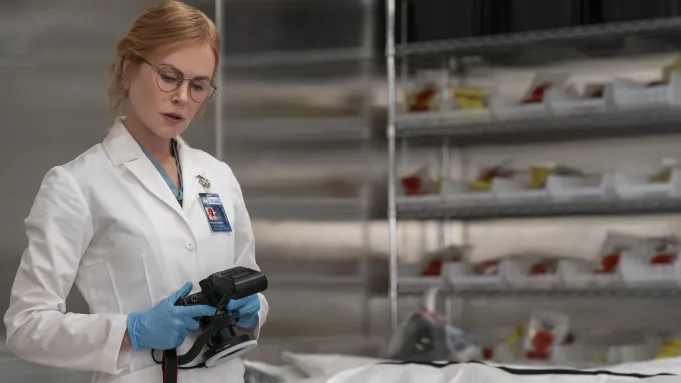
    How the Amazon Prime show Scarpetta shows 3D bioprinted organs will look like. Image courtesy of Amazon Prime.

    A central part of the plot revolves around a fictional biotech company, Thor Labs, which is portrayed as already capable of 3D bioprinting human organs in microgravity, an environment scientists believe could make it easier to build complex biological structures.

    In reality, the closest real-world equivalent to the show’s Thor Labs is Redwire, which conducts bioprinting experiments aboard the International Space Station. And while it has already demonstrated early tissue printing in microgravity, it remains far from producing fully transplantable human organs, in pre-clinical trials or beyond.

    Live human heart tissue bioprinted with Redwire’s BioFabrication Facility aboard the ISS. The tissue was successfully returned to Earth in April 2024. Image courtesy of Redwire.

    The show has taken a real concept, space-based bioprinting, and pushes it a decade or more ahead of where the science stands today. That’s where the line between fiction and reality starts to blur. The question is: how close are we, really?

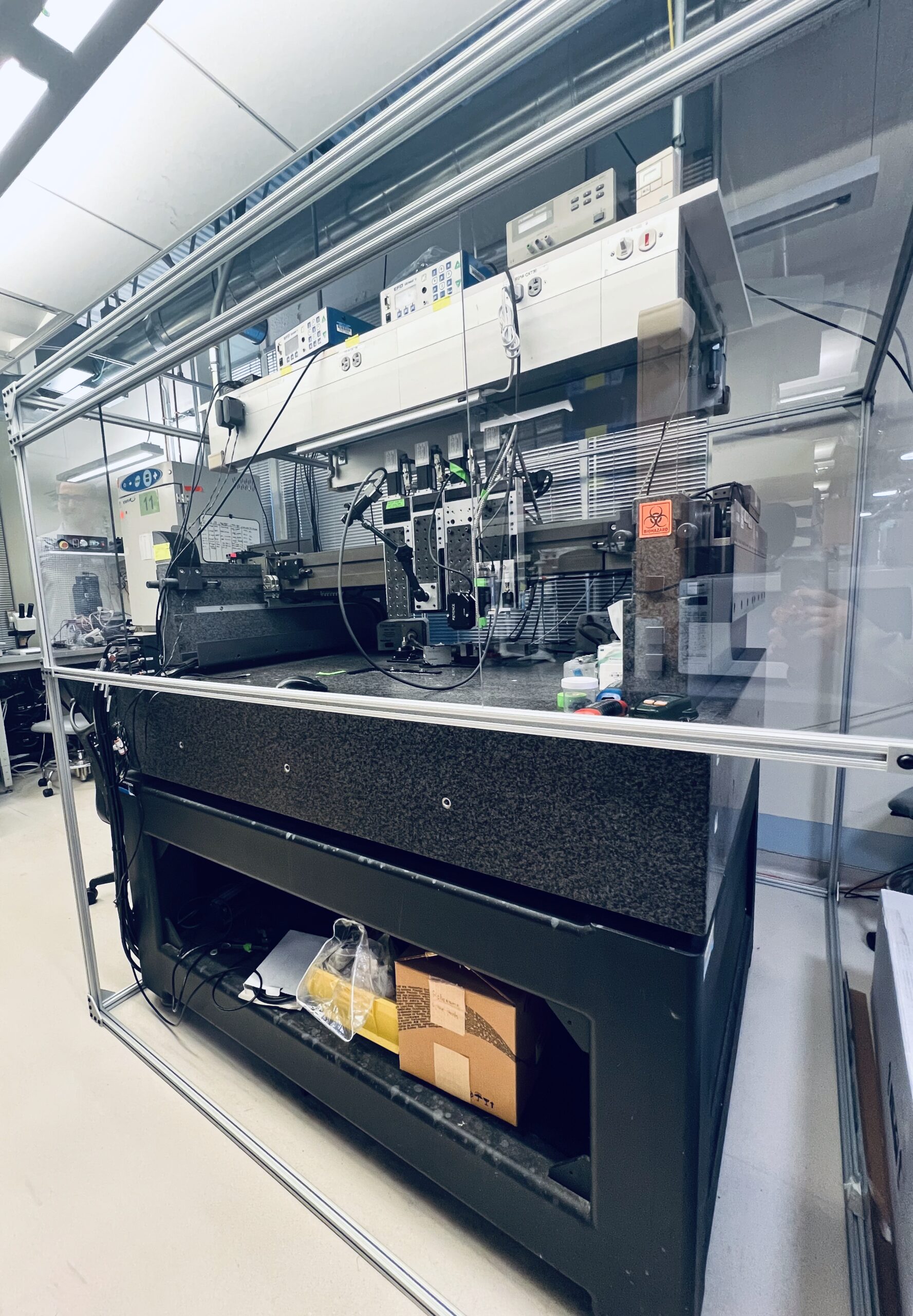
    Nobody is printing a fully transplantable human heart, kidney, or liver yet. But a few groups are clearly closer than the rest, and they fall into three groups: organ-scale scaffolds and bridge tissues, vascularization, and implantable tissues. The most aggressive efforts include United Therapeutics/3D Systems, ARPA-H-backed work at Carnegie Mellon, and research at Stanford, while more clinically focused work is happening at Wake Forest, Poietis, KIT, and in Sydney’s 3D printed skin trials. At the same time, on-orbit bioprinting research continues in places like Tsinghua University in China. Here’s a closer look at some of the groups leading this work:

    United Therapeutics + 3D Systems (U.S.)

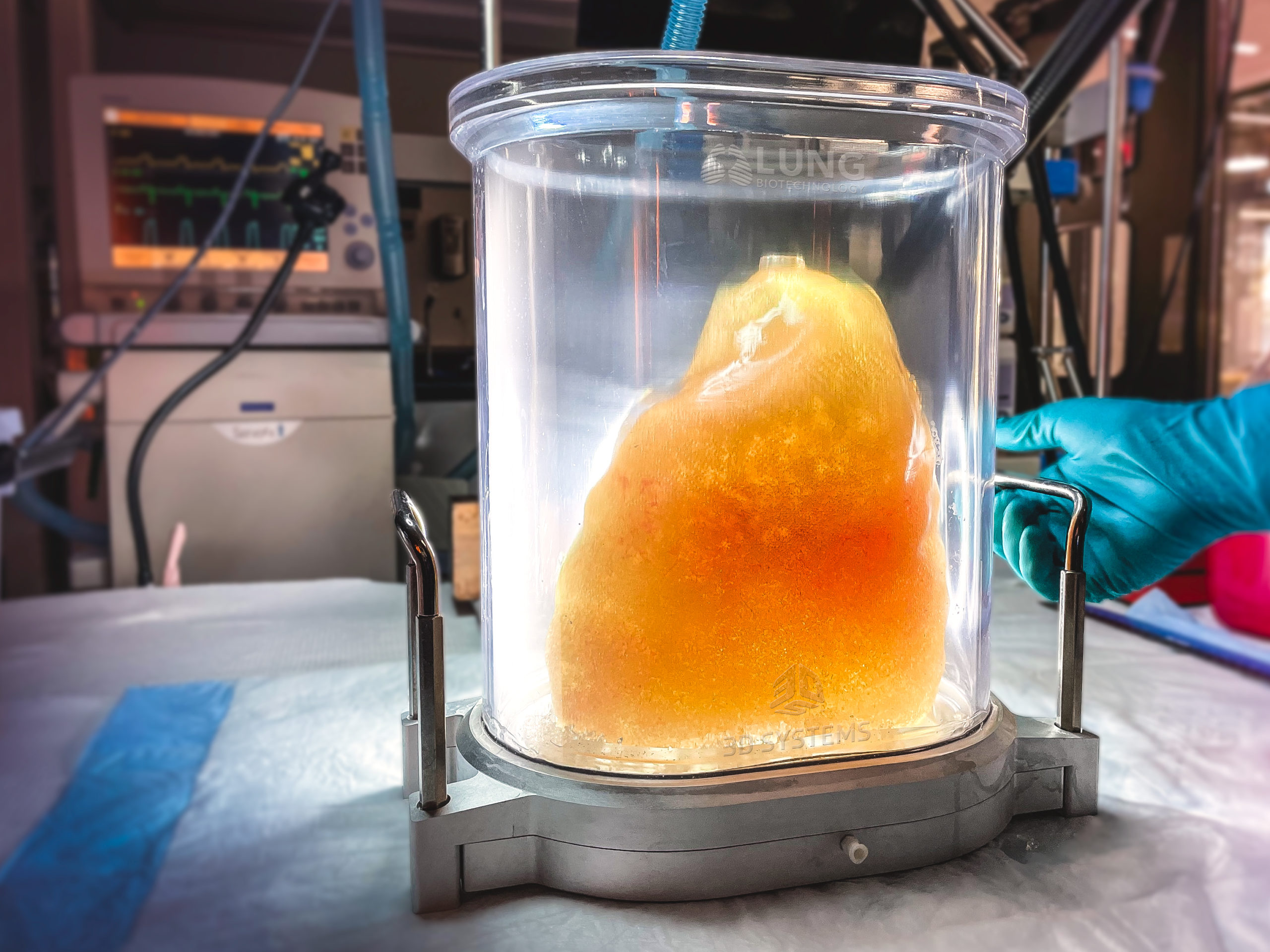
    This is probably one of the most ambitious efforts in the field. United Therapeutics (UT) is developing a 3D printed lung scaffold as part of its ULung program, designed to be populated with human cells. ULung is one of UT’s four pre-clinical and clinical organ and organ alternative platforms designed to address the ongoing shortage of transplantable organs for patients with end-stage organ disease. The company says these structures have already demonstrated gas exchange in animal models and is also working toward printed kidneys and livers. While this is still far from a transplant-ready organ, it remains one of the clearest examples of how far organ-scale bioprinting is being pushed today.

    3D bioprinted lung lobe. Image courtesy of United Therapeutics.

    ARPA-H PRINT program + Carnegie Mellon and Adam Feinberg (U.S.)

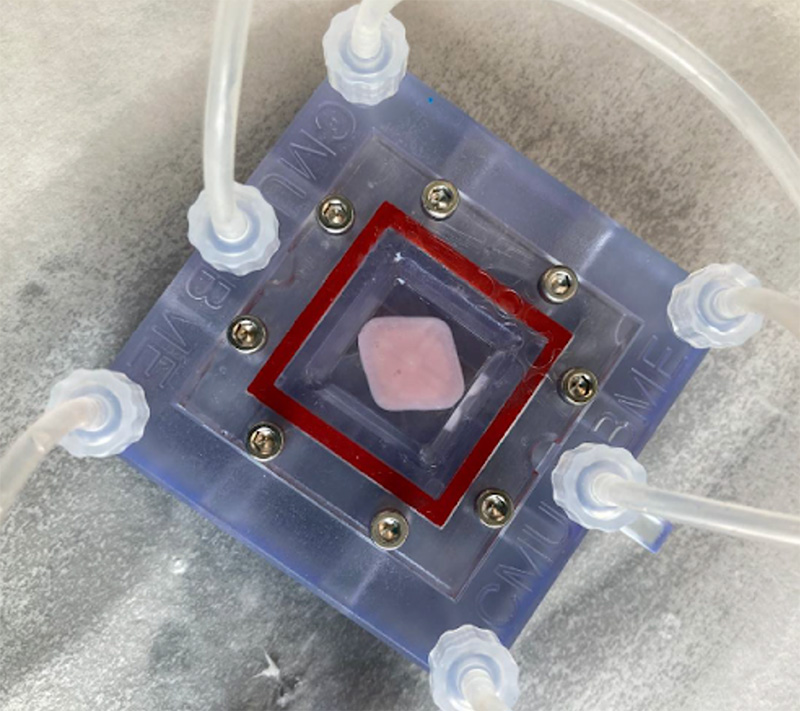
    This is the most important U.S. government push. ARPA-H launched its PRINT program to pursue personalized, on-demand organs that would not require immunosuppressive drugs. Among the researchers involved is Adam Feinberg of Carnegie Mellon University, one of the leading experts in 3D bioprinting, who secured support for a 3D bioprinted liver tissue project designed as a temporary alternative for acute liver failure. The goal is to support patients for two to four weeks while their own liver recovers. This is not a permanent replacement, but one of the most realistic short-term solutions to support patients rather than replace the organ entirely.

    FRESH 3D bioprinted perfusable liver tissue inside a bioreactor. Image courtesy of Carnegie Mellon.

    Stanford’s Mark Skylar-Scott (U.S.)

    One of the biggest challenges in bioprinting is vascularization, the ability to create blood vessel networks inside an organ. In 2025, researchers at Stanford University, including bioengineer Mark Skylar-Scott, developed new tools to design and print these vascular structures. This matters because without a working blood supply, larger tissues cannot survive. While this is still not ready for printing a transplant-ready organ, it is working on one of the key problems the field needs to solve for any future printed organ to work.

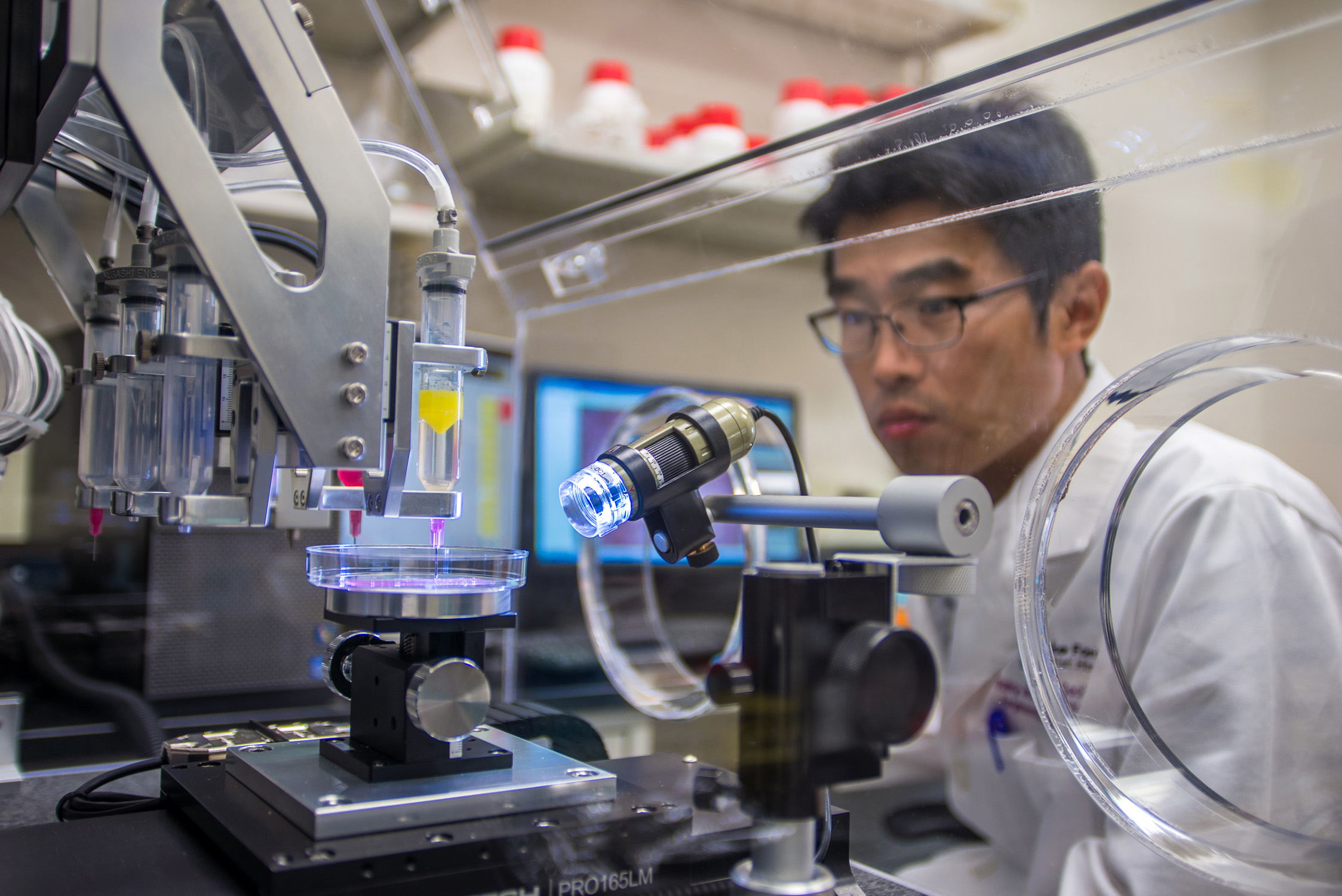
    At the back of the lab, next to a multi-axis bioprinter — a custom machine developed in-house by the Lewis Lab, first pioneered by Jennifer Lewis and her then-postdoc Mark Skylar-Scott. Today, it anchors much of the lab’s effort to print complex, living tissues. Image courtesy of 3DPrint.com.

    Wake Forest Institute for Regenerative Medicine and Anthony Atala (U.S.)

    Wake Forest stands out for bringing research into real-world use. The institute says it was the first to engineer lab-grown organs that were successfully implanted in humans, and it continues to work across a wide range of tissue and organ research. Not all of this work involves 3D bioprinting; some of its best-known results come from broader tissue engineering, but when it comes to real progress in organ replacement, Wake Forest remains one of the most credible groups in the field, led by regenerative medicine pioneer Anthony Atala.

    Young-Joon Seol at the Wake Forest Institute for Regenerative Medicine (WFIRM) demonstrates Bioprinting muscle tissue. Image courtesy of WFIRM.

    Poietis (France)

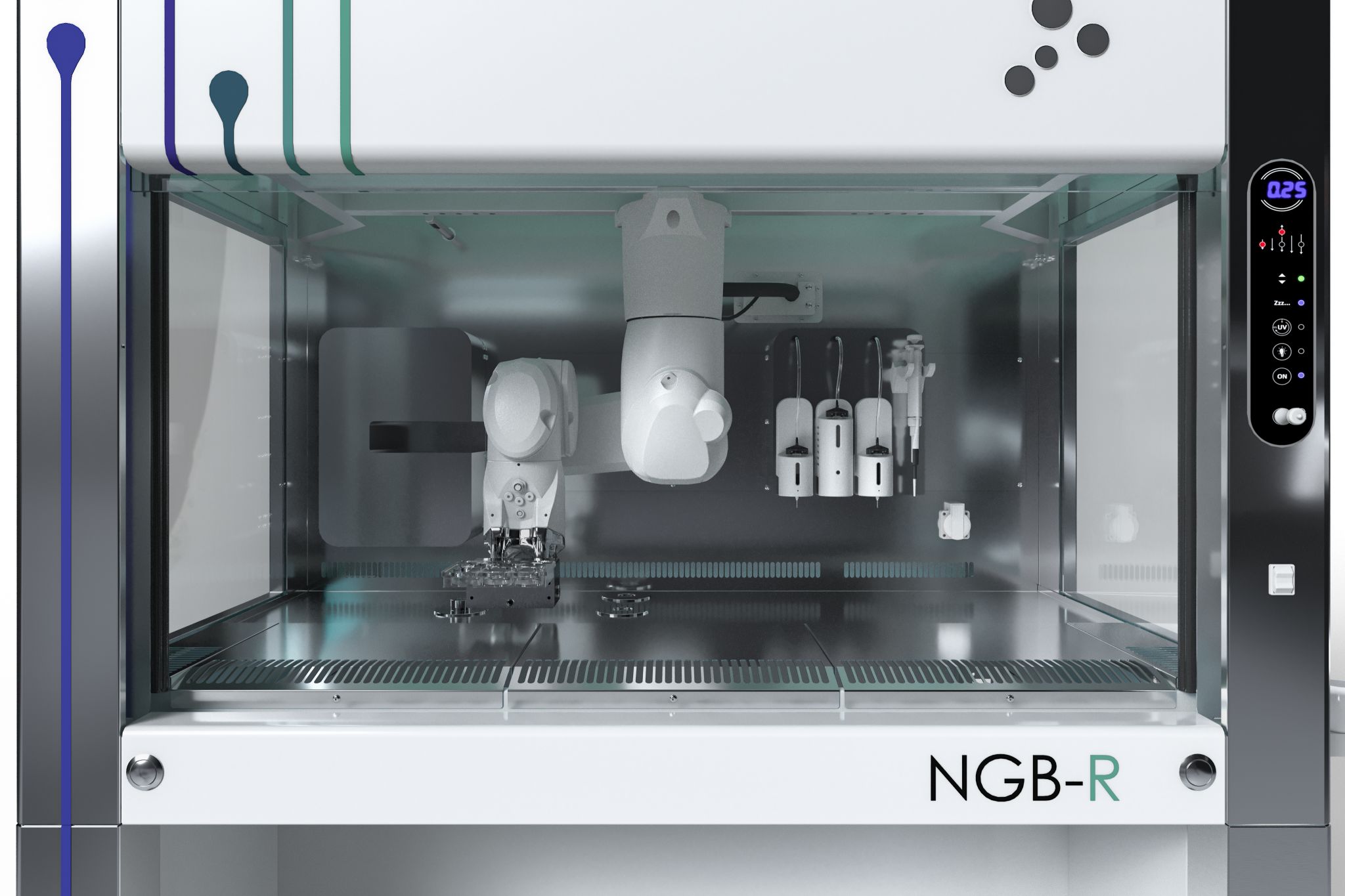
    In Europe, Poietis stands out not for claiming full organs, but for working toward implantable tissues. The company says its laser-based bioprinting platform is designed to meet the consistency and quality needed for clinical use, with a clear focus on moving from design to implantation. This means it is developing ways to reliably produce living tissues for real medical use. It makes Poietis a strong example in Europe.

    Poietis' NGB-R bioprinting platform.

    Poietis’ NGB-R bioprinting platform. Image courtesy of Poietis.

    KIT + Ute Schepers (Germany)

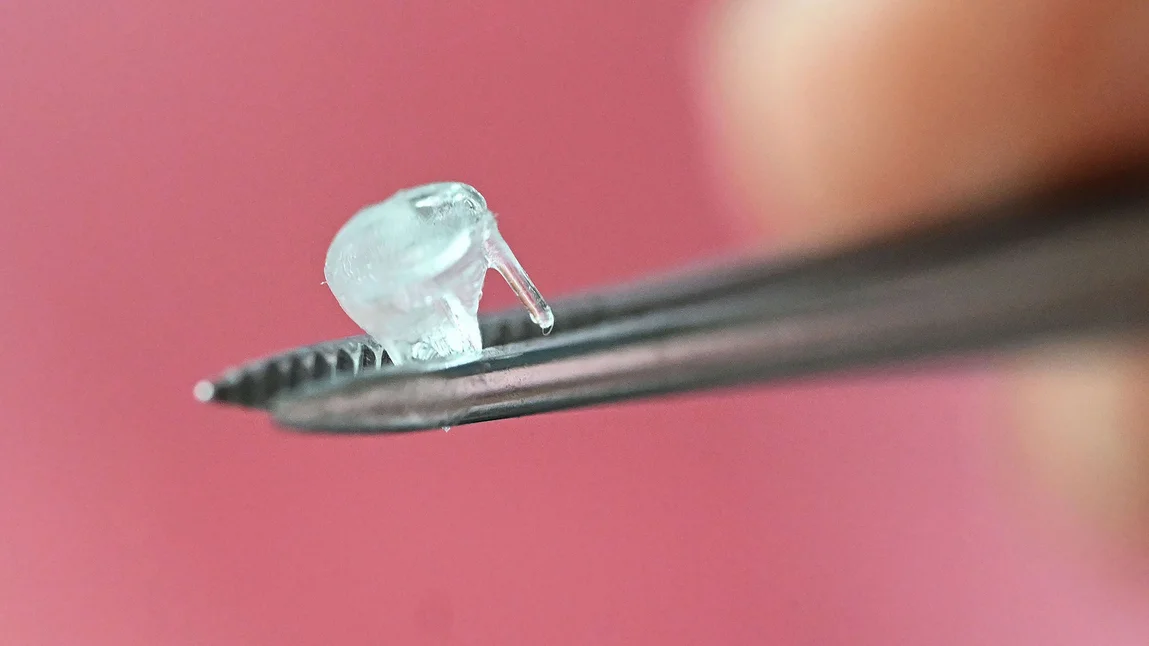
    Work at the Karlsruhe Institute of Technology on a tiny 3D printed baby heart valve shows how the field may reach the clinic sooner through parts of organs rather than whole ones. In this case, researchers used 3D printing to create a biodegradable heart valve scaffold designed to be seeded with the patient’s own cells and grow inside the body. A valve is not a full heart, but it is a more realistic near-term target and still medically important. It’s a good example of how progress in this space is likely to happen, not through fully printed organs overnight, but through smaller, implantable structures.

    3D printed baby heart valve. Image courtesy of Uli Deck/dpa/Karlsruhe Institute of Technology.

    Tsinghua-led work in China

    China is also active in this space, with institutions like Tsinghua University leading research efforts. Public profiles from Tsinghua show active research in cardiac regeneration, on-orbit bioprinting, vascular networks, AI-driven bioprinting, and even papers about on-demand organ manufacturing. This does not mean China has secretly solved printed organs. It shows the country is making progress in several key areas at once, including space-based bioprinting, blood vessel growth, and organoid research.

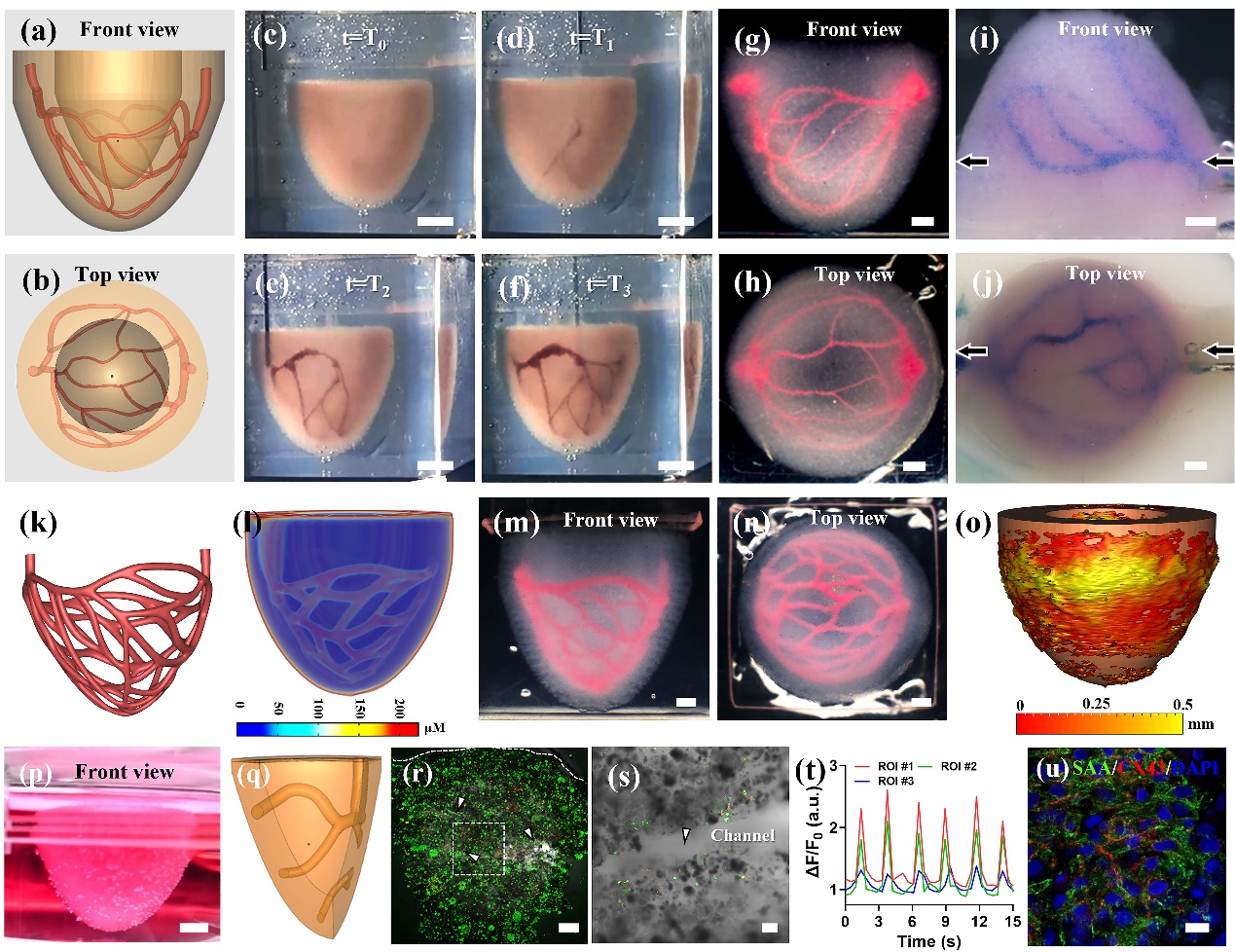
    Perfusable ventricle constructs fabricated by SPIRIT. Image courtesy of Tsinghua University.

    ANU and the Sydney skin trial

    At the Australian National University, bioprinting is being explored as a path toward future organs, with current work focused on printing living cells, tissue-like structures, and organoids for disease modeling. A clearer example is Sydney’s world-first 3D printed skin trial using a patient’s own cells. Skin is not a kidney, but it is still a living, printed tissue used in a real medical setting, showing where the field is starting to have a real impact.

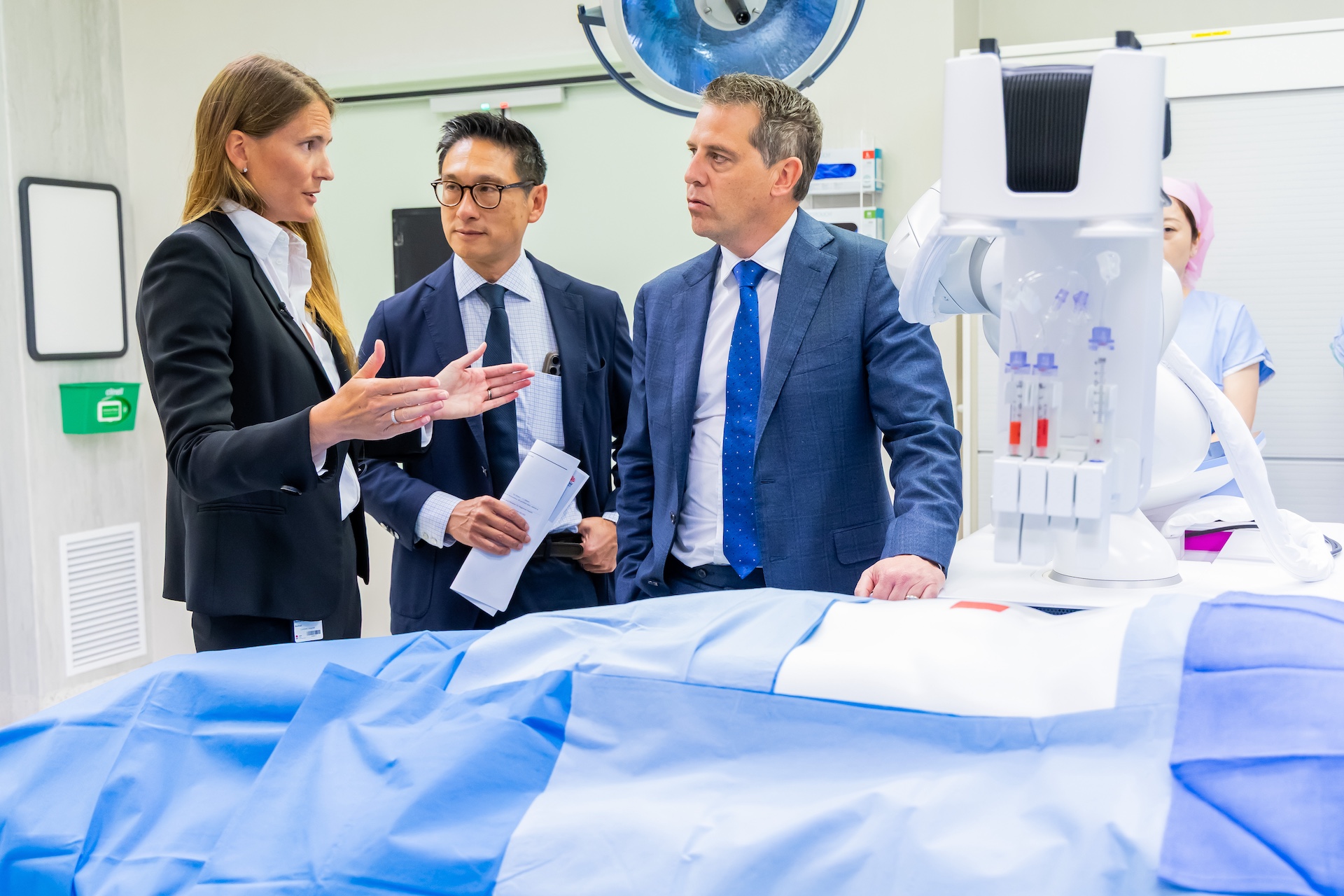
    Dr Jo Maitz with NSW Health Minister Ryan Park and Strathfield MP Jason Yat-Sen Li during a visit to Concord Burns Unit. Image courtesy of Concord Burns Unit.

    It will likely be some time before we see the kind of lab-grown, microgravity-grown organs ready for clinical use, as seen in Scarpetta. But the idea is not entirely out of reach. If anything, it’s a reminder of where the technology is heading, and a good way to put the spotlight on a field that is moving forward.

    Nicole Kidman as forensic pathologist Kay Scarpetta in Scarpetta. Image courtesy of Amazon Prime.

  • 3D Printing News Briefs, March 21, 2026: Resin Safety, 3D Printed Bandages, & More

    We’re kicking off this weekend’s 3D Printing News Briefs with some America Makes project call news, and then moving on to resin safety myths. We’ll end with a 3D printed heart model and a 3D printed bandage for chronic wound healing. Read on for all the details!

    America Makes Announces CATACS Winners, PADAM 2.0 Extension

    The winners of the Corrosion of Additive – Tested At Component Scale (CATACS) Project Call have officially been announced. This $1.3 million America Makes project call is awarded through the Office of the Under Secretary of Defense, Manufacturing Technology Office (OSD ManTech). AM is increasingly important to the Department of War (DoW) due to its ability to deliver rapid, customizable production. But certification and qualification for metal 3D printed parts is still a barrier because there aren’t a lot of widely accepted testing and processing methods. The CATACS program will establish, demonstrate, and validate a framework for evaluating 3D printed metal part corrosion testing needs, focusing mainly on representative testing of components in high-temperature environments and thermal management systems. The goal is to speed up adoption of AM parts in high-performance defense systems by offering a reliable corrosion testing framework.

    The winner of Topic 1, the Corrosion of AM Components at Elevated Temperatures, is RTX Technology Research Center (RTRC). For Topic 2, Corrosion of AM Components for Thermal Management, Colorado School of Mines is the team lead, while the project team consists of Conflux TechnologyElementum 3DNaval Surface Warfare Center Carderock Division (Corrosion and Coatings Engineering Branch), the National Institute of Standards Technology (NIST), Oak Ridge National Laboratory (ORNL), The Ohio State University (OSU), Ohio University (OU), and Quintus Technologies. Congratulations to all!

    Additionally, America Makes and the National Center for Defense Manufacturing and Machining (NCDMM) extended the proposal submission deadline for the Powder Alloy Development for Additive Manufacturing (PADAM) 2.0 project call to 5 pm ET, April 8th. This $6 million project call is funded by the Air Force Research Laboratory’s Materials and Manufacturing Directorate (AFRL RXN). Learn more in the RFP.

    AmeraLabs Publishes Resin 3D Printing Safety Myths Guide

    AmeraLabs, a Lithuanian manufacturer of photopolymer and elastomer resins for 3D printing, recently published a free resin 3D printing safety guide. Sourced from peer-reviewed research, EPA and ECHA regulatory filings, and the company’s own experience formulating resins, the guide addresses what AmeraLabs says are “23 widespread misconceptions” about resin 3D printing. Rather than just covering what to avoid, the guide covers what to do, and covers topics like ventilation requirements, PPE selection and limits, pregnancy risks, food-safe resin claims, post-processing, and more. It also targets the specific risk of permanent acrylate sensitization, which many resin users underestimate. This allergy, once it’s triggered, does not resolve if you stop using 3D printing, as the chemical is also used in certain dental materials, gel nail products, and UV-cured adhesives. Safety Data Sheets do identify this hazard for resins, but AmeraLabs says they don’t explain the various consequences, such as sensitized people losing access to dental procedures or reacting to products they’ve long used with no issues.

    Andrius Darulis, AmeraLabs Co-Founder, said, “We formulate and manufacture 3D printing resin at AmeraLabs. We know what goes into photopolymer resin formulations, and we know Safety Data Sheets do not go deep enough to cover everything.”

    WSU Researchers Develop 3D Printed Heart Model that Beats

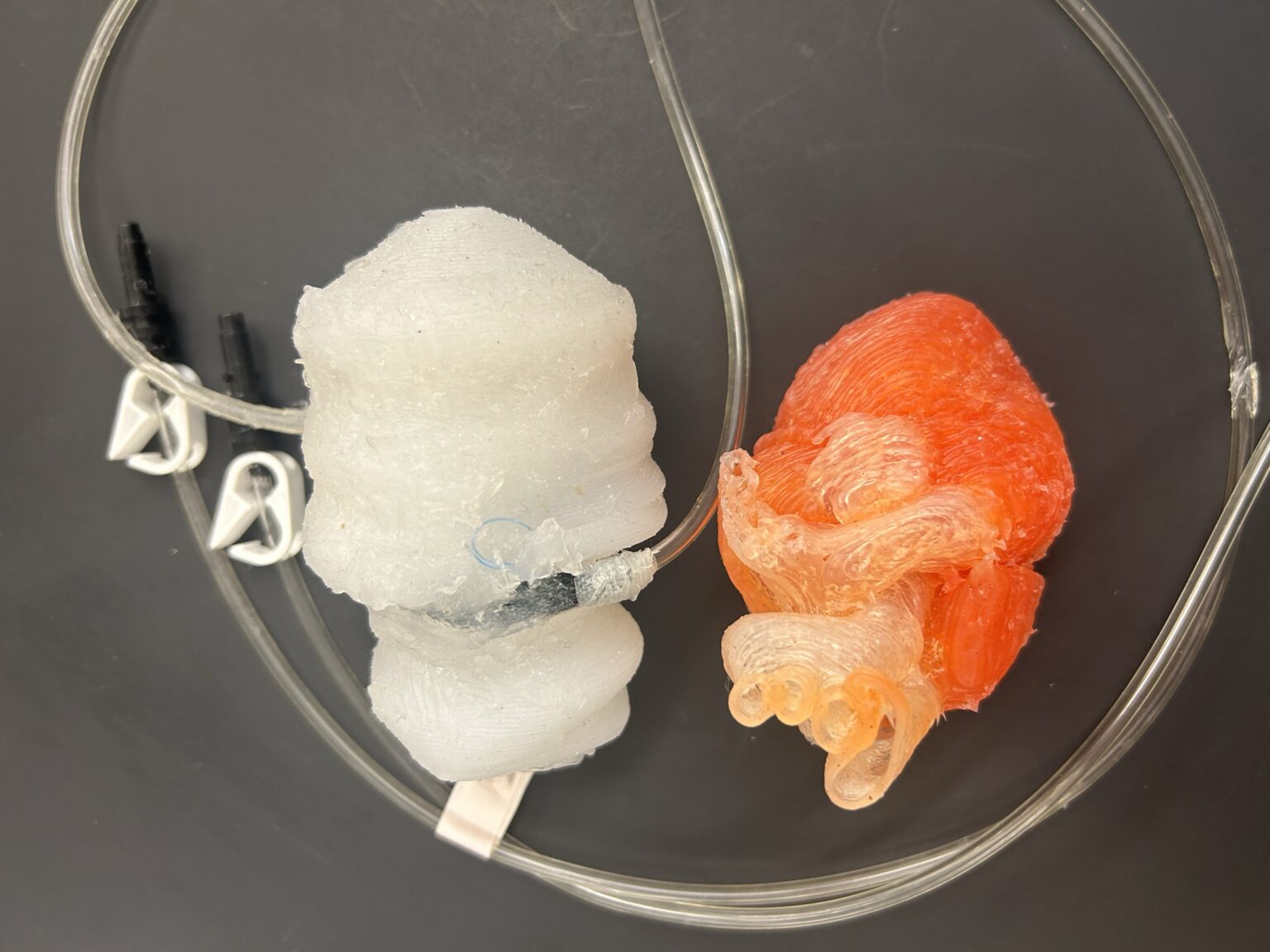
    Two 3D printed heart models. The white one replicates the left two heart chambers with a pneumatic actuator that makes it “beat” (photo courtesy of WSU).

    Heart disease is the top cause of death in the U.S., and doctors perform major heart surgeries often, as well as less invasive procedures like valve fixes. For training purposes, surgeons often work with animals, cadavers, on a computer, and even synthetic models, like mold-casted or 3D printed ones. But, these synthetic models can’t achieve some of the heart’s complex curvature. A team of researchers from Washington State University developed a 3D printed model of the left side of the heart, and it actually contracts and beats like the real thing. To create the model, the team used a scan of a human heart to print a replica of the organ’s left side, which is the part that experiences the highest pressures. The 3D printed model has a soft, lifelike texture; includes the atrium, ventricle, and mitral valve; and incorporates many tiny pneumatic actuators that pump the model. As imitation blood is pumped through, sensors monitor the simulated blood pressure. To test out their model, the team 3D printed a model with a defective mitral valve and repaired it. They filed a provisional patent with the Office of Innovation and Entrepreneurship for their 3D printed beating heart model, and are now developing one with all four chambers and valves.

    “It’s very useful for doctors and surgeons to practice when the heart is still beating, especially for minimally invasive surgery. In our case, this model is the first fully synthetic model that, without any assistance of animal models, mimics the complete left side of the heart. We were able to incorporate both the anatomic features and the dynamic functions,” explained Kaiyan Qiu, Berry Family Assistant Professor, School of Mechanical and Materials Engineering, and corresponding author on the paper.

    3D Printed Wound Scaffold for Chronic Wound Healing

    Michael Repka, distinguished professor of pharmaceutics and drug delivery, works with a 3D-printed medical device in his lab in Shoemaker Hall. Repka’s latest research shows that 3D-printed wound scaffolding could aid in healing chronic wounds. Photo by Thomas Graning/Ole Miss Digital Imaging Services

    Chronic wounds, like pressure sores or diabetic ulcers, can linger for a long time. A team of researchers from the University of Mississippi’s School of Pharmacy created a customizable bandage, made with 3D printing, that will encourage healing of chronic wounds by delivering biodegradable antibacterials over time to reduce the chance of infection. The 3D printed, medicated patch, which can be placed over the wound, is made with chitosan, which is a natural material found in fungi, insects, and crustaceans, in addition to plant-derived antimicrobials. The structure acts like a scaffold, protecting the wound while at the same time encouraging growth. By 3D printing the scaffold, the team can tailor the patch to fit any wound, and because it’s biodegradable, if the material is applied to wounds inside a patient’s body, a second incision is not needed to remove it. The team hopes to translate this from research to real patients, but before the 3D printed scaffold can be used clinically, it needs to be tested further and reviewed by the FDA.

    “A lot of bandages are made with organic solvents, which actually hurt the wound-healing process, especially when applied intimately on the wound. With the materials and technique we’re using, you don’t have organic solvents,” explained researcher Michael Repka, distinguished professor of pharmaceutics and drug delivery.

    “We’re also not using traditional antibiotics over a long period of time, because that can often cause the bacteria to become resistant. That’s the advantage of using natural products.”

  • Additive Manufacturing Is Rewriting the Rules of Reshoring

    Reshoring sounds straightforward: bring production back home. In practice, it’s far more complex.

    According to recent research by Hexagon in 2025, about 36% of U.S. manufacturing leaders are actively looking to reshore production domestically in response to shifting trade policy. At the same time, 28% believe workforce shortages could slow or significantly delay those efforts. The appetite for localized production is growing, but so are the structural challenges.

    Manufacturers today are navigating fragile supply chains, extended tooling timelines, geopolitical instability, and growing concerns around intellectual property exposure. Simply recreating yesterday’s production model on domestic soil doesn’t address those vulnerabilities.

    What many organizations are recognizing instead is that localized production requires a different kind of infrastructure, one that is more agile, more digital, and less dependent on traditional tooling. Increasingly, additive manufacturing is playing a central role in that evolution.

    Reshoring Without Rebuilding the Past

    For decades, manufacturing efficiency depended on scale. Tooling investments (molds, dies, casting systems, and fixtures) made economic sense when producing high volumes of identical parts. That model still works in automotive and other mass-production environments.

    But many reshoring initiatives today are not driven by automotive-style volumes. They’re driven by low-to-medium production volumes, shorter lead-time expectations, aging parts catalogs, and the need to keep sensitive designs closer to home. In aerospace and defense, for example, production volumes are often relatively small across broad portfolios of components. In medical manufacturing, customization is increasingly the norm. In industrial equipment, replacement components may be needed years after the original supplier has exited the market.

    In that environment, flexibility matters more than scale.

    When volumes are limited and demand is unpredictable, the tooling process itself becomes the bottleneck. The time and cost required to design, validate, and stand up molds or fixtures can erode the economic viability of producing parts domestically — especially if that tooling may only be used a handful of times.

    Additive manufacturing removes that constraint. By moving directly from a validated digital model to production, manufacturers can bypass lengthy tooling cycles and produce complex geometries without standing up dedicated infrastructure. That shift fundamentally changes the calculus for reshoring lower-volume or high-mix parts.

    Instead of asking, “Can we afford to tool this domestically?” the question becomes, “Can we produce this efficiently without tooling at all?”

    From Global Fragility to Local Agility

    COVID-19 exposed how dependent many supply chains had become on long, geographically dispersed networks. Components once considered routine suddenly carried lead times measured in months.

    Even as logistics stabilized, new pressures emerged. Tariffs, shifting trade relationships, and national security considerations have pushed manufacturers to reassess how and where sensitive components are produced.

    Proximity alone is not the objective. Strategic control is.

    Keeping digital part definitions within secure domestic environments reduces exposure to external risk. Rather than transferring tooling or proprietary designs across multiple international suppliers, companies can centralize or selectively distribute encrypted digital files within trusted networks.

    We are also seeing distributed production models take shape. Additive systems are increasingly deployed alongside production lines to manufacture custom jigs, fixtures, and tooling elements on demand. In some field environments, from energy sites to remote operations, localized printers reduce downtime by eliminating dependence on global logistics chains.

    In high-stakes industries such as aerospace, defense, and energy, where downtime can cost millions per day, waiting weeks for a replacement component is often not an option. Localized additive production dramatically shortens that gap.

    The common thread is resilience. Shorter supply loops and greater digital control reduce exposure to disruptions that manufacturers cannot predict but must be prepared for.

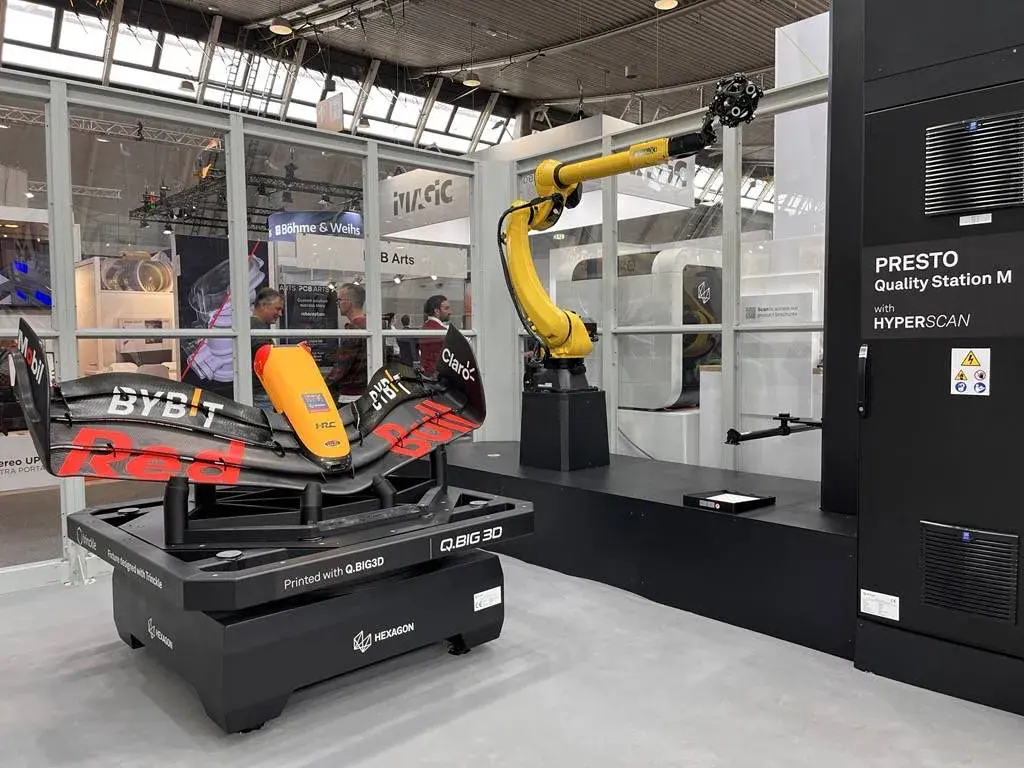
    Digital workflows enable on-demand production and distributed manufacturing. Image courtesy of Hexagon.

    Reinventing Spare Parts Through Digital Inventory

    One of the clearest reshoring wins for additive manufacturing is spare parts, particularly when the original tooling is gone, the supplier has consolidated or disappeared, or the required volume is too small to justify restarting a conventional process.

    Manufacturers frequently support products for years or even decades after primary production ends. Tooling may have been scrapped. Supply contracts may have expired. Restarting conventional production for a limited batch is often inefficient, slow, and disproportionately expensive.

    That’s where additive changes the equation.

    Instead of rebuilding tooling for a small run, manufacturers can maintain validated digital part definitions and produce components on demand. A replacement bracket, custom fixture, or structural mounting component can be printed locally, without waiting weeks or months for global supply chains to respond.

    In some cases, additive systems are even deployed alongside production equipment to manufacture replacement tooling or end-of-arm components in real time, minimizing downtime and keeping operations moving.

    This digital inventory model reduces warehousing costs, shortens lead times, and mitigates supplier obsolescence risk. In aerospace and energy, it can prevent costly operational downtime. In defense-related environments, it reduces reliance on offshore suppliers for mission-critical components.

    In this context, reshoring is about restructuring the supply chain itself: shifting from tooling-heavy, inventory-dependent systems to digitally enabled, on-demand production networks.

    What Reshoring with Additive Demands

    Additive manufacturing is powerful, but it is not universal. Reshoring with additive only works when manufacturers approach it with discipline.

    Cost is more nuanced than eliminating tooling. Equipment acquisition, material inputs, energy consumption, maintenance, and scrap all factor into the equation. Without simulation and build optimization, inefficiencies can quickly erode return on investment.

    Throughput must also be evaluated realistically. For very high-volume production runs, traditional manufacturing processes often remain more efficient. Additive’s strengths lie in complex, lower-volume applications where design freedom delivers measurable performance or economic advantage.

    Inspection capability must evolve alongside production capability. Additive parts frequently contain internal channels, lattice structures, or hollow geometries that cannot be fully evaluated using traditional optical methods. In safety-critical applications, advanced inspection technologies, such as computed tomography (CT), are often required to verify internal integrity and detect hidden defects.

    Printing capability and inspection capability must mature together. Without that alignment, resilience gains can be undermined by quality uncertainty.

    Hexagon technologies used to support digital manufacturing and localized production environments. Image courtesy of Hexagon.

    Building Capability for the Long Term

    As reshoring strategies expand, so does the need for skilled talent.

    Additive manufacturing requires digital design fluency, process control expertise, and advanced metrology knowledge. Universities and technical institutes are investing heavily in additive and digital manufacturing programs to build the next generation of engineers and technicians.

    Technology alone does not create resilience. It is the combination of digital tools, inspection rigor, and trained professionals that enables manufacturers to deploy additive strategically rather than experimentally.

    Printing Resilience into the Supply Chain

    Reshoring in 2026 is not about recreating yesterday’s factory footprint. It is about building adaptable, digitally connected production ecosystems that can respond to uncertainty.

    Roger Wende. Image courtesy of Hexagon.

    Additive manufacturing will not replace conventional processes. But in the right applications — low-to-medium volumes, complex geometries, IP-sensitive components, and spare parts — it provides manufacturers with a powerful lever to strengthen domestic capability.

    Resilience today is measured not only by geography but also by flexibility, control, and responsiveness.

    In many cases, those qualities are being printed.

    About the Author:

    Roger Wende is Senior Business Development Manager at Hexagon Manufacturing Intelligence, supporting the Volume Graphics division. He brings more than 25 years of experience in the Non-Destructive Testing (NDT) market, with expertise spanning Ultrasonic (UT), Eddy Current (ET), Visual (VT), and X-ray technologies, including digital radiography and industrial computed tomography (CT). Roger has played a key role in expanding industrial CT software adoption across North America, combining deep technical knowledge with hands-on industry experience to help manufacturers strengthen reverse engineering, inspection, and quality workflows.
  • At RAPID + TCT 2026, Executive Keynotes Break Down What’s Next for AM

    While AI is expected to be a major focus at RAPID + TCT 2026, the event is also putting the spotlight on something just as important: leadership.

    This year’s Executive Perspectives Keynote Series brings together top voices from across additive manufacturing (AM) to talk about where the industry is heading next. The sessions span aerospace and defense, healthcare, and the broader future of manufacturing, giving attendees a look at how companies are thinking about scaling, adoption, and real-world use.

    A Focus on Scaling in Aerospace and Defense

    The first keynote session centers on one of the most active areas in AM today: aerospace and defense.

    With speakers from Stratasys, Velo3D, Siemens, and the U.S. Army, the discussion is expected to focus on a key challenge: how to move from promising technology to reliable, repeatable production.

    AM already works well in this area, but scaling is still hard. Certification, supply chains, and consistency are still major challenges.

    With both industry and military voices involved, the focus is likely to shift from what AM can do to how it’s being qualified, integrated, and scaled in real programs.

    Healthcare Moves Closer to the Point of Care

    The second keynote shifts to healthcare, where additive manufacturing is increasingly being used closer to patients.

    With leaders from HP, Materialise, 3D Systems, and Carbon, the session will explore how 3D printing is enabling point-of-care applications, from personalized devices to hospital-based manufacturing.

    This is one of the areas where AM has seen steady progress. But like in aerospace, the question is not just what is possible, but how to make it scalable and reliable in clinical settings.

    The focus on “life-saving” applications shows a broader shift as AM moves beyond prototyping into areas where performance and consistency matter more.

    From MIT to Mainstream

    The final keynote takes a broader view of where manufacturing is heading. Featuring Dr. Neil Gershenfeld from MIT’s Center for Bits and Atoms and Formlabs co-founder Maxim Lobovsky, the session looks at how digital manufacturing is evolving and what comes next.

    This is less about one industry and more about the bigger picture. The focus is on how technologies like 3D printing move out of labs and research centers and into everyday production.

    That shift is already starting, but it is not fully solved. Companies are still working out how to scale these technologies, integrate them into existing workflows, and make them reliable enough for daily use. So this session is likely to explore what it will take to make that transition happen at scale.

    RAPID + TCT main stage.

    Taken together, these sessions show where additive manufacturing really stands today. There is a lot of progress. The technology works, and new applications keep coming. But that is no longer the main question. A lot of experts are focusing now on how to actually use it. How to scale it, fit it into existing processes, and make it part of everyday manufacturing.

    That is the common thread across all three sessions and is likely one of the key themes at RAPID + TCT 2026, which takes place April 13–16 at the Thomas M. Menino Convention and Exhibition Center in Boston. The Executive Perspectives Keynotes will be held each morning from 8:30 to 10:00 AM on the SME Main Stage.

    Images courtesy of RAPID + TCT

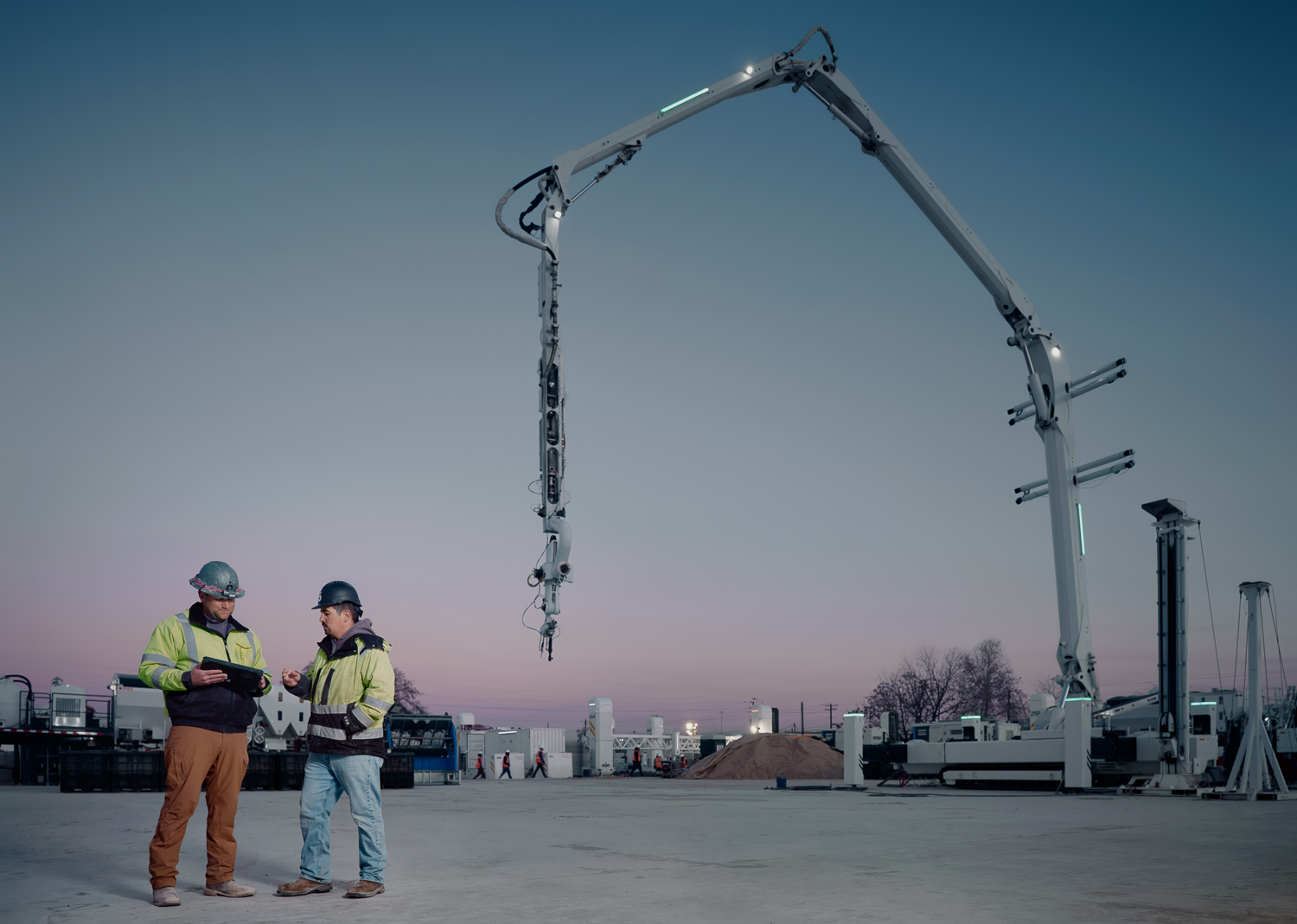
  • PALFINGER and ICON Partner to Push 3D Printed Construction Into Heavy Industry

    Construction 3D printing pioneer ICON is teaming up with Austrian crane specialist PALFINGER in a move that could help bring large-scale 3D printing closer to mainstream construction use.

    The two companies announced a strategic partnership to combine ICON’s 3D printing technology with PALFINGER’s expertise in heavy machinery, lifting systems, and industrial engineering. The goal is to make large-scale 3D printed construction faster, more scalable, and easier to deploy.

    At the center of the collaboration is ICON’s Titan system, a large robotic platform designed to print multi-level structures up to 27 feet tall. PALFINGER is contributing its lifting and stabilization technology to help position and support these systems in the field.

    This partnership also comes as ICON begins to push Titan into the market. The company recently opened sales of Titan, marking a shift from running projects itself to letting builders use the technology directly. The company says the system can print wall systems for around $20 per square foot, potentially cutting costs by up to 40% compared to traditional methods. This means more machines that can run continuously, handle larger builds, and move beyond pilot projects into everyday construction use.

    Operating Titan.

    Why This Matters

    ICON has been one of the most active players in construction 3D printing over the past few years. The company has printed homes in the U.S. and Mexico, worked on affordable housing projects, and even partnered with NASA on concepts for 3D printed structures on the Moon and Mars.

    But like much of the construction 3D printing sector, ICON has been operating in a space that is still early. Many projects have been small-scale, experimental, or heavily supported by partnerships and funding.

    Meanwhile, this new collaboration points to something different. By working with a company like PALFINGER (an established industrial player with decades of experience, global infrastructure, and real deployment capabilities), ICON is taking a step toward industrialization.

    Instead of just printing buildings, the focus moves to building systems that can be deployed reliably, repeatedly, and at scale.

    Where Construction 3D Printing Stands Today

    Most of the attention in construction 3D printing has gone to housing, especially affordable housing, and for good reason, there is a very clear global need for faster, lower-cost housing solutions. And while that remains an important use case for this technology, progress has been slower than early hype suggested.

    The biggest challenges are not just technical. They include scaling machines, fitting into existing construction workflows, meeting regulations, and making the economics work in real projects.

    As additive construction expert Stephan Mansour has pointed out, the issue is not just about better technology. Mansour told 3DPrint.com last year that the industry still lacks the right business models and practical ways to integrate 3D printing into how construction actually works today.

    He has also emphasized that materials and processes need to be rethought for real-world use, not just optimized for printing. Without that, many projects remain demonstrations rather than scalable solutions.

    That’s where partnerships like this come in. Rather than trying to solve everything alone, companies are starting to combine expertise across robotics, heavy machinery, materials, and construction know-how. In this case, ICON brings the printing system, while PALFINGER brings the industrial backbone needed to make it work in the field. It’s a “best-of-both-worlds ” approach that could help scale the technology.

    Multi-story home development designed by BIG.

    Where 3D Printing Meets the Job Site

    The Titan system is designed for continuous, 24/7 operation and uses modular components, stabilizers, and crawler systems to adapt to different environments. Early prototypes have already been tested, pointing to a technology that is moving beyond the concept stage.

    If it works, this setup could help solve some of the industry’s biggest problems, like labor shortages and the need for faster, safer construction. Also important is the fact that it points to a shift in how construction 3D printing is evolving. That means it is much less about one-off projects and more about systems that can be used again and again.

    3D printed Church by Overland Partners. 

    The biggest opportunity for 3D printed construction may not be replacing traditional building, but working alongside it in areas where speed, access, and risk matter most.

    Partnerships like this suggest the technology is starting to move in that direction, and finding its footing in standard construction environments, and showing where additive construction actually delivers value.

    Images courtesy of ICON