• Fully Automated, “Continuously Re-Nested” Industrial 3D Printing: AMIS Launches AMIS Runtime

    AI is already a pillar of global manufacturing strategy, even as its practical limitations signal that manufacturers will require quite some time to iron out the fundamental wrinkles involved. But the additive manufacturing (AM) industry has figured out at least one major use case for AI that users have incorporated into the workflow for years: nesting.

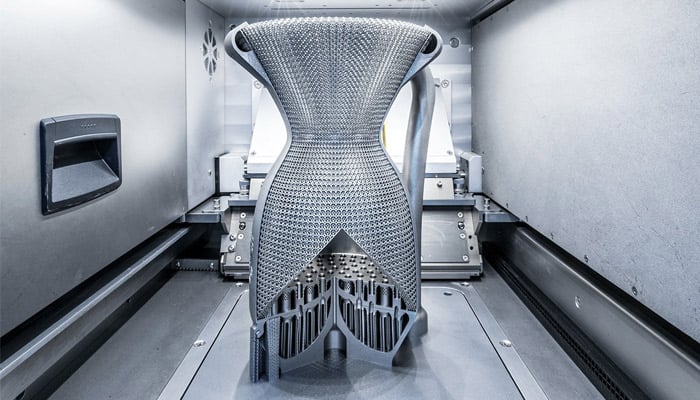
    AI-optimized nesting has been the cornerstone of the Belgian company AMIS’ entry into the AM market, with its AMIS Pro software enabling subscribers to automate the build preparation phase so that it results in maximum throughput while minimizing the amount of human labor required. AMIS, part of the HYBRID Software Group, is now announcing the release of AMIS Runtime, which the company claims is the first platform to support “fully autonomous, continuously re-nested build preparation.”

    This means that, if a build isn’t printing yet, the nesting design can be rearranged to account for new orders or shifted objectives, and this function operates without any need for manual human intervention. AMIS Runtime also automates other steps in the build preparation phase, including part import, slicing, and exporting, providing the digital backbone for truly automated, industrial-scale AM users.

    AMIS Runtime allows users to automate build prep across SLS, MJF, binder jetting, and material jetting processes. Prior to the public release, AMIS tested Runtime with users “at two industrial production sites,” which gave the company the ability to incorporate real-world user feedback into the software’s final version.

    In a press release about AMIS’ release of AMIS Runtime, the company’s Managing Director, Kris Binon, said, “Build preparation drives both quality and economics in [AM]. By automating this step, AMIS Runtime helps users achieve better density, fewer errors, and smoother workflows — and that translates directly into lower cost per part and more predictable production. Early adopters already see the difference in day-to-day operations.”

    If 2026 is indeed “The Year of the Low Cost Print Farm,” then higher-cost service bureaus will be under pressure to find ways to stay relevant. One way that the market will presumably sort out the situation already seems to be happening: the largest part orders comprised of the lowest-value components will continue to drift to print farms powered by cheap desktop printers, while more expensive, more experienced service bureaus will live off of higher-value, lower-quantity jobs for industries with the most stringent regulations.

    Solutions like AMIS Runtime should come into play as competition intensifies between the service bureaus dependent on orders with relatively high costs per part. Ultimately, if there’s little to differentiate between one service bureau and another in terms of part quality, there won’t be many factors other than cost that drive customer choice amongst AM service providers.

    That’s when the real ROI advantage achievable with automation will start to announce itself to the AM industry, and software providers like AMIS should be the primary beneficiaries. This doesn’t mean that picking winners and losers will be as easy as observing who is subscribing to AMIS Runtime and who isn’t, but it does suggest that players in the service bureau market could ultimately sink or swim based on the soundness of the long-term automation strategies they’re currently developing.

    From a broader perspective, the fact that AM already has a tangible AI use case solution it can point to that’s been a routine part of industry workflow for years puts it in an advantageous position compared to legacy manufacturing processes, and helps make the argument that reshoring should happen primarily in the form of an acceleration of manufacturing’s digitalization. When human labor power is the greatest limiting factor for a potential manufacturing resurgence, the companies that succeed will be the ones who can yield the greatest increase in productivity with the smallest addition of new human workers.

    Images courtesy of AMIS

  • Industrial Additive Manufacturing Reaches Its Most Important Inflection Point

    Additive manufacturing is entering the most consequential period in its evolution. After years of experimentation and uneven adoption, the industry is showing renewed momentum, shaped by supply-chain pressures, and a digital foundation that continues to mature. While progress has not been linear, innovation across technologies, materials, and workflows is reactivating interest in how additive manufacturing can be applied at industrial scale.

    This transition reflects a broader realignment in how manufacturers design, produce, and scale parts. As expectations rise, technology providers are being challenged to demonstrate that additive manufacturing can deliver reliable, repeatable, and economically viable outcomes within real production environments – not just in isolated use cases.

    HP Additive Manufacturing Solutions (HP AM) has been working against a clear roadmap to address the barriers that have historically limited adoption, from cost efficiency and scalability to materials performance and integration with existing manufacturing systems. Our focus within this journey remains on staying disruptive where it matters and translating innovation into practical, repeatable manufacturing outcomes.

    Economics will decide the next phase

    The industry has learned this lesson the hard way. Adoption follows economics. As long as additive manufacturing sat outside the cost structures of traditional production, its impact was limited. As cost per part comes down and total cost of ownership improves, behaviour changes.

    However, economics in additive manufacturing cannot be assessed on cost-per-copy alone. Even where unit costs approach parity with traditional methods, additive manufacturing delivers a broader set of economic advantages that reshape how manufacturers evaluate return on investment. The ability to iterate designs rapidly without committing to expensive moulding, for example, dramatically reduces development risk and shortens the path from concept to production. In parallel, additive manufacturing also enables production to scale quickly without disrupting existing supply chains – an increasingly important advantage amidst global trade volatility.

    Local, on-demand production further strengthens the economic case. By placing production closer to demand, manufacturers can reduce lead times and accelerate time-to-market. Together, these factors extend the value of additive manufacturing well beyond the economics of any single part, fundamentally changing how manufacturers think about cost, flexibility, and resilience.
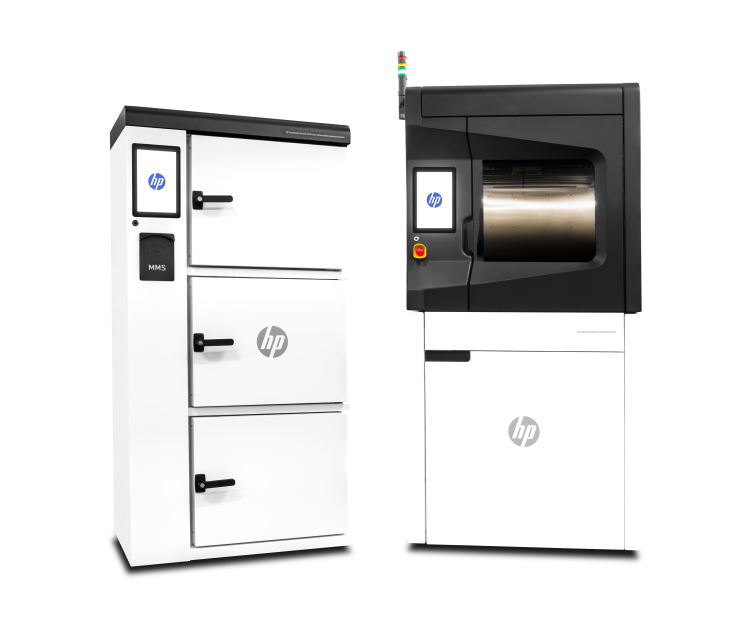
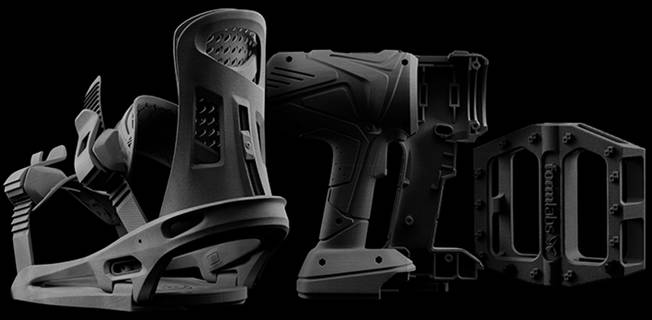
    HP AM has focused its efforts on closing that economic gap. A commitment to reducing cost per part by up to 20 percent by 2026 is being driven by three levers: productivity improvements across HP Multi Jet Fusion workflows, materials innovation that improves powder efficiency, and optimized print processes that maximize throughput while minimizing waste.

    The results are already tangible. Applications that once stalled at prototyping are moving into production. In some cases, manufacturers are shifting parts from injection molding to additive manufacturing at a pace the industry has never seen before.

    Orthotics and prosthetics illustrate this shift clearly. Providers such as Invent Medical are operating at industrial scale, producing more than 100,000 patient-specific, 3D-printed parts and supplying over 1,000 hospitals and O&P facilities worldwide. This progress has been reinforced by policy change. HP AM’s participation in the consortium that helped secure U.S. government recognition of additive manufacturing as a reimbursable fabrication method last year removed a critical barrier to adoption, enabling 3D printing to move towards mainstream healthcare delivery.

    The same economic logic is now extending into broader industrial production. By focusing on total cost of ownership at the system level – through an open platform approach to process development that gives customers control over variables such as layer thickness, build strategies, and material mix ratios, for example – HP AM is enabling faster production and continuous optimization at scale. These conditions are setting the stage for the next phase of adoption, where additive manufacturing scales fastest in applications that fully leverage its production advantages.

    Production applications are scaling where additive delivers advantage

    As economics improve, adoption is scaling fastest in applications where additive manufacturing delivers advantages that traditional methods struggle to match.  Increasingly, new products are being designed with additive manufacturing from the outset, drawn by the design freedom it enables and the performance gains achievable through complex and lightweight structures. Together with the supply-chain benefits of localized, digital production, these factors are reshaping how products are conceived and manufactured in more flexible, responsive production models.
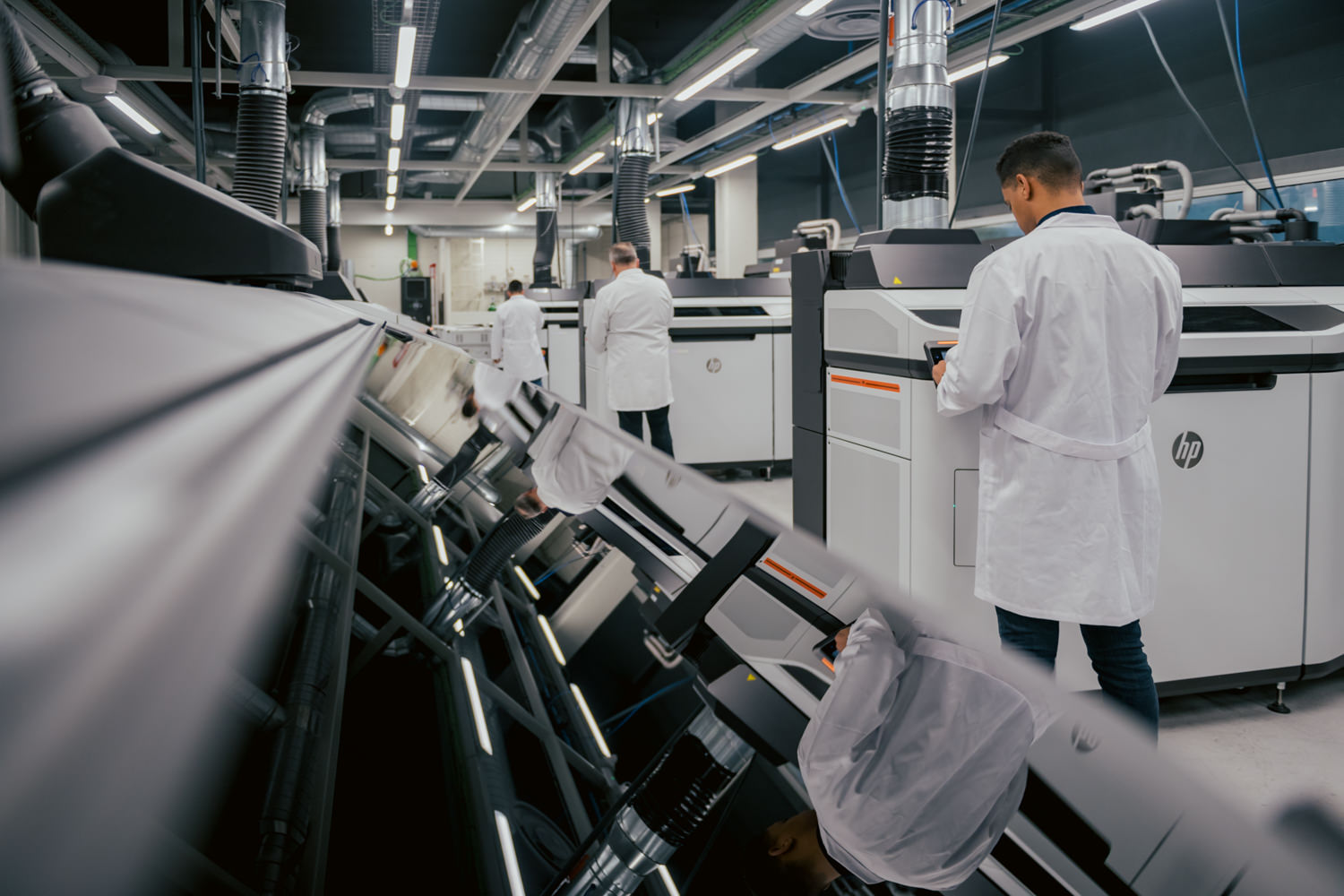
    Orthotics and prosthetics is one of the clearest examples. With HP Multi Jet Fusion technology. clinics and manufacturers can produce patient-specific devices with repeatable mechanical performance, high comfort, and streamlined digital workflows. The Limb Kind Foundation illustrates this in practice by producing durable, lightweight prosthetic components for children around the world, expanding access regardless of geography or income. What stands out in the Limb Kind Foundation’s work is not just performance, but reach. It is a powerful reminder that digital manufacturing can transform lives as well as industries.

    The same production principles have been applied within the U.S. Department of Veterans Affairs, where HP supported the VA’s first fully in-house, 3D-printed definitive prosthetic socket. Developed, produced, and refined entirely within the VA’s clinical infrastructure, the project shows how additive manufacturing can be integrated into day-to-day practice – enabling faster iteration and closer alignment with patient needs.

    This pattern is also emerging in mission-critical and sustainability-driven applications. In South Africa, a collaboration between HP AM and The Eye Above is using HP Multi Jet Fusion technology to produce drones that are 96 percent 3D printed, supporting wildlife protection and anti-poaching efforts.
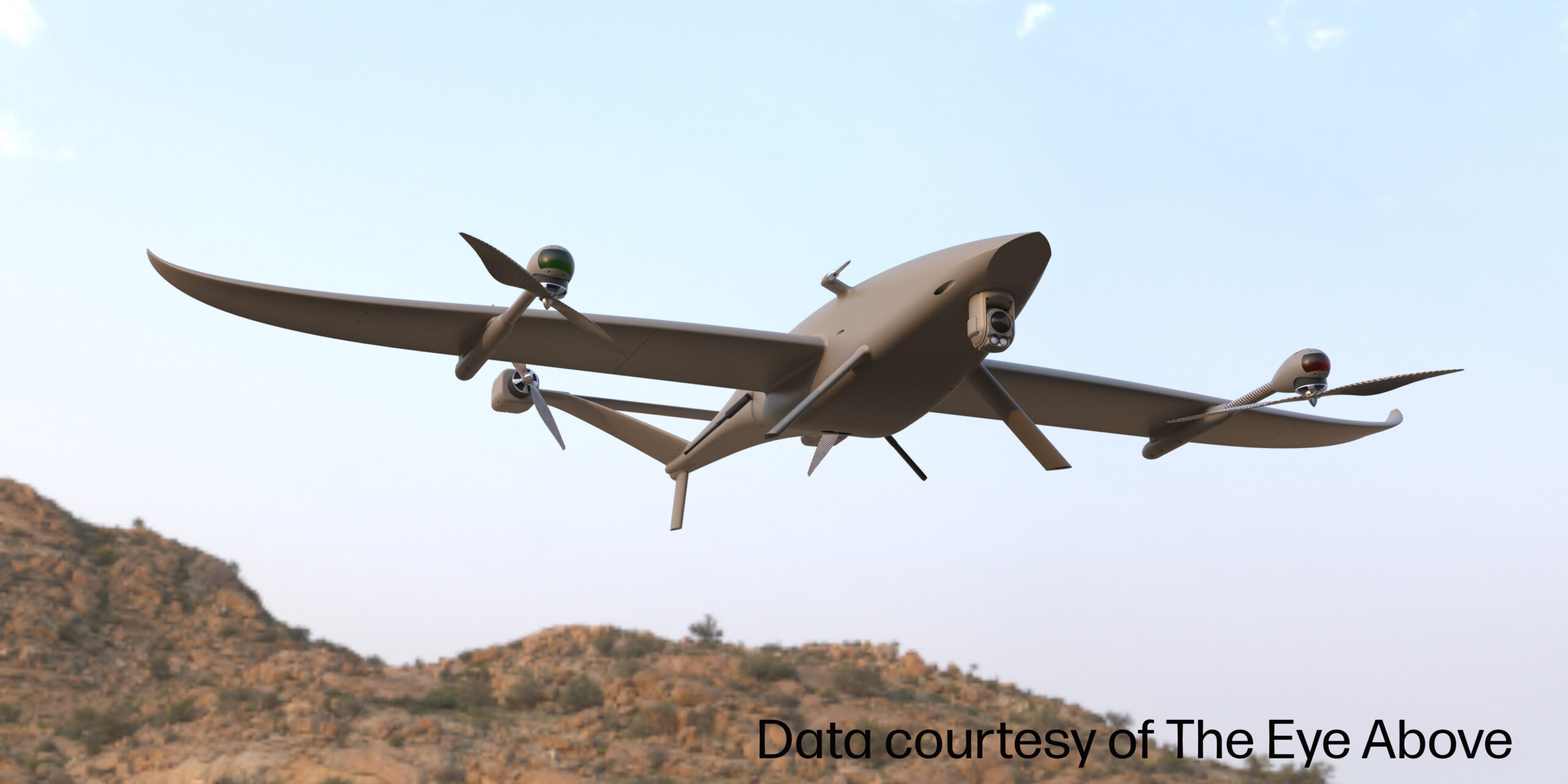
    Here, additive manufacturing is an enabler of new design possibilities. Multi Jet Fusion makes it possible to produce extremely thin, single-wall structures that significantly reduce weight while maintaining mechanical strength – an essential factor for flight time, payload capacity, and operational reliability. In this context, lightweight design, rapid iteration, and localized production are operational necessities. The ability to combine all three within a scalable manufacturing model is what is allowing additive manufacturing to play a growing role in the drone sector.

    Across industrial goods, customers in machinery, humanoids, robotics, and consumer products are adopting additive manufacturing for end-use parts, simplified assemblies, and flexible alternatives to traditional tooling. As MJF technology continue to improve, these high-value production applications are expanding quickly and successfully.

    Portfolio breadth, materials, and ecosystems will matter

    The next phase of additive manufacturing will favour providers that can support a wide range of applications with cohesive, industrial-grade solutions. At Formnext 2025, HP AM expanded its portfolio with the introduction of HP Industrial Filament 3D Printing Solutions to support new, engineering-grade, high temperature, applications. Combined with Multi Jet Fusion and Metal Jet, this gives customers more freedom to choose the right process and material for every application without compromising industrial requirements for repeatable, scalable production.

    Sustainability is now integral to that scale. Materials innovation is where performance and environmental impact now intersect. Over the past three years, HP AM has reduced the carbon footprint per part by more than 70 percent through advances such as HP 3D HR PA 11 Gen2, which supports up to 80 percent powder reusability. Just as importantly, tools like the HP PrintOS Carbon Calculator embed sustainability into everyday production decisions, giving manufacturers the data they need to balance speed, cost, and environmental responsibility.

    Underpinning all of this is digital infrastructure. Through the HP Additive Manufacturing Network and collaborations with partners such as Würth Additive Group, HP is enabling digital inventory, secure data exchange, and localized production models – capabilities that reduce cost and improve supply chain responsiveness.
    What happens next

    The next phase of additive manufacturing will separate industrial platforms from experimental ones. Cost per part will continue to fall. Production volumes will increase. Sustainability will move from aspiration to measurement.

    HP AM’s roadmap reflects a long-term view of how additive manufacturing becomes part of global production. The future of the industry will not be defined by novelty. It will be defined by performance, economics, and impact – and by who can deliver all three at the same time.

    Alex Monino is the Senior Vice President and General Manager of HP Additive Manufacturing Solutions. He has more than 15 years of experience in different positions at HP, which have taken him through different business units and given him extensive experience in the industry and a deep understanding of 3D market. is a key player when it comes to advancing strategic priorities as to unlock new opportunities and accelerate the mass adoption of Advanced Manufacturing

    In his role as SVP & GM, Personalization and 3D Printing at HP, Alex leads HP’s disruptive technology and commercialization strategy to transform industries through new products, services, and business models with an explicit focus on applying HP’s advanced 3D Printing technologies in new ways to drive solutions across large markets.

    Alex holds an Engineering degree on Industrial Organization by Universitat Politècnica de Catalunya, as well as formal training in Marketing Strategy and Management from INSEAD, Harvard and Kellogg School of Mgmt.

    HP is a Sapphire Sponsor for Additive Manufacturing Strategies (AMS), a three-day industry event taking place February 24–26 in New York City. Alex will present a keynote, “Reliable, Repeatable, Scalable: The Future of Industrial Additive Manufacturing,” on February 25th, as part of the event, which brings together industry leaders, policymakers, and innovators from across the global AM ecosystem. Learn more and register here.

  • Commercial Applications for Ceramic 3D Printing

    With its Lithography-based Ceramic Manufacturing (LCM) technology, Lithoz has set the technological cornerstone for scaling ceramic additive manufacturing to industrial production for many key industries. These industries – ranging from aerospace and aviation, semiconductors, GreenTech to MedTech – are characterised by tightly regulated and closely monitored processes, strict qualification regimes, and highly time-sensitive logistic chains. Introducing a fundamentally new manufacturing system into such environments presents a major challenge, not only from a technological point of view. Moreover, both parties are faced with significant implementation challenges from a quality management and validation perspective. Selling first printers into these industries requires momentum and technological differentiation to convert a first touchdown into a long-lasting and reliable business partnership alongside traditional technologies. However, it is essential to keep up absolute discipline by respecting industry quality standards permanently, by ensuring precise technological repeatability, and by delivering worldwide customer support needed to establish both the process as a complementary full-fledged industrial ecosystem and the trust shown by the industry’s decision-makers.

    Bone Cranial and Zygomatic Implant. Image courtesy of Lithoz.

    Lithoz has addressed this challenge by building not only a technology platform but an entire ecosystem around it. The fact that experienced yet agile service bureaus are much closer to those customers’ needs has smoothly closed the notorious growth chasm standing between startup and industrialization stages. Through its “Ceramic 3D Factory”, the company has established a global network of certified service providers, research facilities, and thermal process specialists that professionally manage direct connections to OEMs. This network plays a key role in transferring ceramic additive manufacturing from past research and prototyping phases into today’s industrial reality. It has been producing numerous real-world use cases at a serial production level and at increasing speed, all of which contribute significantly to industrial credibility. In sectors where adoption cycles are measured in years rather than months, long before in-housing new processes, they are first thoroughly tested by outsourced sample prototyping, followed by low-volume production batches of cost-insensitive parts, which are only then subsequently increased step by step to industrial production. Thus, the global “Ceramic 3D Factory” network is an indispensable intermediary offering fast and low-threshold access to LCM key technology to unlock efficiency potentials offered by merging high-performance ceramics with the freedom of design in AM.

    One prominent example of LCM’s industrial adoption is Safran Aircraft Engines. In 2025, the French aerospace and defence group announced the acquisition of three Lithoz CeraFab System S65 printers to lay the foundation for their serial production of ceramic casting cores for next-generation aircraft engines. In aerospace, ceramic casting cores play a critical role in enabling complex internal cooling channels in turbine components, directly influencing engine efficiency, fuel consumption, and emissions. Using LCM, these cores can be manufactured with tight tolerances, thin walls, and intricate internal geometries that exceed the capabilities of conventionally produced cores. Safran’s investment reflects a broader industry trend: additive manufacturing is increasingly viewed as a strategic production technology that supports performance and efficiency improvements, supply chain resilience, and faster innovation cycles.

    Safran’s decision marked a major milestone and can act as a blueprint for the entire ceramic additive manufacturing industry, as it demonstrated growing trust in this technology not only for prototyping, but for qualified, repeatable production for a key component in one of the world’s most demanding industries.

    In a recent comment, Joris Peels aptly summarized the achievement’s symbolic significance: “Similar concerns are also at play in rocket engines, missiles, hypersonics, and other types of engines. This means that, with just this one process for this specific application, Lithoz could generate a lot more business. In the future, we can expect more firms to adopt Lithoz’s processes or explore using Slurry SLA for casting cores. A lot of people are probably reading this and thinking, “Well, whatever we’re doing, it can’t be harder than this.”

    LithaCore ceramic casting cores. Image courtesy of Lithoz.

    A further disclosed industrial use case in the semiconductor sector, where cost pressure reigns, and chemical resistance, thermal stability, and absolute precision are paramount, is a ceramic gas injector developed by SINTO Advanced Ceramics Europe (formerly Bosch Advanced Ceramics) using LCM technology. Manufactured from high-purity alumina, the additively produced injector integrates multiple functional elements into a single monolithic component. Internal flow-optimised structures, such as honeycomb geometries, enable precise gas distribution while reducing part count and assembly complexity. With dimensional tolerances in the ±0.1 mm range, delicate wall thicknesses of 0.2 mm across 62 outlet channels, and excellent resistance to aggressive process chemistries, the component produced in 2,000 units per year demonstrates how ceramic additive manufacturing can streamline supply chains and improve process stability in semiconductor manufacturing equipment. Again, this tiny yet significant innovation leap underlines the importance of the service bureau network as technology ambassadors, knowing the respective processes inside and out.

    Beyond industrial hardware, Lithoz has also followed a long and well-considered roadmap in bringing medical applications to the market. With bone replacement as one of the focus areas for already more than a decade, the company has since been working closely with researchers, clinicians, and medical device manufacturers to translate ceramic 3D printing into clinical reality. A major milestone in this journey was the publication of the first-ever long-term clinical follow-up study on 3D-printed bioceramic implants produced using Lithoz’s LithaBone material, conducted together with customer KLS Martin. The study demonstrated a total success rate of over 92% across a five-year observation period, confirming excellent biocompatibility, mechanical stability, and bone regeneration performance. In Germany, more than 200 patients have already been successfully treated with this method.

    These artificial bone-like implants, made from bioresorbable and bioactive ceramic materials, are designed to gradually integrate into the body while supporting natural bone growth. LCM enables patient-specific geometries and thus the speed of healing by controlled porosity and reproducible microstructures, all of which are critical for successful osseointegration. The medical field again exemplifies how ceramic additive manufacturing requires patience, rigorous validation, and close interdisciplinary collaboration over many years, and how it can deliver transformative benefits once it reaches maturity.

    Johannes Homa. Image courtesy of Lithoz.

    Across all these examples, one common denominator emerges: trust in a new technology is built incrementally, through performance in real applications. Research projects, long-term material studies, and close cooperation with customers and, above all, service partners acting as bridge builders have all played a pivotal role in supporting this development. Lithoz’s DNA revolves around delivering the highest possible quality in ceramic 3D printing while continuously pushing the limits of materials and process capabilities. This includes structured development programmes, advanced on-site training, and comprehensive customer support throughout the entire production workflow.

    Johannes Homa, CEO of Lithoz, describes this approach as “scaling with trust.” “If you look at the ceramic 3D printing industry,” he explains, “the real growth challenge lies in moving from isolated successes to broad industrial adoption. With a growing number of validated use cases and serial production applications, we have reached a critical mass in several industries. This momentum is now naturally extending into previously untapped areas.”

    Lithoz will participate in Additive Manufacturing Strategies (AMS) 2026, a three-day industry event taking place February 24–26 in New York City. The conference brings together industry leaders, policymakers, and innovators from across the global AM ecosystem. Johannes Homa, Co-founder and CEO of Lithoz GmbH, will speak during Session 1: Commercialization (9:40–11:00 AM), presenting a talk titled “Commercial Applications for Ceramic 3D Printing” at 10:50 AM. Registration is open via the AMS website.

  • 3D Printing Financials: Align Technology Hits Record Q4 2025 on Aligner Demand

    Align Technology (Nasdaq: ALGN), the company behind the popular Invisalign clear aligners, said 2025 wrapped up on a high note, with strong revenue and solid demand for products that depend heavily on 3D printing and digital manufacturing systems.

    In the fourth quarter of 2025, Align reported total revenue of $1.05 billion, a record for the company and up more than 5% compared with the same period a year earlier. That growth came even though foreign exchange effects slightly affected the numbers, as some international sales translated into fewer U.S. dollars.

    The clear aligner business was the standout in the quarter. Revenue in this segment, tied to Invisalign, reached about $838.1 million, up more than 5% year over year. Demand remained strong, with shipments hitting a record of about 677,000 cases, pointing to a continued global adoption of custom-printed clear aligners.

    Invisalign aligners are made using digital scans and 3D printing techniques. Each patient’s aligner is custom-designed and printed based on their mouth’s 3D model. So when clear aligner revenue and shipment volumes rise, it also shows that the digital and 3D printing systems behind Invisalign are working well for dentists, labs, and patients.

    During an earnings call with investors, Align executives also outlined further expansion of its 3D printing strategy. CEO Joe Hogan said it plans a limited market release of directly 3D printed retainers and attachments in 2026, with expectations that direct fabrication could begin contributing positively to margins starting in the second half of 2027.

    Align also saw growth in its Imaging Systems and CAD/CAM Services, technologies that help dentists scan patients’ mouths, plan treatments digitally, and connect seamlessly to 3D printing networks. That segment of the business brought in more than $209 million in the quarter, up double digits sequentially and also higher year-over-year.

    Hogan highlighted the company’s scale and manufacturing depth, describing Align as “the world’s most sophisticated treatment planning and 3D printing manufacturing operation.” He said the company’s ability to scale production and meet the speed and rigor required by rapidly growing dental service organizations (DSOs) is unmatched globally, adding that Align made strong progress with DSOs across all major regions over the past year.

    Align also reported net profit of about $135.8 million for the quarter, along with adjusted earnings of $3.29 per share. Profit increased compared with the same quarter a year earlier, reflecting higher aligner volumes and continued demand for Invisalign.

    Invisalign aligners. Image courtesy of Align Technology.

    Looking at the full year 2025, the company crossed about $4 billion in total revenue, up slightly compared with 2024. For a consumer-focused medical device company, steady results matter. And we, the digital and 3D printing workflows behind Invisalign, helped support that performance.

    At the same time, Align cautioned that its move toward direct fabrication will come with near-term tradeoffs. Hogan noted that direct 3D printing is expected to be margin dilutive during its early rollout in 2026, before efficiency gains and scale begin to improve profitability in later periods.

    Align’s results show that digital orthodontics and 3D printing are key to its growing business. Patients continue to choose custom aligners, and dentists rely on digital scanning and 3D printing to deliver them. Moreover, that model, which is built around dentists rather than bypassing them, has proven to work better over time than other alternatives that tried to move treatment fully direct to consumers, like SmileDirect.

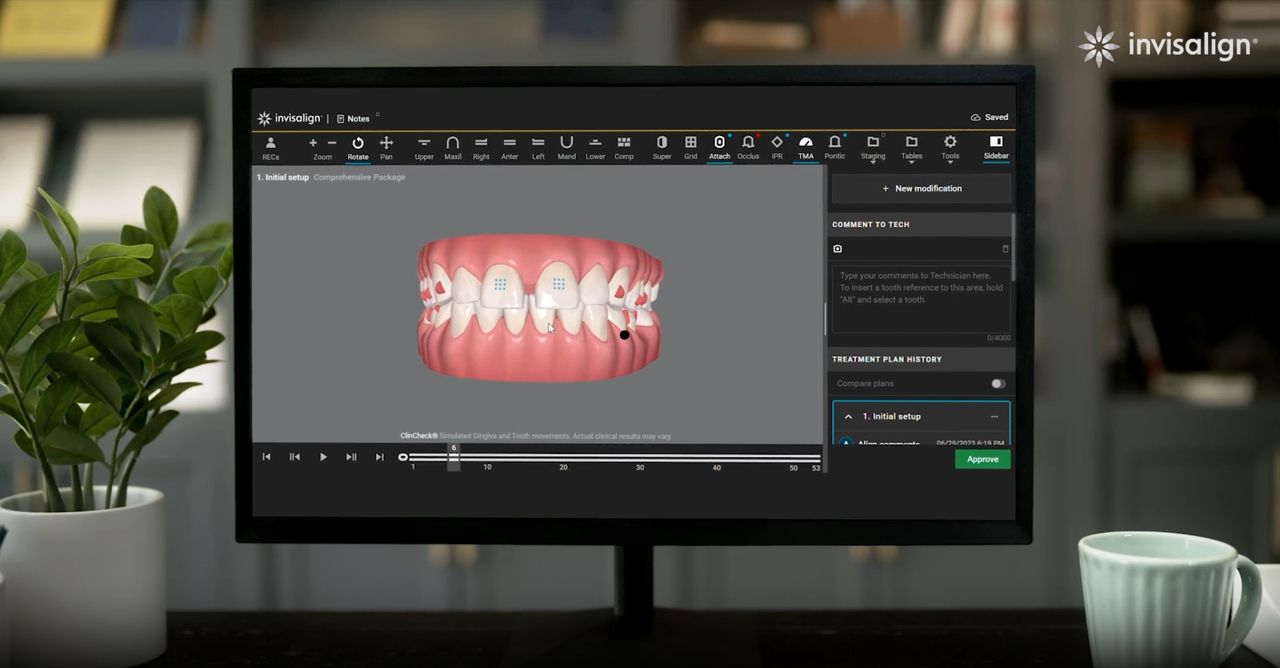
    Invisalign’s platform helps with orthodontic treatment. Image courtesy of Align Technology.

    Align’s results point to how digital orthodontics has matured into one of the most established real-world uses of 3D printing. Over time, Align has built a system that combines treatment planning, digital scanning, and large-scale additive manufacturing into a repeatable, global operation. Patients continue to choose custom aligners; dentists remain key to the process; and 3D printing enables personalization and scalability that make the model work. Years after Invisalign first launched, it remains one of the clearest examples of 3D printing succeeding within a complete digital workflow.

  • 3DPOD 293: Industrial Metal AM at AMEXCI with Edvin Resebo, CEO

    Edvin Resebo has grown in LPBF as LPBF has grown, starting at Siemens and then the Alfred Nobel Science Park. Now he heads up AMEXCI, an effort to industrialize Additive Manufacturing. AMEXCI can design, optimize, test, and print parts from prototypes to volume production. Working across exacting industries, the firm is trying to take its partners Atlas Copco, Electrolux, ABB, Husqvarna, Hoganas, Saab, Scania, SKF, Stora Enso & Wartsila. But it works with other firms also in a collaborative approach that could be a method for other regions, clusters, or alliances to industrialize additive.

    This episode of the 3DPOD is brought to you by Continuum Powders, industry leaders in sustainable metal powder production. From aerospace to energy, Continuum delivers high-performance powders made from reclaimed materials without compromising quality. 

  • Nikon Records $591M Metal AM Write-Down, Maintains Long-Term Focus

    Nikon (OTCMKTS: NINOY) has announced a large impairment loss tied to its Digital Manufacturing business, the part of the company that includes metal 3D printing and advanced manufacturing operations. This news comes as the company reports weaker growth expectations for the metal 3D printing market.

    For the quarter ending March 31, 2026, Nikon recorded ¥90.627 billion ($591.6 million) in impairment losses. Most of this charge comes from its metal additive manufacturing operations, especially SLM Solutions, a company Nikon acquired in 2023. Nikon removed the full value of goodwill from its books, along with some of the intangible assets related to SLM.

    3D printed part for aerospace. Image courtesy of Nikon SLM Solutions.

    Nikon’s Digital Manufacturing business includes Nikon SLM Solutions and U.S. subsidiaries such as Nikon AM Synergy Inc. and Nikon Advanced Manufacturing Inc., which support additive manufacturing operations and sales. Together, these units focus on selling and servicing metal additive manufacturing systems and related technologies.

    Because this segment has not grown as quickly as Nikon expected, the company decided to reduce the recorded value of these assets. Nikon said demand for large metal 3D printers has been slower than projected, and competition, particularly from Chinese manufacturers, has increased. As a result, it lowered its financial outlook for the Digital Manufacturing unit and recorded the impairment loss, which reduces reported profit but does not involve new spending.

    However, some believe there may be more behind the move than just slower market growth. Macro analyst Matt Kremenetsky of 3DPrint.com noted that in 2022, Nikon had a reason to present metal additive manufacturing as very valuable when it acquired SLM Solutions. In 2026, he suggested, the company may have a different financial incentive as it reassesses performance and strategy.

    Kremenetsky also pointed out that while Nikon recorded a large impairment tied to SLM, other additive acquisitions made around the same time saw only minor write-downs. In his view, this may signal a strategic shift rather than a retreat from additive. He suggested that SLM’s long-term value for Nikon may lie less in external machine sales and more in supporting internal production for Nikon’s semiconductor capital equipment business. Nikon operates multiple production facilities in California defense technology hubs, giving it proximity to aerospace customers as well as major U.S. semiconductor fabs.

    He further noted that Nikon did not indicate plans to sell the business and, in fact, stated it believes the segment could improve by 2029. Kremenetsky compared the situation to Velo3D’s move toward Rapid Production Solutions, where additive capacity is used more directly for production services. Writing down goodwill, he explained, does not automatically mean liquidation. However, if the company is not planning to sell the business, the impairment may represent a significant reset in expectations and increased pressure on the subsidiary to improve performance.

    Nikon AM Technology-Center. Image courtesy of Nikon SLM Solutions.

    Nikon, however, said the impairment should not be viewed as a strategic retreat. In a statement provided to 3DPrint.com, Hamid Zarringhalam, CEO of Nikon Advanced Manufacturing, emphasized that the company’s long-term direction remains unchanged.

    “Nikon’s commitment to Advanced Manufacturing remains unchanged. While the broader metal AM market has recalibrated and adoption timelines have extended outside of defense and space, our long-term strategy remains the same.
    “We firmly believe the Defense and Space markets, particularly in the U.S. and Europe, will experience accelerated growth compared to other sectors, and our holistic strategy over the past two years has positioned us well to capitalize on this opportunity. In addition to our great progress in the defense sector, we have also just recently closed additional NXG orders that validate our value proposition and the importance of our technology for space applications with highly strategic customers, as well.
    “We are not in any way altering our market focus, customer strategy, or our unwavering commitments to our customers. While the overall Metal AM market itself has not grown as the industry anticipated, Nikon Advanced Manufacturing is making steady progress in delivering comprehensive, holistic metal AM solutions to our customers,” expressed Zarringhalam.

    At the Long Beach, California, State of the City 2025 address, Mayor Rex Richardson invited Nikon Advanced Manufacturing CEO Hamid Zarringhalam on stage. Image courtesy of Nikon Advanced Manufacturing.

    According to the company, the write-downs hit Nikon’s profit for the quarter and will affect overall earnings results for the year ending March 31, 2026. Nikon has also revised its outlook for the Digital Manufacturing segment, expecting lower revenue and larger operating losses than previously forecast.

    Still, in its financial reports, Nikon said demand for large metal 3D printers is still expected to grow, especially in defense and space. However, the company plans to reduce costs and narrow its research focus.

    The impairment does not mean Nikon is shutting down its Digital Manufacturing business. The company still owns and operates those units. The charge reflects lower expectations for future performance, not an immediate change in operations.

  • Lululemon SoHo Store Installs Large-Format 3D Printed Benches by Decibel Built

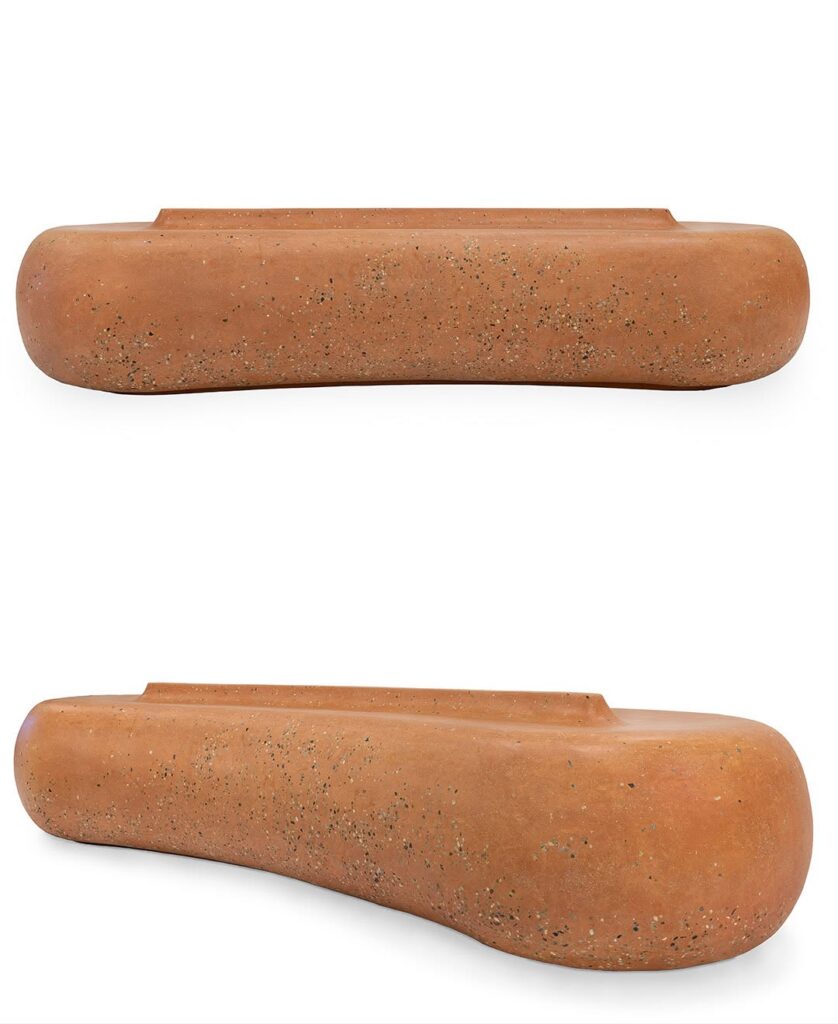
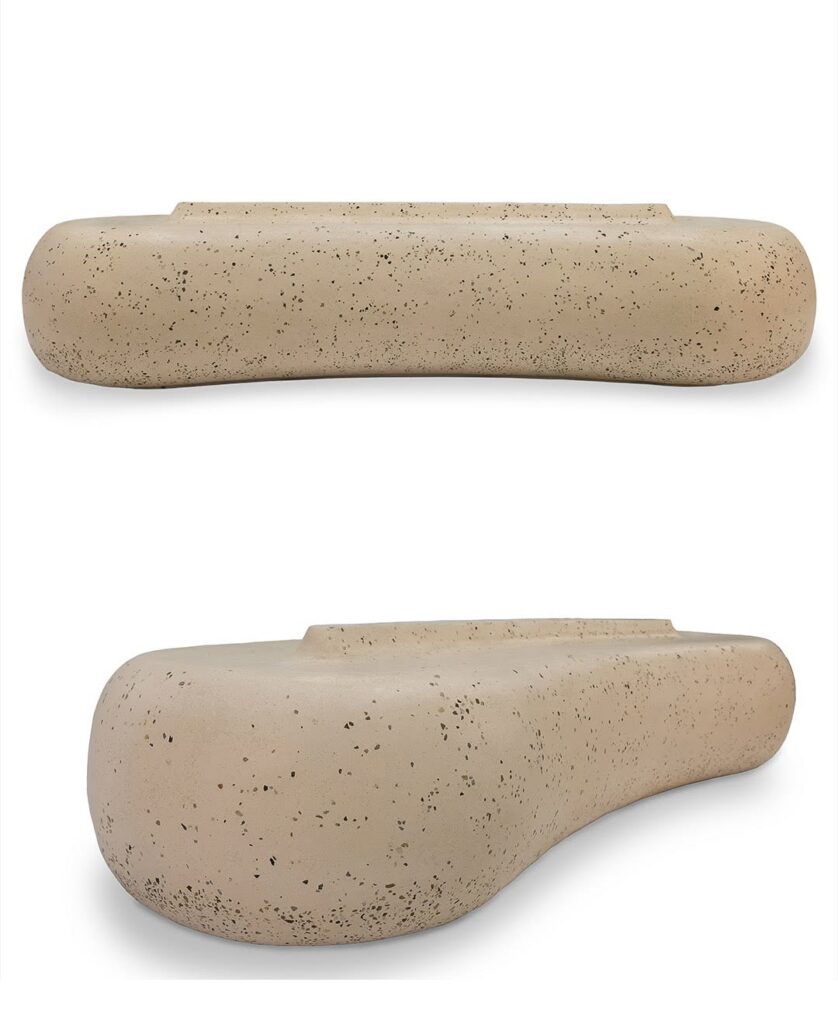
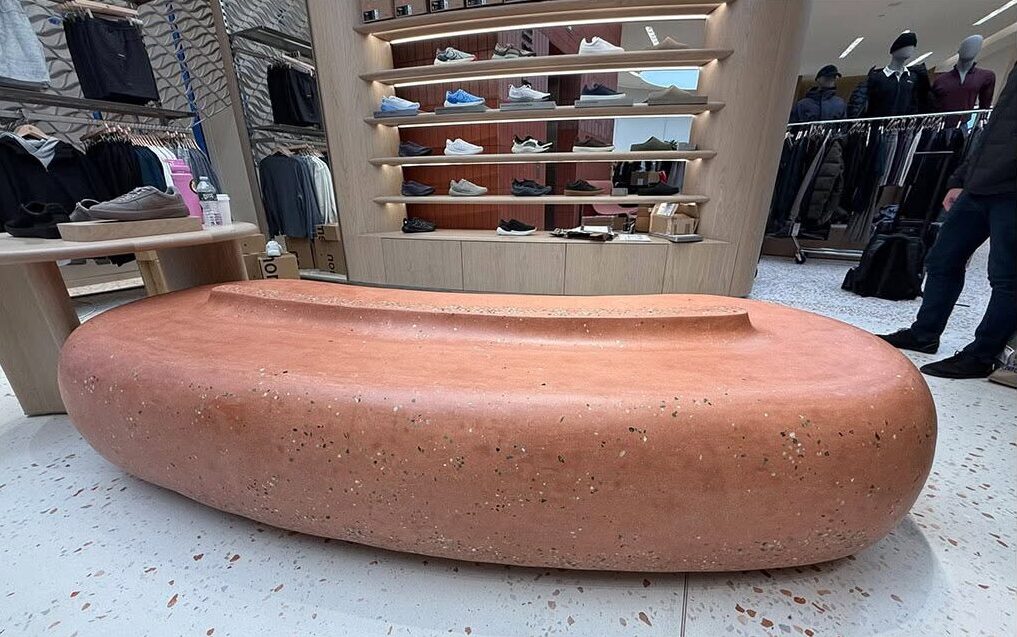
    Shoppers visiting the new Lululemon flagship store in SoHo might notice something new and original when they sit down. The benches inside the space were not carved from wood or molded from plastic in the traditional way, instead they were 3D printed.

    The custom benches were created by Decibel Built, a studio focused on sustainable, large-scale printed furniture and architectural elements. The pieces were printed using Caracol’s Heron 300, a robotic large-format additive manufacturing system. The result is furniture that feels strong but still soft to the touch, with a surface that looks a bit like fabric.

    In addition to the benches, Decibel also produced its proprietary BranchClad furnishings and a printed shroud for the space, further integrating large-format 3D printing into the store’s interior design.

    The Lululemon location at 524 Broadway, at the corner of Spring Street in SoHo, inaugurated in late 2025, is designed to be more than a retail space. The store includes digital elements, community-focused programming, and design features meant to create a stronger in-person experience.

    Lululemon has described the SoHo store as a model or template for future locations. That means design details like the benches are not just seating, but part of the brand’s identity inside the space.

    Decibel integrated Lululemon’s logo motif directly into the 3D printing toolpath. Instead of applying branding afterward, the pattern is built into the structure itself. The printed surface has a textile-like quality, described as a subtle nod to the company’s roots in athletic apparel.

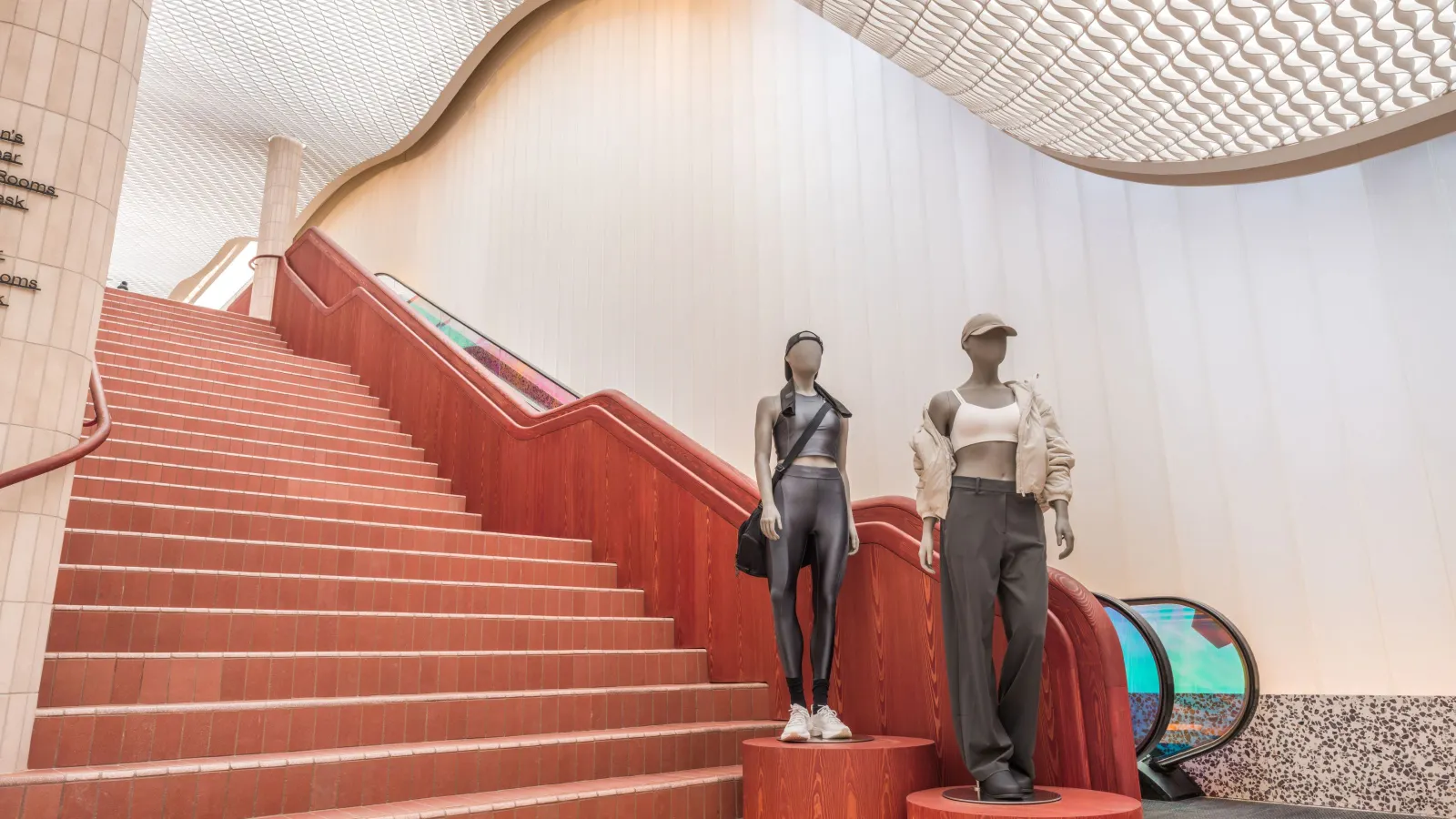
    Lululemon SoHo flagship store. Image courtesy of Lululemon.

    The benches were printed from a bio-based plastic reinforced with plant fibers. And today, this choice of material is very important, especially considering that large-format 3D printing is often associated with industrial plastics. But in this case, the material was selected to support sustainability goals. By using a plant-based composite, the project moves away from purely petroleum-based plastics and toward renewable materials. For a brand like Lululemon, the materials used in its flagship store matter.

    What Decibel Built Does

    Decibel Built focuses on custom architectural and furniture projects made through large-format 3D printing. The company’s proprietary BranchClad system is one example: a printed-surface system designed for interior and exterior applications. These BranchClad elements at the SoHo store were produced using Decibel’s C-Fab® technology, resulting in furnishings that are up to eight times lighter than traditional concrete while maintaining structural strength.

    Custom BranchClad shroud in the new Lululemon SoHo flagship store. Image courtesy of Decibel Made via Instagram.

    Instead of mass-producing identical items, Decibel creates custom pieces for each project. And these benches were made specifically for the SoHo store. Using robotic additive manufacturing allows Decibel to produce large objects in fewer parts. It also allows surface textures to be programmed directly into the print. That is how the logo pattern was embedded into the structure of the benches.

    The company prints on Caracol AM’s Heron system, a robotic platform designed for large-scale additive manufacturing (LFAM). These systems use robotic arms to deposit thermoplastic materials in layers, building furniture and architectural components at a scale that standard desktop printers cannot reach.

    3D printing in fashion has usually focused on footwear, midsoles, or performance gear. But this project shows a different angle, and one that is visually important for customers, the retail infrastructure. In this case, 3D printing is being used to build the store itself, not the merchandise.

    This matters because retail is changing. Physical stores are expected to offer something extra, something that online shopping cannot. Using new materials and strong design choices helps the store feel special and unique. The 3D printed benches add something new to the store. Customers may not know the details, but they can see and feel the difference.

    A Template for Future Stores

    Because this store is a model for future locations, 3D printed elements could appear in more Lululemon stores. For the 3D printing industry, this is quite important as it expands additive manufacturing beyond the industries we are most familiar with, like aerospace, medical, defense, and tooling. And it does something that other industries cannot do: it puts the technology right in front of the consumers; it’s quite a visible application.

    What’s more, large-format 3D printing is ideal for this kind of application. It allows custom forms, embedded branding, and on-demand production without the need for molds. For one-off flagship stores or limited design rollouts, that flexibility is valuable.

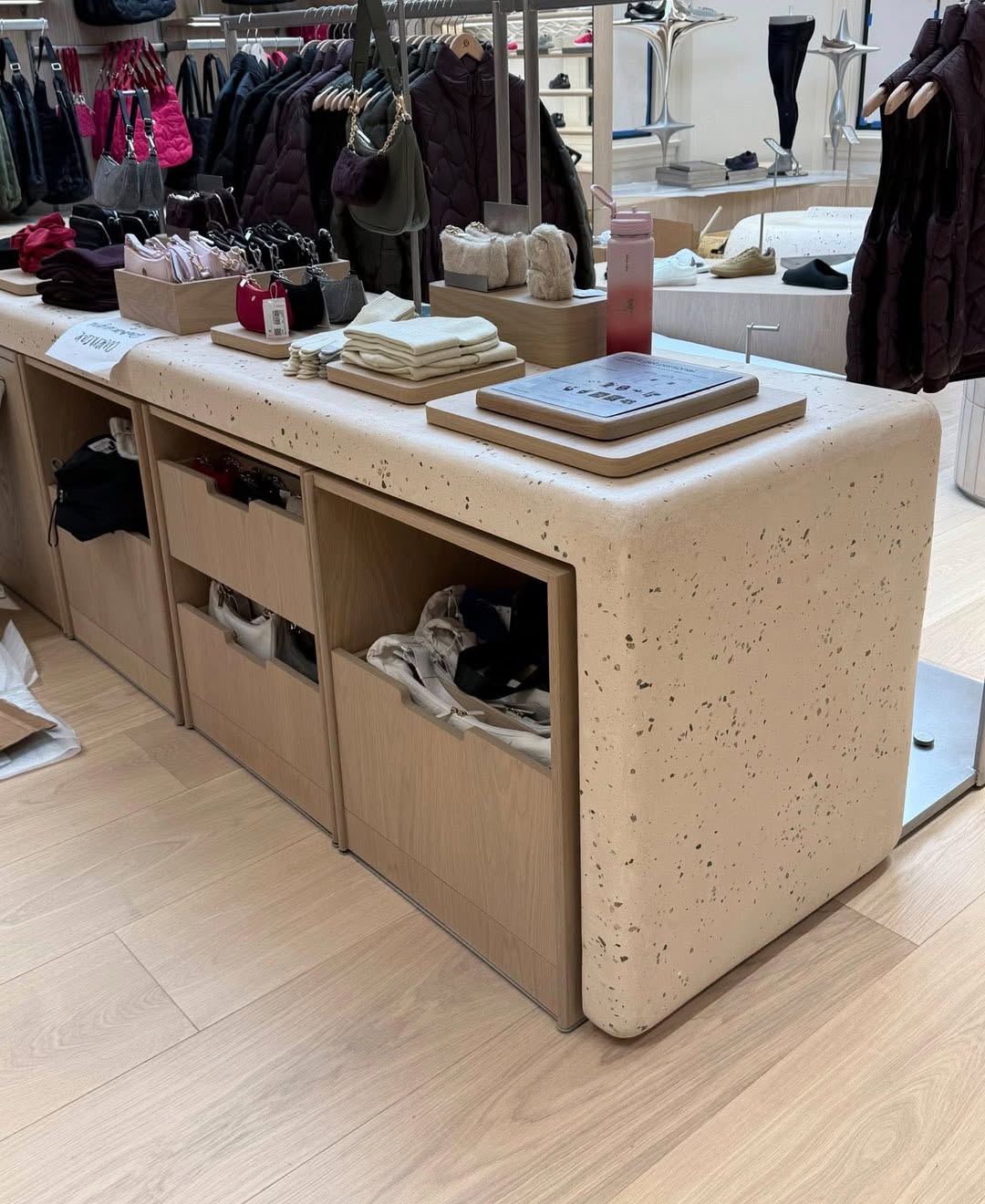
    Custom BranchClad bench in the new Lululemon SoHo flagship store. Image courtesy of Decibel Made via Instagram.

    These new benches bring together several important ideas: plant-based materials, large-scale robotic 3D printing, custom design, and branding built directly into the structure. Together with the lightweight BranchClad furnishings, they show how additive manufacturing can move beyond prototypes and into permanent retail environments. If you are in SoHo, you can see and sit on the benches at 524 Broadway and experience how 3D printing is becoming part of everyday spaces.

  • 3D Printing News Briefs, February 14, 2026: Project Call, Maritime Construction, Prosthetics, & More

    Happy Valentine’s Day! We’re starting this weekend’s News Briefs off with a Project Call award, and then moving on to a business growth program. We’ll end with research in underwater construction 3D printing and structurally complex 3D printed replicas, and finally, a dental industry veteran is working to make better 3D printed dental prosthetics.

    UDRI Receives $450,000 for America Makes Project Call

    In the fall of 2026, America Makes and the National Center for Defense Manufacturing and Machining (NCDMM) announced the Affordable and Agile Composite Additive Manufactured Structures (AACAMS) project call, funded by the Air Force Research Laboratory’s Materials and Manufacturing Directorate (AFRL(RXN)). AACAMS is meant to assess the current continuous fiber additive manufacturing (CFAM) landscape, find any technology gaps that limit adoption, and define attributes that system integrators need to successfully deploy CFAM in commercial and defense applications. Now, it’s been announced that the University of Dayton Research Institute (UDRI) is the awardee of the $450,000 AACAMS project call. The DoD has prioritized CFAM because it can produce lightweight, robust, high-performance parts; these are needed for critical weapons and support platforms. Under the AACAMS project, UDRI will develop a comprehensive set of reports and roadmaps to inform DoD and industry of investments that can help mature and scale CFAM technologies.

    “Today’s warfighter faces a dynamic landscape that demands increased speed, agility, and precision. This project is a strategic step to integrate additive manufacturing technologies into production, enhancing defense capabilities. We are excited to support our members who bring in-depth expertise pivotal to addressing these real-world challenges,” said John Martin, Additive Manufacturing Research Director at America Makes.

    Innovate UK Chooses E3D for Business Growth Scaleup Program

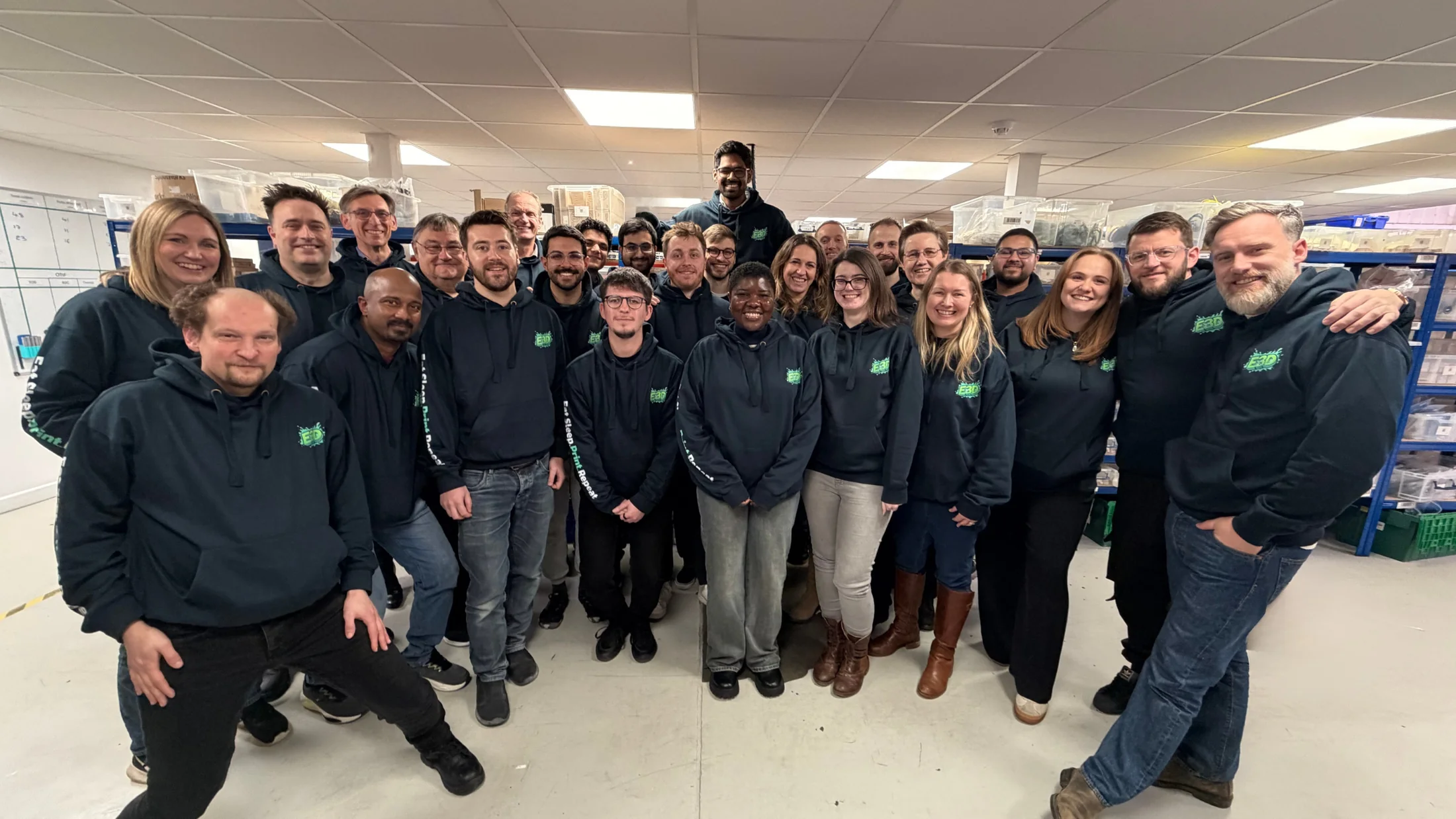
    UK-based E3D, which develops and supplies hotends, extrusion systems, nozzles, and other components for FDM 3D printers, has grown from a couple of 3D printing enthusiasts in a chicken shed to a whole team of experts working towards the goal of Print Better. The company recently announced that it was selected for Innovate UK Business Growth’s Scaleup Program. It’s a targeted scheme focused on helping innovative, scaling UK companies get past challenges inherent with rapid growth, such as intellectual property (IP) laws and entering new markets. The program only supports less than 100 of the UK’s fastest growing, most ambitious companies, and they have to be invited to apply, so for E3D to be included is a big deal. Application criteria includes innovation-led businesses that are capable of achieving about 50% annual growth each year, and have the potential to disrupt markets. E3D will now receive one-on-one, director-led help from the program, tailored to its own scale-up priorities and challenges. Considering how big the desktop market currently is, E3D definitely has the potential to be a major disruptor.

    “Being invited onto Innovate UK’s Scaleup Programme is a milestone moment for us at E3D. It recognises not just where we are today, but where we can go next: scaling world-class extrusion technology, investing in our people and capabilities, and helping manufacturers around the world push the boundaries of what additive can do,” said Dave Lamb, Founder and CEO of E3D. “With the backing and expertise of the programme, we are better equipped than ever to turn our ambitions into impact.”

    Cornell’s Underwater 3D Printing Could Transform Maritime Construction

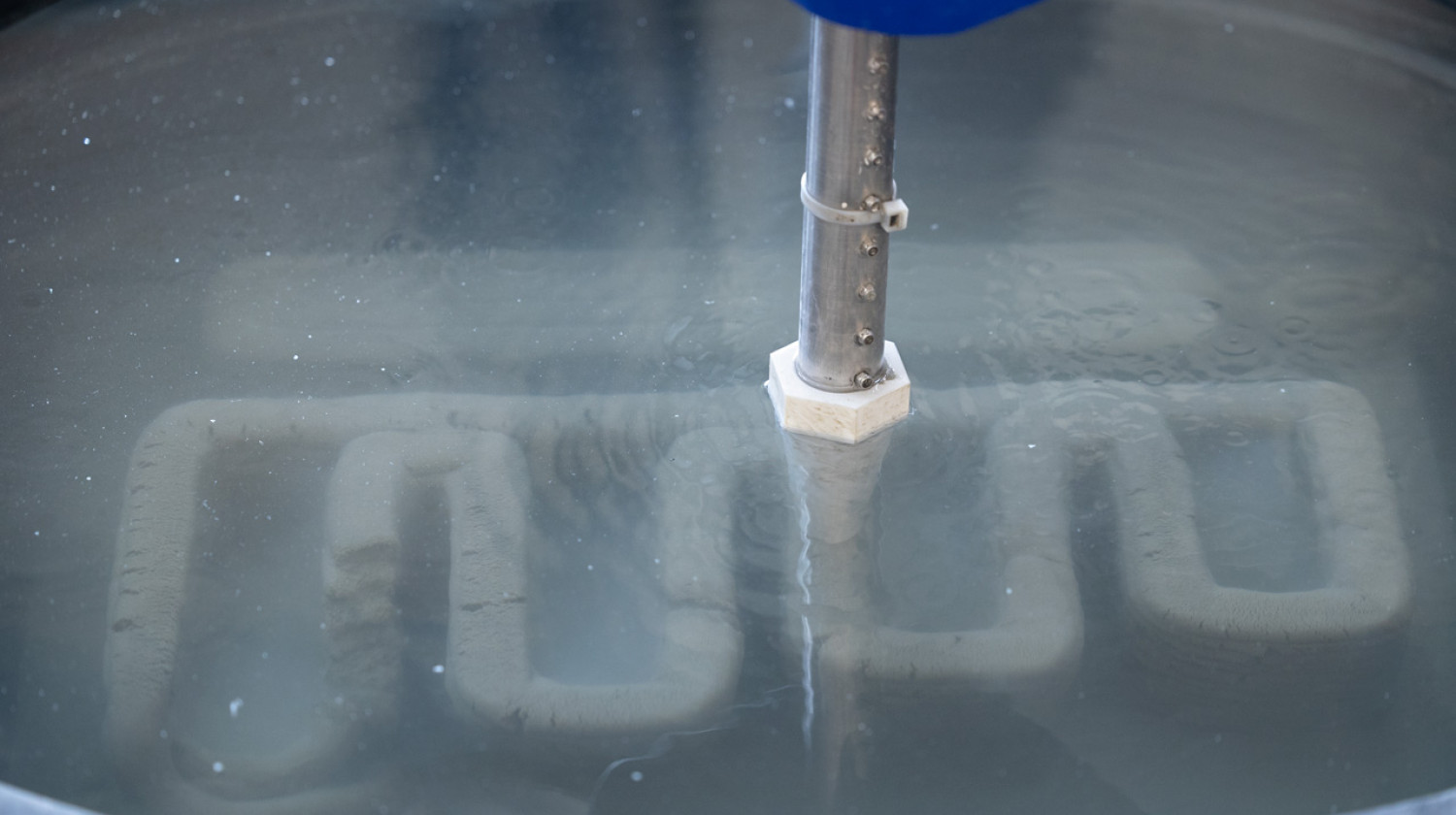
    For months, the team has been conducting test prints in a large tub of water, monitoring how the layers are deposited and the strength, shape and texture of each sample. Image: Ryan Young, Cornell University

    In 2024, the DoD’s Defense Advanced Research Projects Agency (DARPA) sent out a request for proposals to design concrete that could be 3D printed at a depth of several meters underwater. Additionally, DARPA said the concrete could only include a minimal amount of cement, and had to primarily be made of seafloor sediment, to decrease material transportation logistics. Researchers from Cornell University took on the challenge, and are working on a better way to 3D print concrete underwater, which could revolutionize maritime construction and the repair of critical infrastructure. The interdisciplinary group features a sub-team for material design, and another for fabrication, and collaborators from electrical and computer engineering, civil and environmental engineering, and architecture. Last year, they demonstrated to DARPA officials that they were close to meeting its high sediment target, and received a $1.4 million grant contingent on meeting several benchmarks.

    Now, it’s time for phase two: several teams 3D printing an arch underwater. The Cornell team, led by Sriramya Nair, assistant professor of civil and environmental engineering in the David A. Duffield College of Engineering, has been conducting multiple test prints in a tub of water in the university’s Bovay Civil Infrastructure Laboratory Complex. Working in a lab setting enables the team to monitor how the layers are deposited and the properties of each arch, but this monitoring can’t be done underwater. As Nair explained, they “have to be able to detect those things and adjust our tool path in real time,” without relying on a scuba diver. So they also designed a control box with multiple sensing systems, which can be integrated with a robot arm to track the underwater printing in real time. The final DARPA demonstration will be held next month.

    CRAFT 3D Printing Makes Structurally Complex, Realistic, Affordable Replicas

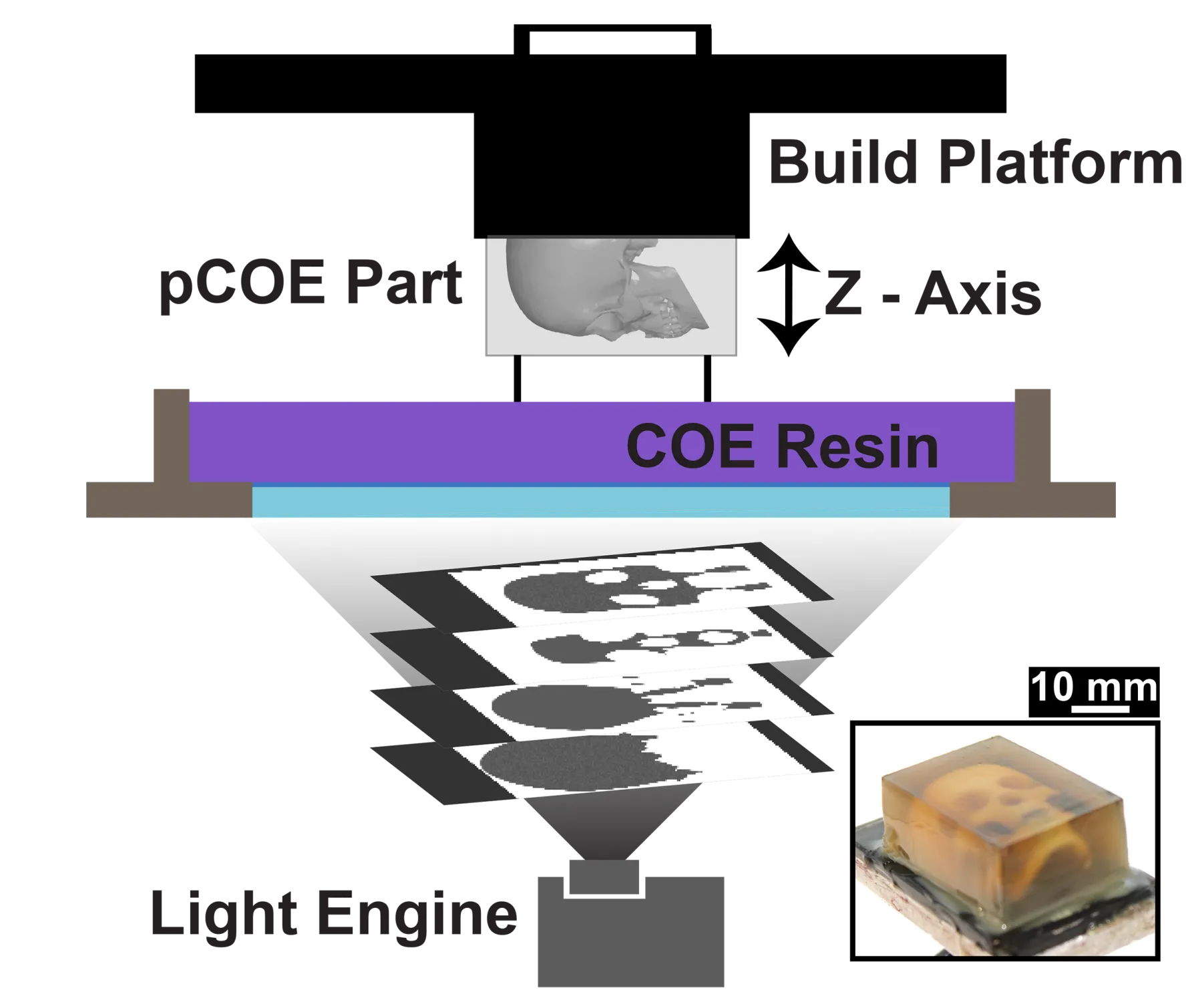
    Schematic of the CRAFT method, illustrating the printing of a crystalline skull embedded within a more amorphous matrix. The method uses a commercial printer with varying patterns of light to transform a widely available liquid resin called cyclooctene into a solid plastic object. It involves projecting a series of grayscale images onto a platform that moves up and down in the liquid, building the object up from a series of microscopically thin 2D layers of polymeric material. Credit: University of Texas at Austin.

    A team of researchers from the University of Texas at Austin, Sandia National Laboratories, Oregon State University, Lawrence Livermore National Laboratory (LLNL), and Arizona State University recently published a paper on their new method for 3D printing objects that have very different properties, like transparency and levels of hardness, using inexpensive printers and common materials. Called Crystallinity Regulation in Additive Fabrication of Thermoplastics (CRAFT), the method uses varying patterns of light to transform a liquid resin called cyclooctene in a solid plastic object. Using a commercial printer, a series of grayscale images is projected onto a platform that moves up and down in the liquid, which builds up the object. Because CRAFT can realistically simulate interconnect structures of different materials types, it could be used to make structurally complex replicas of body parts for medical students to practice on, with realistic and different ligament, muscle, and bone models. The method would also be good for energy damping applications, like sound proofing and personal protective gear.

    “We can control molecular level order in three-dimensional space, and in doing so, completely change the mechanical and optical properties of a material. And we can do that all from a really simple, inexpensive feedstock by just changing the light intensity. It’s the simplicity at the heart of it that’s really exciting,” explained Zak Page, a UT associate professor of chemistry and author on the paper.

    “DLP or LCD 3D printing, which this method is compatible with, are some of the cheapest printers that you can buy. You can get one of these printers with the capability to do grayscale projection for $1,000 or less and be off to the races printing.”

    Dental Industry Expert Develops Multi-Material 3D Printing for Prosthetics

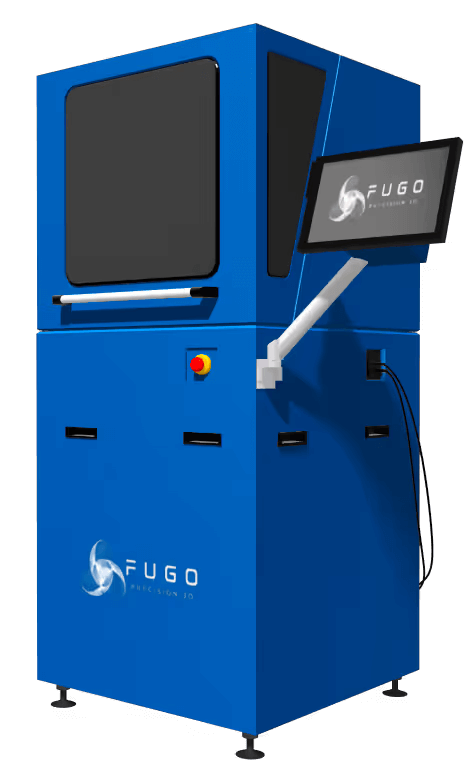
    Mart Goldberg, founder and CEO of BH PRINTELLIGENCE, has over 25 years of experience in owning and operating dental laboratories, and is working to enable high-precision, multi-material 3D printing for the dental industry. After witnessing the frustration of others in his field at the inability to easily print multiple materials in one automated cycle, he decided to solve the problem, and developed a patented multi-material 3D printing method for dental prosthetics. Traditional AM methods can have a lot of interruptions, like changing materials and repositioning parts, and Goldberg’s technology supposedly eliminates these issues using intelligent functional region mapping, seamless material transitions, and automated deposition sequencing, all in one print cycle. His method was developed specifically to integrate with FUGO Precision 3D’s centrifugal vat photopolymerization system, which offers high speed, sub-30 micron repeatability, and integrated printing, washing, drying, and curing in one machine. At the upcoming LMT Lab Day in Chicago, Goldberg will demonstrate his technology live. FUGO will be demonstrating with its strategic partner Graphy Inc. at the event, and while I can’t confirm that Goldberg will be in the same room, it seems likely.

    “I spent decades watching skilled technicians perform the same manual interventions over and over – changing materials, cleaning equipment, repositioning parts. The automation we’ve achieved can reduce manual labor in a printing cycle by approximately 90%. But it’s not just about efficiency. The stable chemical bonding between dissimilar polymers and natural-appearing material transitions – that’s what will change patient outcomes,” Goldberg said.

    “There are 120 million Americans suffering from tooth loss. This isn’t a prototype or a concept – we’re showing production-ready technology that dental laboratories can implement today. The methodology works, and we’re ready to help manufacturers transform their operations.”

  • Scaling Beyond 10 Printers: When Support Becomes a Bottleneck

    The leap to industrial-scale 3D printing is a support problem, not a hardware problem.

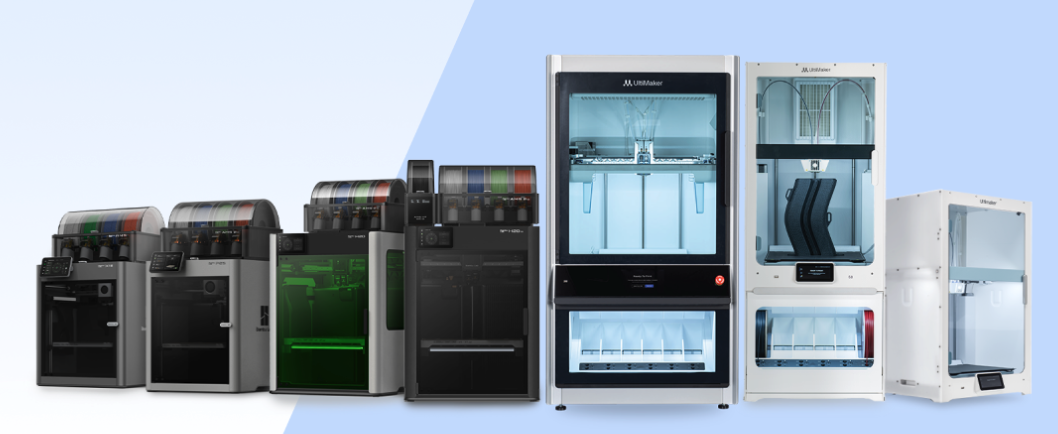
    A 3D print farm is a centralized facility that uses a large number of 3D printers to mass-produce parts or products. These farms operate with the goal of increasing production rates, minimizing printer downtime, and running machines continuously for high-volume output. For many 3D print farms, scaling up the amount of 3D printers feels like momentum, more capacity, faster turnaround and bigger opportunities until inconsistency in operations slows down production at a massive scale.

    Early on, a DIY approach works. Operators know every machine, troubleshooting happens in real time, and fixes are quick enough to keep production moving. But as print farms scale, something shifts. The same strategies that worked at five or ten printers begin to fail at twenty, thirty, or fifty. Not because the hardware can’t keep up, but because of inadequate support.

    As facilities begin to scale, inconsistency becomes the biggest risk. Output quality varies by operator, machine performance wears over time, and minor failures turn into major setbacks. At scale, every small issue compounds, a clogged nozzle or calibration error isn’t an inconvenience, it’s multiplied across an entire fleet. What once felt manageable becomes unpredictable, and growth starts to slow, not from lack of demand, but from lack of operational stability.

    Dynamism can help break through the scaling barrier, offering training programs to equip operators and teams with the knowledge needed to maintain consistency and confidence. And by providing standardized installation services to ensure systems are set up correctly for production environments. Dynamism is ready to help scale operations by offering standardized training, installation and ongoing product support.

    Training is often the first missing piece. Dynamism’s experienced technicians will educate your team on best practices, material nuances, or failure prevention. Formal training ensures consistency across shifts and locations, reduces operator-induced errors, and shortens ramp-up time for new hires. A trained team doesn’t just react to problems, they prevent them.

    Installation is another overlooked factor. Printers dropped into production environments without proper setup, calibration, or workflow planning often struggle from day one. Environmental factors, network integration, material handling, and post-processing considerations all impact performance. Dynamism’s professional installation ensures machines are production-ready from the start, reducing early failures and setting the foundation for long-term reliability.

    Product support is the final piece that keeps operations running reliably over time. Dynamism provides ongoing support services, including repairs, troubleshooting, and product knowledge with no need to outsource support or rely on fragmented resources. Whether virtually or onsite, acting as your dedicated support knowledge base, helping teams stay productive, reduce downtime, and keep systems operating at peak performance.

    Scaling a print farm isn’t about owning more machines, it’s about building the support structure to run them successfully. With the right training, installation, and ongoing support, growth becomes predictable, sustainable, and profitable. Without it, even the best hardware eventually hits a wall.

    Dynamism is a Bronze Sponsor for Additive Manufacturing Strategies (AMS), a three-day industry event taking place February 24–26 in New York City. The conference brings together industry leaders, policymakers, and innovators from across the global AM ecosystem. Registration is open via the AMS website.

  • 3D Printing Financials: Protolabs Reports a Steady 2025 as Digital Manufacturing and Metal Printing Gain Ground

    Protolabs (NYSE: PRLB) ​​ended 2025 with overall revenue down slightly year over year, but its digital manufacturing and 3D printing services continued to grow.

    For the quarter ending in December, the company reported total revenue of about $121.8 million, a small decline compared with the same period in 2024. Behind that headline number, however, one area stood out. Revenue from the Protolabs Network (formerly Hubs), the company’s mix of in-house digital factories and third-party manufacturing partners, reached about $26.5 million, up nearly 18% compared with the same quarter last year. The network includes 3D printing, CNC machining, and other fast-turn production services, and continues to attract customers looking for flexible manufacturing options.

    Metal 3D printing. Image courtesy of Protolabs.

    Looking at the full year, Protolabs reported total revenue of roughly $500.9 million, down slightly from 2024. Within that total, performance varied by process. Global CNC machining revenue increased 16.7%, while injection molding revenue declined 1.9%. Overall, 3D printing revenue fell 4.7% for the year, reflecting weaker demand for plastic prototype parts and older printing technologies.

    Still, that decline is not the full story. According to the company, metal 3D printing showed strength, particularly in the U.S. Direct metal laser sintering (DMLS) revenue grew at a double-digit rate, supported in part by strong demand from aerospace and defense customers. Sheet metal services also grew 12% year over year, adding to momentum in the company’s metal offerings.

    Late in 2025, Protolabs also expanded its capabilities with the launch of advanced CNC machining services and expanded metal 3D printing, with more product and service releases planned through 2026. The company said these updates are part of a broader effort to improve how customers order, collaborate, and manage manufacturing projects online.

    CEO Suresh Krishna said the company is focused on improving the overall digital experience for customers, starting with its new ProDesk platform. He described ProDesk as “an important first step in improving the e-commerce experience aimed at reducing friction in ordering today while laying the groundwork for a more unified digital platform in the future.”

    Suresh Krishna, President and CEO, Protolabs. Image courtesy of Protolabs.

    He added that Protolabs plans to continue rolling out new capabilities in 2026, including improvements to quoting tools, manufacturability software, factory services, and secondary operations.

    Meanwhile, profitability for the year stayed solid. The company reported net income of $16.6 million for the year, similar to 2024, while adjusted (non-GAAP) net income reached about $41.2 million. Full-year non-GAAP gross margin was 45.1%, nearly unchanged from the prior year. Factory non-GAAP gross margin improved to 49%, up 70 basis points, which the company attributed to productivity improvements and operational efficiency.

    CFO Dan Schumacher said those “margins reflect the strength of Protolabs’ combined factory and network model,” calling it “unmatched in digital manufacturing.” He also noted that while some areas of 3D printing faced pressure, metal printing and aerospace-related work helped offset weaker prototype demand elsewhere.

    Overall, Protolabs’ 2025 results show a company continuing to lean into digital manufacturing platforms, even as demand shifts between processes. While some traditional 3D printing segments slowed, growth in CNC machining, metal 3D printing, and network-based manufacturing suggests that customers are still relying on Protolabs for fast, flexible production, and that the company is positioning itself for further expansion in 2026.