• 3D Printing News Briefs, February 14, 2026: Project Call, Maritime Construction, Prosthetics, & More

    Happy Valentine’s Day! We’re starting this weekend’s News Briefs off with a Project Call award, and then moving on to a business growth program. We’ll end with research in underwater construction 3D printing and structurally complex 3D printed replicas, and finally, a dental industry veteran is working to make better 3D printed dental prosthetics.

    UDRI Receives $450,000 for America Makes Project Call

    In the fall of 2026, America Makes and the National Center for Defense Manufacturing and Machining (NCDMM) announced the Affordable and Agile Composite Additive Manufactured Structures (AACAMS) project call, funded by the Air Force Research Laboratory’s Materials and Manufacturing Directorate (AFRL(RXN)). AACAMS is meant to assess the current continuous fiber additive manufacturing (CFAM) landscape, find any technology gaps that limit adoption, and define attributes that system integrators need to successfully deploy CFAM in commercial and defense applications. Now, it’s been announced that the University of Dayton Research Institute (UDRI) is the awardee of the $450,000 AACAMS project call. The DoD has prioritized CFAM because it can produce lightweight, robust, high-performance parts; these are needed for critical weapons and support platforms. Under the AACAMS project, UDRI will develop a comprehensive set of reports and roadmaps to inform DoD and industry of investments that can help mature and scale CFAM technologies.

    “Today’s warfighter faces a dynamic landscape that demands increased speed, agility, and precision. This project is a strategic step to integrate additive manufacturing technologies into production, enhancing defense capabilities. We are excited to support our members who bring in-depth expertise pivotal to addressing these real-world challenges,” said John Martin, Additive Manufacturing Research Director at America Makes.

    Innovate UK Chooses E3D for Business Growth Scaleup Program
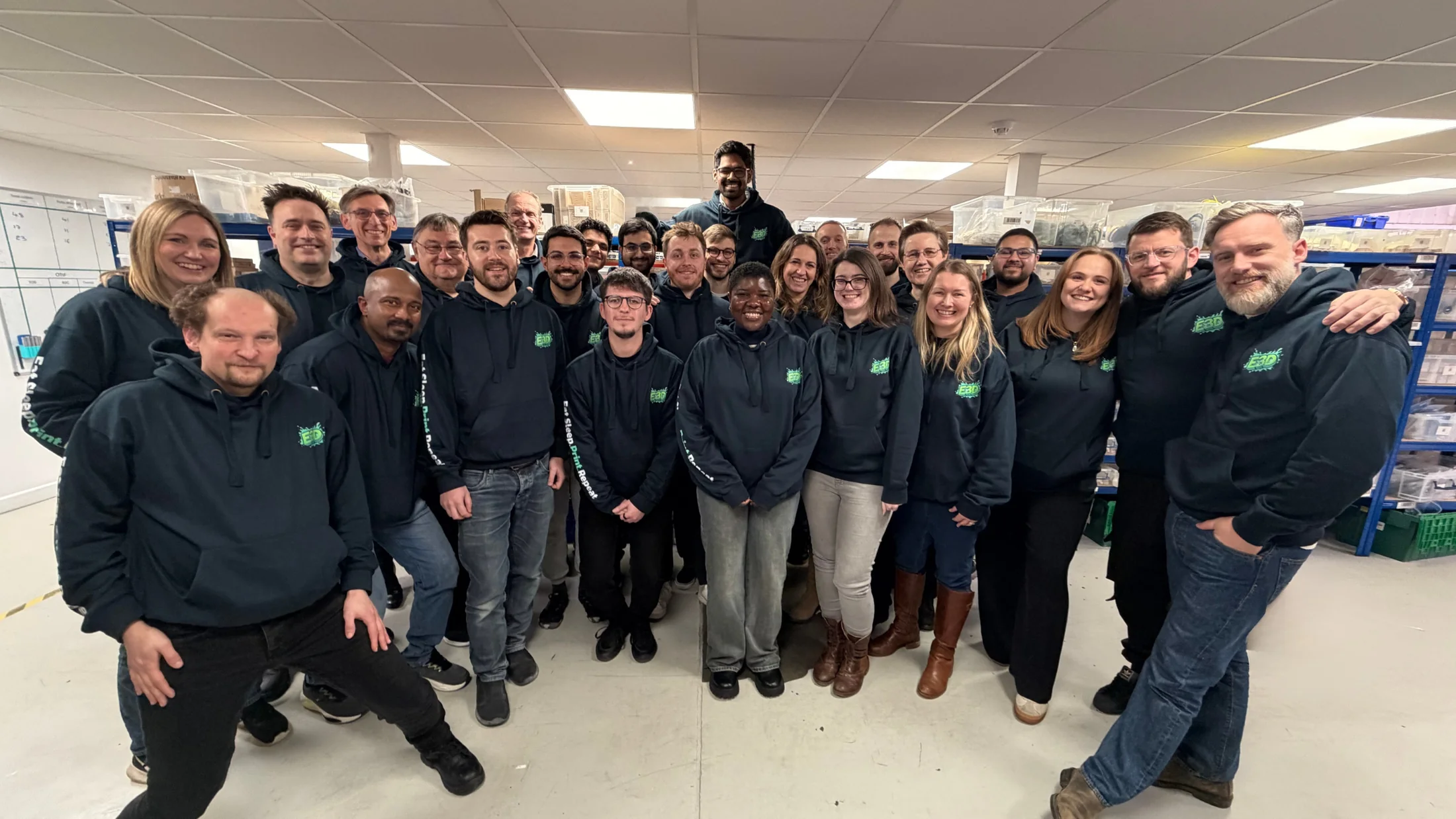
    UK-based E3D, which develops and supplies hotends, extrusion systems, nozzles, and other components for FDM 3D printers, has grown from a couple of 3D printing enthusiasts in a chicken shed to a whole team of experts working towards the goal of Print Better. The company recently announced that it was selected for Innovate UK Business Growth’s Scaleup Program. It’s a targeted scheme focused on helping innovative, scaling UK companies get past challenges inherent with rapid growth, such as intellectual property (IP) laws and entering new markets. The program only supports less than 100 of the UK’s fastest growing, most ambitious companies, and they have to be invited to apply, so for E3D to be included is a big deal. Application criteria includes innovation-led businesses that are capable of achieving about 50% annual growth each year, and have the potential to disrupt markets. E3D will now receive one-on-one, director-led help from the program, tailored to its own scale-up priorities and challenges. Considering how big the desktop market currently is, E3D definitely has the potential to be a major disruptor.

    “Being invited onto Innovate UK’s Scaleup Programme is a milestone moment for us at E3D. It recognises not just where we are today, but where we can go next: scaling world-class extrusion technology, investing in our people and capabilities, and helping manufacturers around the world push the boundaries of what additive can do,” said Dave Lamb, Founder and CEO of E3D. “With the backing and expertise of the programme, we are better equipped than ever to turn our ambitions into impact.”

    Cornell’s Underwater 3D Printing Could Transform Maritime Construction
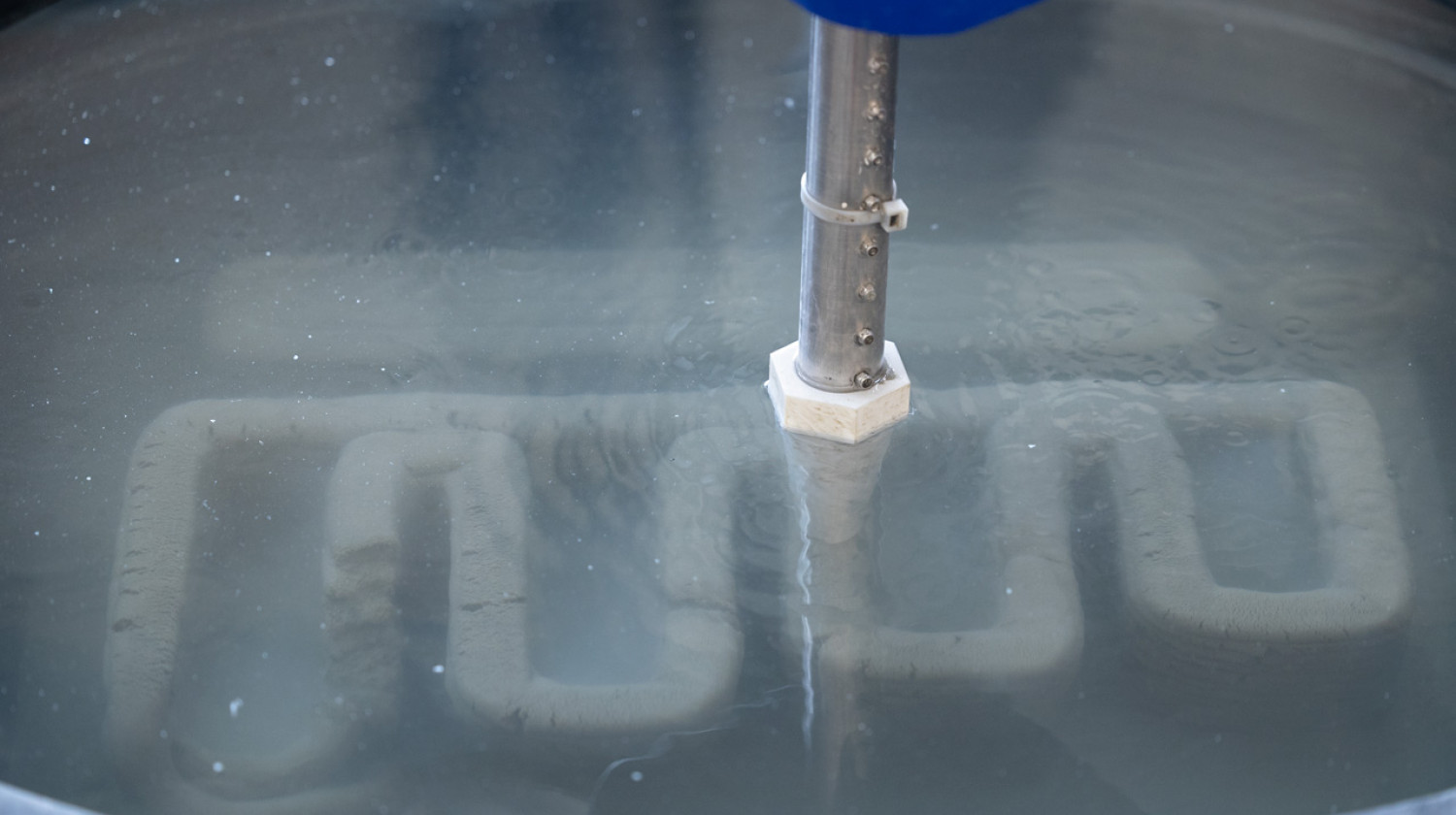
    For months, the team has been conducting test prints in a large tub of water, monitoring how the layers are deposited and the strength, shape and texture of each sample. Image: Ryan Young, Cornell University

    In 2024, the DoD’s Defense Advanced Research Projects Agency (DARPA) sent out a request for proposals to design concrete that could be 3D printed at a depth of several meters underwater. Additionally, DARPA said the concrete could only include a minimal amount of cement, and had to primarily be made of seafloor sediment, to decrease material transportation logistics. Researchers from Cornell University took on the challenge, and are working on a better way to 3D print concrete underwater, which could revolutionize maritime construction and the repair of critical infrastructure. The interdisciplinary group features a sub-team for material design, and another for fabrication, and collaborators from electrical and computer engineering, civil and environmental engineering, and architecture. Last year, they demonstrated to DARPA officials that they were close to meeting its high sediment target, and received a $1.4 million grant contingent on meeting several benchmarks.

    Now, it’s time for phase two: several teams 3D printing an arch underwater. The Cornell team, led by Sriramya Nair, assistant professor of civil and environmental engineering in the David A. Duffield College of Engineering, has been conducting multiple test prints in a tub of water in the university’s Bovay Civil Infrastructure Laboratory Complex. Working in a lab setting enables the team to monitor how the layers are deposited and the properties of each arch, but this monitoring can’t be done underwater. As Nair explained, they “have to be able to detect those things and adjust our tool path in real time,” without relying on a scuba diver. So they also designed a control box with multiple sensing systems, which can be integrated with a robot arm to track the underwater printing in real time. The final DARPA demonstration will be held next month.

    CRAFT 3D Printing Makes Structurally Complex, Realistic, Affordable Replicas
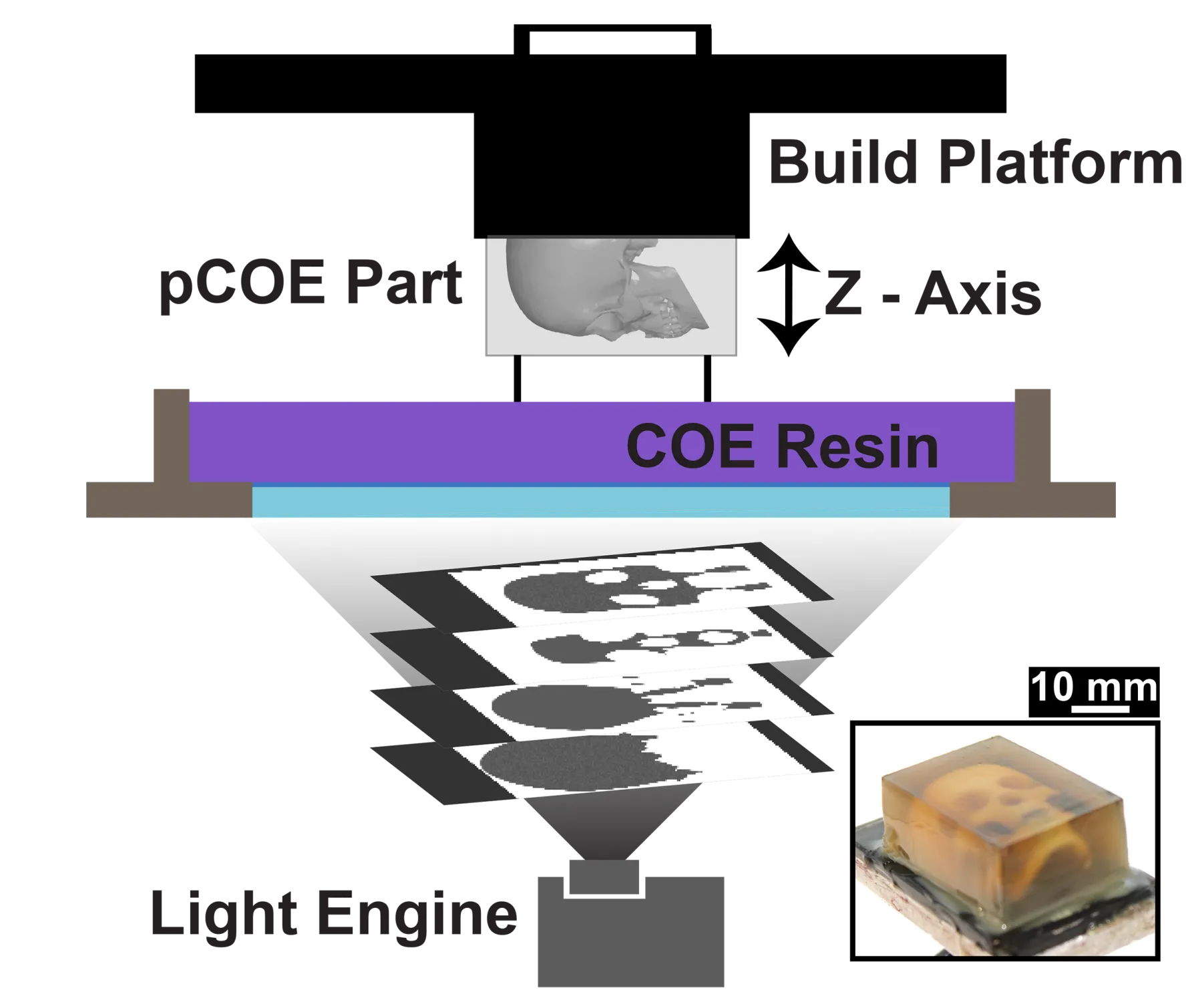
    Schematic of the CRAFT method, illustrating the printing of a crystalline skull embedded within a more amorphous matrix. The method uses a commercial printer with varying patterns of light to transform a widely available liquid resin called cyclooctene into a solid plastic object. It involves projecting a series of grayscale images onto a platform that moves up and down in the liquid, building the object up from a series of microscopically thin 2D layers of polymeric material. Credit: University of Texas at Austin.

    A team of researchers from the University of Texas at Austin, Sandia National Laboratories, Oregon State University, Lawrence Livermore National Laboratory (LLNL), and Arizona State University recently published a paper on their new method for 3D printing objects that have very different properties, like transparency and levels of hardness, using inexpensive printers and common materials. Called Crystallinity Regulation in Additive Fabrication of Thermoplastics (CRAFT), the method uses varying patterns of light to transform a liquid resin called cyclooctene in a solid plastic object. Using a commercial printer, a series of grayscale images is projected onto a platform that moves up and down in the liquid, which builds up the object. Because CRAFT can realistically simulate interconnect structures of different materials types, it could be used to make structurally complex replicas of body parts for medical students to practice on, with realistic and different ligament, muscle, and bone models. The method would also be good for energy damping applications, like sound proofing and personal protective gear.

    “We can control molecular level order in three-dimensional space, and in doing so, completely change the mechanical and optical properties of a material. And we can do that all from a really simple, inexpensive feedstock by just changing the light intensity. It’s the simplicity at the heart of it that’s really exciting,” explained Zak Page, a UT associate professor of chemistry and author on the paper.

    “DLP or LCD 3D printing, which this method is compatible with, are some of the cheapest printers that you can buy. You can get one of these printers with the capability to do grayscale projection for $1,000 or less and be off to the races printing.”

    Dental Industry Expert Develops Multi-Material 3D Printing for Prosthetics
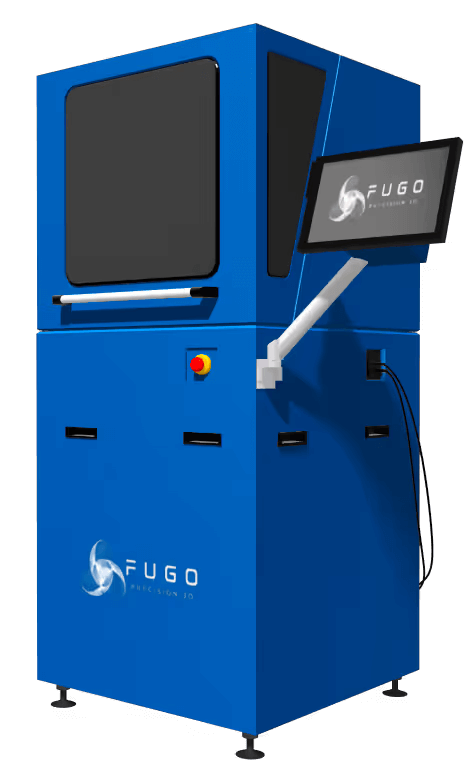
    Mart Goldberg, founder and CEO of BH PRINTELLIGENCE, has over 25 years of experience in owning and operating dental laboratories, and is working to enable high-precision, multi-material 3D printing for the dental industry. After witnessing the frustration of others in his field at the inability to easily print multiple materials in one automated cycle, he decided to solve the problem, and developed a patented multi-material 3D printing method for dental prosthetics. Traditional AM methods can have a lot of interruptions, like changing materials and repositioning parts, and Goldberg’s technology supposedly eliminates these issues using intelligent functional region mapping, seamless material transitions, and automated deposition sequencing, all in one print cycle. His method was developed specifically to integrate with FUGO Precision 3D’s centrifugal vat photopolymerization system, which offers high speed, sub-30 micron repeatability, and integrated printing, washing, drying, and curing in one machine. At the upcoming LMT Lab Day in Chicago, Goldberg will demonstrate his technology live. FUGO will be demonstrating with its strategic partner Graphy Inc. at the event, and while I can’t confirm that Goldberg will be in the same room, it seems likely.

    “I spent decades watching skilled technicians perform the same manual interventions over and over – changing materials, cleaning equipment, repositioning parts. The automation we’ve achieved can reduce manual labor in a printing cycle by approximately 90%. But it’s not just about efficiency. The stable chemical bonding between dissimilar polymers and natural-appearing material transitions – that’s what will change patient outcomes,” Goldberg said.

    “There are 120 million Americans suffering from tooth loss. This isn’t a prototype or a concept – we’re showing production-ready technology that dental laboratories can implement today. The methodology works, and we’re ready to help manufacturers transform their operations.”
  • Scaling Beyond 10 Printers: When Support Becomes a Bottleneck

    The leap to industrial-scale 3D printing is a support problem, not a hardware problem.

    A 3D print farm is a centralized facility that uses a large number of 3D printers to mass-produce parts or products. These farms operate with the goal of increasing production rates, minimizing printer downtime, and running machines continuously for high-volume output. For many 3D print farms, scaling up the amount of 3D printers feels like momentum, more capacity, faster turnaround and bigger opportunities until inconsistency in operations slows down production at a massive scale.

    Early on, a DIY approach works. Operators know every machine, troubleshooting happens in real time, and fixes are quick enough to keep production moving. But as print farms scale, something shifts. The same strategies that worked at five or ten printers begin to fail at twenty, thirty, or fifty. Not because the hardware can’t keep up, but because of inadequate support.

    As facilities begin to scale, inconsistency becomes the biggest risk. Output quality varies by operator, machine performance wears over time, and minor failures turn into major setbacks. At scale, every small issue compounds, a clogged nozzle or calibration error isn’t an inconvenience, it’s multiplied across an entire fleet. What once felt manageable becomes unpredictable, and growth starts to slow, not from lack of demand, but from lack of operational stability.

    Dynamism can help break through the scaling barrier, offering training programs to equip operators and teams with the knowledge needed to maintain consistency and confidence. And by providing standardized installation services to ensure systems are set up correctly for production environments. Dynamism is ready to help scale operations by offering standardized training, installation and ongoing product support.

    Training is often the first missing piece. Dynamism’s experienced technicians will educate your team on best practices, material nuances, or failure prevention. Formal training ensures consistency across shifts and locations, reduces operator-induced errors, and shortens ramp-up time for new hires. A trained team doesn’t just react to problems, they prevent them.

    Installation is another overlooked factor. Printers dropped into production environments without proper setup, calibration, or workflow planning often struggle from day one. Environmental factors, network integration, material handling, and post-processing considerations all impact performance. Dynamism’s professional installation ensures machines are production-ready from the start, reducing early failures and setting the foundation for long-term reliability.

    Product support is the final piece that keeps operations running reliably over time. Dynamism provides ongoing support services, including repairs, troubleshooting, and product knowledge with no need to outsource support or rely on fragmented resources. Whether virtually or onsite, acting as your dedicated support knowledge base, helping teams stay productive, reduce downtime, and keep systems operating at peak performance.

    Scaling a print farm isn’t about owning more machines, it’s about building the support structure to run them successfully. With the right training, installation, and ongoing support, growth becomes predictable, sustainable, and profitable. Without it, even the best hardware eventually hits a wall.

    Dynamism is a Bronze Sponsor for Additive Manufacturing Strategies (AMS), a three-day industry event taking place February 24–26 in New York City. The conference brings together industry leaders, policymakers, and innovators from across the global AM ecosystem. Registration is open via the AMS website.

  • 3D Printing Financials: Protolabs Reports a Steady 2025 as Digital Manufacturing and Metal Printing Gain Ground

    Protolabs (NYSE: PRLB) ​​ended 2025 with overall revenue down slightly year over year, but its digital manufacturing and 3D printing services continued to grow.

    For the quarter ending in December, the company reported total revenue of about $121.8 million, a small decline compared with the same period in 2024. Behind that headline number, however, one area stood out. Revenue from the Protolabs Network (formerly Hubs), the company’s mix of in-house digital factories and third-party manufacturing partners, reached about $26.5 million, up nearly 18% compared with the same quarter last year. The network includes 3D printing, CNC machining, and other fast-turn production services, and continues to attract customers looking for flexible manufacturing options.

    Metal 3D printing. Image courtesy of Protolabs.

    Looking at the full year, Protolabs reported total revenue of roughly $500.9 million, down slightly from 2024. Within that total, performance varied by process. Global CNC machining revenue increased 16.7%, while injection molding revenue declined 1.9%. Overall, 3D printing revenue fell 4.7% for the year, reflecting weaker demand for plastic prototype parts and older printing technologies.

    Still, that decline is not the full story. According to the company, metal 3D printing showed strength, particularly in the U.S. Direct metal laser sintering (DMLS) revenue grew at a double-digit rate, supported in part by strong demand from aerospace and defense customers. Sheet metal services also grew 12% year over year, adding to momentum in the company’s metal offerings.

    Late in 2025, Protolabs also expanded its capabilities with the launch of advanced CNC machining services and expanded metal 3D printing, with more product and service releases planned through 2026. The company said these updates are part of a broader effort to improve how customers order, collaborate, and manage manufacturing projects online.

    CEO Suresh Krishna said the company is focused on improving the overall digital experience for customers, starting with its new ProDesk platform. He described ProDesk as “an important first step in improving the e-commerce experience aimed at reducing friction in ordering today while laying the groundwork for a more unified digital platform in the future.”

    Suresh Krishna, President and CEO, Protolabs. Image courtesy of Protolabs.

    He added that Protolabs plans to continue rolling out new capabilities in 2026, including improvements to quoting tools, manufacturability software, factory services, and secondary operations.

    Meanwhile, profitability for the year stayed solid. The company reported net income of $16.6 million for the year, similar to 2024, while adjusted (non-GAAP) net income reached about $41.2 million. Full-year non-GAAP gross margin was 45.1%, nearly unchanged from the prior year. Factory non-GAAP gross margin improved to 49%, up 70 basis points, which the company attributed to productivity improvements and operational efficiency.

    CFO Dan Schumacher said those “margins reflect the strength of Protolabs’ combined factory and network model,” calling it “unmatched in digital manufacturing.” He also noted that while some areas of 3D printing faced pressure, metal printing and aerospace-related work helped offset weaker prototype demand elsewhere.

    Overall, Protolabs’ 2025 results show a company continuing to lean into digital manufacturing platforms, even as demand shifts between processes. While some traditional 3D printing segments slowed, growth in CNC machining, metal 3D printing, and network-based manufacturing suggests that customers are still relying on Protolabs for fast, flexible production, and that the company is positioning itself for further expansion in 2026.

  • Reshoring Requires Rules of Engagement

    Reshoring manufacturing in the U.S. is a stated national priority. Policymakers, industry leaders, and defense planners agree that domestic production capacity is essential for economic resilience, national security, and long-term competitiveness. While the term “reshoring” is often used broadly, its intent is clear: reduce overreliance on extended global supply chains and restore critical manufacturing capabilities within the United States.

    The harder questions lie beneath the headline. How far into the supply chain can reshoring realistically extend? Is recreating an entire domestic manufacturing supply chain feasible or even necessary? Which capabilities should be brought back? Reshoring requires clear rules of engagement to include identifying which materials, processes, and capabilities must be established to ensure resilience, while recognizing that some level of global integration will remain. Equally important is defining success; how do we know we’ve been successful? I’ll offer that, at a top level, success should be measured by the existence of sustained, scalable production capacity that can meet commercial and national needs.

    Additive Manufacturing Strategies 2026 kicks off with a panel discussion tying reshoring and additive manufacturing (AM) together. As the moderator of that panel, I’m keen to have a conversation on this relationship. I believe AM should be best understood as an enabler of reshoring, not its objective. AM offers flexibility, rapid iteration, and the ability to localize production, but only when embedded within a broader industrial ecosystem capable of supporting it. After all, most AM technologies make shapes, not final products.

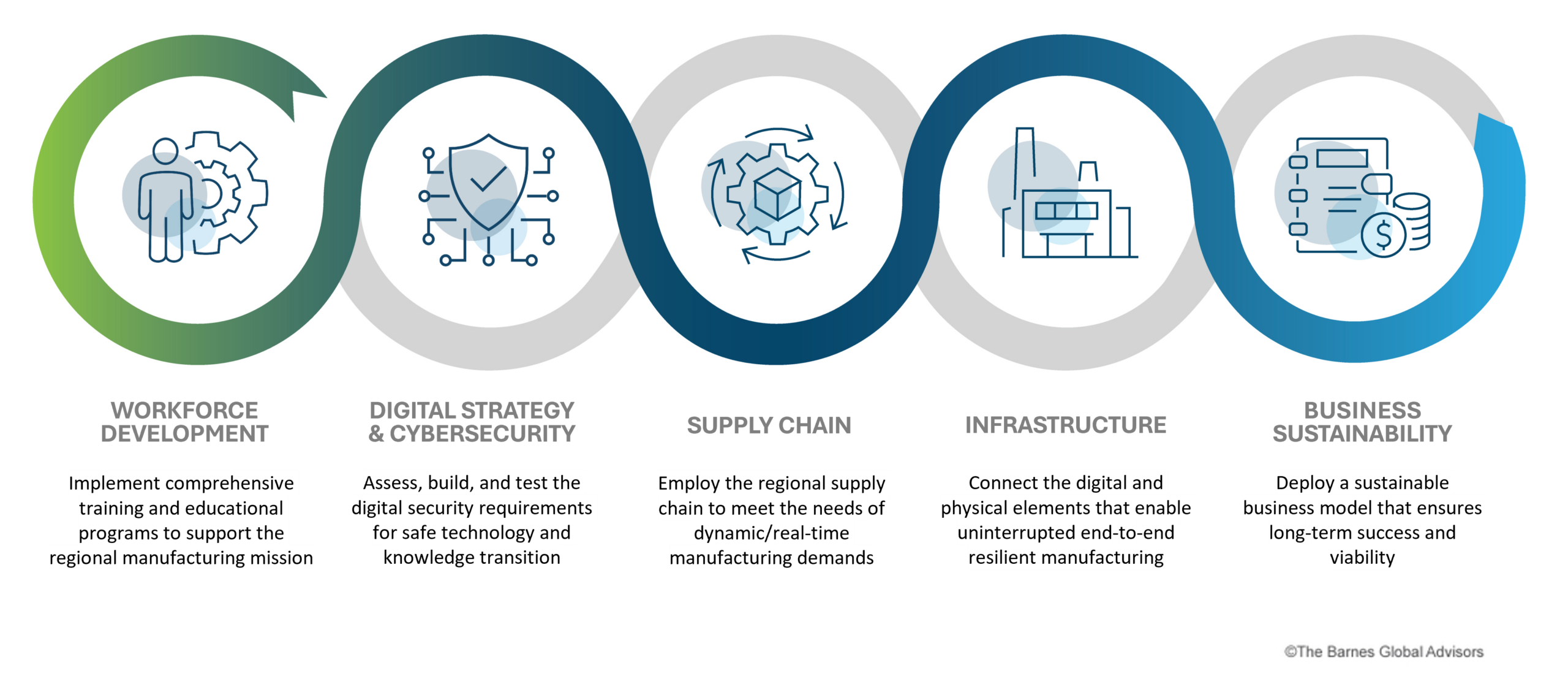
    That distinction matters because reshoring is fundamentally a systems problem. Technology alone does not create capacity. Printers, no matter how advanced, cannot compensate for missing elements elsewhere in the ecosystem. Successful reshoring requires coordinated readiness across the ecosystem: a skilled workforce, mature technologies (linked hardware and software solutions) connected via a coherent digital strategy, an end-to-end supply chain, a modernized and robust infrastructure, and a viable business model supported by customer demand must all be present. When any one of these elements is absent, capacity fails to materialize, regardless of how much technology is deployed.

    Figure 1. Key pillars of a fully integrated and resilient manufacturing ecosystem.

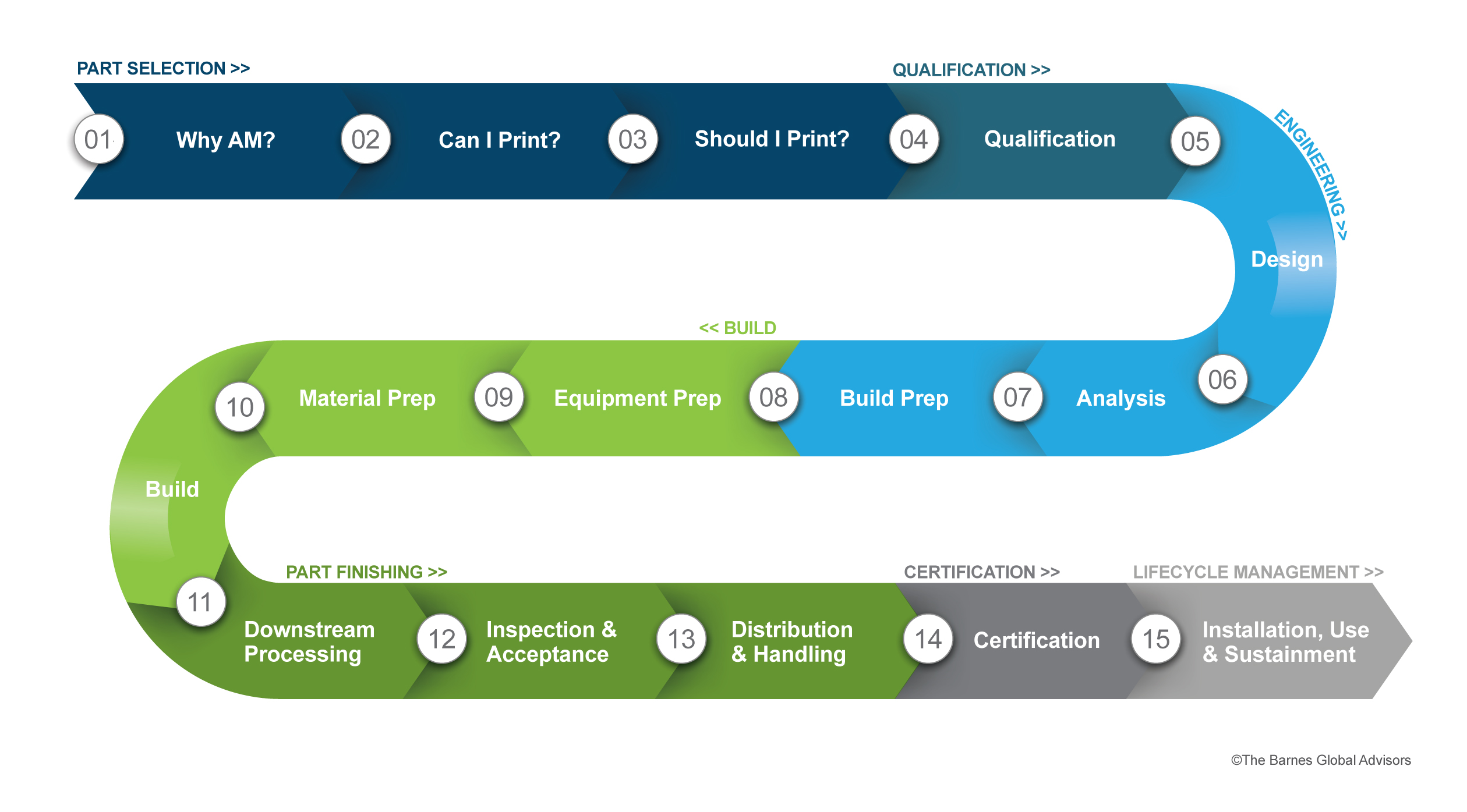
    This is why industrial readiness matters more than machine count. Expanding on a recent piece by Aaron Slodov, printer installations are often used as a proxy for progress, but printer count does not equal production capacity. True impact depends on readiness across the full value chain, from requirements through to delivery. The current efforts on supply chain readiness within the U.S. Navy’s Maritime Industrial Base (MIB) illustrates this shift from demonstration to implementation, emphasizing integrated workflows that supporting repeatable, production-grade outcomes rather than one-off successes.

    Figure 2. Industrial readiness requires maturity across the entire value chain.

    Reshoring also does not happen centrally. Reshoring happens regionally, through manufacturing ecosystems that align industry demand, workforce pipelines, digital infrastructure, and predictable market signals. These ecosystems create the conditions in which additive manufacturing can scale beyond laboratories and pilot facilities. When AM is embedded within a regional network of suppliers, training institutions, and end users, its advantages (i.e., speed, flexibility, and localization) translate into real production capability. The U.S. Congress is looking for this model to bear out through what it is calling the Civil Reserve Manufacturing Network. My team at The Barnes Global Advisors has been developing one version of this model for the past 5 years at Neighborhood 91.

    As the U.S., and frankly other nations as well, focus on securing supply chains, the discussion around reshoring and the role that AM plays in achieving that end state requires more attention. I’ll contend that reshoring should prioritize a system of systems approach over isolated technologies, and that success should be measured by usable, surge-capable manufacturing capacity versus isolated demonstrations or machine installations. In addition, policy, funding, and programs must also be aligned to outcomes that support long-term industrial readiness at all levels of the supply chain.

    As my former colleague of mine once said, AM is a great catalyst for this discussion. I’ll be continuing this discussion on the opening day of AM Strategies 2026 with a panel consisting of LJ Holmes (University of Harrisburg S&T), Joe Calmese (ADDMAN), Matt Gratias (Relativity Space), and Matt Draper (U.S. Department of War). I hope you’ll join us.     

    Andy Davis is the Director of Government Solutions for The Barnes Global Advisors (TBGA). 

    He is a respected leader in the Defense advanced manufacturing and industrial base community, known for his ability to catalyze diverse groups to collaborate for a common cause. He spent 19 years within the Department of Defense, most recently as the Deputy Director and Chief Technology Officer of the Industrial Base Analysis and Sustainment (IBAS) Program, where he led the organizational design, program planning and management, strategic planning, technical assessments, and the expansion of Program acquisition platforms. Prior to that, Andy worked for the U.S. Army Combat Capabilities Development Command (DEVCOM), including a role as the Army’s Global Technology Advisor to the United Kingdom, Israel and South Africa; he lived in the U.K. with his family and focused on connecting industry, academia and allied Ministries of Defense with U.S. Army researchers. Andy also led the Army’s Manufacturing Technology (ManTech) Program, where he helped launch the Manufacturing USA Institutes, led the Army and DoD in first-of-their-kind AM technology roadmaps, created the Army’s AM community of practice, helped draft the Army’s AM campaign plan, and led the Joint Defense Manufacturing Technology Panel (JDMTP) in establishing a strategic framework to standardize cross-DOD collaboration. Prior to this, Andy held a variety of Army mechanical engineering positions, primarily focused on electro-mechanical design and prototyping. Andy received his bachelor’s and master’s degrees in Mechanical Engineering from Grove City College and Johns Hopkins University, respectively. Andy loves spending time adventuring with his family, is an avid outdoorsman, enjoys demolition derbies and is learning to master the art of smoking meats.

    The Barnes Global Advisors is the Presenting Sponsor for Additive Manufacturing Strategies (AMS), a three-day industry event taking place February 24–26 in New York City. You can register here.

  • 3D Printed Orthopedic Device Startup Nanochon Closes $11.3M, Oversubscribed Seed Round

    Two of the biggest growth opportunity areas for the additive manufacturing (AM) industry that 3DPrint.com and AM Research have long been keeping an eye on are sports and medical devices. The Washington, D.C.-based startup Nanochon has cultivated a business model that, in large part, targets the intersection between those two markets, and the company just closed an oversubscribed seed round worth $4.1 million, bringing total capital raised to $11.3 million.

    While Nanochon’s value proposition relies on definitively ‘deep-tech’ principles — using AM to create nylon-based composite “replacements” for damaged cartilage — the company’s approach is nonetheless guided by textbook, old-school business fundamentals: Nanochon found a blind spot in the market, and created a solution that directly addresses that gap. Specifically, the gap is the population of patients with damaged cartilage who aren’t yet considered candidates for cartilage surgery.

    Of course, this isn’t a problem exclusively faced by athletes, but it’s worth noting that the team that will work on Nanochon’s first clinical trial, which the company announced last year, includes multiple specialists in sports medicine. Interestingly, by leveraging AM’s capacity to enable targeted treatments by filling — as Nanochon describes it — “potholes” in patients’ cartilage surfaces, the company draws on similar engineering strengths that give AM an advantage for repairing parts in industrial settings.

    Perhaps the most impressive angle to the approach is that the 3D printed implants the company is producing also serve as scaffolding that the company claims encourages new tissue growth in damaged joints. Nanochon plans to start its Phase 1 clinical trial in Canada imminently, beginning with a 10-patient feasibility study, following successful initial testing on animals.

    In a press release about Nanochon’s oversubscribed seed round for its 3D printed cartilage implants, the company’s CEO and co-founder, Ben Holmes, said, “We’re both honored and humbled to oversubscribe another funding round. The capital commitments from our investors speaks volumes about their confidence in the work we’re doing to shift the paradigm of cartilage restoration. Not only do we have strong financial backing, but these partners also offer us support in commercial and regulatory strategies as well.”

    Meanwhile, R. Sean Churchill, MD, MBA, of cultivate(MD) Capital Funds, the leader of the round said, “Making a follow on from our initial investment in 2023 was an easy decision as we continue to watch CEO, Ben Holmes, lead Nanochon with his forward planning and executional excellence. The current round will not only support the first in human clinical trial in Canada as well as accelerate their manufacturing capabilities, but it will set the stage for a greater North American pivotal trial leading to FDA clearance. In addition to making a revolutionary product in the cartilage regeneration space, Nanochon understands the value of preoperative planning and has launched a partnership with ProVoyance to develop a full MRI based preoperative surgical planning software tool. The combination of a revolutionary product and best in class enabling software is positioning Nanochon to truly change the future for focal cartilage defects in the knee.”

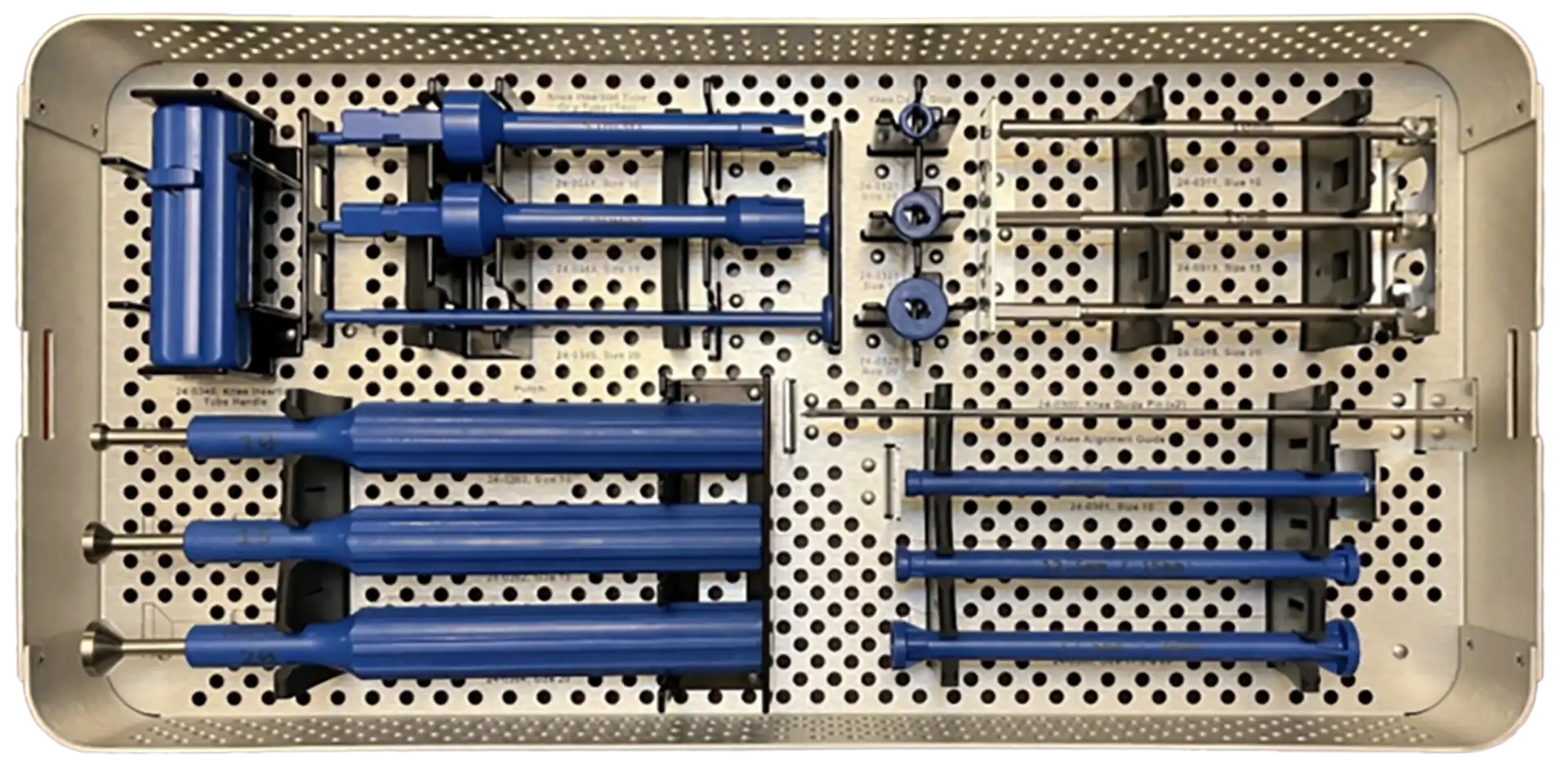
    The implant is designed to fit securely into the damaged area of the knee using a simple press-fit procedure.

    Again, this isn’t a product that could solely benefit athletes, but from the personnel on the company’s clinical trial, and the branding on Nanochon’s website, they clearly know that’s a priority demographic, and there’s no question that it’s a product that could be most valuable to serious athletes in the early phases of scaling. Given the success that companies like Carbon have seen with applications such as football helmets, 3D printing applications also would seem to have a better than average chance of being embraced by the sports medicine world.

    And, the target demographic certainly doesn’t even need to be thought of purely in terms of professional and otherwise high-level participants in athletics. Someone who works in an office all day and wishes they could get back to their old jogging habit is an equally suitable ideal patient for what Nanochon has created.

    Beyond the potential that Nanochon’s process has for improving the lives of patients who receive the treatment, I think the company could also indirectly benefit the entire population of patients with joint issues. The addition of another viable solution for treating cartilage damage to the overall medical ecosystem should free up resources that would’ve gone to patients that might otherwise have been destined for more conventional treatments.

    Finally, I didn’t realize how common it is for U.S. companies to start with clinical trials in Canada, but apparently, there are plenty of advantages that come along with doing so, including a much more expeditious route to approval for early-stage research. If the U.S. can manage to stop alienating our continental neighbors, maybe stakeholders across North America could unify around the mission of accelerating AM-centered medical research.

    Images courtesy of Nanochon

  • Thingiverse Bought by MyMiniFactory, Eyes a Revival

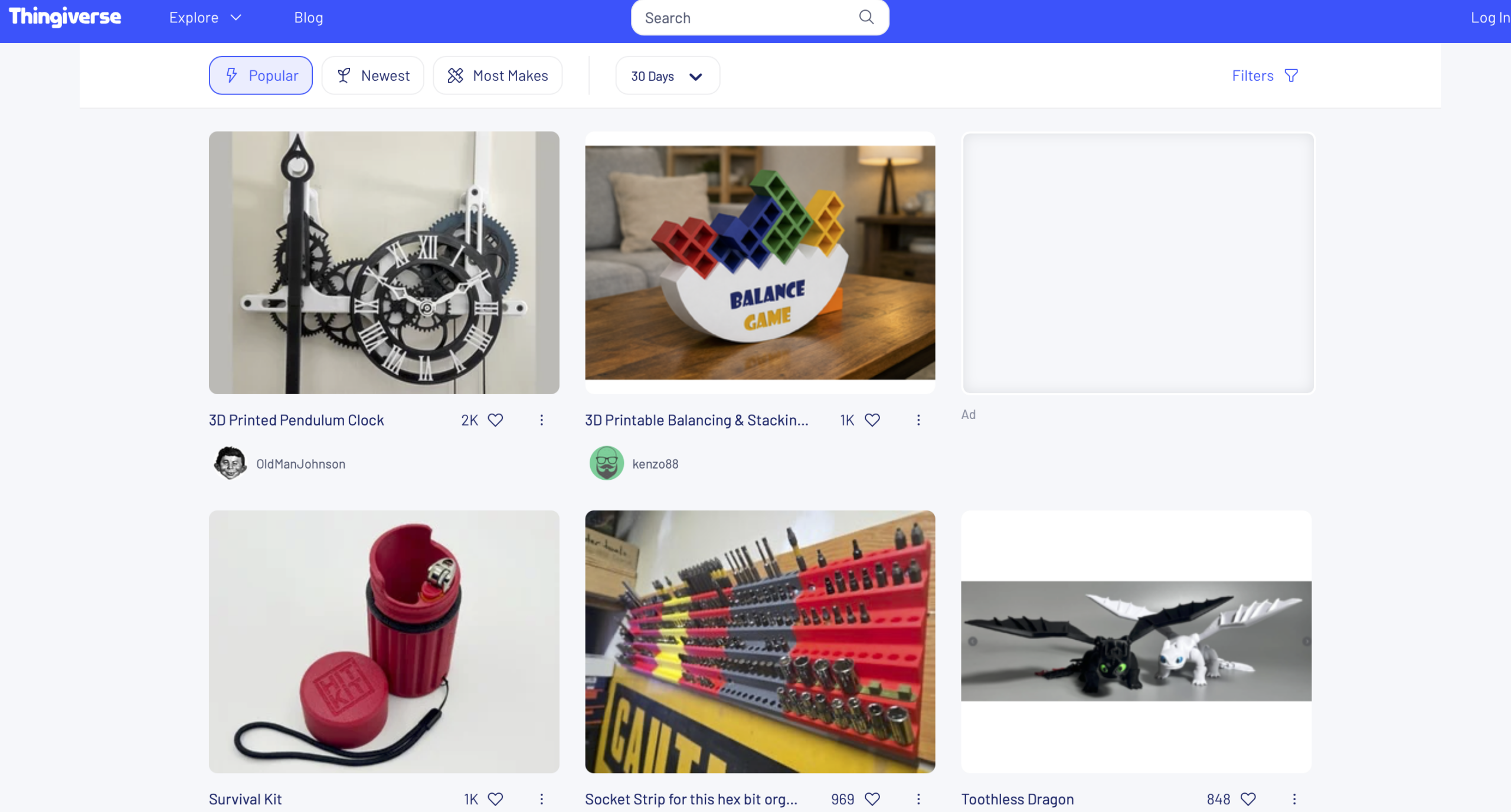
    Thingiverse is to be acquired by MyMiniFactory. Ultimaker has sold long-neglected Thingiverse to UK-based MyMiniFactory, which also owns former Ultimaker platform YouMagine, resin/character-driven platform and slicer SoulCrafted, as well as Scan the World

    According to Thingiverse CEO Romain Kidd, 

    “This is about what kind of internet and future we want. AI-generated content is everywhere now and is a threat to the livelihoods of real creators everywhere. We know from launching SoulCrafted that there’s real demand for spaces where human work is valued and protected. Thingiverse will be one of those spaces.”

    Building on that idea, Thingiverse CMO Rees Calder stated, 

    “We’re not promising something new. We’re applying what already works. Treat creators as partners. Give them real tools to build sustainable audiences and income. That’s it.”

    Arys Andreou, the new CTO for Thingiverse, opined that, 

    “I hope to help Thingiverse become an invaluable, dependable and trusted tool for seasoned engineers and beginner tinkerers alike.”

    The new team will have to do quite a turnaround, taking the melting 2 million file platform onto a more positive trajectory. A lot of glitches will have to be ironed out, and the platform will have to be relevant again. The team did something similar in 2024, taking YouMagine and making it an RC-specific platform with an audience. Meanwhile, the 8 million registered accounts of Thingiverse could be reactivated if the team really put a lot of oomph into growing the once-dominant platform. MyMiniFactory has managed to convince a million people to part with over a $100 million to support creators, so more of the same could really reinvigorate Thingiverse.

    The team says that it was “founded under the ethos that creators deserve to be valued. Not as content generators. Not as data points. As skilled individuals whose work has worth.” Furthermore, the company promises that “the open sharing ethos of Thingiverse stays. MyMiniFactory will introduce sustainable business models for creators with an emphasis on SoulCrafted content rather than AI and non-printable content.” In some of the most human and resonant press release info that I’ve been given, they say that, “We know you’ve been let down before. We know trust is earned, not announced. So, we’re not asking you to just take our word for it. We’re asking you to help us shape what comes next, shape the future of Thingiverse.” Beautiful, super well done with tone and content. 

    What will this mean?

    The new team will host a live Q&A on February 17th at 5 pm UTC. Sign up for that here. If you can’t make that you can leave feedback here. I, for one, am super excited by this move. Thingiverse was painfully neglected by Stratasys. I’m enthused that there’s a CEO, CMO, and CTO now; that’s more people than Stratasys has working on it. After this, Ultimaker never managed to make the platform work well or to reverse the decline

    Thingiverse was once a site of essential importance to 3D printing. Its waning path was sad to see. Some errors persisted for months, and no attention was paid to this asset at all. And it could have been such an important business. Bambu has shown that you can make a flourishing business out of sponsoring makers. MyMiniFactory has shown that, for the long term, this can be a good business for creators and users alike. It’s a mystery why a small team didn´t just turn this around and make it doable again to download files from it.

    Thigiverse´s abandonment and dwindling were due to a lack of will, vision, and execution. A decade-long slide into irrelevance was the result of neglect, abandonment, and lack of resolve. This was unnecessary, and the community and 3D printing market as a whole deserved better. It was also financially stupid. Done right, Thingiverse could have been one of the largest businesses in 3D printing. I´m not saying that it would have been easy, but given the immense installed base and huge number of files, it could have been doable.

    Clouds over the Cloud

    So many years later, it’s going to be hard to restart Thingiverse. They should have a burial ceremony and then resurrect it. The team seems well-intentioned and knows how to build platforms and communities well. But now Printables is a great community with good software. Makerworld as well works incredibly well. It’s very easy to print with one click from these platforms as well. I’m not sure I even remember my username for Thingiverse. The team will have to work hard, therefore, to turn it around. I think that some people will help. There are people who have given thousands of hours to that platform and still have extensive files on it.

    The big question also has to be AI. AI tools are getting better, and there is a lot of 3D printing AI slop about. AI tools could overshadow or become a new path for many to file. At the same time, it’s easy for AI slop to be added to platforms. MyMiniFactory wants to empower true creation and true designs. Perhaps if it makes it easier to make many things parametric, while developing more mechanisms to better test design quality, it can win out.

    Tweaking mechanisms to support designers will also help. More Kickstarter-like projects that could be inspiring could be one way to do it. Groups of designers could solve real-world issues like water filtration, solar panel holders, printable food storage, tools, and more if incentivized correctly. Now there’s a lot of attention going to useful things. But, critical things, things to help people in developing countries, lab equipment, teaching supplies, and more, can be 3D printed very cheaply. MiniFactory could make a new future for the site by positioning it to tackle these immense challenges. Maybe you´d pay to get a cool lunchbox design made, which could also help someone store food, for example. In this way, Thingiverse could become a problem-solving platform that, through human ingenuity, collectively solves humanity´s problems. Or the site could capture the huge volume of CNC, laser cut, and injection molding files that will come out of other desktop devices. Either way there are a lot of options and paths out there, let’s all wish the team luck in finding Thingiverse a fitting future.

    Images courtesy of Thingiverse

  • When a Factory Stops Being a Building and Starts Being a Machine

    Metal manufacturing still carries the layout and logic of an older industrial age. Most factories run as a collection of isolated disciplines, each with its own equipment, staff, and data. Additive lives in one section of the building. Machining is parked somewhere else. Thermal treatment and metrology often require entirely different facilities. This model has persisted across multiple waves of industrial modernization, and with it, the natural limits of what a factory can reliably deliver

    Those limits are becoming increasingly difficult to ignore.

    A different model is beginning to take shape across advanced metals production. Instead of treating a factory as a set of discrete operations, manufacturers are starting to build environments that behave like a single integrated machine. The idea is literal. Additive, machining, thermal processing, inspection, automation, and data systems are tied together in one coordinated framework that operates from a shared layer of intelligence.

    The closest analogy comes from the evolution of computing. Early systems kept storage, software, and hardware apart. The real gains came when those layers were unified into coherent platforms. Manufacturing is approaching a similar point. The bottleneck is no longer the capability of any single tool but the physical and operational distance between them.

    At its core, this is a physics problem. Every time a part is moved, fixtured, re-fixtured, or handed off between isolated disciplines, the distance those atoms travel adds cost, variation, and delay. The factories that outperform their peers are the ones that shorten that distance. They consolidate steps, simplify motion, and design workflows where matter and energy follow the most direct possible path.

    This is why the traditional model carries structural constraints that no amount of machine-level optimization can solve. Each handoff introduces latency and variation. Data becomes stuck inside local processes, where it cannot inform decisions upstream or downstream. Optimization tends to focus on improving one step instead of improving the entire chain. And when demand rises, factories often respond by adding more equipment instead of increasing the intelligence that governs the system.

    Even well-run operations eventually hit this ceiling.

    The emerging alternative replaces this fragmentation with a tightly connected production architecture. In this model, each step functions as a subsystem inside a larger machine. Additive and subtractive processes share a common data layer that updates continuously. Thermal behavior is predicted and managed across the workflow rather than addressed in isolation. Inspection becomes an active contributor to process planning instead of a final checkpoint at the end.

    Once these pieces are connected, the factory begins to operate in a fundamentally different way. Decisions sync in real time. Feedback moves freely instead of stopping at the boundaries of a department. Variation declines. Over time, the environment develops a deeper understanding of its own patterns and uses that insight to improve stability and throughput.

    Artificial intelligence becomes the conductor that holds this system together. Models trained on multi-stage data can see patterns that are invisible at the level of a single tool. They can anticipate thermal shifts that influence both additive and machining. They can guide machining allowances based on predicted distortion. They can adjust process conditions as builds unfold. They can interpret inspection results in ways that refine the next cycle of production.

    The result is cumulative intelligence. Every completed part strengthens the system.

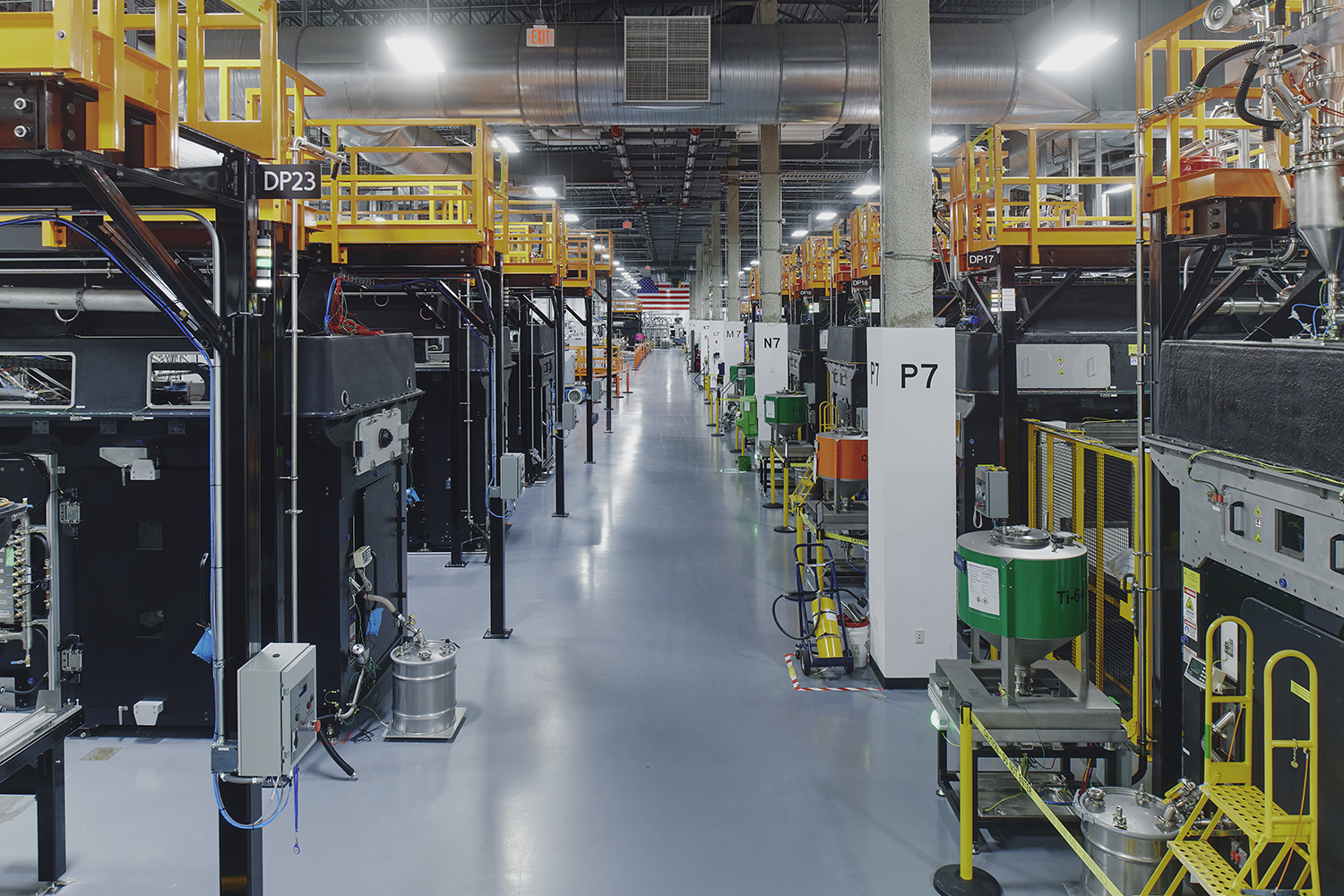
    What this looks like in practice is already becoming clear. Production environments that combine dense metal additive capacity, scaled machining, and integrated quality and computational systems are beginning to show the advantages of a coordinated architecture. At VulcanForms, this model is operating at factory scale, and the improvements in stability, repeatability, and throughput are measurable.

    The broader industry signals point in the same direction. As part requirements grow more complex and development timelines shrink, manufacturers are recognizing that gains will not come from individual tools running faster. They will come from systems that work in concert, where data and decision making move freely across the entire workflow.

    The real divide now sits between two approaches to industrial production. One treats digital tools as enhancements layered onto existing structures. The other treats the factory itself as a unified machine, designed to learn, adapt, and scale as a coherent system. The companies that move toward this architecture will set the pace for advanced metal production. Those that do not will continue to encounter the same structural limits, regardless of how advanced their individual tools become.

    Kevin Kassekert is the CEO of VulcanForms, and brings over 25 years of people-centric, seasoned leadership experience in high-tech and high-volume manufacturing environments with a passion for developing teams and scaling disruptive technology.

    Prior to joining VulcanForms, Kevin spent over four years as Chief Operating Officer of Redwood Materials where he played a pivotal role in growing the company from a small, young startup to a multibillion-dollar leader in Li-Ion battery recycling, refining, and battery materials manufacturing. Prior to Redwood Materials, Kevin spent seven plus years at Tesla Inc., where he led Global Infrastructure Development (Superchargers, Factories), People (HR, Recruiting, Total Rewards), and Places (Real Estate, Construction, Facility Operations). Some notable achievements include completion of the nation’s first U.S. cross-country Supercharger network and the design, construction, and operational ramp of the world’s first — and at the time largest — Li-Ion battery Gigafactory in Nevada, U.S. This team then went on to lead the engineering, procurement, and construction of additional Gigafactories and manufacturing facilities located in Shanghai, Berlin, and Austin, TX. Prior to Tesla, Kevin spent 13 years in the semiconductor industry at Cypress Semiconductor and Silicon Valley Technology Center (SVTC) in leadership roles ranging from production operations to process engineering and product commercialization.

    Kevin holds a bachelor’s degree in mechanical engineering and a master’s degree in business administration and global management.

    At Additive Manufacturing Strategies (AMS) 2026, Kevin will participate in a panel on “High Volume Industrial Part Production,” and another about “Leveraging VC for an Industrial AM Future,” both on February 25th. These sessions are part of the broader AMS 2026 conference, which brings together industry leaders, policymakers, and innovators from across the global AM ecosystem. Learn more and register here.

  • Bridging the Gap: 2D to 3D AI in Manufacturing

    For decades, the early stages of manufacturing have been defined by a simple, frustrating trade-off: you can have it precise, or you can have it fast. AI just broke that rule.  Manufacturing has never lacked data, but it has consistently lacked time at the earliest stages of decision-making.

    Across engineering, procurement, and sourcing teams, critical information still arrives as technical drawings, blueprints, scanned documents, images, or even photographs shared over email. While downstream workflows are increasingly digital, early-stage decisions often depend on incomplete inputs and manual interpretation by the expertise trapped in engineers’ minds.

    This is where AI-assisted interpretation of 2D drawings and images into 3D geometry is beginning to change how teams work. Not by replacing CAD, but by removing it as a bottleneck when speed matters more than production-ready precision.

    Why 2D Still Dominates Early Manufacturing Decisions

    Despite decades of CAD adoption, many manufacturing workflows still begin without a 3D model. A supplier receives a dimensioned drawing but no STEP file. A procurement team needs a cost estimate before engineering resources are available. A sales engineer must respond to an RFQ having only a PDF attached.

    In these situations, the objective is not production-ready details. It is speed, feasibility, and direction. Can this part be manufactured? Which process makes sense? Is the cost even in the right range?

    Traditional CAD workflows are not designed for this stage. Creating a fully parametric, production-ready model, can take hours, sometimes days. For early estimation, that effort is often disproportionate to the decision being made.

    What 2D-to-3D Conversion AI Actually Means

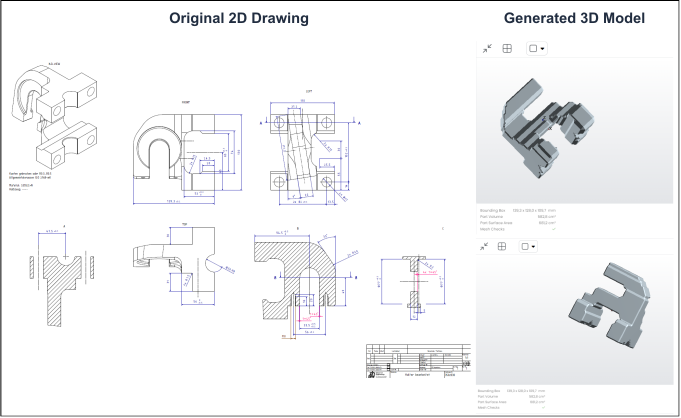
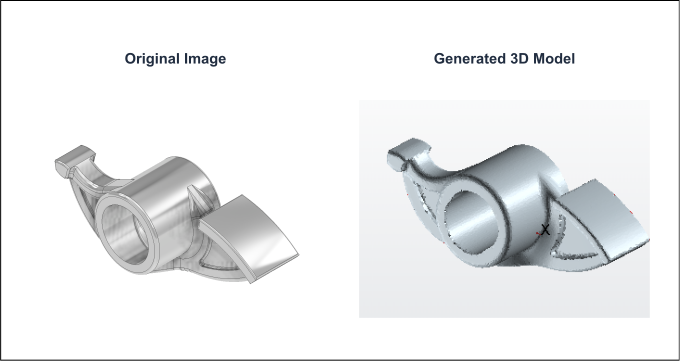
    Recent advances in AI now make it possible to convert 2D inputs into usable 3D representations in minutes. Importantly, this does not mean generating perfect CAD models. Modern systems now automate the leap from flat drawings to 3D meshes. While these meshes are only an approximation, they capture the proportions, shape and volume accurately enough to drive immediate cost estimation and decision-making.

    3D Spark bridges the gap before traditional CAD is even necessary, this AI driven conversion is positioned as a pre-CAD tool. The goal is not to replace engineering work, but to eliminate unnecessary delays in early quoting and feasibility analysis.

    Image 1: 3D Spark’s 2D drawing to 3D feature

    Image 2: 3D Spark’s Image to 3D feature

    Input Flexibility Reflects Manufacturing Reality

    One of the most practical aspects of this approach is input flexibility. Rather than relying solely on clean technical drawings, AI-assisted systems can work with:

    • Technical drawings
    • Standard images and legacy photos
    • Hand sketches or basic text descriptions

    This matters because real-world inputs are rarely ideal. By interpreting different 2D sources and converting them into AI-generated 3D geometry, teams can move forward faster and more efficiently.

    The Output: 3D Geometry for Cost Estimation and Production Technology Comparison

    The resulting scaled 3D-mesh is not suitable for direct CNC machining, tight-tolerance manufacturing, or toolpath generation. When users ask, “Can I machine from this file?” the correct answer is no. But that is also the point.

    Where the Real Value Appears: Cost and Process Estimation

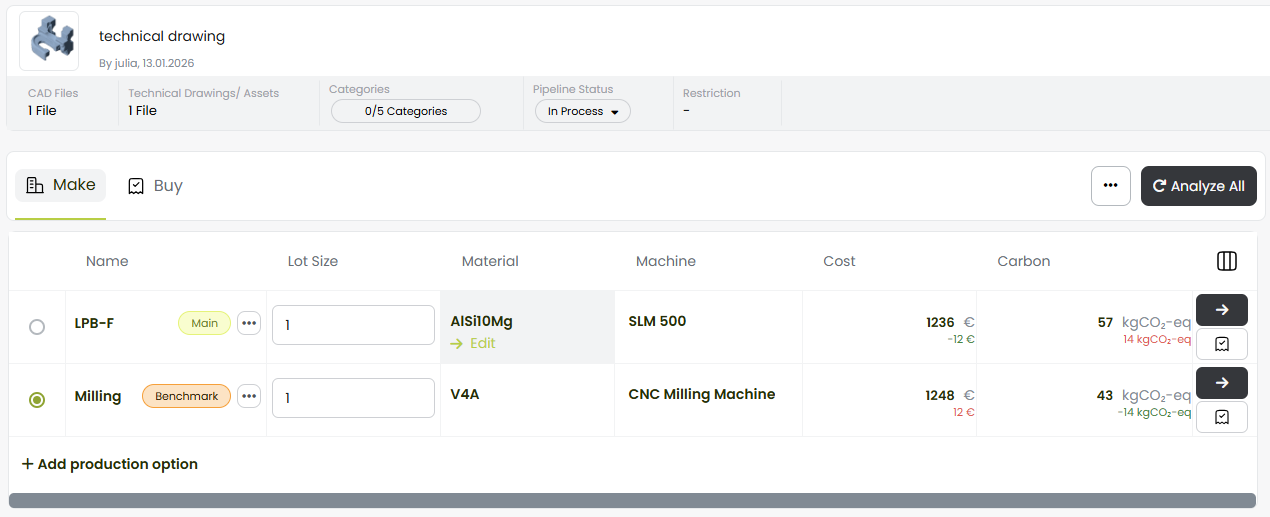
    Image 3: Automated costing analysis using the 3D Spark platform

    Once 3D Spark converts the 2D input into a 3D mesh, it doesn’t stop there. The platform immediately uses that approximate geometry to predict material usage, production time, and process costs and therefore turning a static image into a calculated business case.This allows teams to perform cost estimation based on the 2D input in minutes rather than hours.

    Instead of delaying RFQs or relying on assumptions, teams can quickly assess whether a part should be machined, additively manufactured, cast, or sourced externally by identifying the cost drivers early, before committing engineering time to detailed design work.

    While AI-assisted 2D-to-3D interpretation accelerates early estimation, more detailed costing and feasibility analysis are often required as decisions progress. Platforms like 3D Spark extend this workflow by supporting accurate cost calculation, and manufacturability assessment based on full 3D data and production-specific parameters, allowing teams to move from initial direction to validated decisions without restarting the process.

    This continuity is particularly valuable in MRO and spare parts workflows, where early decisions must translate directly into execution without rework or lost time.

    Why This Matters Now

    Manufacturing teams are under pressure to move faster, quote faster, and make better make-or-buy decisions with less information. AI-driven 2D to 3D conversion does not solve everything, but it solves a very real problem that has existed for decades.

    This reflects a broader shift in manufacturing, where AI is proving valuable not only during design work, but by accelerating the decisions that happen before design even begins.

    3D Spark is a Bronze Sponsor for Additive Manufacturing Strategies (AMS), a three-day industry event taking place February 24–26 in New York City. The conference brings together industry leaders, policymakers, and innovators from across the global AM ecosystem. Registration is open via the AMS website.

  • StoneFlower 3D Launches Laboratory-Scale 3D Printer for Construction Materials

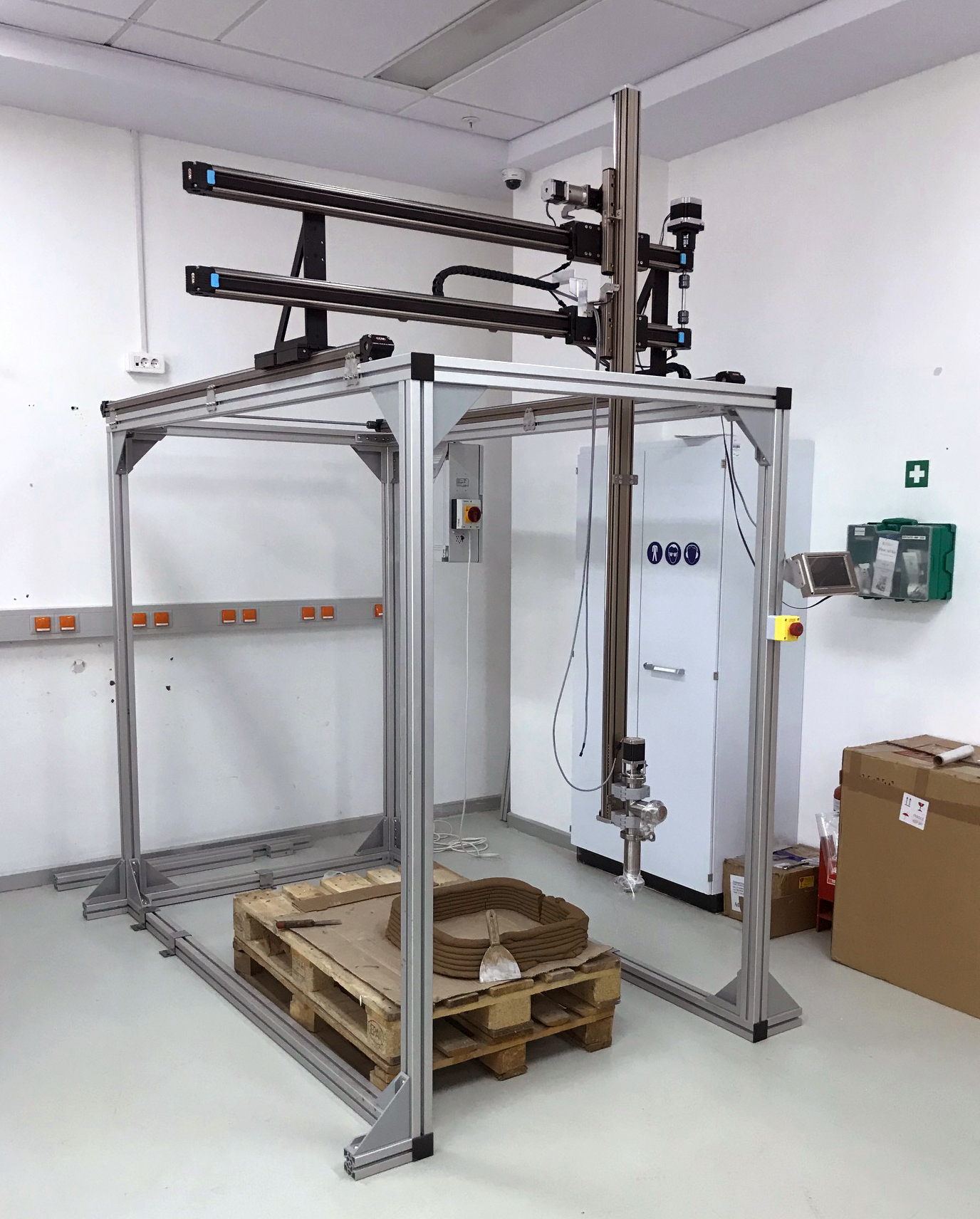
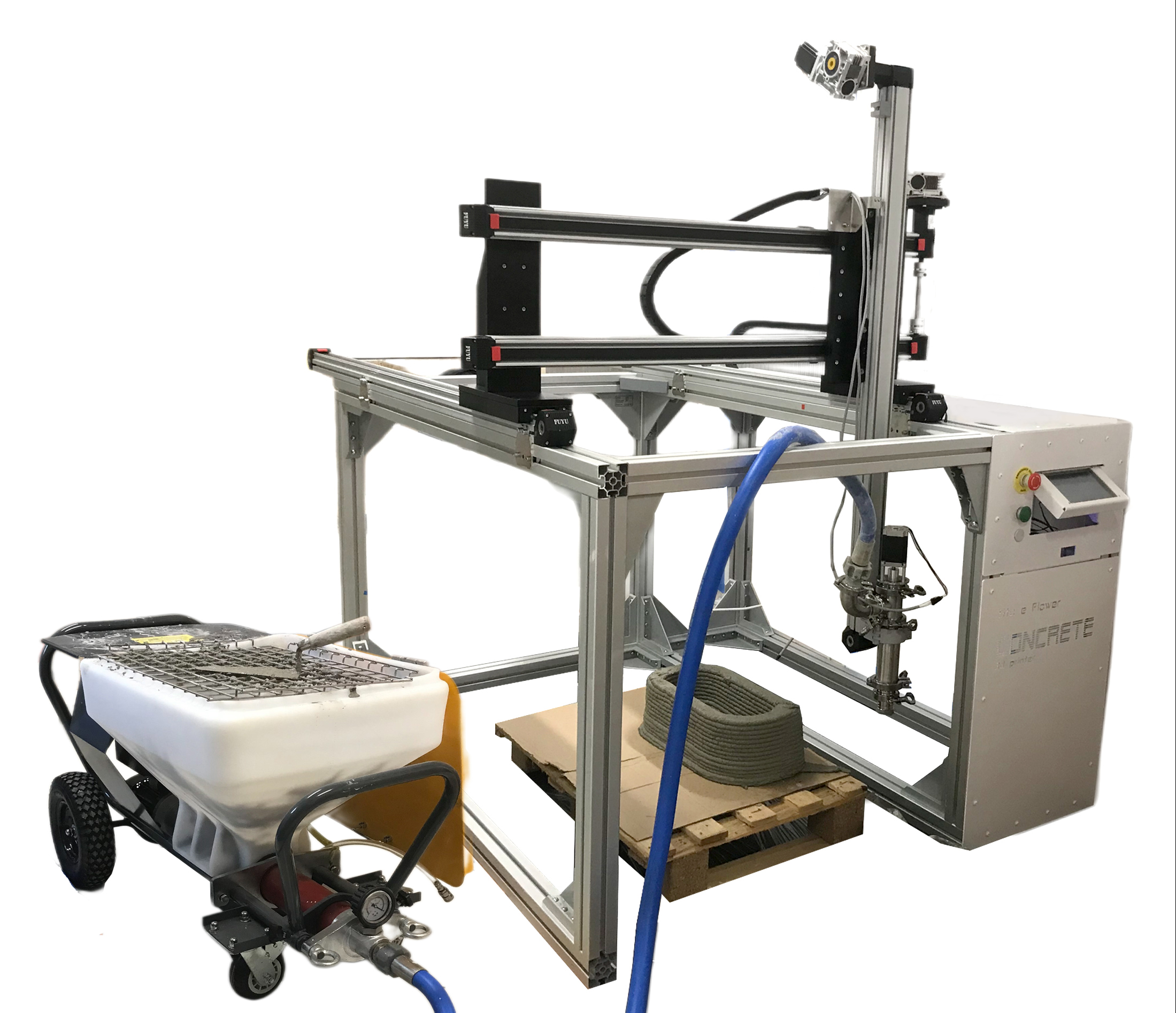
    StoneFlower 3D has launched a new 3D printer designed for laboratory-scale research and development with concrete, mortars, clays, and other advanced mineral materials. The system is intended for researchers, designers, and engineers who want to work with real construction materials in a controlled laboratory environment, without moving straight to large industrial machines.

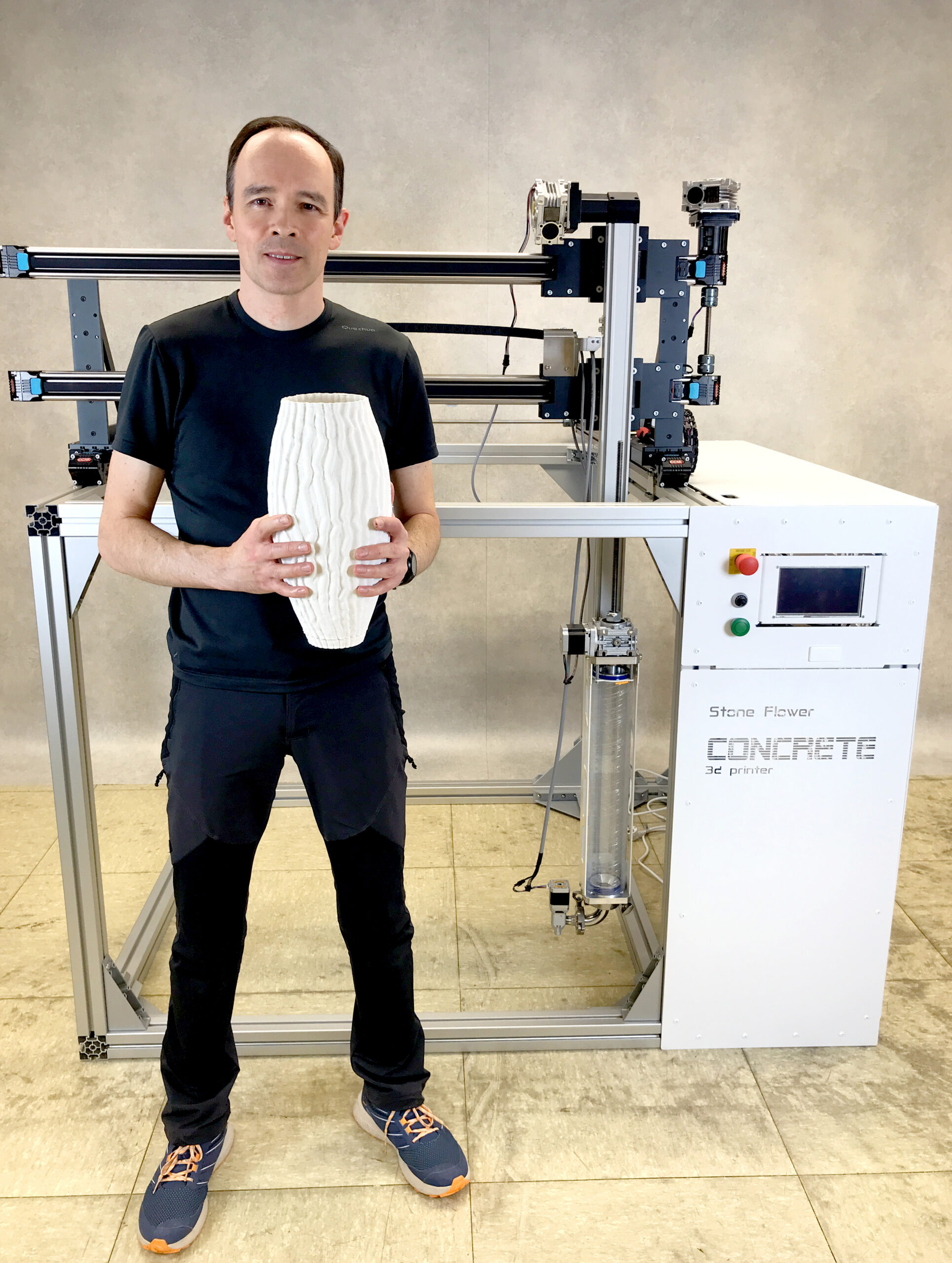
    StoneFlower 3D’s laboratory-scale 3D printer.

    Based in Munich, StoneFlower 3D says the new printer is built to bridge the gap between small-scale laboratory testing and full industrial production, allowing users to develop, test, and refine real construction materials before scaling up. Unlike many compact systems that rely on simplified materials, this printer can process real concrete mixtures, mortars with aggregates up to 6 mm, fiber-reinforced materials, foamed concrete, clays, porcelain, earth, and even certain biomaterials.

    “This system enables researchers to test real concrete and mortar formulations using professional pumping and mixing equipment, while maintaining a compact and flexible laboratory footprint,” noted Anatoly Berezkin, founder of StoneFlower 3D.

    Anatoly Berezkin next to a laboratory-scale 3D printer.

    One of the key features of the new printer is its customizable build volume. Instead of offering a single fixed machine size, StoneFlower 3D lets customers choose the printing area size to match their research needs and available lab space. Printing volumes can range from about 50 cm to 300 cm, depending on the configuration.

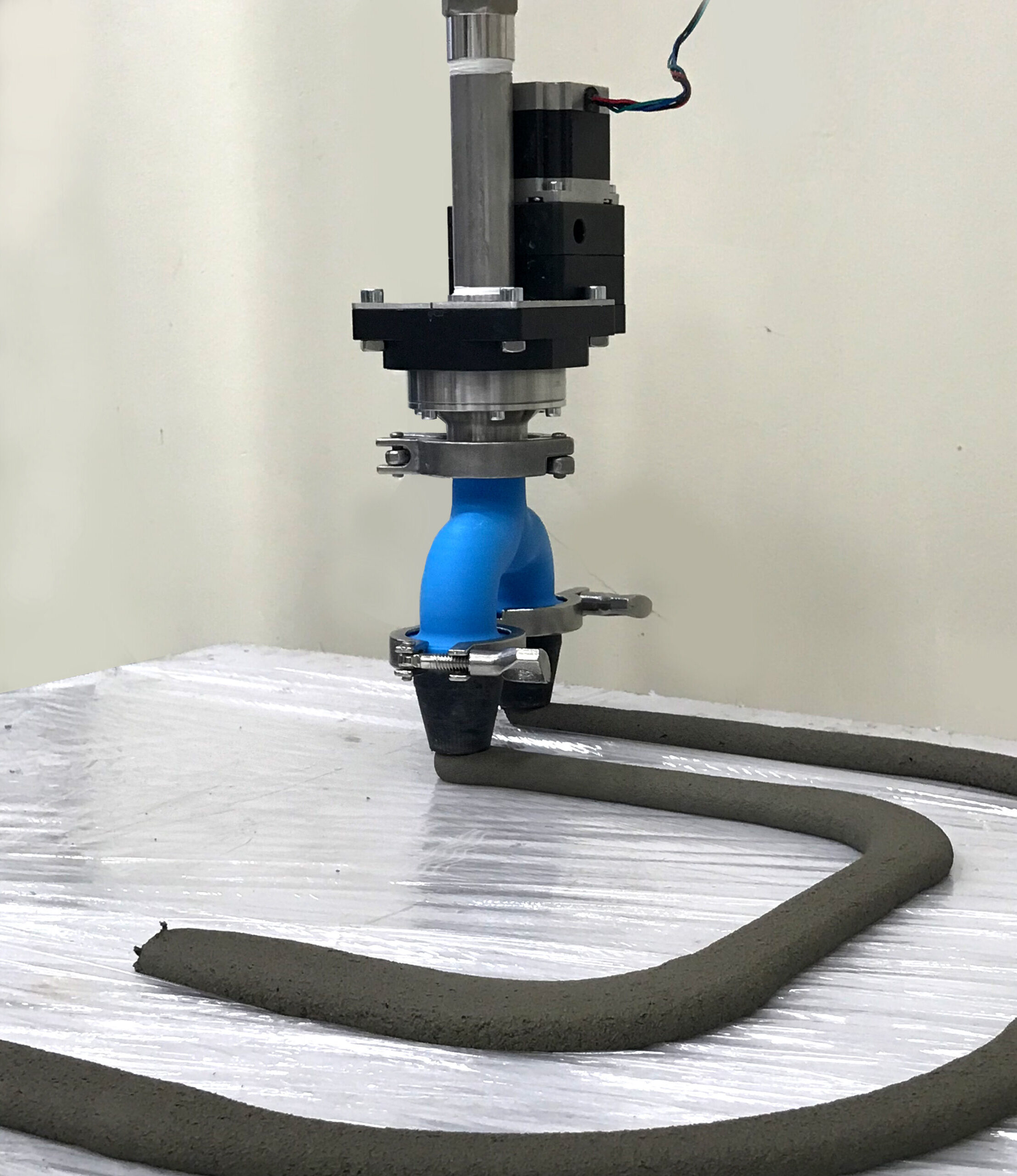
    At the center of the system is a mixing print head that can handle both single-component and two-component materials, such as cement combined with an accelerator. The print head mixes the material continuously to keep the flow stable and can deliver up to 3 liters per minute, with printing speeds of up to 150 mm per second. This makes it possible to work with fast-curing and more complex materials that are difficult to process on simpler lab printers.

    StoneFlower 3D’s laboratory-scale 3D printer in action.

    The printer uses industrial-grade hardware and standard G-code, making it easy to operate and compatible with common slicing software. Users can control the system through a touchscreen or web interface, with a ready-to-use Cura setup included. Also, the system works with different material pumps, including a high-capacity mortar pump and a smaller ram extruder. This allows users to choose the setup that best fits their materials and printing process.

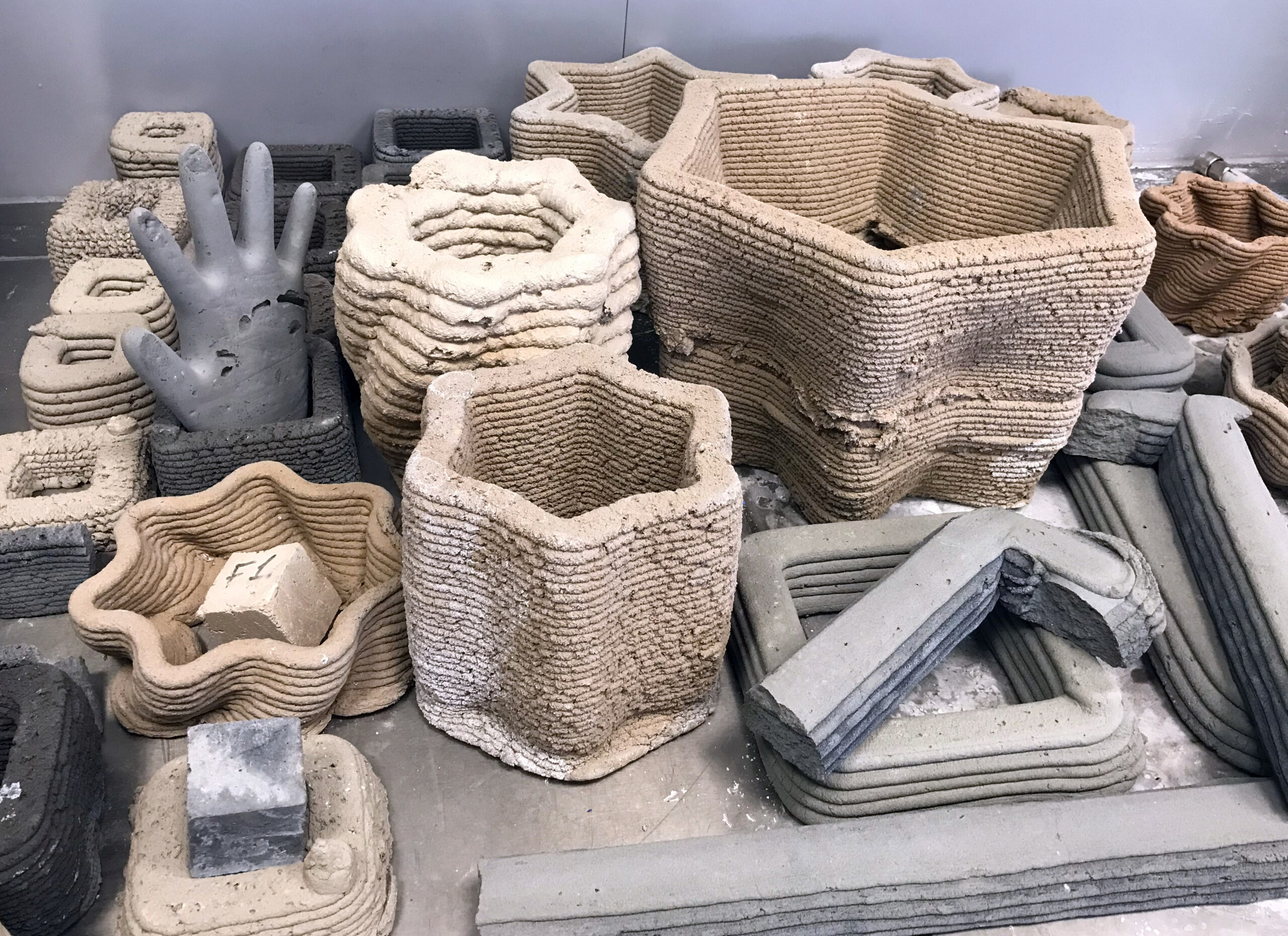
    StoneFlower 3D expects the printer to be used across several areas. In research, it can support the development of new construction mixtures, composite materials, and biocompatible cements. In architecture and design, it can be used to create complex models and prototypes of façade elements or structural details. The system is also suitable for prototyping and small-batch production of functional concrete parts.

    Pricing for the base configuration, which includes the printer frame and mixing print head, starts at an estimated €13,900. Final pricing depends on the selected build volume and pump system, and each order includes operator training.

    StoneFlower 3D’s laboratory-scale 3D printer.

    StoneFlower 3D is not alone in targeting this space. Over the last few years, a small but growing group of companies has begun offering laboratory-scale concrete and mineral 3D printers, mainly aimed at universities, research labs, and early-stage product development teams. These systems exist between small clay or ceramic printers and full construction-scale machines from companies like COBOD or ICON, which are designed for printing buildings and large structural elements.

    What makes this segment different is the focus on real material testing rather than final construction. Researchers and designers want to test real concrete mixes, fibers, aggregates, and fast-curing materials without having to invest in large industrial systems. Companies such as Deltasys E-Forming and Eazao also serve the laboratory-scale concrete 3D printing market, with systems aimed at research, education, and early-stage material testing. Meanwhile, companies best known for construction-scale concrete 3D printing, such as AC3D, have also introduced smaller platforms for research and testing, alongside their larger building-focused systems.

    Applications for the laboratory-scale 3D printer.

    For StoneFlower 3D, the emphasis is on flexibility. By offering customizable build volumes, support for industrial-style pumps, and both single- and two-component material processing, the company is positioning its system as a practical research tool rather than a scaled-down construction printer. As interest grows in printed concrete and other construction minerals, laboratory-scale tools help researchers, material developers, and designers explore and refine materials and processes before they move into full-scale industrial production.

    Images courtesy of StoneFlower 3D

  • Low-Temperature 3D Printed Shape-Memory Stents Activated at Body Temperature

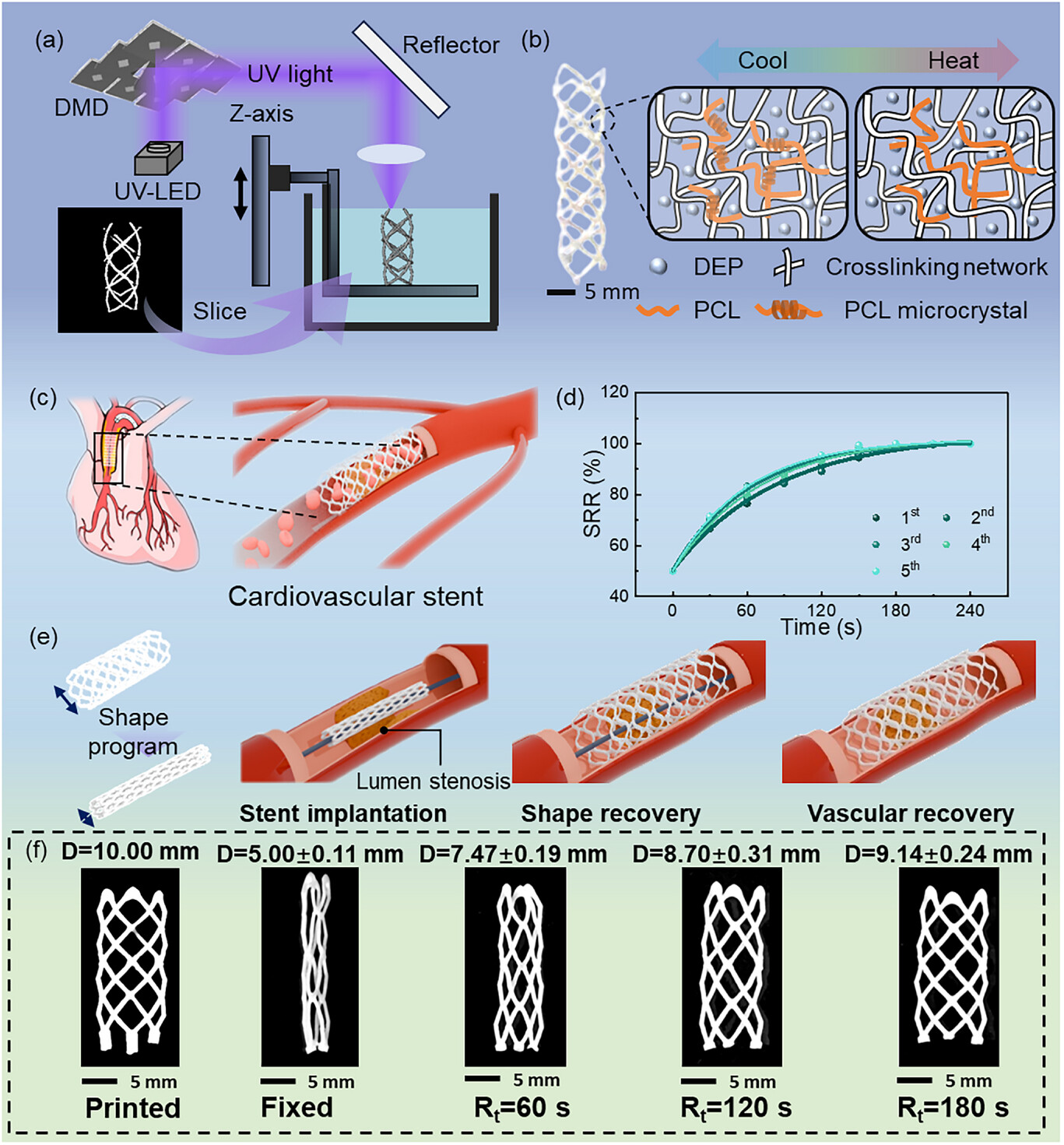
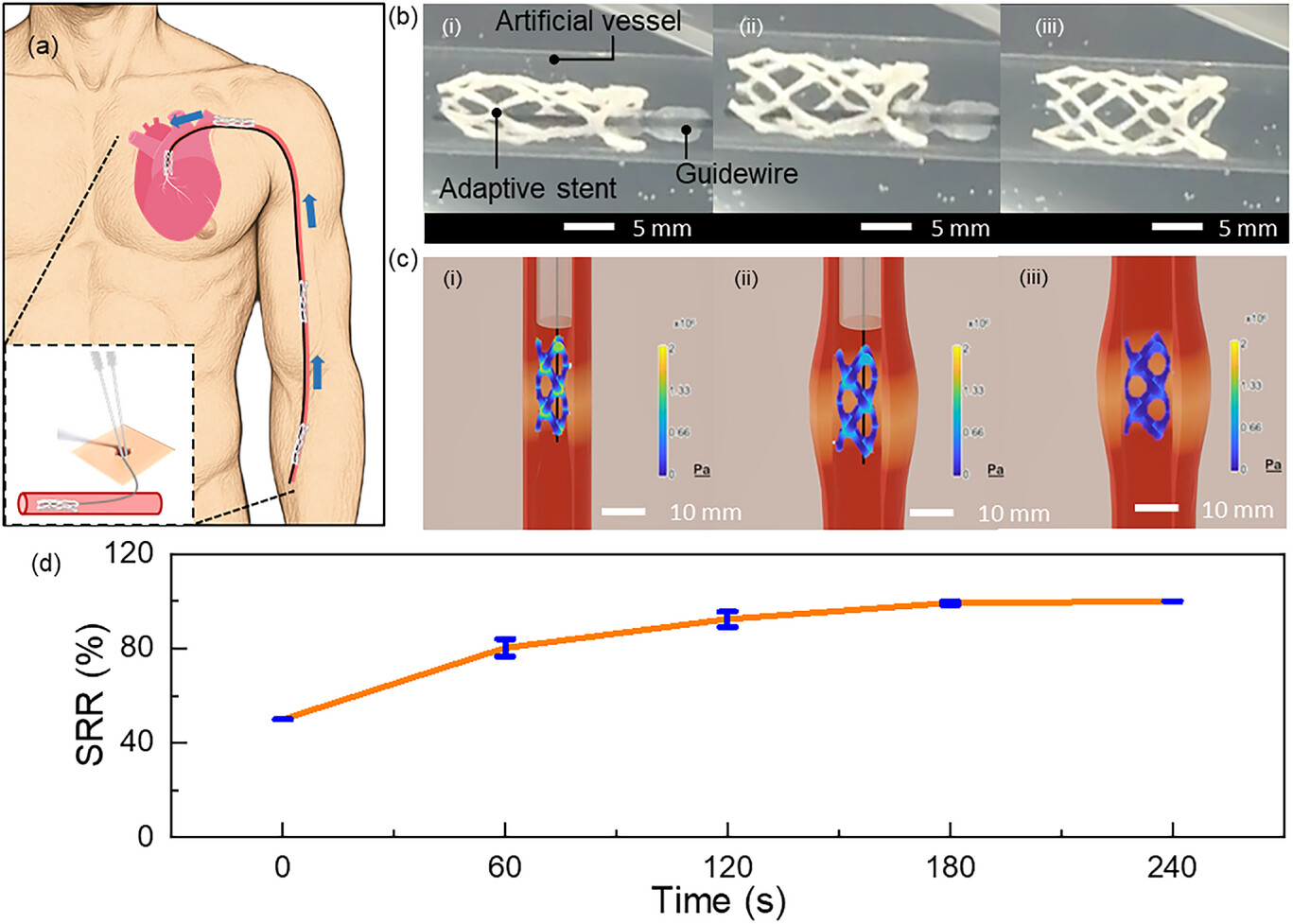
    Researchers from Waseda University, the University of Tokyo, the University of Tokyo Hospital, Southeast University, and the South China University of Technology have worked together on developing low-temperature 3D printed vascular stents. Published in Advanced Functional Materials,Adaptive 4D-Printed Vascular Stents With Low-Temperature-Activated and Intelligent Deployment” is important.

    A made-to-measure functional stent geometry that can change shape would be easier to implant and could make stent procedures safer and easier, reducing surgical risk and the need for surgery. In this case, the team used my favorite material, polycaprolactone (PCL) and DEP (diethyl phthalate) as a plasticizer. PCL is often used for applications such as trachea fabrication; it is extruded somehow, but in this case, they used a micro-stereolithography (PµSL) machine. The material was optimized to have a class transition temperature at body temperature, which is smart.

    The stent they made is one meant to be used as a vascular stent. The stent is strong, very elastic, and biocompatible, and is meant to evolve into an implantable device. Used in the treatment of coronary heart disease, stents are a major business. What’s more, PCL is bioabsorbable, so the material could, in future iterations, be made to be completely reabsorbed.

    Now the team, led by Waseda University’s Shinjiro Umezu, is making a stent that heats and changes shape once it’s in the body through body heat. I love this. The team used Blender to slice the stent, which is a powerful tool but would not be my first choice for this application. I couldn’t find the name of the 3D printer used.

    The 10 mm-diameter, 10 mm-high stents were designed with 1 mm-diameter channels. First, the stents were put in 70°C water, then put in cold water for 5 minutes, and fixed. After they were reheated in water at 37 °C. The team also did in vivo experiments in mice as well as in vitro studies on umbilical cells.

    Professor Shinjiro Umezu explained,

    “Our work provides a robust platform for next-generation adaptive vascular stents with programmable mechanics, intelligent deployment, smoother integration with human body, and reduced need for complex procedures, offering significant potential for personalized treatment in anatomically complex vascular structure. Consequently, our research could contribute to future vascular stent technologies used in minimally invasive procedures, potentially simplifying deployment and reducing the need for additional equipment. The same approach may be applicable to other implantable medical devices that are designed to respond to the body’s natural environment.”

    I think this is a great development. 3D printed PCL components could be a very safe alternative to a lot of therapies and devices currently. The material is very safe and has some wild properties. If you wanted to make a stent that could then subsequently bioabsorb once the treatment is done, then this could make things even easier and safer for patients. Just by making the stent change back to its shape in the body, the team has made a step forward. This could, if proven out, lead to a huge industry around shape memory stents. We do not yet know what industrial acceptance will be like, but if these could be coupled with simple, relatively safe procedures, they could have a lasting impact on the medical market.

    Polymers in the body still scare a lot of companies. But in this case, we’re talking about a material that is safer and more temporary than others. I can really see a whole host of treatments emerge around these kinds of systems. For treatments that have to do with muscles and tendons, something like this could make a lot of sense as well. For oral and other cancers, such custom structures can also provide relief. I really think that this team is on to something, and I hope that much more research will follow.