• DoW Accelerates Drone Readiness with AMTrain Phase 2 Launch at Camp Lejeune

    Equipping today’s warfighter with the most advanced technology is paramount, driving increased prioritization and investment in drone development and advanced manufacturing training within the Department of War (DoW).

    In this evolving landscape, America Makes, the National Additive Manufacturing Innovation Institute, is playing a central role through its AMTrain platform. Positioned at the intersection of workforce development and technological advancement, AMTrain offers a potential pathway to strengthening U.S. drone dominance while reducing reliance on non-domestic component sources. Through its Education and Workforce Development (EWD) portfolio, the Institute is delivering targeted training that demonstrates the practical application of additive manufacturing (AM) to enhance military drone capabilities.

    At its core, AMTrain is a training-alignment platform that connects a curated “card catalog” of best-practice AM courses to defined job roles and competencies. This structure enables the DoW and its industry partners to map, track, and ultimately close workforce skills gaps across the additive manufacturing enterprise.

    To support this mission, the Institute deployed AMTrain in 2022 as a centralized resource for state-of-the-art, vendor-agnostic training assets. These resources promote best-practice sharing and improve overall force readiness, supporting applications such as mission-specific payload customization, on-demand spare parts production in contested logistics environments, and repair in expeditionary settings.

    Building on this foundation, America Makes launched Phase 2 development of AMTrain in March 2025, with Camp Lejeune selected as one of the initial pilot sites. During two recent visits, the Institute’s EWD team engaged directly with Marines and active-duty service members, gathering real-world feedback to refine training pathways, enhance platform usability, and ensure alignment with mission-critical needs.

    “Our work on AMTrain provides a robust platform to upskill active-duty service members in AM,” said Ed Herderick, EWD Director at America Makes. “By integrating user feedback and continuously improving the system, we ensure service members have the latest skills to leverage AM and advanced manufacturing, boosting readiness and strengthening the defense industrial base, including the adoption of drones and other innovative technologies.”

    Potential impact of AM

    The U.S. military’s drive to rapidly advance and apply technology in pursuit of global drone dominance creates a natural gateway for adopting AM. Digital by nature, AM offers significant potential for producing drone bodies, chassis, and components. It allows for the creation of unique geometries and the integration of different materials with varying energy densities. This enables rapid production, cost efficiency, customization, and lead time reduction.

    AM is creating new opportunities across the DoW by strengthening cross-training, improving collaboration, and enhancing interoperability. As capabilities grow and initiatives like AMTrain support consistent, shared learning, teams can more easily exchange knowledge, align practices, and work toward unified solutions. This coordinated approach reduces redundancy, accelerates innovation, and boosts readiness, ensuring the department fully benefits from AM’s expanding potential.

    AMTrain is designed to close critical workforce gaps by standardizing AM training across roles and services, guiding learners to the right training at the right time, and continuously evolving through user-informed updates. In doing so, it directly supports broader readiness and modernization goals across the DoW.

    Building on this foundation, Phase 2 of AMTrain advanced the platform as a unified, mission-driven solution. While Phase 1 established the core competency mapping and system architecture, such as linking AM skills to role-specific training, Phase 2 focuses on validation and expansion through direct field input. This iterative approach enhances usability while ensuring the platform remains relevant, scalable, and aligned with real-world operational demands.

    Advanced drone training capabilities

    During the visit to Camp Lejeune, the America Makes team documented a drone assembly exercise using additively manufactured structural parts conducted by military personnel. The resulting footage will serve as a training and demonstration resource, preserving practical techniques and best practices observed on the ground. By capturing real-world assembly workflows, the Institute is shaping a process that allows the U.S. military to systematically refine procedures, strengthen readiness, and amplify the effectiveness of AM training.

    Over time, this knowledge base will help standardize methods, accelerate adoption of AM-enabled capabilities, and deliver sustained benefits across the U.S. military.

    Looking Ahead

    AMTrain’s long-term vision is to deliver personalized, competency-based AM training that unifies and accelerates learning, standardizes certifications, and strengthens mission-critical capabilities across military and industry. This approach reduces inter-service barriers, speeds access to critical AM parts, and shifts the culture from service-specific solutions to joint, coordinated impact.

    By aligning education, training, and certifications, America Makes and its partners aim to ensure that what begins at Camp Lejeune and other AMTrain pilot sites becomes a national model for military readiness, enhancing collaboration, efficiency, and effectiveness across the defense enterprise.

    Learn more about AMTrain and other EWD digital assets at https://www.americamakes.us/amnation/tools/.

     About the Author:

    Eartha Hopkins is the Content Coordinator for America Makes at the National Center for Defense Manufacturing and Machining (NCDMM), a role she began in 2024. Before joining America Makes, Hopkins served as communications specialist for The Red Zone, where she led internal and external rebranding and marketing efforts, and also worked as a communications consultant supporting organizations such as The Raymond John Wean Foundation and the Youngstown Neighborhood Development Corporation. She holds a bachelor’s degree in Communications from The Ohio State University.

    Acknowledgment: This material is based on research sponsored by Air Force Research Laboratory under Agreement Number FA8650-20-2-5700. The U.S. Government is authorized to reproduce and distribute reprints for Governmental purposes, notwithstanding any copyright notation thereon.

    Disclaimer: The views and conclusions contained herein are those of the authors and should not be interpreted as necessarily representing the official policies or endorsements, either expressed or implied, of Air Force Research Laboratory or the U.S. Government.

    Interested in how drones and 3D printing are coming together in real-world military and industrial applications? These topics will also be explored at the Additive Manufacturing Strategies UAS: The Present and Future of Drone Manufacturing event on June 30, 2026.
  • ETH Students 3D Print Experimental Rocket Engine

    Students at the Swiss University ETH have built a Rotating Detonation Rocket Engine (RDRE). An RDRE burns propellant in a ring-shaped combustion chamber where a continuous supersonic wave detonation is propagated. With fewer parts, these engines could be highly optimized, smaller, lighter, and more efficient. JAXA, NASA, and the AFRL have been working on trying to get RDRE engines right, while RTX and Astrobotic have also worked on them. So this is truly cutting-edge work by this group of students. RDRE engines often use 3D printed components to reduce weight, optimize performance, and improve work. And true integration of 3D printing into RDRE engines could provide for a new generation of space propulsion that could outperform.

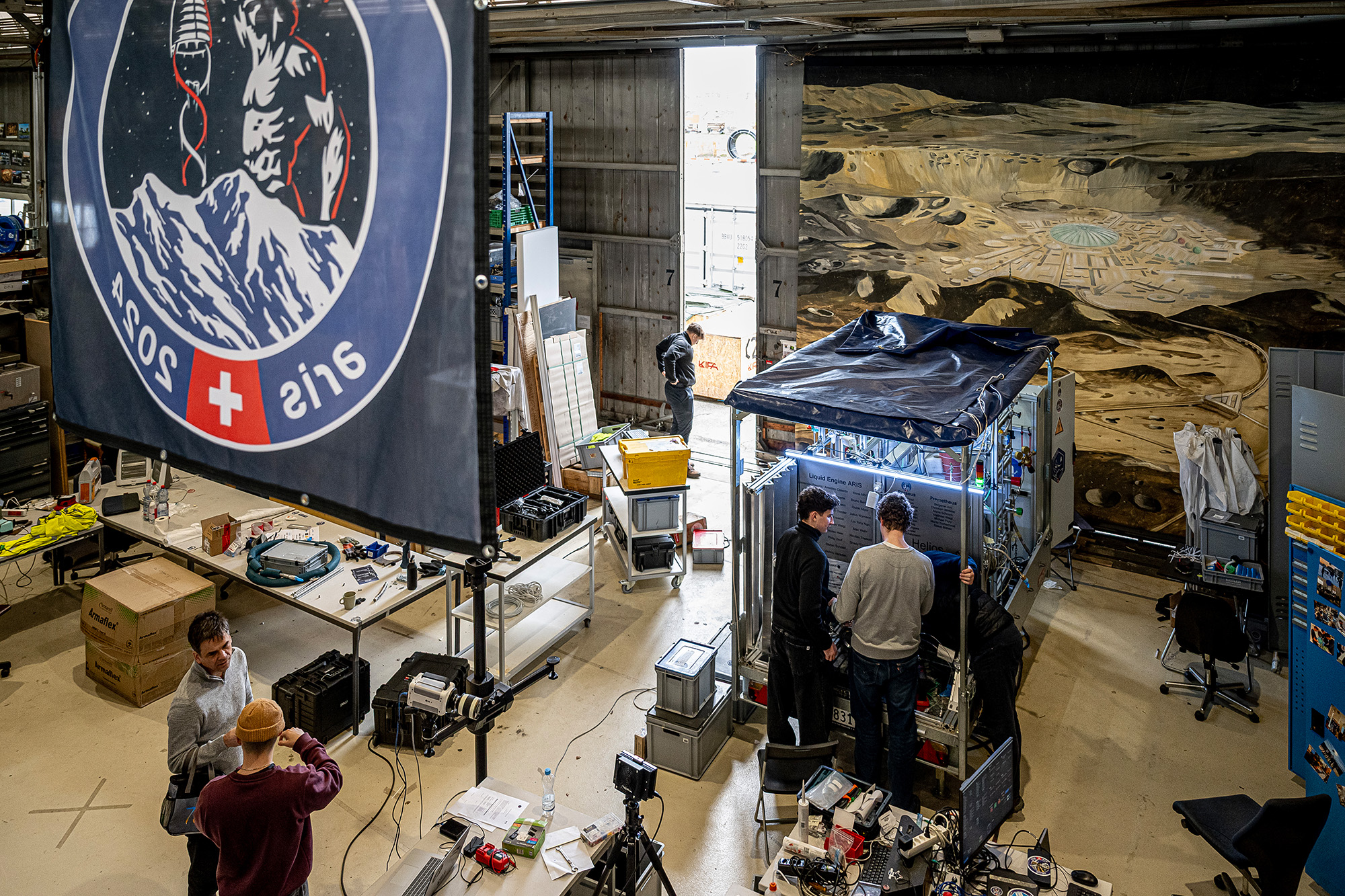
    The engine and the test stand on the trailer were built here in the ETH hangar. Image courtesy of Daniel Winkler/ETH Zurich.

    The students were part of the 19-member Pegasus team, which took part in ETH’s Aris space and rocket program with the goal of making a bi-liquid RDRE with 10% more power than alternatives. The team, tested at Dübendorf airfield, consisted of students in their second and third years of college, which is remarkable. The difficulty was in creating the right injector, oxidizer, and structure to ignite the reaction correctly, without being torn apart by the reaction’s pressure and temperature, which produce an explosive wave 20,000 times per second.

    One of the students, Mattia Röösli, developed the injector. He said that “rockets fascinate me because they fly simply by accelerating fuel backward,” adding that “it’s a mistake to think you can fully understand the topic before you start.” He also said that “you don’t need to be exceptionally talented to develop a rocket engine after two years of study. You go step by step and help each other,” which is encouraging news for anyone who might want to try something similar someday.

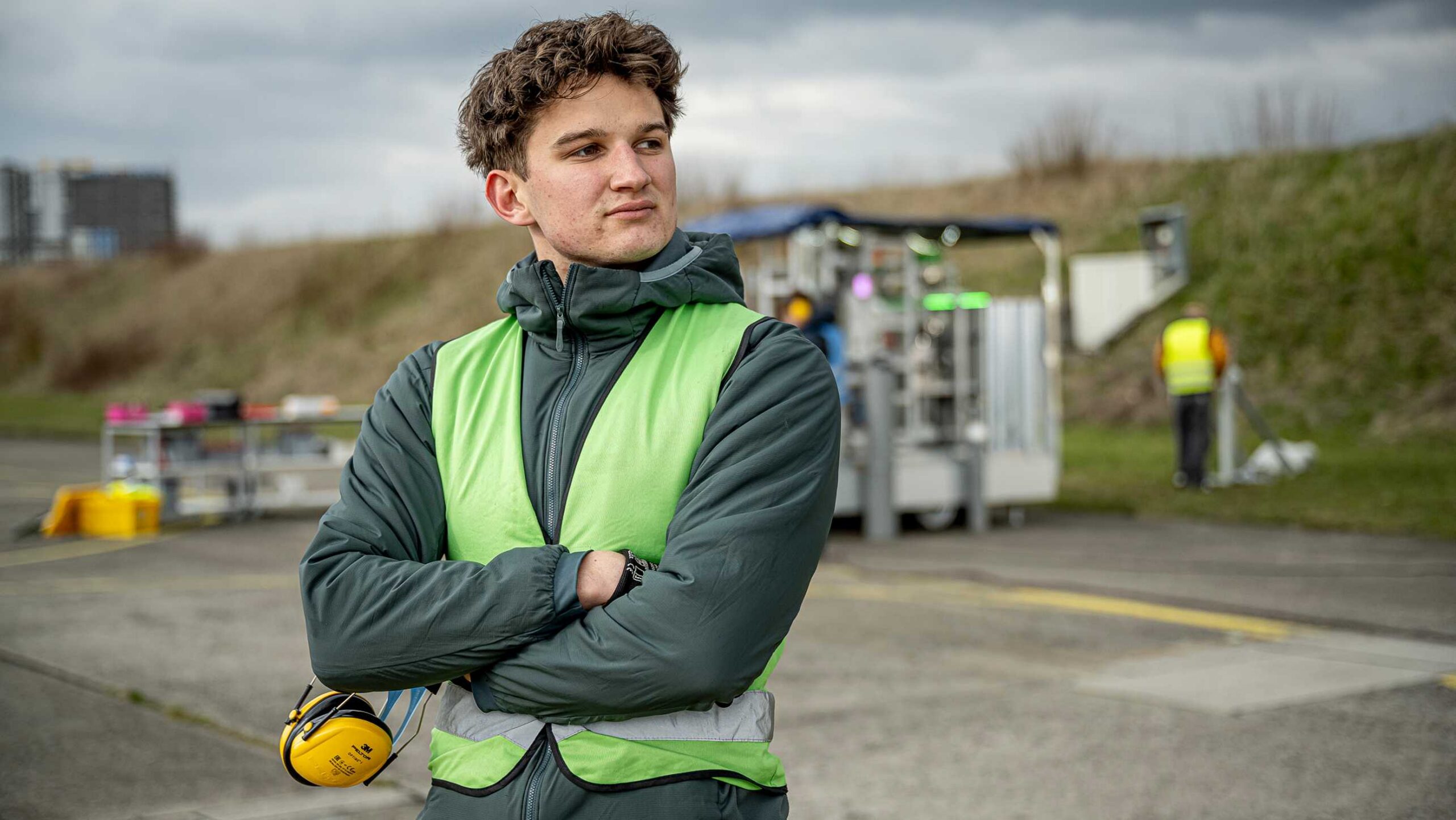
    Mattia Röösli developed the injector, the centerpiece of the rocket engine. Image courtesy of Daniel Winkler/ETH Zurich.

    Together with the team, they made LPBF prototypes of the injector. They were helped by previous students who acted as mentors. They worked on safety concepts, other parts of the design, and testing for months. After test-firing, they achieved three sustained detonation waves. I love that this young team gets to work on completely new, cutting-edge stuff.

    This kind of work is expensive. A lot of 3D printing, prototypes, build time, and design work add up. Not many universities could fund something like this. But there are many wealthy large universities that could, and they don’t do anything remotely as exciting as this. I love the practicality of this. Imagine all the practical FEA, DfAM, and 3D printing experience gained on your own. Imagine just trying to get the printed parts to work, and the understanding that comes from how the machines operate. This kind of thing is invaluable when going on to work with actual rockets. This kind of project could really give you a practical understanding of what it would take to get your own rocket company off the ground. And imagine just how prepared these students will be when they hit the job market.

    We know that additive engineering is a team sport. It’s not a bunch of people working on their own thing serially. Instead, people work together as a team, continuously evaluating and passing information back and forth. Systems, simulation, propulsion, and manufacturing teams are in effect integrated and working cohesively. The ability to work in a team, to value others’ work, to understand different fields, and to fight for your ideas without fighting with others is crucial in the complex world of space and rocketry. This is a skill, something that you learn from experience. Perhaps more universities could get into more practical work with the lowering costs of Additive and electronics? Perhaps they should do so to enable their students to do more practical work as a team, learning to build together.

  • Electroninks Launches Desktop Machine for Printing Circuit Boards

    Electroninks makes high-performance conductive inks that are used widely in electronics and in semiconductors. The firm has now launched the CircuitJet IV. This is a new version of its desktop printed circuit board (PCB) printer. Unattended, the system is “consolidating PCB fabrication, plating, solder mask deposition, assembly, and reflow into a single integrated benchtop system.” This will be a very handy tool for prototyping and low-volume production, letting one engineer develop a wide range of PCBs and other electronics from her desk. The printer is optimized for the firm’s own inks. Their own inks can be used for dielectric materials, as well as for silver, platinum, gold, nickel, and copper.

    Through confining all the relevant steps into one machine, this could be a convenient and safer alternative to more manual setups. Laser etching, through-hole plating, masking, pick-and-place, reflow, and inspection are all done in the nifty unit.

    Senior Director of Manufacturing Systems and Platforms at Electroninks, Dr. Michael Bell, said that,

    “The hard problem in rapid PCB prototyping has never been speed, it’s been trust. Many desktop systems can produce a board quickly, but the materials, substrates, and processes often deviate significantly from industry-standard manufacturing. Our goal with CircuitJet IV was to build a platform that delivers production-grade boards using semiconductor-grade plating, standard substrates, and workflows electrical engineers can rely on.”

    The company will also let you submit a circuit before getting a machine, with Bell stating,

    “We want customers to evaluate real boards produced from their own files before making any commitment. The earlier we engage with a customer, the better we can optimize the platform around their workflow — from ink chemistries and fixturing to software and process tuning. That collaborative approach is essential for scaling distributed electronics manufacturing successfully.”

    Years ago, we had Brett Walker, the CEO, on our podcast, and we knew that the company was doing fundamentally interesting work. The company had gotten an SBIR award in 2014 to develop the CircuitJet. There was a further NSF grant to use its inks for electromagnetic interference (EMI) shielding, with other grants from the Air Force and others following.

    The company’s kit can be used to make things quickly and produce novel sensors. But, also for repairing aging inventory and in producing low-volume missing parts for missiles and the like, the CircuitJet can be invaluable. In the production of aging, broken electronic circuits and PCBs, the company can really make a difference for the defense sector. Beyond this, the device can really help researchers make novel electronic devices or help companies prototype new electronics.

    With resilience and time-to-market always on people’s minds, this should now drive new interest in this product. With Nanodimension selling its 3D printing electronics unit, the flag-bearer for 3D printed electronics is gone. But, quietly behind the scenes, firms like Advanced Printed Electronic Solutions, nScrypt, and others are driving capabilities and the market forward. Beyond the hype, there is real business in 3D printing electronics. Making low-volume electronics a real capability has unlocked it for cutting-edge researchers and companies. And repairing electronics for the military is a business worth billions. And then there are all manner of new devices, sensors, and other things that can be made through 3D printing. Even without the “we can 3D print our iPhone” hype, this is still a valuable business. And this business can expand significantly over the next few years. With smaller electronics, new form factors, and more competition, cutting-edge designs will need to be explored, and 3D printing them could be the fastest and cheapest way to do so. And beyond that, completely new devices could only make sense with 3D printing. We really believe in 3D printed electronics, and we see real growth, real applications increase, and real applications there.

  • How Additive Manufacturing Is Reducing Downtime in Irrigation Systems

    In modern agriculture, uptime matters. Irrigation systems need to keep running during key growing periods, and even short interruptions can affect crops and reduce yields. Over the past few years, 3D printing has started to play a practical role in minimizing downtime by enabling faster, localized production of essential pump and irrigation components.

    The Downtime Challenge in Irrigation Systems

    Traditional supply chains for pump parts — such as impellers, housings, and diaphragms — can be slow, especially during peak seasons. Lead times for replacement components often extend from several days to weeks, particularly when parts are specialized or sourced internationally. For farms and agricultural operations that rely on continuous water flow, this delay creates a significant operational risk.

    Because of that, more operators are starting to look at 3D printing as a practical backup option.

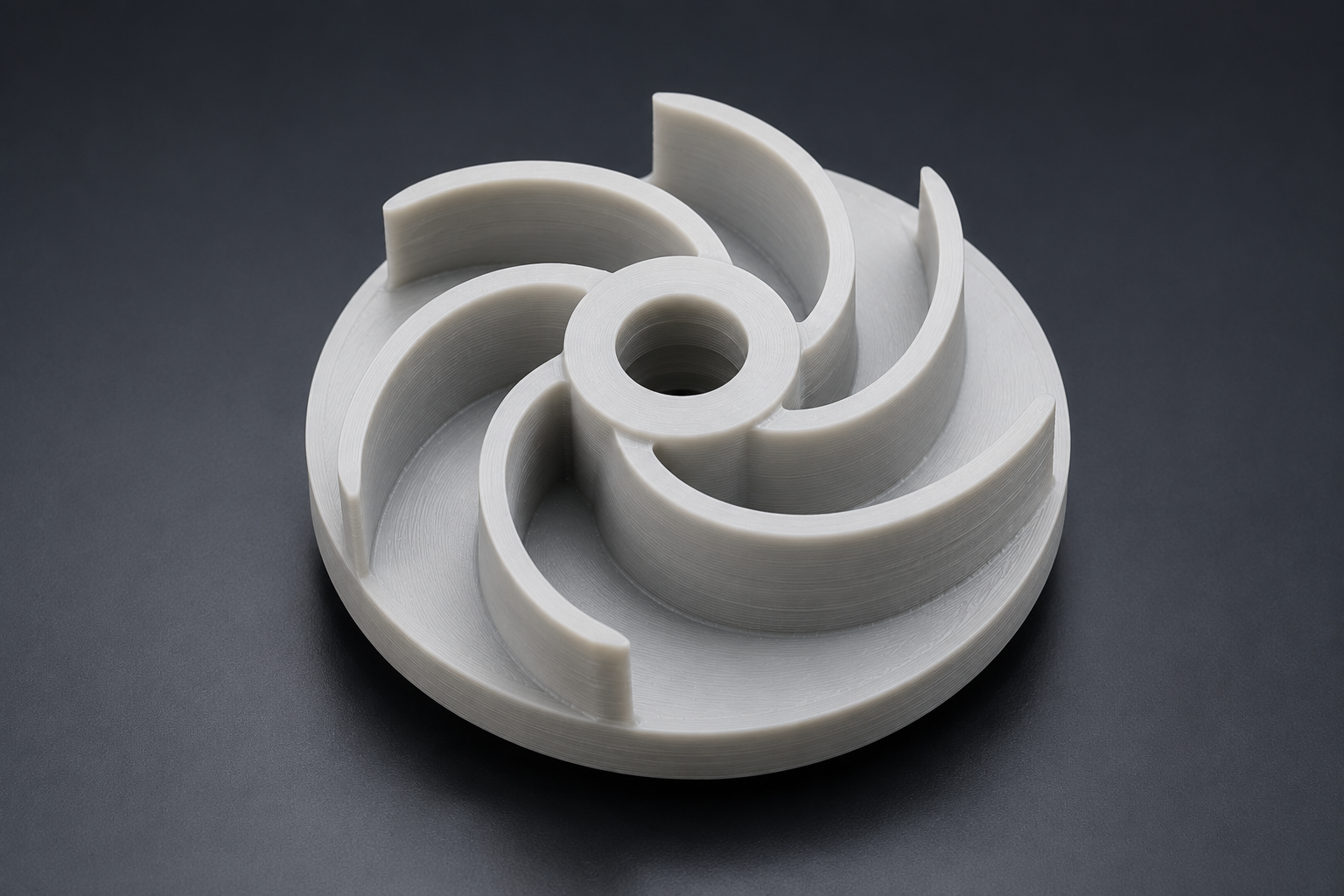
    AI-generated rendering of 3D printed irrigation pump component. Rendering courtesy of 3DPrint.com.

    One of the clearest uses for additive manufacturing (AM) in irrigation is producing replacement parts on demand. Instead of waiting for shipments, operators or service providers can fabricate components locally using digital designs.

    For example, custom impellers used in irrigation pumps can now be reproduced from durable polymers or composites. While these 3D printed parts may not always replace high-volume industrial manufacturing, they serve as effective interim solutions that keep systems operational until permanent replacements arrive.

    This can be especially useful in rural or remote areas, where shipping delays are common

    Reducing Repair Timelines from Weeks to Days

    In many real-world scenarios, AM has significantly reduced repair timelines. What once took 2–3 weeks for sourcing and delivery can now be addressed within a matter of days.

    Some agricultural service providers are already adding 3D printing to their maintenance workflows. Keeping digital files of commonly used parts also makes it easier to respond quickly when equipment fails.

    Companies that work extensively in water pump distribution and irrigation systems are observing this shift firsthand. The ability to quickly source or reproduce parts is becoming a competitive advantage in supporting agricultural clients during critical periods.

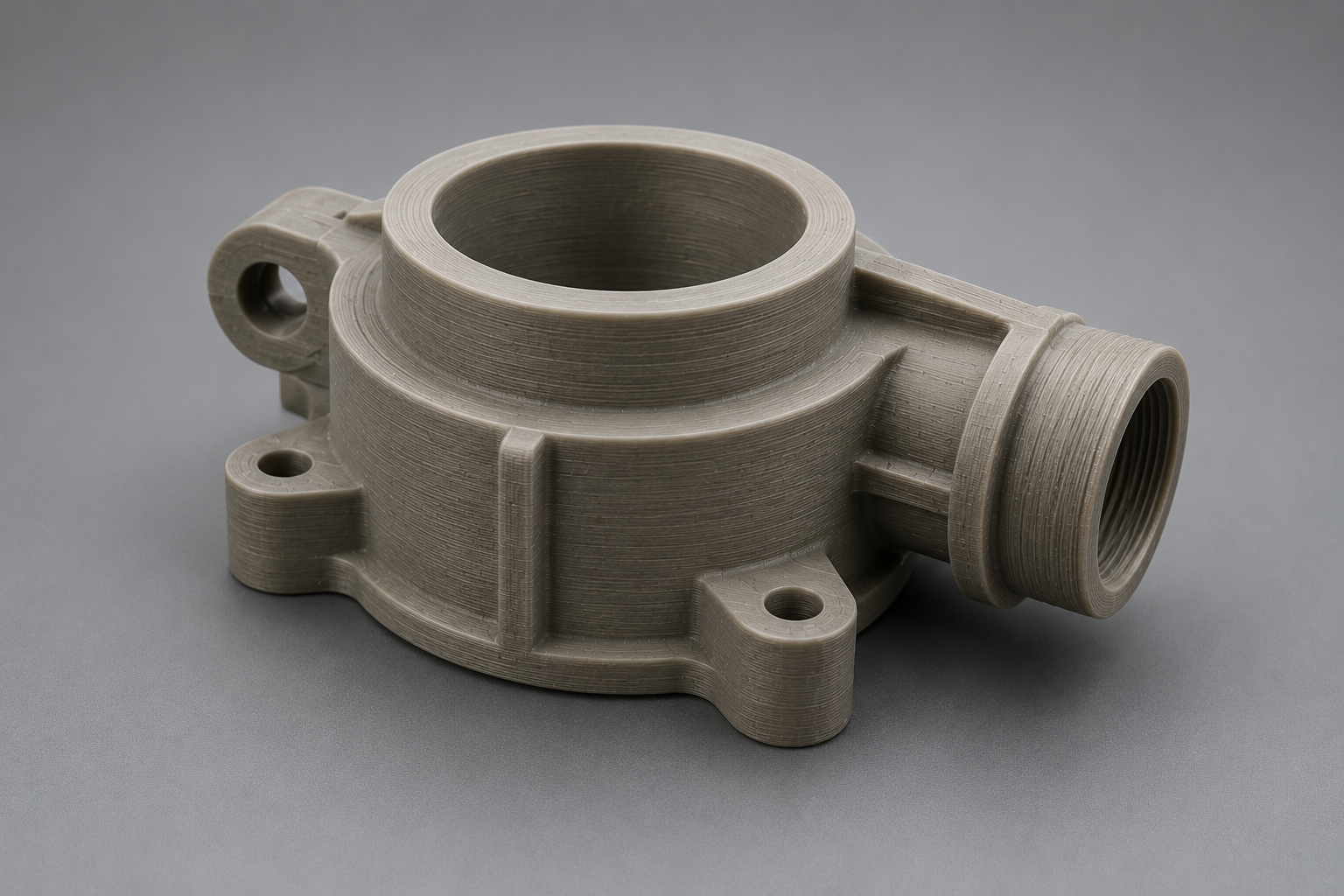
    AI-generated rendering of a 3D printed pump housing created for rapid replacement and localized production in irrigation systems. Rendering courtesy of 3DPrint.com.

    Diaphragm pumps, commonly used in agricultural irrigation and fluid transfer, are another area where AM is proving useful. Components such as housings, covers, and non-critical internal parts can be produced using 3D printing when standard replacements are unavailable.

    Additionally, older or legacy systems — where original parts may no longer be manufactured—benefit greatly from this approach. In some cases, older components can be reverse-engineered and reproduced, helping extend the life of equipment that might otherwise be difficult to repair.

    Supporting Hybrid Irrigation Systems

    With the rise of hybrid irrigation systems integrating solar-powered pumps and smart controls, the need for adaptable, quickly replaceable components has increased. AM supports this evolution by enabling custom modifications and rapid prototyping for system upgrades.

    For instance, brackets, connectors, and custom fittings can be designed and produced to fit specific configurations, improving system efficiency without long procurement cycles.

    While AM is often associated with prototyping, its role in irrigation is now clearly operational. Farmers and service providers are not just testing concepts—they are using 3D printed components in the field to maintain continuity and reduce risk.

    The biggest advantage is flexibility. Instead of being dependent solely on traditional supply chains, agricultural operations now have an additional tool that enhances resilience and responsiveness.

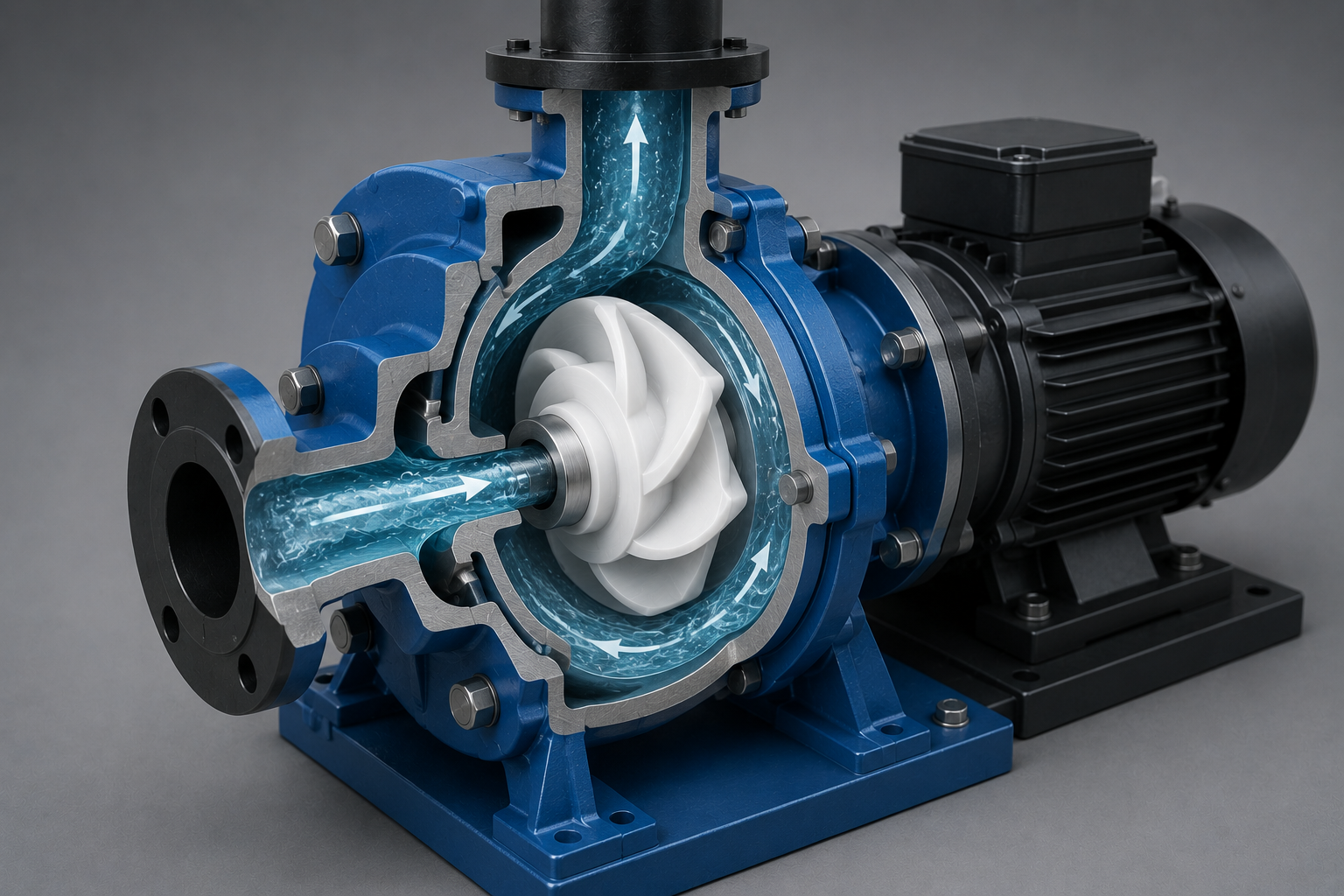
    Cutaway rendering of a water pump showing a 3D printed impeller and internal flow path for agricultural irrigation applications. Rendering courtesy of 3DPrint.com.

    As material quality continues to improve and access to AM becomes more widespread, its adoption in irrigation systems is expected to grow. While it may not replace conventional manufacturing for all components, it will increasingly serve as a reliable backup and support system.

    In farming, even a small reduction in downtime can make a real difference. AM is proving to be a practical solution that helps keep water flowing, exactly when it matters most.

    About the Author:

    David Starr has been involved in the Ken’s Distribution Company for more than 10 years. He deals with residential and commercial water pumps. He is well-versed in Clean water, Lawn and Irrigation, Sump, Effluent/Sewage, Multi-purpose, Frame mount, Engine drive, Centrifugal Pumps, and CH&E Diaphragm Pumps. He specializes in water pumps and repair parts for Monarch, Franklin Electric, Red Lion Products, Generac, and CH&E (Magnum Diaphragm Pumps).

  • UltiMaker Targets Defense Manufacturing With New Factor 4 Plus

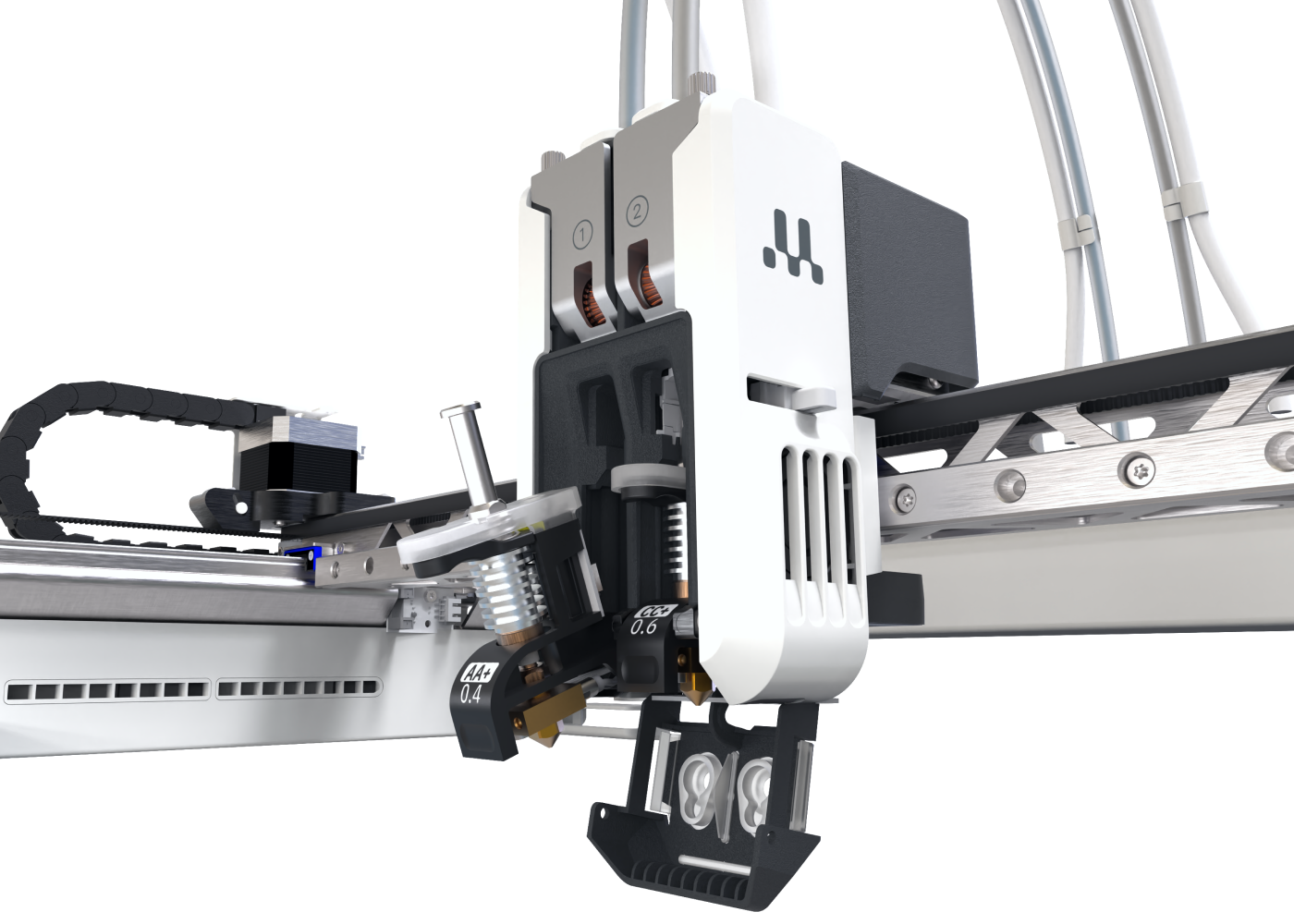
    UltiMaker has announced the new Factor 4 Plus. The printer, which sits above the S series, has a 330 x 240 x 300 mm build volume and a 120-kilo dual-nozzle material extrusion system. The printer has UltiMaker’s standout feature: swappable print cores that significantly reduce downtime and operator time.

    The machine will sell upwards of $15,000 and is aimed at manufacturing applications. The company now has new traceability features in place and says the system is twice as fast as the previous one. The TRACE (Technical Reporting and Certification Engine) is an automated feature that tracks every print and is said to improve QA. The system generates a CAD validation report for every print. The system is meant to be robust and rugged.

    Improved lifetime-tested Gantry for the UltiMaker Factor 4 Plus. Image courtesy of UltiMaker.

    UltiMaker CTO Arjen Dirks explained,

    “When I talk directly with our customers, one message comes through consistently: speed is great, but proving the quality of the part is the real challenge. TRACE was built directly in response to that feedback and I’ve seen firsthand what an incredible improvement it makes. Pulling validation data straight from the hardware gives customers the confidence and traceability they need to scale
    additive manufacturing into true production environments.”

    And UltiMaker’s SVP EMEA Andy Middleton added,

    “The Factor 4 Plus reflects UltiMaker’s focus on solving the real production challenges facing manufacturers and defense teams today. This is not about adding another machine to the portfolio. It is about listening closely to the market and delivering the speed, traceability, resilience, and affordability customers need to scale additive manufacturing in demanding, real-world environments.”

    The company hopes that it will be used in the field, particularly in defense. The company even thinks that it can be used forward-deployed. The company also made a Cheetah motion planner that is said to reduce vibration and better account for stepper motor acceleration and head torque than other motion planners. The company says that it has a “commitment to delivering practical, scalable additive manufacturing solutions for both industry and defense while remaining significantly more cost-efficient than other industrial 3D printing platforms.”

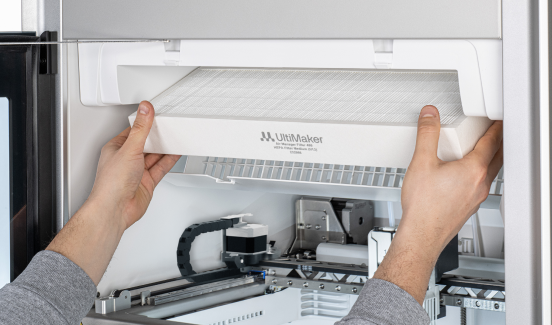
    HEPA filters for the Factor 4 Plus. Image courtesy of UltiMaker.

    UltiMaker’s current line-up is still very confusing, and it’s unclear which system is for whom. The company is known for a good UI, a good overall user experience, and making long-lasting printers. The focus on defense, therefore, is logical. Indeed, there are many fewer European 3D printing companies now. Previously, Europe dominated the desktop market for Pro and mid-tier systems. UltiMaker could therefore build a reliable, long-lasting, well-running system for industrial firms, large enterprises, and the military.

    Defense 3D printing and forward-deployed 3D printing are becoming more important and will give them steady clients and revenue. For many, however, lower-priced Bambu and other systems will continue to be the most obvious choices. If UltiMaker can demonstrate that it can run for extended periods in rugged conditions, it could find a very profitable niche for itself. If it could perform on oil installations, for example, at construction sites, and with the military, it could develop a cult following once again. Longevity, reliability, and being designed with the user in mind have traditionally made UltiMakers good systems. Generally, they’ve been the longest-lasting systems for most people. Claiming that heritage, living up to it, and somehow demonstrating it to buyers will be key for the company’s future.

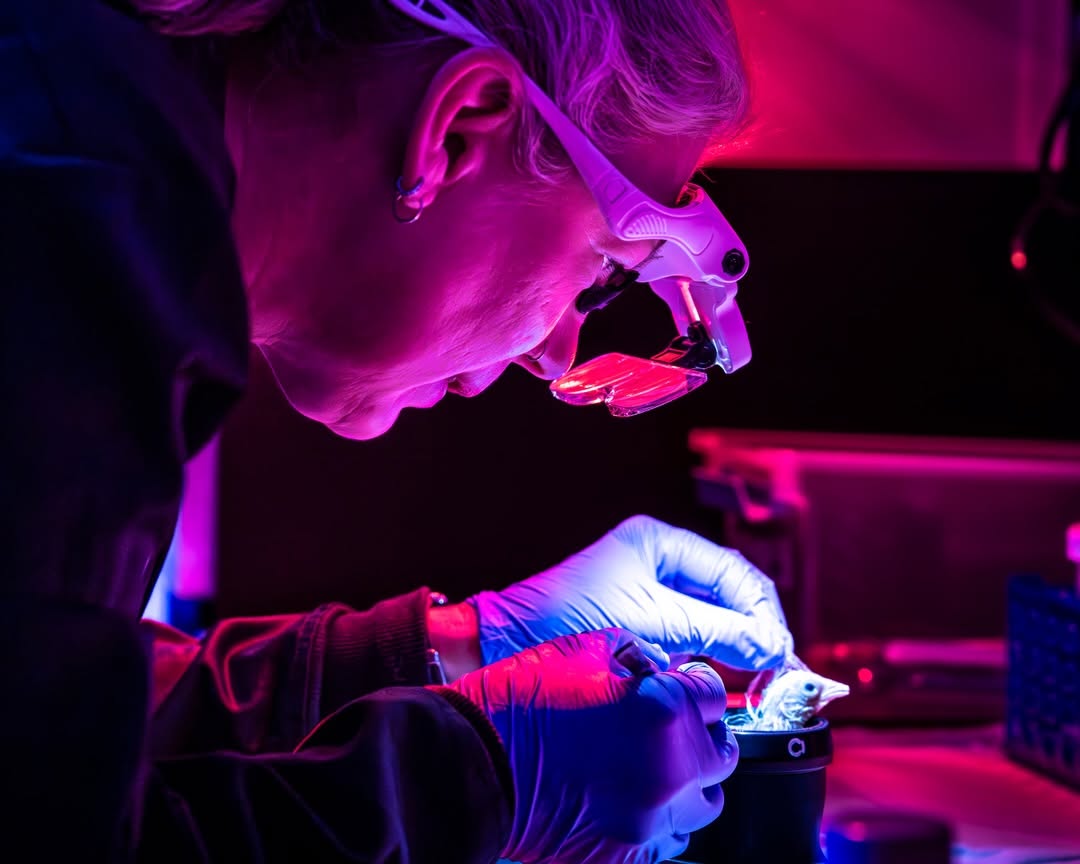
  • The Company Trying to Bring Back the Mammoth Just Hatched Chicks Using 3D Printed Eggs

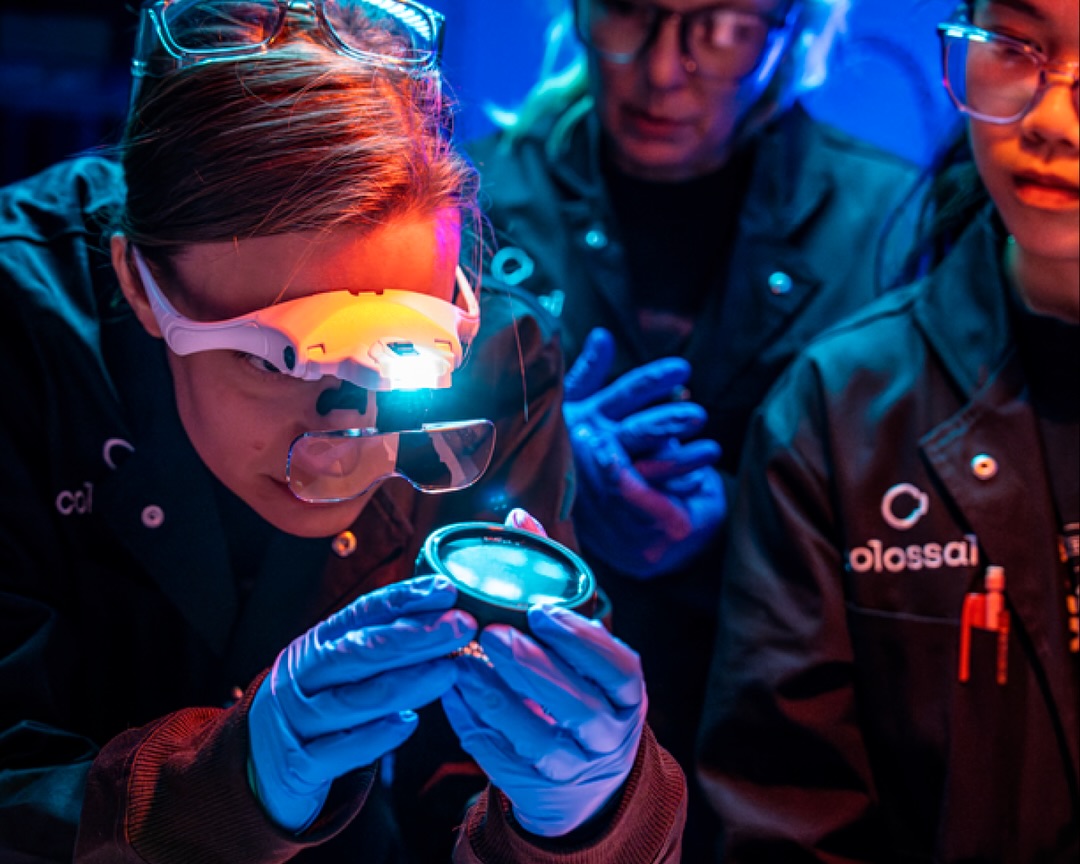
    Woolly mammoths. Dire wolves. Dodos. The list of extinct animals tied to Colossal Biosciences is already impressive. Now the company is adding another unusual project to that growing lineup. Researchers at Colossal say they have successfully hatched 26 live chicks using an artificial egg system that combines silicone membranes with a 3D printed shell designed to recreate some of the conditions inside a natural egg.

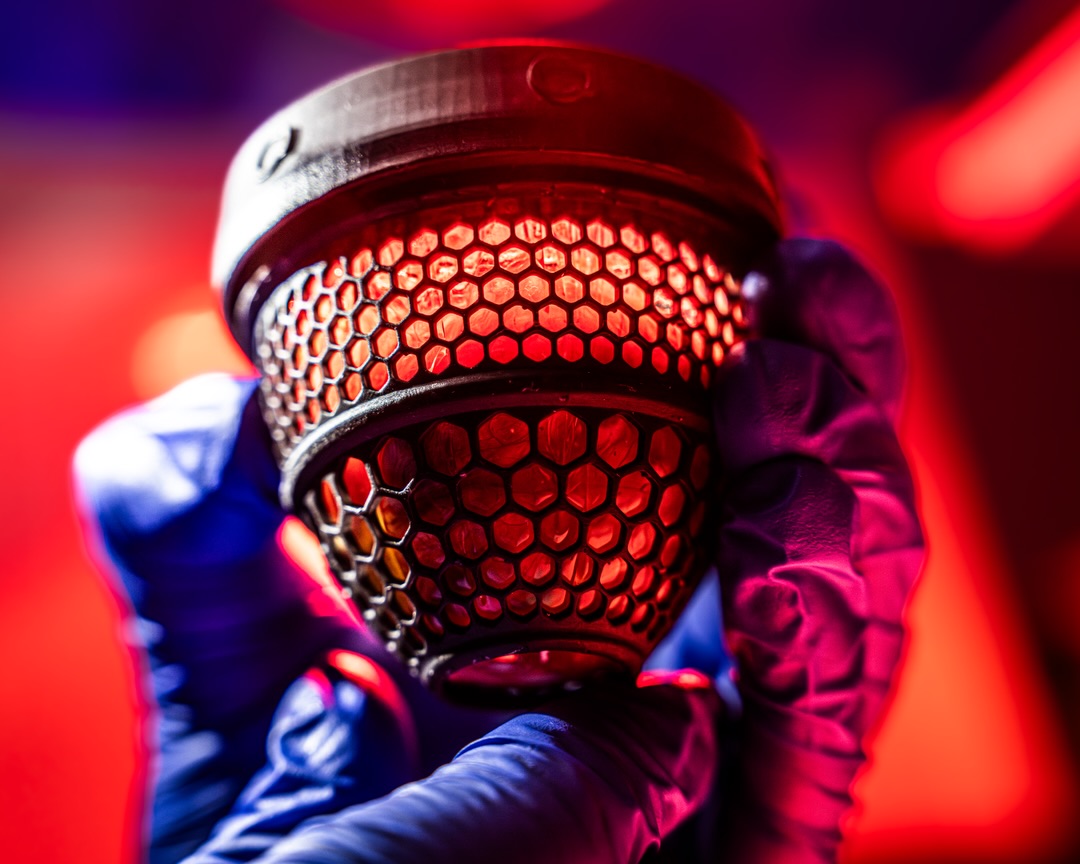
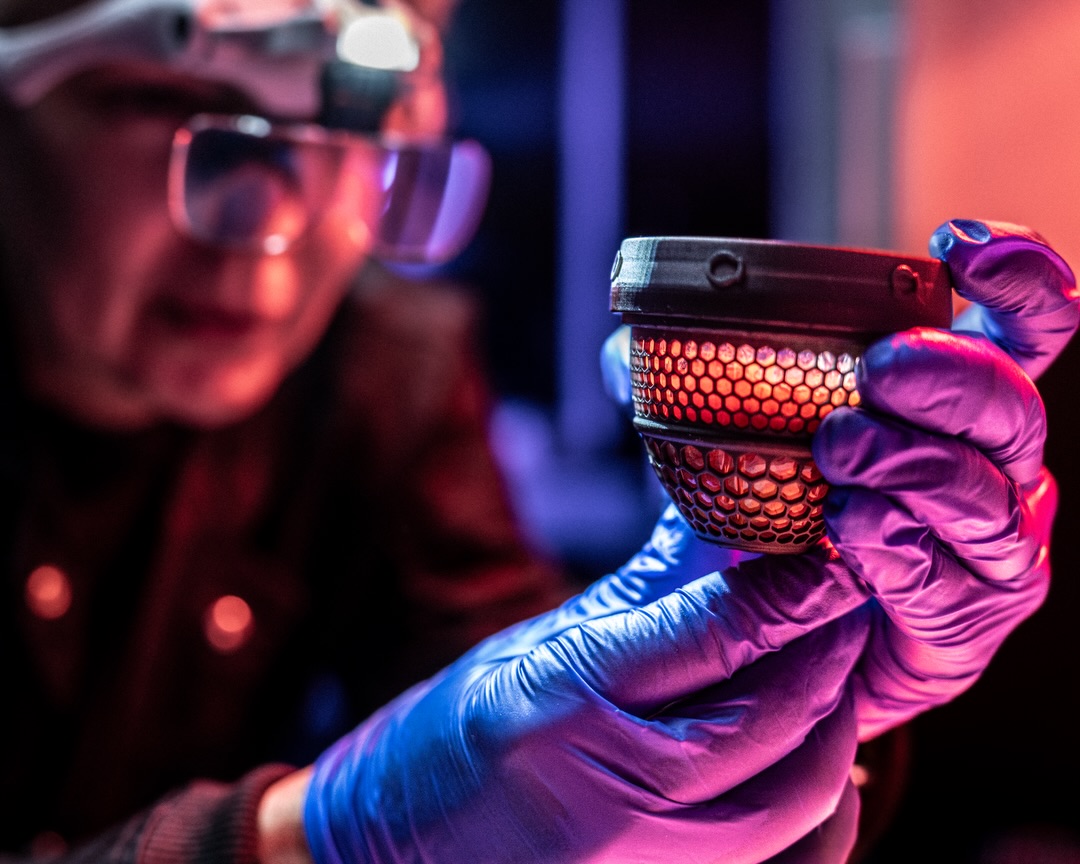
    According to information shared with 3DPrint.com by the company, some prototype versions of the shell were produced using a Formlabs Form 4 printer and BioMed Black Resin before later iterations were developed in titanium. The Dallas-based company believes the technology could eventually help conserve endangered bird species and support future de-extinction efforts involving birds that resemble extinct animals like the dodo or the giant moa. For species such as the giant moa, artificial incubation systems may be essential because no living bird is large enough to naturally incubate eggs of that size.

    An egg from the extinct South Island giant moa held around 80x the volume of an average chicken egg. Image courtesy of Colossal Biosciences.

    As with all of its previous announcements, this one sparked plenty of attention far beyond the biotech world. After all, baby birds emerging from synthetic eggs designed in a lab sounds like something pulled from a Michael Crichton novel. But beneath the science-fiction-like headlines is a story about incubation, oxygen exchange, materials engineering, and the growing role of advanced manufacturing in biotechnology.

    The project recently drew attention online after Microsoft executive Mohak Shroff visited Colossal’s Exogenous Development Lab and described seeing a “3D printed shell and a gas-permeable membrane” designed to reinvent the egg through technology. According to Shroff, Colossal scientists explained how the system was engineered to recreate the environment embryos need to survive and develop outside a natural shell.

    The artificial incubation system developed by Colossal is not just a plastic egg but an engineered structure that mimics key functions of a natural eggshell during embryonic development.

    In a normal bird egg, the shell does much more than provide protection. It controls oxygen flow, moisture, gas exchange, and calcium transfer during development. In fact, researchers have spent decades trying to recreate the conditions inside a natural bird egg, but replicating oxygen exchange, humidity, mineral transfer, and embryo protection artificially has proven exceedingly difficult.

    Colossal’s system uses a soft silicone membrane and a rigid 3D printed shell designed to imitate some of the key functions of a real eggshell. The goal was to create an environment where the embryos could still breathe, grow, and develop normally, even without a natural shell. In the end, 26 chicks successfully hatched.

    The Colossal artificial egg. Image courtesy of Colossal Biosciences.

    Colossal says the technology could one day help bring back extinct species. But the system could also help with something much more immediate, protecting endangered birds. Artificial egg systems like this could help conservation groups hatch eggs that are damaged, abandoned, too fragile, or difficult to incubate naturally. And that alone would be huge.

    Around the world, many conservation programs already use incubators to help save endangered species. Birds like the California condor, for example, have depended heavily on artificial incubation and captive breeding programs to survive. But bird embryos are extremely delicate. Small changes in oxygen, humidity, or airflow inside the egg can mean the difference between life and death for a developing chick.

    And this is often where 3D printing finds its place. When the problem becomes too specialized, too delicate, or too difficult for traditional manufacturing, additive manufacturing tends to step in.

    Traditional manufacturing is not very good at handling constant changes and customization. Different bird species can have different egg shapes, shell thicknesses, and incubation needs. 3D printing makes it much easier for researchers to quickly adjust and test new designs without having to build entirely new molds or manufacturing tools every time.

    The system is not simply a fully 3D printed egg replacing a natural shell. Instead, the printed structures appear to work alongside silicone membranes to help recreate the environment a developing chick needs to survive.

    The project also shows how 3D printing is increasingly being used in biotechnology. Researchers are already using the technology to create things like tissue structures, organ models, surgical tools, and customized medical devices. Artificial incubation systems may now become part of that growing list. The work also shows how biology and manufacturing are starting to overlap more and more. And in this case, one of the biggest breakthroughs for 3D printing may be learning how to create an artificial environment delicate enough to help sustain life.

  • Aibuild Says New FETS Simulation Tool Is 10,000x Faster for AM

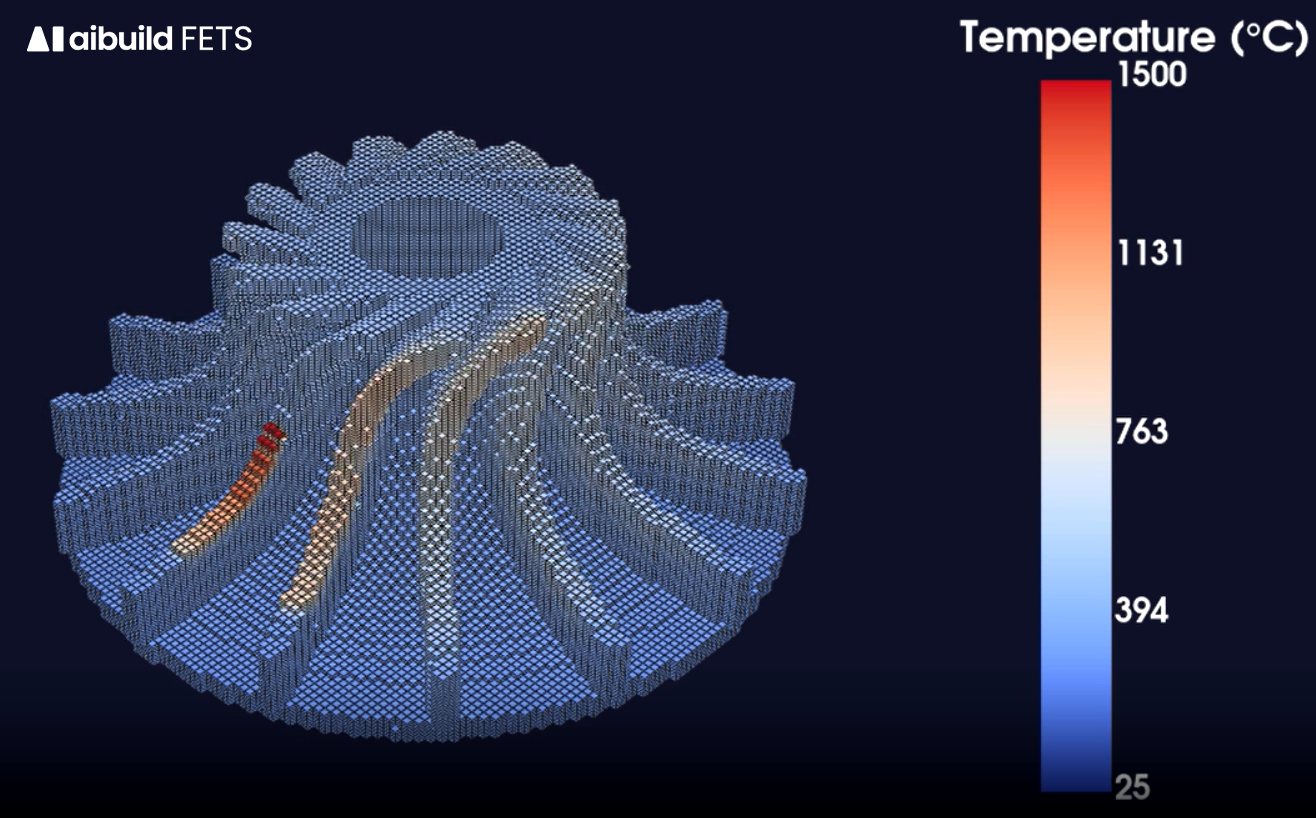
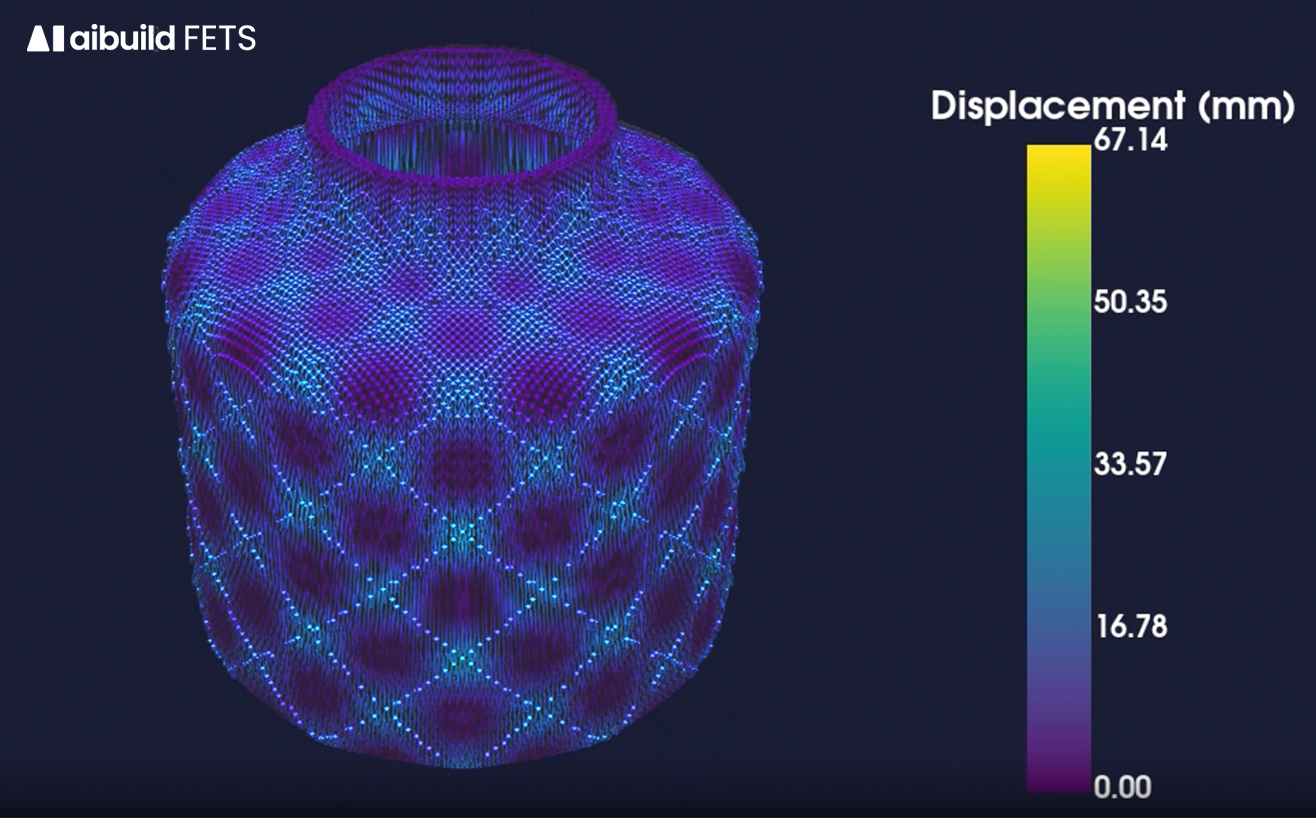
    Aibuild has launched FETS for Additive Manufacturing, a Finite Element Thermomechanical Simulation tool that lets you simulate stress, distortion, thermal effects, and thermomechanical effects. The solution has been optimized for DED, friction stir, and Material Extrusion. For both metals and polymers, the tool can be used to predict residual stress, warping, cracking, sagging, interlayer bonding, and adhesion. The team thinks that its solution is significantly faster than alternatives, perhaps 10,000 times faster. Aibuild went to the National Institute for Aviation Research (NIAR) at Wichita State University to test the tool.

    Aibuild CSO Guy Brown noted,

    “We kept hearing the same thing from engineers. I know simulation is the right thing to do, but I just can’t wait three days for an answer. And honestly, that’s before you even factor in the cost of getting it wrong. A failed build is often thousands of dollars in material, machine time and energy, and hours of someone’s time you can’t get back. Aibuild FETS came out of wanting to fix that. It’s not just process parameters either, it’s the whole thing. The path the tool takes, the thermal behaviour, the entire build strategy. Engineers can now just know whether a part will print successfully, in seconds, before any of that money is on the line.”

    NIAR Program Director Jeswin J. Chankaramangalam added,

    “As a research institute serving the aerospace industry, NIAR’s mission is to validate and de-risk advanced manufacturing technologies before they reach production floors. Thermal control has been one of the biggest challenges holding back metal additive at industrial scale. This foundation means we’re well positioned to benefit from upcoming AI enhancements that Aibuild is developing. For the aerospace manufacturers we work with, this represents a validated path forward: they can adopt large-format metal AM with the thermal process control they need, and the platform will keep getting faster as AI capabilities come online.”

    Aibuild FETS simulation showing temperature distribution across a 3D printed structure. Image courtesy of Aibuild.

    AIbuild says that, as well as different materials and processes, the cloud-based tool can work with different CAD software while being easy to use. Warping, sagging, and intra-layer bonding are all very typical problems for people making large-format 3D printed parts. This tool will make many people’s lives easier. New parts can be made much faster with this tool, and getting a first new part right the first time will be more likely. Companies will be more efficient, while users should get parts faster. This is a great capability to have.

    Aibuild’s FETS simulation showing displacement distribution across a 3D printed lattice structure. Image courtesy of Aibuild.

    What’s more, a lot of people who use AIbuild are system integrators. Typically, robotics integrators make a lot of the DED, cement, and large-format polymer 3D Printing systems. A lot of these are custom, so fast simulation will help them develop these unique systems faster. Also, a robot arm integrator who has built a polymer extrusion system will be more likely to apply that expertise to building a DED system. Their customers can also get up and running without much in the way of 3D printing expertise. In large format, there are a ton of companies completely new to 3D printing. Large-format parts are very different, and printing is very different from desktop systems. So if you are experienced, then your Material Extrusion design rules and Dfam ideas will not translate exactly to large-format parts. Many people are also making unique, large-format parts. A single tool to transport a single large turbine on a truck is printed, just once. So accessible simulation for these guys is extra important and helps them with an endless stream of unique parts.

    So this is an excellent move by AIbuild to make their platform more valuable to their integrator and end user partners. At the same time, the company is expanding into Aibuild OS, which uses AI to make workflows simpler. On the whole, the firm seems to be making itself an invaluable tool that end users of large format systems will live with day to day. They’re moving from a company that powers your back end to one that will power your manufacturing business, whether you’re an integrator or a company using a 3D printer to make parts. I love what they’re doing and think that this is a great move for the company and our industry.

  • Asia AM Watch: Creality Launches $177M Hong Kong IPO as HKEX Trading Debut Nears

    Creality has formally launched its Hong Kong initial public offering (IPO), marking one of the biggest public market moves by a 3D printing company in 2026 and offering a new look at the growing global influence of Chinese additive manufacturing (AM) firms. The Shenzhen-based company plans to raise HK$1.38 billion (roughly US$177 million) through the offering, with trading on the Hong Kong Stock Exchange (HKEX) expected to begin on May 29 under the ticker symbol 3388.HK.

    According to Hong Kong IPO filings and other reports, Creality is offering more than 73 million shares at HK$18.80 (US$2.40) per share. The company reportedly opened the public subscription period on May 20, with retail subscriptions expected to close on May 26.

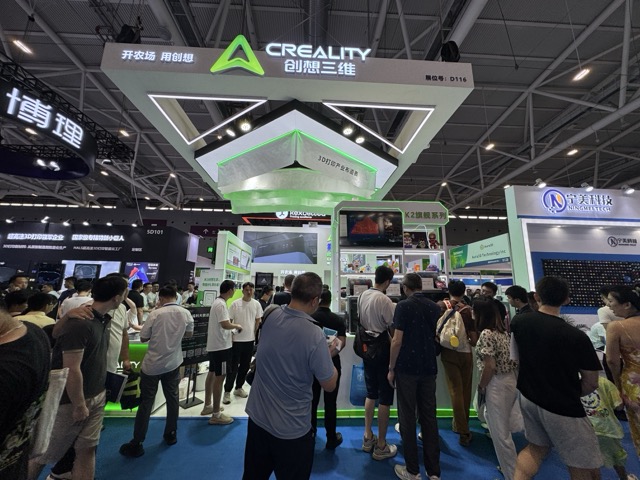
    Creality booth at Formnext Asia Shenzhen 2025. Image courtesy of Sangmin “Simon” Lee/3DPrint.com.

    3DPrint.com first reported on Creality’s plans to go public in 2025, when the company’s possible Hong Kong listing was still in its early stages. At the time, the potential listing raised questions about how a major Chinese consumer 3D printing company could affect the broader AM market and the broader public industry landscape. Nearly a year later, those plans are now moving onward, towards an actual market debut.

    Creality’s current HKEX offering follows earlier listing efforts in mainland China and Hong Kong. The company began preparing for a mainland China A-share listing around late 2023 or early 2024, when Chinese reports say it entered IPO counseling with the China International Capital Corporation (CICC), one of China’s largest investment banks. However, Creality ended that process in mid-2025 and shifted to Hong Kong. The company first filed for a Hong Kong IPO in August 2025. In February 2026, Creality received approval from Chinese regulators for the overseas listing. By March 2026, the company had updated its HKEX filing, and on May 11, it passed the HKEX listing hearing before launching the current offering on May 20.


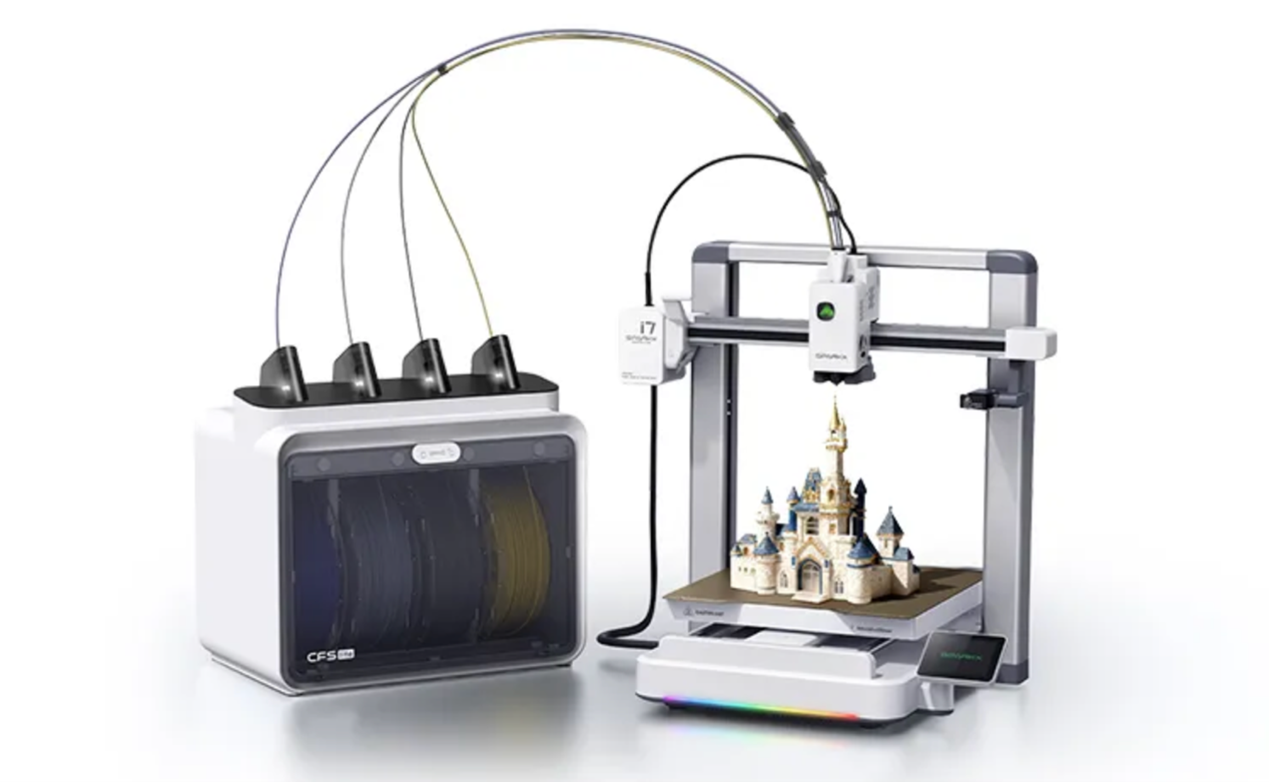
    Creality SPARK i7. Image courtesy of Creality.

    While many public 3D printing companies in North America and Europe focus on industrial manufacturing, aerospace, and metal printing, Creality built its business around lower-cost desktop 3D printers for consumers, schools, hobbyists, and small businesses. Over the last decade, the company became one of the best-known names in consumer 3D printing, especially through affordable machines like the Ender series. But the market around these systems has also evolved. Many desktop printers today are being used for small production runs, print farms, tools, fixtures, aftermarket parts, and other real manufacturing work, not just hobby projects or prototyping.

    What’s more, Chinese 3D printing companies have been expanding quickly in recent years, especially in lower-cost hardware markets. Companies like Creality, Bambu Lab, and other Chinese manufacturers have aggressively expanded into global desktop 3D printing markets by releasing faster, cheaper, and more user-friendly systems at a speed many Western companies have struggled to keep up with.

    We can see that shift happening across much of the 3D printing hardware market. Chinese companies are now major players in desktop FDM printers, resin systems, metal 3D printers, and materials, often bringing out new machines faster and at lower prices than many Western competitors.

    Creality’s scale may still surprise parts of the industrial 3D printing industry. The company is not usually mentioned alongside industrial names like Stratasys, 3D Systems, or EOS, but its printers are everywhere. Over the years, Creality has built a massive global user base through large reseller networks and strong online maker communities.

    The IPO also shines a light on a different side of the 3D printing market than the one public investors usually hear about. Most publicly traded 3D printing companies are tied to industrial manufacturing, and many have struggled in recent years with weak sales, falling stock prices, and restructuring efforts. Creality is different. The company built its business by selling large volumes of lower-cost desktop 3D printers.

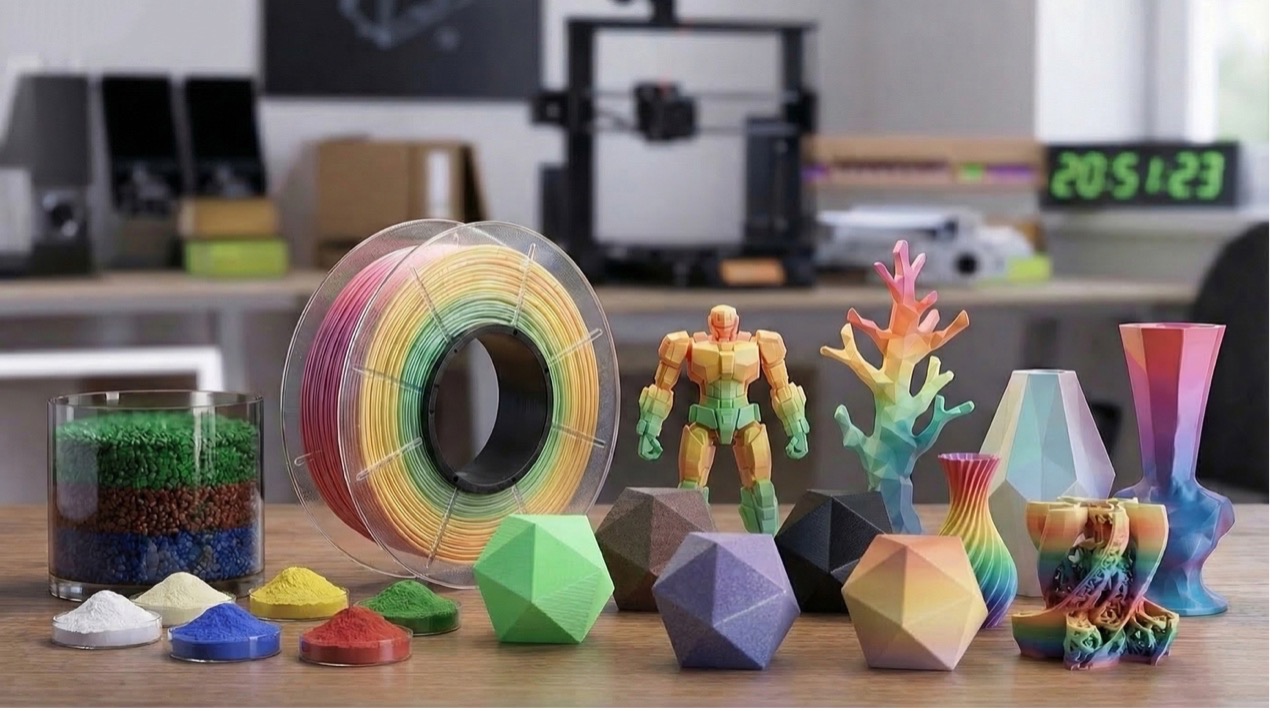
    Creality is very popular with hobbyists. Image courtesy of Creality.

    The offering is being sponsored by CICC. Reports also say several major investors have already committed to the IPO ahead of the expected market debut. Those investors reportedly include Taikang Life, CITIC Industrial, and Jump Trading.

    Earlier this month, Creality moved closer to its Hong Kong listing when its post-hearing documents appeared on the HKEX website, one of the final steps before the company begins trading publicly. If the IPO proceeds as expected, Creality is expected to begin trading on the HKEX, completing one of the largest 3D printing IPOs seen in recent years.

  • Soiboi Soft: Making Soft Robotics & Microfluidics Genius Look Easy

    Many YouTubers are talking heads with a keyed-up, almost manic, enthusiasm. In 3D printing, some give useful reviews. We’re also getting people who are showcasing very good 3D printing advice. And some people are designing and making innovative things a reality with 3D printing. But still… nothing prepared me for soiboi soft. Months ago, I saw a video explaining how to use additive and other techniques to make a soft robot snake.

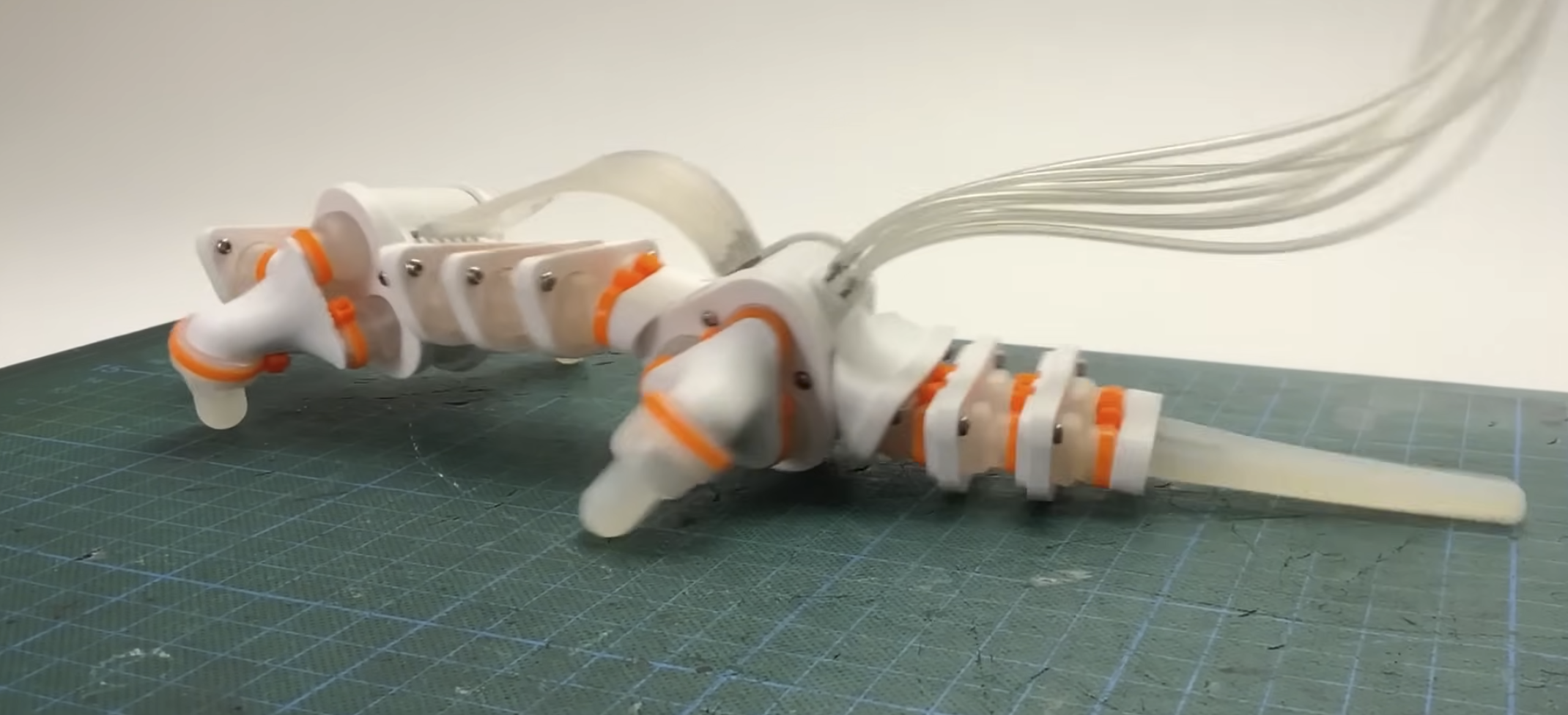
    Microfluidic Salamander Bot. Image courtesy of soiboi soft.

    Robot snakes have been around for a bit. I can remember that a Stratasys reseller did one over a decade ago. There are lots of soft robotics 3D printed robot snakes as well. They often use 3D printed molds, 3D printed elastomeric parts, and conventional techniques. But soft robotics is a perennial lab experiment looking for an application. And a YouTuber showing off a good video on how to do soft robotics creations could very well aid us. What if lots of people turned to soft robotics for solutions? It would be great if someone explained how to combine soft robotics with 3D printing to create effective devices. The videos were also realistic, well-made, and inspiring. They racked up less than 10,000 views. But who knew, this could be a fun ride.

    Later, a video explained that soiboi soft would be looking to microfluidics to make its soft robots more functional. He wanted to create a “nervous system” to allow his robots to be “unethered.” He aimed to make untethered robots with power and control. He was also interested in using microfluidics and soft robotics to make logic gates. OK, so at this point, I was hooked. I mean, I really believe in the power of microfluidics, and the combination with soft robotics was proving to be promising in research. But was I really going to be able to passively watch as a YouTuber did cutting-edge integrations of microfluidics and soft robotics online?

    Yes, and you can too. The next video made a bioinspired salamander-like microfluidics bot. And not only was the video inspirational, but it also explained the philosophy behind what he was doing. He looked into making a series of diaphragm pumps into a salamander-like robot.

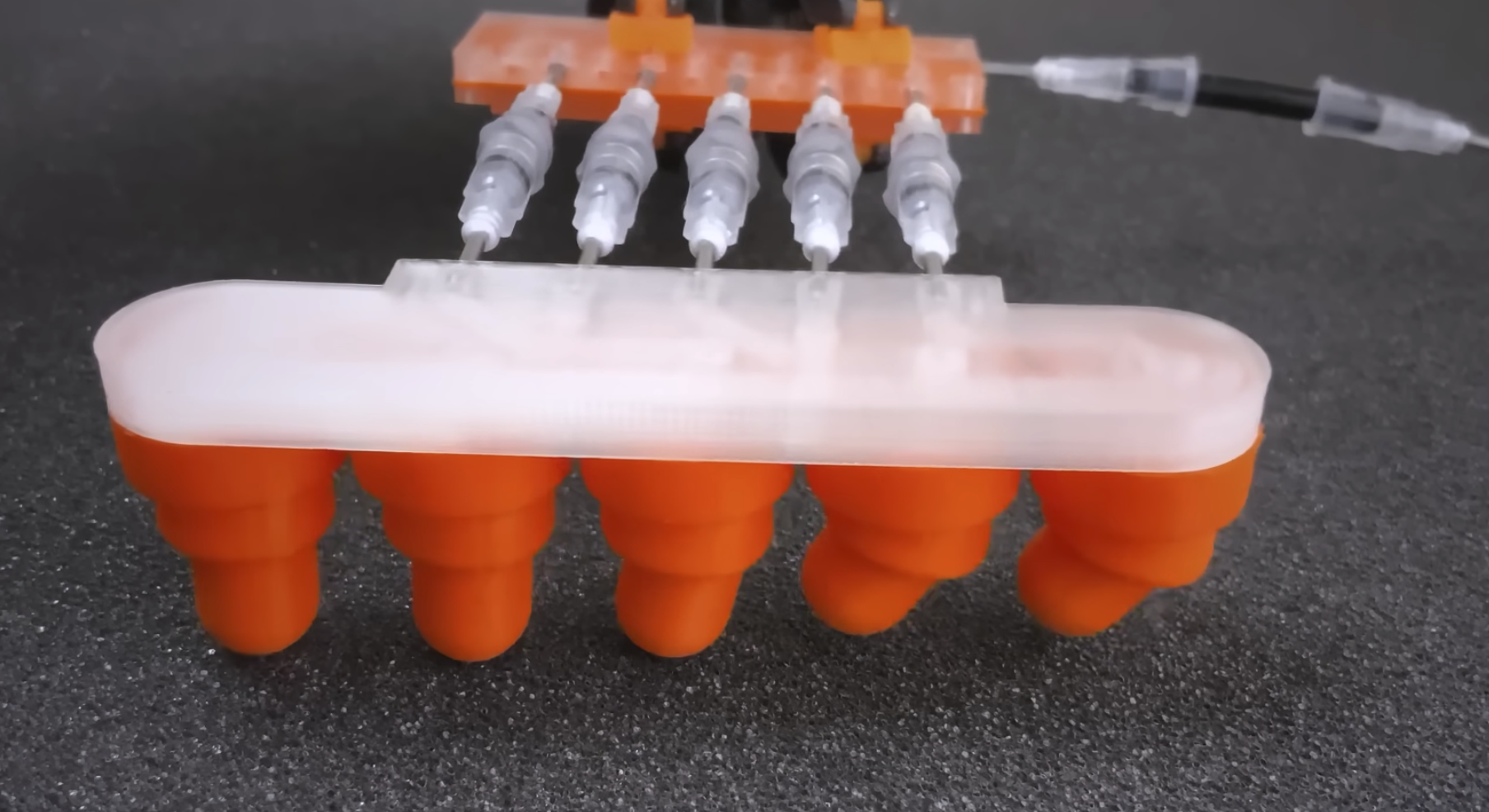
    A nervous system for squishy robots. Image courtesy of soiboi soft.

    He then also explained how he wants to make air like PCBs. Microfluidic circuit boards were shown with a “brain.” Furthermore, he showcases an ant-like walking pattern.

    Next, he made “microchips,” or an air-powered nervous system for his robots. And he used the soft, muscular air-powered logic circuit as the core of this assembly. The central microfluidic unit is printed while the silicone parts are molded. Here, he uses a vacuum to “turn off and on the circuit” in a transistor. He then built an air-powered walking logic board.

    He then showed off multiplexing, in which his 3D printed logic circuits power a matrix that lets him make a display. When a solenoid changes, a vacuum is created, creating a vacuum for that pixel. With multiplexing, he shows how 8 valves can replace 16. As an aside, he shares how he gets beautiful translucent parts on a desktop machine with 100% infill, over extrusion, 105% flow, at 230°C, a 0.2mm nozzle, 15 mm/s print speed, and aligned rectilinear infill. He gets beautiful parts that he uses for his microfluidic boards. The parts are also more airtight.

    And now soiboi soft has showcased a clock with a 3D printed vacuum microfluidic display. It’s beautiful, mesmerizing, and a huge leap forward in practical research as entertainment. If you are even a teeny bit interested in microfluidics or soft robotics, watch all these videos. They are an amazing journey into some truly inspiring cutting-edge work on YouTube, of all places.

    Now with YouTube, soiboi soft can share his creations with the world. You could look at his attempts at making microfluidic “brains” and motion to see the future of numerous 3D printing applications that could become very relevant. What’s more, soiboi soft is using desktop Bambu Lab printers to make all his parts. So perhaps you could do something so remarkably cutting-edge, too. What’s more, with his 3D printed microfluidic soft robotic clock, soi boi could have a real winning product on his hands.

  • 3D Printing News Briefs, May 23, 2026: Inserts, Racing, Cultural Heritage, & More

    In this weekend’s 3D Printing News Briefs, 3D People has integrated threaded inserts into its online quoting tool, AM Solutions has introduced a more compact solution for automated cleaning and surface finishing, and the new Cadillac Formula 1 team used several 3D Systems SLA printers to speed up wind tunnel testing and parts production. We’ll finish up with an interesting historical preservation case from Artec 3D.

    3D People Integrates Threaded Insert Capability into Online Quoting Tool

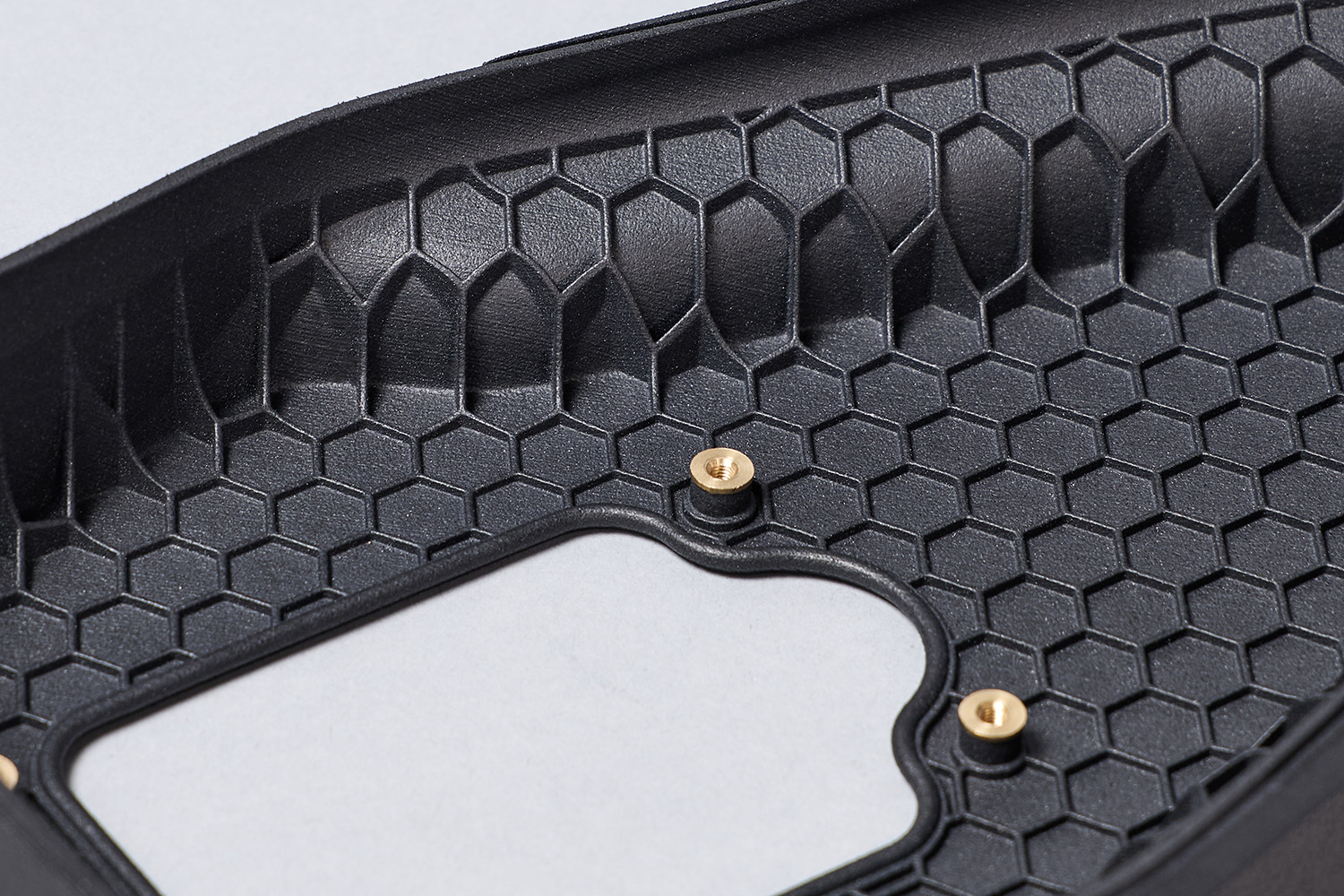
    London-based 3D printing service bureau 3D People has improved upon its threaded insert capability by integrating the option into its workflow and making these available directly through the online quote tool. This may not seem like a big deal, especially because 3D People has offered these for many years, but the ability to configure them during quotation is new—this makes it easier to standardize a 3D print job’s fastening requirements over repeat orders or multi-part projects. By using threaded inserts rather than plastic threads alone, you can elevate a 3D printed part to something that will reliably work in the real world, not just as a prototype. 3D People customers can now specify and order insert installation as part of the bureau’s self-service workflow, which streamlines everything. Plus, 3D People now also offers dedicated installation equipment, with a standard option of a high-performance Tappex self-tapping metal insert. Heat-set inserts is a secondary option for 3D printed parts where the geometry restricts installation clearance around a hole.

    “Additive manufacturing is about more than just printing geometry. It’s about delivering complete, usable parts. By incorporating threaded inserts in-house, we’re removing another barrier between design intent and real-world application,” said Sasha Bruml, Co-Founder of 3D People.

    AM Solutions Premiering Compact S1 Basic at 3D Print Lyon

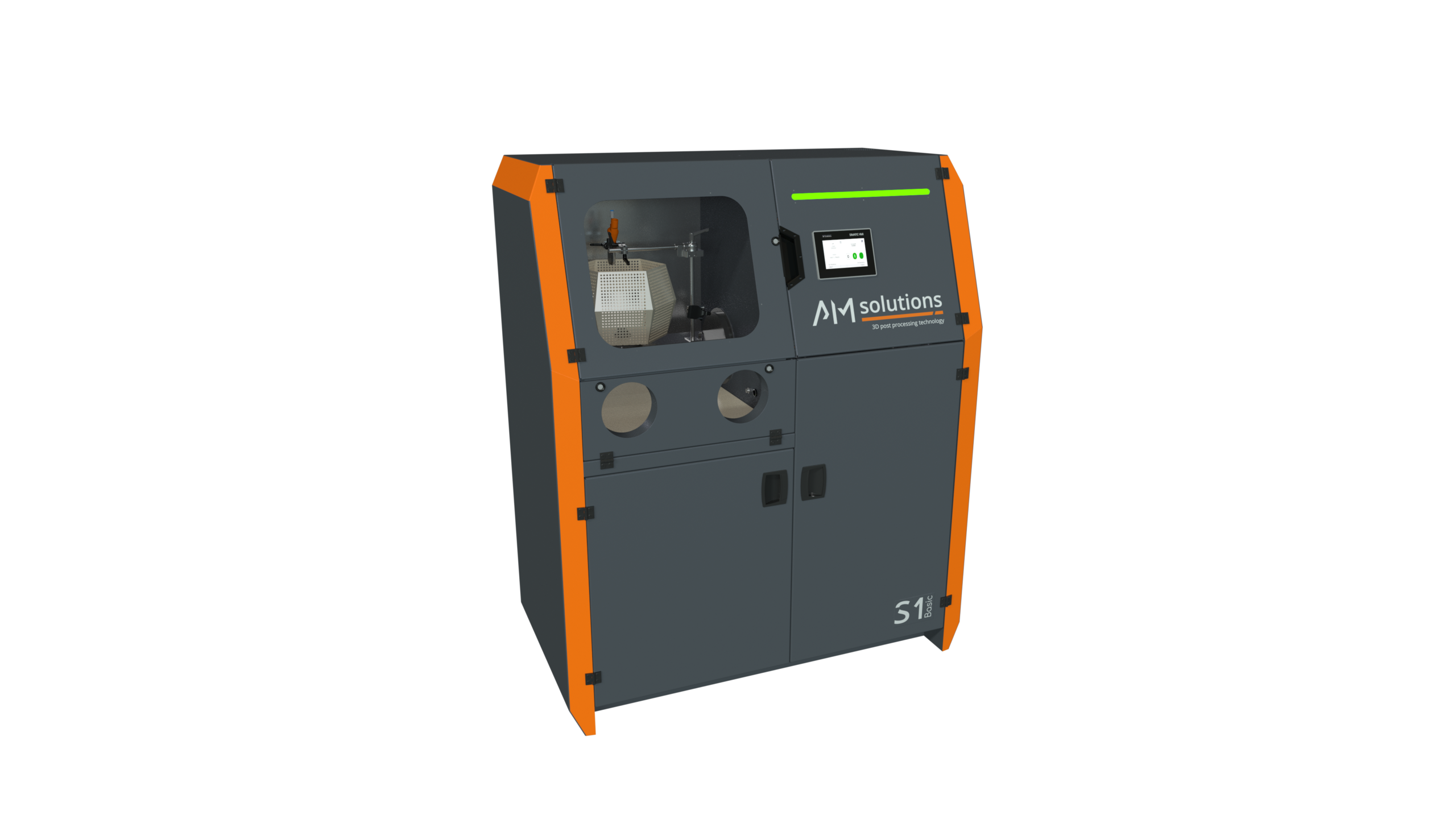
    At the upcoming 3D Print Lyon show in France, AM Solutions – 3D post processing technology will premiere its latest post-processing solution. The S1 Basic is a compact, industrial, entry-level system for the automated cleaning and surface finishing of polymer 3D printed parts. In the entry-level segment of industrial AM, demand is increasing for automated post-processing solution to match more compact 3D printers for smaller batch sizes and parts. The new S1 Basic was developed to meet this demand, designed specifically for the automated cleaning and surface finishing of smaller batch sizes of polymer 3D printed parts. AM Solutions has plenty of experience in industrial post-processing technologies, shot blasting in particular, and created the S1 Basic to be stable, user-friendly, and robust. The S1 Basic will be available for purchase once it premieres live at 3D Print Lyon. As part of the official product launch at the event, the company will give a detailed technical presentation of the system.

    “We see printer manufacturers clearly intending to provide solutions for entry into additive manufacturing at an industrial level, alongside large, high-performance systems for series production. Smaller, more accessible products are lowering barriers to market entry, but expectations for part quality remain consistently high. Regardless of this development, we recognized the need for a compact, industrial post-processing solution early on and began developing a corresponding system,” said David Soldan, Head of AM Solutions – 3D post processing technology. “With the S1 Basic, we will offer a commercially available product starting in June that fills this market gap, particularly for cost-effective and reproducible post processing of small batches.”

    You can see the new S1 Basic for yourself at 3D Print Lyon, June 2-4, at the AM Solutions / Rösler France Booth C10 in Hall 7.

    3D Systems’ SLA Technology Helps New Cadillac Formula 1 Team

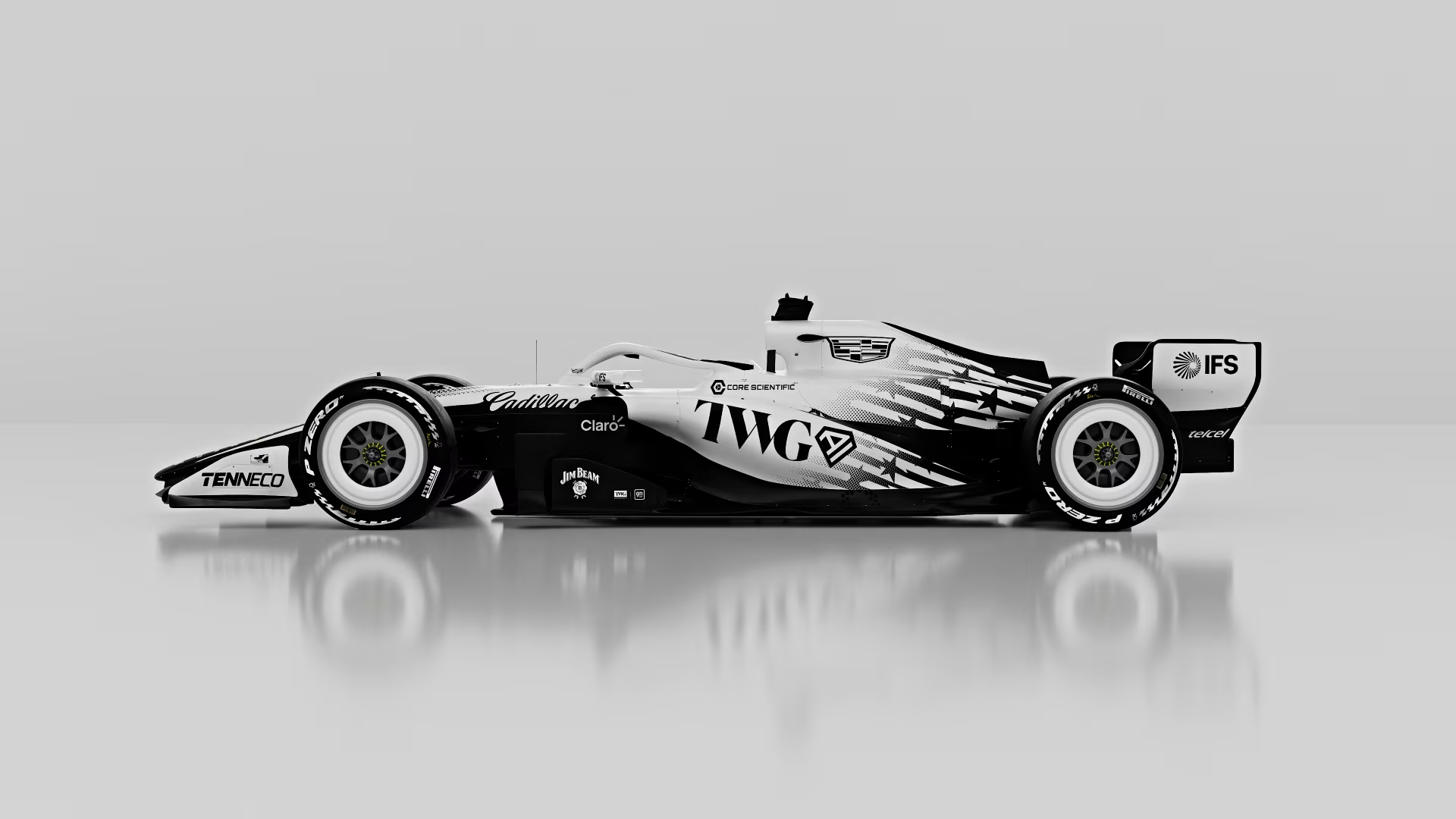
    The newest entrant to the FIA FORMULA ONE WORLD CHAMPIONSHIP is the Cadillac Formula 1® Team, which had its first U.S. home race in Miami earlier this month. The team has moved from pre-season design and development into in-season development, and 3D Systems was an integral part of this phase. Ahead of its debut, the Cadillac F1 team used seven of the company’s large-format SLA 3D printers to help speed up critical wind tunnel testing and parts production, along with Accura® Xtreme White 200Accura Xtreme Black, and Accura HPC materials, and 3D Systems software. These printers are meant for high-quality, efficient production, achieving sharp corners, embossed feature details, and smooth layer lines on angled faces. Additionally, the 3D Systems SLA printers enable tool-free printing, which reduces both costs and lead times. All of these qualities are why the Cadillac F1 team chose 3D Systems. Teams who race with FORMULA 1 are under extremely exacting requirements, so the Cadillac team worked with the global 3D Systems’ Application Innovation Group (AIG) to co-develop these solutions.

    “3D Systems was founded on innovation, pioneering the additive manufacturing industry and we are continuing to lead it into an era of high-precision, highly repeatable production at scale. We are pleased that our work has enabled Cadillac Formula 1® team to enter the 2026 FORMULA 1 season despite the short timelines and strict qualification conditions,” said Elvis Perez, Senior Vice President, Sales, 3D Systems.

    Using Artec 3D’s Scanners to Digitize Historic Castle in Japan

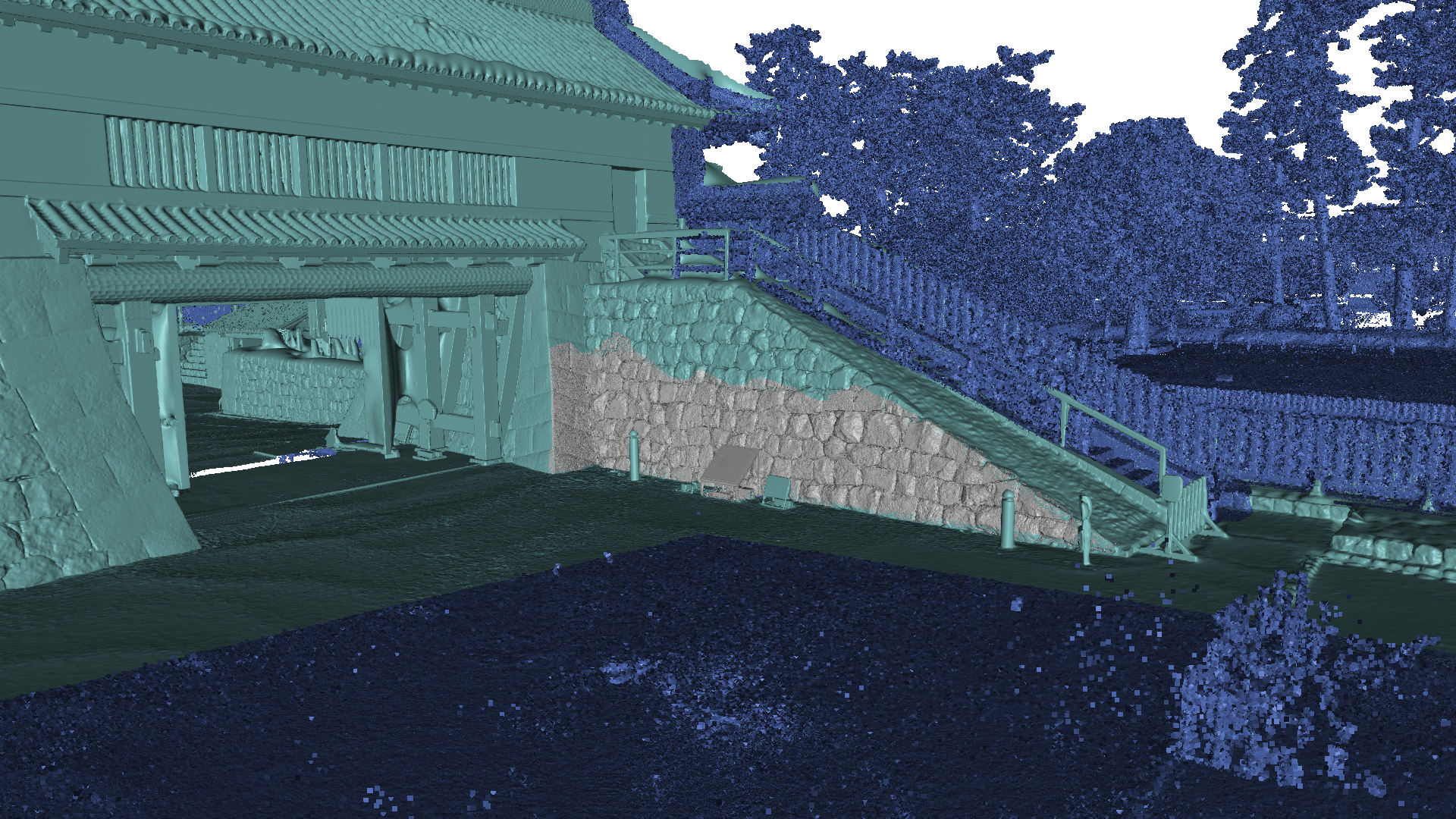
    Artec Jet (dark blue), Artec Ray II (light blue), and Artec Leo (grey) point cloud data fused together for high detail on every scale.

    Odawara Castle in Japan was built more than 500 years ago, and was fought over for generations due to its strong fortifications. But time hasn’t been too kind to the historic structure, though it was made a heritage site in 1938. So, while visiting the country on a recent trade mission, the Artec 3D team scanned and digitized the whole castle for heritage preservation and future restoration projects. In order to get every single detail, down to rivets on the gates, the team used not one, not two, but three of its scanners to accurately capture a single, high-density, interconnected point cloud. As the castle’s outer perimeter is 9 km long, and it was open to visitors, subtlety and speed were crucial in the 3D scanning process. The team used the Artec Ray II to scan the inner courtyard and gate, and the handheld Artec Leo for smaller details. But the lion’s share of the work was completed with the Artec Jet, which has a 300 m range and was attached to a backpack to scan the castle on foot; the scanner’s remote app offered real-time feedback, which helped with accuracy and speed. The data was sent via cloud sharing to Artec’s headquarters in Luxembourg to be processed in Artec Twins software, which enabled merging of data from all three scanners. The final dataset could be used for virtual tours, continuous monitoring, and even to create 3D models of the castle.

    “Artec Jet scans in a linear fashion. If it takes you two minutes to walk, it’ll take two minutes to scan – the complexity of the scene has little bearing. In the same time it took for Leo to scan 2-3 walls, Ray II scanned a building, and Jet digitized an entire castle,” explained Artec 3D scanning expert Keynan Tenenboim. “Adding in Ray II & Leo was great for areas with accessibility issues – and capturing higher detail around the walls, gate, and courtyard.”