• Creality 3D Successfully Listed in Hong Kong: Debuts as the First 3D Printing Company on HKEX

    Creality 3D (HKEX: 3388) was officially listed today on the Main Board of The Stock Exchange of Hong Kong Limited, becoming the first consumer 3D printing company to debut on the Hong Kong market.

    Creality issued 73,427,550 H-shares, raising net proceeds of approximately HK$1.272 billion. The offering was 3,829 times oversubscribed, with shares opening at HK$33.88 on the first day of trading, up approximately 80% from its IPO price.

    The IPO attracted strong interest from top-tier investors across financial institutions, SOE-backed capital, private equity, hedge funds, and industrial capital. In financial and insurance capital, Taikang Life Insurance Co., Ltd. participated. Central state-owned enterprise (SOE)-backed capital was represented by CITIC Xingye International, a subsidiary of CITIC Group. Top-tier private equity funds include CPE (Yuanfeng Capital), Martis Fund (Tianyi Capital) and the Guangdong–Hong Kong–Macao Greater Bay Area Fund. World-leading hedge fund Jump Trading and veteran Hong Kong hedge fund Polymer also strongly joined the round. In addition, Creality brought in industrial capital, including Colloway (Jiuyang Venture Capital). The convergence of such diverse capital fully underscores strong market recognition of Creality’s core strengths, growth prospects, and long-term value.

    “As an evangelist for the 3D printing industry, we have built a network of more than 2,400 distributors that brings our products to over 140 countries and regions, enabling millions of creators to turn imagination into reality through our platform,” said ChenChun, Chairman of Creality. Today’s Hong Kong listing marks a new starting point for Creality. We will continue to invest in innovation, drive deep integration of AI and 3D printing, deepen our global presence, and serve our users with even better products.”

    A leader across the full 3D creative scenario

    Founded in 2014 in Shenzhen, Creality is a global leader in consumer 3D printing, with a complete portfolio across five core product lines: 3D printers, 3D printing consumables, 3D scanners, laser engravers, and accessories.

    By gross merchandise value (GMV) in 2025, Creality ranked second in the global consumer 3D printer market with an 11.2% market share, first in the global consumer 3D scanner market with a 45.3% share, and fourth in the global consumer laser engraver market with a 4.8% share, making it one of the few companies worldwide holding leading positions across all three adjacent consumer 3D technology categories.

    Beyond hardware, Creality has built a multilayered creative ecosystem that combines proprietary software, AI-powered creative tools, and an active creator community. Its content platform, Creality Cloud, has surpassed 6.2 million registered users and 2.7 million 3D models. According to China Insights Industry Consultancy Limited (“CIC”), it is the first company in the industry to fully incorporate proprietary AI technologies across the modeling, printing, and laser engraving stages of the 3D creative process. As of May 2026, the company held 957 patents in China and overseas, with a focus on optics, motion control, artificial intelligence, and sensor integration.

    Industry-Leading Global Footprint

    Creality’s products are sold in approximately 140 countries and regions, with overseas markets accounting for around 74% of total revenue in 2025 and a balanced geographic mix across North America, Europe and Greater China. Group revenue reached RMB 3.13 billion in 2025, with adjusted net profit of RMB 92.4 million; profitability has been sustained on an adjusted basis since 2023.

    Leveraging this listing as a new starting point, Creality intends to further strengthen R&D capabilities, expand global brand and channel reach, and deepen its AI-powered creative ecosystem. Continued investment across hardware, consumables, Creality Cloud AI services and the Nexbie e-commerce platform will support its evolution from a hardware-led business into a global consumer 3D creative platform.

    With Hong Kong as a new capital platform, Creality is well-positioned to capitalize on the growing global demand for consumer 3D creation worldwide, accelerate technological and product innovation, and reinforce its leadership as the industry enters a new phase of high-growth development.

    About Creality

    Shenzhen Creality 3D Technology Co., Ltd. (3388.HK), founded in 2014, is a global consumer 3D printing product and service provider listed on the Main Board of The Stock Exchange of Hong Kong Limited. According to CIC, by GMV in 2025, Creality ranked second in the global consumer 3D printer market, first in consumer 3D scanners, and fourth in consumer laser engravers. Creality is committed to making 3D creation accessible to households, classrooms, and creators worldwide through a multilayered creative ecosystem that combines hardware, software, content, and AI-powered tools, with products available in approximately 140 countries and regions.

    For more information, please visit www.creality.com.
  • Wells Fargo Backs ICON in Landmark Milestone for 3D Printed Housing

    Qualification is an indispensable step on the path to legitimization for any new technology, but it’s still just one step: markets tend to remain unswayed without a co-sign from an established corporate giant. TSMC spent years qualifying its semiconductor manufacturing process in order to land its deal with Apple, which would, ultimately, permanently change the industry. But the industry only really changed once the partnership between the iPhone maker and the chip foundry was publicly confirmed.

    In the additive manufacturing (AM) industry, Apple has played a similar role, if only on a much smaller scale thus far, in its confirmations over the last few years that the company is increasingly incorporating AM into its workflows. The additive construction (AC) market segment may have just had its own “Apple moment”: banking giant Wells Fargo has forged a deal with the world’s most innovative AC company, ICON, to write mortgages for homes built by the construction automator.

    What’s more, Wells Fargo will provide a 50-basis-point credit to ICON homebuyers who use Wells Fargo for their mortgages. With mortgage rates at their highest level in nine months — a number that could realistically increase if persistent inflation leads to fewer Fed rate cuts, or even a rate spike, in the near future — a credit of .5 percent, significant in its own right, could be a deciding factor for new buyers.

    According to CNBC, ICON’s success in its partnership to build 100 homes with Lennar Group, first announced in 2021 and completed last year, may have provided Wells Fargo with enough proof-of-concept, not only that ICON’s technology works, but, just as importantly, that the demand in the market for 3D printed housing is sufficient to sustain long-term interest (and appreciation value). It’s also perhaps worth noting here that, last month, ICON announced the establishment of a dedicated government contracting division, ICON Prime, headed by former CIA officer and Republican congressman from Texas, Will Hurd.

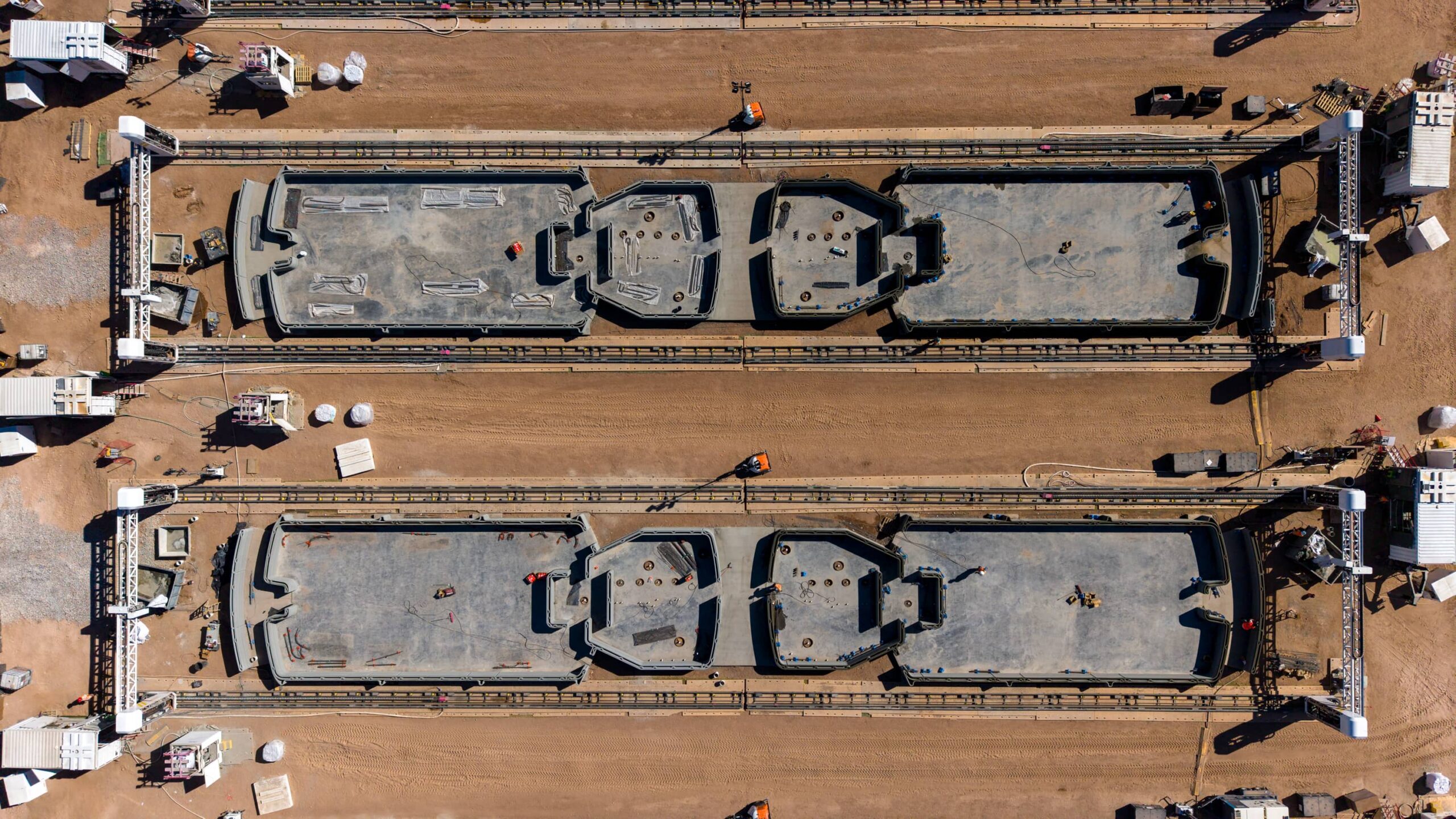
    Aerial view of several 3D printed building foundations, showing the scale and layout of ICON’s construction system. Image courtesy of ICON.

    The CEO of home lending at Wells Fargo, Serhat Oztop, told CNBC, “We think the technology that Icon has built has the potential to lower construction costs and to speed up homebuilding at a time when we are seeing broader challenges in housing affordability and access to homeownership. Through this partnership Wells Fargo is bridging the gap between this new technology and access to homeownership.”

    Jason Ballard, the founder and CEO of ICON, added, “Even though our testing and our results are all in the books, having one of the big banking players make such a strong and pointed announcement that, ‘We like these houses, we’re excited about these houses, in fact, we’re going to give preferential treatment to these houses,’ helps people believe and understand that this technology, and the houses it produces are ready for primetime.”

    Wells Fargo will also provide financing for users of ICON’s printers, which could help the AC market reach economies of scale — in turn making 3D printed homes even more affordable and further stimulating demand.

    In a vacuum, that possibility may sound logical, but it’s still purely theoretical. Precisely what’s so important about a co-sign from an institution like Wells Fargo is that the scale it operates on carries with it genuinely transformative power to move the needle.

    The move echoes what Alquist has done, in the context of commercial real estate, via its partnership with Walmart. This could be far more consequential, however: while Walmart is a leading customer for construction projects, Wells Fargo is a leading supplier of mortgages. It has a direct incentive to grow the 3D printed housing market as quickly as it makes financial sense.

    Beyond the actual terms of the deal, the most legitimizing thing Wells Fargo may have done for ICON specifically, and AC generally, is the statement that the financial giant is making about the state of the technology: “We don’t have any reason to believe that the long-term value for these homes will be any different from homes that are built based on traditional construction technologies,” Oztop told CNBC. In other words, the market consensus appears to be settling on the sentiment that, 3D printed or otherwise, a house is a house.

    Images courtesy of ICON

  • AM Asia Watch: China’s HeyGears Lands $44M to Expand Beyond Dental 3D Printing

    Chinese 3D printing company HeyGears raised more than 300 million Yuan (roughly $44 million) in a new Series C funding round as it looks to expand beyond its industrial and dental roots into the consumer market.

    The funding was led by Legend Capital and Fortune Ventures, with participation from Gopher Asset Management, CAS Investment Management, and Guoke Investment. The company said the new capital will support product development, materials research, and broader expansion of its 3D printing ecosystem. This latest financing follows earlier fundraising rounds, including a $60 million Series B round in 2019 and a 325 million Yuan ($48 million) Series A round in 2018.

    How HeyGears Got Here

    HeyGears first gained attention in digital dentistry, where its resin 3D printers are used for aligners, crowns, dentures, and surgical guides. Founded in Guangzhou in 2015 by a group of Chinese entrepreneurs from the University of Illinois Urbana-Champaign, including co-founder Heyuan Huang and CEO Peiyan Gui, the company has spent the last several years trying to turn itself into a much broader 3D printing ecosystem company.

    So HeyGears is not just trying to stay inside the dental world anymore. The company has been moving into industrial manufacturing, creator markets, and prosumer markets with its Reflex printer series, while also investing heavily in AI software, materials, and automated workflows. According to HeyGears, it now holds more than 400 patents tied to different parts of its 3D printing business.

    Earlier on, HeyGears also worked in the hearables and wireless earbud space, which helped the company develop some of its early high-precision printing technology. During the COVID-19 pandemic, members of the HeyGears team were also involved in the University of Illinois-linked RapidVent ventilator project.

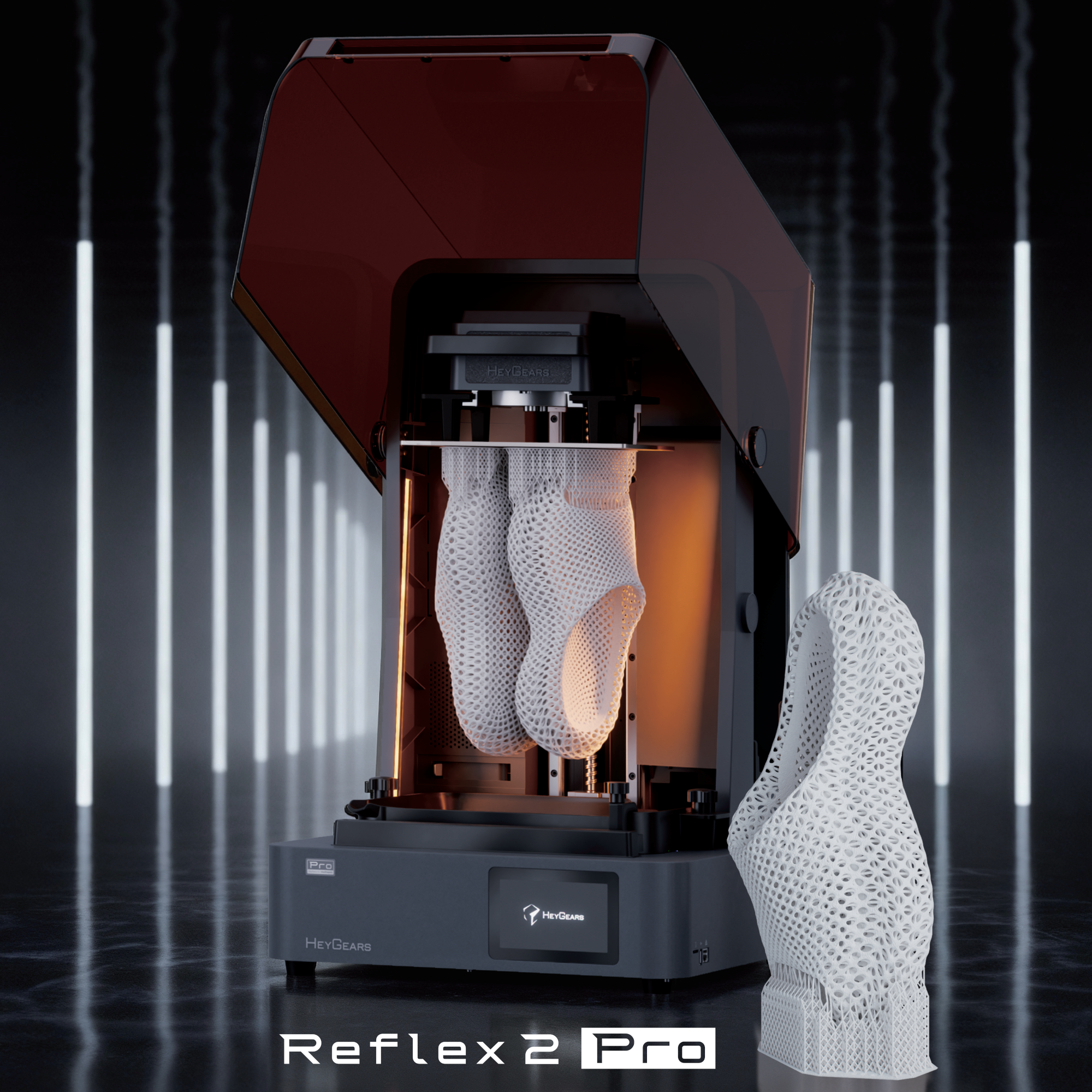
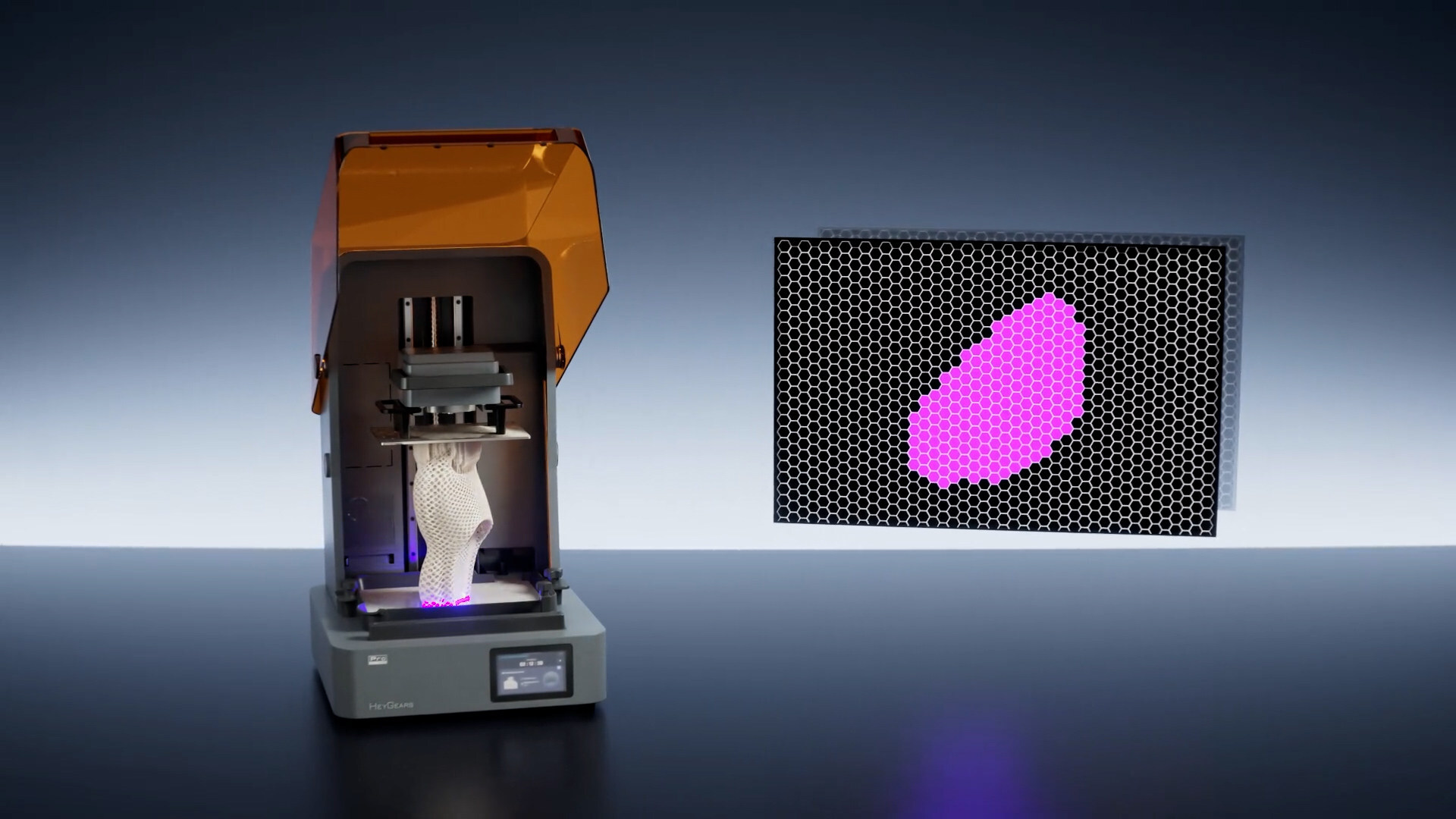
    HeyGears Reflex 2 Series at work.

    Shifting Gears at HeyGears

    The funding also comes at a time when competition in 3D printing is getting much more intense, especially among Chinese companies. Selling printers alone seems to no longer be enough. More companies are now trying to build full ecosystems around their machines, including materials, software, AI tools, and services.

    That matters because hardware margins across the industry are getting smaller. Chinese outlets 36Kr and Dealroom reported that around 70% of HeyGears’ revenue now comes from materials instead of printer sales. This means the company is making much of its money from the products customers keep buying after they purchase the machine.

    But this isn’t new at all. In fact, that model is very common across much of the 3D printing industry. Companies often make more long-term money from materials, software, and service contracts than from the printers themselves. Major players like Stratasys, 3D Systems, Formlabs, Carbon, and HP have all built parts of their business around recurring sales of materials, software, maintenance, and other ongoing services.

    It’s basically the old “razor-and-blades” model that companies like Gillette helped popularize more than a century ago. Sell the machine first, then make steady money from the products customers keep buying afterward. The same approach has long been used in everything from inkjet printers and coffee machines to medical devices and industrial manufacturing equipment.

    And in many ways, it fits incredibly well in additive manufacturing, where materials, workflows, software, and technical support often become just as important as the actual hardware.

    Resin’s Next Big Push?

    The company also said it has invested more than 1 billion Yuan (roughly $148 million) into R&D since its founding. Part of that investment now appears tied to HeyGears’ growing consumer ambitions.

    In 2025, the company launched the Reflex 2 and Reflex 2 Pro resin printers, targeting smaller businesses, creators, studios, and professional users looking for higher-quality resin printing with simpler workflows. The goal seems to be making resin printing easier and more mainstream at a time when filament-based FDM systems still dominate the consumer market. That has been one of the biggest problems with resin printing for years. Resin printers can produce cleaner and more detailed parts, but they are also messier, harder to use, and usually require more cleanup than traditional filament printers. But HeyGears sees that gap as an opportunity.

    HeyGears Reflex 2 Pro.

    One of the biggest announcements tied to the funding news was the company’s plan to launch what it describes as a “true full-color, true 3D capabilities” consumer resin printing system in the third quarter of 2026. Few details have been released so far, but the move suggests HeyGears wants to compete much more directly in the fast-growing desktop and prosumer 3D printing market.

    If successful, the move could put HeyGears into more direct competition with some of the fastest-growing companies in desktop 3D printing, including several Chinese brands that have expanded quickly around the world over the last few years. Clearly, the company may have started in dental 3D printing, but its ambitions now look much bigger than that.

    Images courtesy of HeyGears

  • The University of Utrecht: “3D Printing Could Change Who Gets to Become a Manufacturing Power”

    For decades, manufacturing has mostly been controlled by countries with huge factories, lower labor costs, and industrial systems that took years, sometimes decades, to build. But Utrecht University human geographers Nicola Cortinovis and Joric Donnet believe 3D printing could start to change some of that.

    In a new study, they found that countries adopting 3D printing technologies are becoming more competitive with traditional manufacturing economies, especially in exports. Their main argument is that additive manufacturing (AM) lowers some of the barriers that have historically made it difficult for developing economies to build strong manufacturing industries of their own.

    The findings come from a paper titled 3D Printing and the Geography of Production, published in the journal Technological Forecasting and Social Change. The researchers describe 3D printing as a technology that could gradually reshape the “geography of production,” meaning where products are made and which countries are able to compete in manufacturing.

    For a long time, manufacturing has favored countries that could afford giant factories, expensive machinery, and large-scale production systems. Traditional manufacturing usually requires a major investment before production can even begin. 3D printing changes part of that equation because companies can produce parts directly from digital files, often with much smaller manufacturing setups and lower upfront costs. And that could be important for countries trying to grow their industrial base.

    According to the researchers, developing economies may not need to follow the exact same path that older manufacturing powers took over the last century. Instead of spending decades building massive factory ecosystems, some countries could move more quickly into advanced manufacturing by adopting digital production technologies such as AM.

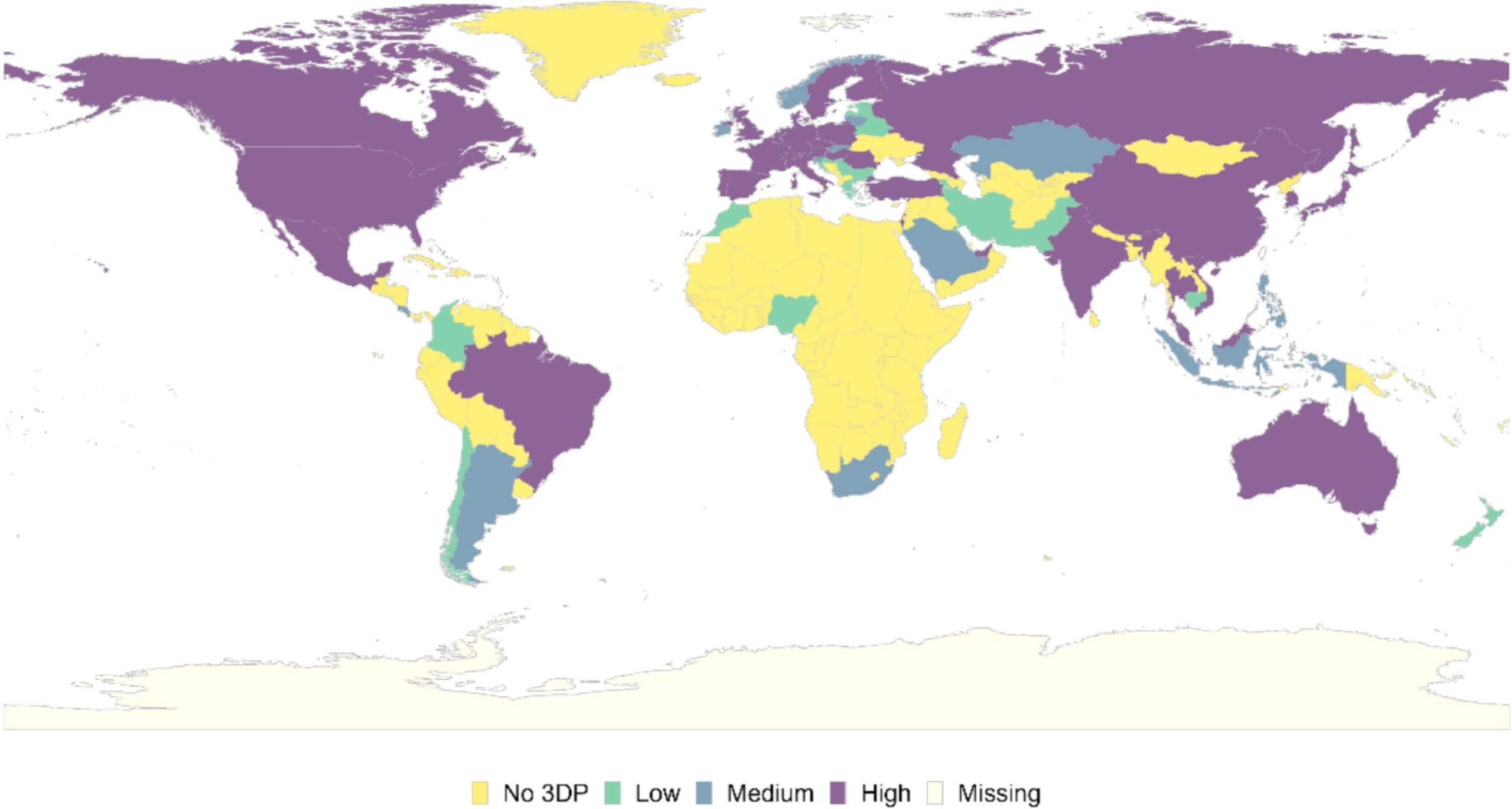
    The map reports the spatial distribution of different levels of 3D printing adoption (low = 1 million USD, medium = 5 million USD, high = 10 million USD) across countries. Image courtesy of Utrecht University.

    The researchers point to industries like aerospace, healthcare, automotive, and industrial manufacturing as areas where 3D printing could help countries move into higher-value production. In aerospace, companies like General Electric already use 3D printing to make lighter engine components. Ford has also used AM to print tools on demand across multiple facilities.

    In healthcare, 3D printing is now widely used for products like hearing aids, dental aligners, implants, and surgical models. Because many of these products are produced in smaller volumes and rely more on digital design than giant factory lines, countries do not always need the same massive industrial infrastructure that traditional manufacturing required.

    The hearing aid industry is one example. Today, nearly all hearing aids are made using 3D printing, according to earlier research cited alongside the study. As production became more digital and customized, countries like Mexico and Vietnam gained manufacturing market share in the sector.

    Another major point in the study is that 3D printing could help bring manufacturing closer to home. Instead of relying entirely on large overseas factories and long global shipping routes, companies can produce parts closer to where they are actually needed. That can help shorten supply chains, reduce shipping costs, and lower dependence on major manufacturing hubs.

    The idea became especially important during and after the COVID-19 pandemic, when supply chain disruptions exposed how vulnerable centralized manufacturing systems could become. People inside the AM industry have discussed these possibilities for years. But the Utrecht University study tries to connect those ideas directly to economic competitiveness and export performance.

    Distribution and characteristics of countries across levels of 3D printing adoption. Image courtesy of Utrecht University.

    The researchers argue that countries integrating more 3D printing into industrial production are already starting to show export results closer to more established manufacturing economies.

    The timing is also important

    Over the last few years, trade tensions, tariffs, reshoring efforts, and supply chain concerns have pushed many governments to rethink manufacturing strategy. At the same time, AM has continued moving beyond prototyping and into real production environments.

    Today, industries like dental, aerospace, medical devices, and defense are already using 3D printing to make finished parts that people actually use. That does not mean traditional factories are going away. Most manufacturing is still done the conventional way. But for products that need customization, smaller batches, or more complex designs, 3D printing is becoming a more useful option.

    For developing economies, this could open a different path into manufacturing. Instead of trying to compete head-to-head with countries that spent decades building massive factory networks, they may be able to focus on smaller, specialized areas of production built around digital manufacturing and 3D printing.

    The researchers are not suggesting that 3D printing will suddenly replace traditional manufacturing. Traditional manufacturing is still going to dominate large-scale production for a long time. But the researchers believe 3D printing could help smaller and developing economies compete in ways that were much more difficult before.

    Instead, the study points to what the authors describe as a possible shift in the “geography of production,” where manufacturing activity could gradually spread beyond the countries and regions that have traditionally dominated industry. According to the study, the bigger change may not be the printers themselves, but how digital manufacturing could slowly reshape where products are made around the world.

  • 3D Printing News Briefs, May 28, 2026: Continuous Fiber Reinforcement, Bioprinted Trachea, & More

    In today’s 3D Printing News Briefs, America Makes announced the winners of its JAQS-SQ Project Call. Axtra3D is partnering with Keystone Industries to expand its dental material ecosystem, while BigRep and Endless Industries have announced a strategic partnership to advance large-format AM with continuous fiber reinforcement. We’ll end with bioprinting research out of China.

    America Makes Announces JAQS-SQ Group 1 Project Call Winners

    America Makes and the National Center for Defense Manufacturing and Machining (NCDMM) announced the Group 1 winners of the $1.7 million Joint Additive Qualification for Sustainment – Supplier Qualification (JAQS-SQ) Project Call. Initially launched at MMX 2025, JAQS-SQ is funded through the Office of the Under Secretary of War, Manufacturing Technology Office (OSW ManTech). While the U.S. government is indeed very interested in AM adoption, the lack of training and audit programs that meet standards, and the technology’s restrictive qualification process, doesn’t instill much confidence in our elected officials. So this Project Call is meant to speed up integration of non-traditional additive manufacturing suppliers, as well as train and support manufacturers in meeting the required process control documents (PCDs) for qualified AM production in order to scale defense industrial base (DIB) capabilities. JAQS-SQ winners will work to develop training and audit programs for AM contract manufacturers, so the supply chain is better aligned with government acquisition requirements.

    Submissions for JAQS-SQ Groups 2 and 3 are currently being reviewed. The winners of JAQS-SQ Group 1 are:

    Axtra3D Partners with Keystone to Expand Dental Material Ecosystem

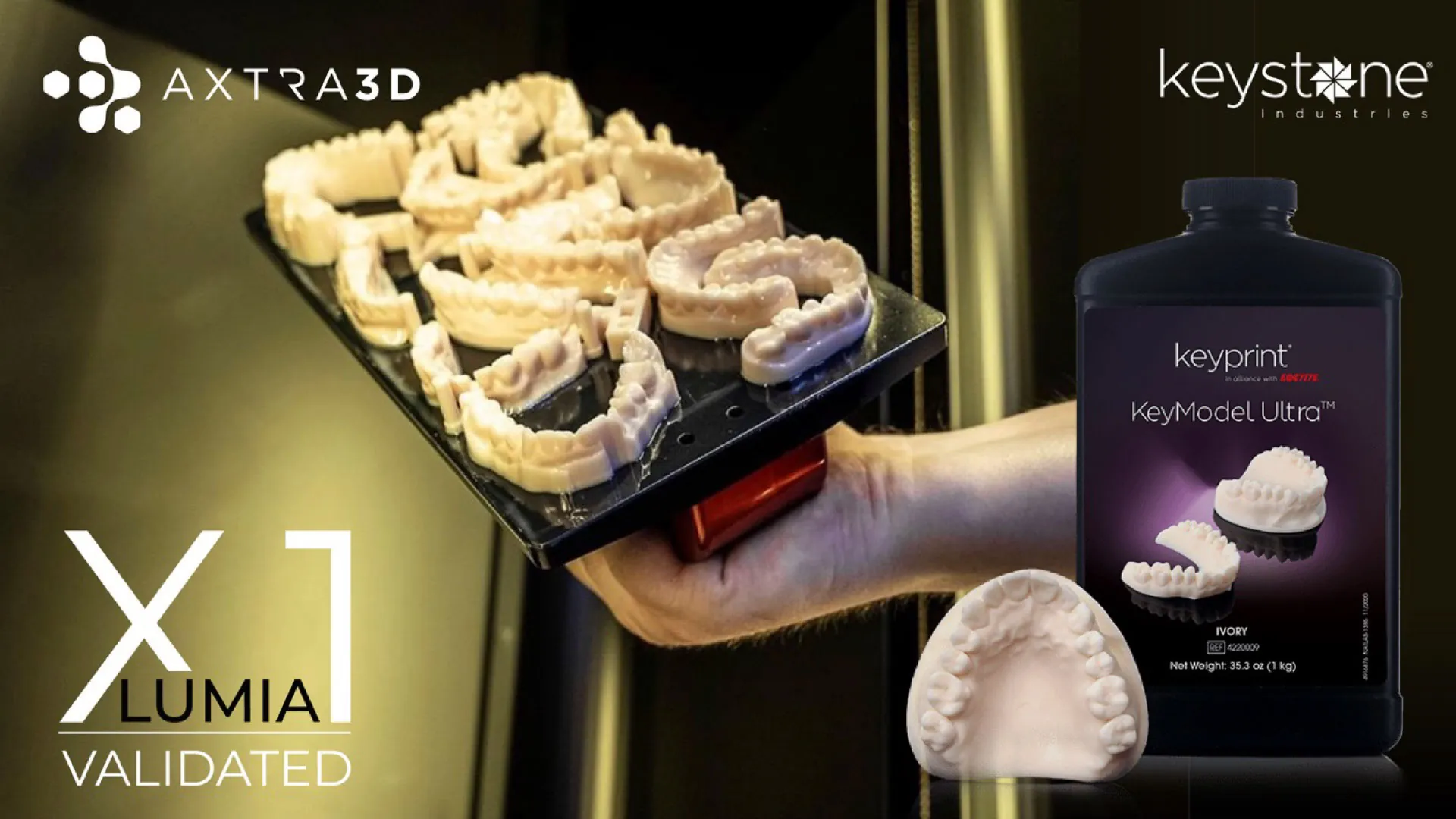
    Hi-Speed SLA systems provider Axtra3D, Inc. announced that it’s expanding its dental materials ecosystem, in partnership with Keystone Industries, in order to strengthen its dental manufacturing leadership. The two are in the process of validating several keyprint materials for Axtra3D’s Lumia X1 platform, including KeyOrtho Model, KeyGuide, KeySplint Hard Clear, KeySplint Soft, and KeySplint Soft Clear. Additionally, the partners recently launched a high-precision material for printing next-generation dental and orthodontic models on the Lumia X1. KeyModel Ultra is an ultra-fast printing resin that’s been integrated with a proprietary thermoforming quick-release agent for easy mold forming. Once it’s cured, Axtra3D said the resin can be carved without chipping, and it also offers sharp detail and a smooth surface finish for reliable 3D printing. While Ivory is the only color that’s been validated on the Lumia X1 so far, KeyModel Ultra is also available in Sand and Light Gray.

    “This material is designed to improve dental lab productivity, reduce cost per part, and minimize rework that drives waste and delays. By removing a key downstream failure point in carving and finishing, it helps increase throughput and operational efficiency,” said Axtra3D’s CSO Rajeev Kulkarni.

    “It also streamlines thermoforming workflows, improving turnaround times for high-volume applications like clear aligners and restorations. The result is more predictable output at scale, with higher consistency and reduced operational variability.”

    BigRep & Endless Industries Announce Long-Term Strategic Partnership

    Large-format 3D printer OEM BigRep and deep-tech company Endless Industries have launched a global strategic technology partnership. The focus is on advancing large-format AM with continuous fiber reinforcement, with a major pillar being full system integration of Endless Industries’ continuous fiber system into the BigRep IPSO 105 3D printer. After two years of joint development between the two companies, this goal has now been achieved, resulting in an industrial, high-temperature solution that can print large, mechanically reinforced parts with continuous carbon fiber. Their integrated solution enables build chamber temperatures up to 100°C, optimized fiber architecture through the Endless Industries Akio software platform, printed components that offer up to 20 times higher strength in comparison to unreinforced thermoplastics, and reduced costs. This summer, the two will launch joint sales activities in Europe, initially focusing on the DACH region (Austria, Germany, and Switzerland), and then moving to an international expansion next summer.

    “Large-format composite manufacturing has traditionally been craft-based or required multi-million-dollar investments. This partnership removes those constraints,” said Stephan Knopf, CEO of Endless Industries. “Customers now gain access to a production-ready system for high-strength parts without the traditional barriers to entry.”

    Chinese Scientists Develop 3D Bioprinted, Biomimetic Artificial Trachea

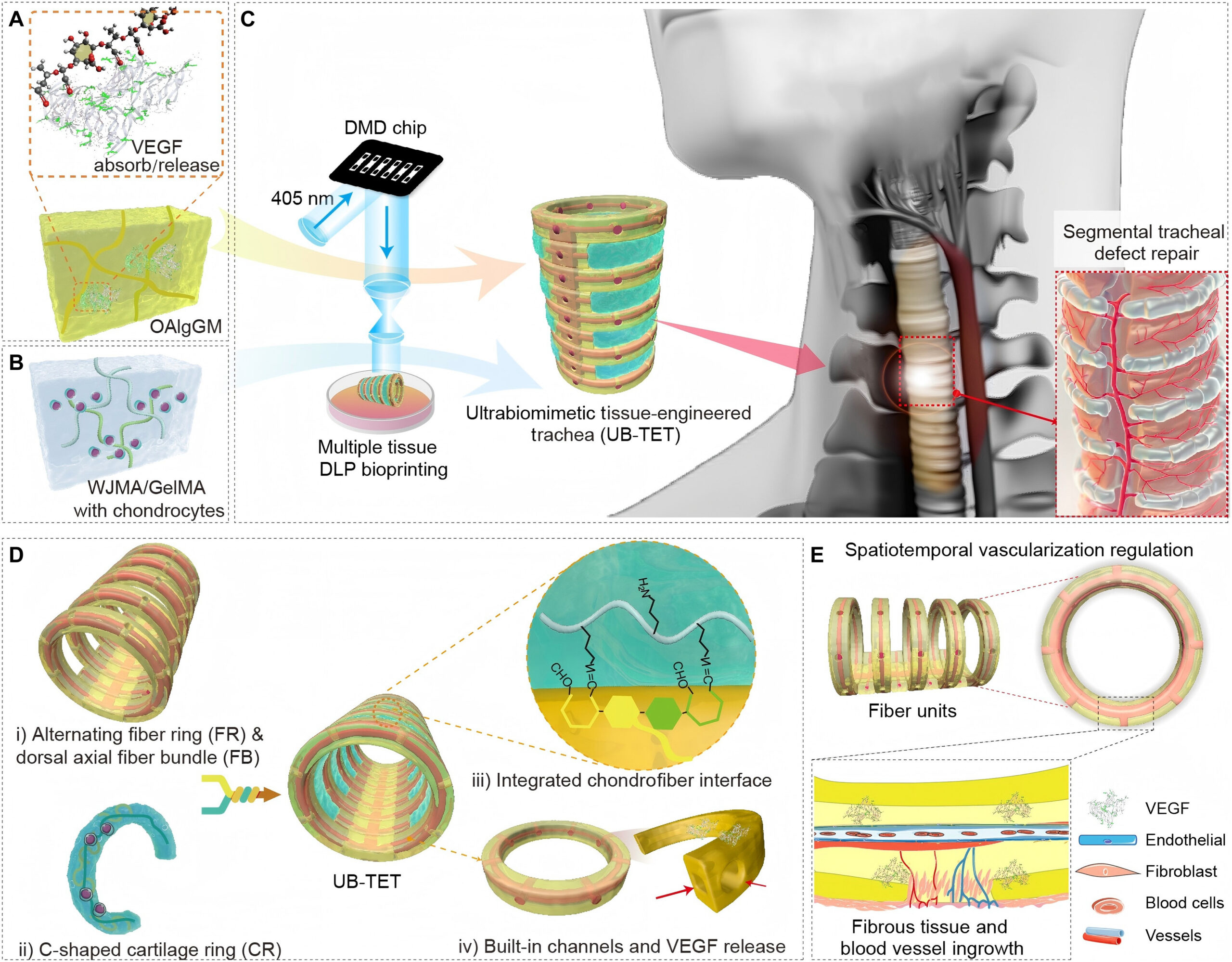
    Fig. 1. Design and construction of the UB-TET. (A) The modified alginate hydrogel was used as bioinks for tracheal fibers, where the oxidized aldehyde groups facilitate sustained adsorption and release of VEGF, as the aldehyde groups dynamically bond to the lysine side chain of VEGF (highlighted in green). (B) WJMA and GelMA, enriched with chondrocytes, were used as the bioinks for tracheal cartilage. (C) Schematic diagram of the integrated UB-TET by DLP bioprinting for repairing segmental tracheal defects. DMD, digital micromirror device. (D) The biomimetic trachea is assembled by alternating fiber segments and C-shaped cartilage rings, and the complete biomimetic trachea is integrated through chemical bonding. (E) Schematic diagram of spatiotemporal vascularization regulation strategy promoting fibrous tissue and blood vessel growth.

    A big challenge in thoracic surgery is repairing damaged sections of the airway in a procedure called segmental tracheal defect reconstruction. A tracheal graft needs to mimic the structure and biochemical functions of the actual trachea. But, most tracheal substitutes, like artificial prostheses and autologous tissue, are limited due to issues like insufficient biocompatibility or bad long-term integration. A team of scientists from China came up with a modular bioprinting strategy for building multitissue-integrated, ultrabiomimetic (UB), tissue-engineered trachea (TET). A native trachea is made up of alternating cartilage rings and fibrous segments—rigid cartilage supports the airway, and fibrous tissue helps achieve flexibility and vascularization. An OAlgGM [oxidized alginate grafted with glycidyl methacrylate (GM)] bioink made up the fibrous segments of the artificial trachea, while the cartilage rings were comprised of a dual-network hydrogel composed of methacrylate Wharton’s Jelly (WJMA) and methacrylate gelatin (GelMA). The scientists used digital light printing (DLP) and an integrated assembly strategy to achieve “ultrabiomimetic construction of TET.” They created a total of 361 layers to make up the UB-TET by slicing every 25 μm per layer, including the bottom one. The team found that their bioprinted trachea had “excellent resilience under cyclic compression.”

    “To promote rapid neovascularization, we develop a stress-relaxing and degradable alginate-based hydrogel capable of dynamic vascular endothelial growth factor loading and sustained release, thereby facilitating endothelial cell migration and angiogenesis,” the researchers wrote in the abstract of their published paper. “Within the fibrous regions, pre-engineered vascular channels are incorporated to guide host vascular ingrowth, resulting in a 2.6-fold increase in neovascular density compared to no-channel scaffolds. This platform integrates spatial control through precise structural design with temporal bioactive signal modulation, enabling synchronized vascularization. When transplanted via end-to-end anastomosis with native tracheae, the vascularized grafts exhibit enhanced survival and functional integration, offering a robust strategy for tracheal tissue engineering and segmental airway reconstruction.”

  • Inside nScrypt’s “Factory in a Tool”: Space, Defense, and the Future of Additive Electronics

    This article is Part 2 of a three-part series based on 3DPrint.com’s visit to nScrypt’s Orlando headquarters and conversations with Ken Church.

    Walking through nScrypt’s facility in Orlando last summer, what stands out isn’t just the machines — it’s the people running them. Engineers move between screens and systems, adjusting toolpaths, watching material deposit in real time, and fine-tuning processes. It feels less like a typical 3D printing lab and more like a place where electronics are being built, tested, and fixed all at once. 

    The company is based at Central Florida Research Park, a large technology hub next to the University of Central Florida. The area brings together defense contractors, aerospace firms, and research-driven companies, making it truly an innovation hub. You see that mix inside as well; the facility blends research, engineering, and production in a way that makes it clear this isn’t just about printing parts. 

    And while these are, at their core, 3D printers, the way they’re used here goes far beyond typical additive manufacturing. nScrypt’s systems are designed to do far more than deposit material layer by layer. They combine multiple manufacturing processes into a single platform, actually turning what would normally be a production line into a single, integrated system. 

    “That’s why we call it ‘factory in a tool,’” nScrypt CEO Ken Church told me. “A single machine can handle additive deposition, subtractive correction, pick-and-place operations, inspection, and electronics integration. This combination is not just about flexibility; it is about solving one of the most difficult problems in electronics manufacturing: reliability. If you have a defect in electronics, it is not going to work.” 

    Electronics are different. Unlike structural parts, where you can sometimes get away with small imperfections, even a tiny defect, a short, an open, a misplaced line, can mean the whole thing doesn’t work. That’s why, as Church put it, the goal is simply 100% yield. 

    And to approach that goal, the company has built inspection directly into the manufacturing process. Each layer is evaluated as it is created, allowing issues to be identified and addressed immediately rather than after the print is done. If something is wrong, the system can intervene in real time. This is where the hybrid nature of the platform becomes critical. 

    This ability to both build and correct within the same system is a powerful departure from traditional manufacturing workflows. It also generates a large amount of data, which opens the door to more advanced forms of process control. 

    “That’s the beautiful part of machine learning,” Church said. “It likes data. As a matter of fact, it thrives on data. By collecting and analyzing layer-by-layer information, we hope to improve consistency and move closer to fully reliable additive electronics. The process is not complete, but it is progressing. We are knocking on the doorstep. We’re not quite there, but we’re knocking.” 

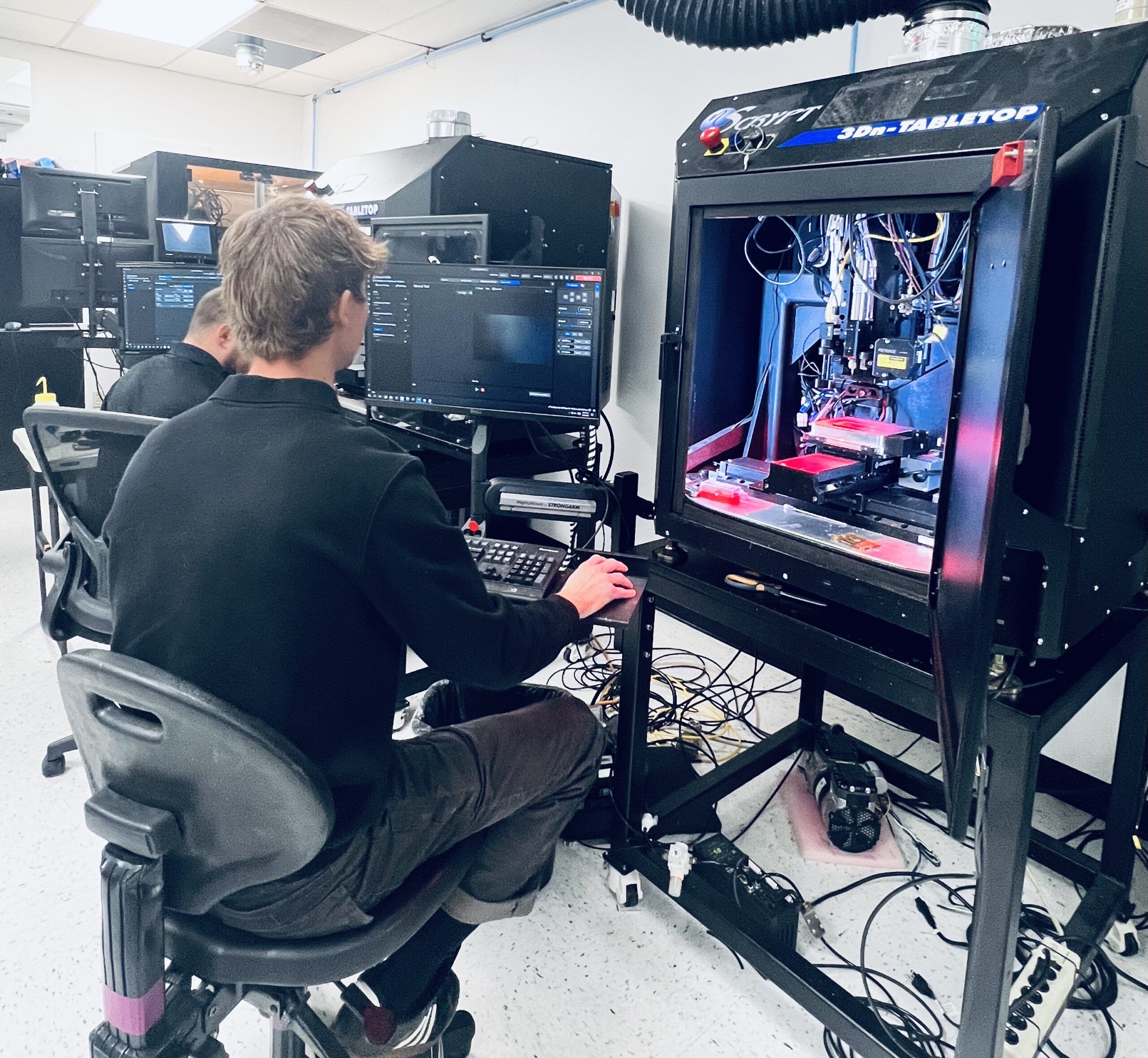
    nScrypt headquarters. Image courtesy of 3DPrint.com.

    While much of the conversation around additive manufacturing focuses on new production, one of the most immediate and practical applications for nScrypt’s technology is repair. This is particularly relevant in defense and remote environments, where supply chains can be slow and unpredictable. 

    The company’s “nRugged” system, which is designed for deployment in harsh or remote conditions, was actually on site during my visit. Seeing it up close makes the idea much more real; the same platform has already been used in locations around the world. 

    “nRugged is fantastic. It’s been to Djibouti, Norway, Hawaii, and it’s going to Japan. The goal is to enable users to fix electronic systems on-site rather than waiting for replacements. In many cases, that difference can be measured in weeks or months. In well under an hour, you’ll fix that circuit. Which would’ve taken months to get a replacement.” 

    In military operations, that capability can directly impact readiness. Systems that would otherwise be offline for extended periods can be returned to service quickly, reducing downtime and improving resilience. 

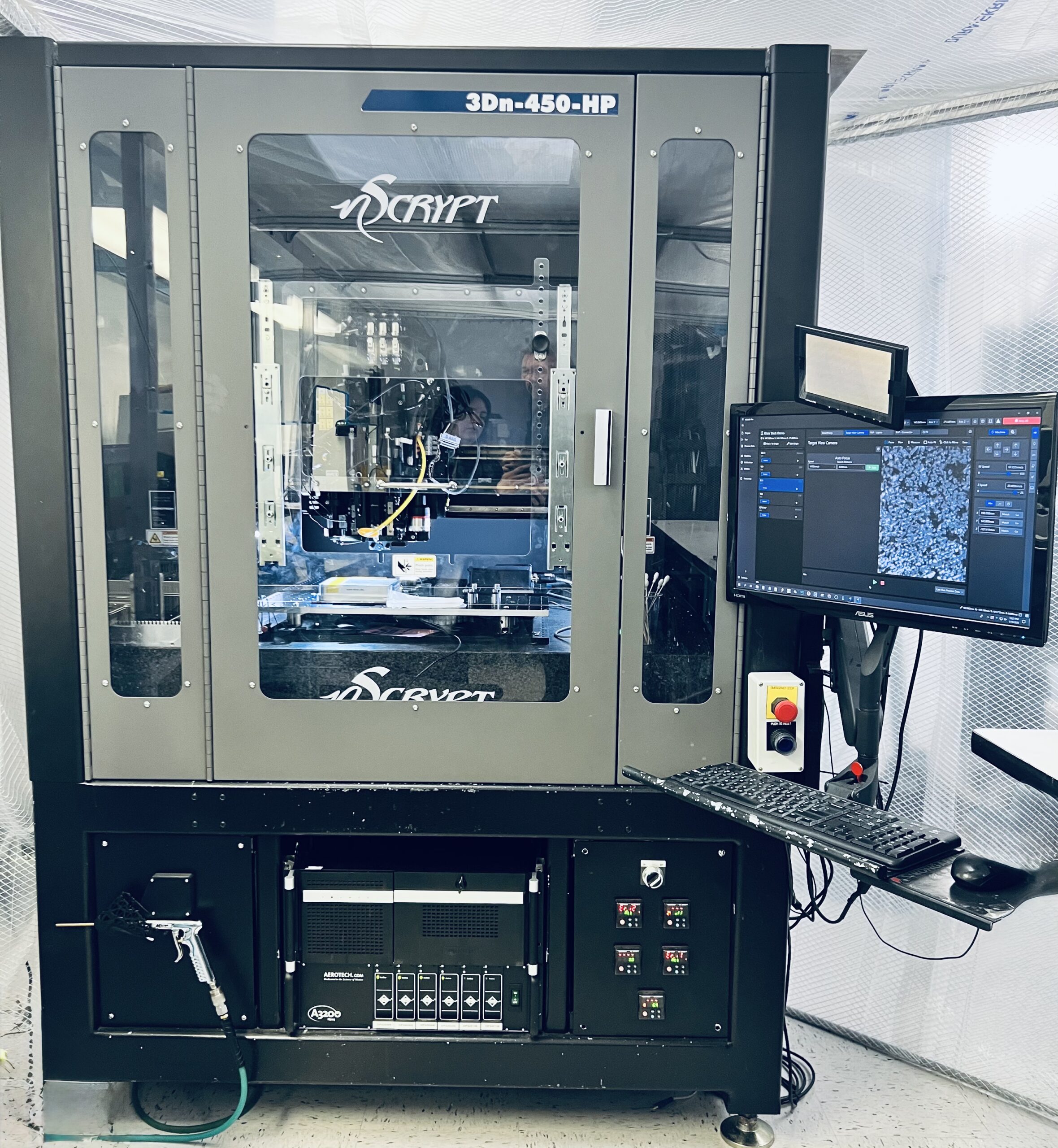
    An nScrypt 3Dn-450-HP system, a “Factory in a Tool” (FiT) 3D manufacturing system designed for multi-material, high-speed, and high-resolution production. Image courtesy of 3DPrint.com.

    Despite how much of the technology is already in use, not all of it is easy to point to. Much of nScrypt’s work takes place in aerospace and defense environments, where details are often kept confidential. 

    Even so, Church is clear that the industry is still in its early stages. After decades of development, the shift from experimentation to real demand is only just beginning. 

    “We’ve been pushing for 20 years,” he said. “And we’re just now on the very front end of this pull.” 

    That shift, from pushing the technology into the market to responding to actual demand, may define what comes next for additive electronics. For companies like nScrypt, it marks a turning point, where years of incremental progress are starting to come together into something more real.

  • Asia AM Watch: China’s SHINING 3D Restarts IPO Review Process

    SHINING 3D is moving forward again with its plans to go public in China, after restarting its Beijing Stock Exchange (BSE) initial public offering (IPO) review process and filing updated financial materials with regulators.

    The Hangzhou-based company, best known for its industrial and dental 3D scanners, had temporarily paused its IPO review earlier this year after its financial reports expired during the approval process. But in late April, the BSE officially resumed the review after SHINING 3D submitted refreshed documents, updated accounting materials, and responses to regulator questions.

    The company has not gone public yet. However, the new filings show that SHINING 3D is still moving ahead with its IPO plans.

    The brand originally disclosed plans to raise about 550 million yuan (roughly $80 million) through a BSE offering. According to filing information reported earlier this month, the company plans to issue up to 23 million shares.

    The fundraising would mainly support research and development projects in dental technology, industrial measurement systems, and high-precision 3D vision algorithms. One of the largest investments would go toward digital implant technology for dentistry, an area where SHINING 3D has been expanding aggressively.

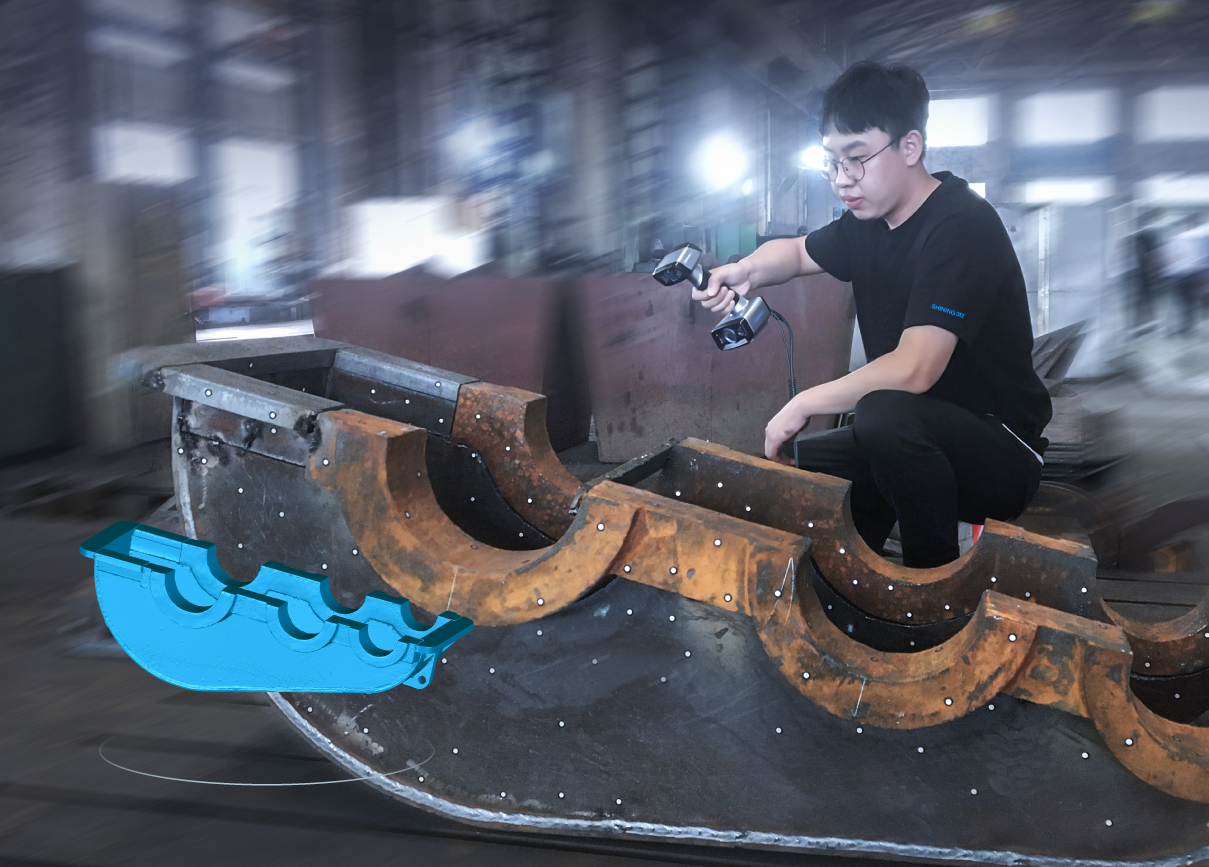
    Portable, easy operation scanner. Image courtesy of Shining 3D.

    The IPO process had briefly slowed in March 2026 when the company requested a suspension of the review because the financial statements used in the application were approaching the end of their validity period. The BSE approved the “procedural suspension” on March 31.

    That type of pause is pretty common in Chinese IPO processes. If reviews take too long, companies often need to update financial reports and refile documents before regulators continue the process. But the latest filings suggest SHINING 3D has now completed that step.

    The new publicly disclosed filings include updated audit and financial documents, legal materials, and responses to questions from regulators reviewing the IPO.

    If there are no further delays, SHINING 3D could move closer to completing its BSE listing later this year. The company still needs additional approvals before its shares can begin trading publicly.

    The move is another sign that China’s additive manufacturing (AM) and digital manufacturing ecosystem continues to mature financially, even as many Western AM companies struggle with slow growth, restructuring, or consolidation.

    While SHINING 3D is not a pure-play 3D printing company, many of its products are used alongside AM systems. Its scanners and measurement tools are commonly used in inspection, reverse engineering, digital dentistry, industrial design, and 3D printing applications.

    The company has become well known internationally thanks to products like its EinScan and FreeScan 3D scanners, which are used to digitally capture and measure objects for design, inspection, reverse engineering, and 3D printing workflows.

    The EinScan HX achieves a processing speed of up to 1,200,000 points per second in Rapid Scan Mode. Image courtesy of Shining 3D.

    SHINING 3D has also been growing quickly. According to earlier reporting tied to the IPO filing, the company generated roughly 1.5 billion yuan ($221 million) in revenue in 2025, representing about 31% year-over-year growth. International revenue reportedly rose 46% during the same period. The IPO documents also show the company continuing to pour money into research and development, particularly around industrial scanning, digital dentistry, and measurement systems.

    That focus points to a larger trend in China’s manufacturing sector, where companies are combining 3D scanning, AI inspection, digital dentistry, robotics, metrology, and 3D printing technologies.

    Meanwhile, the BSE itself has also been trying to attract more high-tech manufacturing firms. Created in 2021, the BSE focuses largely on innovative small and medium-sized enterprises inside China. Earlier this year, the exchange introduced changes to attract higher-quality IPO candidates and improve market-driven pricing mechanisms. SHINING 3D seems to fit really well into that strategy.

    The company had previously pursued a listing on Shanghai’s STAR Market before later shifting its IPO plans to the BSE.

    For the AM industry, the story stands out because public market activity has slowed over the past two years. Many publicly traded AM companies in the U.S. and Europe have dealt with falling stock prices, restructuring, or pressure to sell parts of their businesses. Meanwhile, China’s AM sector continues to see public market activity. Creality is expected to begin trading in Hong Kong on May 29, while companies like Farsoon and BLT are already publicly listed in China. SHINING 3D could become another addition to that growing group if its IPO process continues moving forward.

  • Stratasys Acquires Markforged, Analysis of AM’s Latest Consolidation Move

    A very long time ago, in 2023, the additive manufacturing (AM) industry was enraptured over the attempts by a large chunk of its publicly traded original equipment manufacturers (OEMs) to acquire one another. Ultimately, none of those initially floated deals went through, although one of the players in the fracas, Nano Dimension, did eventually take over another of the players, Desktop Metal, and followed up on that deal the next year with the acquisition of Markforged, a company that hadn’t even been on the table in 2023.

    Much of that strange time in the industry’s history was driven by Nano Dimension’s repeated efforts to execute a hostile takeover of Stratasys, which provides some particularly interesting context for the latest AM industry deal: Stratasys will purchase Markforged from Nano Dimension in an all-cash deal valued at $42.5 million. Stratasys gets everything other than Markforged’s metal binder jetting (MBJ) business,  built via the company’s own 2022 acquisition of Sweden’s Digital Metal for $40 million in cash and stocks.

    So, Nano Dimension is now an MBJ company. Sure, why not! The company already sold its original business line, which revolved around 3D printed electronics, in April, following Desktop Metal’s declaration of bankruptcy last year, resulting in parts of the latter company’s portfolio being acquired by Anzu Partners and the flagship Desktop Metal MBJ brand being rescued by ARC Impact. As far as I can tell, essentially nothing of what remains of Nano Dimension has anything to do with what the company’s business model was as recently as 3 years ago, and perhaps that’s for the best. Maybe it will try to copy the pivot that ARC is making with the Desktop Metal rump state.

    In any case, Stratasys is the real protagonist here, and I think this acquisition makes far more sense than any of the possibilities that were up in the air in 2023, except for maybe the 3D Systems offer to merge with Stratasys. This deal, however, is much less of a risk and fits much the same profile, albeit on a smaller scale, as the upsides in the hypothetical 3D Systems merger: minimizing redundancy by maximizing synergy. For instance, Stratasys and Markforged both excel at tooling applications, especially in automotive, and they both also have ample experience with aircraft interior applications.

    Aside from the difference in brand longevity — Stratasys is, of course, one of the industry’s pioneers, while Markforged emerged in the 2010s — the biggest differentiator between the two brands probably lies in Markforged’s metal extrusion capabilities, which I think the company has leveraged very nicely in recent years via a print engine adaptor for its FX 10 system. Earlier this year, Stratasys acquired Tritone Technologies, the OEM of a unique spin on MBJ, so Stratasys didn’t need the Digital Metal division.

    All in all, Stratasys got the best bits from a company that did $70 million in revenue last year, and that Nano Dimension itself acquired for around $120 million in 2024, for just over $40 million, which seems like a great value no matter how you slice it.

    In a press release about Stratasys’s acquisition of Markforged, Yoav Zeif, the CEO of Stratasys, said, “This acquisition further advances our capabilities to meet customers’ growing needs in critical areas such as defense and aerospace at a time when additive manufacturing continues to displace traditional manufacturing for high requirement applications in production. We believe that our teams can immediately reinvigorate revenue growth by adding MarkForged, Inc.’s products and software systems as we leverage our leading partner networks. We are confident this transaction will strengthen Stratasys’ position in many of the largest and most structurally critical industries where performance, supply chain resilience, reliability, and scalability are essential.”

    Zeif is correct that defense is indeed one area where Markforged has a lot to offer Stratasys, now that they’ve joined forces. Stratasys is no stranger to the defense industry, but Markforged gives its new parent corporation immediate, additional capacity that aligns perfectly with what the latter is already doing.

    Markforged X7 Field Edition. Image courtesy of Markforged

    Specifically, both brands have existing relationships with the US Navy surrounding deployable 3D printers, including at least one Markforged X7 installed on a submarine. Stratasys could also certainly benefit from incorporating the Markforged Digital Forge inventory platform into its ecosystem, given the Navy’s ramp-up of its digital inventory capacity.

    When you get down into the weeds of the company that will result from this acquisition, one of the most interesting possibilities is how Stratasys could benefit from leveraging the aforementioned metal kit for the FX10 to some of its own product lines. Perhaps no potential exists there, but if Stratasys can learn from its new subsidiary to apply the same principles to certain Stratasys machines, that’s a very cheap path towards effectively doubling the addressable market of every polymer machine that can be viably combined with a metal adaptor.

    The main takeaway for me is that the best acquisitions tend to go to the companies that can afford to be patient. Stratasys could’ve done what Nano Dimension did in 2024 and, unwilling to just sit on its hands and wait, paid over $100 million for Markforged. Instead, Stratasys bided its time and less than a couple of years later, snapped up the very same company (less the Digital Metal division) for a bargain. With its Tritone acquisition, Stratasys now has two different metal 3D printing technologies, and Markforged has access to Stratasys’s global footprint. Given all the chaos of 2023, the outcome in 2026 is arguably the best-case scenario for one of the longest-standing companies in the AM industry.

    Featured image courtesy of Stratasys

  • Low Cost Medical Devices (or Saving the World Through YouTube)

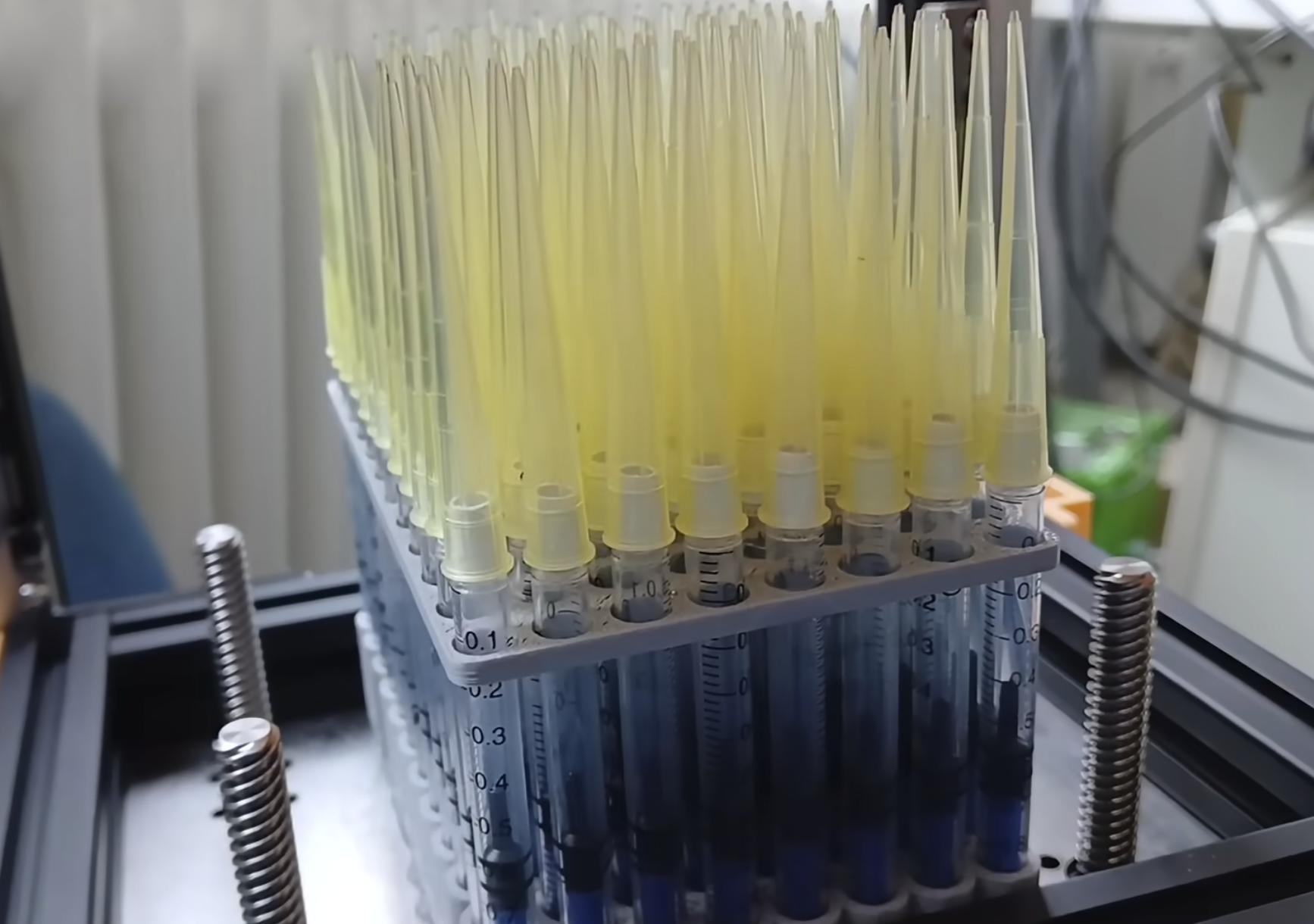
    It’s Triggy is a YouTube channel showcasing engineering builds and how-tos. From testing whether wood glue is stronger than wood, to how to make polynomial curves, and how to make a rocket from office supplies, it errs on the side of nerdy. Triggy took umbrage at a commercially available multi-channel pipette system, which cost $18,000. Pipetting robots come in all sizes, prices, and quality levels, of course. Now Triggy has used 3D printing to make one for $250 in parts. The resulting CAD, explanation, and firmware are now available on GitHub.

    The 96-well plate pipetting robot can be used to mix and handle pipettes for medical tests. These kinds of machines are workhorses in R&D labs and hospitals. They can be used to move around samples, dilute samples, place cell cultures, and add reagents. These kinds of robots can be simple, including affordable manual units. There is also an OT2 open source version that costs around $16,000. Automated desktop systems cost between $10,000 and $40,000. Beyond that, there are very large systems. These can be modular, and you can add robot arms to further automate storage and handling after operations. There are simple, compact, advanced, and cheap options to cover everything from high school labs to large government DNA labs. All those DNA tests used by law enforcement and by people curious about their heritage are handled, in part, on these systems.

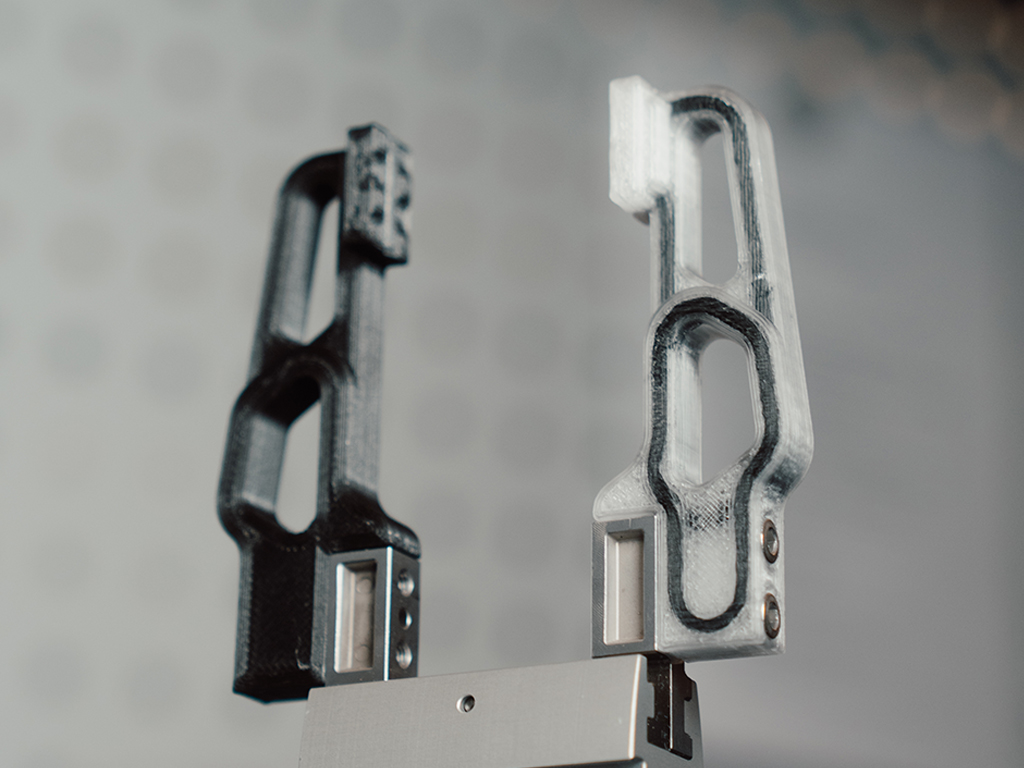
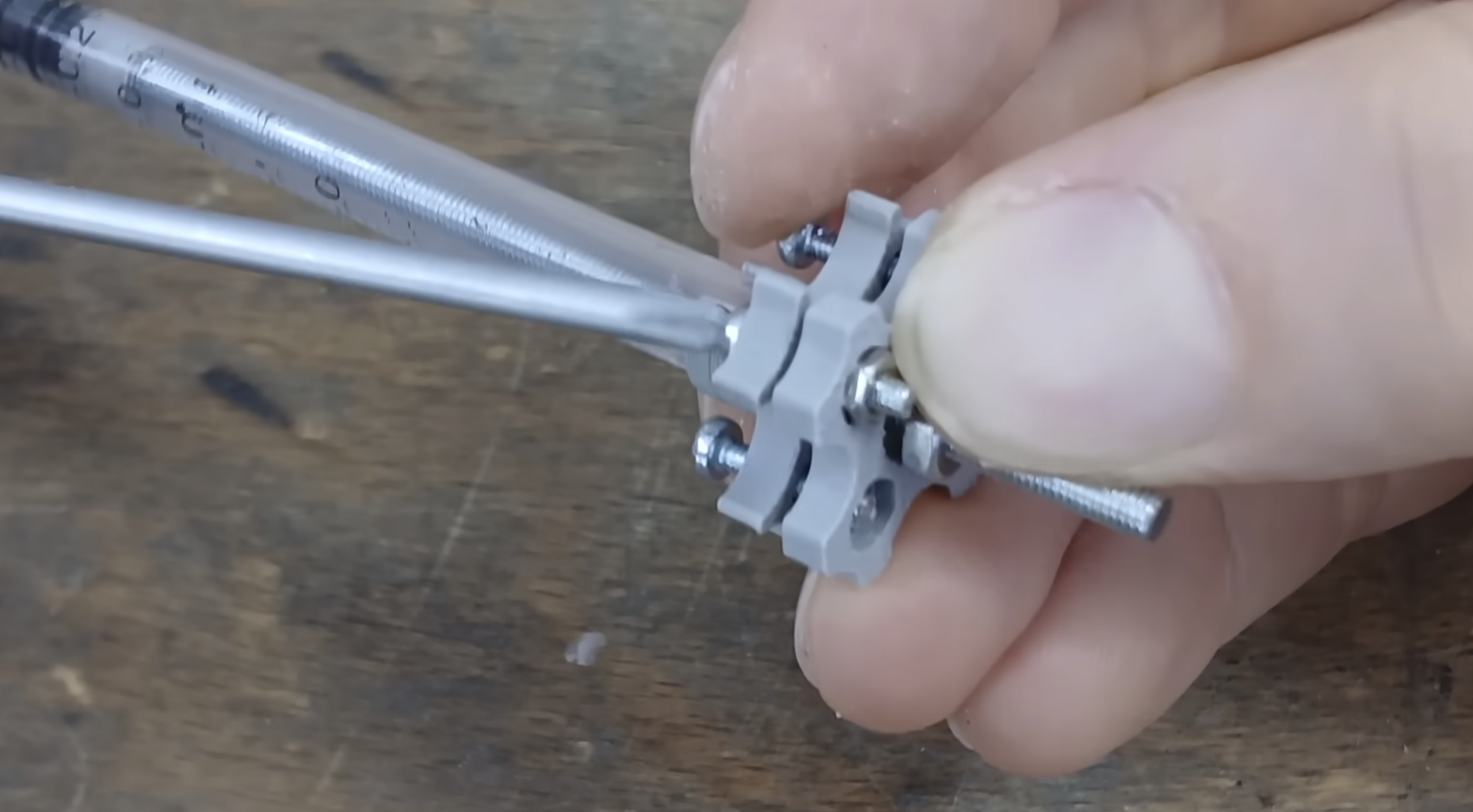
    Close-up of the 3D-printed pipette holder and clamping mechanism, part of Triggy’s low-cost automation system. Image courtesy of Triggy (YouTube).

    Using an ingenious geared ratchet lowering system and extruded rails, Triggy builds up the base. Housings and other key components are printed too. 3D printed guides and a platform for the pipettes are also made. Getting the amount of give and the platform’s tolerance was, of course, very important. He uses 4 stepper motors mounted to 4 lead screws to move the platform up and down. He makes the firmware and ends up with a working device. Tests then show how he can dispense and mix different liquids in pipettes. He then tests mixing different reagents and mixing programs.

    Triggy says, “This isn’t going to replace high-end lab equipment, and that’s not the point; the point is to reduce barriers to entry for these tools.”

    That, I think, is something that we can all applaud. We’ve seen real development in open-source lab equipment over the years. Open Labware is a collection of open-source lab equipment that often uses 3D printing, meant for developing countries and austere environments. We wrote about projects like LabEmbryoCam, developed by the University of Plymouth‘s EmbryoPhenomics lab. In 2018, we looked at the Custom Lab Institute’s 3D printed lab gear and a paper on the efficacy of 3D printed laboratory equipment. We also looked at an interferometer that used 3D printing and a smartphone. There have been good papers on this development, and it is ongoing.

    The assembled 96-channel pipetting setup is designed to handle liquid transfer and mixing for lab workflows at a fraction of the usual cost. Image courtesy of Triggy (YouTube).

    The promise of this could be incredibly impactful, extending medical testing, lab work, and life-saving development closer to the people who need them most. Rugged lab gear designed for austere environments would greatly improve medical research in remote areas. If, from the design stage, power interruptions, dust, and rougher handling were taken into account, this equipment would look and work very differently from what we have now. At radically lower pricing and broader availability, this kind of stuff would let many charities, universities, NGO’s, and governments save money. Lives could be saved with this, and existing budgets could be extended.

    That idealism and hope have not really brought this movement much money or visibility, however. It’s still more visual to paint a school or give some more tangible and understood things like books, computers, or water pumps. Somehow, this just doesn’t get a lot of donor love and attention. But, imagine this. Imagine if Triggy changed tack and, rather than willy-nilly exploring sciency/engineeringy topics at random, stuck to just making open labware. Triggy has 60,000 subscribers, and the medical device video has 870,493 views. A YouTube calculation tool estimates that the yearly earnings would be around $50,0000. But imagine the channel quadrupled to $200K a year, and Triggy could have a salary and budget that allowed continuous creation of open-source 3D printed medical devices. A channel ten times bigger than that could let a whole team of great engineers tackle substantive global problems full-time. Now I’m not saying we should stop filling swimming pools with Jello or having people on motorcycles jump over ever bigger things, because somehow that, too, is humanity excelling. But imagine if a new generation of YouTubers used the platform to solve some of the world’s problems. 

  • DTI & Partners Developing 3D Printed Electronic Space Robot Skin

    Robotics is among the most intriguing long-term prospects for the additive manufacturing (AM) industry, something I recently wrote about in the context of BLT and China’s buildup of industrial robotics for use in supply chains such as electronics and power grid repair. That piece highlighted how 3D printing can be leveraged as something of a “swing production method,” capable of alternating between producing end-use components for consumer goods, as well as parts for other industrial equipment.

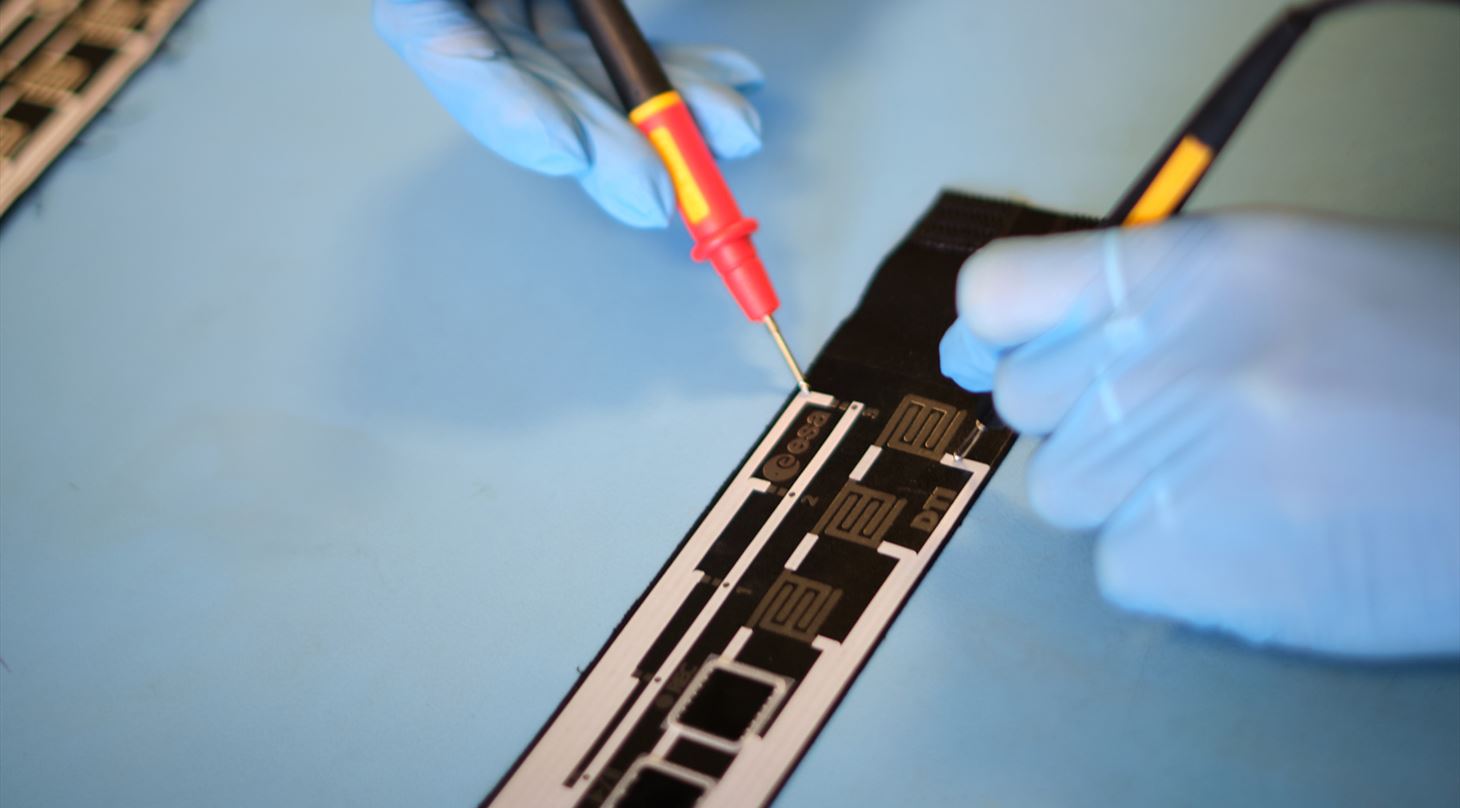
    There are a number of additional factors which make AM a good fit for the robotics market, as a new use case from the Danish Technological Institute (DTI) highlights. In a project funded by the European Space Agency (ESA), and building on earlier work completed in 2024, DTI and its private sector partners are exploring how to make 3D printed ‘smart skin’ for robots deployed on space missions.

    The researchers designed the skin to solve several different challenges faced by robotic systems during space exploration, including thermal management, protection from dust, and the optimization of human-robot interface (HRI) scenarios. DTI worked with three companies on the project: PIAP Space of Poland, Redwire Space, based in Luxembourg, and Hungary’s Admatis, which specializes in the sort of advanced materials enabling the entire project.

    In addition to the performance objectives already mentioned, using wearable electronics also made it easier for the researchers to engineer other aspects of the robot’s structure: for instance, AM’s bespoke design capabilities allowed the team to create the ideal shell to route the robot’s data and power lines. The 3D printed skin also enhances the durability of the robot’s design, as it gave the partners the opportunity to incorporate sensors improving the robot’s motion control system.

    In a post on LinkedIn, AM design specialist Andreas Weje Larsen, one of the individuals who worked on the project, said, “Central to this is computational design of the space grade scaffold structure, using compliant mechanism synthesis — essentially applying conventional use of topology optimization ‘in reverse’ to design flexibility instead of stiffness. This is a key innovation for AM in space and beyond.”

    That last point in the quote above about “in space and beyond” is what I love most about DTI’s approach to the project. Along with the rationale behind the primary, space-oriented angle for the case study, DTI put just as much thought into the ‘dual use’ angle, i.e., the potential to use the same innovation for applications based on Earth.

    In particular, DTI’s summary of the terrestrial possibilities for the smart skin project focuses on the sorts of jobs in harsh environments which would seem to be the best candidates for future deployment of robotic workers. Some of the examples the researchers have in mind include “wet agricultural fields,” electronics recycling sites, and, generally, extreme environments that are remote from population/infrastructure hubs.

    This specific line-of-thinking is ingenious in itself, but even more importantly, I’m impressed that the DTI researchers gave that much consideration to the precise dual use possibilities for the R&D work, and incorporated that thinking into the foundation of the design. Too often, when we see the phrase ‘dual use’ in a project like this, the researchers seem to just be taking for granted that someone will come along at some point and leverage the relevant (typically, defense) application for commercial purposes. I think that leveraging 3D printing as a dual use technology would be a far more feasible undertaking if researchers were given more freedom to explicitly structure their work in a dual use direction from the outset.

    Finally, returning specifically to the viability of AM for the robotics market, the product-market fit between the quantity of parts that AM is currently best suited for, and the quantity of parts needed by robotics manufacturers, is perhaps the most compelling reason why we should expect to see these technologies more and more closely linked as they both continue to evolve. In terms of the present case study, it’s easy to envision the emergence of a market for on-demand skins that fulfill various functions requested by the customer. That’s exactly the sort of output level requirement which allows AM to thrive.

    Images courtesy of DTI