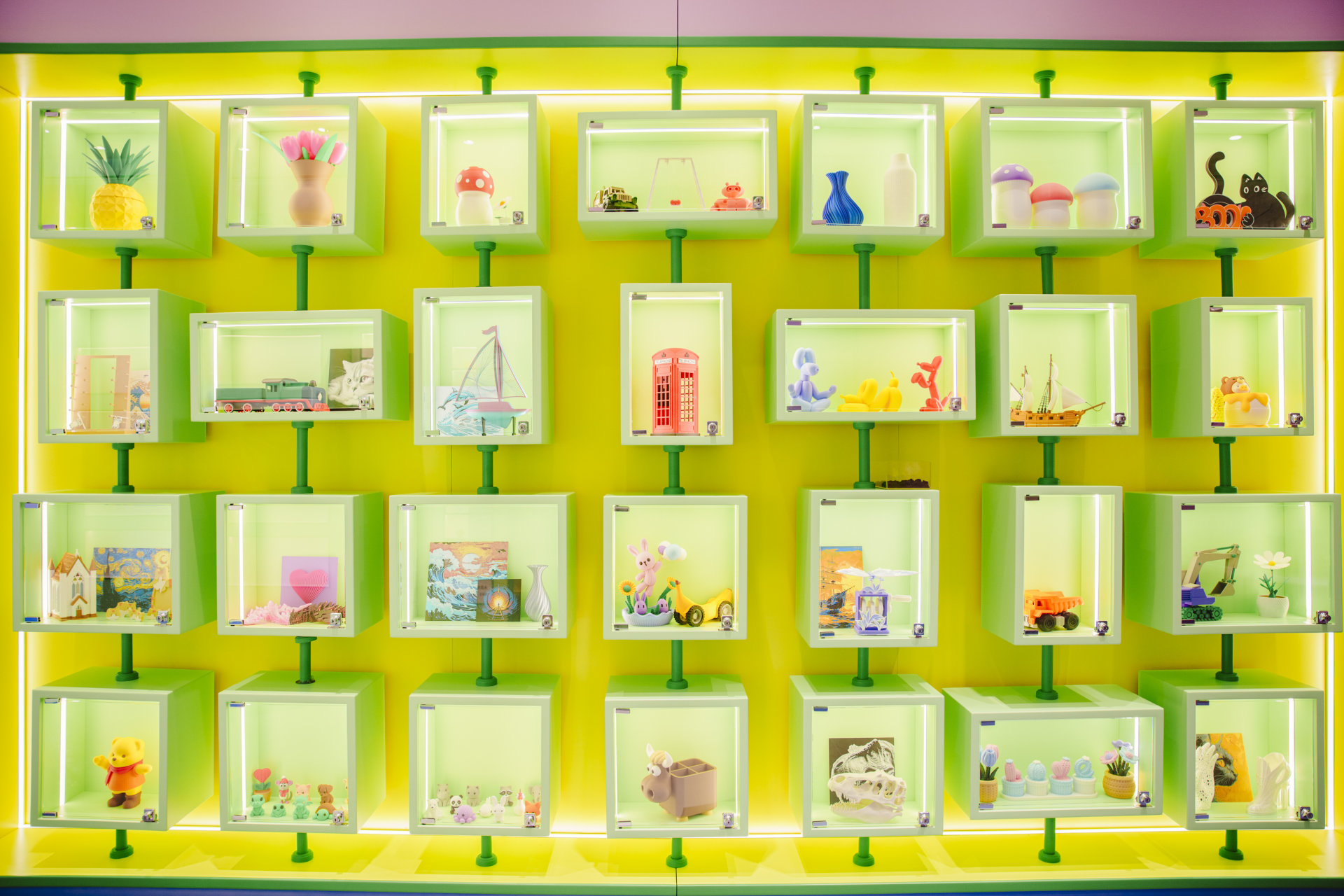
• Tethon 3D Acquires Fortify IP to Target RF and Defense Applications

    Tethon 3D has acquired Fortify’s advanced materials intellectual property. Fortify wanted to bring fiber-reinforced vat-polymerized parts to market before pivoting to electronics and later to RF applications. This got them $12 million in funding from Lockheed Martin, followed by a joint investment from Raytheon and Lockheed. The firm sold a 3D printer to NASA’s Glenn Research Center, but things have been quiet around Fortify of late. It’s a shame because, whereas the firm initially made a rather diffuse and confused market entry, the RF 3D printing materials bet was prescient.

    Right now, 3D printed RF is of strategic importance to almost all countries worldwide. And making and improving a better antenna, to deny interference or keep operating, is top of mind. Drones are dominating the battlefield and the headlines. A big component of drone warfare is RF communications and jamming. This is, therefore, an excellent move by Tethon 3D. Exquisitely timed, this acquisition could really do wonders for Tethon. Tethon, of course, is a materials supplier for the vat polymerization world, offering ceramics, a bioprinter, and materials for advanced applications. The company has been working on metal DLP since at least 2018 and indeed had a partnership with Fortify since 2021. So Tethon has a good understanding of what it is acquiring here as well.

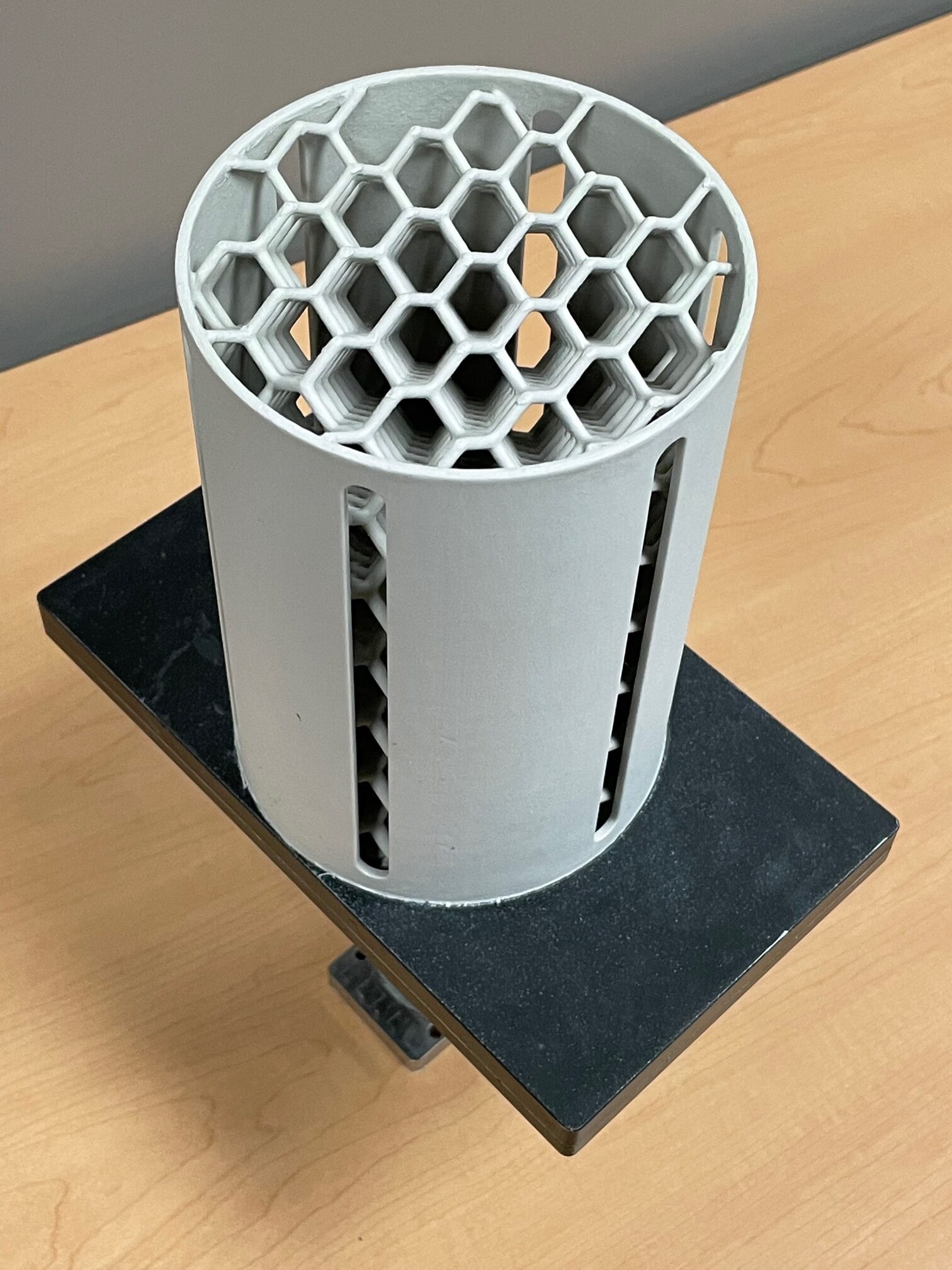
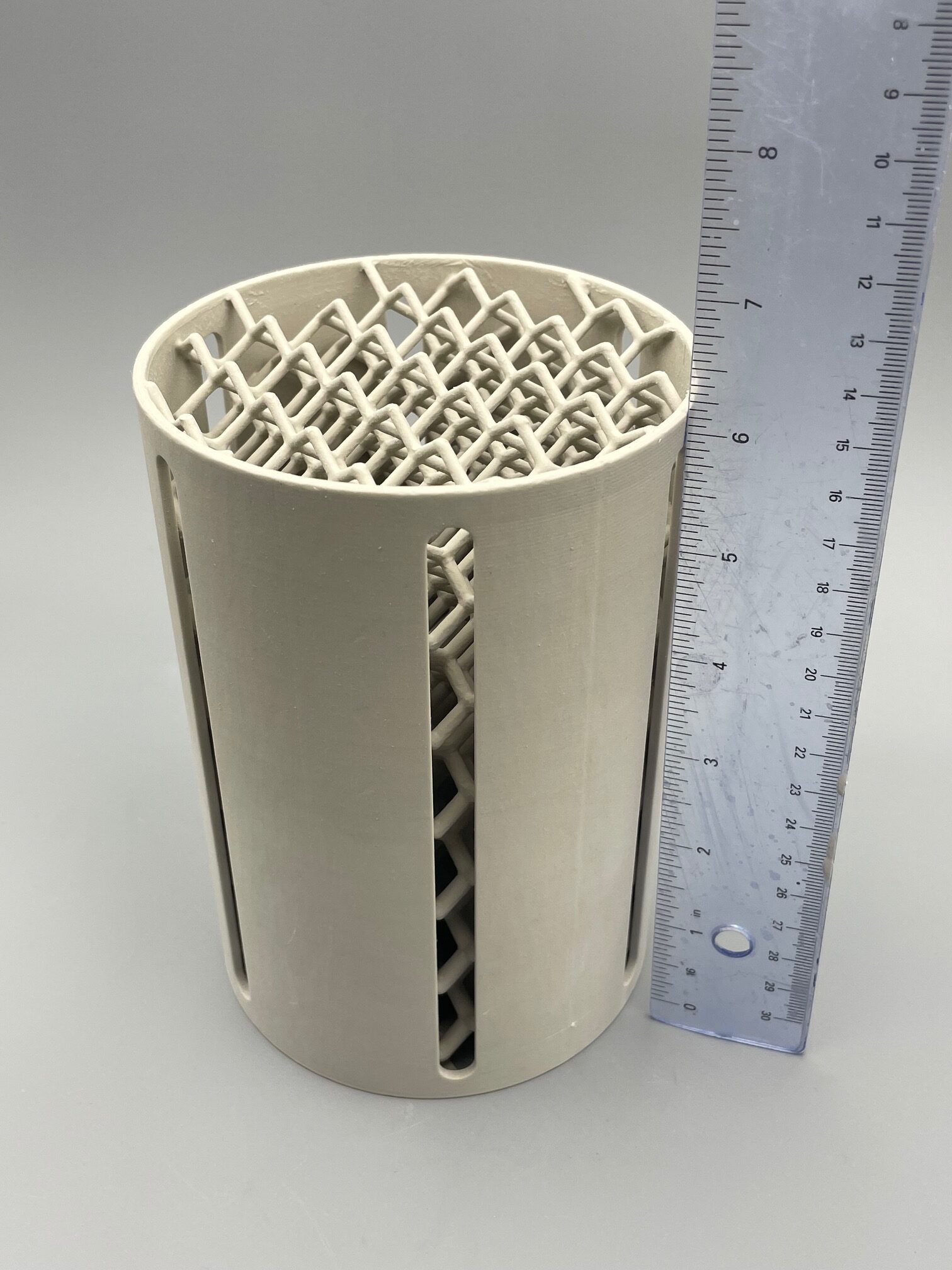
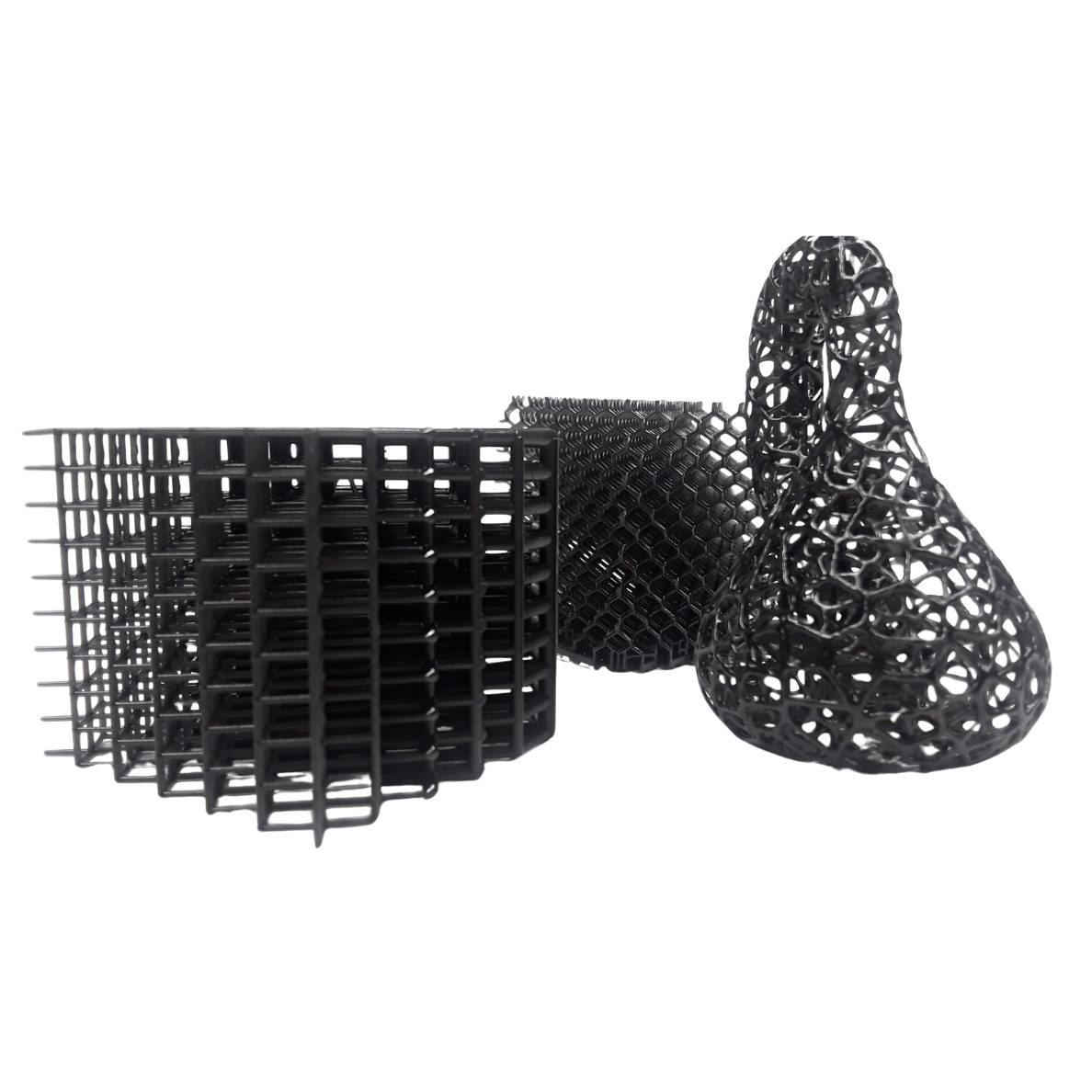
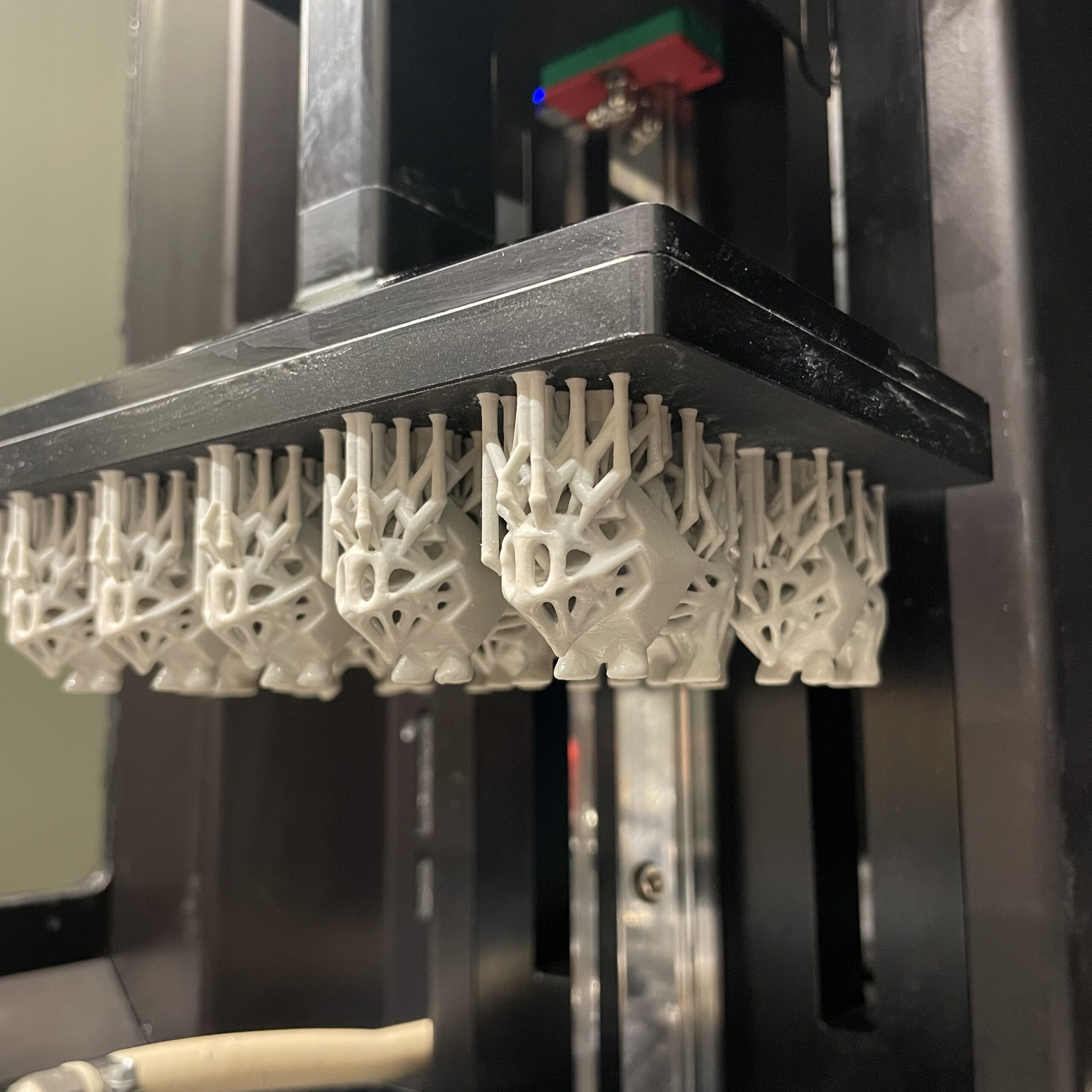
    Tethon 3D Alumina Bison on Fortify Printer.

    Fortify’s IP is in technical ceramics, specifically dielectric materials for RF applications. The company thinks that uses will be “microwave, and mmWave components for applications such as radar systems, satellite communications, and next-generation wireless infrastructure.” Which could be great, but I’d be using this stuff for radomes and antennas for things like CIWS and drones. Tens of thousands of kilometers of fiber-optic cable now litter Ukraine because jamming has made it a reliable way to pilot drones. This, of course, will not do for long-range strike drones and most interceptors. And we can also see in the Straight of Hormuz that inexpensive Shaheds can cause havoc on global energy markets and hold countries hostage. For navigation, such craft need a good antenna, ideally one that is impervious to RF jamming. So I’m pretty sure that almost every single military is in a mad scramble for better antenna capabilities now.

    And 3D printing dielectric materials into an antenna is one of the fastest ways to make an optimized antenna. I’m also near certain that these materials have been used in some US government research projects. For the US research establishment, it’s good that this portfolio went to a US company as well.

    The company says it bought “innovations in anisotropic composite structures and advanced material processing methods that enable high-performance RF, microwave, and mmWave components.” These materials enable the precision fabrication of dielectric structures for demanding applications, including radar systems, satellite communications, advanced electronics, and next-generation wireless infrastructure.¨

    Tethon 3D CEO Trent Allen indicated,

    “This acquisition is part of a broader strategy to build the leading advanced materials platform in our industry. We are focused on identifying and integrating technologies that enhance our ability to develop and scale high-performance ceramic materials for real production environments.Fortify developed compelling technologies around high-performance composite materials.Having collaborated with their team previously, we see significant opportunity to build on this work and integrate these innovations into Tethon’s advanced technical ceramics capabilities.”

    The company aims to “focus on applications where technical performance and reliability matter most. By adding these technologies, the company is further expanding its technical foundation in high-performance ceramics and advanced materials systems.” I love everything about this. I don’t know how much they paid, but this was money well spent. It’s like buying an ice berg, avoiding radar technology, the week of the Titanic sinking, or having a lot of shovels and horses before the First World War. If you didn’t bid on this, or bid on it and didn’t get it, shame on you.

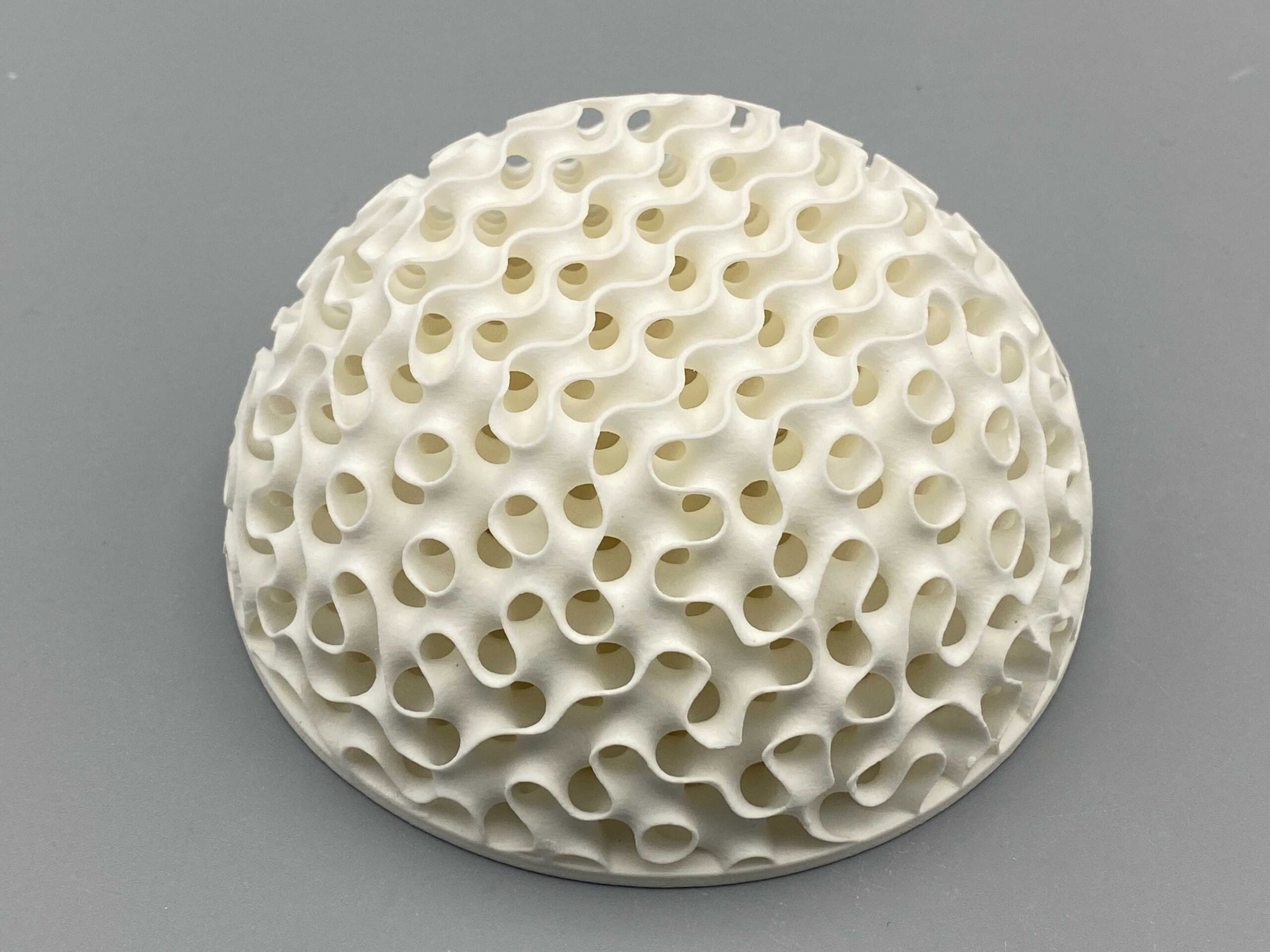
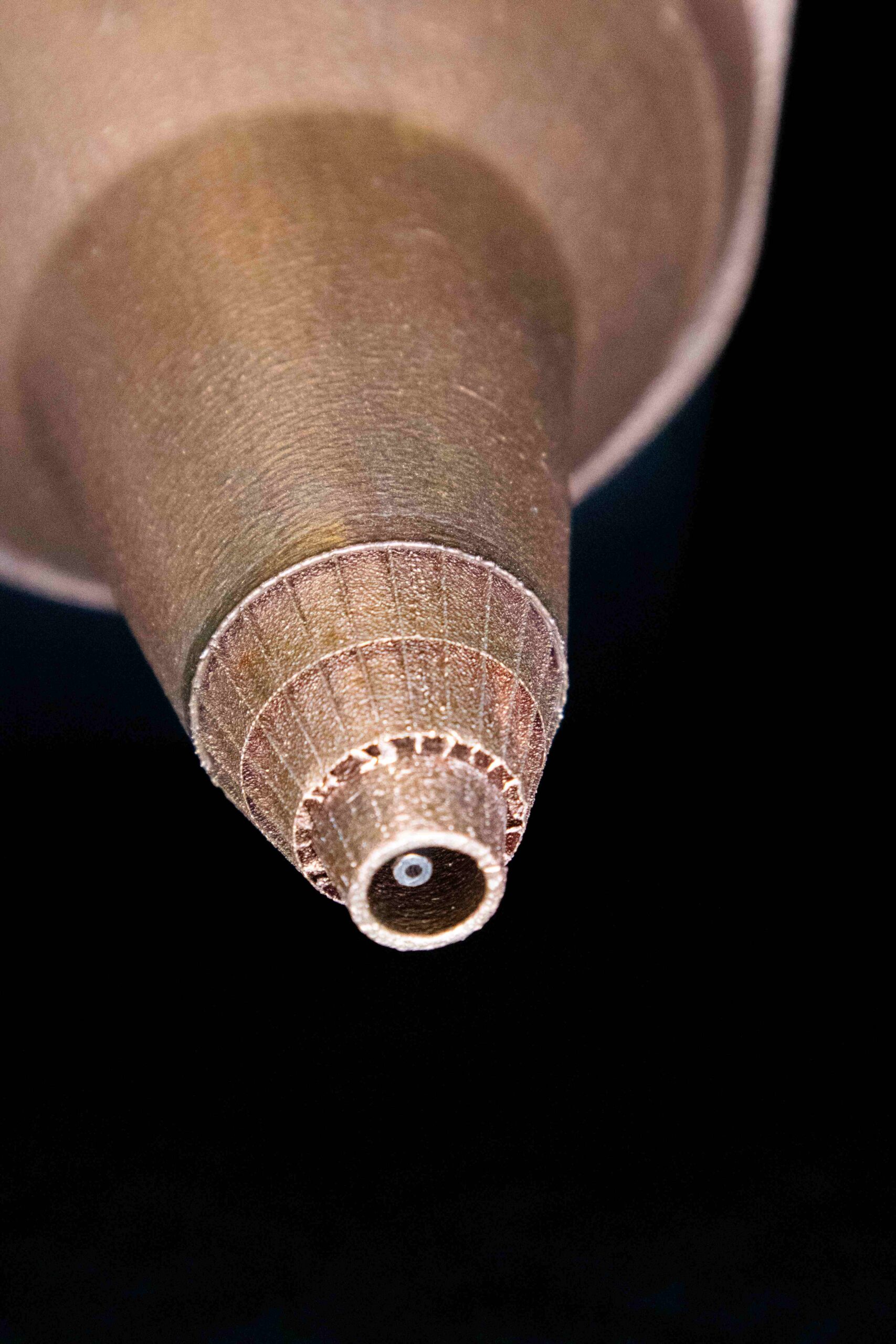
    A 3D printed ceramic GRIN lens printed on the FLU CORE printer with high-purity Alumina.

    One of the reasons that US drones fare so poorly in Ukraine is that they get eliminated quickly by RF jamming. All the exquisite kit in the world, traveling over to search for a marketing campaign, ends up being pretty useless after a week. The US (and all major militaries) need a solution for this. One of the best ways seems to be to use slurry, doped vat polymerization, or Zetamix to make RF antennas and radomes. It’s quick, quick to iterate, and can be used for conformal weight-saving integrated structures. RF is one of my favorite applications in general, but now that Hormuz is closed, it’s going to be a lot of other people’s favorite application too. Super amazing work, Tethon!

    Images courtesy of Tethon 3D

  • DEEP Manufacturing to Open 50,000 Sq. Ft. WAAM Facility in Houston

    I’m a big fan of wire arc additive manufacturing (WAAM), in large part because it’s not that much of a departure from how arc welding already works. It’s a technology that’s disruptive enough to address certain challenges involved in revitalizing the welding industries in nations like the US—above all, the workforce development challenge—without being disruptive to the point that it couldn’t be incorporated into existing manufacturing supply chains.

    About a year ago, the UK-based company DEEP Manufacturing, a division of an ocean engineering firm with the same name, launched the HexBot, a six-armed WAAM system for ultra-large-format parts: up to 3.2 meters in height and 6.2 meters in diameter. At the time of launch, the system had already been used for applications including offshore wind platforms, shipbuilding, and subsurface maritime infrastructure for the energy sector.

    More recently, DEEP announced that it will open a 50,000 square foot production facility in Houston, part of a $10 million investment through the end of 2026 in the company’s US production capacity. The opening of the facility comes at an ideal time for global energy supply chains, which are only just beginning to digest the fallout from the catastrophe that the US and Israel have imposed upon the Gulf region and the world economy as a whole.

    As part of the investment, DEEP plans to triple its Houston workforce by the end of the year, from a team of 10 to a team of about 30. DEEP notes that, in February, the company guided US personnel through an accelerated training program led by the UK team, with the Houston facility focused “Inconel 625 deposition trials” happening this month. In April, DEEP is planning for official commissioning of the first US WAAM systems, and DNV Approval of Manufacture audits prior to the May opening.

    In a press release about DEEP Manufacturing’s official opening of its Houston production facility, the company’s CEO, Peter Richards, said, “Houston represents a major step in scaling [AM] in the United States. By bringing our WAAM capability closer to customers in energy, defense, and maritime sectors, we can dramatically reduce lead times for large, high-integrity components while strengthening supply-chain resilience for critical industries.”

    As I noted last week, whatever you think of the war in Iran—and I find it equal parts disgusting and, sadly, all-too-predictable—it is now a reality that must be factored into the decision making process for anyone planning a business. More so than any other area of the economy, those in the energy sector must adapt immediately, as the order of global fossil fuel flows gets rewritten in real time.

    Houston looks set to be perhaps the single most indispensable hub for this repositioning, as oil importers start to prioritize stability of long-term supply over essentially all other considerations. The same goes for US liquefied natural gas (LNG), which is already the leader in global supply, and is all the more important now that Iranian missile strikes have knocked out 17 percent of Qatar’s LNG export capacity—a close second in the international market—for 3-5 years.

    Notably, the main current barrier between US supply and global demand in this context isn’t the oil and gas itself, but the pipelines and shipping capacity required to deliver the goods. Oil tanker rates had already been surging leading up to the US’s first airstrikes on Iran, and they’ve gone parabolic in the time since. Now, there is no instant solution to this problem: the US isn’t going to simply flip a switch and start turning out oil tankers.

    However, a company like DEEP can certainly help lay the long-term groundwork for cultivating the shipbuilding capacity required to bolster oil & gas tanker MRO operations as traffic through Houston-Galveston intensifies, while simultaneously contributing to the manufacturing capabilities required to build new pipelines and keep existing ones operational. This won’t lower the near-term floor for the price of oil, but, in combination with the implementation of an overall national advanced manufacturing strategy, it could help keep the future price ceiling in check. Additionally, the more agile production capabilities that can be enabled with WAAM would allow DEEP to pivot between production for fossil fuel supply chains, as well as production for equipment needed for transition energy sources.

    Images courtesy of DEEP

  • At TCT Asia 2026, China’s AM Industry Looked Ready for Scale: Part 2

    At TCT Asia 2026, the shift did not stop at metal production. It extended into the consumer and prosumer side of the market, where the same logic of scale, integration, and application focus is now beginning to take hold.

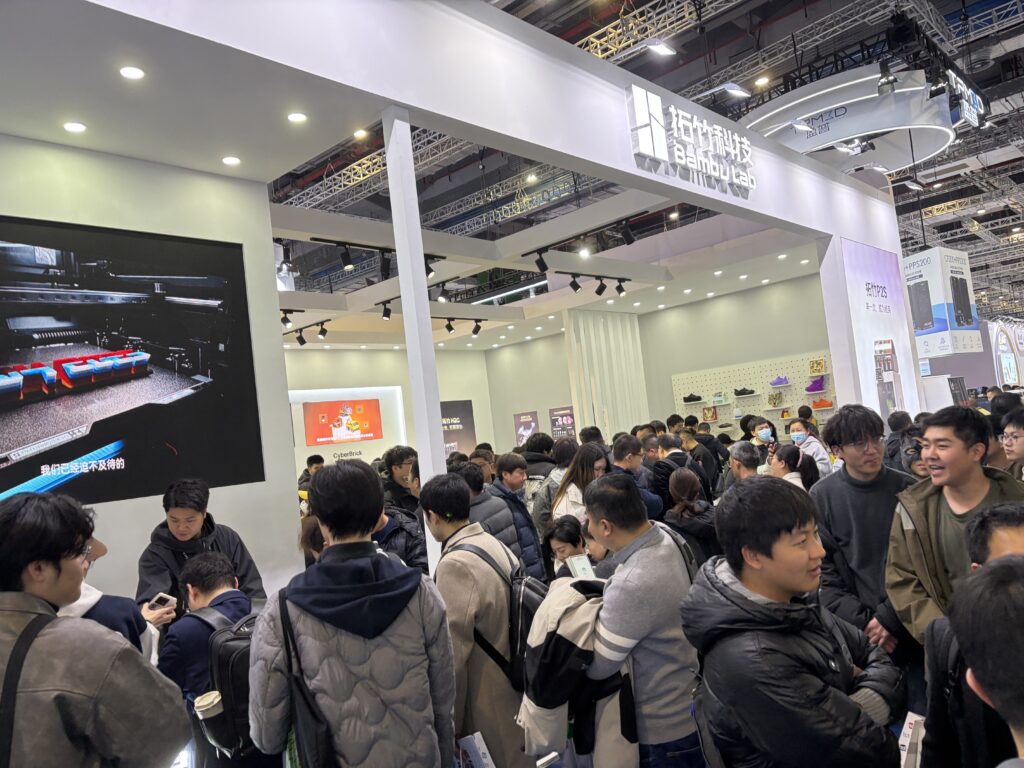
    Hall 7.1 concentrated the metal AM value chain, covered in Part 1. Hall 8.1, by contrast, is where the crowd density felt especially intense, and where consumer-facing and prosumer-facing systems made a broader point about market maturity.

    Desktop machines in China are no longer merely hobby devices. At the top end of the category, they are evolving into serious productivity tools for makers, engineers, design teams, microfactories, and print farms, with multi-material capability, sensor-driven reliability, and workflow efficiency that blur the line between desktop and industrial. The center of gravity has moved decisively toward functional production.

    That matters because China is already the world’s dominant producer and exporter of desktop 3D printers, and that installed base creates something more valuable than shipment numbers alone: it creates usage. More usage means more service providers, more print farms, more material demand, more failed experiments, more successful iterations, more trained operators, more application discovery, and more buyers who know what they actually need. Markets get denser before they get smarter. China now has both density and growing sophistication, and TCT Asia reflected that.

    Hall 8.1: The Ecosystem Beyond Printers

    If Hall 7.1 demonstrated how metal AM is becoming production infrastructure, Hall 8.1 showed how the surrounding ecosystem is maturing to support it.

    Snapmaker‘s U1, exhibited at Booth 8D87, took a structurally different approach to the multi-material problem. Rather than optimizing a single hotend, Snapmaker reimagined the mechanics entirely with SnapSwap™, a system of four independent print heads, each pre-loaded and pre-heated with its own filament. The result: a swap time of just five seconds, with no purge tower required. That last point matters more than it sounds. Traditional multi-color systems waste enormous amounts of filament on purge blocks, material printed solely to flush the previous color from a shared nozzle. Snapmaker claims the U1 eliminates up to 80% of that waste. With a 270 × 270 × 270 mm build volume, 500 mm/s motion speed, RFID-based filament recognition, and over a dozen onboard sensors handling auto-calibration from head offset to vibration compensation, the U1 is positioned not as a hobbyist curiosity but as a serious tool for small-batch production and print farms where material cost and uptime are real constraints. For a print farm running dozens of units around the clock, eliminating purge towers not only saves filament but also shortens print times, reduces post-processing labor, and directly improves unit economics per part. That is the kind of incremental efficiency gain that separates a viable manufacturing workflow from an expensive hobby.

    Atomic Form (原子重塑), exhibiting at Booth 8F35, pushed the envelope further still. A newcomer backed by serious infrastructure (the company is part of the MOVA Group ecosystem, itself connected to Dreame and the broader Xiaomi supply chain), Atomic Form arrived at TCT Asia with its Palette 300, the world’s first 12-nozzle FDM 3D printer. The OmniElement™ turret system rotates between 12 independently addressable nozzles and, when connected to 6 RFD-6 filament management units, supports up to 36 colors and 12 materials in a single print job across a 300 × 300 × 300 mm build volume. Four AI-driven cameras and over 50 sensors monitor the process in real time, autonomously handling nozzle calibration and defect detection. Atomic Form claims a 90% reduction in material waste compared to conventional filament-switching methods, achieved by eliminating purge cycles. But the bigger story at TCT Asia was not just the Palette 300 itself. It was the broader impression that Atomic Form is trying to build more than a single standout machine: a wider desktop manufacturing ecosystem. The speed at which a company founded in 2023 has moved from its first product announcement to a multi-platform lineup, securing two funding rounds within its first six months, is itself a data point on the velocity and capital intensity of China’s consumer 3D printing market. But it also signals something structural: the Xiaomi-adjacent supply chain ecosystem, with its expertise in mass manufacturing, sensor integration, and aggressive pricing, is now flowing directly into desktop 3D printing. If that pattern holds, it could compress the timeline for hardware commoditization even further.

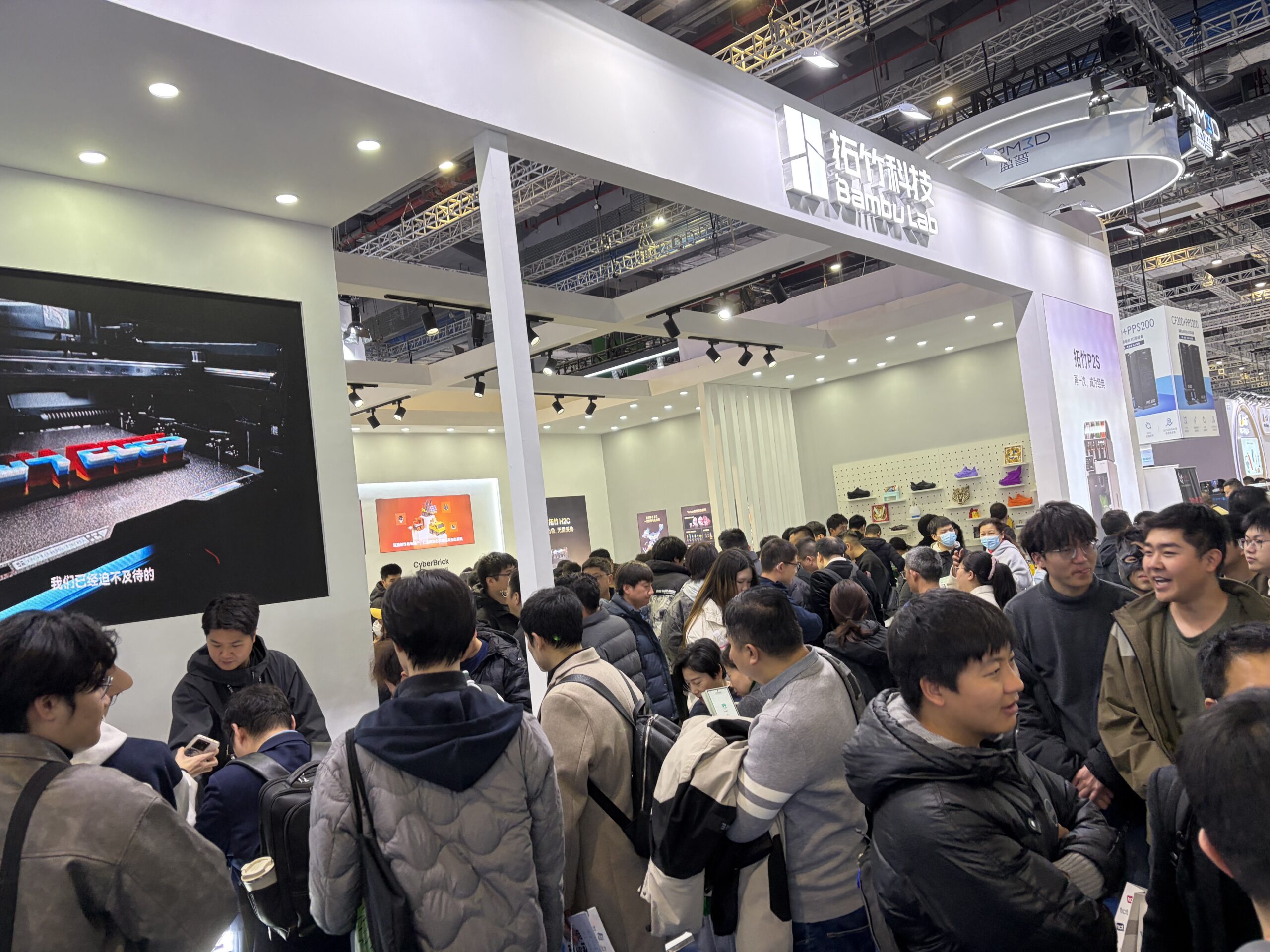
    And then there was Bambu Lab. Having crossed 10 billion RMB (roughly $1.4 billion USD) in annual revenue, a figure unprecedented in desktop 3D printing history, the company arrived at TCT Asia with a full lineup spanning entry-level (A1), prosumer (P2S), and industrial-grade systems (H2D, H2C, H2S). Their exhibition included not just consumer products but Formula SAE racing car components, motorcycle helmets, and shoe midsoles, end-use parts that demonstrate engineering-grade reliability.

    What makes Bambu Lab’s trajectory consequential for the broader industry is not just its revenue. It is the ecosystem density they create. Over 40 proprietary material profiles synchronized with hardware and software. AI-based error correction. Cloud-based fleet management. And the announcement of a new Shanghai subsidiary with 70+ R&D hires focused on AI algorithms, embedded systems, and the MakerWorld platform. Bambu Lab is building the infrastructure for a world where hundreds of desktop printers in a single facility constitute a viable manufacturing operation, the “print farm” model scaled to industrial relevance. But the strategic implication runs deeper still. With proprietary material profiles locked to Bambu hardware and software, cloud-based fleet management, and AI error correction, the company is constructing an ecosystem moat that makes switching costs real. For the global desktop AM market, Bambu Lab is becoming less a printer company and more a platform, one that increasingly defines how a growing share of the world’s desktop parts get designed, printed, and managed.
    Generative AI Design Tools Enter Hall 8.1

    If Hall 7.1 showed why AM economics are finally viable at scale, and Hall 8.1 showed how hardware ecosystems are maturing to meet that demand, the generative AI exhibitors pointed to what may be the last major bottleneck: design. The ability to operate CAD software has long been the gating skill between having an idea and producing a printable file. A cluster of generative AI 3D modeling companies in Hall 8.1 suggested that the bottleneck is beginning to crack, and they were not software vendors tucked into a side booth, but exhibitors with sizable stands, Tech Stage speaking slots, and live integrations with the printer manufacturers next door. Their presence at a manufacturing trade show rather than a software or gaming event said something about where these companies see their paying customers.

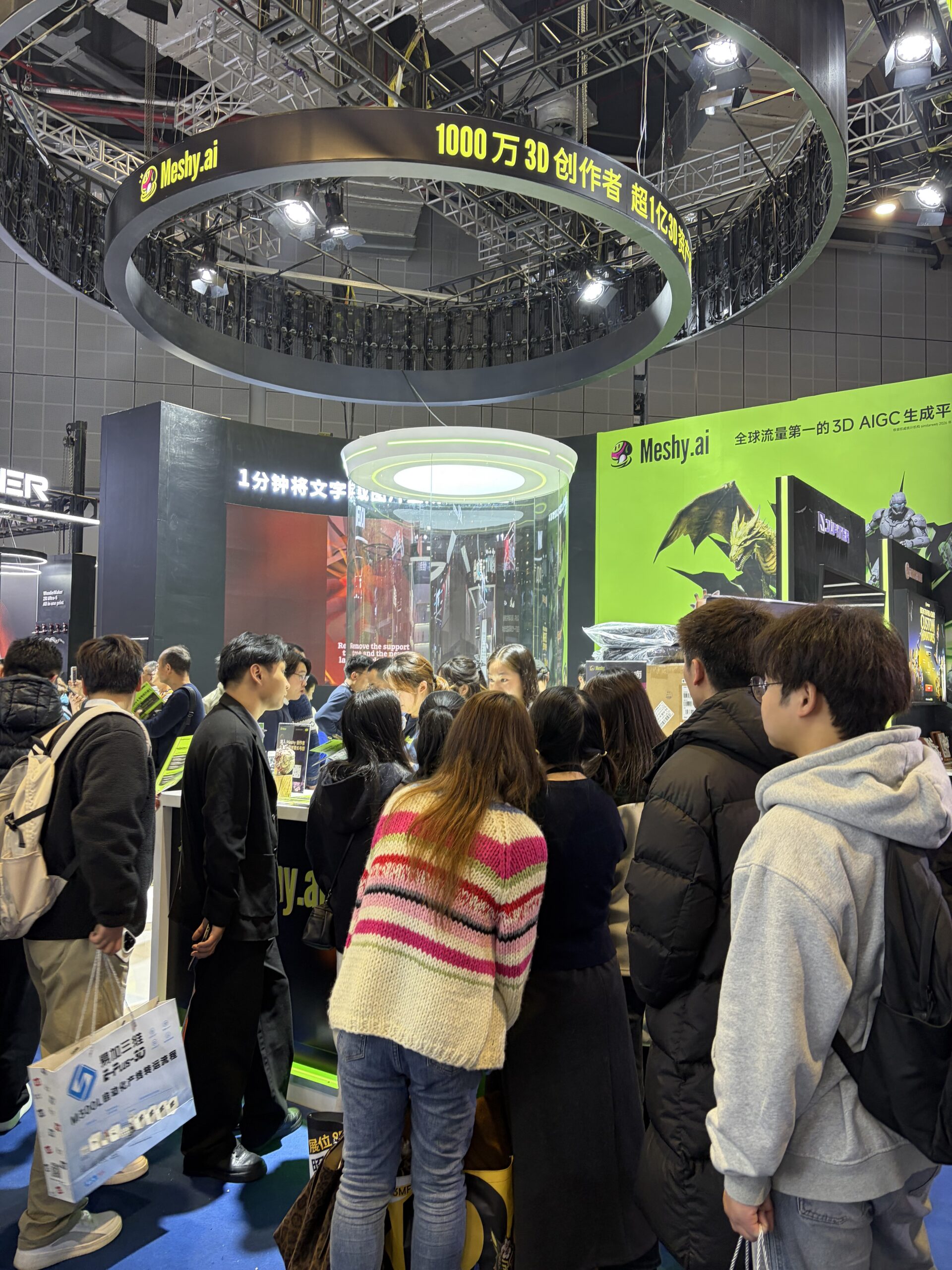
    Meshy AI (Booth 8K28) showcased Meshy 6, its latest text-and-image-to-3D model, alongside a new service, Meshy Creative Lab, that handles geometry repair, material recommendations, and print-file preparation in a single pipeline. The company says it has over five million registered creators and three million monthly active users, with more than half based in Europe and North America. The more concrete story at TCT Asia was its integration with Bambu Lab. Meshy’s modeling engine is now embedded in MakerWorld’s MakerLab: a user uploads an image, the system generates a 3D model, and the output drops into Bambu Studio as a 3MF file with color mapping already matched to the AMS filament system. Meshy reports a 97 percent slicing success rate for character models. The workflow supports up to 16-color printing and eliminates the manual color-assignment step that has been a persistent friction point in multi-material FDM. Whether or not the output quality meets professional designers’ standards, the pipeline itself (image in, printable file out, no CAD step) is a real reduction in the barrier between idea and object.

    Tripo AI (Booth 8B25), built by VAST, showcased High-Poly 3.0, built on its open-sourced TripoSF (Sparse Flex) architecture. VAST was founded in 2023 and closed a $50 million Series A in March 2026, led by Alibaba Group and Hengxu Capital. The platform reports 6.5 million creators and roughly 100 million models generated to date. High-Poly 3.0 offers two output modes: a Standard mode with topology optimization for game and product design workflows, and an Ultra mode for greater geometric detail. Like Meshy, Tripo supports 3MF color export and connects to third-party printing services for physical fulfillment. Tripo also ran a Bit to Atom Challenge with TCT Asia, where competition entries were printed and displayed on the show floor, a practical if modest demonstration of the generation-to-fabrication loop.

    Hitem3D (Booth 8C35), developed by MathMagic (数美万物), focused on the texture and manufacturability side of the problem. MathMagic was founded in 2024 by former ByteDance and Alibaba engineers, and says it has reached over one million users in 150 countries, with integrations at companies including Bambu Lab and xTool. The Hitem3D 2.0 release centers on what the company calls structure-aware texture generation at 1536³ resolution, about three times the voxel density of the 512³ standard common among competitors. The practical claim is that textures are generated jointly with geometry rather than projected onto surfaces afterward, thereby reducing common artifacts such as stretching and misalignment at seams. More relevant for manufacturing, the system incorporates thickness and tolerance constraints into the generation step, so models are closer to printable at the point of creation rather than requiring extensive post-processing. Co-founder Jia Rongfei spoke on the Tech Stage under the title “3D Generation Foundation Models: From Seeing to Making.”

    The broader pattern here is worth noting. These companies chose a 3D printing trade show as their stage because the 3D printing user base (makers, print farms, small-batch producers) is where the immediate commercial demand for fast, low-skill 3D modeling actually sits. The technology is still early. Output quality varies, and most generated models still need manual cleanup for demanding applications. But the direction is clear: generative AI is being built toward manufacturing output, not away from it.

    What TCT Asia 2026 Tells Us

    I have been covering Asia’s AM market for several years now, and TCT Asia 2026 felt qualitatively different from any show I have attended. Not because the technology was unrecognizably advanced, but because the conversation has shifted.

    The economics have crossed a threshold. The structural cost reductions documented across this article are opening demand categories from consumer electronics to personalized footwear.

    The quality infrastructure has matured in parallel. The gap between what can be printed and what can be certified is closing, not as an aspiration, but as a deployment reality across aerospace, nuclear, and automotive supply chains. It was telling that ASTM International ran a full-day Certificate Course on AM quality assurance at Hall 8.1H on March 16, the day before TCT Asia’s doors opened, covering the ISO/ASTM joint standards framework, installation, operational, and performance qualification (IQ/OQ/PQ), and the practical mechanics of building a compliant AM production site.

    The course was led by ASTM’s own additive manufacturing program team, and it was not an academic sidebar. It was a pre-show prerequisite aimed squarely at the engineers and quality managers who will decide whether the machines on display in Halls 7.1 and 8.1 ever make it into certified supply chains. Behind the scenes, ASTM’s Additive Manufacturing Certification Committee (AMCC), an OEM-led body formed in 2024 with participation from Boeing, Lockheed Martin, and others, has been building an audit-based certification program for AM service providers grounded in ISO/ASTM 52920, 52901, and 52904. That program is designed to answer a question the industry has been circling for years: how do you trust a printed part enough to fly it, implant it, or drive it? For the Chinese ecosystem in particular, where hardware capability is now clearly world-class, qualification and certification infrastructure may be the single most consequential gap remaining. Machines can be scaled. Materials can be localized. But trust, the kind embedded in globally recognized standards, third-party audits, and traceable process qualification, cannot be rushed. It has to be built. ASTM’s growing presence at a show like TCT Asia suggests that both sides of that equation understand the stakes.

    And perhaps most consequentially, China’s AM ecosystem has reached the depth where its own internal competition drives rapid iteration. The supply chain is increasingly localized, vertically integrated, and self-reinforcing. The pace at which proven concepts are absorbed, scaled, and commercialized is something the rest of the industry is only beginning to reckon with.

    For Western AM companies, from EOS and SLM Solutions to Stratasys and 3D Systems, the question is no longer whether China can compete at the technology frontier. It can. The question is how to compete in a market where your counterparts operate with structurally lower costs, faster iteration cycles, and a domestic market large enough to fund global ambition. The answer will likely involve doubling down on what the Western ecosystem still does best: regulatory navigation, quality certification ecosystems, deep application engineering partnerships, and the trust infrastructure that aerospace and medical customers still demand. But the window for complacency is closing.

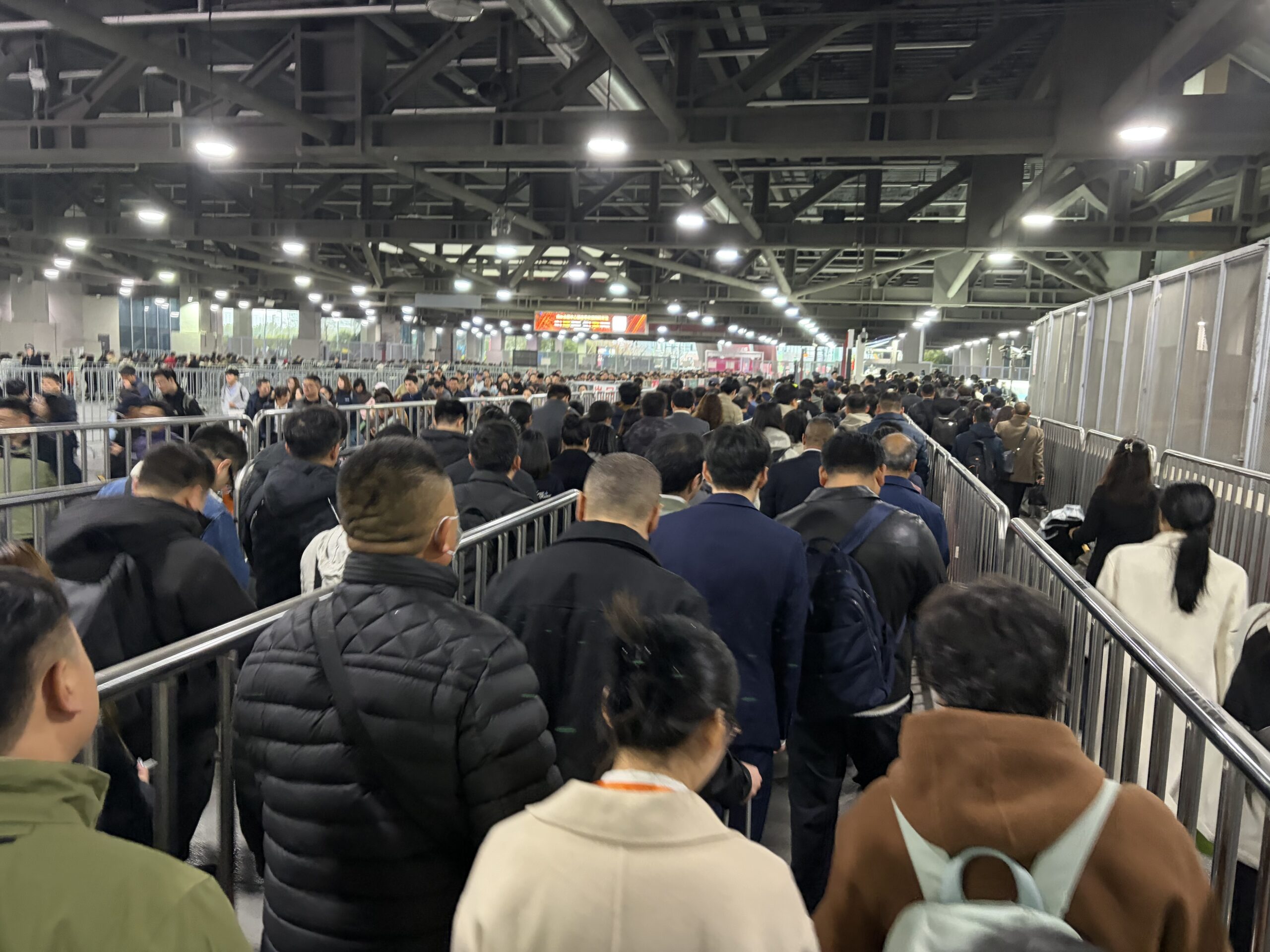
    Walking out of NECC on the final afternoon, I kept thinking about the crowd in Hall 8.1. Even on the way out, the venue still felt packed. The energy there wasn’t that of a trade show. It was the energy of a market that had achieved critical mass. The makers, engineers, and entrepreneurs filling those aisles were not spectators. They were participants in a manufacturing ecosystem that is becoming too large, too fast, and too commercially grounded to ignore.
    Images courtesy of Sangmin “Simon” Lee for 3DPrint.com.
  • What the 2026 Post-Processing Survey Reveals About the Future of AM

    As additive manufacturing (AM) continues its transition from prototyping to production, industry attention is shifting toward one of the most demanding but often overlooked parts of the workflow: post-processing.

    The newly released 2026 Additive Post-Processing Survey Trends Report, conducted and published by PostProcess Technologies, offers a snapshot of how manufacturers are approaching post-printing operations today and how those strategies are evolving as additive manufacturing adoption grows. Now in its fifth edition, the survey gathers perspectives and looks at trends from additive professionals across industries, including automotive, aerospace, defense, medical, and general manufacturing.

    Post-processing encompasses a wide range of activities required to transform a printed part into a finished product. These steps may include support removal, resin cleaning, powder removal, curing, surface finishing, and other secondary operations.

    As AM technologies expand into production environments, these steps are increasingly important and can influence everything from part quality and production throughput to workflow efficiency and facility operations. Organizations are recognizing that post-processing is becoming a challenging bottleneck in their complete end-to-end process.

    Respondents to the survey report that the time and labor required to finish parts remain one of the most significant constraints in scaling their operations. At the same time, companies operating multiple printing technologies often face an even more complex post-processing landscape, as each technology introduces its own materials, processes, and finishing requirements.

    As a result, post-processing is becoming a central focus for organizations looking to improve workflow efficiency and production readiness.

    Growing Attention to Safety and Sustainability

    Alongside productivity considerations, the survey also highlights increasing awareness around the environmental and safety aspects of post-processing operations.

    Many traditional post-processing workflows rely on manual handling of parts, solvents, resins, or fine powders. As additive manufacturing adoption grows and production volumes increase, manufacturers are paying closer attention to how these processes affect operator safety, facility cleanliness, and environmental compliance.

    Issues such as chemical handling, waste management, and operator exposure to hazardous chemicals are becoming more prominent topics within companies that are looking to scale their AM production. These concerns are particularly relevant in industries with strict regulatory requirements, such as aerospace, medical, and dental, but they are increasingly part of the conversation across the broader AM ecosystem.

    For many organizations, addressing environmental, health, and safety (EH&S) considerations is not just about compliance; it is also about building scalable, sustainable manufacturing operations that can support long-term growth.

    The Next Phase of Additive Manufacturing

    Another notable trend reflected in the survey is the growing maturity of additive manufacturing users. Many respondents report several years of experience working with AM technologies, offering a knowledgeable perspective on the bottlenecks and challenges across the complete additive workflow as the industry moves into more production-oriented use cases.

    With that shift comes a broader perspective on what it takes to successfully implement additive manufacturing at scale. Printing technology itself remains essential, but companies are increasingly evaluating the entire workflow—from design to print to post-processing — to get to the final part.

    In this context, post-processing is emerging as a key factor that can determine whether additive manufacturing programs succeed in meeting their performance, cost, and production goals.

    Explore the Full Findings

    The 2026 Additive Post-Processing Survey Trends Report provides a deeper look at the challenges, priorities, and investment trends shaping post-processing in additive manufacturing today.

    For industry professionals seeking a clearer understanding of how their peers are approaching these issues and how post-processing strategies may evolve in the coming years, the full report offers valuable insights.

    Download the complete report to explore the findings and learn more about the trends shaping the next stage of additive manufacturing adoption.

  • Würth Additive Group & B9Creations Announce Strategic Partnership at AMUG 2026

    Last week, hundreds of additive manufacturing users (and a few journalists, like me!) met in Reno, Nevada to attend the 2026 Additive Manufacturing Users Group (AMUG) Conference. I’ll share more about the event itself in a later story, but first I wanted to report on an exciting partnership that was formally announced on the first day of the conference. B9Creations is partnering with Würth Additive Group (WAG) to speed up production-scale AM.

    As Mikhail Gladkikh, Head of Product & Partnerships at WAG, told me at AMUG 2026, B9Creations is the newest partner in Würth Digital Inventory Services (DIS). This inventory management platform was first launched at AMUG 2024, and was officially released as a first edition software platform at AMUG 2025.

    L-R: Shon Anderson, B9Creations, and Mikhail Gladkikh, Würth Additive Group, officially announcing the partnership at AMUG 2026. Image: B9Creations via LinkedIn.

    Gladkikh explained that the idea is to provide digital recipes to users who need 3D printed parts.

    “These recipes need to be produced consistently at any location,” he told me. “That’s why you need equipment that can be reliable, that can execute the recipe, built with the equipment consistently, with quality and traceability. And that’s why we’re choosing partners like B9Creations.”

    Through this strategic partnership, B9Creations will combine its production-grade manufacturing technology, QA/QC infrastructure, and turnkey solutions delivery business with Würth’s DIS and global logistics network. This will make it possible for manufacturers to make the move from physically stockpiling parts to global, on-demand spare parts production.

    “I think additive manufacturing in general has dreamed about the ability to implement digital inventory,” B9Creations CEO Shon Anderson told me. “It’s a concept that many people have tried to figure out how to bring to life for a long time…everything from the IP management piece of that to the transactional piece to the software capability to distribute that file, and then not have that file go out of anyone’s control. So Würth made the investment to create their DIS that brings all those capabilities, so that if you are a manufacturer, you can get a part essentially loaded into that digital inventory system that enables you to produce on a per-part cost at any facility you want in the world, whether you want to have that hardware and capability in-house, or whether you want to leverage Würth, or one of their partners, to do the actual printing.”

    Image: Sarah Saunders for 3DPrint.com

    One of the big barriers to AM adoption is users being unable to guarantee that a part printed in one location will match one printed somewhere else. B9Creations offers a production-scale quality assurance/quality control (QA/QC) toolset to solve this problem and ensure controlled processes, like validation of batch consistency. The company’s Production-Scale Enablement framework includes offerings like firmware validation and testing for pre-deployment stability; factory acceptance testing (FAT) to validate materials, hardware, and software; site acceptance testing (SAT) at customer locations; performance qualification (PQ); ongoing fleet monitoring and tracking, and more.

    “B9Creations has intellectual property around how we tune all of our printers to perform the same at the factory,” Anderson explained. “That enables you to have multiple printers in multiple places and get the same parts.”

    This validated technology from B9Creations is embedded directly into Würth’s logistics ecosystem, which will result in standardized process control, more resilient supply chains, and consistent output. Gladkikh said that while their customers “don’t care how the part’s made,” they do need certified parts to keep things running.

    “We provide that ability to lock down recipe material, certification properties, post-processing steps. And we have a paper trail in the system that connects all the steps and creates records,” he continued.

    “This is the maturity that we think additive needs, and this is what’s required to get to the level of traditional manufacturing systems. That’s why we’re excited.”

    Image: Sarah Saunders for 3DPrint.com

    B9Creations joins several other DIS partners, such as HP, Raise3D, Kurtz Ersa, and Bambu Lab. Gladkikh explained that Würth Additive’s platform is “hardware-agnostic,” and it works because of the printer API mechanism the company built for its partners to use.

    “Basically, we build an endpoint, and say, ‘Okay, you modify your firmware to speak to our system,’ that’s how we work. We provide all the documentation,” he said.

    It all sounds fairly secure. A customer will purchase one license for one part, Würth remotely controls the printer through a secure device (the red boxes below), and then deletes the file from the printer’s memory.

    Image: Sarah Saunders for 3DPrint.com

    I got to see the digital distribution solution for myself at AMUG, thanks to Jacob Ayers, Lead Technician at Würth Additive Group. Basically, once the license is created for a user, they go into the DIS interface and set up the product they need printed, which becomes a digital recipe.

    “The recipe section is like a manufacturing router,” Ayers explained. “It includes where it needs to go, how and when it needs to be done, the duration, et cetera. And it has the build file in it. So it’s everything the end user needs when the job is delivered to them so they can execute it.”

    Ayers said the solution has taken something very complicated and “boiled it down into something simple.” When you send the job, it goes to the cloud, pings the database, and then goes into one of WAG’s secure red boxes. The boxes, which have “an encrypted connection,” then send the job to the printer. Once the print is complete, the job is automatically deleted, which protects the IP owner’s information.

    Image: Sarah Saunders for 3DPrint.com

    By combining B9Creations’ validation infrastructure with Würth Additive’s secure DIS, users can access both standardized qualification protocols and integrated digital inventory, allowing them to reduce warehousing and increase spare part availability.

    Featured image courtesy of Würth Additive Group

  • Ceramics 3D Printing at Ceramitec 2026

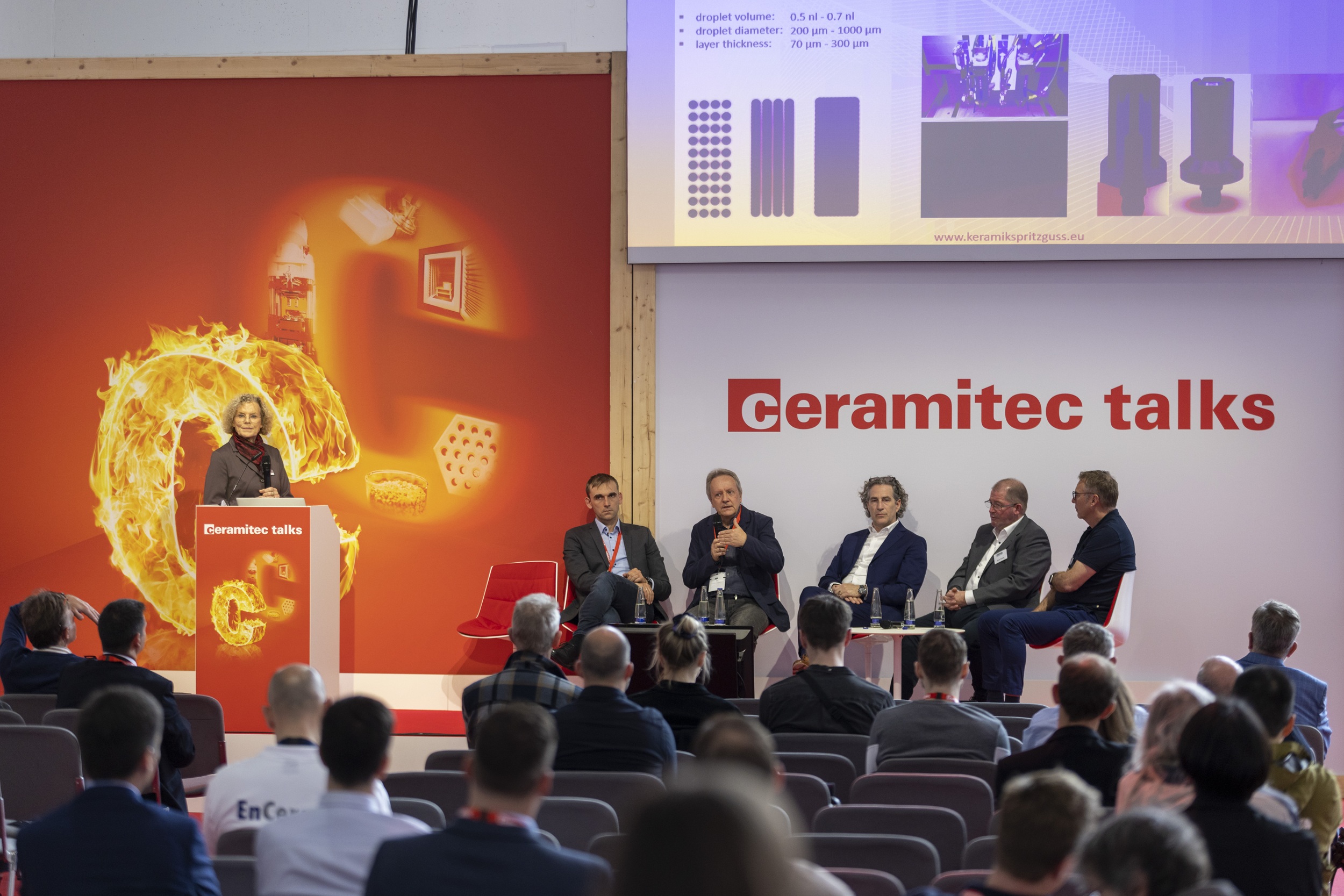
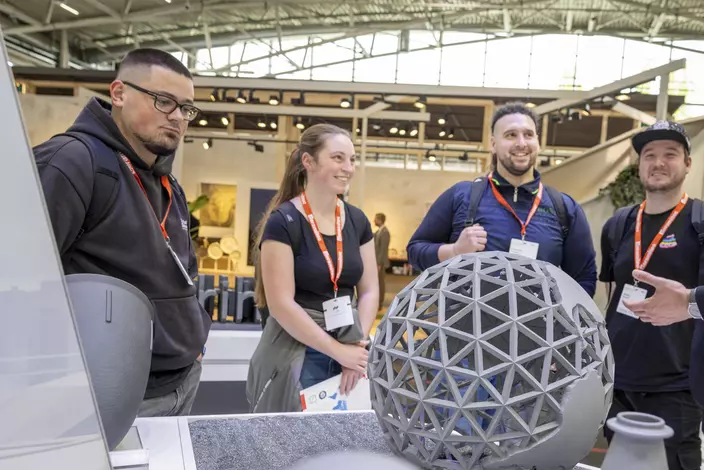
    Ceramitec is a key event for the ceramics industry. Held in the lovely city of Munich, it is the leading global event for the ceramics community. With around 13,000 participants and 460 exhibitors its a significant event across three days. This year it is taking place on March 24–26.

    Ceramitec offers a comprehensive range of information and opportunities to exchange on current topics and developments in the industry. Image courtesy of Messe München GmbH.

    The technical ceramics industry is both everywhere and nowhere. It’s omnipresent in weird corners and discussed far too little at the same time. We don’t graduate legions of ceramics engineers, and technical ceramics are often a material of last resort. When polymers and metals don’t work, we turn to ceramics for hardness, temperature resistance, and scratch resistance. As well as technical ceramics, Ceramitec brings together people from the fields of powdered metallurgy, fine ceramics, kilns, and raw ceramic materials.

    There’s quite a bit of overlap between that industry and our own. These difficult-to-break materials are often difficult to make as well. Using powders, filaments, or doped resins, we can make ceramic components faster and more cheaply than with other processes. For high-value, high-criticality applications, specific geometries, properties, and needs bring together the world of tough ceramic materials and 3D printing.

    3D printed ceramics using bound filament 3D printing are growing very quickly, as is vat polymerization. Ceramic 3D printing is expanding across industries. In the medical, watchmaking, and aerospace industries, we now see many people turning to ceramic 3D printing. Nascent areas in dentistry, orthopedics, engines, batteries, and electronics could grow rapidly. Thats why I’m attending Ceramitec this year to check out the latest developments in ceramic 3D printing. I want to see what is happening, what is growing, and what new applications are being unlocked.

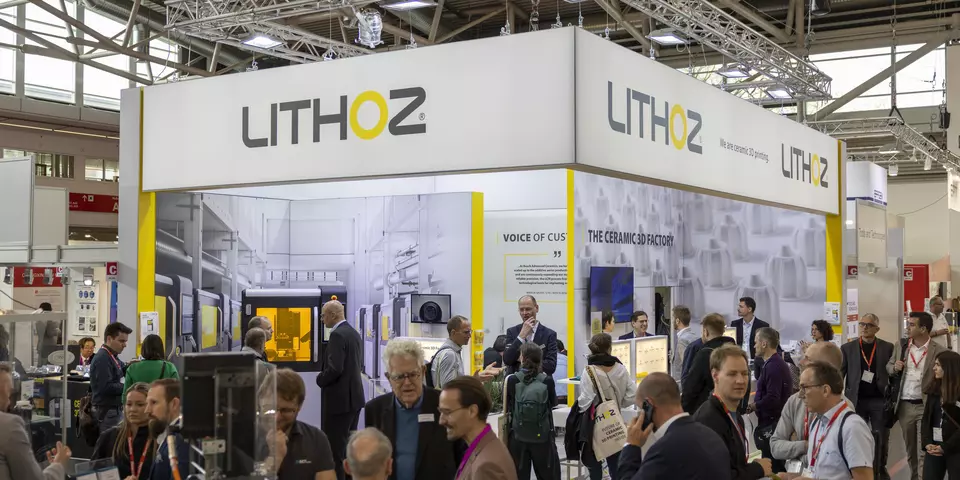
    Lithoz booth at Ceramitec. Image courtesy of Lithoz.

    There’s quite a bit going on already. Among the participants is 3D Controls, a Korean company that makes DLP ceramic 3D printers. Working with slurry-based SLA, the company can develop custom systems tailored to specific needs. Leading Slurry SLA firm Lithoz is also there, of course. Sinto-owned 3D Ceram is at the event as well, with a range of slurry SLA printers offering build volumes of up to 320 by 320 by 200 mm, while some systems can print multiple materials within each layer. Amarea is also present; the German firm has a multi-material jetting 3D printer that can even perform post-processing with a laser inside the unit. D3 is showing its multi-material jetting process, as is Xjet. CONCR3DE is showcasing its custom binder jetting systems, while Singaporean reseller Creatz3D is also there, alongside Exentis, which uses a screen-printing-based 3D printing process.

    Lithoz booth at Ceramitec. Image courtesy of Lithoz.

    Ceramics giant Kyocera is at the event showing its new inkjet head for higher viscosity materials, as well as its ceramics 3D printing services. Lehmhuus 3D Ceramics is also there, showing an extrusion-based ceramics system strongly inspired by Olivier van Herpt. Korean 3D printing industrialization startup MADDE is also presenting its binder jet solutions. Leading firms Schunk Technical Ceramics and Steinbach are there, representing their 3D printing services. French firm Prodways, known for SLS but also active in SLA, is also attending. Materials company Tethon is there as well. WZR is participating with its services, and Chinese firm 10 Dimensions is showcasing its SLA machines.

    There are more firms than just these, so I’m super excited to see all these ceramics 3D printing firms in one place. I’m eager to see how ceramics and 3D printing are converging and what new applications will make it into production. Drop me a line if you are attending the event as well!

  • At TCT Asia 2026, China’s AM Industry Looked Ready for Scale: Part 1

    Walk into TCT Asia 2026, and the first impression is density. More than 55,000 square meters across Halls 7.1 and 8.1 at Shanghai’s National Exhibition and Convention Center, over 550 exhibitors, and more than 35,000 expected visitors. That scale reflects an additive manufacturing market that no longer feels experimental; it feels commercial and in motion. China’s decade-long industrial policy push, from “Made in China 2025” onward, has already reshaped sectors from EVs to AI infrastructure. At TCT Asia 2026, additive manufacturing looked unmistakably like the next chapter of that story.

    What stood out most was not that Chinese firms can now build competitive machines (that is old news). It was the shift from machine-centric competition to application-centric competition. Many exhibitors were no longer selling speed, lasers, or build volume in isolation. They were selling workflow, uptime, integration, cost reduction, throughput, and use cases. The national manufacturing system on display was one that has become better at absorbing, deploying, testing, and commercializing new tools at speed. That is a much more consequential stage of market development.

    One useful way to understand the show is by its split personality. Hall 7.1 concentrated the metal AM value chain. The leading exhibitors were no longer positioning their systems around raw specifications or research capability. Their pre-show messaging centered on scalable production, cost efficiency, sustainability, and automation-readiness. This is not the language of a market stuck at prototyping.

    Meanwhile, Hall 8.1 carried a different but related energy. This was where the crowd density felt especially intense, and where consumer- and prosumer-facing systems made a broader point about market maturity. We’ll take a closer look at this side of the market in Part 2.

    Hall 7.1: When Metal AM Becomes Manufacturing Infrastructure

    The metal side of TCT Asia 2026, concentrated in Hall 7.1, was not about printing impressive one-off parts. It was about proving that metal AM can operate as a reliable, high-throughput production infrastructure, and that the economics now justify the claim. A strategic report published in early March 2026 by Guojin Securities (国金证券), widely cited by industry outlet Nanjixiong (南极熊), framed what is happening as “triple efficiency-driven inflation” (三重效率驱动通胀): three converging cost reductions (collapsing raw material prices, multiplying laser efficiency, and scaling build capacity) inflating addressable demand so aggressively that entirely new application categories are opening up. The exhibitors in Hall 7.1 were the physical evidence.

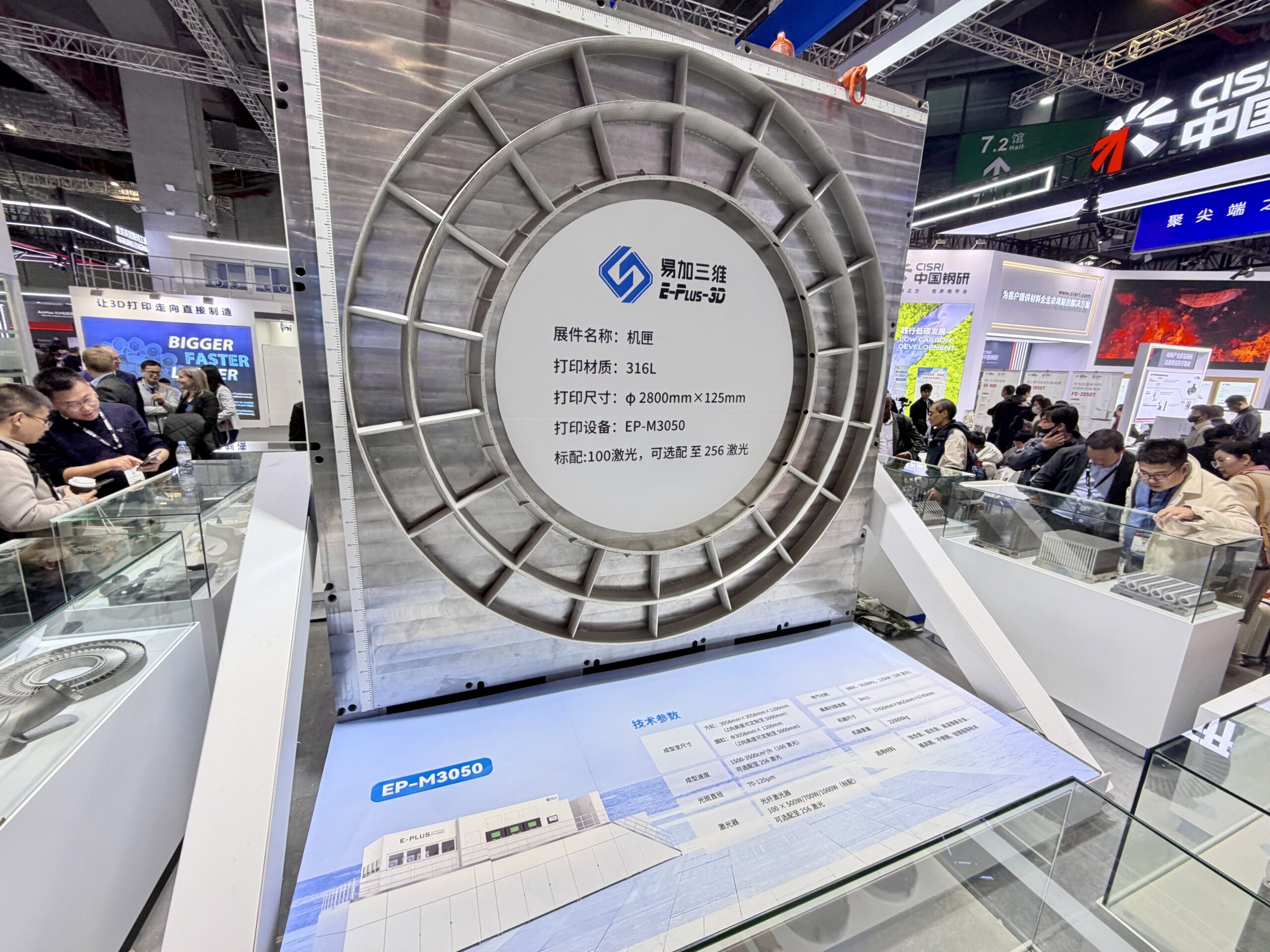
    Eplus3D‘s EP-M2050 was the most dramatic example. With a build volume of 2050 × 2050 × 1100 mm and support for up to 64 lasers, it is a machine designed for a very specific industrial reality: super-meter-class monolithic structures for aerospace, including rocket engine housings, satellite frames, and structural components that once required dozens of separately machined parts welded together. Eplus3D has already delivered over 100 of these large-format systems to the aerospace sector.

    But what made the EP-M2050 story genuinely interesting at TCT Asia was not its aerospace pedigree. It was the crossover. During the company’s presentation, Eplus3D pointed to the production of titanium alloy hinge covers for Honor foldables as evidence that metal AM is entering consumer electronics supply chains. That application case alone tells you how far the economics have shifted. The same technology that prints rocket parts is now being positioned for much higher-volume categories, helped in part by the decline in Ti-6Al-4V titanium alloy powder costs in China from roughly 600 RMB/kg in 2023 to under 300 RMB/kg in 2024, with recycled powder from companies like 3R Sirui pushing toward 200 RMB/kg by 2026. That kind of material cost collapse does not merely improve margins; it eliminates an entire category of objection that kept printed parts out of consumer supply chains.

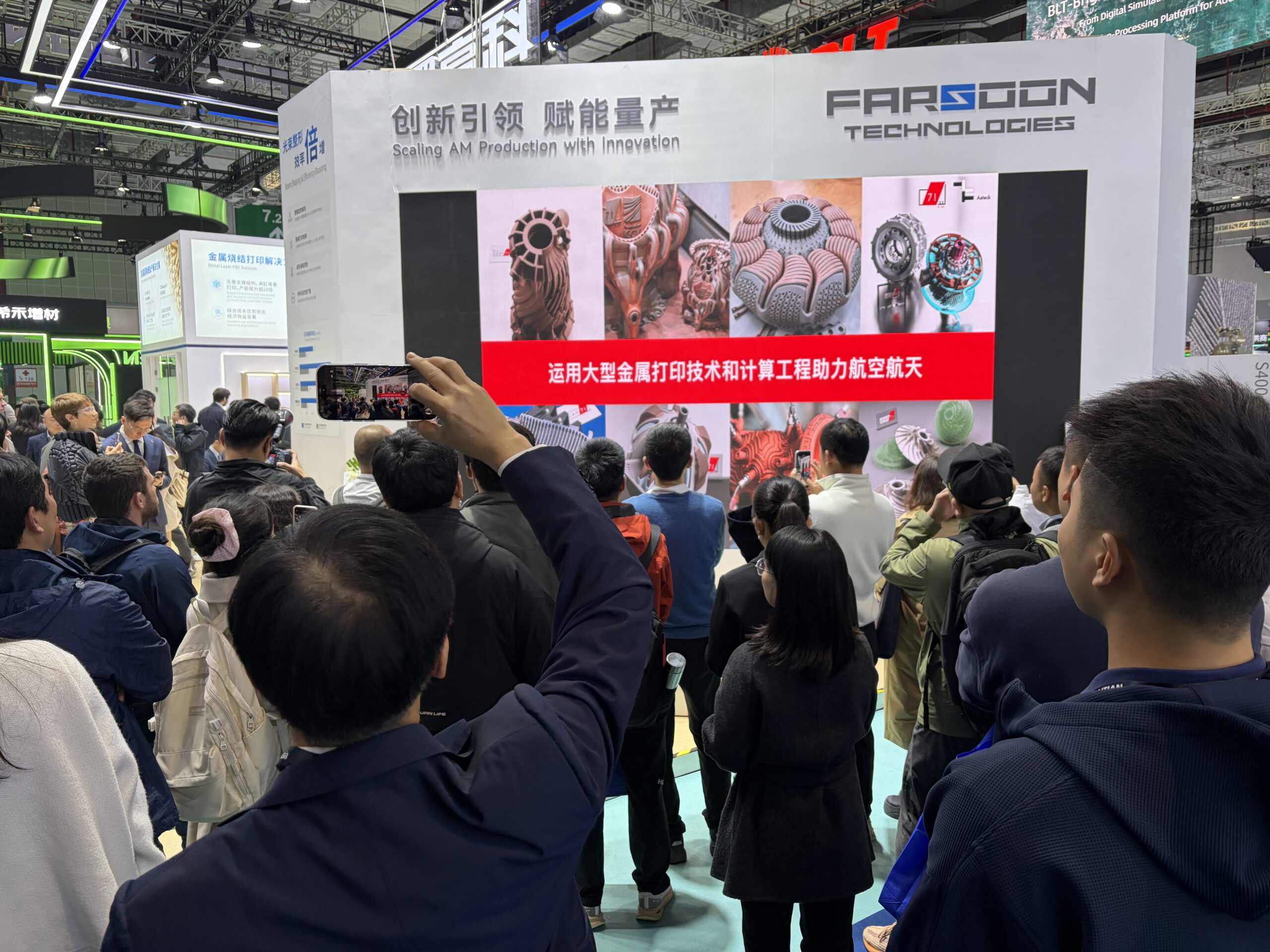
    Farsoon‘s FS350M series made a different but equally important point. The system offers a 425 × 350 × 400 mm build volume with up to six lasers, but its footprint is only six square meters. For manufacturers planning factory layouts, that density (maximum output per unit of floor space) matters more than raw build volume. Farsoon’s bidirectional powder-spreading system minimizes laser idle time, resulting in a machine optimized not for spectacle but for ROI per square meter. That ROI equation is shifting further as beam-shaping technology enables thicker layers and faster scanning without sacrificing part density. Multiple exhibitors at the show demonstrated throughput gains of 3x or more. As laser counts per machine scale from four to dozens, fixed depreciation is spread across exponentially more parts per build cycle.

    HBD‘s P400 and the MT280 optical system brought dynamic beam shaping to the Chinese metal AM market. The concept of switching in real time between a fine Gaussian spot for precise contours and an annular ring beam for rapid infill was pioneered by nLIGHT (US) with its Corona AFX fiber laser family, published as early as 2022, and is now integrated into EOS and AMCM systems in Europe. Fraunhofer ILT and IAPT in Germany have been researching the underlying physics for years. HBD’s Guangchi II (光驰Ⅱ) applies the same principle: real-time, intelligent beam-profile switching based on part geometry, with the MT280 adding dual-wavelength support (1070/1080 nm) for high-reflectivity metals such as copper and aluminum. Together with Farsoon’s own beam-shaping integration, HBD’s system shows how quickly advanced optical approaches are being adopted across the Chinese AM supply chain.

    Shenzhen Addireen Technologies offered another data point in what is becoming a crowded but important segment: green-laser copper 3D printing. The underlying approach, using 515–532 nm green lasers instead of standard 1064 nm infrared to overcome copper’s high reflectivity, is not new. Germany’s Trumpf commercialized it around 2020 with the TruPrint 1000 Green Edition, and within China, BLT announced its own green-laser solution in mid-2024. The physics are well established: copper absorbs green-wavelength energy far more efficiently, enabling stable melt pools without the excessive power, spatter, and optics damage that plague infrared-based copper printing.

    What Addireen represents is different: a Chinese startup founded in 2023 as a spinoff from laser manufacturer Shenzhen Gongda Laser (with nearly 18 years of laser R&D behind it) that has vertically integrated the entire green-laser PBF stack, developing the laser source, optical system, and printer in-house. Their ADDIREEN 400G is a four-green-laser system with a 400 × 400 × 400 mm build volume, significantly larger than Trumpf’s research-scale platform. The reported specs (99.8%+ density, 101% IACS electrical conductivity, 390 W/(m·K) thermal conductivity, and 0.08 mm minimum wall thickness for pure copper parts) are competitive, and the company claims to have also achieved 0.06 mm wall structures in pure tungsten and stainless steel.

    The significance here is not a technological breakthrough but a familiar pattern in China’s AM ecosystem: take a proven concept pioneered elsewhere, localize the entire supply chain, including the laser source, scale the build volume to production-relevant dimensions, and offer it at a price point that makes adoption realistic for domestic EV, data center, and aerospace thermal management applications. Whether Addireen can convert its technical specs into sustained production contracts, competing against both Trumpf’s established credibility and BLT’s scale, remains to be seen. But the fact that multiple Chinese players are now offering green-laser copper solutions tells you something about the maturity and speed of this market.

    Taken together, the developments in Hall 7.1 point to a market that is moving beyond technical capability into production deployment. The machines are scaling, costs are declining, and application cases are expanding into higher-volume categories.

    But this is only one side of the picture. In Hall 8.1, a different set of dynamics was on display, reflecting how the broader ecosystem is evolving alongside this shift. We’ll take a closer look at this in Part 2.

    Images courtesy of Sangmin “Simon” Lee for 3DPrint.com unless otherwise noted.

  • Aconity3D Introduces Multi-Material WireDED as Industrial Demand Picks Up

    Aconity3D has a line of open systems in polymer LPBF, metal LPBF, and WireDED. A lot of universities and researchers use Aconity systems to develop new processes, test new exotic materials, do more with parameters, and develop entirely new 3D printing technologies. Its Midi system can heat up to 1000 °C while letting you play with every possible parameter. A microsystem has a 40 µm spot size and layer thicknesses under 10 µm and is meant for small structures and powders. The company has now added a new multi-material head to its DED system.

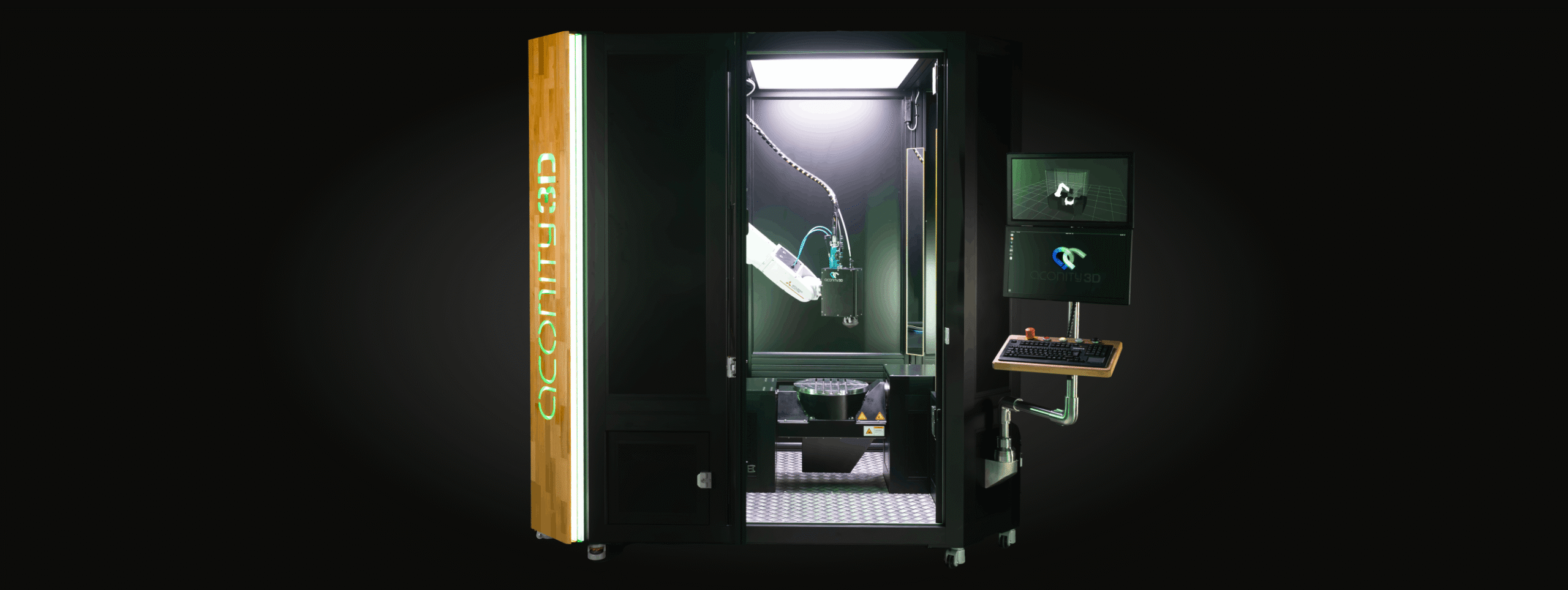
    AconityWIRE 3D printer.

    The AconityWIRE has a build volume of 400 by 780 mm. The system works with coaxially fed welding wire and has a 6-axis robot and a 2-axis turn-tilt table. The nozzle is shielded, and the system can be heated to 500 °C. Powered by a 1000 W or 1200 W fiber laser. It has been validated on Aluminum, Stainless Steel, Inconel, and Titanium wire. The machine is 3000 x 1500 x 2200 mm and weighs 2 tonnes.

    AconityWIRE Multi-Material Weld Head with Robot.

    The new head can use up to 3 different materials in a single build. The company says that the system does not have to be significantly changed to implement different materials. Aconity also thinks that MRO, augmentation, and repair could be good use cases for the nozzle. The head can be used with the AconityWIRE, but it can also be added to another system. Rosenheim Technical University of Applied Sciences already has one and there it is being used to make multi-material parts.

    WireDED is seeing renewed interest in manufacturing. Energy industries are looking at this process for repair and part production. In mining, oil, gas, and nuclear, we can see people looking to use WireDED for part production. With inexpensive wire, well-understood processes, and a large build volume, WireDED (and also blown-powder DED) provides a cost-effective solution for many larger parts. WireDED is safer to use than many processes as well, since it does not use any powders. That makes it a burgeoning area for expeditionary manufacturing and military use as well. Combined with wire mixing, the abilities of these systems are compounded. One could make armor or hardened surfaces for tools with such a process. Large molds with wear surfaces and conductive ones could be made as well. Perhaps gradient, or gradient-like parts, could be made as well. You could do cool things as well, such as combining very soft materials with hard ones. For automotive, this technology could be made to work for chassis components. We’re already seeing impact in aviation from DED, which is now used to produce commercial aircraft parts.

    Often, significant machining is required to make parts smooth. But if we start thinking a little differently, DED will get much cheaper. As long as mating surfaces and functional areas are machined to spec and we check the part’s dimensional tolerances, there is no need to machine the whole thing. I know this sounds super obvious, but people still tend to make parts smooth as they come from other processes. For some things, this is needed. But for many parts, we do not need to machine the entire part. Raw printed WireDED parts are super cheap. If we can use them, then the economics are super good. With this mindset, much cheaper industrial parts are now possible. Cheap, forward-deployed repair and manufacturing of multi-material raw DED parts could be very impactful for militaries and in industry. Along with Meltio and Hybrid Manufacturing Technologies, there’s now another option for a head that can be integrated into your new machine or new research project. This will also help this segment mature and grow. WireDED has long been an underrepresented area in our industry; this may be about to change.

    Images courtesy of Aconity3D GmbH

  • Bambu Lab 3D Prints Miniature Playground City for Kids in China

    Bambu Lab has partnered with meland to open what they describe as China’s first 3D printing creativity center for children. The new space, officially named “meland x Bambu Lab,” launched on March 12, 2026, inside the MixC World complex in Shenzhen. The idea behind this playground is that instead of just seeing 3D printing as something industrial, children can experience it as part of play. It is also located in one of the city’s largest retail and entertainment complexes, meaning the concept is being introduced in a high-traffic, everyday environment rather than a niche setting.

    During the introductory classes, children, guided by instructors, learn about Bambu Lab 3D printers, understand the basic principles of the technology, and go through the entire process of producing a print.

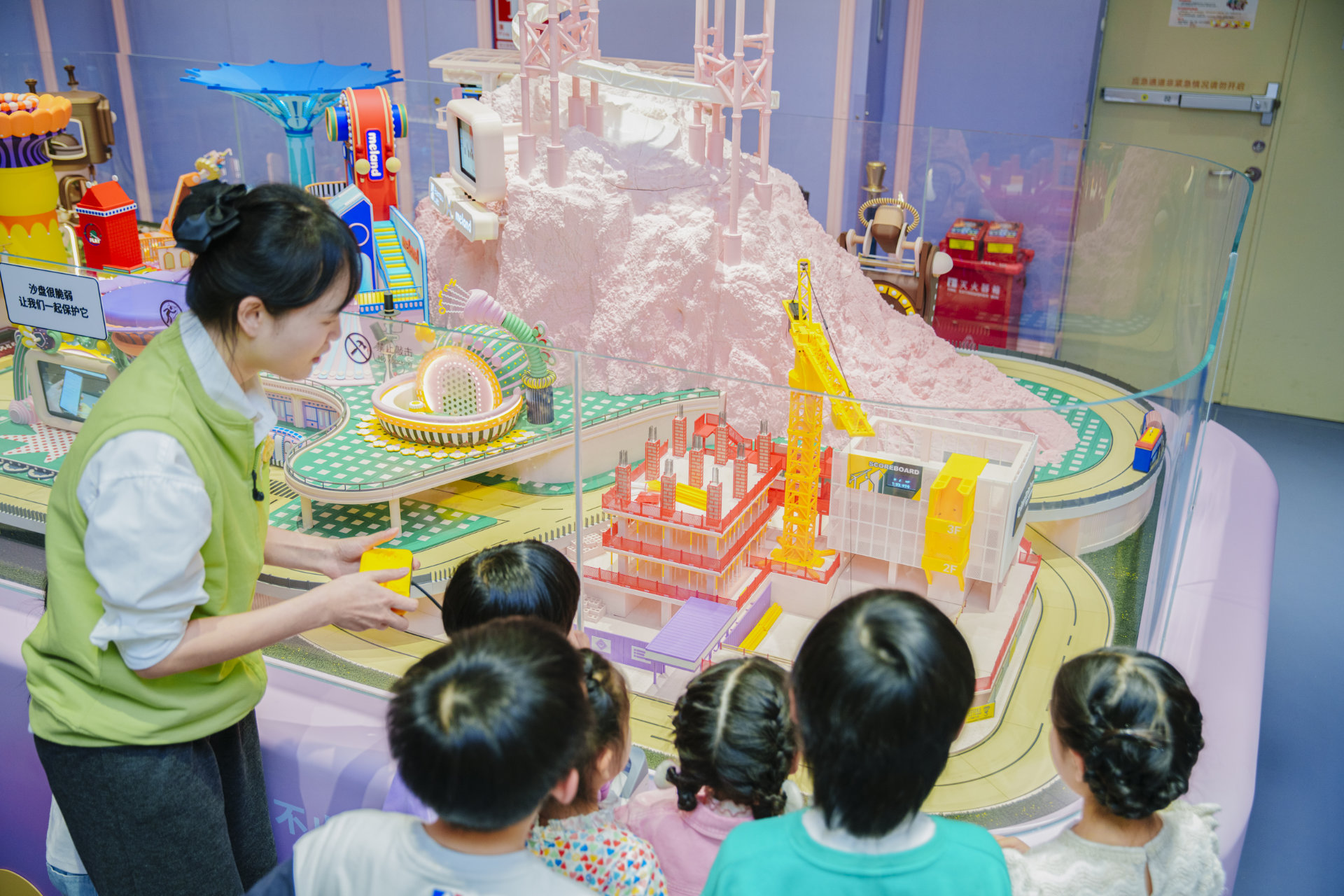
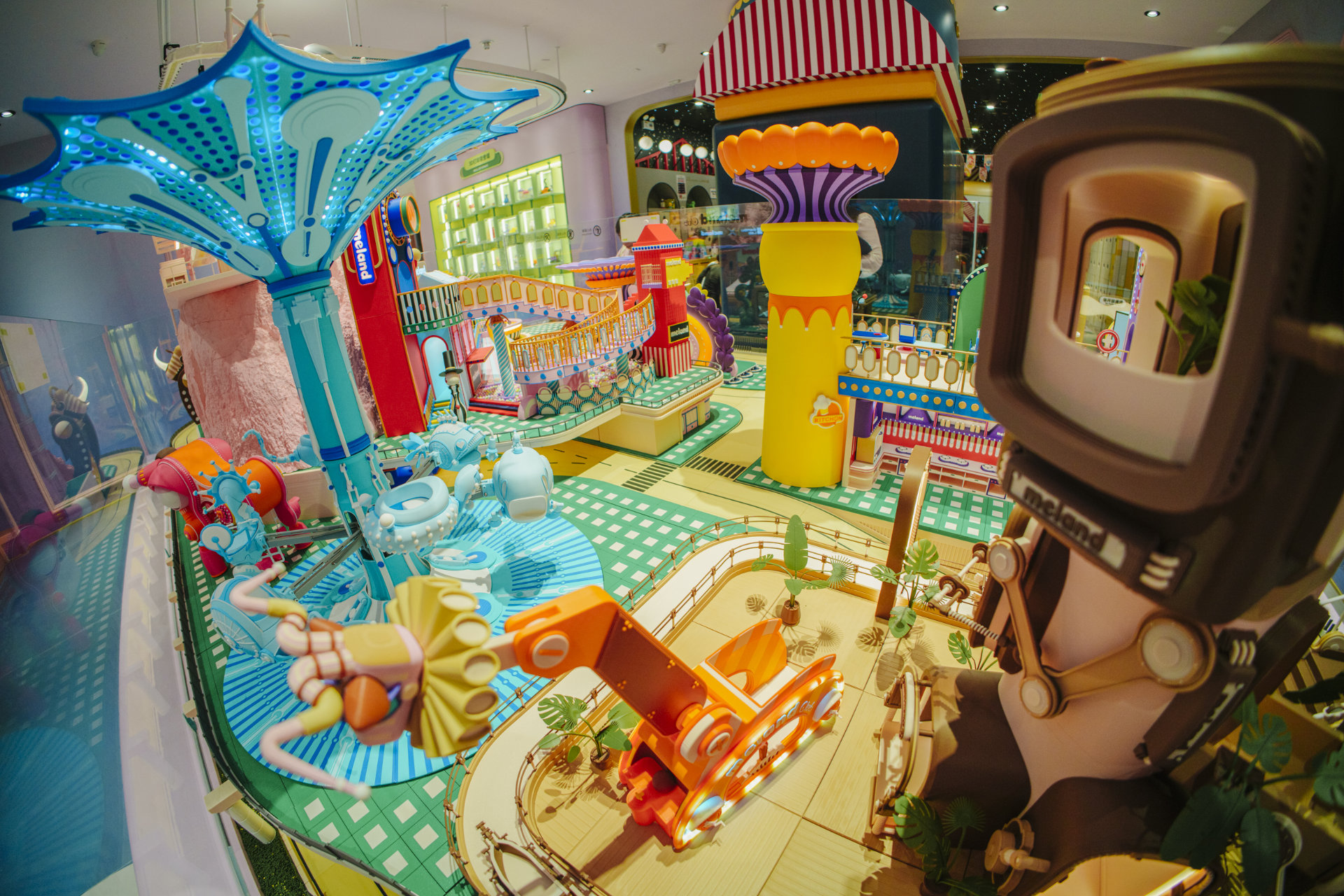
    To bring that idea to life, the space is built around a central feature called a “CyberBrick city,” a miniature world made using 3D printed parts.

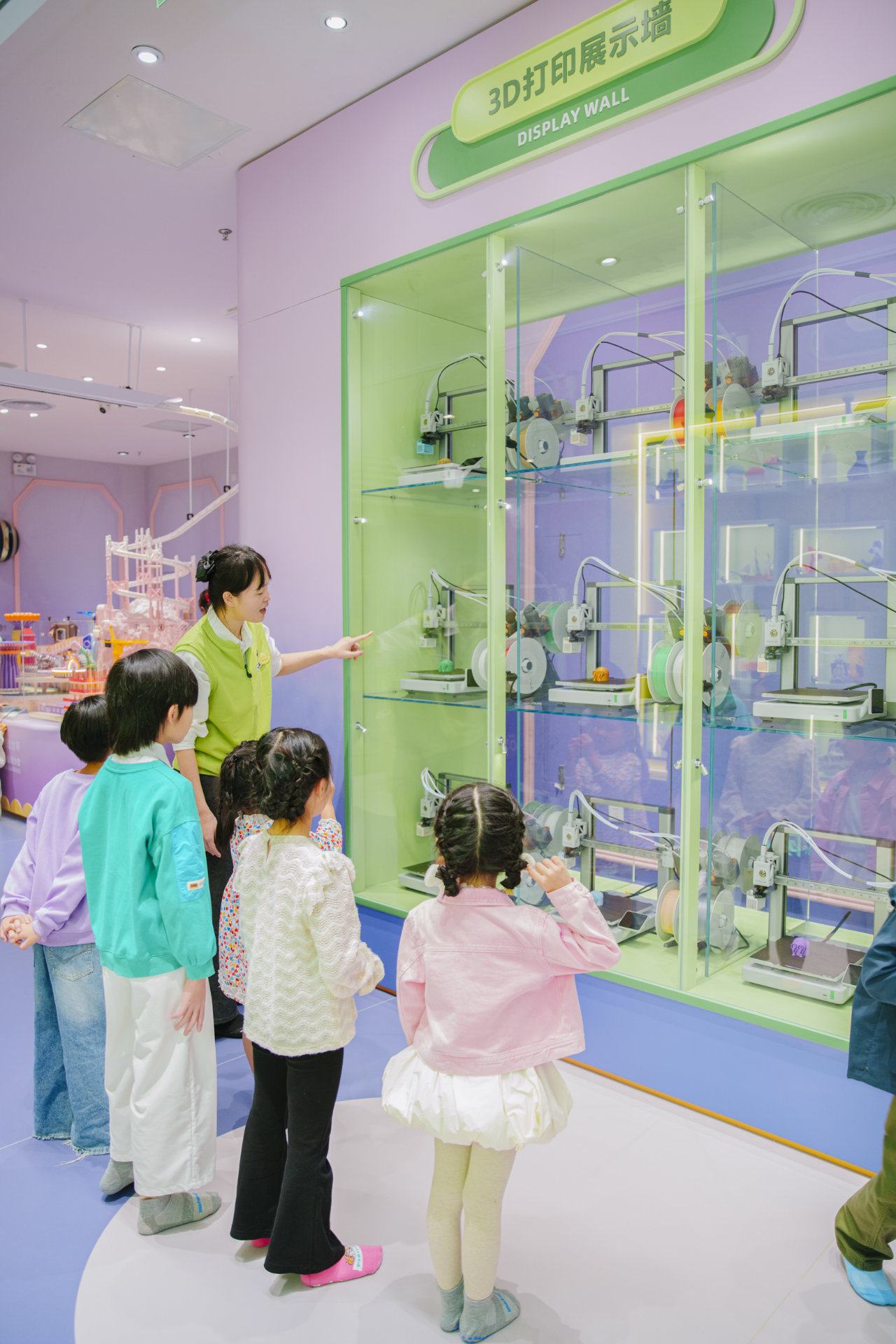
    The installation recreates familiar playground environments, but with a twist. Everything is built using 3D printed components, combined with lighting and interactive elements to make it feel alive. Kids can explore it, interact with it, and start to understand how it was made. There’s also a display wall showing Bambu Lab A1 printers in action, so visitors can watch parts being printed in real time before stepping into the learning area.

    A wall displaying Bambu Lab printers at the creativity center for children in China.

    The project goes beyond just showing the technology. It is designed to let kids actually use it.

    The space is divided into two main parts. There is an experience zone, where children explore 3D printed environments and a classroom area, where they learn how to design and print. Classes are aimed at kids aged 5 to 12 and are split into two levels.

    In beginner sessions, children learn how 3D printers work and follow the full process of making a simple object. In more advanced sessions, they create their own designs and turn them into physical parts they can take home. The goal is to make the process feel natural, where kids think of an idea, design it, print it, and then hold it.

    The CyberBrick city, a miniature world made using 3D printed parts, is at the creativity center for children in China.

    This full loop, from concept to object, is what makes 3D printing different from most other technologies kids use. And for Bambu Lab, this is more than a one-off installation. It’s the company’s first real attempt to “bring 3D printing into offline, everyday environments for families.”

    Meanwhile, for meland, which already operates over 140 indoor playground locations across more than 70 cities in China, it’s a way to expand its “learning through play” model into something more hands-on and technology-driven.

    Meland is not a small operator. Its venues are large, highly designed indoor play environments located in major shopping and lifestyle centers, attracting a steady flow of families every day. With a network of this size, new concepts can be introduced at scale, reaching a big audience across the country rather than staying in just one location.

    Together, the two companies are testing a bigger idea, whether 3D printing can become part of normal childhood experiences rather than something only seen in schools or labs.

    The educational area at the “meland x Bambu Lab” creativity center for children in China.

    More and more, 3D printing is showing up in public and interactive spaces, from 3D printed playground structures and furniture to museum exhibits where visitors can design and print objects, as well as STEM labs and maker spaces in schools and libraries.

    The “meland x Bambu Lab” creativity center for children in China is aimed at children aged 5 to 12.

    But what makes this project different is the level of integration. Instead of adding a printer to an existing space, the entire environment is built around the idea of making. That shift matters because it lets kids experience 3D printing as part of play, not just as a tool they use once in a classroom, turning it into something that becomes part of how they play, learn, and think.

    Image courtesy of Bambu Lab

  • Horizon Microtechnologies Expands Into Microfluidics

    Horizon Microtechnologies uses Boston Micro Fabrication‘s (BMF) Projection Micro Stereolithography (PμSL) technology to make tiny, accurate parts. It then enhances these polymer prints with proprietary coatings and expertise in controlling the dipping process, enabling higher-performance 3D printed parts. By combining micro-scale 3D printing with advanced coatings, Horizon is targeting applications such as electronics packaging, space components, and antennas. Now it is delving deeper into another application: microfluidics.

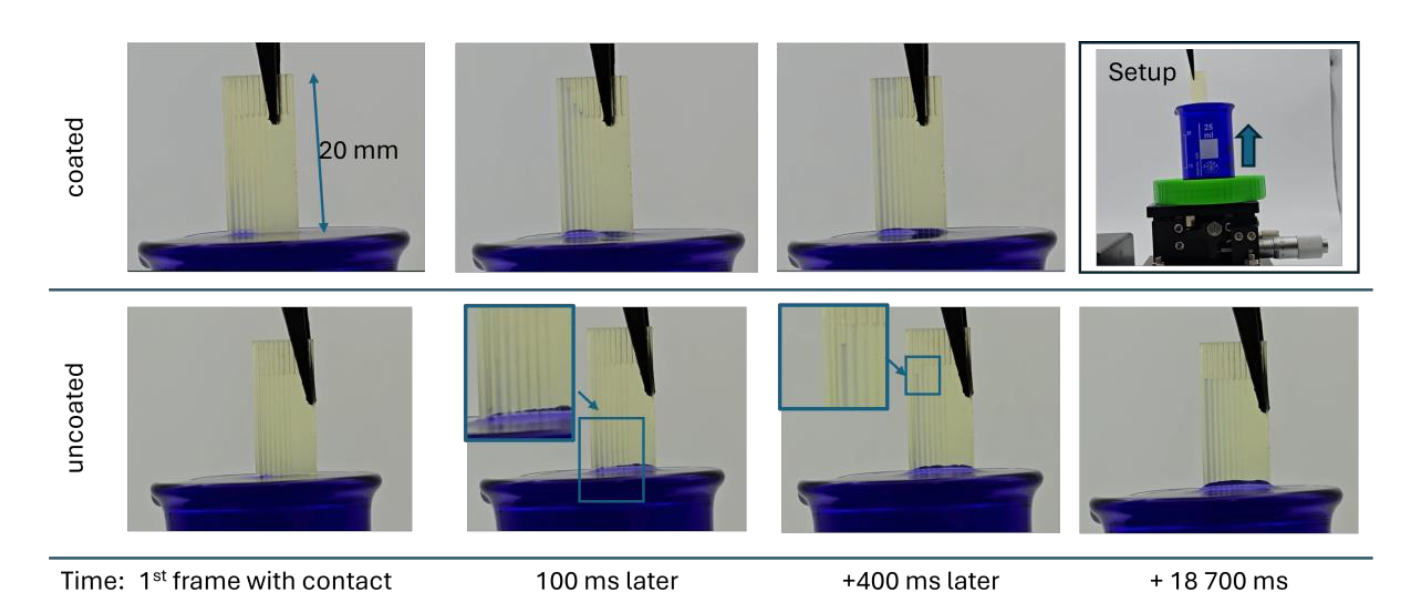
    The firm has come up with coatings that can make “leak-free devices with fully three-dimensional channel networks — without bonded layer interfaces and, in many cases, with much simpler (or no dedicated) capillary priming as well as electrical properties.”

    If this holds up in testing, this means that the company could have found an easy, working, repeatable pathway to making microfluidic devices at scale. A lot of microfluidics combines multiple parts, processes, or manual assembly. Many require a whole series of processes, with discrete processes and lots of assembly. This makes a lot of microfluidic devices cost-prohibitive. The idea of microfluidics is that millions of tests, functional environments, or systems can be performed at low cost. In reality, there’s a lot of fiddling with different glues. So, for a certain class of devices, Horizon may be on to something here.

    The company says its devices are made directly through printing and coating and can make channels, internal geometry, and micro needle structures, too. These micro needles can be “one millimetre high with multiple, differently sized side openings along the needles’ length.” The company aims to “achieve predictable liquid handling in lab-on-a-chip diagnostics, drug microdosing, and high-precision analysis” by optimizing wetting and flow. Furthermore, parts can be biocompatible, optically clear, and electrically conductive. Coatings can make parts hydrophilic and can also be used to protect parts. One channel could be coated with one material, while another channel could be coated with a conductive material; meanwhile, the outside of the part could be uncoated. Resins are tested to ISO 10993-1:2018.

    The flow inside the part could also be better and better optimized for a specific use case. Combining all of these things means that a faster, perhaps cheaper process could make much more of the functionality needed for microfluidics within fewer steps. Combining 3D printing with design also means that more compact, technologically advanced devices could be made.

    Horizon Microtechnologies CEO Andreas Frölich said,

    “When you combine micro-AM with our coating toolbox, you get microfluidic platforms that are much closer to finished products than to simple test structures. We can deliver geometry, surface behaviour, electrical function, and optical access as one integrated solution, which simplifies development, improves reliability, and accelerates the path from concept to functional hardware.”

    The company foresees it making a “microneedle array for microdosing and sampling, a compact diagnostic cartridge, or a microfluidic platform with integrated electrodes and optics, Horizon’s print–develop–coat process offers a practical route from CAD geometry to functionally coated, biocompatible, optically clear hardware ready for testing and scale-up.”

    I’m a huge fan of Horizon. I love how they’re taking a two-step process and using it to create a plethora of devices.

    Relatively low cost, accurate, tiny, and with lots of different properties, these parts could really win in many areas. Through its coatings, the company has made its offering versatile and fit for purpose. More 3D printing companies should look into coatings to extend the functionality and lifespan of 3D printed components. In Horizon’s case, their process could also be deployed at scale in different markets. Whether in antenna or microfluidics, Horizon could see high volume, sufficient margin, and success at scale.