• The AM Applications Game: Where Additive Manufacturing Is Actually Winning

    When Additive Manufacturing Research (AM Research) announced its upcoming webinar, “3DP/AM Market Insights: 2025 Review and 2026 Preview,” it pointed to a key issue for the industry: which sectors are truly driving additive manufacturing (AM) adoption today.

    The discussion comes at a time when the AM industry is still navigating several turbulent years, including consolidation, bankruptcies, and changes in investment trends. Even with these changes, the industry is still expected to grow. Most forecasts show the global AM market will continue to expand. In fact, AM Research estimates the global AM market reached about $15.9 billion in 2024 and could expand to roughly $57.8 billion by 2033.

    Featured image courtesy of GE Aviation: The GE90 is one of the world’s most powerful jet engines. GE plans to produce 100,000 3D-printed components for the next-generation GE9X and Leap models.

  • The Blueprint for Industrial Serial Production

    Lithoz is kicking off the 2026 trade fair season with a powerful showcase of real-world applications of ceramic AM serial production capabilities alongside new material upgrades.

    The company is stepping into the spotlight at RAPID+TCT and ceramitec 2026, showcasing a compelling vision for the future of ceramic 3D printing in serial production. Their portfolio spans a remarkable range of industries, from aerospace and semiconductors to GreenTech, MedTech, and dental applications – illustrating how advanced ceramics are reshaping multiple sectors with precision and performance.

    At the heart of Lithoz’s innovation lies Lithography-based Ceramic Manufacturing (LCM), a technology that serves as a robust backbone for high-performance ceramic additive manufacturing. Supported by a global network of expert LCM contract manufacturers, Lithoz offers a solid blueprint for how to fully tap into the potential of high-performance ceramic AM.

    RAPID+TCT will see Lithoz’s booth (1721) become a showcase of cutting-edge applications. Among the medical and dental standout exhibits are hydroxyapatite cranial and zygomatic implants, alongside ear ossicle implants, each a testament to the superior qualities of LCM ceramics. These implants are patient-specific, biocompatible, and bioresorbable, boasting thermal properties that surpass those of conventional titanium alternatives.

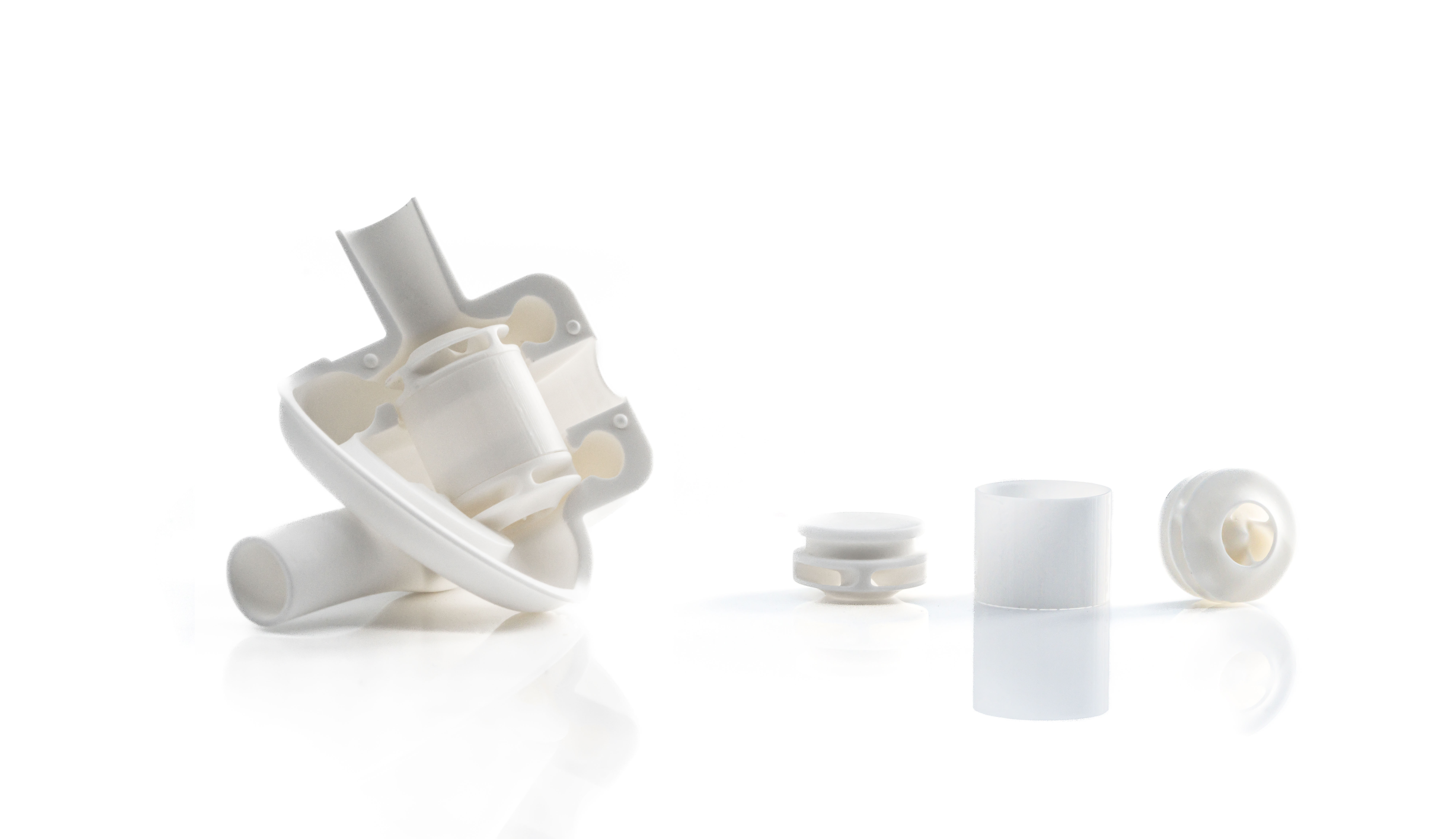
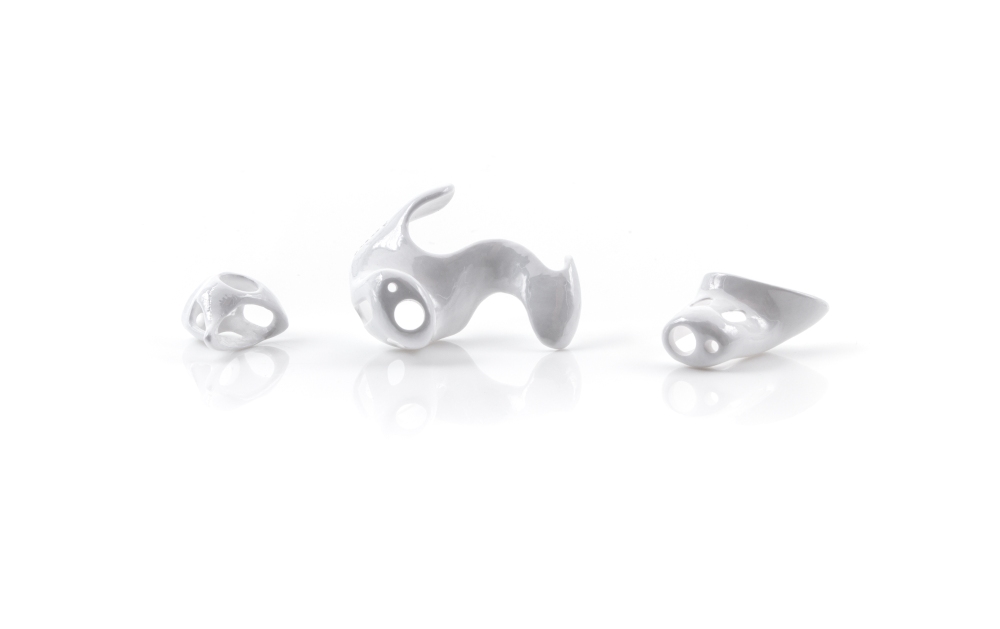
    Adding to this, Lithoz unveils its latest material breakthrough: medical-grade Alumina-toughened Zirconia (ATZ). The world’s first 3D-printed ceramic earmolds for hearing aids, produced in series by German service provider CADdent and designed by Swiss specialist OC GmbH, demonstrate how ATZ combines biocompatibility with unmatched durability, wear resistance, and acoustic neutrality – qualities that polymers or titanium cannot match. The versatility of ATZ extends further, with various surgical tools and shavers also on display.

    The dental sector is equally well represented. Visitors will find 132 zirconia dental implants printed on a single CeraFab platform, alongside crowns and orthodontic brackets crafted from lithium disilicate or translucent alumina. The medical lineup is completed by innovations such as silicon nitride spinal cages and a pediatric blood pump, underscoring Lithoz’s commitment to pushing the boundaries of ceramic applications in healthcare.

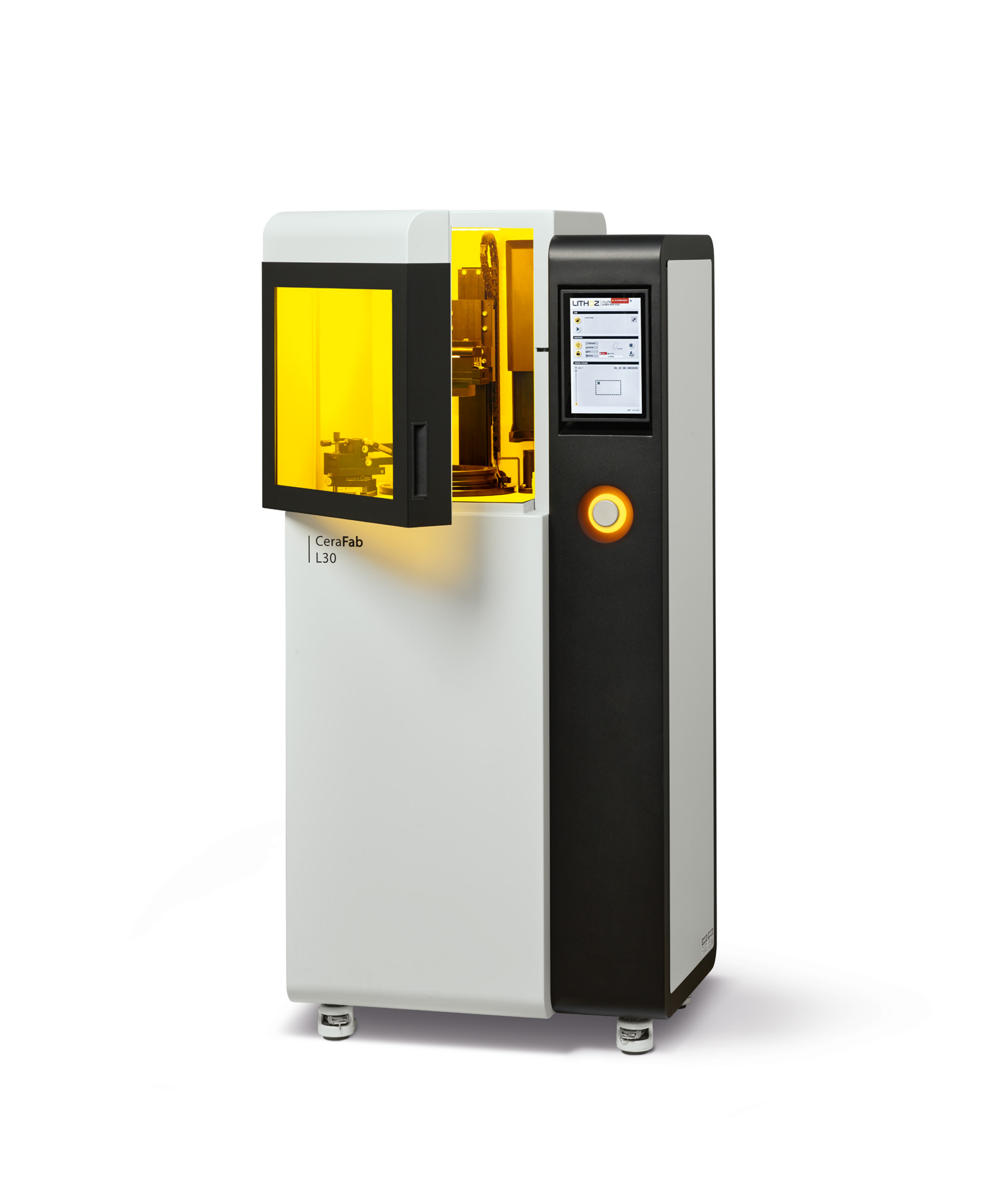
    For those curious about the technology itself, the CeraFab Lab L30 will be running a live demonstration at the booth. This compact, flexible lab printer boasts a build volume of 76 x 43 x 170 mm, ideal for prototyping and research, with a lateral resolution of 40 µm and layer thickness down to 25 µm, delivering exceptional detail and surface quality.

    Turning to industrial applications, Lithoz shines a spotlight on sintered Aluminium Nitride (AlN) cooling plates designed for the semiconductor industry. These intricate components, measuring up to 100 x 100 mm, feature finely integrated channel networks with gyroids and lattices, showcasing how ceramic materials can revolutionize thermal management in high-performance ecosystems. Another highlight is a 15-inch atomic layer deposition (ALD) ring engineered by Plasway and manufactured by Alumina Systems. This component ensures constant gas flow and pressure, tripling production output and increasing uptime from one to nine months – a game-changer for semiconductor manufacturing.

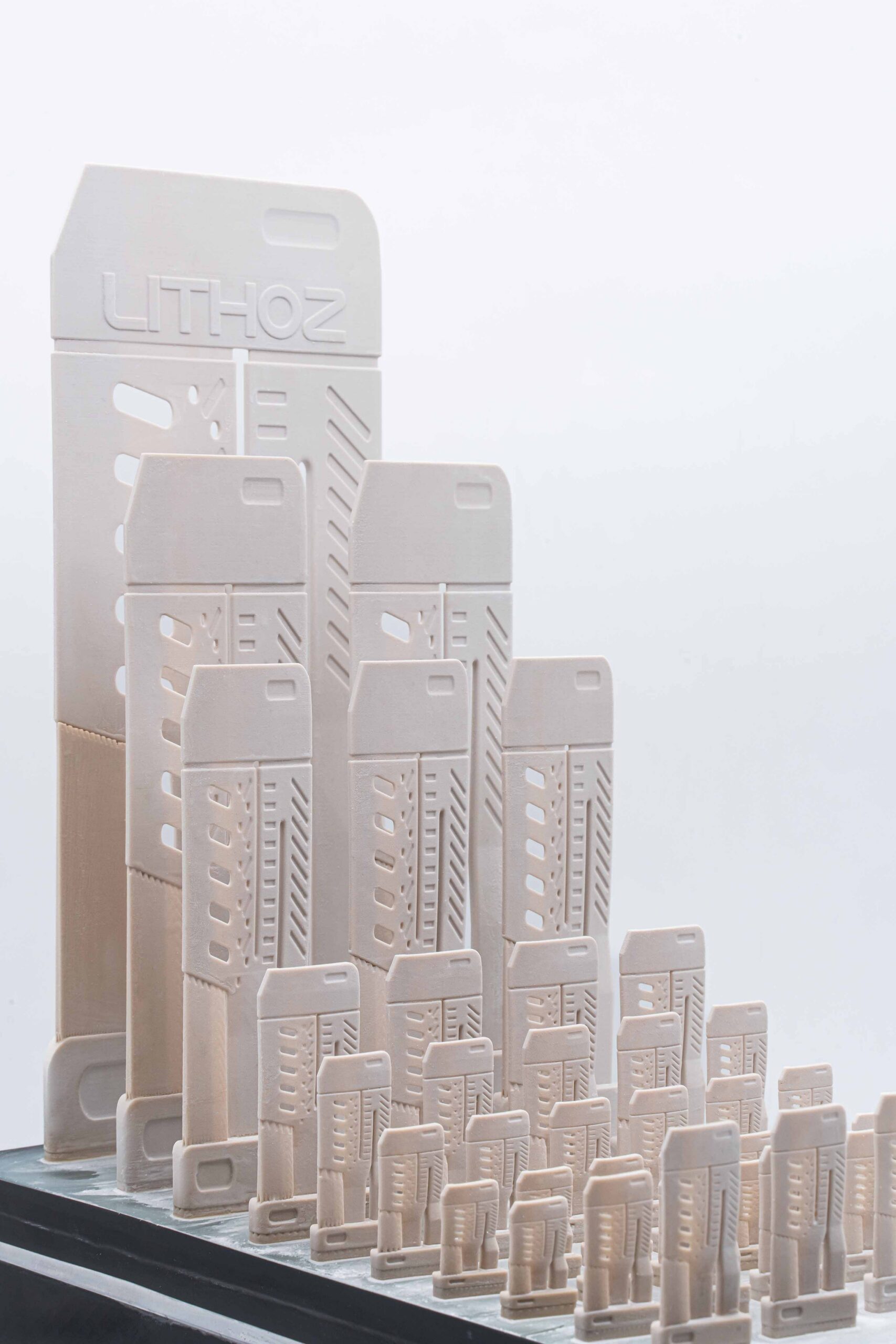
    The booth also features 46 ceramic casting cores printed on a single S320 platform. These complex cores enable the creation of single crystal turbine blades with more ultra-complex cooling channels, critical for raising the high-pressure turbine inlet temperature needed in next-generation engines. This application has already garnered attention, with Safran Aircraft Engines investing in multiple CeraFab System printers to scale serial production for this demanding sector.

    At ceramitec, Lithoz will also highlight these functional applications (hall A6, booth 233), reflecting the growing momentum of the “Ceramic 3D Factory” initiative. Visitors can explore a broad range of components produced by Lithoz’s partners and contract manufacturers worldwide, all leveraging LCM technology.

    A major highlight at ceramitec will be the launch of three new variants of Lithoz’s most popular ceramic materials, specially optimized for industrial serial production:

    • LithaLox (high-purity Alumina) now offers wall thicknesses up to 12 mm and an increased solid loading of 55 Vol%,
    • LithaCon (Zirconia) features enhanced fracture toughness, improved cleanability, and a significantly increased Weibull modulus,
    • Medical Grade LithaCon ATZ delivers perfect biocompatibility, wall thicknesses up to 17 mm, and an impressive bending strength of 993 MPa.

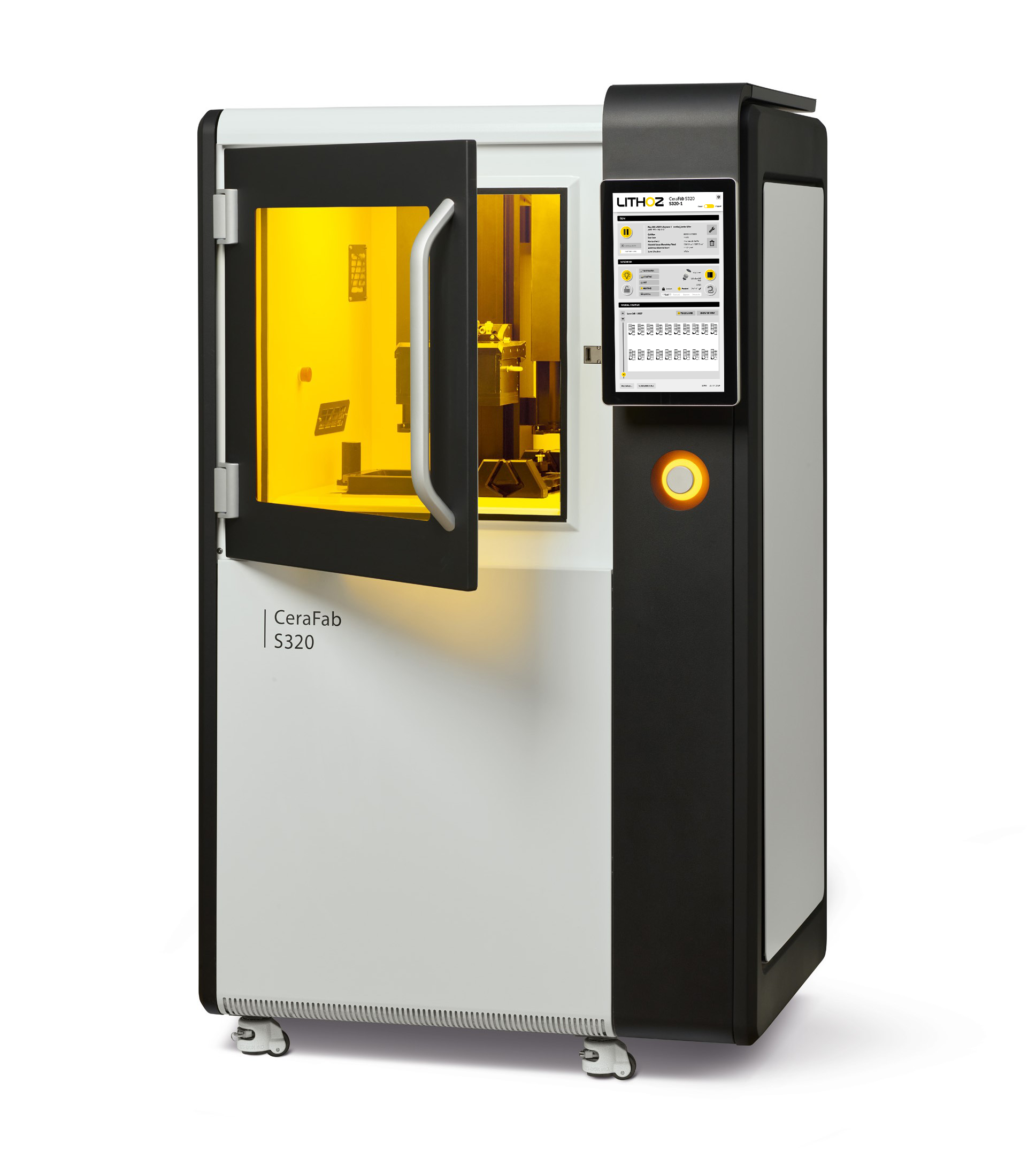
    The presentation culminates with a live demonstration of the new CeraFab S320 printer. With a build volume of 246 x 130 x 320 mm, five times larger than its predecessor, the S65, this machine boasts a premium 4K projection system and a 60 µm resolution, setting new standards for precision and scale in ceramic 3D printing.

    Together, these showcases at RAPID+TCT and ceramitec 2026 offer a vivid glimpse into the future of ceramic additive manufacturing, where innovation meets industrial readiness, and where materials science and digital production unite to unlock new possibilities across industries.

  • 3DPOD 295: From Product to Design at Carbon, with Kristi Eveland Smith

    Kristi Eveland Smith started as a competitive soccer player before moving into consulting, operations, and 3D printing. She’s now Vice President, Design to Production at Carbon 3D and has been with the firm for over 12 years. It’s been a crazy ride for Carbon over time, and Kristi takes us from the very early days through scaling, growth, and the changes in strategy and approach the company has undergone. We talk about Carbon today, what the company wants to do, and its role in sports equipment, dental, and beyond.

    This episode of the 3DPOD is brought to you by Siemens. With AI-enabled technologies, deep-domain expertise, and trusted partnerships, Siemens is converting today’s technological leaps into measurable benefits for customers, partners, and society. AI is no longer a feature; it’s a force that will reshape the next century.


  • Nonprofit “3D Printing Elves” Sees Demand Surge After Viral TikTok

    A nonprofit in California is suddenly seeing a huge spike in demand for its 3D printed toys after a teacher’s TikTok post brought attention to the group’s work.

    The Fresno-based organization, called 3D Printing Elves, makes free toys for children. Using desktop 3D printers, they create colorful, articulated animals and other small toys, which are then donated to schools, shelters, and other community programs in the area and in Madera County.

    Recently, however, demand for those toys jumped dramatically.

    The surge began when Speech Language Pathologist Bailey Parks from Fresno Unified School District posted a TikTok video praising the nonprofit and telling users that 3D Printing Elves gave her more than 440 3D printed fidget toys for her school. In the video, the teacher shared how the toys could help students, especially those who benefit from sensory items in the classroom.


    @haybails0602

    This company was so amazing to work with! Thank you 3D Printing Elves! #freeresource #education #centralvalleyca

    ♬ original sound – Bailey

    The post quickly gained attention online. Within days, the nonprofit began receiving thousands of requests for toys.

    For a group that normally produces about 16,000 toys a year, the sudden surge was overwhelming. So much so that 3D Printing Elves had to post a notice at the top of its website explaining how it will prioritize requests: “Due to the high volume of toy requests, we have decided to prioritize delivery of toys.”

    The group says it will focus first on requests from Fresno and Madera counties, then on nearby counties in California’s Central Valley, before fulfilling requests from the rest of the state. The notice also highlights the scale of the challenge. The nonprofit says that as of February 23, 2026, it had already received more than 50,000 toy requests, meaning some people may face long delays before their requests are fulfilled.

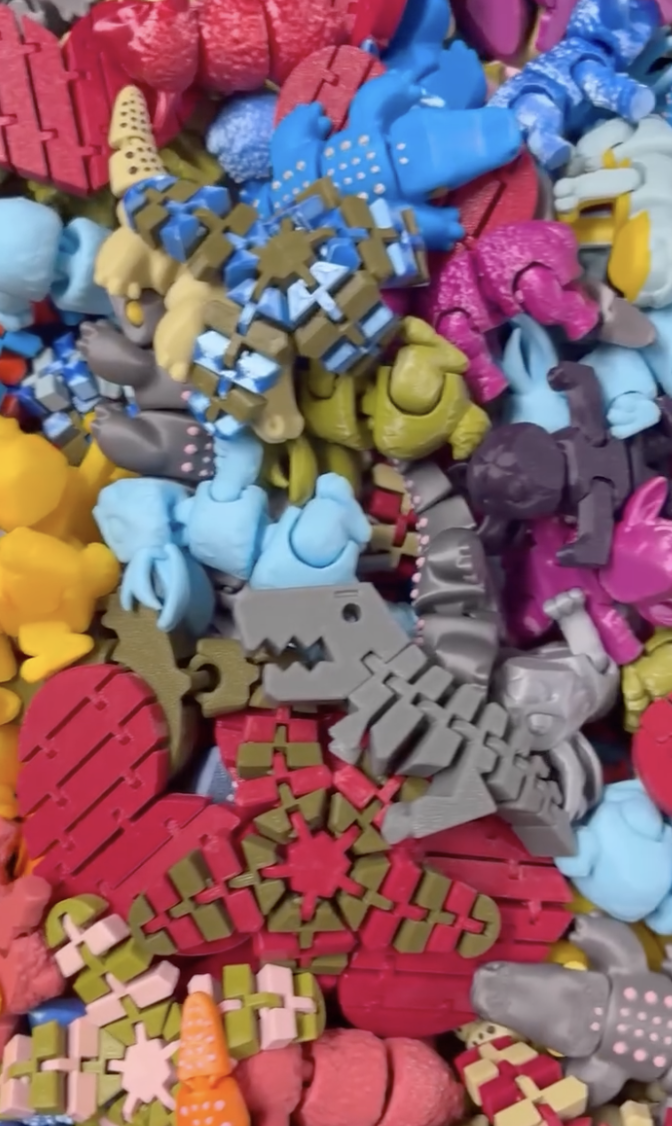
    3D printed toys from 3D Printing Elves.

    Printing Toys for the Community

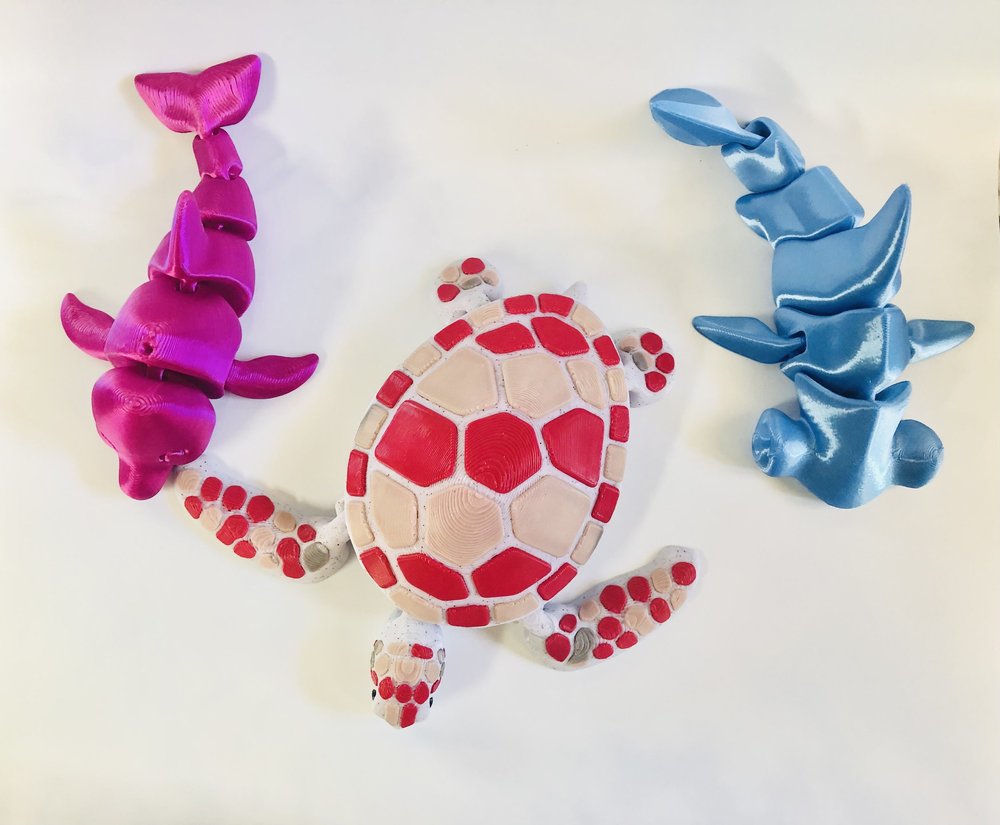
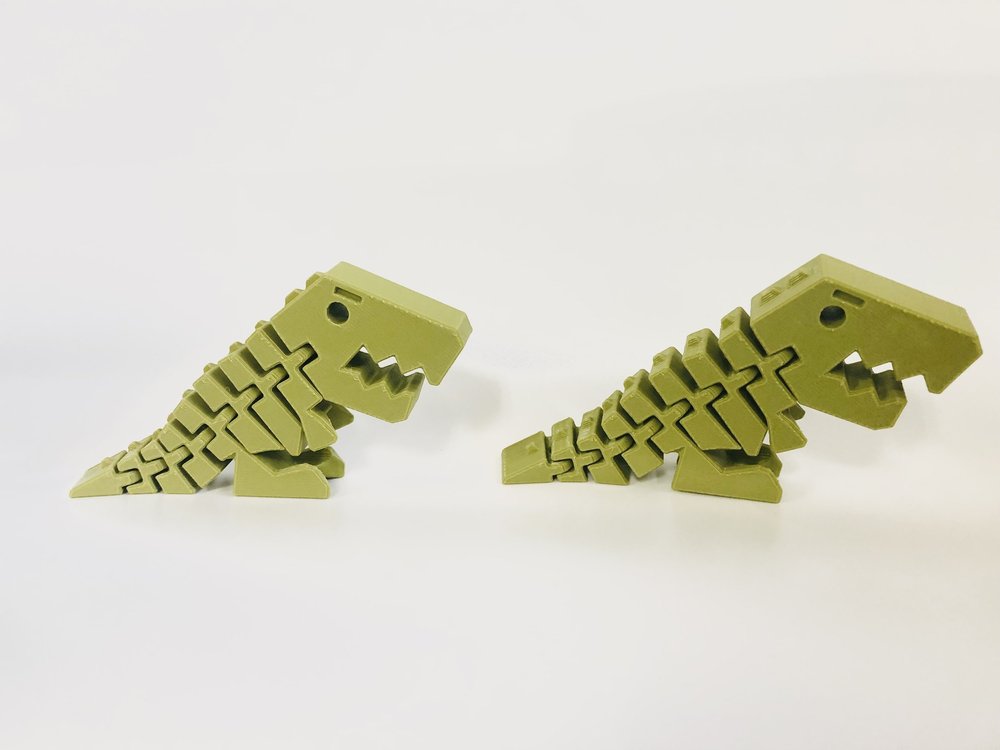
    3D Printing Elves was created during the COVID-19 pandemic by Vincent and Allyson Wall, a couple from Fresno who began using their home 3D printers to make toys for local children. Using several desktop 3D printers, volunteers produce a variety of toys, including dragons, sharks, dinosaurs, butterflies, and toy cars.

    3D printed dinosaurs from 3D Printing Elves.

    Many of the toys are articulated designs that move when handled, making them popular as sensory items. Teachers often use them in classrooms to help students focus or relieve stress. What’s more, the toys are handed out for free to children in local schools, shelters, and foster care programs. It’s all part of the group’s mission to help ensure that children in underserved communities have access to simple toys and opportunities to play.

    But producing the toys takes time. Each one can take around 90 minutes to print, depending on the design. The toys are typically made from PLA filament, so a single spool of filament can produce dozens of toys, and the nonprofit estimates that each toy costs just a few dollars in materials.

    Teachers receive 3D printed toys from 3D Printing Elves.

    Viral Attention Brings a New Challenge

    While the viral TikTok post, which already surpassed 45,900 views, helped bring attention to the nonprofit’s work, it also created a new challenge.

    3D printed toys from 3D Printing Elves.

    Requests quickly grew beyond what the group could realistically produce with its printers and volunteers. Since each toy takes more than an hour to print, fulfilling tens of thousands of requests is a big task for a small nonprofit. However, the organization has continued to print as many toys as possible while encouraging patience from teachers and parents who have placed requests.

    At the same time, the attention has helped more people learn about the nonprofit’s mission. Some community members have offered donations, while others have asked how they can volunteer or help by printing toys themselves.

    The nonprofit has also received support from several companies connected to the 3D printing industry since it began. On its donor page, the organization lists contributions from members of the broader maker and additive manufacturing community, including companies such as Bambu Lab, Prusa, LulzBot (now operated by FAME 3D), Slice Engineering, EPAX3D, and West3D. Other contributors listed include groups and businesses within the maker community, such as Vitali3D, Armor3D Printing, Leemerie3D, Cartographer 3D, Wally 3D, Additive Attic, and 3D Print Bunny. Support from companies like these can include donated equipment, materials, or other resources that help the nonprofit continue printing toys for children.

    Projects like 3D Printing Elves show another meaningful use for 3D printing. Using affordable desktop printers, volunteers can create toys locally and share them with children in their communities. What started as a simple idea is now helping bring small moments of joy to thousands of kids.

    Images courtesy of 3D Printing Elves

  • 3D Printing News Briefs, March 14, 2026: Student Grant, Automation, DfAM, & More

    In this weekend’s 3D Printing News Briefs, we’ll start with event sponsor and competition news from Dyndrite, and then move on to a new metal 3D printing system from Eplus3D. 3D People is using AMIS Runtime at its London production facility. Finally, Metamorphic AM is working to make DfAM expertise more accessible.

    Dyndrite Sponsoring ICAM 2026 at Leader Level, Launches Student Competition

    Industrial AM software provider Dyndrite recently made two big announcements regarding this year’s International Conference on Advanced Manufacturing (ICAM) by ASTM International. First, the company will sponsor ICAM 2026 at the Leader Level for the second year in a row. The event will be held in Orlando, Florida from September 28-October 2, and Dyndrite will showcase its laser powder bed fusion (LPBF) software platform there, as well as deliver technical presentations. Additionally, Dyndrite has launched a global student competition focused on LPBF research as part of ICAM 2026. University students from North America, Japan, Europe, Singapore, and Korea are challenged to leverage Dyndrite LPBF Pro software to rethink what’s possible in metal AM and explore more design freedom and novel toolpath strategies. This is an industry-sponsored competition, but designed and administered by Dyndrite, which will also select the winners and announce them at ICAM. A total of $10,000 in grant funding will be awarded to the winning teams or individuals in order to continue their LPBF research.

    “ICAM brings together the people and organizations that are truly pushing the boundaries of metal additive manufacturing, from industry leaders across multiple sectors to the researchers and young minds shaping what comes next. We support ICAM because it sits at the intersection of industrial reality and future innovation. That combination is critical to advancing metal AM from a promising technology to scalable, trusted production,” said Dyndrite Founder and CEO Harshil Goel.

    The contest submission deadline is 11:59 pm PST on April 15th.

    Eplus3D Introduces EP-M300L Printer and Production-Ready Automation Line

    EP-M300L Production-Ready Automation Line

    Chinese metal AM systems manufacturer Eplus3D has introduced its new EP-M300L metal powder bed fusion system, along with its production-ready automation line—a turnkey solution for high-volume manufacturing. At the heart of the line is the EP-M300L, developed for both batch and continuous production. Featuring a build volume of 300 x 300 x 450 mm, an intelligent optical system, and multi-laser configuration, the system offers high scanning speed and precision, which makes it good for industries like aerospace, tooling, and 3C electronics. The EP-M300L has a modular design, with removable build cylinder technology for high efficiency. No more waiting for powder handling and part removal: the printing module operates independently from the powder recovery station, which ensures practically nonstop production and improves Overall Equipment Effectiveness (OEE).

    The production-ready automation line centers around the EP-M300L and, as Eplus3D put it, moves metal AM “from a standalone process into a continuous, industrial manufacturing cell.” Automated stations and AGVs seamlessly connect all major processes, like printing, powder recovery, part handling, and logistics. Plus, the printer integrates with a closed loop powder system, enabling automatic suction, sieving, and powder circulation within a dedicated, inert atmosphere system. Not only does this improve safety and overall throughput, but it also decreases labor dependency and cost per part. The EP-M300L line is governed by a smart, data-centric platform, and integrates with a Manufacturing Execution System (MES). Finally, it offers in-process monitoring for full traceability, with each printed component getting a “digital birth certificate.”

    3D People Improving & Automating AM Production Workflow with AMIS Runtime

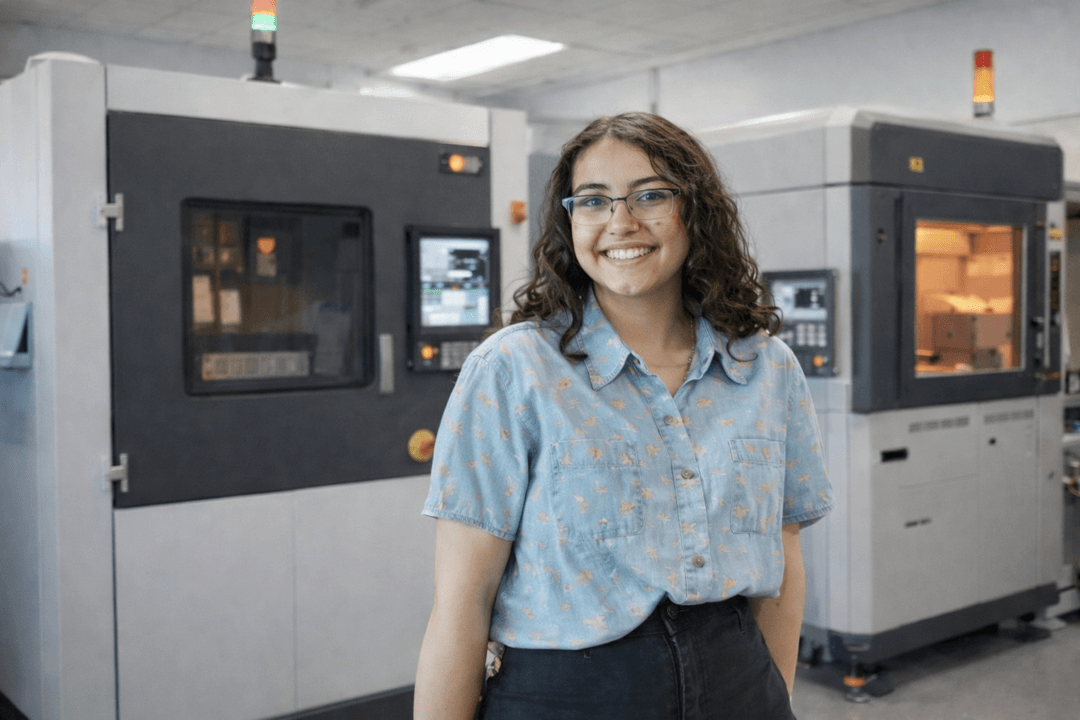
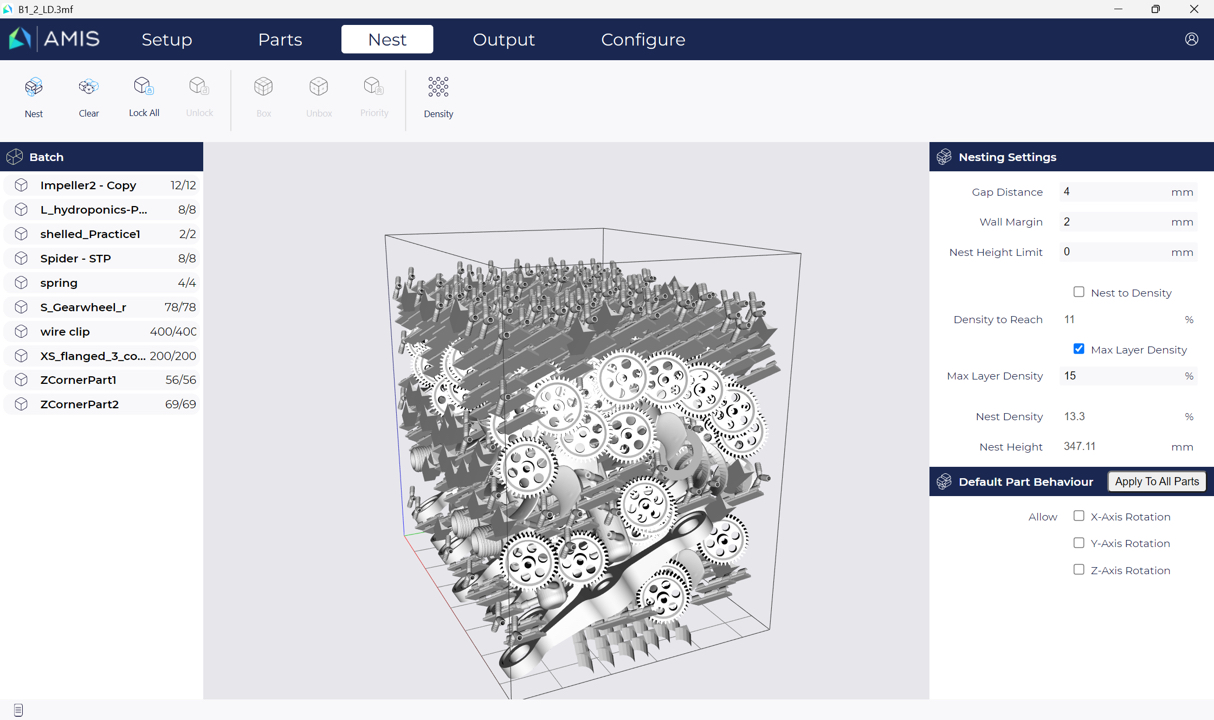
    Last year, UK additive manufacturing services provider 3D People won a grant from UK Made Smarter to work on developing and implementing an automated process for preparing, nesting, and scheduling 3D printing build jobs. Since then, it’s been collaborating with Belgian company AMIS to test the AMIS Runtime platform for autonomous build prep at its London production facility. Now, 3D People has officially deployed the platform across the facility to further automate its AM production workflow. The facility, which recently added SLS production capacity, delivers 3D printed end-use polymer parts for a variety of industries, including automotive, electronics, and marine, that require short lead times, repeatability, and on-demand scaling from prototypes to real parts. By integrating AMIS Runtime, 3D People has been able to automate build preparation, which negates some of its previous bottlenecks and helps meet these customer demands.

    “This project marked a key step in our long-term digital manufacturing strategy. It builds upon our existing MES platform, closing the loop between digital order management and physical production,” said Sasha Bruml, Co-Founder of 3D People. “The results are exciting with a more efficient, data-driven workflow that reduces human error, increases repeatability and strengthens our position as one of the UK’s leading advanced 3D printing services. The full deployment of AMIS Runtime is now reaping rewards across the whole business.”

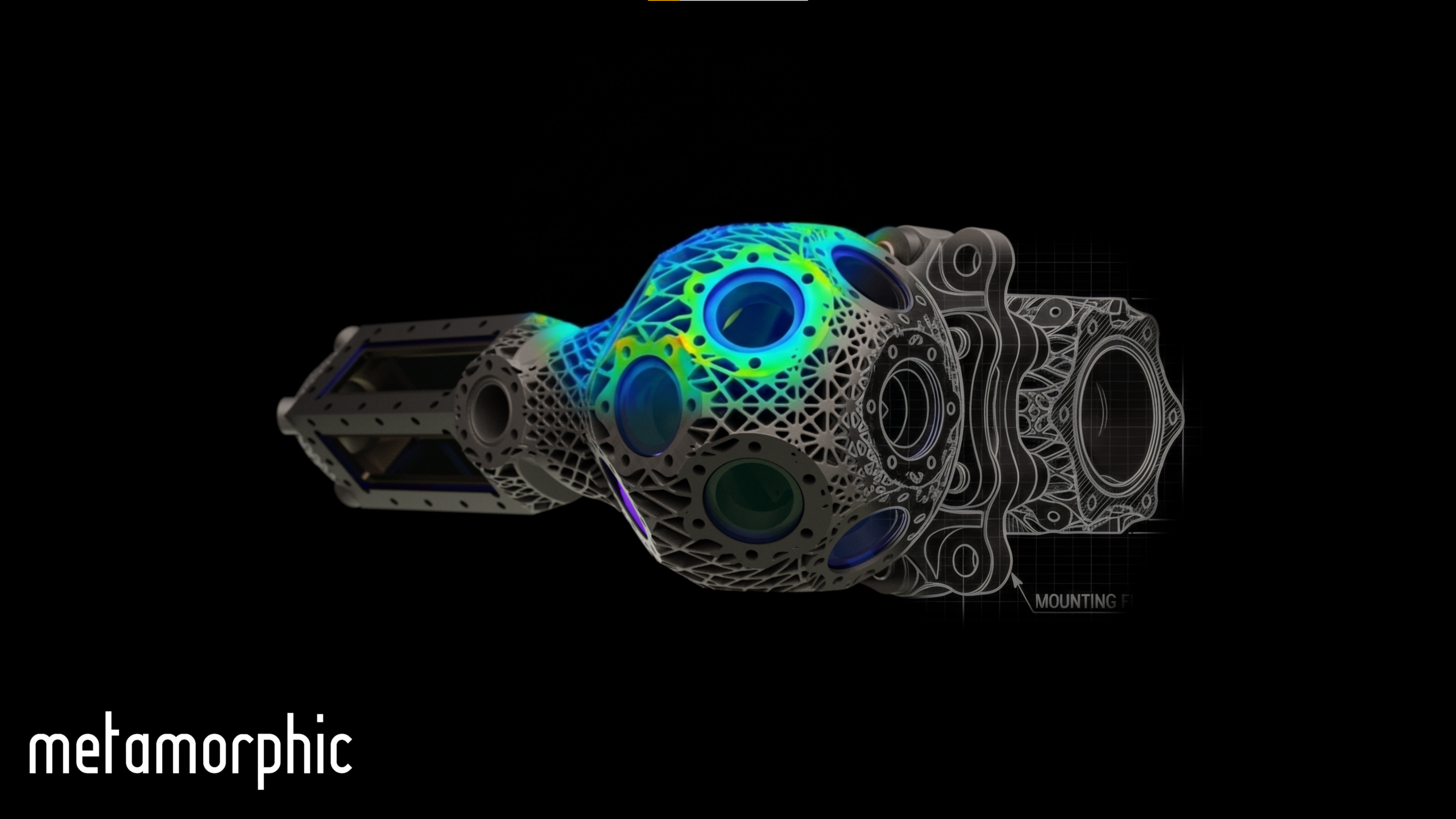
    Metamorphic AM Launches Service to Make DfAM Expertise More Accessible

    UK-based consultancy Metamorphic AM, specializing in advanced Design for Additive Manufacturing (DfAM), wants to make high-level DfAM expertise more commercially accessible. That’s why it’s launched a new service offering, called Rapid Geometry Review, to widen access to its expert offerings. Organizations can now take advantage of expert-led evaluation of their 3D designs before they commit to full production builds. The new service pairs simulation insight with applied engineering judgement to assess structural logic, printability, manufacturability, material suitability, and missed geometric opportunity of designs. This expert DfAM input will help reduce risk, speed up development, and improve return on investment (ROI), thus ushering in greater commercial viability for AM in production.

    “We’ve seen too many projects failing to add value to a product or process because design intent wasn’t fully interrogated early enough. Rapid Geometry Review brings the same engineering scrutiny we apply in major innovation programmes to a format that is faster, commercially accessible, and immediately actionable,” explained Manolis Papastavrou, Co-Founder of Metamorphic AM.

    “The difference between ‘printable’ and ‘engineered’ is where value is created. Rapid Geometry Review helps organisations close that gap.”

  • XTPL Sells First ODRA System to Silicon Valley Semiconductor Packaging Client

    One prerequisite for success in additive manufacturing (AM) is the establishment of a proven system for converting initial sales used as tech validation into future sales of higher-value hardware that’s ready for commercial scalability. This is especially true when targeting R&D-intensive verticals like semiconductors and defense, which depend on regularly transitioning new tech into routine elements of daily workflow.

    Poland’s XTPL, an original equipment manufacturer (OEM) of AM systems and materials used for advanced packaging solutions in the electronics industry, appears to have just such a formula for success. The company announced it has sold its first ODRA system, the production-level version of XTPL’s Delta Printing System (DPS), to a client in Silicon Valley that provides advanced packaging solutions for both the tech and defense sectors. Both the DPS and ODRA leverage XTPL’s Ultra-Precise Dispensing (UPD) printhead technology.

    Only a couple of weeks ago, XTPL announced it had sold a DPS system to Manz Asia, a leading global provider of advanced packaging solutions, a move that gives XTPL a foothold in the all-important Taiwanese market. Significantly, XTPL previously sold a DPS system to a Silicon Valley client in 2025, illustrating how the company is turning proof-of-concept into real potential for long-term revenue.

    As I noted in my post about XTPL’s Manz Asia sale: “The breakthroughs in advanced packaging have largely resulted from the 3D design revolution in semiconductors over the last couple of decades, which has led semiconductor device manufacturers to increasingly explore the potential advantages of stacking chips vertically instead of exclusively side-by-side. This background accounts for why it’s more and more common for additive manufacturing (AM) to be part of the conversation surrounding advanced packaging, supporting the business models of companies like Poland’s XTPL.”

    XTPL notes that the Silicon Valley client has already expressed interest in future purchases of additional ODRA systems, following installation of the first machine upon delivery in the second half of this year. The sale also serves as a reinforcement of XTPL’s evolving business model, as the company has made ODRA sales a cornerstone of its growth strategy going forward.

    XTPL CEO Filip Granek.

    In a press release about XTPL’s first sale of its ODRA system to a Silicon Valley advanced packaging supplier, Filip Granek, CEO of XTPL, said, “The first-ever order for the ODRA system is a breakthrough moment for XTPL. It provides market validation for our new business line and significantly strengthens our revenue potential both this year and over the horizon of our Strategy. With an order value of approximately USD 0.4–0.5 million per ODRA unit, the system is priced at more than twice the level of our DPS technology demonstrators.

    “Unlike DPS, which is primarily used for R&D, the ODRA system is designed for HMLV (High-Mix, Low-Volume) industrial production, attracting interest mainly from corporate clients and the defense sector. This client profile, combined with the size of the advanced packaging market, gives our new business line strong potential for multiple orders from individual buyers. Our Silicon Valley client has already indicated interest in additional ODRA systems, and we are simultaneously conducting discussions with a number of potential partners across North America, Europe, and Asia.”

    While XTPL didn’t name the Silicon Valley client, XTPL did note that the company “…is a member of a prestigious international consortium established to build an advanced semiconductor packaging R&D center in Silicon Valley…” This is likely referring to the US-JOINT Consortium launched by Japanese chemicals manufacturer Resonac in 2024, along with nine other founding members from Japan and the US.

    In any case, selling a system to a member of a consortium is an excellent move that further bears out XTPL’s ability to set itself up for future success with present sales. If the first client is happy with the ODRA, then that simultaneously serves as a vetting process for XTPL’s technology in the eyes of the other consortium members.

    This also brings up a point I made in my post about XTPL’s sale to Manz Asia: that success in Taiwan could be a fast-track to success in the US and Europe, in the context of reshoring to the West involving Taiwanese semiconductor manufacturers. The increased agility enabled by the UPD and ODRA should be a major selling point against that backdrop.

    Thus, XTPL is building a track record that displays a viable multi-pronged strategy, one where each prong catalyzes demand for the others. The two sales the company has publicly announced so far in Q1 have realistic potential to translate into the foundation of a successful long-term business model down the road.

    Images courtesy of XTPL

  • Intergalactic Turns to Velo3D to Accelerate Aircraft Heat Exchanger Development

    A new aviation project shows how metal 3D printing can dramatically shorten the time it takes to turn a design into a working aircraft component. Velo3D announced that aerospace supplier Intergalactic used its metal 3D printing technology to produce critical parts for an aircraft heat exchanger system in just a few weeks. The components are designed for a cabin-air heat exchanger to be used in a mass-produced commercial aircraft. This specific system helps control the temperature of air entering the cabin.

    The parts were printed using Velo3D’s Sapphire XC system through the company’s Rapid Production Solutions (RPS) program. According to the company, the process allowed engineers to move from design to printed hardware in only a couple of weeks. That speed helped Intergalactic meet strict testing deadlines for the aviation program.

    Plus, for aerospace programs, where development cycles are long, and testing schedules are pretty tight, moving so quickly can make a huge difference.

    Complex Parts Made With No Redesign

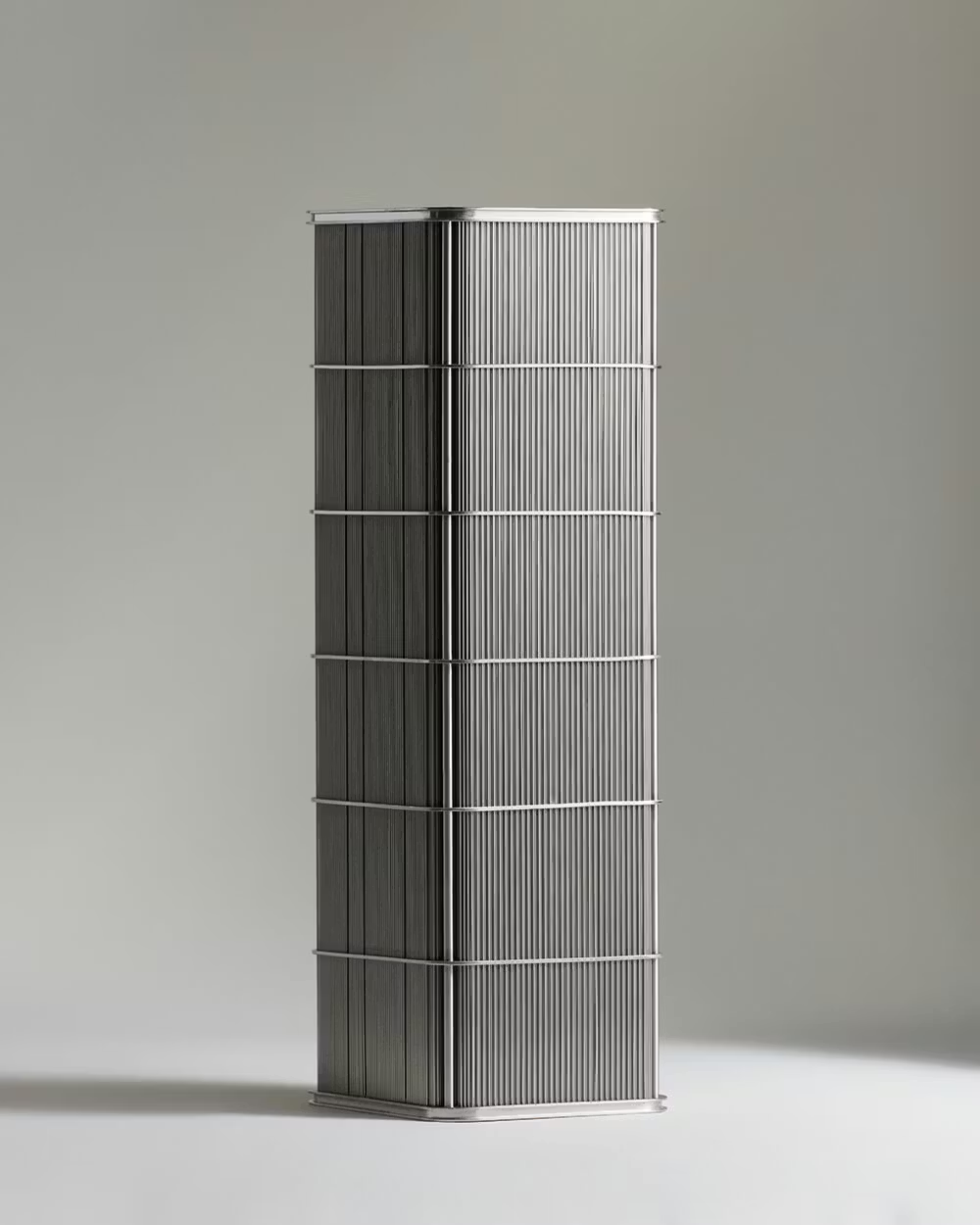
    The components printed for the program are microtube heat exchanger headers made from Inconel 718, a strong nickel alloy commonly used in aerospace. These parts help move air through the small tubes inside the heat exchanger that regulate cabin air temperature.

    And they are not easy to make using traditional methods. Their design features wide curves and shallow angles, which can be difficult to produce with conventional metal powder bed fusion machines. In fact, many systems require support structures or design changes to print these shapes. But Velo3D says its system bypasses some of these limitations by “using a non-contact recoater” that allows complex geometries to be printed with fewer supports.

    This meant the heat exchanger headers could be printed exactly as they were designed, without needing to redesign the part for manufacturing.

    “Customers with aggressive program timelines rely on Rapid Production Solutions to get hardware fast without redesign and without lengthy development cycles,” said Michelle Sidwell, Chief Revenue Officer at Velo3D. “RPS embodies Velo3D’s mission to remove friction from innovation and give our customers a true competitive edge.”

    3DPrint.com spoke with Sidwell at the Military Additive Manufacturing Summit (MILAM) earlier this year, where she also highlighted the growing role of additive manufacturing in helping aerospace and defense programs move faster, reduce development delays, and build more flexible supply chains for critical components. This latest project reflects that broader shift.

    Intergalactic’s microtube heat exchanger technology is used in aerospace thermal management systems for aircraft and space platforms. Image courtesy of Intergalactic.

    Faster Testing, Faster Development

    Producing the components quickly allowed the aerospace program to move faster toward system-level testing. Instead of waiting months for tooling or specialized manufacturing setups, the team was able to produce working parts almost immediately after finalizing the design.

    According to Intergalactic’s supply chain leader, Rhett Burton, the goal was to keep the project on schedule while preparing for future production.

    “Building these heat exchanger headers on the Sapphire XC supported Intergalactic’s goal to meet its system-level test schedule and established the groundwork for a scalable path to a distributed supply chain for future production,” Burton said.

    Patented curved design for Intergalactic’s microtube heat exchangers. Image courtesy of Intergalactic.

    The project also shows how additive manufacturing makes it possible to produce the same part in different locations. Because the parts were printed using standard settings on the Sapphire XC platform, the same design could be produced on other Sapphire machines without having to recreate the process. That opens the door to what the industry often calls a digital inventory, where designs are stored as files and parts can be manufactured wherever production capacity is available.

    For aerospace companies, this approach could help build more flexible supply chains while reducing the time needed to scale production.

    Vapor cycle thermal management systems. Image courtesy of Intergalactic.

    Metal 3D printing is becoming more common in aerospace as engineers look for faster ways to produce complex parts. Components like heat exchangers are a right fit for the technology because they tend to contain small internal channels and shapes that are difficult to machine or assemble using traditional methods. By removing many of those manufacturing limits, AM allows engineers to focus more on how a part performs rather than how it has to be made. For programs that need to move quickly, the ability to go from design to working parts in just a few weeks can speed up testing and development. The work between Velo3D and Intergalactic shows how manufacturers are starting to use these capabilities to move new aerospace components toward testing and production more quickly.

  • Ursa Major, AFRL Show AM’s Role in Future Deterrence Through Draper Test Flight

    The war in Iran is only about two weeks old, but countless lessons — and warnings — have already emerged for militaries across the planet and the economy in general. One lesson for the Pentagon is that it should probably double- and triple-down on accelerating the adoption of more flexible acquisition processes across its supply chains.

    Barely days after the war began, commenters began noting how quickly the US was drawing down its munitions stockpiles, and reports confirm that the nation used a mind-boggling $5.6 billion worth of munitions in just the first 48 hours of strikes. This is unsustainable, but the Pentagon does have some options to turn to when it comes to replenishing its supplies, and one of those options is Ursa Major.

    Less than a year ago, the US Air Force Research Laboratory (AFRL) awarded Ursa Major $28.6 million to continue work on the development of the Draper liquid engine, which underwent its first successful hotfire test in early 2024. The contract was for work through early 2027, including a flight demonstration.

    To reiterate, it is well under a year since Ursa Major received that follow-on contract, and the Air Force is already announcing that Ursa Major has successfully completed a test flight with the Draper. Part of a program called the Affordable Rapid Missile Demonstrator (ARMD), the Draper hit supersonic speeds during the exercise, a pivotal milestone toward hypersonic capabilities.

    That should be the next phase of the ARMD program, as Ursa Major’s plans for the Draper center around the engine’s role in powering the mid-range, hypersonic HAVOC missile system the company announced in February. In parallel with the Draper, Ursa Major is working on a number of other modular engine systems that heavily leverage additive manufacturing (AM), in partnership with all the major branches of the US military, as well as with the private sector.

    In a press release about Ursa Major’s successful test flight of the Draper engine in partnership with the AFRL, AFRL Commander and Air Force Technology Executive Officer Brig. Gen. Jason Bartolomei said, “This project proves that we can transform and leverage our acquisition models to rapidly deliver critical technology advancements to deter and win in a future conflict. We are not just building a single missile; we are forging a new path toward a cost-effective, mass-producible deterrent for the nation.”

    Chris Spagnoletti, CEO of Ursa Major, said, “This flight proves that you can get a vehicle with a safe, storable and throttleable liquid engine in the air quickly and affordably. We went from contract to flight-ready of an all up round and propulsion system in just eight months.”

    The Affordable Rapid Missile Demonstrator, powered by the Draper liquid rocket engine, seen launching during its recent flight. The flight was a key milestone in increasing the technology readiness level of the Draper liquid rocket engine. Image courtesy of US Army/Ryan Harty.

    Almost exactly two years ago, I wrote a post about how the Pentagon’s investment in Ursa Major epitomized the demand signals that should be tracked in order to analyze which companies are most likely to succeed at this point in the history of the AM industry. While rocket motors obviously have an importance all their own, Ursa Major’s growth trajectory is about far more than the specific product that the company manufactures.

    As is being repeatedly shown via the dynamics at play in Iran, Ukraine, and all the other flashpoints involved in the troubling number of active conflicts all over the globe, war now moves far too rapidly for the Pentagon’s post-WWII acquisition cycles to keep up. Even if the US could continue the habit of buying conventionally produced weapons to replace what has already been depleted thus far in Iran, and have them delivered within a meaningfully quick timeframe — and everything that is known about the state of the US defense sector in 2026 argues against that — it would still be a grave error. Success in contemporary warfare means leaning towards iteration cycles that are as rapid and as low-cost as possible, so you’re always positioned to adapt with the utmost seamlessness to battle conditions as they emerge.

    The logic of war has been inverted so that stockpiles are no longer the deterrent: the deterrent is the infrastructure that can produce the most immediately relevant hardware at any given time. As I described in that 2024 post, this means that, in the arms race between the US and China, for instance, the “arms” in question are no longer the missiles themselves, but the machines that print them.

    That is particularly essential to keep in mind given the current primacy of economic warfare in strategic competition. The differentiating factor of a tool like a large-format metal 3D printer is its dual-use capability, not its status as a “rocketmaker.” The ultimate deterrent isn’t projecting the fact that you’re sitting on a giant arsenal: it’s the ability to illustrate in real-time that you can effectively alternate between producing munitions systems on one day and critical energy hardware, medical devices, EVs, etc., the next.

  • AM Demand Signals: the Semicap Insurrection

    The longer that the US-Israel war on Iran continues, the more that the discourse surrounding the war will start to absorb strategic tensions between the West and China surrounding Taiwan, and indeed, this started almost as soon as the first airstrikes began a little over a week ago. Xi and Trump are still scheduled to meet at the end of the month, and Trump has reportedly delayed an arms package shipment to Taiwan announced last December, a move that’s seen as a way to cool things down a bit going into the summit.

    While Taiwan is a nation of over 20 million human beings, in a world where resource wars are treated as a reasonable negotiating tactic, Taiwan = chips. Aside from its status as a bargaining chip between global superpowers, and inextricably related to that status, the most well-known fact about the East Asian island is that it produces an unsustainably high percentage of the world’s semiconductor devices, including well over 60 percent of chips in general, and about 90 percent of the most powerful chips.

    Now, it is morally repugnant to see war and perceive a “business opportunity.” At the same time, since there are more or less no remaining segments of the global economy that can function without semiconductors, figuring out workarounds to any potential disruption to the Taiwan chip bottleneck is less an opportunity and more a necessity for economic survival. It’s not too much to say that contingency plans for the semiconductor supply chain are a requirement to limit the potential for human suffering.

    China has already started to figure out its own contingency plans, thanks to years of economic warfare imposed by the US. American restrictions on Chinese purchases of semiconductor capital equipment (semicap) from Western OEMs, most notably ASML, as well as limitations on higher-end devices from NVIDIA, forced the Chinese government to find an alternate path towards the same performance capabilities. As I’ve noted in recent posts, one on a deal between Advanced Production of Electronic Systems (APES) and Great Lakes Semiconductor, another on the Polish company XTPL’s new strategic partnership with Manz Asia, additive manufacturing (AM) is integral to what we can consider to be an insurrection against the status quo of the semicap industry.

    The key point I made in framing the significance of both deals is that chip design that moved beyond 2D to 2.5, and 3D was “the silent economic revolution of the 2010s.” Shifting the design of integrated circuits (ICs) from logic that only worked in a side-by-side arrangement to a logic that fully incorporates the z-axis has enabled a complete reimagining of how semiconductor devices can be created. In addition to the System-on-a-Chip (SoP) model, semiconductor OEMs are now also starting to see how far they can go with chiplets: the System-in-a-Package (SiP) model defined by stacking a number of less sophisticated dies. Increasingly, AM is the tool that the new wave of semicap OEMs are leveraging to deliver the advanced package necessary to produce chiplets.

    Because of how secretive the semiconductor industry is, for every company that we know about that’s using AM for advanced packaging — like the aerosol jet AM tech produced by Optomec — or any other technique that enables semiconductor OEMs to avoid relying exclusively on standard manufacturing processes, there are probably a dozen companies getting off the ground that we know little to nothing about. Atomic Semi, for instance, describes itself simply as “building a small, fast semiconductor fab.” OpenAI reportedly invested $15 million in the San Francisco startup in 2023, valuing it at $100 million.

    Atomic Semi’s experimental lab setup for developing next-generation chip fabrication tools. Image courtesy of Atomic Semi.

    Atomic Semi’s co-founder, Sam Zeloof, has a popular YouTube channel where he documents his adventures making chips in his garage, and in November 2022, tweeted, “I’m building a semiconductor fab fab.” On the company’s website, Atomic Semi notes that, “We believe our team and fab can build anything. We’ve set up 3D printers, a wide array of microscopes, e-beam writers, and general fabrication equipment.” It’s not entirely clear what role 3D printers play in Atomic Semi’s workflow, but an article in the South China Morning Post (SCMP) from February 2026 perhaps provides some hints.

    The article, reporting on the return to China of Xu Zhenpeng, an engineer who worked at Atomic Semi, briefly describes some of what Xu was up to at the startup, alongside a highlight reel of Xu’s 3D printing career. Xu returned to China to serve as an assistant professor at Shanghai Jiao Tong University:

    “Before returning to China, Xu led a team at California-based manufacturing start-up Atomic Semi, where he developed 3D printing techniques aimed at making chip production faster and cheaper than conventional methods that rely on bulky, multimillion-dollar machines,” writes the SCMP.

    “Xu earned his PhD from University of California, Los Angeles in 2023 and is regarded as a rising talent in large-area, micron-precision 3D printing, a technology increasingly applied in electronics manufacturing.

    According to his faculty profile at Shanghai Jiao Tong University, Xu was a key contributor during his doctoral studies to U.S. Department of Energy and National Science Foundation projects focused on ultra-lightweight materials and advanced multi-material 3D printing.“

    “Large-area, micron-precision 3D printing” does in fact appear to be one of the technologies that chiplet manufacturers are taking seriously, and the DeSimone Lab at Stanford has developed a form of the process called roll-to-roll continuous liquid interface production (r2rCLIP), built on the tech that powers Carbon’s 3D printers. In any case, I think we can assume that Professor Xu will found some startups of his own in China.

    Inside Atomic Semi’s lab, where engineers are developing tools to manufacture semiconductor chips. Image courtesy of Atomic Semi.

    To summarize what’s happening: the US prevented China from easy access to mass quantities of the most powerful semiconductor devices, and even more importantly, from the capital equipment needed to make those devices; China leveraged the chiplet solution as a Plan B; the US is now scrambling to develop its own version of a backup plan.

    Meanwhile, a potential conflict involving Taiwan is far from the only reason why having a contingency plan matters. ASML’s rollout of its latest generation of production equipment, High-NA EUV, has been met with more reluctance by the market than it would presumably have liked, as fabs rightly question whether it makes sense to go all in on a machine with a $350 million price tag. While skeptics are ultimately likely to come around, the response almost certainly gives ASML pause about continuing to hinge its business model on machines that double in price every generation from hereon out.

    If the OpenAI investment in Atomic Semi is any indicator, flexibility in production processes for both chipmakers and semicap suppliers is likely to be a dominant theme in the next phase of the history of chips. Remaining lean and agile is the utmost virtue under these circumstances.

    Thus, AM should have roles to play in the emerging semicap order far beyond enabling new chiplet designs. Equipment suppliers will need to respond to changing market conditions at a moment’s notice and adjust production targets and timelines accordingly. AM is ideally suited to just that task. It will be fascinating to see how the world’s most innovative product developers use it to reinvent themselves.

    Featured image courtesy of Stanford University and DeSimone Research Group: The r2rCLIP setup in the DeSimone lab runs from right to left. The printing occurs at the area below the red piece.’
  • 3D Printing News Briefs, March 12, 2026: Linear Motor, Assistive Technology, & More

    Conflux Technology’s 3D printed transmission oil cooler took to the track on a Multimatic Motorsports car; this story kicks off today’s 3D Printing News Briefs. Then, MIT researchers developed a platform for 3D printing complex electric machines. Finally, Stryker introduced a 3D printed orthopaedic implant, and a global engineering nonprofit launched an NYC innovation center for assistive technology.

    Conflux’s 3D Printed Configurable Oil Cooler for Multimatic-Engineered Car

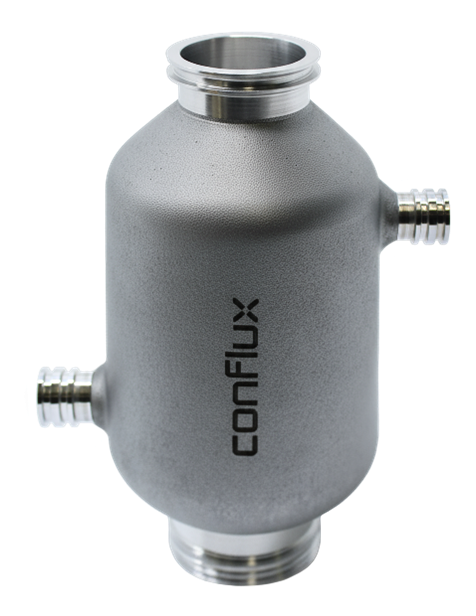
    Conflux oil cooler used in a full-distance endurance race on a Multimatic-engineered car

    Heat transfer technology leader Conflux Technology announced that a 3D printed, configurable transmission oil cooler it made for Multimatic Motorsports recently completed a full-distance endurance race. The cooling unit was adapted to specific boundary conditions using Conflux’s configurable design platform, and fabricated using metal AM in just two weeks for use on a Multimatic-engineered car. The compact cooler’s core increases heat transfer and controls pressure drop through the use of highly optimized internal channels, and uses engine coolant to manage oil temperatures in the gearbox within a shared water circuit. In addition to offering increased reliability, performance, and time-to-track, the 3D printed oil cooler also delivered about 20% higher heat rejection than an existing solution within the same packaging envelope. Conflux’s design platform makes it possible for engineers to quickly tune geometry for different gearboxes, duty cycles, and layouts, and this configurable oil cooler architecture is now available for other OEMs and top-level race operations to use.

    “Endurance racing is the ultimate test for any cooling system. We’ve shown that our configurable, 3D-printed technology can move from design to race car in weeks, deliver significantly improved performance, and still be trusted to reach the finish line in some of the world’s toughest races,” said Glenn Rees, Principal Engineer at Conflux Technology.

    MIT Researchers 3D Printing Complex Electric Multimaterial Machines 

    MIT researchers developed a 3D printing platform that can utilize multiple functional materials to fully print a complex electronic device, like an electric linear motor, in a matter of hours. Image: Courtesy of the researchers

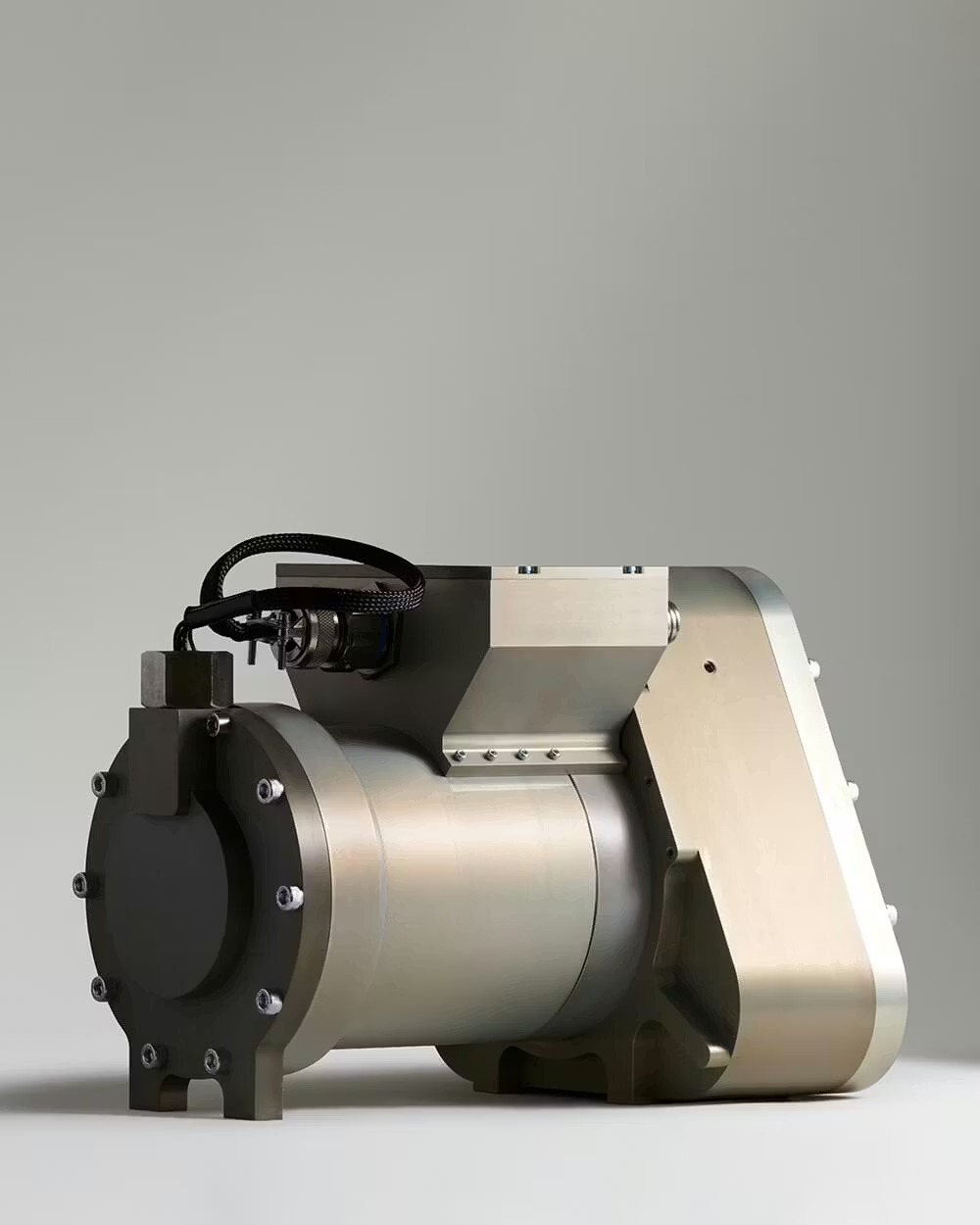
    A team of researchers from MIT are working to democratize the manufacturing of complex devices with a new multimaterial 3D printing platform that can supposedly fabricate a functioning linear motor in three hours. If a motor in an automated machine breaks, and engineers can’t quickly find a replacement part, expensive production delays can ensue. Instead of ordering one from a distributor, it would be better to make a new motor onsite, which is where MIT’s material extrusion system could potentially come into play. Most multimaterial extrusion systems can only switch between materials that come in the same form, like pellets or filaments, so the researchers had to make their own, designing each extruder to balance the limitations and requirements of the different materials used. Using four switchable extrusion tools, the team’s platform can process multiple functional materials, including magnetic and electrically conductive ones. They tested the platform by printing a linear motor, which is used in applications like baggage conveyors and pick-and-place robotics.

    “This is a great feat, but it is just the beginning. We have an opportunity to fundamentally change the way things are made by making hardware onsite in one step, rather than relying on a global supply chain,” said Luis Fernando Velásquez-García, a principal research scientist in MIT’s Microsystems Technology Laboratories (MTL) and senior author of a paper describing the 3D printing platform. “With this demonstration, we’ve shown that this is feasible.”

    Stryker Introduces 3D Printed Orthopaedic Implant at AAOS Annual Meeting

    At the recent American Academy of Orthopaedic Surgeons’ (AAOS) 2026 Annual Meeting in New Orleans, medical technology leader Stryker introduced the latest additions to its Triathlon Total Knee System. This included Triathlon Gold, the company’s first commercially available femoral component. No stranger to metal AM, the orthopaedic implant is 3D printed, but was specifically designed for patients who have metal sensitivity concerns. Triathlon Gold features a titanium nitride surface and Triathlon cementless technology, and was designed to enable fixation and long-term durability with superior scratch resistance. In addition to the Triathlon Gold implant, Stryker also launched the Triathlon Media Stabilised (MS) Insert. While this device is not 3D printed, it’s supposed to “allow customers to leverage the advantages of Mako SmartRobotics and Triathlon Cementless technologies” and offer better stability for Triathlon primary knee patients.

    “With more than 20 years of proven outcomes, the Triathlon system has set a high standard in knee replacement. Triathlon Gold and the Triathlon Medial Stabilized (MS) Insert represent the next evolution of that legacy – solutions shaped by customer insight and designed to meet the evolving needs of patients,” said Lisa Kloes, Vice President and General Manager of Stryker’s Knee business.

    Nonprofit Medical Device Platform Launches Innovation Center in NYC

    Image courtesy of TOM via Facebook

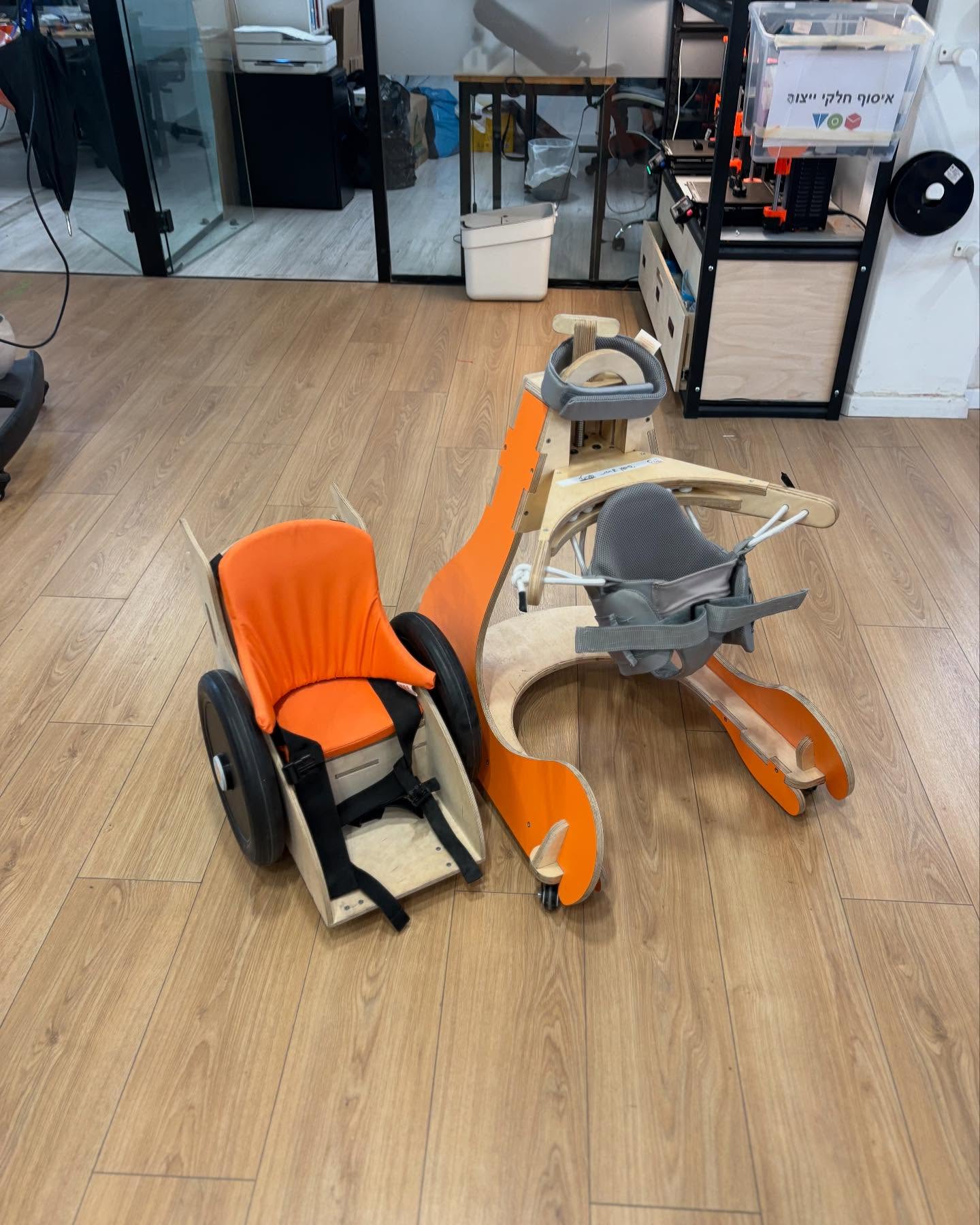
    Tikkun Olam Makers (TOM) is an American and Israeli nonprofit movement for accessible, open source assistive technology. It recently announced the opening of a New York innovation center, TOMIC NYC, which will be a strategic US hub for the organization’s product development, community engagement, and distributed manufacturing. In Hebrew, Tikkun Olam means “repair the world,” which is what TOM is trying to do by creating the world’s largest portfolio of open source solutions for assistive technology. One of its core principles is “frugal innovation,” and thousands of volunteers have collaborated to create open source, customizable solutions, like prostheses and mobility devices, that are affordable, effective, and easy to replicate, typically using desktop 3D printing. The goal is to lower the cost of these solutions and make them globally available. Joining TOMIC TLV in Tel Aviv, the new TOMIC NYC will be the organization’s second international innovation center, and will specialize in “last-mile product-development of open-source solutions.”

    “The objective of TOMIC NYC is to help millions of people, including Americans across the U.S. and from New York. The TOM Innovation Center in Israel developed a unique methodology to ensure affordability and accessibility of our open-source solutions. Moving forward, TOMIC NYC will be the hub and cornerstone of our operations in the Tristate Area and for serving all Americans. We will bring together designers, engineers, care professionals, students and local makers to develop affordable assistive technologies faster and share them wider,” stated Gidi Grinstein, the Founder and President of TOM.