• Formlabs Board Joined by Rob Willet

    CAD and 3D printing veteran Carl Bass is to leave Formlabs‘ board after eight years. Formlabs Board Chairman Natan Linder said,

    “Formlabs also announced that Carl Bass will step down from the Board following more than eight years of dedicated service. Bass joined the Formlabs Board in 2017 and has played a significant role in helping the company redefine additive manufacturing. Carl has been an extraordinary partner to Formlabs. He brought strategic clarity, bold ambition, and deep empathy for builders and designers. We’re deeply grateful for his leadership and the lasting impact he has made on the company.”

    The former Autodesk CEO will be replaced by Rob Willett. Rob Willett is the former CEO of the Cognex Corporation, a machine vision company with $875 million in revenue that makes tools for semiconductor manufacturing, barcode scanning, OCR, and defect detection.

    Formlabs premium teeth resin. Image courtesy of Formlabs.

    Machine vision is an adjacent industry to 3D printing, and on desktop Material Extrusion, we can see that machine vision has helped usher in a revolution. Machine vision is used for more accurate extrusion, deposition, and intra-layer bonding. Perhaps Formlabs could use some of that to improve its own printers. More probably, however, they’re looking for executive guidance and experience to bolster growth and a possible IPO.

    Rob Willett. Image courtesy of Cognex.

    Willet says that,

    “Formlabs has built an industry-leading platform at the intersection of manufacturing hardware, software, and materials,The company is uniquely positioned to drive the next era of digital production by making powerful fabrication tools more accessible without sacrificing performance. I’m excited to join the Board of Directors and help guide the company as it continues to scale globally.”

    Formlabs Board Chairman Natan Linder believes that,

    “Rob has built and scaled global industrial technology businesses with operational rigor and discipline, There is a strong MIT-rooted heritage connecting Cognex and Formlabs, two companies built at the intersection of software, hardware, and manufacturing. As Formlabs continues its evolution from breakthrough startup to enduring manufacturing platform, his experience scaling complex hardware and automation companies will be invaluable.”

    Formlabs is evolving. The company was once a one-technology, essentially one-integrated-product company centered on founder Max Lobovsky. Now with many more materials, printers for specific applications, sintering, and more complexity overall, the firm is becoming larger and more complex. It has many more products to support, many more interactions and dependencies, more departments, and more people to manage. The more complex beast is still formidable. It puts out an excellent series of products that work well. Sintering systems have teething problems but are now showing maturity. The SLA systems have always been good and have improved, getting much bigger and more sophisticated.

    Formlabs is now faced with a choice to specialize in more sectors within SLA and sintering and make more application-specific solutions, or to expand in other ways. Expanding in other ways could be a choice to ship more automation, workflow, and organizational software, becoming the software partner for many manufacturing businesses. This is less strange than it sounds. Many of its clients only run CAD and Formlabs software, while many others have lots of different 3D printers from different brands and a balkanized mess of other PLM and other packages. Other clients are small and want something specific for a two-person team or a design-led lamp company with five employees. There is no real good solution for these people, and definitely not a good, inexpensive solution. Pivoting to become the connective tissue for manufacturing firms would be a strong move.

    Formlabs booth at MILAM 2026. Image courtesy of 3DPrint.com.

    Another play would be to develop desktop CNC, milling, and laser-cutting devices. These devices could gain ready commercial appeal and significantly broaden the firm’s offering. I’d probably advocate for a hybrid of both solutions. On the one hand, introduce a desktop water jet or similar while expanding the software to act like an MES, PLM, and print farm manager for Formlabs and other equipment. This seems like a logical extension of current capabilities, while serving customers it now has long-term relationships with. Either way, the big discussion in the boardroom is whether, in this current rollercoaster economy, going public is a desire or a need. This looks like an opportune appointment and a continuation of Formlabs’ march toward growth and perhaps an IPO.

  • 3D Printing Nerd Challenges Lawmakers to Visit a Working Print Farm Before Banning Tech

    Joel Telling asked politicians attempting to ban 3D printing in his home state to step away from their desks and come visit the farm. His 3D print farm, to be exact. Telling, known as the 3D Printing Nerd, is not only a popular YouTuber, but also an advocate for additive manufacturing in all its forms. Based in the Seattle, Washington area, his studio houses over 50 Prusa MK4S 3D printers used to manufacture parts for clients, from Halloween props to educational robotic kits.

    “Come see the print farm in action. Come learn what 3D printing actually is, what it can do, and more importantly, what it cannot do,” he said in a recent YouTube video.

    He is one of numerous makers taking to YouTube to raise the alarm about Washington State House Bills 2320 and 2321. The bills are intended to curb the illegal 3D printing of “ghost guns” and untraceable firearms, but may very well destroy the hobby of 3D printing, hamper the additive manufacturing industry, and make criminals of anyone holding digital files of firearm-related models.

    HB 2320 would prohibit the possession, sale, or distribution of “digital firearm manufacturing code” for anyone who is not a federally licensed firearms manufacturer. As currently written, the law would assume anyone caught with files for gun parts intends to distribute or illegally manufacture firearms. The law would also ban the sale of both 3D printers and CNC machines that are “primarily intended” to make firearms. Intention in this case could be as simple as allowing gun-shaped parts on a manufacturer’s file sharing site, such as MakerWorld for Bambu Lab or Printables for Prusa Research.

    HB 2321 would require any 3D printer or CNC machine sold or transferred to Washington state to have “blocking features” to prevent the printing of firearm components. The bill proposes a “firearm blueprint detection algorithm” that could detect firearm frames, receivers, or parts designed to convert a weapon into a machine gun. It would require all complaint 3D printers and CNC machines to be connected to the internet and monitored by a government website.

    While both bills are problematic, HB 2321 seems to have hit a snag. Experts agree that requiring a 3D printer or CNC machine to not print guns is akin to asking a toaster to not toast whole wheat bread. The machines are simply not smart enough to determine what they are printing. Instead, machines would need to be connected to the internet in order to pass files through a government sanctioned check point. This could involve checking Gcode against a list of known “illegal” files, using a state-approved slicer, or using your printer’s camera with AI detection.

    “An STL file is just geometry, a list of points in space,” Telling said. “A computer cannot look at a raw shape and know what it’s for. The same cylinder could be a movie prop or a mechanical spacer or a tool handle.”

    HB 2320, which could ban the sale of 3D printers in the state of Washington, has been fast tracked. On February 12, it was pulled from the Appropriation Committee and placed on second reading—the final stage before a floor vote—and could be voted on by the full house at any moment. The bill would still need to move through the Washington State Senate before becoming law.

    We asked Telling if any lawmakers have asked to come by for a tour. He told us that none have taken him up on the offer, even after sending the video directly to Representative Osman Salahuddin, who is the primary sponsor of the bills and a fellow resident of the Seattle metro area.

    Residents of Washington state can comment directly on these bills through the state website. These comments will become part of the official record.

    Comment on HB 2320

    Comment on HB 2321

    You can also respectfully voice your opinion directly to Rep Salahuddin via email: [email protected]

    Or mail:
    Representative Osman Salahuddin

    PO Box 40600

    Olympia, WA 98504-0600

  • In-Situ Automated Toolpath Generation and Auto-Alignment for Performance-Driven Directed Energy Deposition (DED)

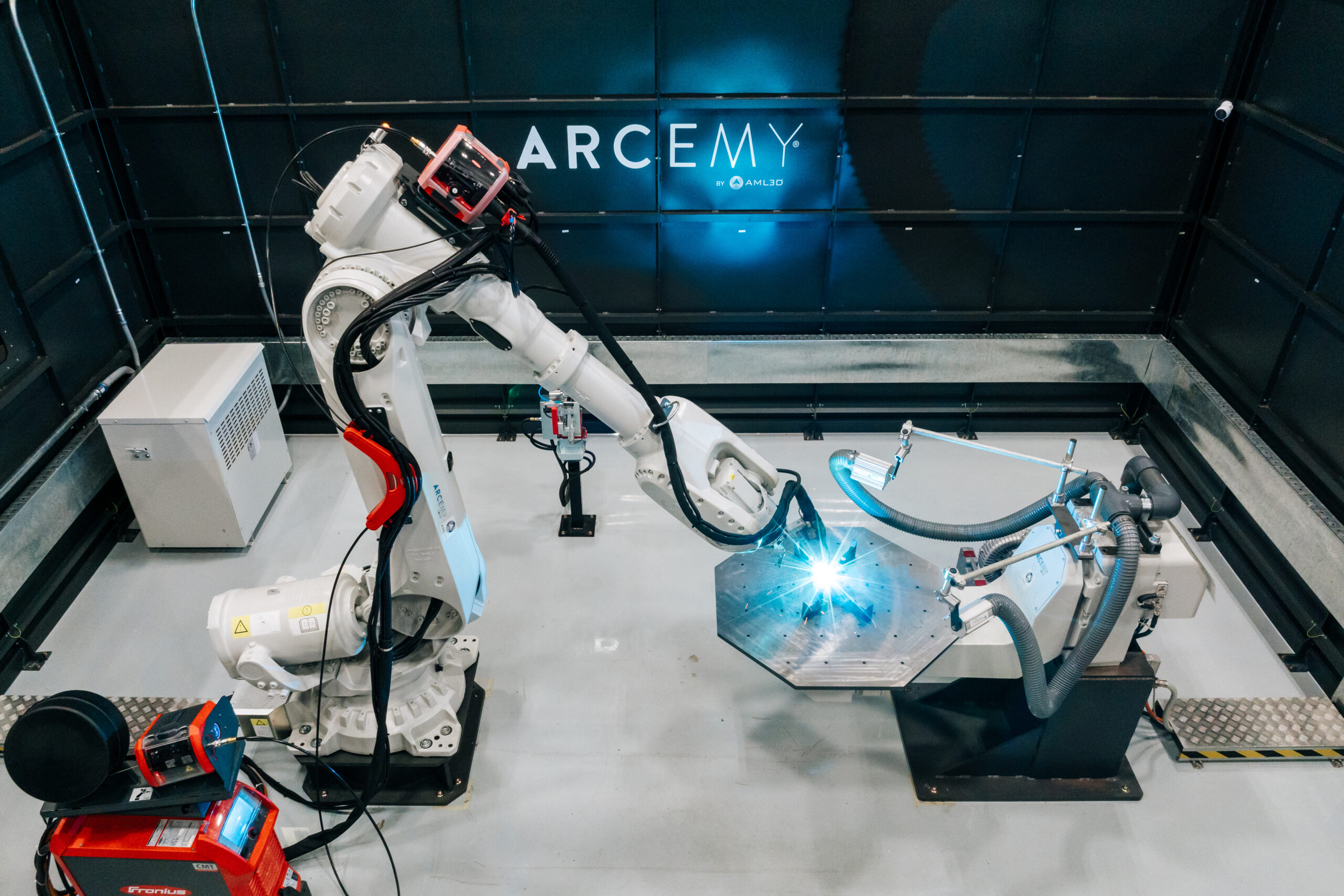
    The evolution of Directed Energy Deposition (DED) systems has increasingly focused on improving process adaptability, geometric fidelity, and integration into automated manufacturing environments. FormAlloy has advanced this progression through the development of in-situ, automated toolpath generation combined with auto-alignment capabilities, enabling precise material deposition on both additively and traditionally manufactured components. These capabilities address longstanding challenges associated with geometric variability, part registration, and throughput limitations in metal additive manufacturing.

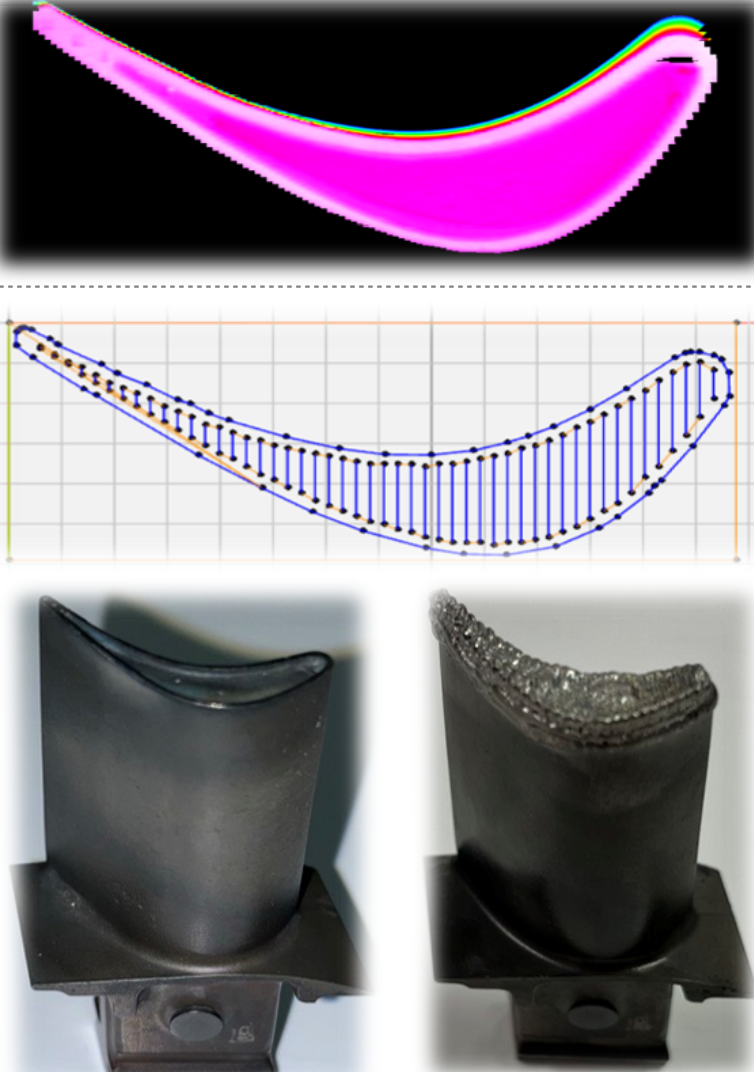
    Traditional DED workflows rely heavily on offline CAD models and pre-programmed toolpaths, assuming consistent part geometry and ideal fixturing. In practice, however, dimensional variation introduced during machining, casting, forging, or service wear often necessitates manual rework, reprogramming, or conservative deposition strategies. FormAlloy’s in-situ toolpath generation approach mitigates these constraints by incorporating real-time scanning and coordinate registration directly within the deposition cell, allowing toolpaths to be generated and adjusted based on the actual part geometry.

    FormAlloy’s DEDSmart® Path enables in-situ, automated alignment and toolpath generation

    In-Situ Toolpath Generation and Auto Alignment

    Central to FormAlloy’s approach is the ability to automatically align scanned part geometry to the machine coordinate system prior to deposition. Through the use of fiducial features, surface registration algorithms, and integrated sensing, the system establishes accurate spatial alignment without manual intervention. This auto-alignment capability is particularly critical in high-throughput environments, where minimizing setup time and ensuring repeatable deposition across large part volumes are essential.

    Once alignment is established, toolpaths are generated in situ to conform to the measured surface geometry. This enables deposition that is tightly coupled to the true part condition rather than an idealized model, reducing excess material, minimizing post-processing, and improving dimensional control. The closed-loop nature of this workflow supports consistent results even when parts exhibit batch-to-batch or part-to-part variability.

    Performance Enhancement in Consumer Goods Tooling

    In consumer goods manufacturing, tooling such as molds, dies, and forming tools are often produced using conventional manufacturing methods but experience localized wear or performance degradation during service. FormAlloy’s in-situ toolpath and auto-alignment capabilities enable selective deposition of high-performance materials directly onto these tools without requiring full remanufacture.

    For example, wear-prone regions of an injection mold can be scanned and automatically aligned, after which a toolpath is generated to deposit a wear-resistant or high-hardness alloy only where required. This approach allows manufacturers to enhance tool performance while preserving the bulk tool material and geometry. Because alignment and toolpath generation are automated, the process is compatible with production-scale workflows where rapid turnaround and repeatability are critical.

    In addition to repair, this capability enables functional enhancement, such as reinforcing edges, improving thermal resistance in high-heat zones, or modifying surface properties to extend tool life. The ability to integrate these enhancements into existing tooling workflows supports increased uptime and reduced total cost of ownership.

    Turbine Blade Enhancement for Energy Applications

    Energy-sector components, particularly turbine blades, present complex geometries and operate under extreme thermal and mechanical conditions. FormAlloy’s automated toolpath generation enables precise deposition on airfoil surfaces, leading edges, and blade tips by conforming deposition paths to scanned geometries. Auto-alignment ensures accurate registration between the blade and deposition system, even when blades exhibit distortion or service-induced wear.

    This capability allows selective addition of high-value materials—such as oxidation-resistant or high-temperature alloys—only in regions that experience the greatest operational stress. By minimizing the volume of expensive material used and maintaining aerodynamic fidelity, FormAlloy’s approach supports both performance improvement and cost efficiency.

    High-Throughput Integration and Manufacturing Implications

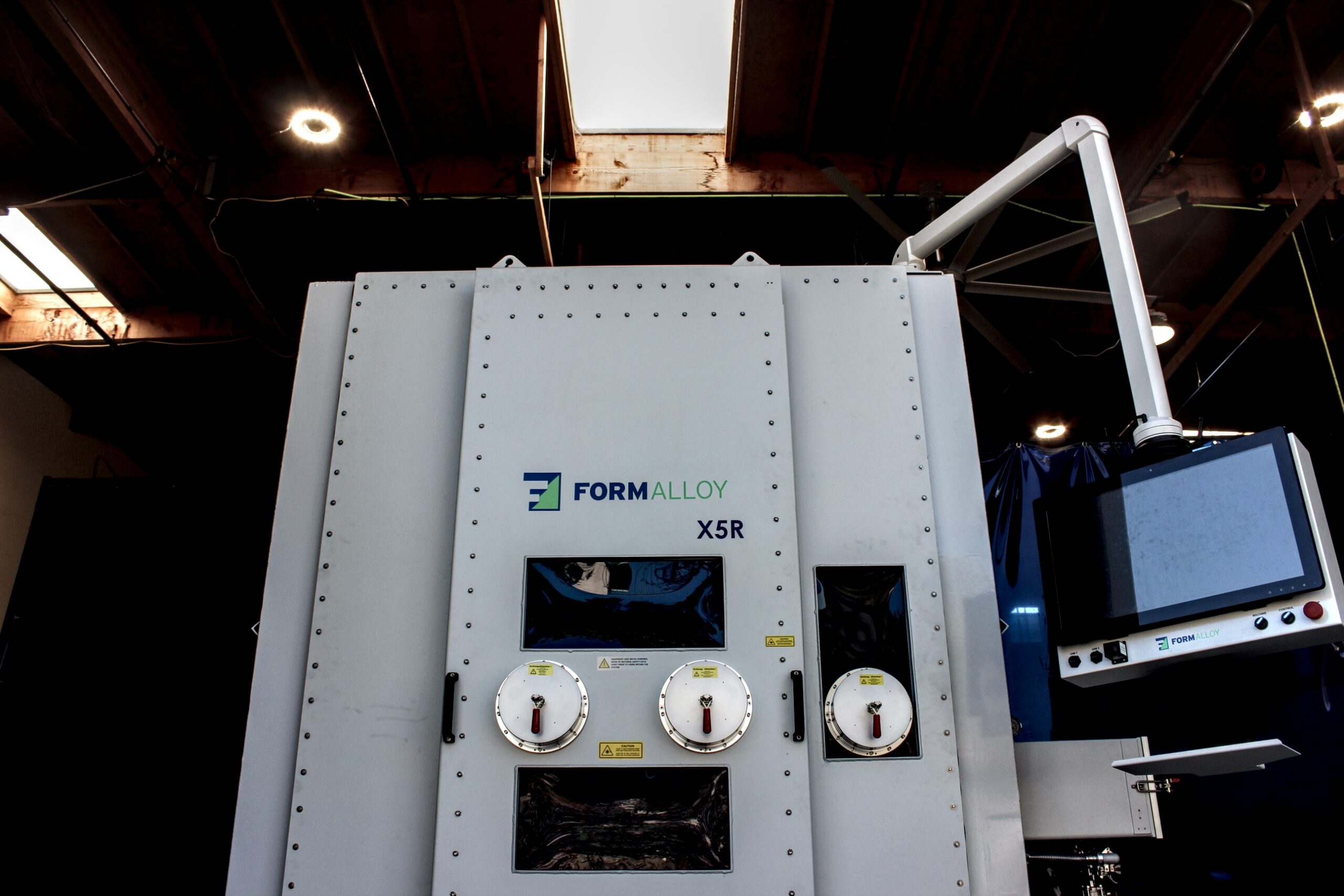
    FormAlloy’s X5R Machine boasts a 1.8m x 1.1 x 1.1m build volume

    The combination of in-situ toolpath generation and auto-alignment enables FormAlloy DED systems to operate effectively in high-throughput manufacturing environments. By reducing reliance on manual programming and accommodating part variability, these capabilities facilitate scalable deployment for both production and sustainment applications.

    As manufacturers seek to integrate additive processes alongside traditional manufacturing, FormAlloy’s approach demonstrates how DED can be used not only for part creation but also for targeted performance enhancement of existing components. This represents a significant step toward intelligent, adaptive metal manufacturing systems capable of meeting the demands of modern industrial production. And it aligns strongly with what customers are asking for now.

    As Melanie Lang, CEO of FormAlloy, puts it:

    “Across our customer conversations, the market pull is unmistakable: defense programs want resilient, qualified repair and sustainment at speed; energy operators want highertemperature performance and longer service intervals; and consumer goods manufacturers want faster tool modifications and more uptime. Insitu toolpath generation and autoalignment are what make DED practical at scale—because we’re no longer programming for an ideal CAD model, we’re manufacturing to the real part in front of us.”

    For more information, visit www.formalloy.com, or contact FormAlloy’s team of engineers at [email protected].

    At Additive Manufacturing Strategies (AMS) 2026, FormAlloy Co-Founder and CEO Melanie Lang will participate in a panel about “Really Big Parts for Energy” on February 25th. This session is part of the broader AMS 2026 conference, which brings together industry leaders, policymakers, and innovators from across the global AM ecosystem. Learn more and register here.

  • Harvard SEAS Engineers Develop 3D Printing Method for Soft Robotic Components with Programmable Shapes

    The world of soft robotics is still largely in its pure research phase, but the R&D landscape has started to produce examples of early-stage commercialization. Researchers have started to refine their focus towards the genuine advantages of soft robotics over their more rigid counterparts, and the open-ended design capabilities of additive manufacturing (AM) have been pivotal to this evolution.

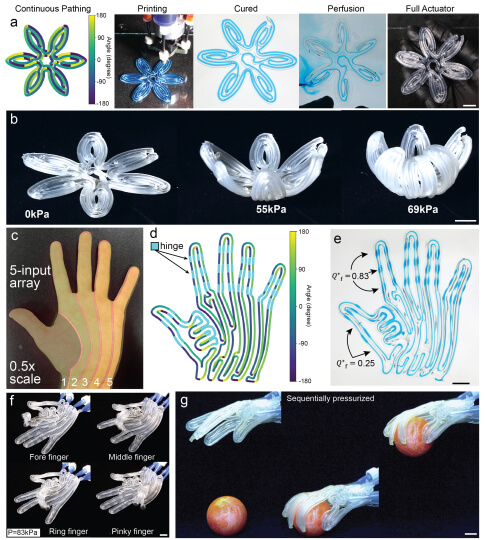
    Not long ago, researchers from Harvard’s School of Engineering and Applied Sciences (SEAS) published a study in Advanced Materials detailing a novel process they developed, which relies on a rotating printer with a multimaterial nozzle. Users print a hard polymer shell first, then layer a gel-like polymer on top, resulting in a channel when the shell fully hardens, after which the softer substance is washed away.

    Once the end product is inflated, the built-in design (“programmed shapes”) fully emerges, yielding bio-inspired shapes whose production would otherwise require casts and molds. Some of the example patterns detailed in the Advanced Materials article include flowers and human hands, addressing one of the most intractable problems associated with design for the robotics industry.

    Image-based print-path planning for generating complex soft robotic matter

    The researchers completed their work in the lab of Jennifer Lewis, Hansjorg Wyss Professor of Biologically Inspired Engineering at SEAS, who was the lead author on the first study based on the underlying process, published back in 2022. That earlier project demonstrated how helical shapes could be leveraged to make joints and hinges for soft robotics.

    In a press release about the study on using rotational multimaterial 3D printing to produce soft robotics components with programmable shapes, Jackson Wilt, a graduate student who worked on the project, explained, “We use two materials from a single outlet, which can be rotated to program the direction the robot bends when inflated. …In this work, we don’t have a mold. We print the structures, we program them rapidly, and we’re able to quickly customize actuation.”

    There are plenty of reasons to be optimistic about the long-term growth potential of the robotics industry, but I’m not sold on the near-term potential of the humanoid robots market, and I often wonder if humanoids have scalable commercial potential, at all. There just seem to be way too many obstacles — whether technological, economic, sociological, regulatory, etc. — standing in the way.

    However, I think that if the progress that’s being made in soft robotics can catch up to, and synchronize with, all the progress made thus far with more rigid robotics components for humanoid systems, the idea of a mass humanoid market at some point in the future starts to make more sense. This would extend the timeline for humanoid commercialization much farther out than the forecast of 2026 that some who are working on the problem have floated, though I don’t know if the people touting those forecasts can even believe them. But who knows what kinds of progress they’re seeing behind closed doors!

    In any case, I think the biggest selling point for the direction soft robotics R&D seems to be headed in, and the biggest selling point for the role of 3D printing in this research area, is the potential for maximizing functional design. The logical extreme for this would be typing in a desired function, and having a program respond with a design that fits the purpose, which is a concept that has attracted a significant amount of VC money in the last few years. Soft robots built with 3D printers could be a perfect use-case for testing all those text-to-design applications.

    Again, while I acknowledge that technological acceleration cares nothing for my feelings, I think that the mid-2030s “feels” like a more realistic target for meaningfully commercializing the sort of tech under discussion here. That may sound too slow to minds who seem to be itching for a singularity, but I think such minds have already been given far too much influence over the direction of human affairs.

    Images courtesy of SEAS

  • From Material Maturity to Fleet Execution: What Comes Next for Additive Manufacturing in the U.S. Navy

    Additive manufacturing is steadily moving from experimental use toward routine application in U.S. Navy shipbuilding, sustainment, and much more. In recent years, the Navy, working through its Maritime Industrial Base (MIB) Program in partnership with its technical community, has focused on a core challenge: how to introduce new manufacturing technologies without increasing technical, operational, or lifecycle risk. The answer is a disciplined framework called material maturity.

    Material maturity is the structured process by which the Navy rigorously classifies a material produced by additive manufacturing (AM) and characterizes its performance for comparison with similar legacy materials produced by casting or forging processes. Using this framework, material maturity teams have advanced candidate AM materials through an urgent focus on phased research, development, test, and evaluation. Early work in this space focused on feasibility and baseline characterization, relying on coupon- and block-level testing to establish fundamental corrosion resistance and mechanical properties. As programs progressed, testing emphasized robustness: understanding sensitivity to process variation, defect tolerance, post-processing effects, and long-term performance drivers.

    This work is leading to a significant milestone in early 2026: developing interchangeability guidance for the first two of nine planned additively manufactured materials: one metal using a laser powder bed fusion (L-PBF) printing process, and one using a directed energy deposition (DED) process. Interchangeability establishes that parts produced using these materials can replace legacy cast or forged components without affecting fit or function. In practical terms, from a fleet perspective, interchangeable parts simply install and perform as expected. As such, these parts won’t require additional engineering, waivers, or separate parts numbers.

    Importantly, material maturity has also demonstrated where adoption should pause. A third material studied under the program is not included in the early 2026 interchangeability guidance. This is because test specimens are not consistently meeting required performance thresholds. Though this delays adoption, it fulfills material maturity’s purpose: it identifies limitations early, protecting the fleet from premature use, and signaling to industry where further development is needed.

    Interchangeability does not represent the end of material maturity activities, but rather a transition point from technical validation to operational execution. From a logistics and acquisition perspective, this signals a new phase. With interchangeability guidance and supporting Military Performance Specifications (MIL-PRFs) in place, additive manufacturing advances from demonstration to procurable capability. Acquisition organizations can reference these as contractual requirements, enabling AM parts as authorized alternatives to legacy production.

    Logistics organizations must integrate this guidance into existing procurement and sustainment systems. This includes updating purchasing language, supply catalog references, and internal guidance, ensuring buyers know when and how to use approved AM materials. As a result, this integration supports one-for-one replacement, avoids redesign, and expands sourcing options. Put plainly, from a supply perspective, this opens up additional avenues of procuring parts without requiring any additional testing, waivers, or other barriers.

    The operational payoff is greater resilience. Approved AM materials allow multiple qualified suppliers to compete to supply parts for new construction and planned maintenance overhauls, reducing reliance on single-source vendors and cutting lead times with castings or forgings. For emergent repairs, additive manufacturing offers a solution when suppliers are unavailable or schedule is critical.

    For manufacturers, interchangeability guidance creates opportunity, but not automatic qualification. Suppliers seeking to parts must demonstrate compliance with the applicable MIL-PRFs. They’ll need to maintain auditable documentation to prove they are using pedigreed feedstock, have disciplined process control, and meet mechanical and corrosion requirements – in other words, that they’re following the Navy’s required processes, so the end product can indeed be trusted.

    Just as important, the decision to withhold the third material from initial interchangeability guidance sends a clear, constructive signal to industry. It demonstrates that inclusion in Navy guidance depends on proven performance, not aspiration. Manufacturers can invest confidently in approved AM materials and identify where further development is needed before scaling capability.

    Material maturity benefits both the fleet and the industrial base. For the fleet, it builds confidence in approved additively manufactured parts, ensuring they are safe, reliable, and supportable. For industry, it provides clarity on where investment aligns with Navy needs and where technical risk remains.

    Material maturity is intentionally conservative in its approach and forward-looking in its outcomes. By combining rigorous testing, formal specifications, and strict acquisition integration, it paves the way for additive manufacturing as a reliable, scalable part of naval shipbuilding and sustainment. Building on the current work, the foundation is laid for the responsible introduction of future materials and processes across the fleet, as additive manufacturing becomes a dependable Navy supply capability.

    Matt Sermon is Direct Reporting Program Manager, Maritime Industrial Base Program. In this role, he leads efforts to build needed capability and capacity in support of key Navy programs, advancing naval power through the largest Department of Defense industry revitalization plan since World War II. He oversees strategic initiatives in manufacturing technology advancement, workforce development, supply chain, shipyard infrastructure, and public/private partnerships—strengthening American industry to meet the growing demand for ships, submarines, and other maritime capability , ensuring long-term industrial readiness and national security.

    Previously, Mr. Sermon served as the Executive Director of Program Executive Office Strategic Submarines, where he provided executive leadership to the Columbia Class Submarine acquisition program and the In-Service SSBN/SSGN program. He was also assigned responsibility for revitalizing the Submarine Industrial Base, overseeing more than 250 acquisition personnel and managing approximately $130 billion in acquisition and sustainment programs. Before that, he served as the Executive Director for Program Executive Office Columbia Class Submarine and the Executive Director for the Amphibious, Auxiliary, and Sealift Office at Program Executive Office Ships.

    Mr. Sermon entered the Senior Executive Service in February 2019, and has been in federal service for more than 20 years. He has served in a variety of key leadership positions throughout his career, including Deputy Program Manager for the Columbia Class Submarine program (2016-2019), a $100 billion DoD Major Defense Acquisition Program. During his tenure, he led the program through detail design, construction readiness, and significant sustainment planning activities. Before leading the Columbia Class, he was the Deputy Program Manager for the Zumwalt Class Destroyer (2014- 2016) during test, trials, and delivery of the lead ship (DDG 1000). Prior to DDG 1000, he was the Deputy Program Manager for International Fleet Support in the Naval Sea Systems Command’s Surface Warfare Directorate (2010- 2014), where was responsible for the management of more than $5 billion in Foreign Military Sales cases for more than 40 partner nations.

    Other previous assignments include Principal Assistant Program Manager in the Support Ships, Boats, and Craft Program Office (PMS 325) in PEO Ships (2007-2010), where he led the $1.1 billion Egyptian Navy Missile Craft project while providing program management expertise for numerous other boat building projects.

    Prior to starting in Navy civilian service, Mr. Sermon was a U.S. Navy Surface Warfare Officer (Nuclear). He received his Surface Warfare Officer qualification aboard USS Ramage (DDG 61). Additionally, Mr. Sermon served as nuclear engineering officer aboard USS Dwight D. Eisenhower (CVN 69) before leaving the uniformed Navy in 2004. He is a veteran of Operations Enduring Freedom and Iraqi Freedom.

    Mr. Sermon is a member of the Acquisition Professional Community and has a Level III Certification in Program Management. He holds Defense Acquisition Workforce Improvement Act certifications in Production, Quality, and Manufacturing and Test & Evaluation, and has completed certification as a Project Management Professional (PMP). He received a Bachelor of Science degree in economics from the United States Naval Academy in 1999, and a Master of Science degree in engineering management from The Catholic University of America in 2006. He is a 2012 graduate of the Defense Systems Management College’s Program Manager Course. During his distinguished federal service career, Mr. Sermon has received three Navy Civilian Meritorious Service Awards and one Navy Civilian Superior Service Award. In 2023 he was named a Presidential Rank Award Distinguished Executive.

    At Additive Manufacturing Strategies (AMS) 2026, Mr. Sermon will present a talk about “AM for the Marine Industrial Base: Updates & Outlook” on February 24th. This session is part of the broader AMS 2026 conference, which brings together industry leaders, policymakers, and innovators from across the global AM ecosystem. Learn more and register here.

  • Velo3D Becomes First Qualified AM Vendor for US Army’s Ground Vehicles Program

    One indicator that I’ve used to help me track the additive manufacturing (AM) industry’s progress in terms of its technical maturity is the relative progress that each U.S. military branch is making in its AM capabilities when compared to the other branches. It would be difficult to quantify this with any single metric, other than perhaps the total mass of parts printed by each branch, and since we’re not really privy to that information, figuring it out is a mostly subjective analysis based on qualitative signs of technological parity.

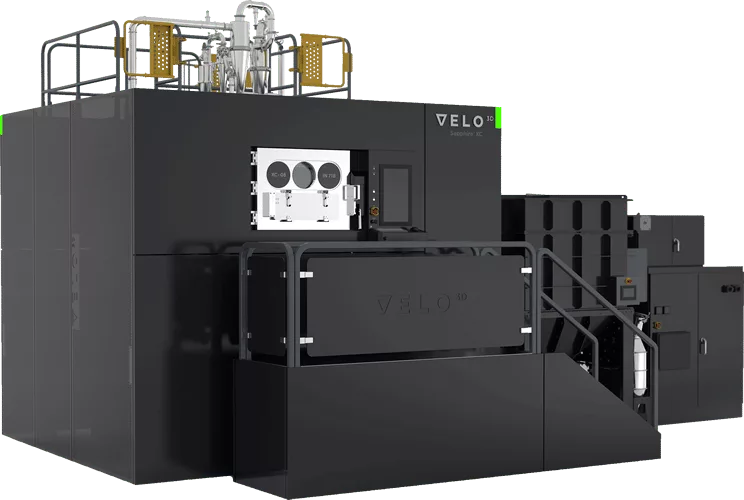
    Usually, when I bring this up, it’s when I’m writing about the U.S. Army, and the current post is no exception: Velo3D recently announced that the U.S. Army has selected the company as the first AM vendor supporting the U.S. Army’s Ground Vehicle Systems Center (GVSC) in its activities related to accelerating AM qualification. This follows Velo3D’s announcement in early January that the company had reached a Cooperative Research & Development Agreement (CRADA) with the U.S. Army DEVCOM GVSC.

    That CRADA deal was the second with a U.S. military agency that Velo3D has signed in well under a year, the first being an agreement announced in Q2 2025 with the U.S. Navy to characterize materials primarily for Navy aerospace applications. Similarly, Velo3D will validate “complex parts and assemblies” for GVSC made from Aluminum CP1 and Inconel 718 on the Sapphire family of metal AM systems. The final parts, once validated, are ultimately destined for U.S. Army Tank and Automotive Command (TACOM).

    According to Velo3D, the company “met all GVSC qualification criteria” in under two weeks, hinting at the extent to which the U.S. Army is prioritizing a ramp-up of its AM capacity. While there’s no word yet on what parts exactly Velo3D will be producing for GVSC, there is at least one Velo3D user that has reported using the company’s machines for automotive tooling in the past.

    In a press release about the U.S. Army GVSC selecting Velo3D as its first qualified AM vendor, Brandon Peter, Associate Director for GVSC Materials Engineering, said, “Accelerating AM solutions is a critical effort for the Army and the GVSC. Velo3D has the advanced AM technology we need within industry and the robust process, quality and material data available required to support our accelerated qualification process. We are excited to replicate this process with other industrial base partners and appreciative of Velo3D’s close cooperation that enabled us to rapidly validate this concept.”

    The CEO of Velo3D, Dr. Arun Jeldi, said, “Velo3D is humbly honored to support the U.S. Army and be the first of an important cohort of industrial base partners facilitating GVSC’s rapid advancement of sustainment technologies at the speed of war — soldiers should expect nothing less from a company like ours. Our Rapid Production Solution is a proven solution the Department of War and the broader national security community increasingly rely on to accelerate the delivery of critical advanced technologies.”

    I brought up technological parity, and its relevance in an AM context to the U.S. Army, at the beginning of the post because this deal serves as a major signal that the U.S. Army — more or less the last domino in the Pentagon’s AM supply chain — is starting to approach parity with the Air Force and the Navy. This doesn’t mean that the Navy is “doing as much” in AM as the Air Force is, or that the Army is doing as much in AM as the Navy is, but that all three branches are now speaking the same language, so to speak.

    That’s significant if you believe, as I do, that cross-branch AM cooperation is an all-important prerequisite that the U.S. military must fulfill in order for its AM activities to truly hit critical mass. To put it in practical terms, the Navy’s ability to print parts all over the world, even on a deployed aircraft carrier, will be most valuable once the other branches have some baseline catalog of parts qualified on the platforms that the Navy uses.

    This is also why it matters that companies like Velo3D are reaching the same deals with one branch that they’ve already reached with another branch. More broadly, we can extrapolate out that same logic and apply it to the civilian sides of the dual-use spheres that the Air Force, Navy, and Army represent on the defense side.

    All the context here similarly highlights the importance of organizations like the National Institute for Aviation Research (NIAR), to which the DEVCOM GVSC awarded $100 million in 2023 and Velo3D sold a Sapphire 1MZ in 2024. The more AM cross-pollination there is between strategically critical sectors, the better chance AM has to genuinely contribute to supply chain resilience.

    Images courtesy of Velo3D

  • Fully Automated, “Continuously Re-Nested” Industrial 3D Printing: AMIS Launches AMIS Runtime

    AI is already a pillar of global manufacturing strategy, even as its practical limitations signal that manufacturers will require quite some time to iron out the fundamental wrinkles involved. But the additive manufacturing (AM) industry has figured out at least one major use case for AI that users have incorporated into the workflow for years: nesting.

    AI-optimized nesting has been the cornerstone of the Belgian company AMIS’ entry into the AM market, with its AMIS Pro software enabling subscribers to automate the build preparation phase so that it results in maximum throughput while minimizing the amount of human labor required. AMIS, part of the HYBRID Software Group, is now announcing the release of AMIS Runtime, which the company claims is the first platform to support “fully autonomous, continuously re-nested build preparation.”

    This means that, if a build isn’t printing yet, the nesting design can be rearranged to account for new orders or shifted objectives, and this function operates without any need for manual human intervention. AMIS Runtime also automates other steps in the build preparation phase, including part import, slicing, and exporting, providing the digital backbone for truly automated, industrial-scale AM users.

    AMIS Runtime allows users to automate build prep across SLS, MJF, binder jetting, and material jetting processes. Prior to the public release, AMIS tested Runtime with users “at two industrial production sites,” which gave the company the ability to incorporate real-world user feedback into the software’s final version.

    In a press release about AMIS’ release of AMIS Runtime, the company’s Managing Director, Kris Binon, said, “Build preparation drives both quality and economics in [AM]. By automating this step, AMIS Runtime helps users achieve better density, fewer errors, and smoother workflows — and that translates directly into lower cost per part and more predictable production. Early adopters already see the difference in day-to-day operations.”

    If 2026 is indeed “The Year of the Low Cost Print Farm,” then higher-cost service bureaus will be under pressure to find ways to stay relevant. One way that the market will presumably sort out the situation already seems to be happening: the largest part orders comprised of the lowest-value components will continue to drift to print farms powered by cheap desktop printers, while more expensive, more experienced service bureaus will live off of higher-value, lower-quantity jobs for industries with the most stringent regulations.

    Solutions like AMIS Runtime should come into play as competition intensifies between the service bureaus dependent on orders with relatively high costs per part. Ultimately, if there’s little to differentiate between one service bureau and another in terms of part quality, there won’t be many factors other than cost that drive customer choice amongst AM service providers.

    That’s when the real ROI advantage achievable with automation will start to announce itself to the AM industry, and software providers like AMIS should be the primary beneficiaries. This doesn’t mean that picking winners and losers will be as easy as observing who is subscribing to AMIS Runtime and who isn’t, but it does suggest that players in the service bureau market could ultimately sink or swim based on the soundness of the long-term automation strategies they’re currently developing.

    From a broader perspective, the fact that AM already has a tangible AI use case solution it can point to that’s been a routine part of industry workflow for years puts it in an advantageous position compared to legacy manufacturing processes, and helps make the argument that reshoring should happen primarily in the form of an acceleration of manufacturing’s digitalization. When human labor power is the greatest limiting factor for a potential manufacturing resurgence, the companies that succeed will be the ones who can yield the greatest increase in productivity with the smallest addition of new human workers.

    Images courtesy of AMIS

  • Industrial Additive Manufacturing Reaches Its Most Important Inflection Point

    Additive manufacturing is entering the most consequential period in its evolution. After years of experimentation and uneven adoption, the industry is showing renewed momentum, shaped by supply-chain pressures, and a digital foundation that continues to mature. While progress has not been linear, innovation across technologies, materials, and workflows is reactivating interest in how additive manufacturing can be applied at industrial scale.

    This transition reflects a broader realignment in how manufacturers design, produce, and scale parts. As expectations rise, technology providers are being challenged to demonstrate that additive manufacturing can deliver reliable, repeatable, and economically viable outcomes within real production environments – not just in isolated use cases.

    HP Additive Manufacturing Solutions (HP AM) has been working against a clear roadmap to address the barriers that have historically limited adoption, from cost efficiency and scalability to materials performance and integration with existing manufacturing systems. Our focus within this journey remains on staying disruptive where it matters and translating innovation into practical, repeatable manufacturing outcomes.

    Economics will decide the next phase

    The industry has learned this lesson the hard way. Adoption follows economics. As long as additive manufacturing sat outside the cost structures of traditional production, its impact was limited. As cost per part comes down and total cost of ownership improves, behaviour changes.

    However, economics in additive manufacturing cannot be assessed on cost-per-copy alone. Even where unit costs approach parity with traditional methods, additive manufacturing delivers a broader set of economic advantages that reshape how manufacturers evaluate return on investment. The ability to iterate designs rapidly without committing to expensive moulding, for example, dramatically reduces development risk and shortens the path from concept to production. In parallel, additive manufacturing also enables production to scale quickly without disrupting existing supply chains – an increasingly important advantage amidst global trade volatility.

    Local, on-demand production further strengthens the economic case. By placing production closer to demand, manufacturers can reduce lead times and accelerate time-to-market. Together, these factors extend the value of additive manufacturing well beyond the economics of any single part, fundamentally changing how manufacturers think about cost, flexibility, and resilience.
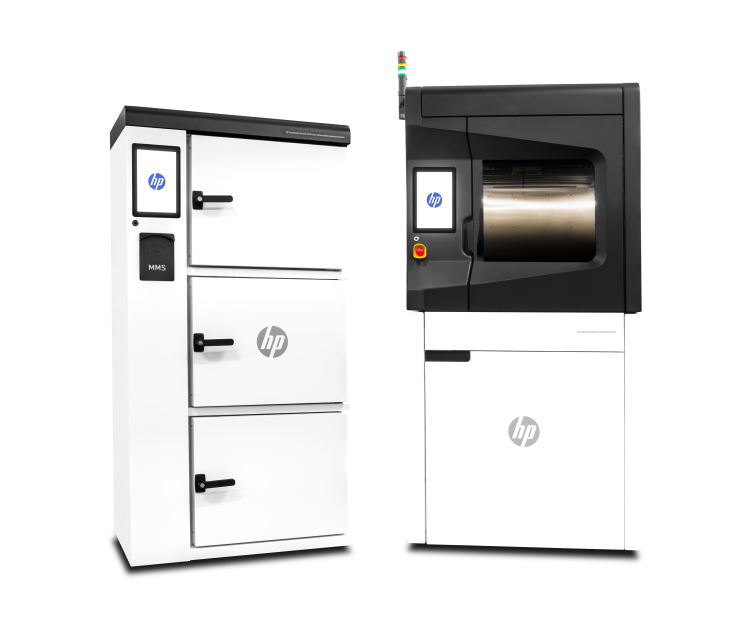
    HP AM has focused its efforts on closing that economic gap. A commitment to reducing cost per part by up to 20 percent by 2026 is being driven by three levers: productivity improvements across HP Multi Jet Fusion workflows, materials innovation that improves powder efficiency, and optimized print processes that maximize throughput while minimizing waste.

    The results are already tangible. Applications that once stalled at prototyping are moving into production. In some cases, manufacturers are shifting parts from injection molding to additive manufacturing at a pace the industry has never seen before.

    Orthotics and prosthetics illustrate this shift clearly. Providers such as Invent Medical are operating at industrial scale, producing more than 100,000 patient-specific, 3D-printed parts and supplying over 1,000 hospitals and O&P facilities worldwide. This progress has been reinforced by policy change. HP AM’s participation in the consortium that helped secure U.S. government recognition of additive manufacturing as a reimbursable fabrication method last year removed a critical barrier to adoption, enabling 3D printing to move towards mainstream healthcare delivery.

    The same economic logic is now extending into broader industrial production. By focusing on total cost of ownership at the system level – through an open platform approach to process development that gives customers control over variables such as layer thickness, build strategies, and material mix ratios, for example – HP AM is enabling faster production and continuous optimization at scale. These conditions are setting the stage for the next phase of adoption, where additive manufacturing scales fastest in applications that fully leverage its production advantages.

    Production applications are scaling where additive delivers advantage

    As economics improve, adoption is scaling fastest in applications where additive manufacturing delivers advantages that traditional methods struggle to match.  Increasingly, new products are being designed with additive manufacturing from the outset, drawn by the design freedom it enables and the performance gains achievable through complex and lightweight structures. Together with the supply-chain benefits of localized, digital production, these factors are reshaping how products are conceived and manufactured in more flexible, responsive production models.
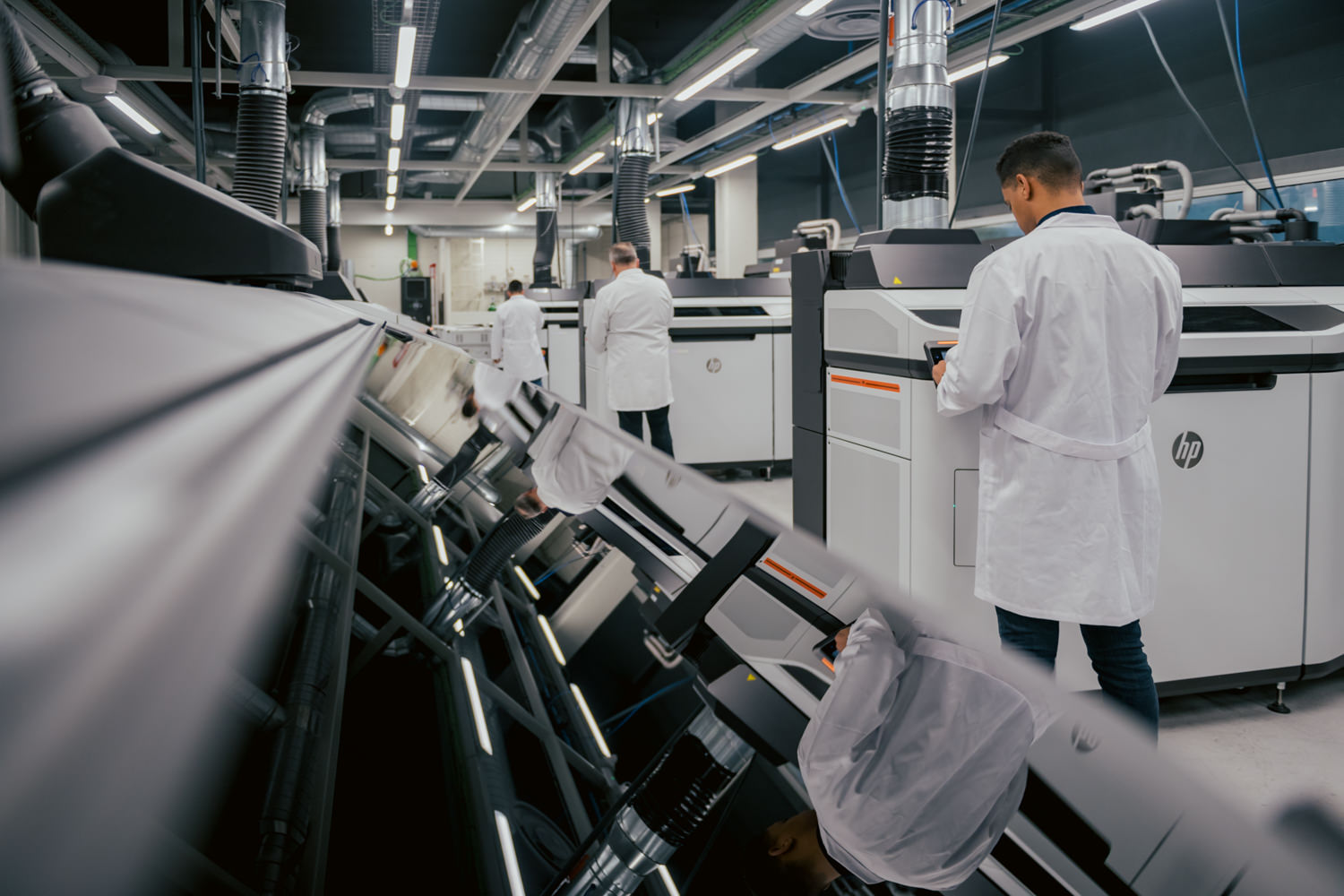
    Orthotics and prosthetics is one of the clearest examples. With HP Multi Jet Fusion technology. clinics and manufacturers can produce patient-specific devices with repeatable mechanical performance, high comfort, and streamlined digital workflows. The Limb Kind Foundation illustrates this in practice by producing durable, lightweight prosthetic components for children around the world, expanding access regardless of geography or income. What stands out in the Limb Kind Foundation’s work is not just performance, but reach. It is a powerful reminder that digital manufacturing can transform lives as well as industries.

    The same production principles have been applied within the U.S. Department of Veterans Affairs, where HP supported the VA’s first fully in-house, 3D-printed definitive prosthetic socket. Developed, produced, and refined entirely within the VA’s clinical infrastructure, the project shows how additive manufacturing can be integrated into day-to-day practice – enabling faster iteration and closer alignment with patient needs.

    This pattern is also emerging in mission-critical and sustainability-driven applications. In South Africa, a collaboration between HP AM and The Eye Above is using HP Multi Jet Fusion technology to produce drones that are 96 percent 3D printed, supporting wildlife protection and anti-poaching efforts.
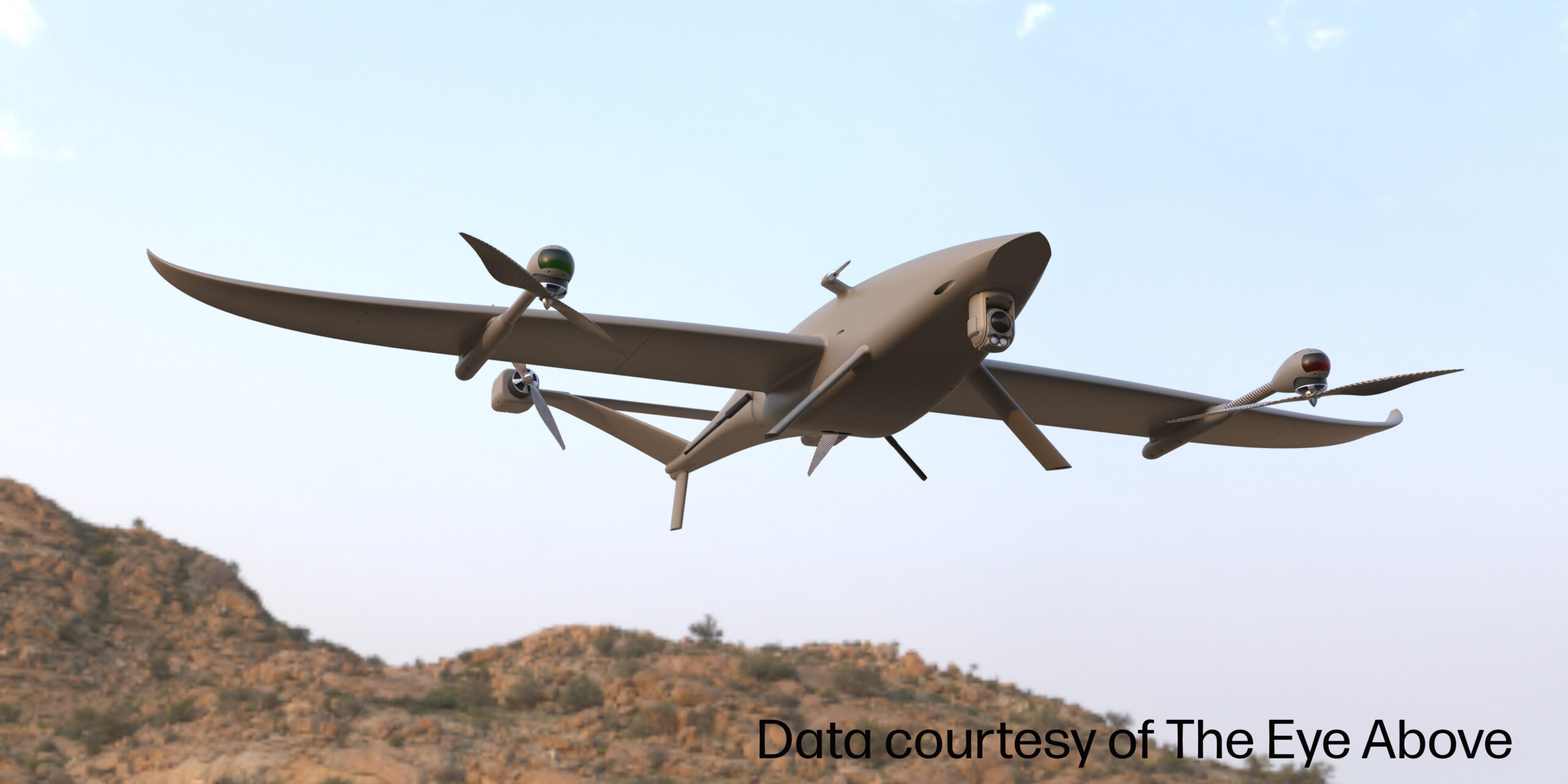
    Here, additive manufacturing is an enabler of new design possibilities. Multi Jet Fusion makes it possible to produce extremely thin, single-wall structures that significantly reduce weight while maintaining mechanical strength – an essential factor for flight time, payload capacity, and operational reliability. In this context, lightweight design, rapid iteration, and localized production are operational necessities. The ability to combine all three within a scalable manufacturing model is what is allowing additive manufacturing to play a growing role in the drone sector.

    Across industrial goods, customers in machinery, humanoids, robotics, and consumer products are adopting additive manufacturing for end-use parts, simplified assemblies, and flexible alternatives to traditional tooling. As MJF technology continue to improve, these high-value production applications are expanding quickly and successfully.

    Portfolio breadth, materials, and ecosystems will matter

    The next phase of additive manufacturing will favour providers that can support a wide range of applications with cohesive, industrial-grade solutions. At Formnext 2025, HP AM expanded its portfolio with the introduction of HP Industrial Filament 3D Printing Solutions to support new, engineering-grade, high temperature, applications. Combined with Multi Jet Fusion and Metal Jet, this gives customers more freedom to choose the right process and material for every application without compromising industrial requirements for repeatable, scalable production.

    Sustainability is now integral to that scale. Materials innovation is where performance and environmental impact now intersect. Over the past three years, HP AM has reduced the carbon footprint per part by more than 70 percent through advances such as HP 3D HR PA 11 Gen2, which supports up to 80 percent powder reusability. Just as importantly, tools like the HP PrintOS Carbon Calculator embed sustainability into everyday production decisions, giving manufacturers the data they need to balance speed, cost, and environmental responsibility.

    Underpinning all of this is digital infrastructure. Through the HP Additive Manufacturing Network and collaborations with partners such as Würth Additive Group, HP is enabling digital inventory, secure data exchange, and localized production models – capabilities that reduce cost and improve supply chain responsiveness.
    What happens next

    The next phase of additive manufacturing will separate industrial platforms from experimental ones. Cost per part will continue to fall. Production volumes will increase. Sustainability will move from aspiration to measurement.

    HP AM’s roadmap reflects a long-term view of how additive manufacturing becomes part of global production. The future of the industry will not be defined by novelty. It will be defined by performance, economics, and impact – and by who can deliver all three at the same time.

    Alex Monino is the Senior Vice President and General Manager of HP Additive Manufacturing Solutions. He has more than 15 years of experience in different positions at HP, which have taken him through different business units and given him extensive experience in the industry and a deep understanding of 3D market. is a key player when it comes to advancing strategic priorities as to unlock new opportunities and accelerate the mass adoption of Advanced Manufacturing

    In his role as SVP & GM, Personalization and 3D Printing at HP, Alex leads HP’s disruptive technology and commercialization strategy to transform industries through new products, services, and business models with an explicit focus on applying HP’s advanced 3D Printing technologies in new ways to drive solutions across large markets.

    Alex holds an Engineering degree on Industrial Organization by Universitat Politècnica de Catalunya, as well as formal training in Marketing Strategy and Management from INSEAD, Harvard and Kellogg School of Mgmt.

    HP is a Sapphire Sponsor for Additive Manufacturing Strategies (AMS), a three-day industry event taking place February 24–26 in New York City. Alex will present a keynote, “Reliable, Repeatable, Scalable: The Future of Industrial Additive Manufacturing,” on February 25th, as part of the event, which brings together industry leaders, policymakers, and innovators from across the global AM ecosystem. Learn more and register here.

  • Commercial Applications for Ceramic 3D Printing

    With its Lithography-based Ceramic Manufacturing (LCM) technology, Lithoz has set the technological cornerstone for scaling ceramic additive manufacturing to industrial production for many key industries. These industries – ranging from aerospace and aviation, semiconductors, GreenTech to MedTech – are characterised by tightly regulated and closely monitored processes, strict qualification regimes, and highly time-sensitive logistic chains. Introducing a fundamentally new manufacturing system into such environments presents a major challenge, not only from a technological point of view. Moreover, both parties are faced with significant implementation challenges from a quality management and validation perspective. Selling first printers into these industries requires momentum and technological differentiation to convert a first touchdown into a long-lasting and reliable business partnership alongside traditional technologies. However, it is essential to keep up absolute discipline by respecting industry quality standards permanently, by ensuring precise technological repeatability, and by delivering worldwide customer support needed to establish both the process as a complementary full-fledged industrial ecosystem and the trust shown by the industry’s decision-makers.

    Bone Cranial and Zygomatic Implant. Image courtesy of Lithoz.

    Lithoz has addressed this challenge by building not only a technology platform but an entire ecosystem around it. The fact that experienced yet agile service bureaus are much closer to those customers’ needs has smoothly closed the notorious growth chasm standing between startup and industrialization stages. Through its “Ceramic 3D Factory”, the company has established a global network of certified service providers, research facilities, and thermal process specialists that professionally manage direct connections to OEMs. This network plays a key role in transferring ceramic additive manufacturing from past research and prototyping phases into today’s industrial reality. It has been producing numerous real-world use cases at a serial production level and at increasing speed, all of which contribute significantly to industrial credibility. In sectors where adoption cycles are measured in years rather than months, long before in-housing new processes, they are first thoroughly tested by outsourced sample prototyping, followed by low-volume production batches of cost-insensitive parts, which are only then subsequently increased step by step to industrial production. Thus, the global “Ceramic 3D Factory” network is an indispensable intermediary offering fast and low-threshold access to LCM key technology to unlock efficiency potentials offered by merging high-performance ceramics with the freedom of design in AM.

    One prominent example of LCM’s industrial adoption is Safran Aircraft Engines. In 2025, the French aerospace and defence group announced the acquisition of three Lithoz CeraFab System S65 printers to lay the foundation for their serial production of ceramic casting cores for next-generation aircraft engines. In aerospace, ceramic casting cores play a critical role in enabling complex internal cooling channels in turbine components, directly influencing engine efficiency, fuel consumption, and emissions. Using LCM, these cores can be manufactured with tight tolerances, thin walls, and intricate internal geometries that exceed the capabilities of conventionally produced cores. Safran’s investment reflects a broader industry trend: additive manufacturing is increasingly viewed as a strategic production technology that supports performance and efficiency improvements, supply chain resilience, and faster innovation cycles.

    Safran’s decision marked a major milestone and can act as a blueprint for the entire ceramic additive manufacturing industry, as it demonstrated growing trust in this technology not only for prototyping, but for qualified, repeatable production for a key component in one of the world’s most demanding industries.

    In a recent comment, Joris Peels aptly summarized the achievement’s symbolic significance: “Similar concerns are also at play in rocket engines, missiles, hypersonics, and other types of engines. This means that, with just this one process for this specific application, Lithoz could generate a lot more business. In the future, we can expect more firms to adopt Lithoz’s processes or explore using Slurry SLA for casting cores. A lot of people are probably reading this and thinking, “Well, whatever we’re doing, it can’t be harder than this.”

    LithaCore ceramic casting cores. Image courtesy of Lithoz.

    A further disclosed industrial use case in the semiconductor sector, where cost pressure reigns, and chemical resistance, thermal stability, and absolute precision are paramount, is a ceramic gas injector developed by SINTO Advanced Ceramics Europe (formerly Bosch Advanced Ceramics) using LCM technology. Manufactured from high-purity alumina, the additively produced injector integrates multiple functional elements into a single monolithic component. Internal flow-optimised structures, such as honeycomb geometries, enable precise gas distribution while reducing part count and assembly complexity. With dimensional tolerances in the ±0.1 mm range, delicate wall thicknesses of 0.2 mm across 62 outlet channels, and excellent resistance to aggressive process chemistries, the component produced in 2,000 units per year demonstrates how ceramic additive manufacturing can streamline supply chains and improve process stability in semiconductor manufacturing equipment. Again, this tiny yet significant innovation leap underlines the importance of the service bureau network as technology ambassadors, knowing the respective processes inside and out.

    Beyond industrial hardware, Lithoz has also followed a long and well-considered roadmap in bringing medical applications to the market. With bone replacement as one of the focus areas for already more than a decade, the company has since been working closely with researchers, clinicians, and medical device manufacturers to translate ceramic 3D printing into clinical reality. A major milestone in this journey was the publication of the first-ever long-term clinical follow-up study on 3D-printed bioceramic implants produced using Lithoz’s LithaBone material, conducted together with customer KLS Martin. The study demonstrated a total success rate of over 92% across a five-year observation period, confirming excellent biocompatibility, mechanical stability, and bone regeneration performance. In Germany, more than 200 patients have already been successfully treated with this method.

    These artificial bone-like implants, made from bioresorbable and bioactive ceramic materials, are designed to gradually integrate into the body while supporting natural bone growth. LCM enables patient-specific geometries and thus the speed of healing by controlled porosity and reproducible microstructures, all of which are critical for successful osseointegration. The medical field again exemplifies how ceramic additive manufacturing requires patience, rigorous validation, and close interdisciplinary collaboration over many years, and how it can deliver transformative benefits once it reaches maturity.

    Johannes Homa. Image courtesy of Lithoz.

    Across all these examples, one common denominator emerges: trust in a new technology is built incrementally, through performance in real applications. Research projects, long-term material studies, and close cooperation with customers and, above all, service partners acting as bridge builders have all played a pivotal role in supporting this development. Lithoz’s DNA revolves around delivering the highest possible quality in ceramic 3D printing while continuously pushing the limits of materials and process capabilities. This includes structured development programmes, advanced on-site training, and comprehensive customer support throughout the entire production workflow.

    Johannes Homa, CEO of Lithoz, describes this approach as “scaling with trust.” “If you look at the ceramic 3D printing industry,” he explains, “the real growth challenge lies in moving from isolated successes to broad industrial adoption. With a growing number of validated use cases and serial production applications, we have reached a critical mass in several industries. This momentum is now naturally extending into previously untapped areas.”

    Lithoz will participate in Additive Manufacturing Strategies (AMS) 2026, a three-day industry event taking place February 24–26 in New York City. The conference brings together industry leaders, policymakers, and innovators from across the global AM ecosystem. Johannes Homa, Co-founder and CEO of Lithoz GmbH, will speak during Session 1: Commercialization (9:40–11:00 AM), presenting a talk titled “Commercial Applications for Ceramic 3D Printing” at 10:50 AM. Registration is open via the AMS website.

  • 3D Printing Financials: Align Technology Hits Record Q4 2025 on Aligner Demand

    Align Technology (Nasdaq: ALGN), the company behind the popular Invisalign clear aligners, said 2025 wrapped up on a high note, with strong revenue and solid demand for products that depend heavily on 3D printing and digital manufacturing systems.

    In the fourth quarter of 2025, Align reported total revenue of $1.05 billion, a record for the company and up more than 5% compared with the same period a year earlier. That growth came even though foreign exchange effects slightly affected the numbers, as some international sales translated into fewer U.S. dollars.

    The clear aligner business was the standout in the quarter. Revenue in this segment, tied to Invisalign, reached about $838.1 million, up more than 5% year over year. Demand remained strong, with shipments hitting a record of about 677,000 cases, pointing to a continued global adoption of custom-printed clear aligners.

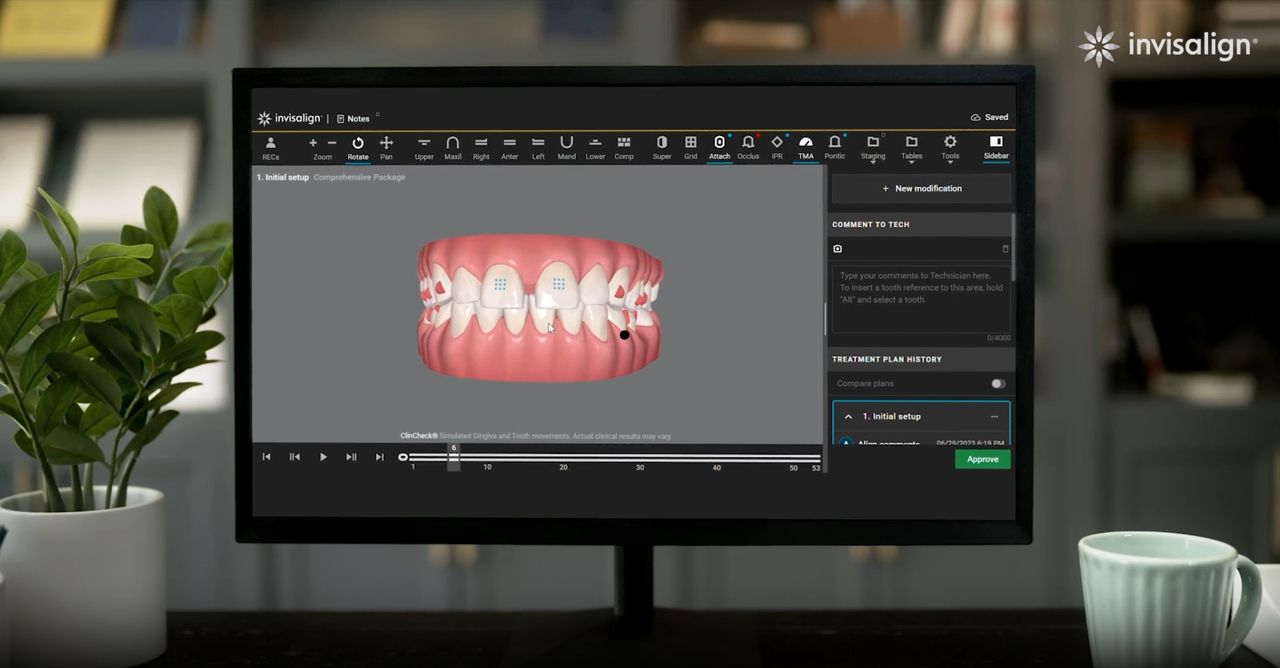
    Invisalign aligners are made using digital scans and 3D printing techniques. Each patient’s aligner is custom-designed and printed based on their mouth’s 3D model. So when clear aligner revenue and shipment volumes rise, it also shows that the digital and 3D printing systems behind Invisalign are working well for dentists, labs, and patients.

    During an earnings call with investors, Align executives also outlined further expansion of its 3D printing strategy. CEO Joe Hogan said it plans a limited market release of directly 3D printed retainers and attachments in 2026, with expectations that direct fabrication could begin contributing positively to margins starting in the second half of 2027.

    Align also saw growth in its Imaging Systems and CAD/CAM Services, technologies that help dentists scan patients’ mouths, plan treatments digitally, and connect seamlessly to 3D printing networks. That segment of the business brought in more than $209 million in the quarter, up double digits sequentially and also higher year-over-year.

    Hogan highlighted the company’s scale and manufacturing depth, describing Align as “the world’s most sophisticated treatment planning and 3D printing manufacturing operation.” He said the company’s ability to scale production and meet the speed and rigor required by rapidly growing dental service organizations (DSOs) is unmatched globally, adding that Align made strong progress with DSOs across all major regions over the past year.

    Align also reported net profit of about $135.8 million for the quarter, along with adjusted earnings of $3.29 per share. Profit increased compared with the same quarter a year earlier, reflecting higher aligner volumes and continued demand for Invisalign.

    Invisalign aligners. Image courtesy of Align Technology.

    Looking at the full year 2025, the company crossed about $4 billion in total revenue, up slightly compared with 2024. For a consumer-focused medical device company, steady results matter. And we, the digital and 3D printing workflows behind Invisalign, helped support that performance.

    At the same time, Align cautioned that its move toward direct fabrication will come with near-term tradeoffs. Hogan noted that direct 3D printing is expected to be margin dilutive during its early rollout in 2026, before efficiency gains and scale begin to improve profitability in later periods.

    Align’s results show that digital orthodontics and 3D printing are key to its growing business. Patients continue to choose custom aligners, and dentists rely on digital scanning and 3D printing to deliver them. Moreover, that model, which is built around dentists rather than bypassing them, has proven to work better over time than other alternatives that tried to move treatment fully direct to consumers, like SmileDirect.

    Invisalign’s platform helps with orthodontic treatment. Image courtesy of Align Technology.

    Align’s results point to how digital orthodontics has matured into one of the most established real-world uses of 3D printing. Over time, Align has built a system that combines treatment planning, digital scanning, and large-scale additive manufacturing into a repeatable, global operation. Patients continue to choose custom aligners; dentists remain key to the process; and 3D printing enables personalization and scalability that make the model work. Years after Invisalign first launched, it remains one of the clearest examples of 3D printing succeeding within a complete digital workflow.